Loading subject page…


28,174 views

Video Summary: Ir Spectroscopy Alkyne and Nitrile Stretching Regions
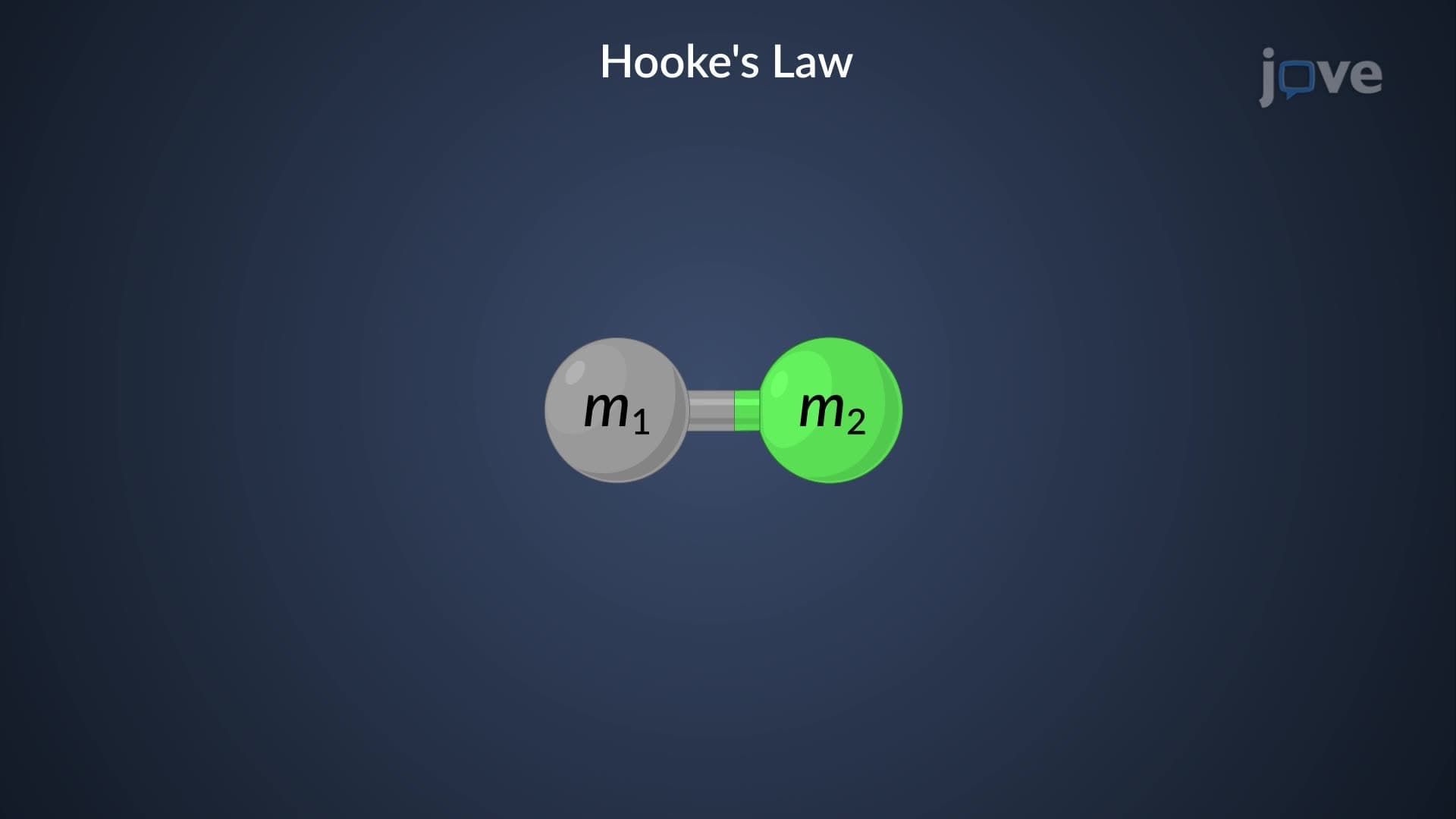
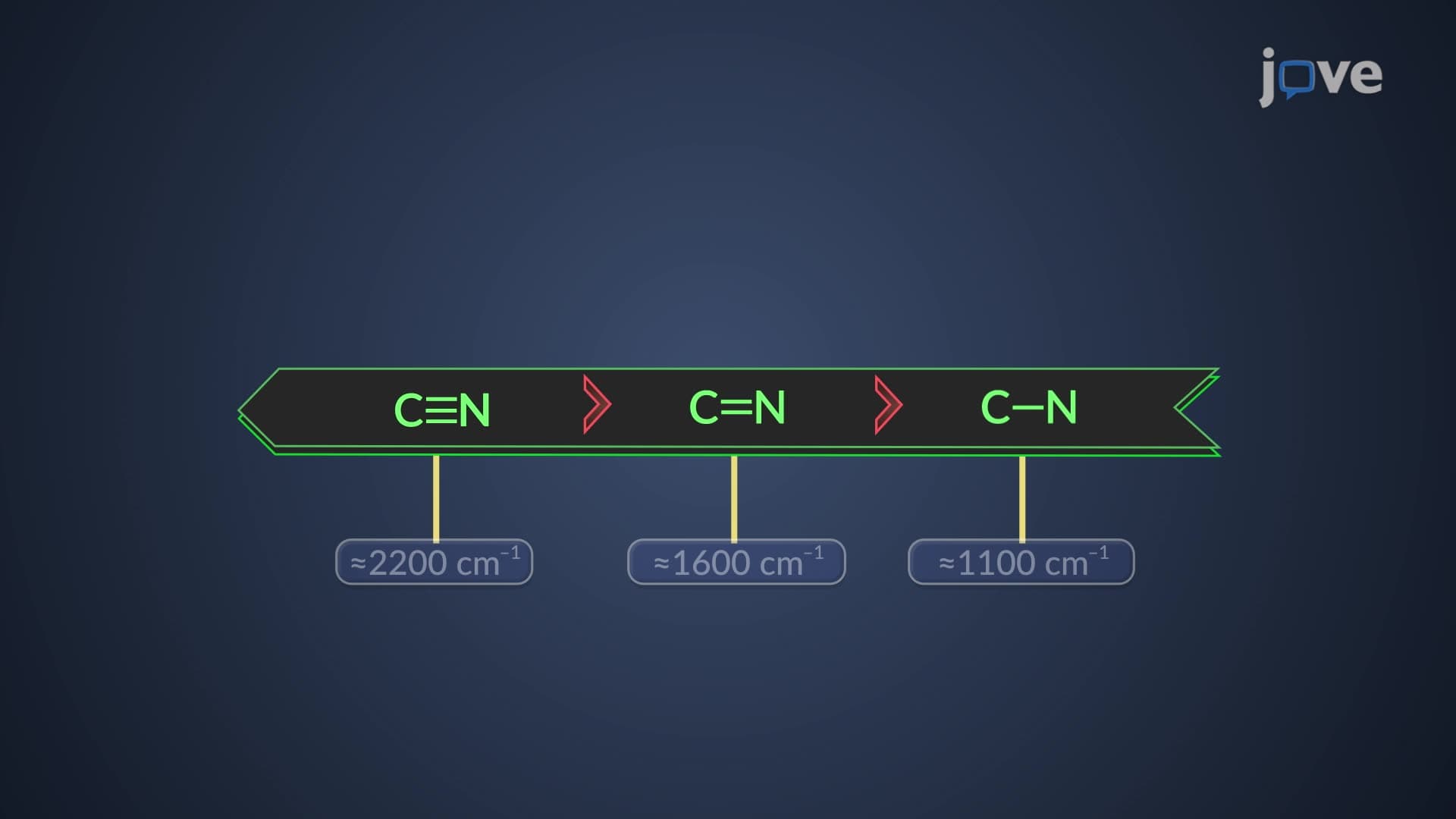
Did you know that the sound of a guitar string depends on its tension-just like how molecular bonds vibrate differently based on their strength? Alkyne nitrile IR stretching reveals how triple bonds create distinct fingerprints in the infrared spectrum, appearing around 2100-2260 cm⁻¹. Pharmaceutical companies like Pfizer use this technique to identify nitrile groups in drug compounds during quality control testing. IR Spectroscopy: Alkyne and Nitrile Stretching Regions explains why these triple bonds vibrate at higher frequencies than double or single bonds. Watch the full video on JoVE Coach to master this concept with expert-led visuals and step-by-step explanations.
The infrared spectrum serves as a molecular fingerprint, with triple bonds creating some of the most distinctive signatures. The alkyne nitrile IR stretching region, spanning approximately 2100-2260 cm⁻¹, represents one of the most diagnostically useful areas in IR spectroscopy. This high-frequency region reflects the exceptional strength of triple bonds compared to their double and single bond counterparts.
Triple bonds require significantly more energy to stretch due to their multiple electron pairs and shorter bond lengths. The alkyne C≡C IR absorption typically appears between 2100-2140 cm⁻¹, while nitrile C≡N IR stretch frequencies occur at higher values, around 2200-2260 cm⁻¹. This difference stems from the greater electronegativity of nitrogen compared to carbon, creating a stronger, stiffer bond that vibrates at higher frequencies.
In pharmaceutical analysis, companies like Johnson & Johnson routinely use these stretching frequencies to verify the presence of nitrile groups in medications such as verapamil (a calcium channel blocker) or to confirm alkyne functionalities in synthetic intermediates. Students preparing for the AP Chemistry exam should memorize these ranges, as they frequently appear in spectroscopic interpretation questions.
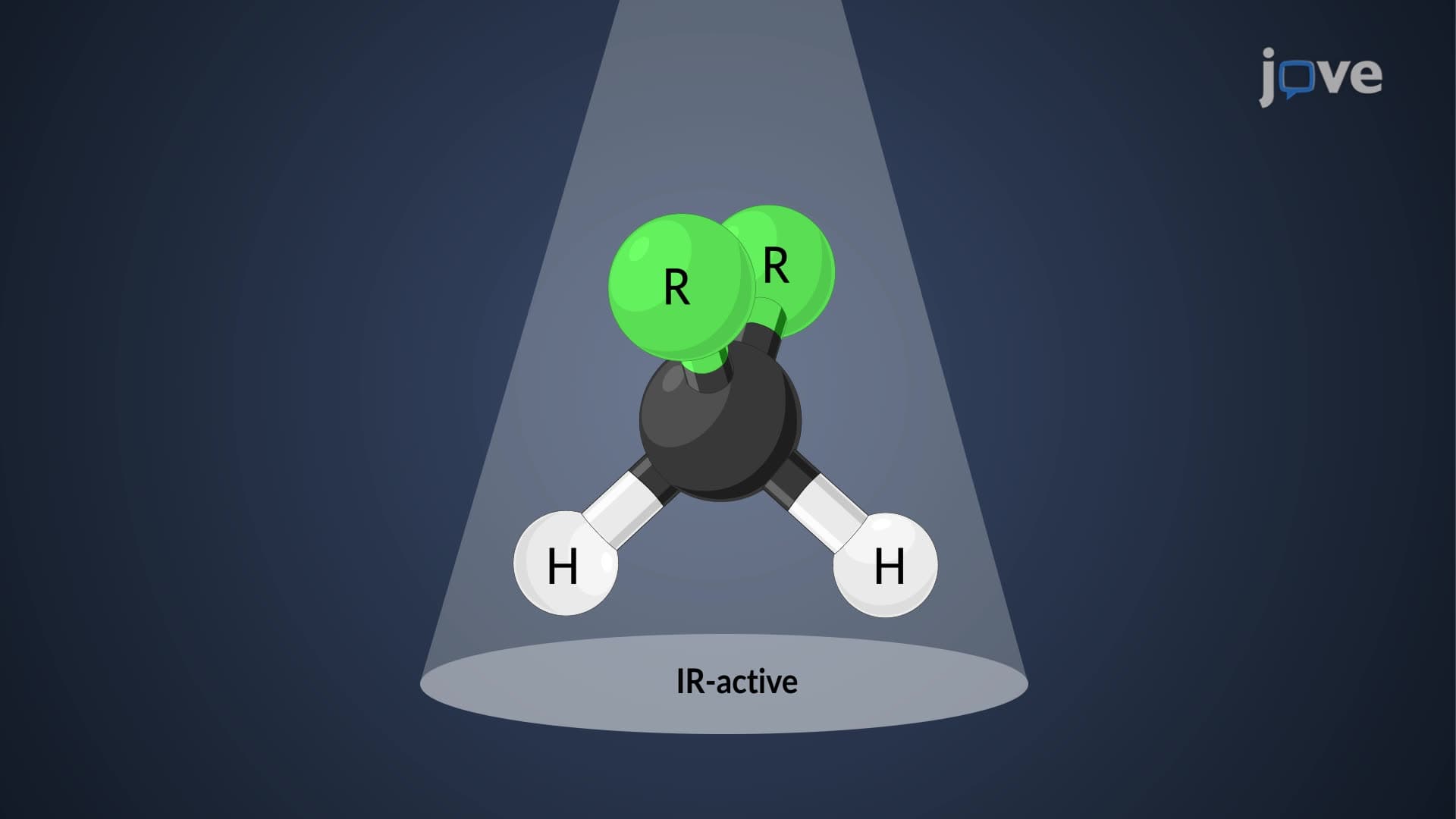
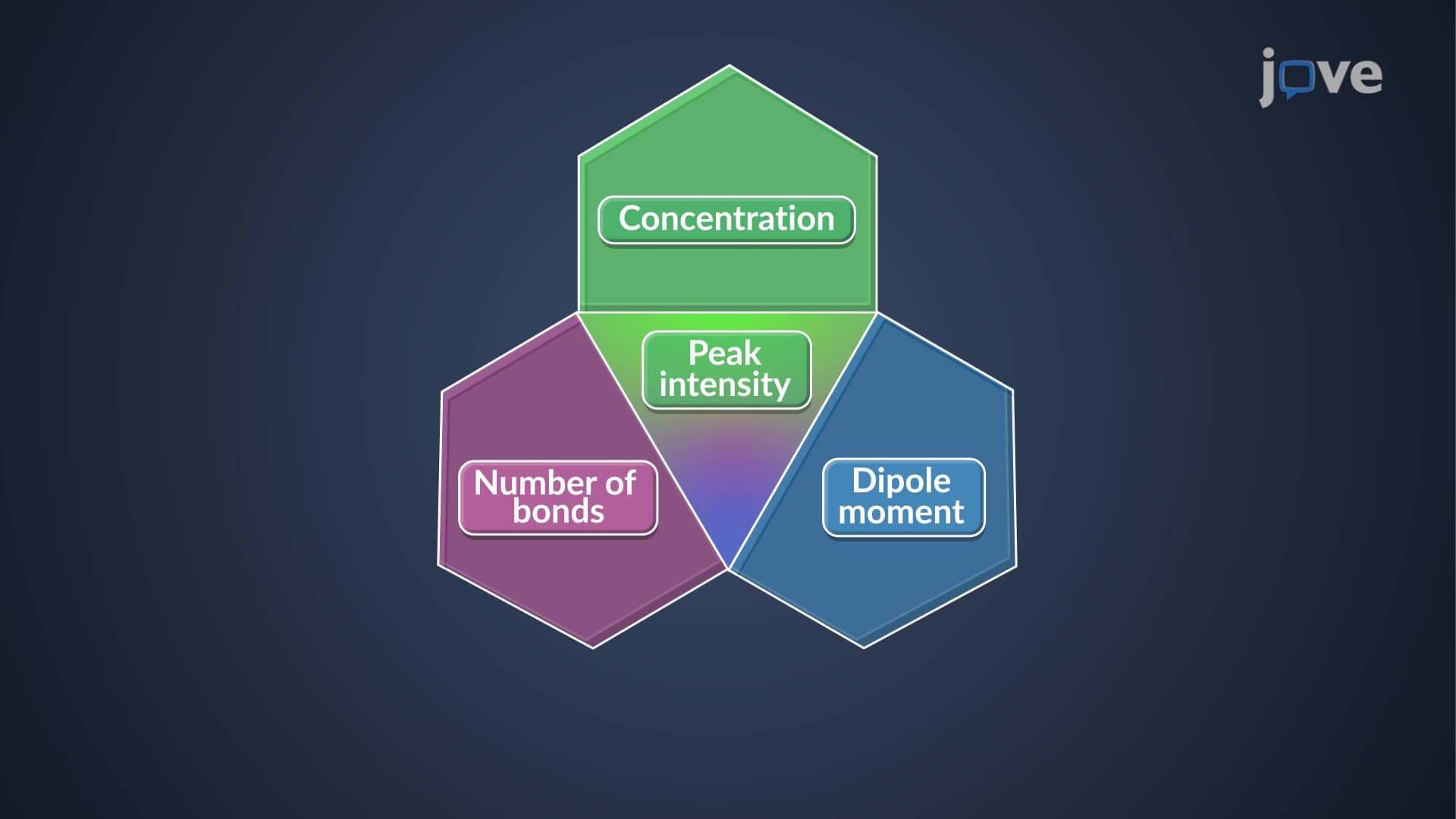
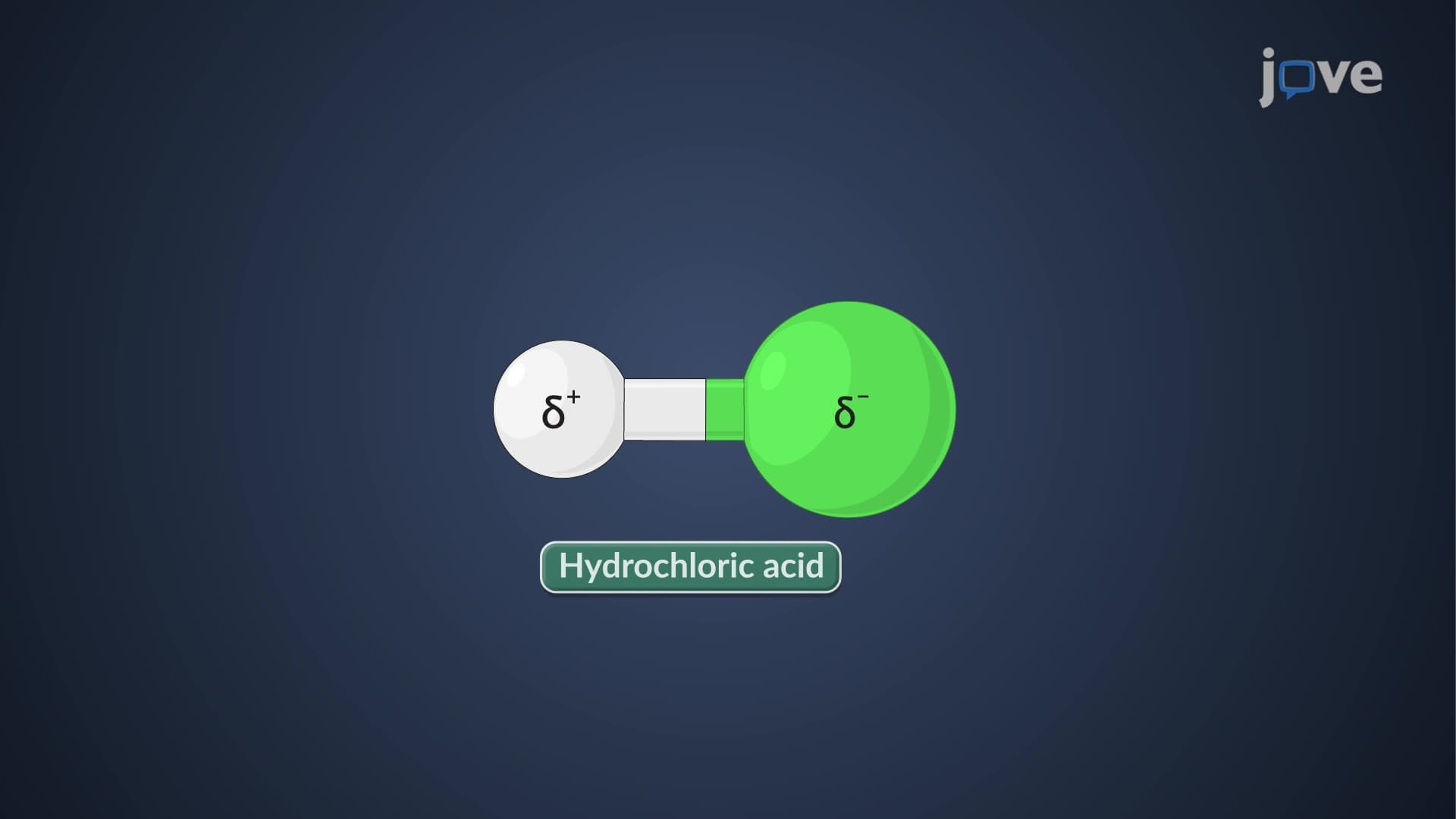
The intensity of alkyne stretching absorptions depends critically on molecular symmetry and dipole moment changes. Terminal alkynes produce strong, easily identifiable peaks because stretching the C≡C bond significantly alters the molecule's dipole moment. The hydrogen atom's presence at one end creates an asymmetric charge distribution that amplifies during vibration.
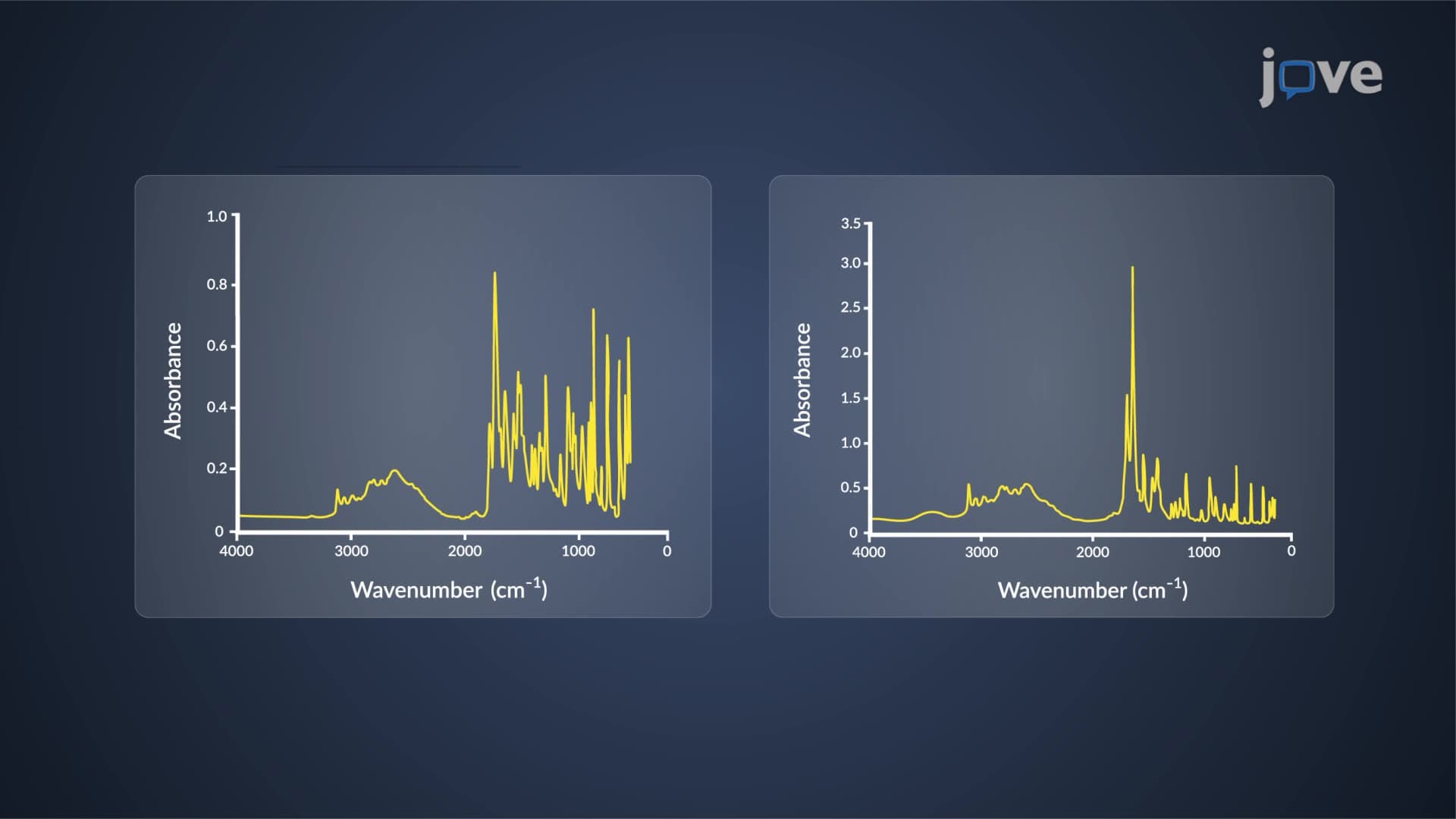
Internal alkynes, particularly symmetrical ones like 3-hexyne, may show weak or completely absent C≡C stretching absorptions. This phenomenon occurs because symmetrical internal alkynes maintain their dipole moment during stretching-no net change means no IR absorption. This principle explains why 2-pentyne shows a weak alkyne stretch while diphenylacetylene may be nearly invisible in this region.
When nitriles connect to aromatic rings or double bonds, conjugation lowers their stretching frequencies by 20-40 cm⁻¹. Benzonitrile, for example, absorbs around 2220 cm⁻¹ rather than the typical 2250 cm⁻¹ seen in aliphatic nitriles like acetonitrile. This shift occurs because conjugation delocalizes electron density, effectively weakening the C≡N bond.
Students studying for the MCAT should understand that conjugated systems always lower vibrational frequencies-a pattern extending beyond just nitriles to carbonyls, alkenes, and other functional groups. This concept frequently appears in organic chemistry sections where spectroscopic data interpretation determines molecular structures.
Related Micro-courses