Loading subject page…


28,168 views

Video Summary: Ir Spectrum Peak Intensity Dipole Moment Explained
Ever wonder why carbon dioxide doesn't show up clearly in IR spectroscopy while carbon monoxide creates strong peaks? The connection between IR peak intensity dipole moment relationships explains this mystery. When molecules like those in pharmaceutical compounds undergo vibrations, the change in their dipole moments determines absorption strength. Bonds with larger dipole moment changes, such as C=O groups in aspirin, produce more intense IR peaks than symmetrical bonds. Watch the full video on JoVE Coach to master this concept with expert-led visuals and step-by-step explanations.
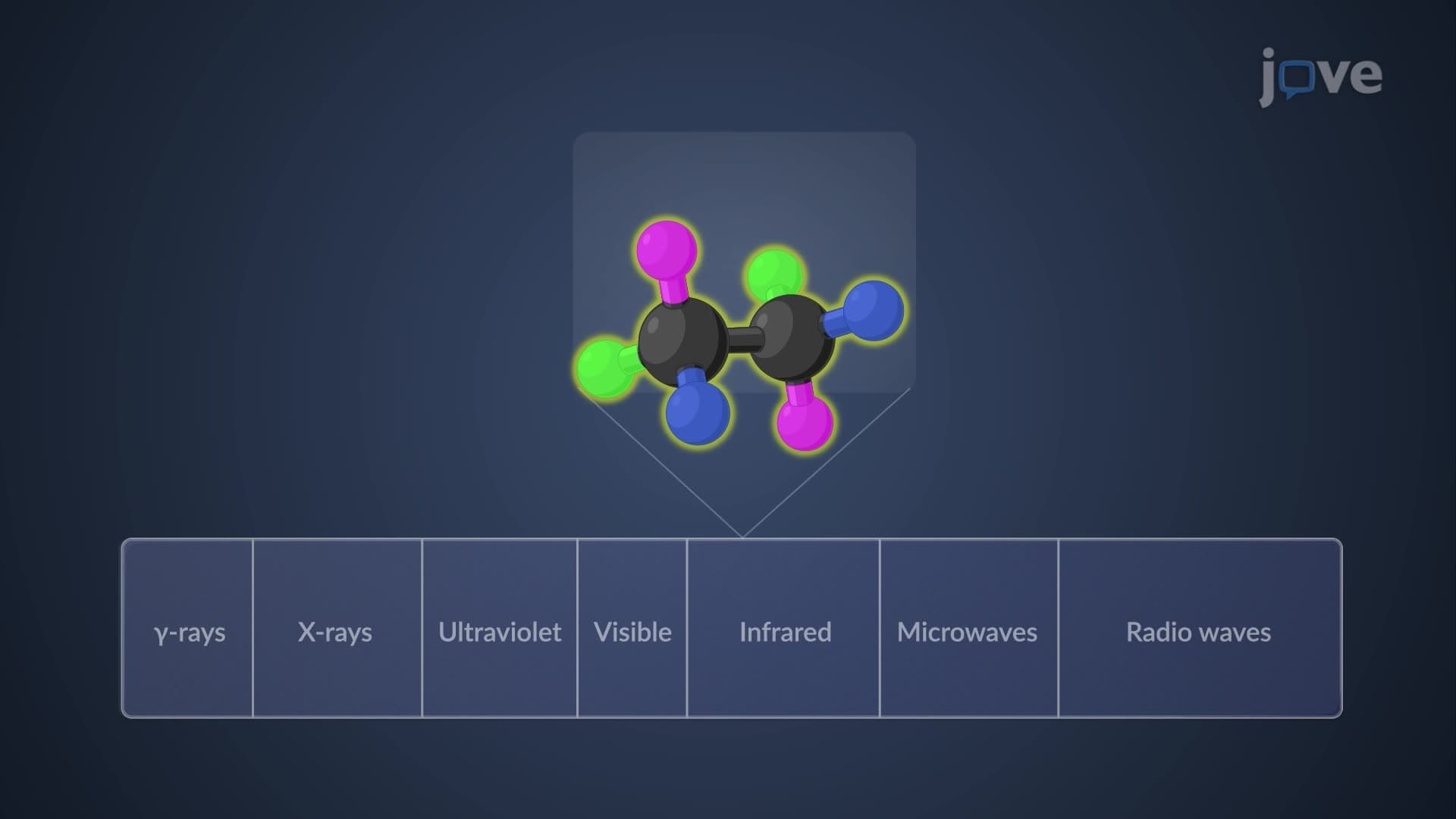
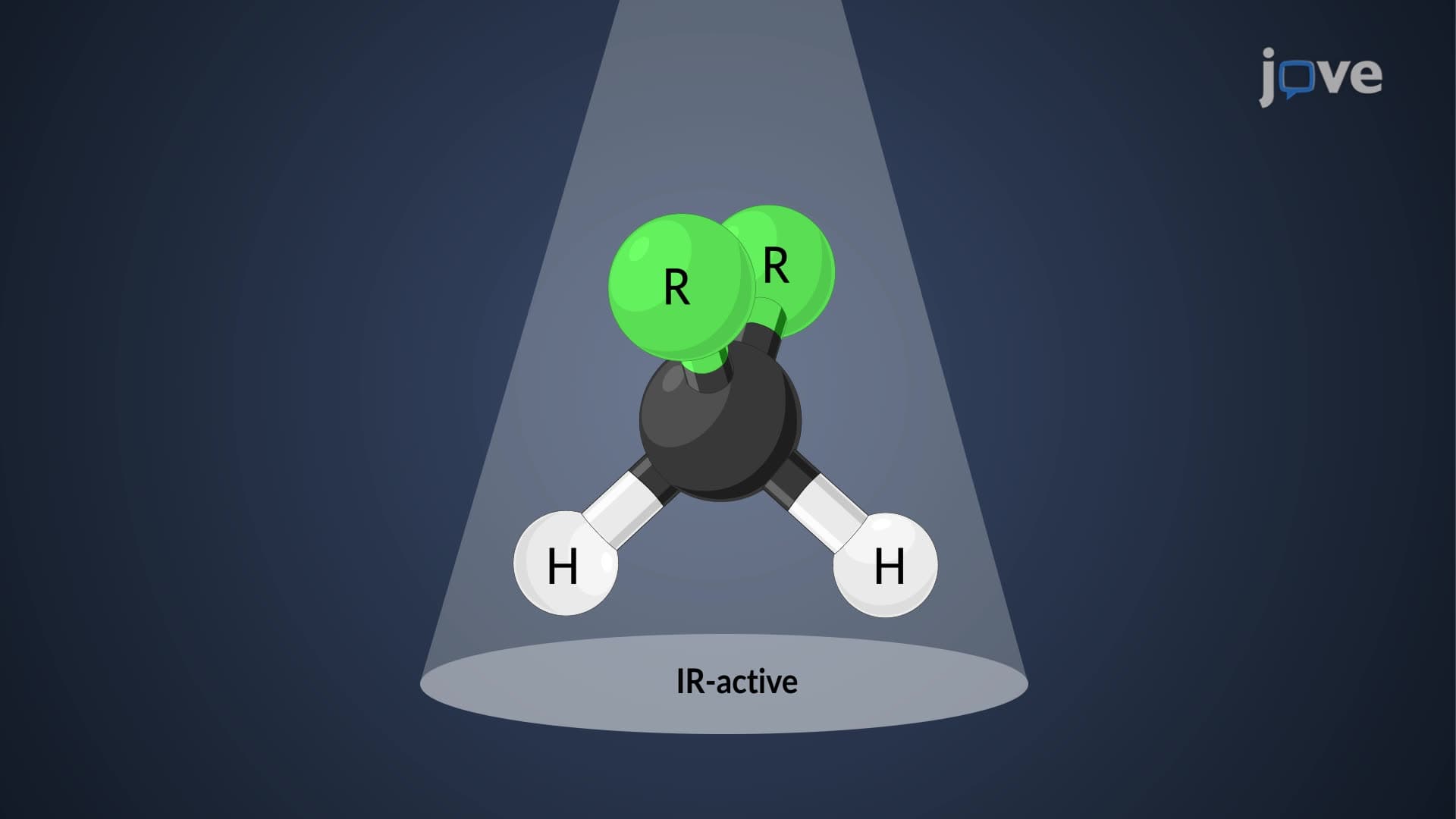
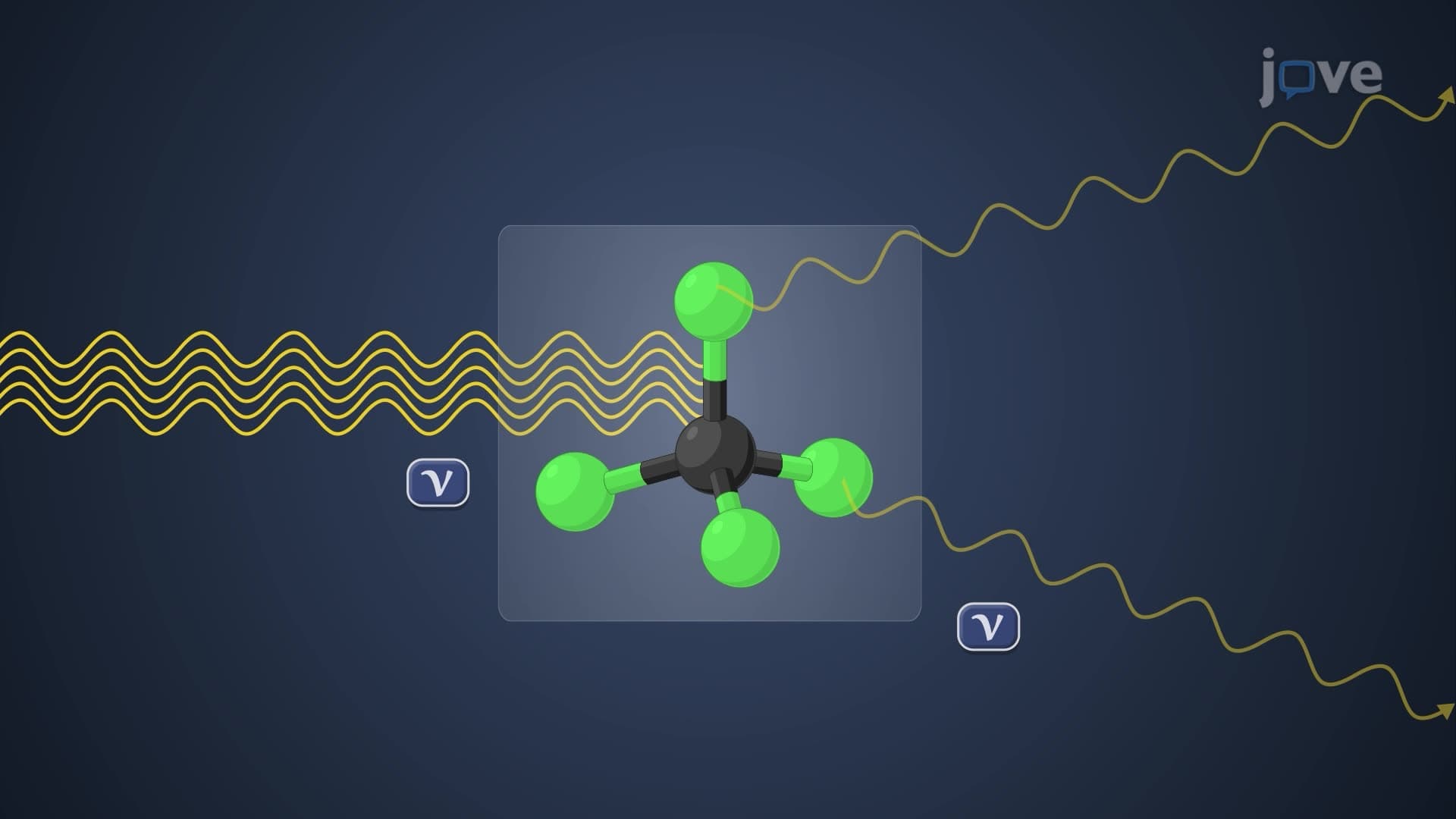
The relationship between IR peak intensity dipole moment changes forms the cornerstone of infrared spectroscopy interpretation. When electromagnetic radiation interacts with molecular bonds, only vibrations that alter the molecule's dipole moment can absorb IR energy. This fundamental selection rule explains why some bonds produce strong, easily identifiable peaks while others remain invisible in IR spectra.
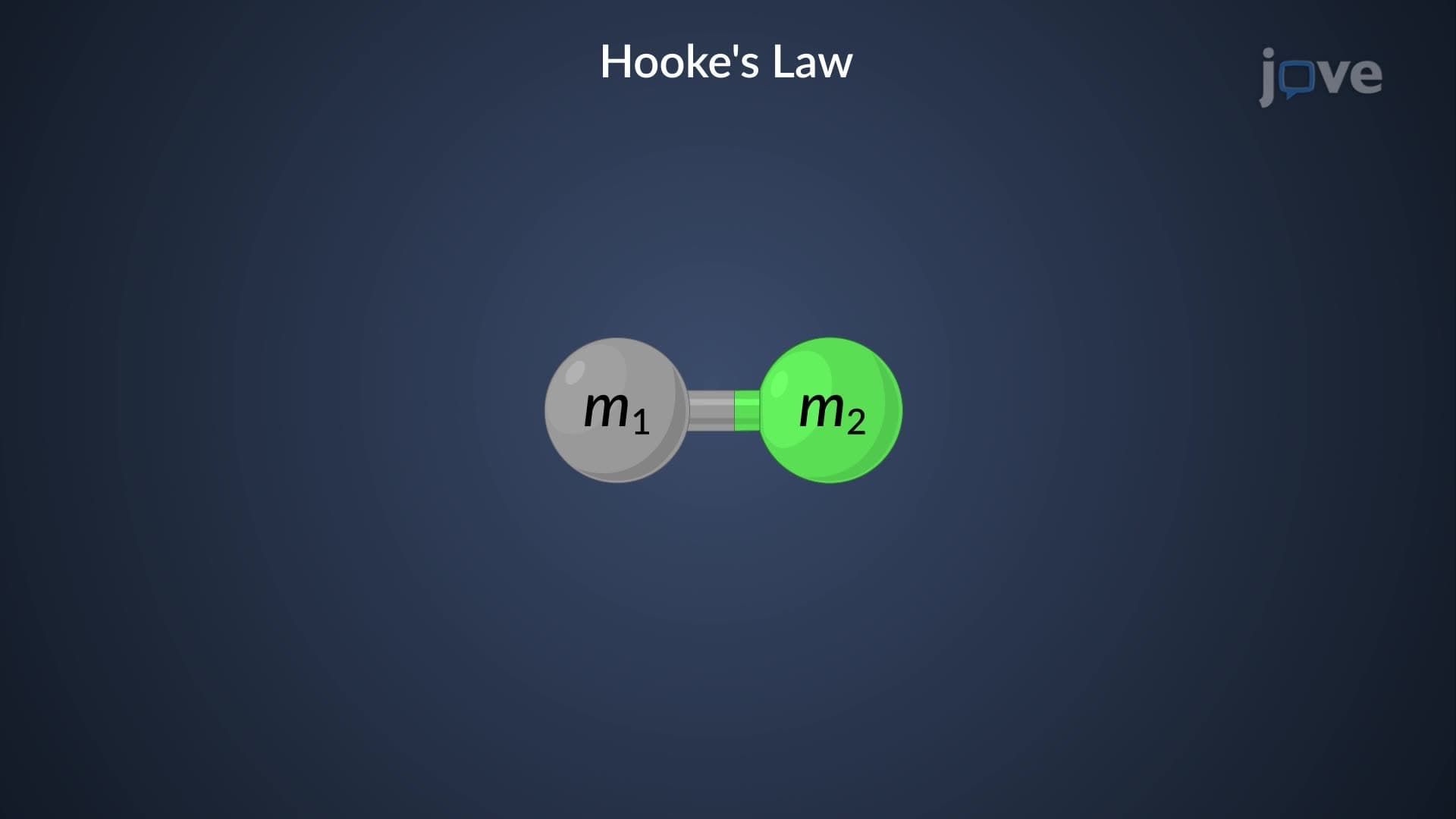
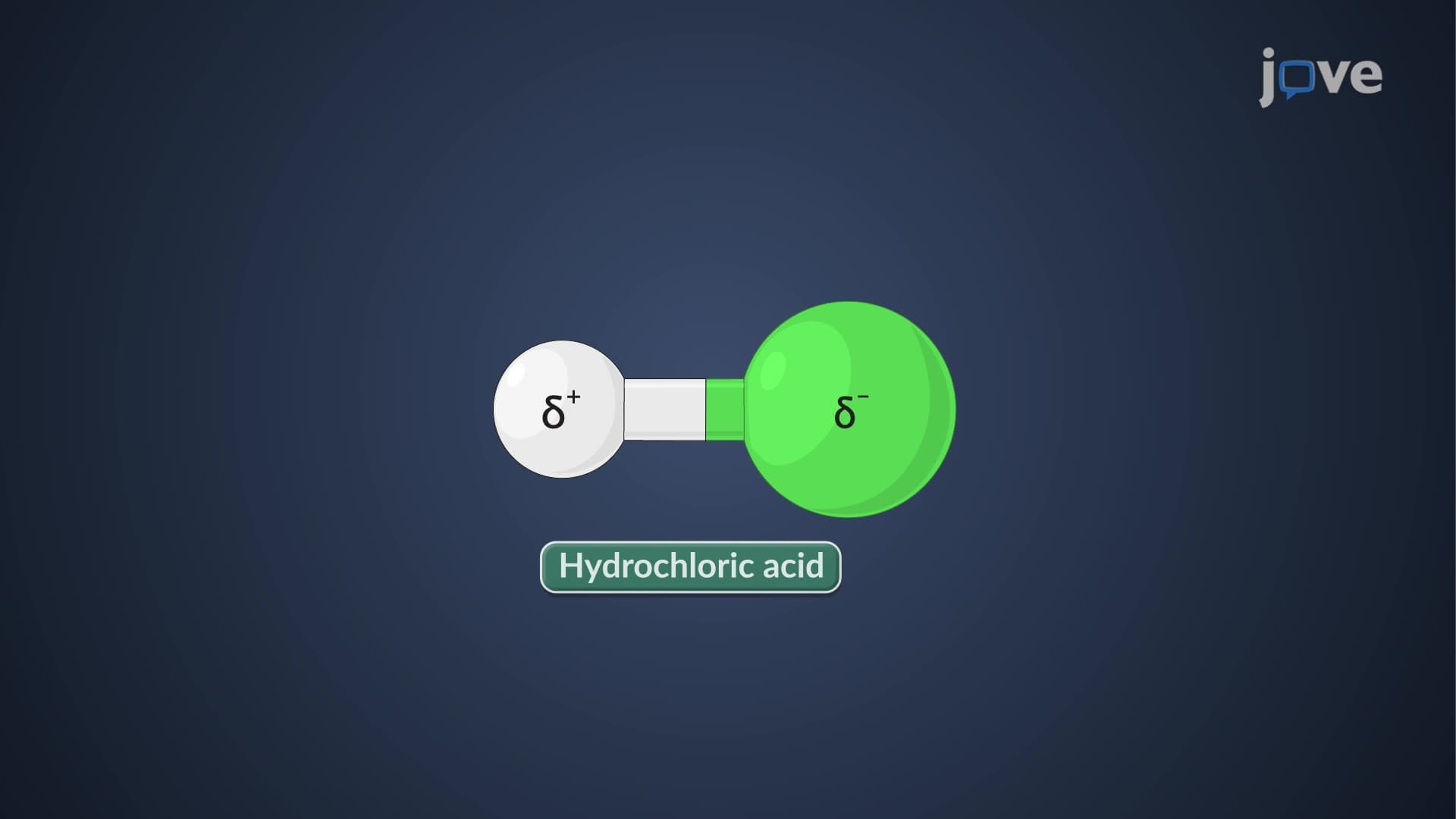
Consider the dipole moment as a measure of charge separation within a bond. In hydrogen chloride (HCl), the significant electronegativity difference between hydrogen and chlorine creates a substantial dipole moment. When this bond vibrates, stretching and compressing alternately, the dipole moment changes dramatically, making HCl an excellent IR absorber.
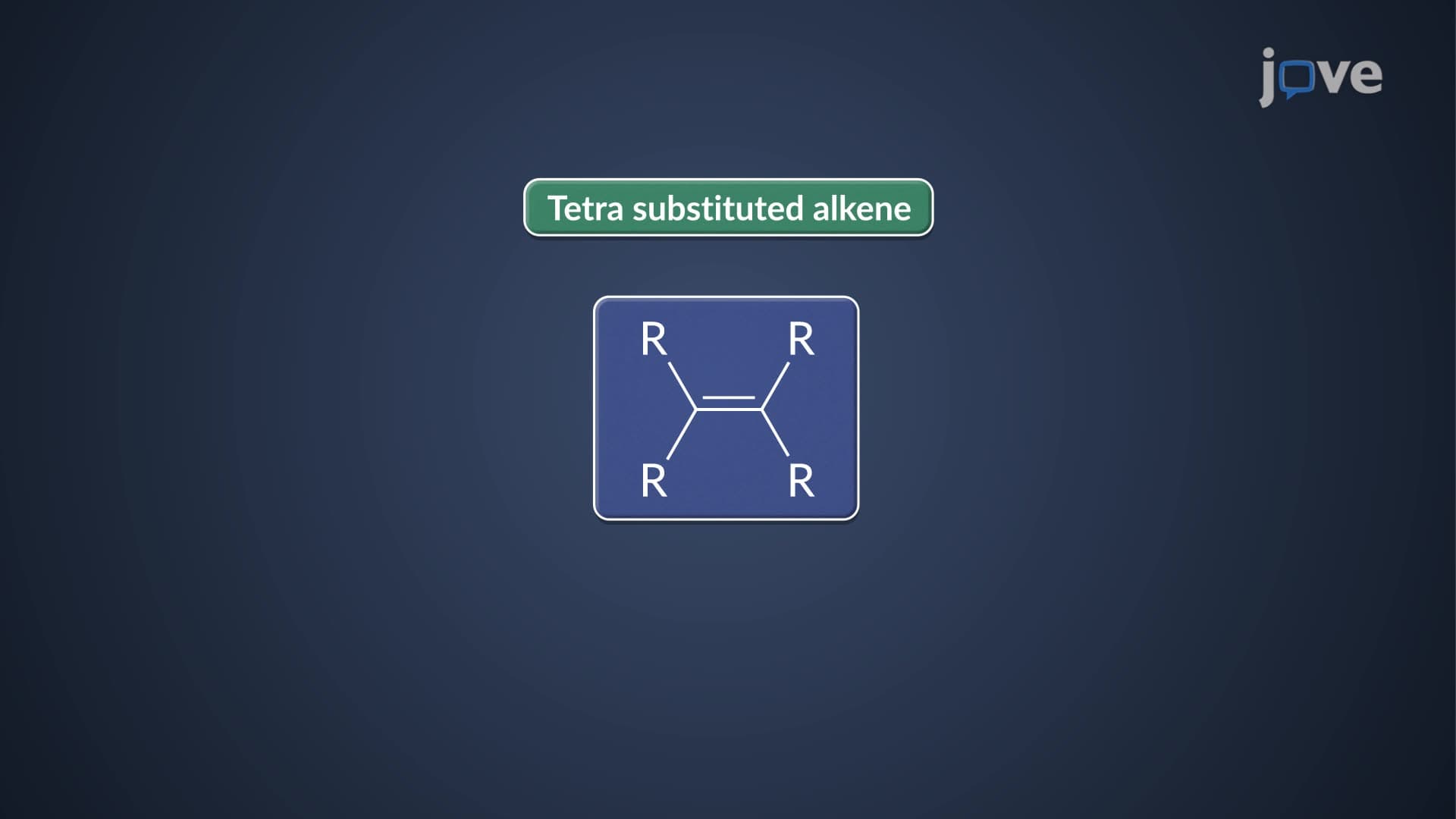
How dipole moment affects IR peak intensity becomes particularly evident when comparing symmetrical versus asymmetrical molecules. Trans-alkenes like trans-2-butene possess a center of symmetry. During C=C stretching vibrations, the dipole moment remains essentially unchanged because the electron density shifts equally in both directions. Consequently, these vibrations are IR-inactive, producing no observable peaks.
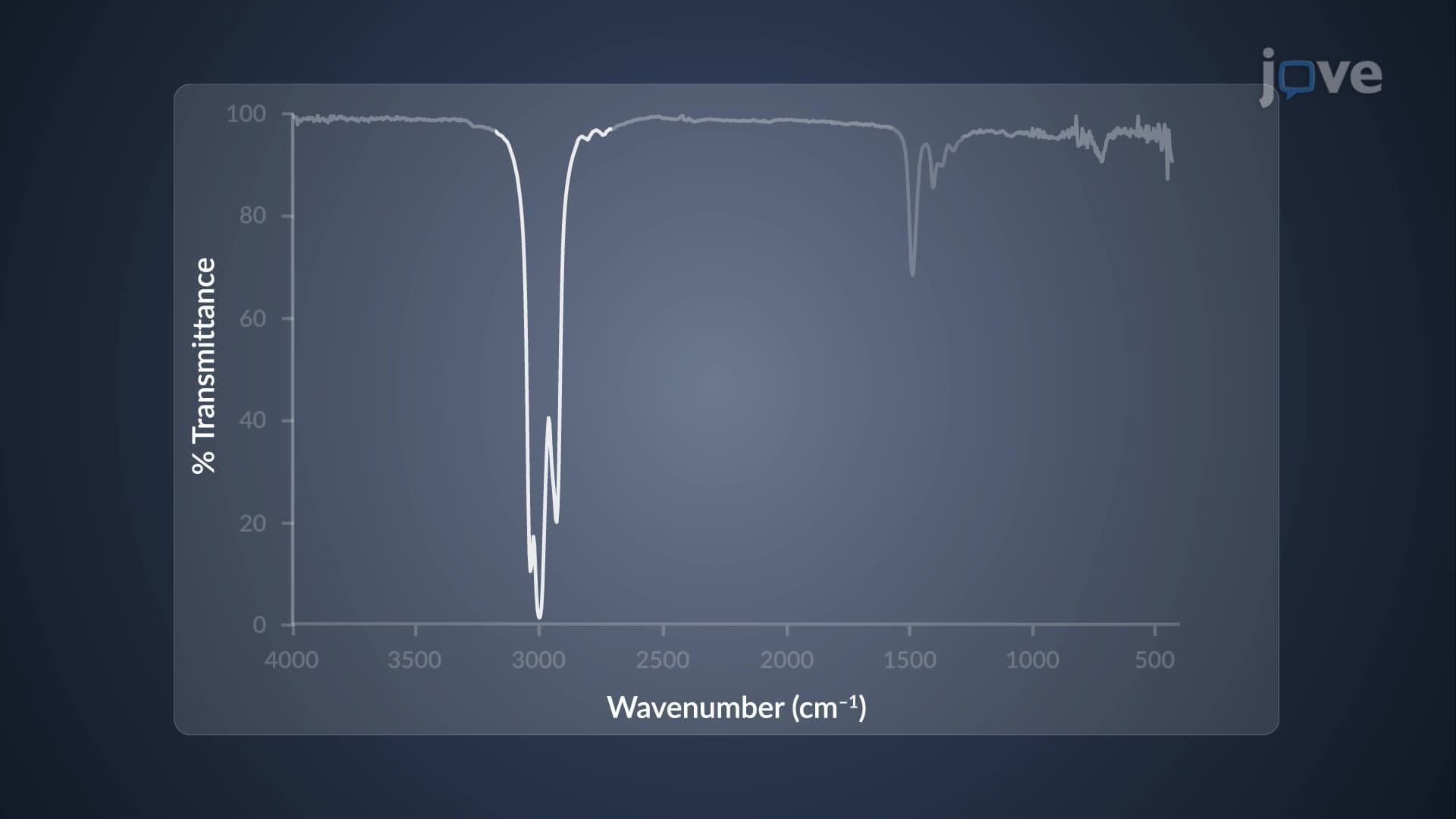
Contrast this with asymmetrical alkenes such as 2-methyl-2-butene. Here, the C=C stretch changes the overall dipole moment because the substituents create an uneven electron distribution. This dipole change IR active vibration generates a detectable, though typically weak, absorption peak around 1650 cm⁻¹.
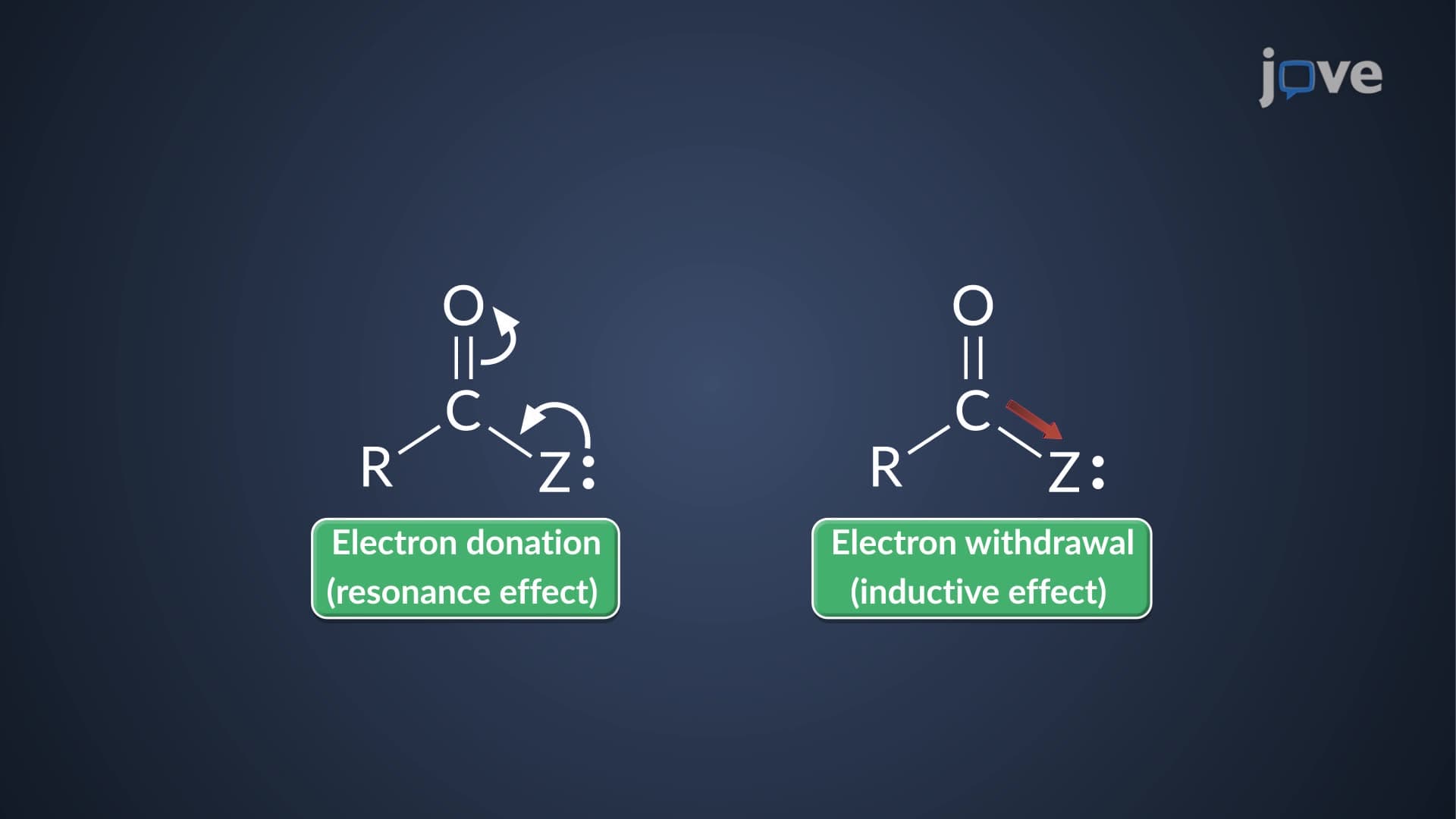
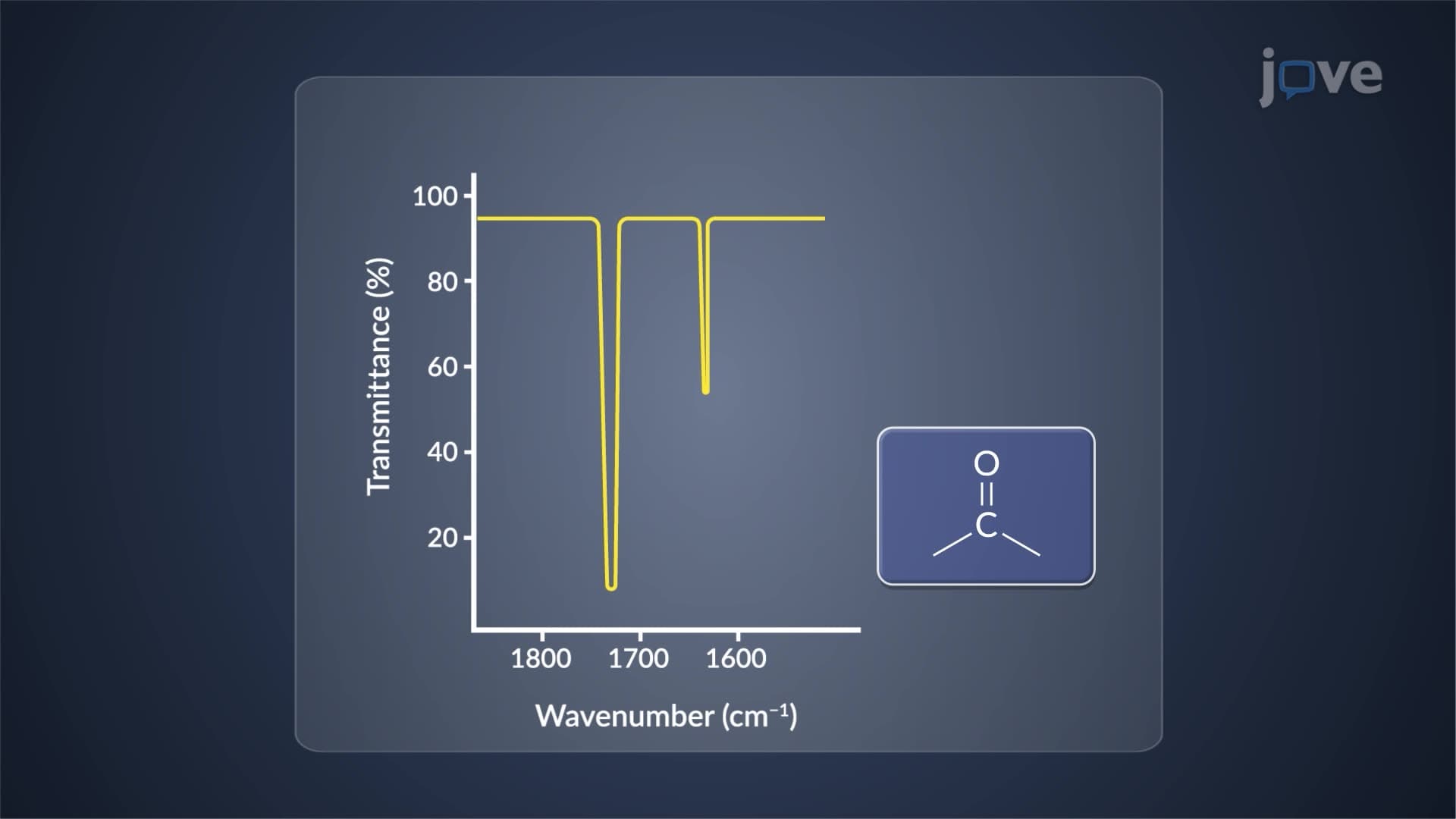
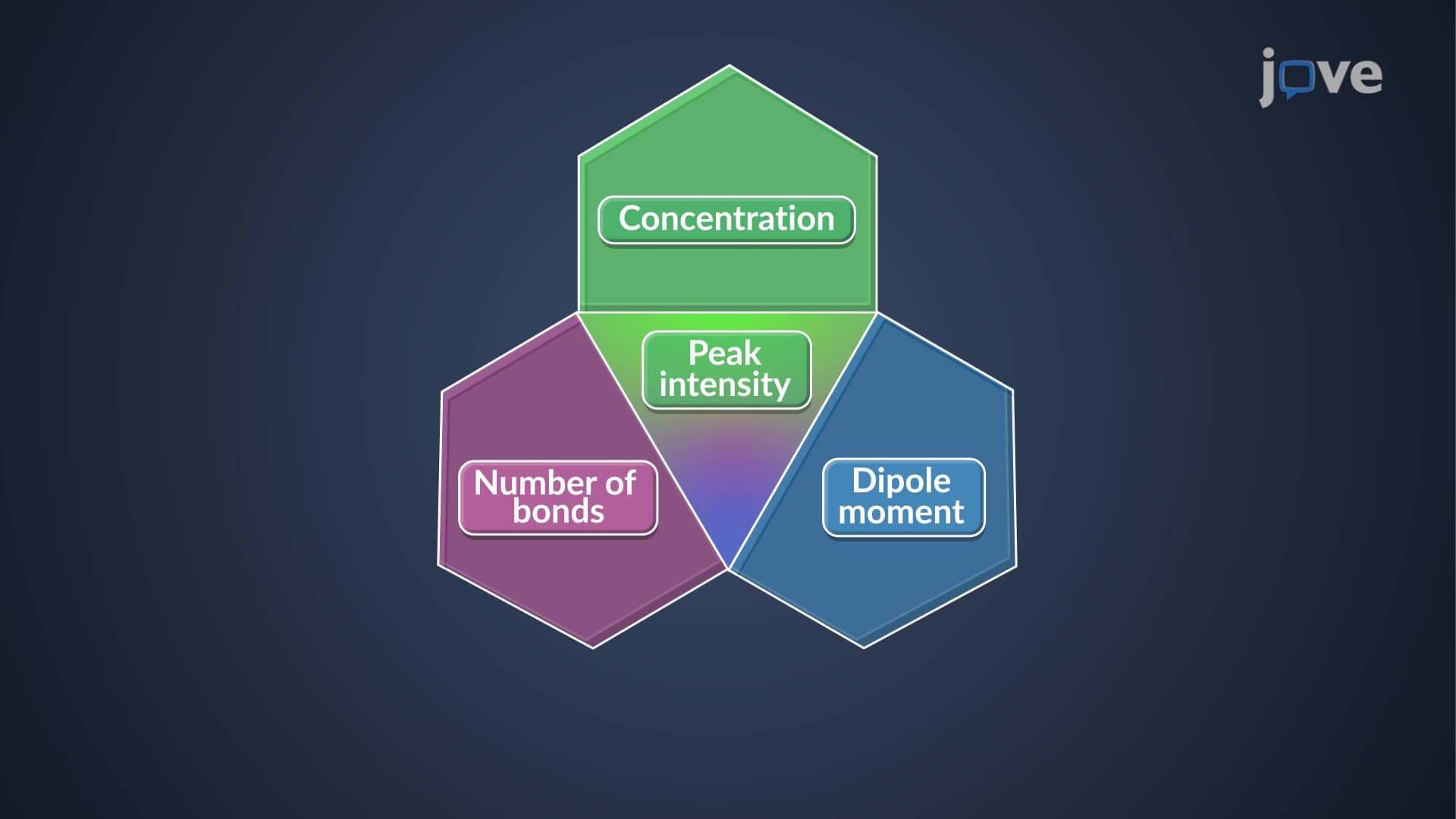
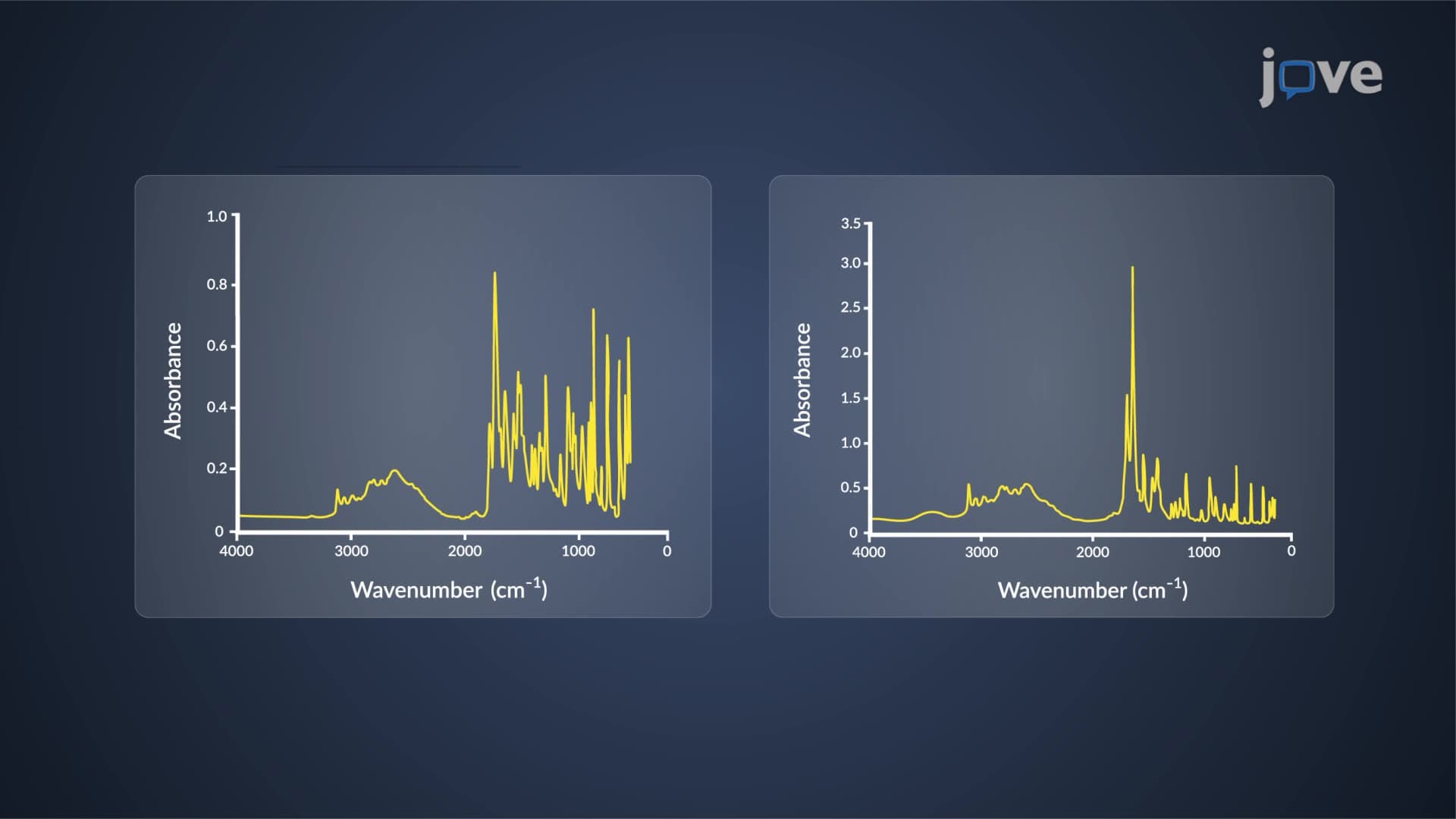
The intensity of IR absorption directly correlates with the magnitude of dipole moment change during vibration. Dipole moment IR absorption intensity relationships follow Beer's Law principles, where greater dipole moment changes produce more intense peaks. Carbonyl groups (C=O) exemplify this principle perfectly. The highly polar C=O bond, with oxygen's high electronegativity, undergoes substantial dipole moment changes during stretching vibrations, typically producing the strongest peaks in organic IR spectra around 1700 cm⁻¹.
This concept proves crucial for students preparing for AP Chemistry exams or college organic chemistry courses. Understanding these relationships helps predict spectrum appearance and identify functional groups in unknown compounds, skills essential for laboratory work and pharmaceutical analysis.
Strong IR absorber dipole characteristics make certain functional groups ideal diagnostic tools. Environmental chemists monitoring air quality rely on the strong C=O stretches of carbon dioxide and carbon monoxide for atmospheric analysis. Similarly, pharmaceutical companies use IR spectroscopy to verify drug purity, where carbonyl groups in active ingredients produce characteristic strong absorptions that confirm molecular structure and detect impurities.
Related Micro-courses