Loading subject page…


28,174 views

Video Summary: What are Applications of Ir Spectroscopy
Did you know that IR spectroscopy applications can identify the exact drug composition in a single pill found at a crime scene? IR spectroscopy applications span from detecting environmental pollutants in California's Central Valley air to analyzing protein structures in biomedical research labs. The FDA routinely uses applications of infrared spectroscopy to ensure pharmaceutical quality control, while archaeologists employ this non-destructive technique to authenticate historical artifacts without damaging them. Watch the full video on JoVE Coach to master this concept with expert-led visuals and step-by-step explanations.
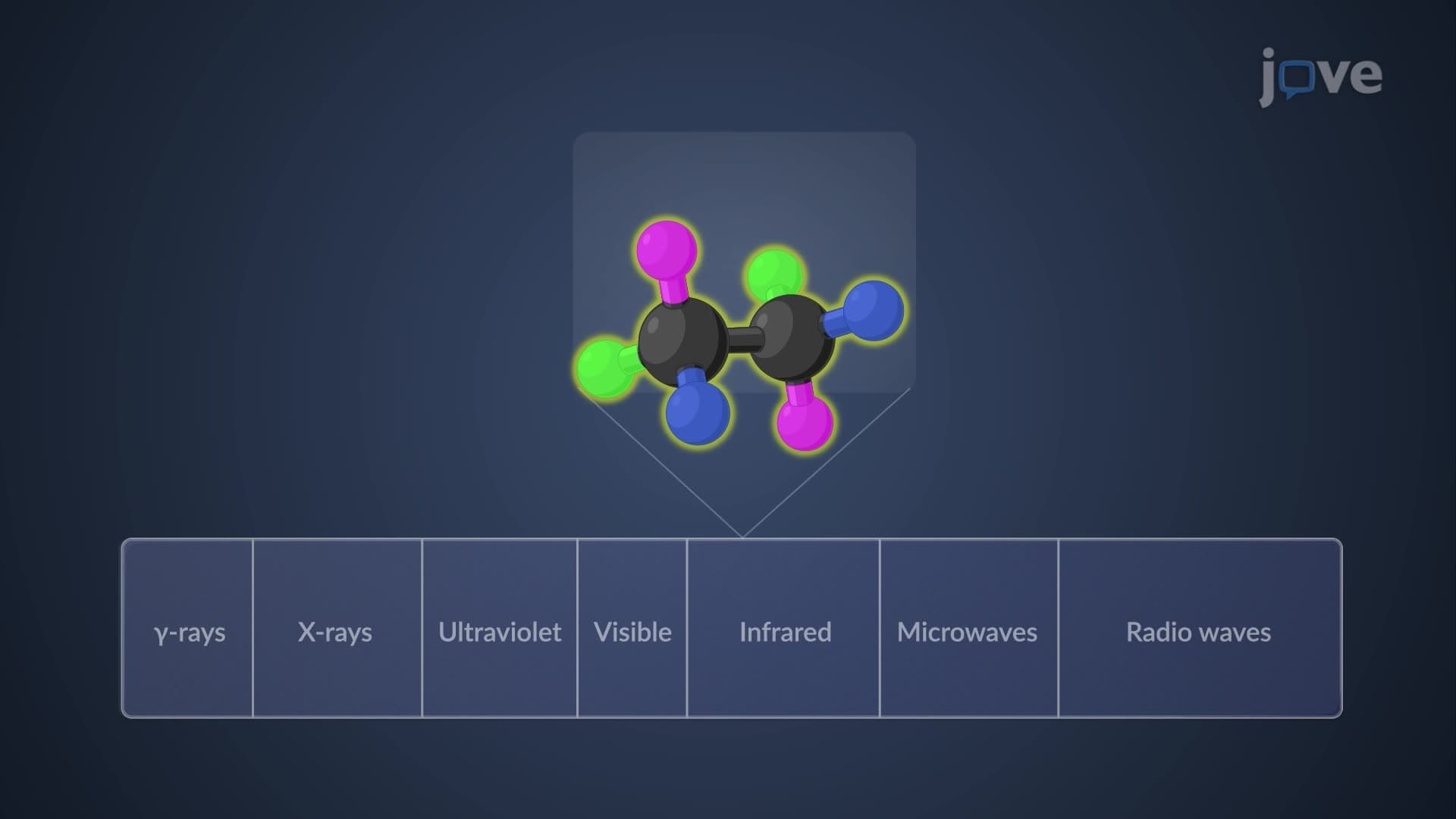
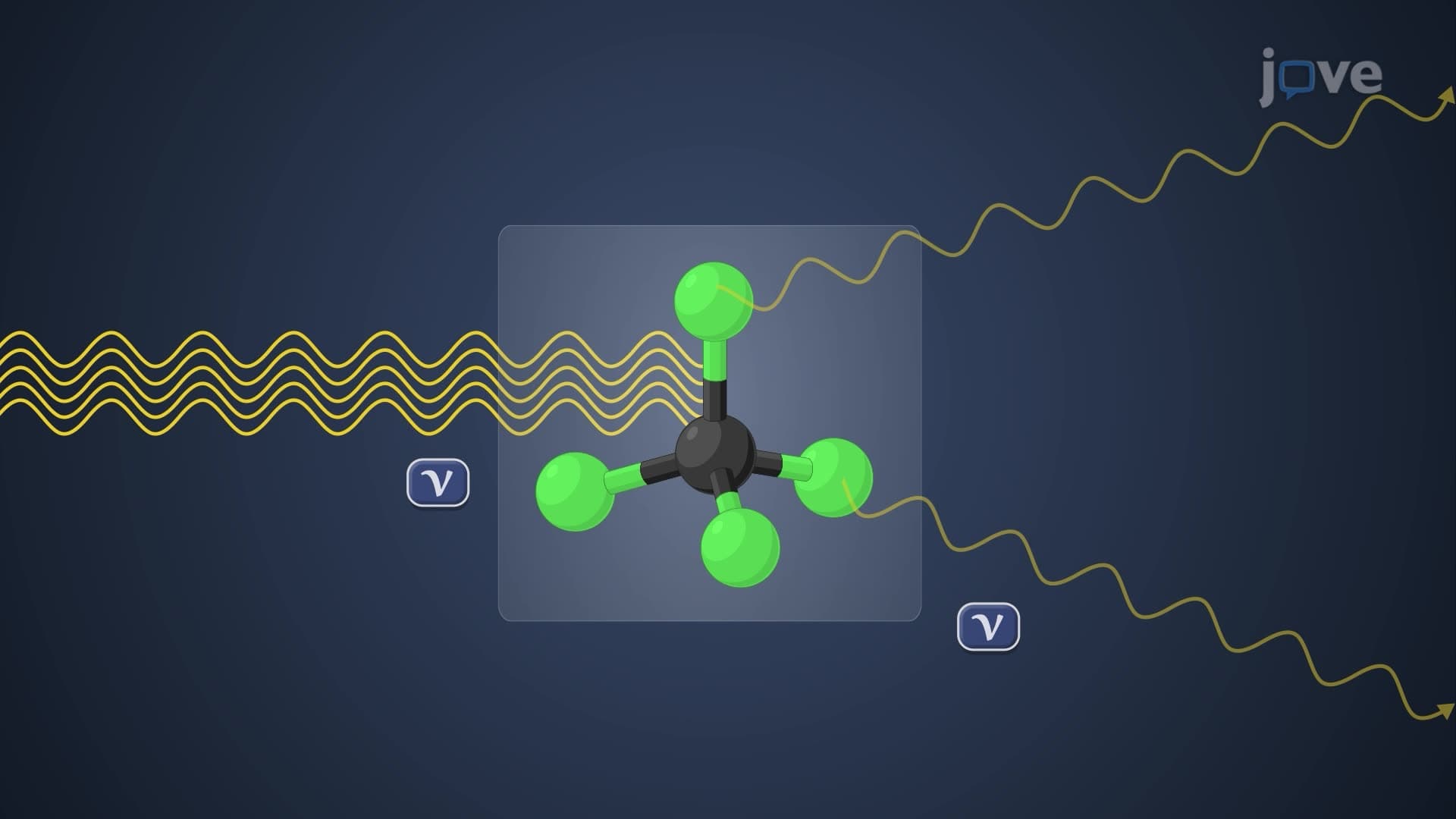
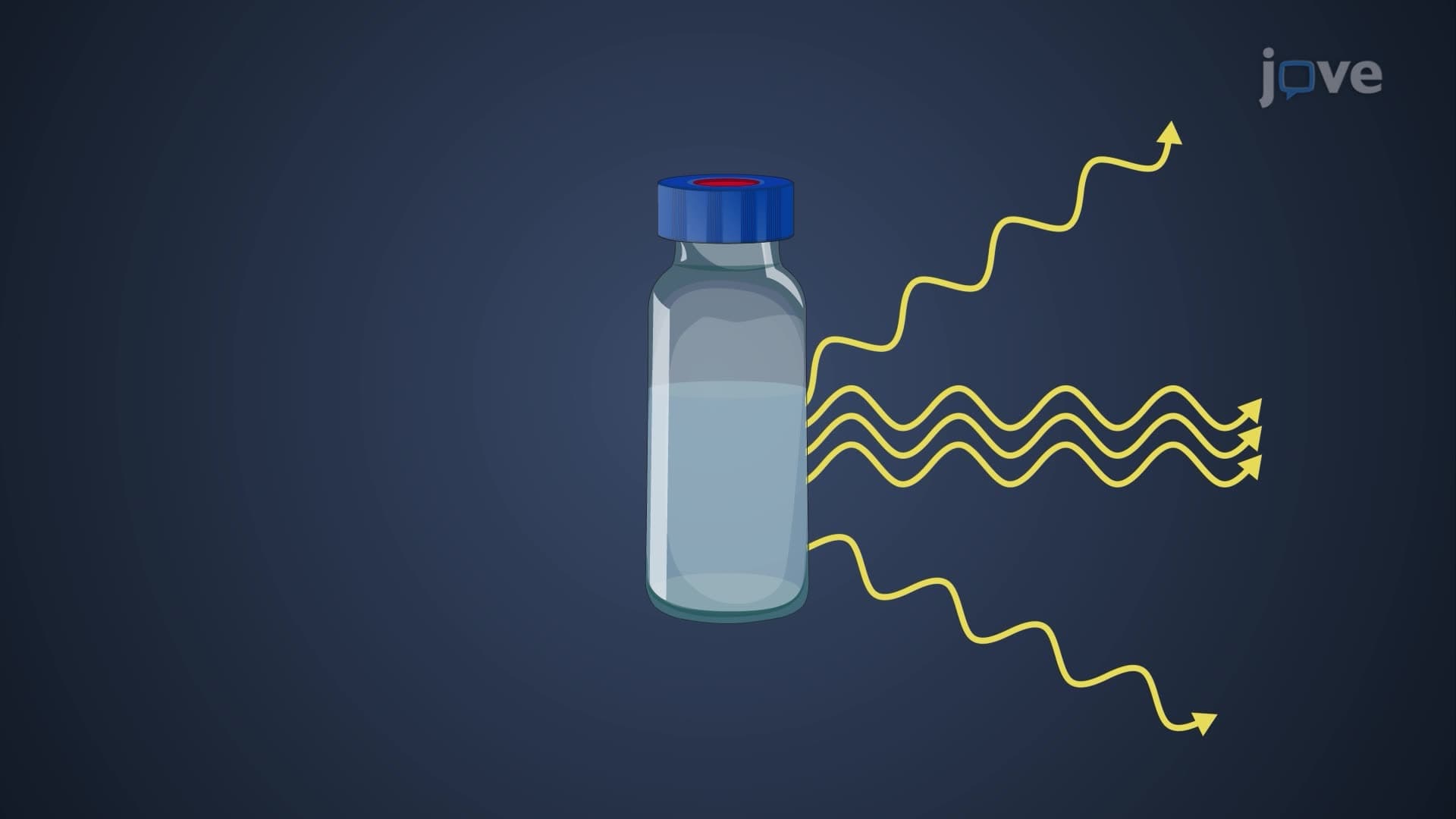
IR spectroscopy applications represent one of the most versatile analytical techniques in modern chemistry and related fields. This powerful method works by measuring how molecules absorb infrared radiation at specific wavelengths, creating unique molecular fingerprints that scientists can use for identification and analysis. The technique's non-destructive nature makes it invaluable across industries where sample preservation is critical.
Pharmaceutical IR application dominates quality control processes in the US drug manufacturing industry. The FDA mandates rigorous testing protocols where IR spectroscopy verifies active pharmaceutical ingredients (APIs), detects impurities, and ensures batch-to-batch consistency. Major pharmaceutical companies like Pfizer and Johnson & Johnson rely on this technology for both drug development and production monitoring. In clinical settings, IR spectroscopy aids in analyzing biological samples, detecting disease biomarkers, and studying protein folding patterns that relate to conditions like Alzheimer's disease.
For students preparing for the MCAT or AP Chemistry exams, understanding functional group identification IR becomes crucial. IR spectroscopy can distinguish between alcohols, carbonyls, and aromatic compounds by their characteristic absorption peaks-knowledge frequently tested in organic chemistry sections.
Environmental IR spectroscopy plays a vital role in monitoring pollution levels across the United States. The Environmental Protection Agency (EPA) uses IR-based sensors to track greenhouse gas emissions, analyze water contamination in major river systems like the Mississippi, and assess soil quality in agricultural regions. This real-time monitoring capability helps enforce environmental regulations and protect public health.
IR forensic analysis has revolutionized criminal investigations by enabling precise identification of trace evidence. Crime laboratories across the US, including the FBI's forensic units, use IR spectroscopy to analyze paint chips from hit-and-run accidents, identify drug compositions in trafficking cases, and authenticate documents in fraud investigations. The technique's ability to provide molecular-level information without destroying evidence makes it indispensable in legal proceedings.
Quality control IR spectroscopy extends beyond pharmaceuticals into food and beverage industries. Companies like Coca-Cola and General Mills use IR analysis to ensure product consistency, detect adulterants, and verify ingredient authenticity. This application proves especially important for organic food certification and allergen detection processes.
In art conservation, museums like the Metropolitan Museum of Art and the Smithsonian Institution employ IR spectroscopy to analyze pigments, identify forgeries, and plan restoration projects without damaging priceless artifacts. This non-invasive approach allows conservators to understand historical painting techniques and material compositions.
Related Micro-courses