Loading subject page…


28,168 views

Video Summary: What are Ir Spectrometers
Ever wonder how forensic scientists at the FBI identify unknown white powders at crime scenes? IR spectrometers explained: these powerful analytical instruments use infrared light to identify molecular structures by measuring how compounds absorb specific wavelengths. From pharmaceutical quality control at companies like Pfizer to environmental testing by the EPA, IR spectrometers are essential tools in American laboratories. What are IR Spectrometers? They're the molecular detectives that reveal chemical fingerprints invisible to the naked eye. Watch the full video on JoVE Coach to master this concept with expert-led visuals and step-by-step explanations.
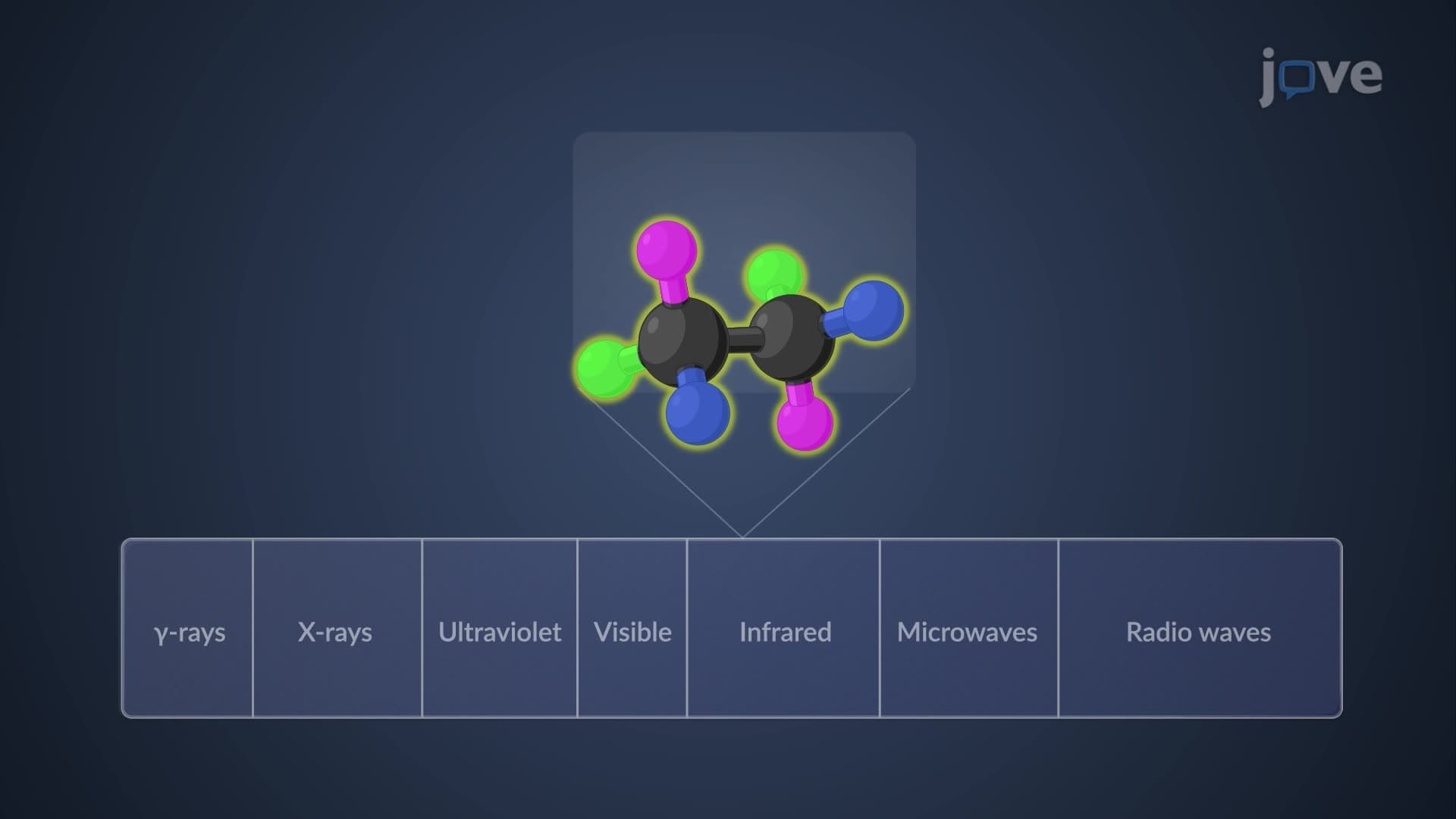
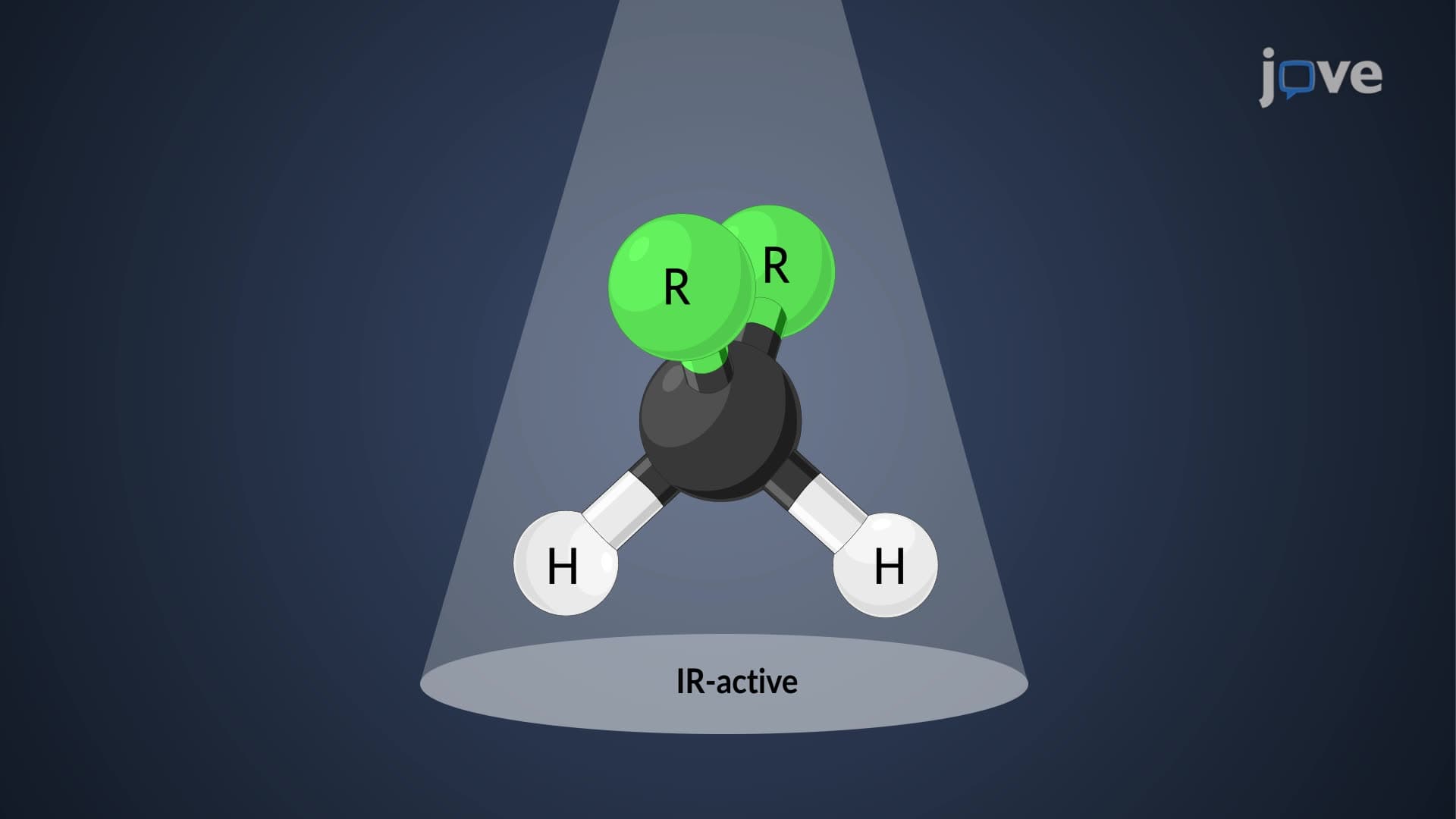
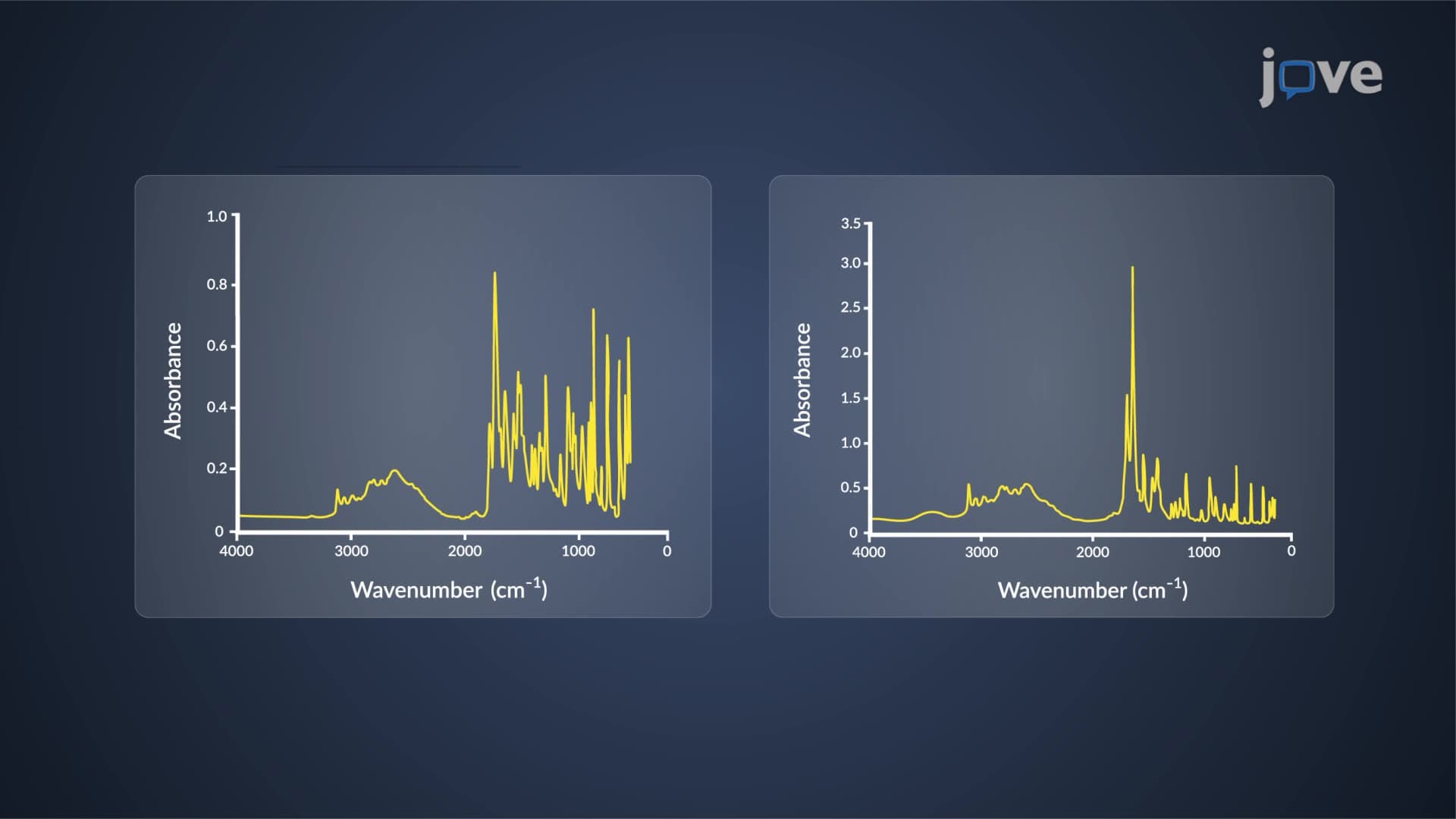
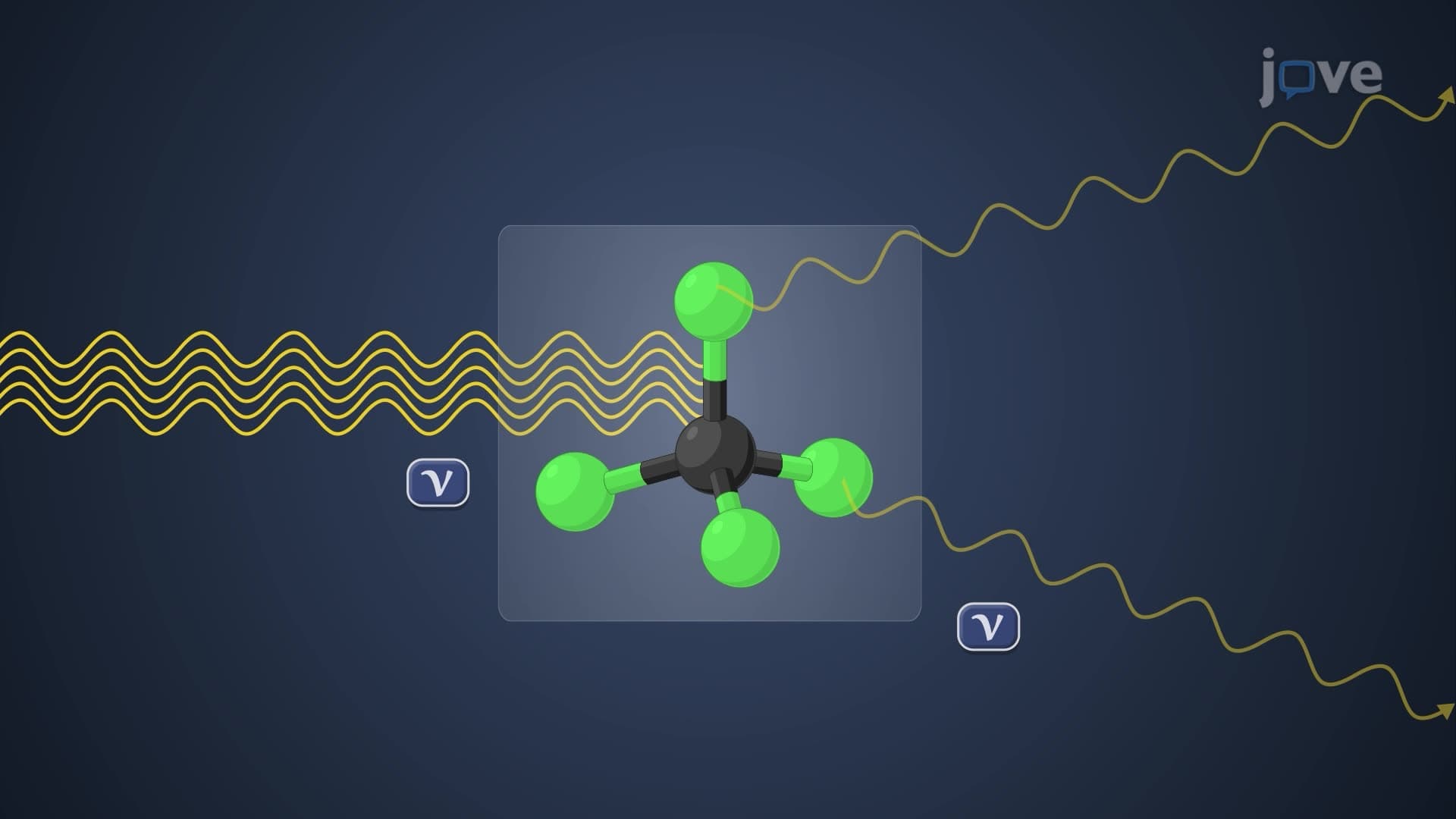
IR spectrometers are sophisticated analytical instruments that identify and quantify molecules by measuring their absorption of infrared radiation. These devices exploit the principle that different chemical bonds vibrate at characteristic frequencies when exposed to IR light, creating unique "molecular fingerprints" that scientists use for identification and analysis.
The two primary types of IR spectrometers chemistry professionals rely on are dispersive and Fourier transform infrared (FTIR) systems. Dispersive IR spectrometers, the older technology, use a monochromator system with rotating diffraction gratings to isolate specific wavelengths sequentially. These instruments employ beam choppers that alternate between reference and sample beams, allowing thermocouple detectors to measure intensity ratios across the infrared spectrum.
FTIR spectrometers represent the modern standard, utilizing interferometer technology for superior performance. The interferometer FTIR system simultaneously measures all wavelengths, making it significantly faster than dispersive systems. This technology has revolutionized analytical chemistry in American industries, from DuPont's polymer research to Johnson & Johnson's pharmaceutical development.
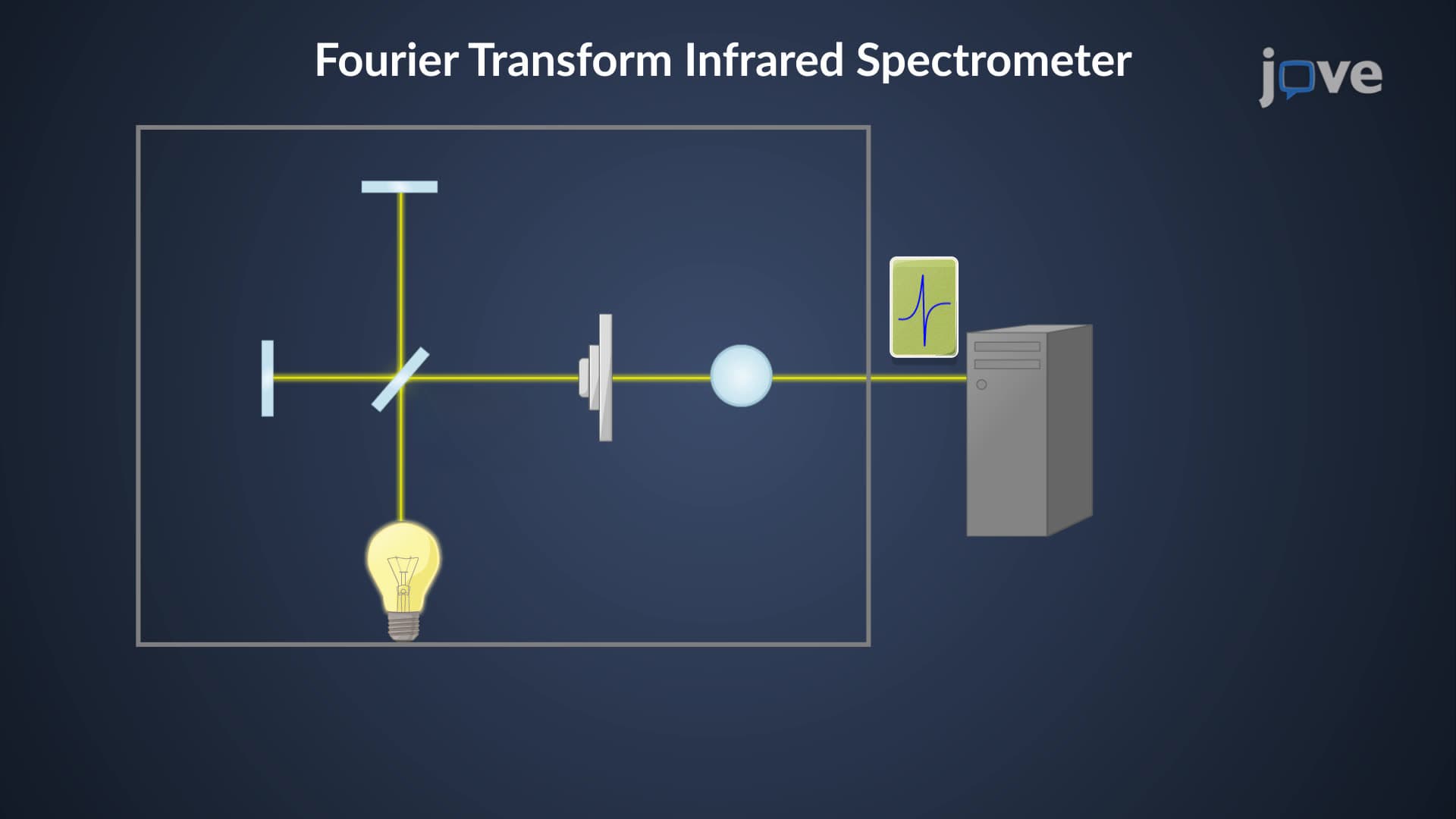
FTIR spectrometer components work together in a sophisticated dance of light manipulation. The beam splitter divides incoming radiation into two paths: one travels to a fixed mirror, while the other reaches a moving mirror. When these beams recombine, they create an interferogram containing information about all wavelengths simultaneously. This interferogram, modified by the sample's absorption characteristics, is then processed using Fourier transform mathematics to extract individual frequency data.
Modern IR detector types include deuterated triglycine sulfate (DTGS) detectors for routine analysis and mercury cadmium telluride (MCT) detectors for high-sensitivity applications. These detectors are crucial for applications ranging from FDA food safety testing to NASA's atmospheric research programs.
When comparing FTIR vs dispersive IR systems, FTIR offers significant advantages including faster data collection, better signal-to-noise ratios, and enhanced resolution. This explains why FTIR dominates modern analytical laboratories, from university research facilities like those at MIT and Stanford to industrial quality control departments. However, dispersive systems still find use in specialized applications requiring specific wavelength isolation.
Students preparing for AP Chemistry exams should understand that IR spectroscopy appears frequently in molecular identification problems, while MCAT test-takers encounter these concepts in analytical chemistry and biochemistry sections. College organic chemistry courses extensively cover IR spectroscopy interpretation, making thorough understanding of these instruments essential for academic success.
Related Micro-courses