Loading subject page…


28,168 views

Video Summary: What Is Infrared Ir Spectroscopy
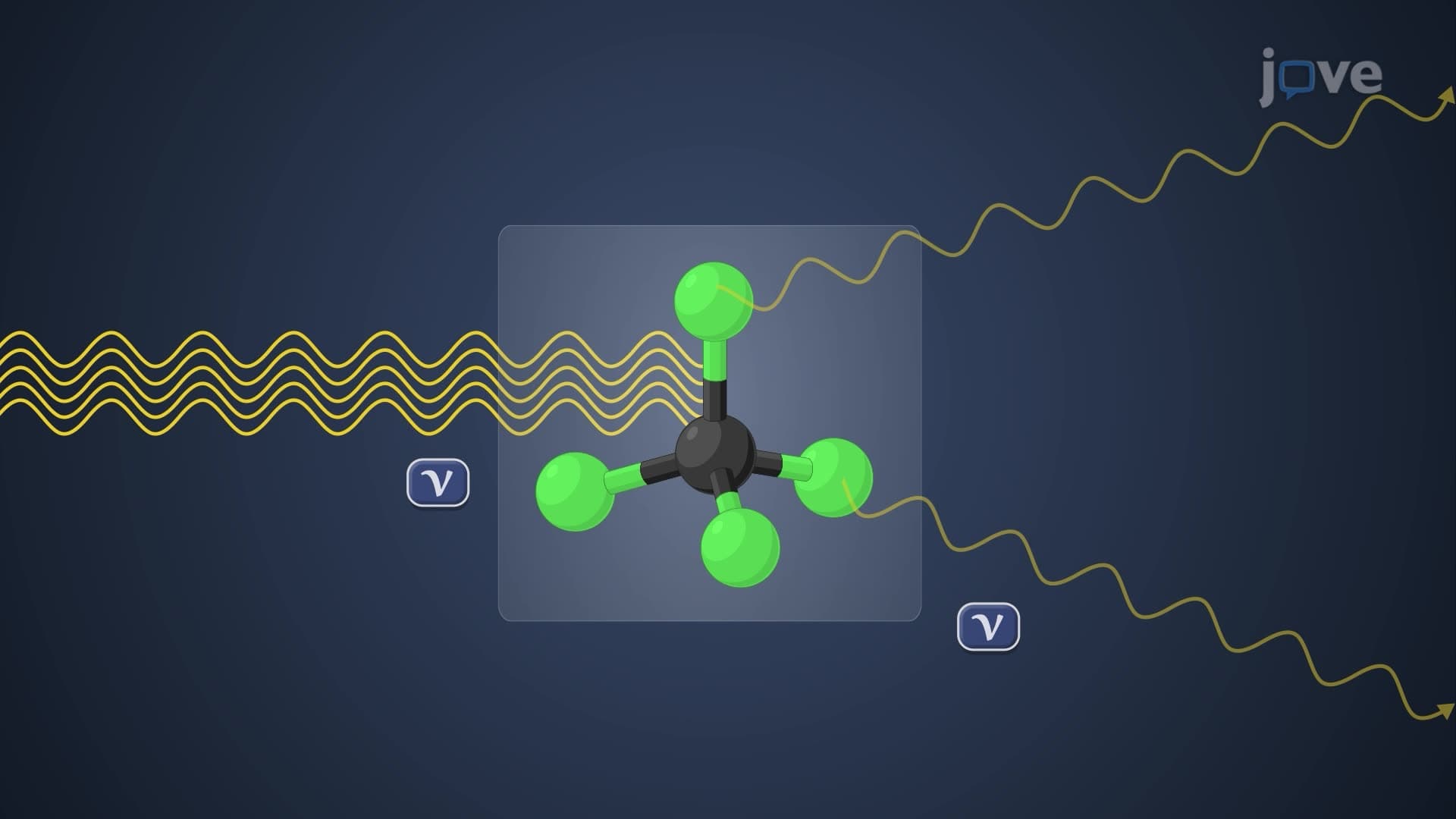
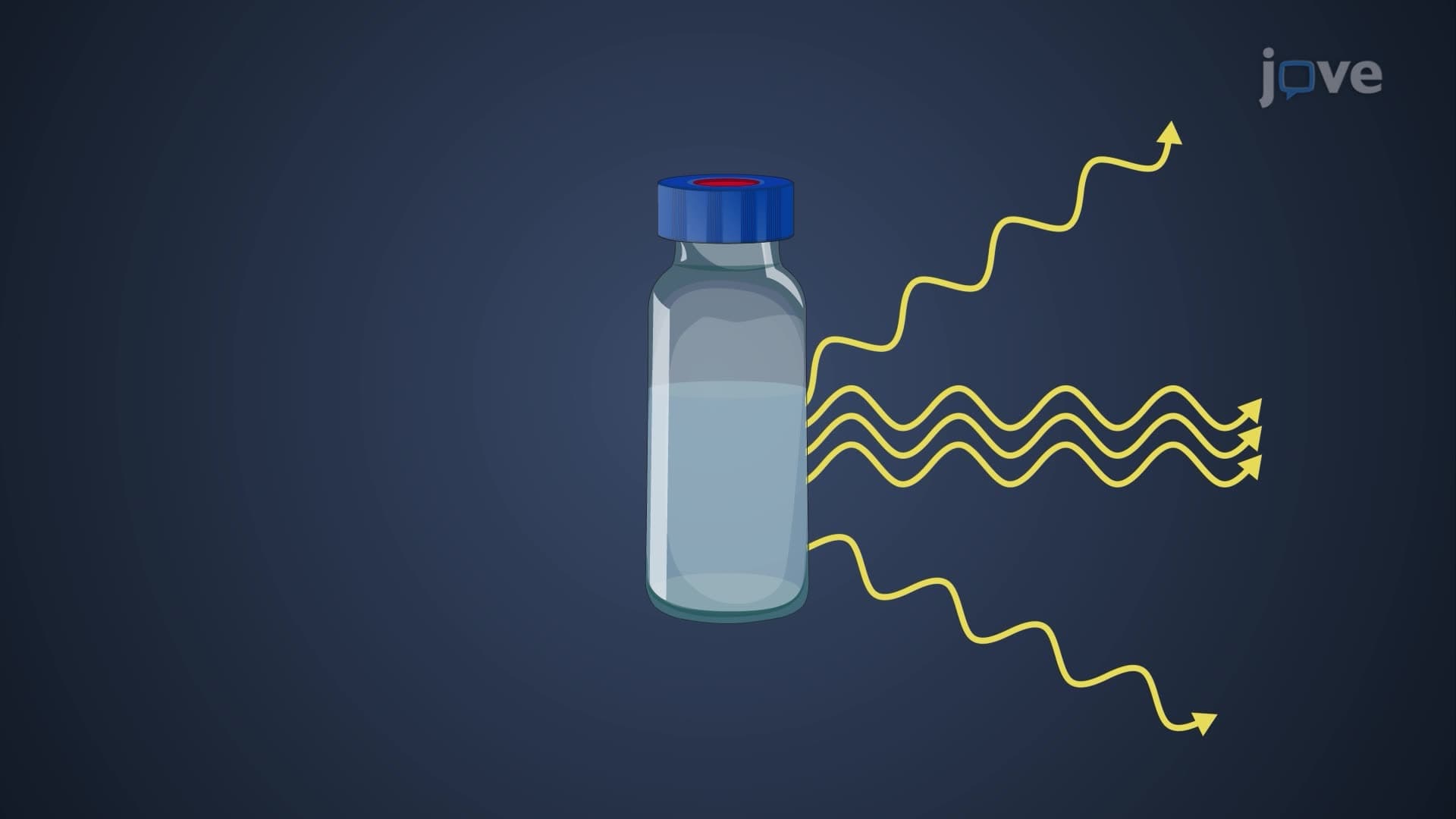
Did you know that the FDA uses infrared IR spectroscopy basics to verify the purity of medications in your local pharmacy? This powerful analytical technique reveals molecular secrets by measuring how compounds absorb infrared light, causing their bonds to vibrate at specific frequencies. What is Infrared IR Spectroscopy demonstrates how scientists identify functional groups and confirm molecular structures across industries from pharmaceuticals to forensics. Watch the full video on JoVE Coach to master this concept with expert-led visuals and step-by-step explanations.
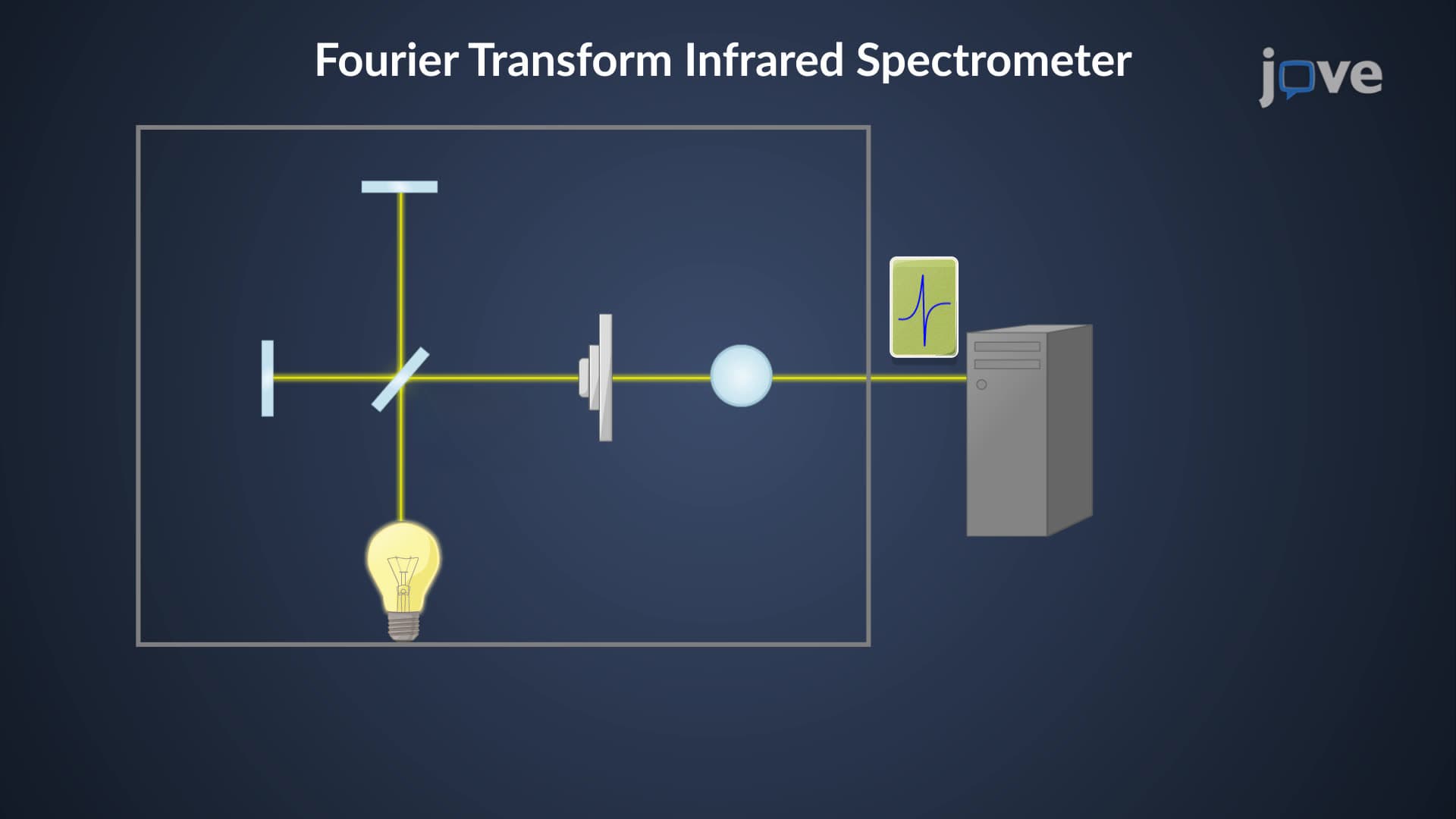
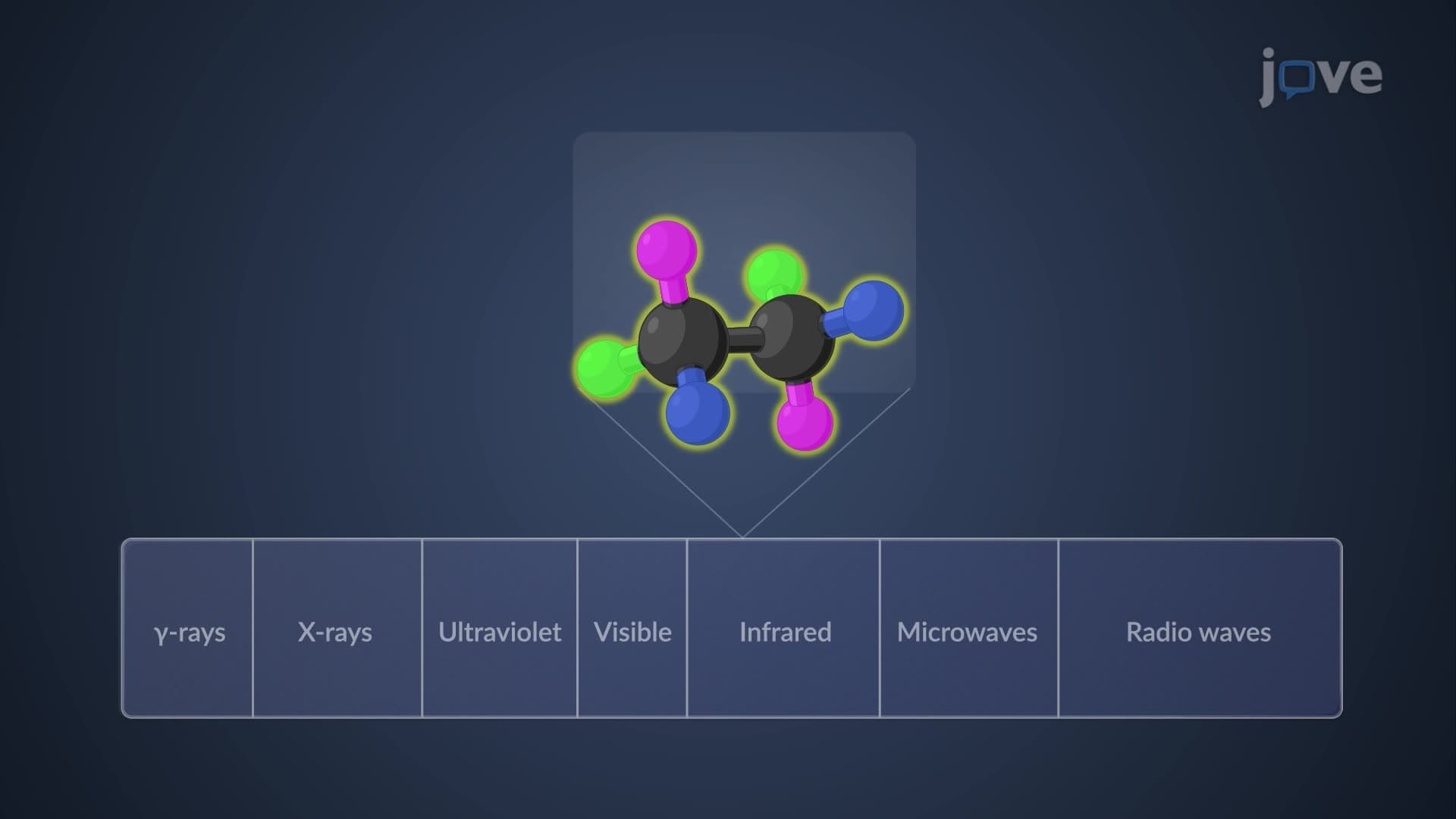
Infrared IR spectroscopy stands as one of the most versatile analytical techniques in modern chemistry, serving as a molecular fingerprinting tool that reveals the identity and structure of compounds. This method exploits the fact that covalent bonds in molecules vibrate at characteristic frequencies when exposed to infrared radiation, particularly in the mid-infrared region spanning 2.5 to 25 micrometers in wavelength.
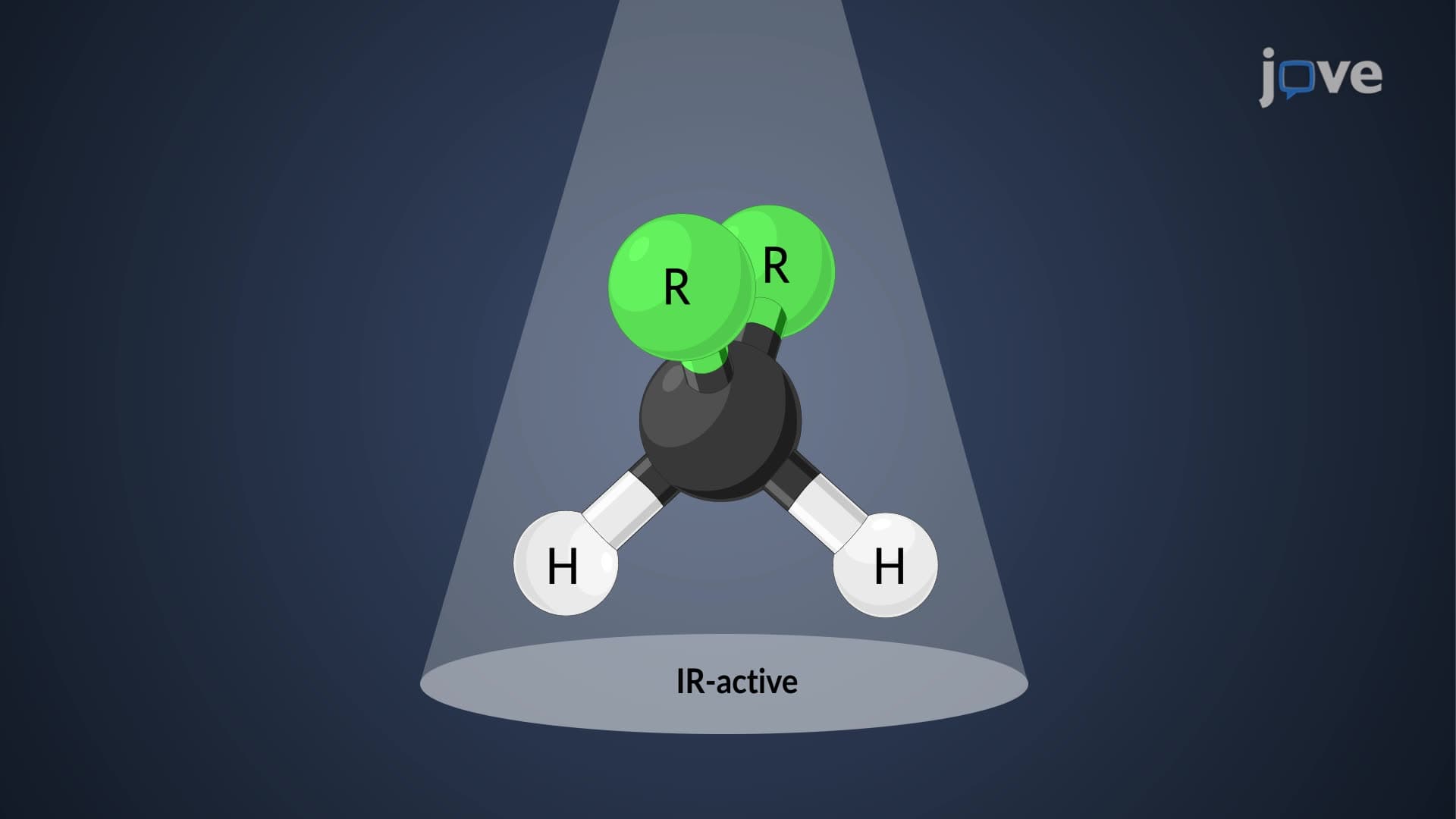
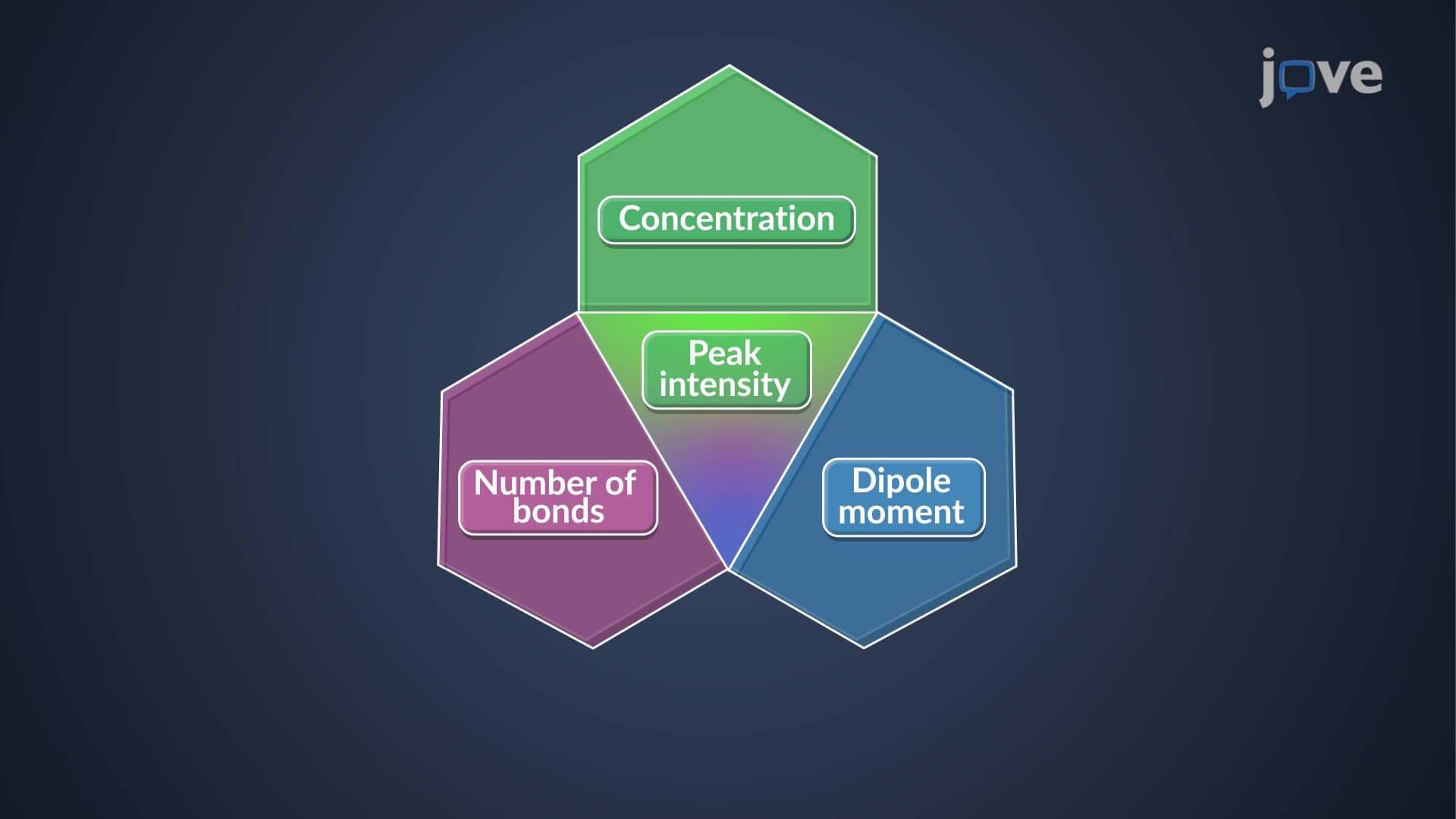
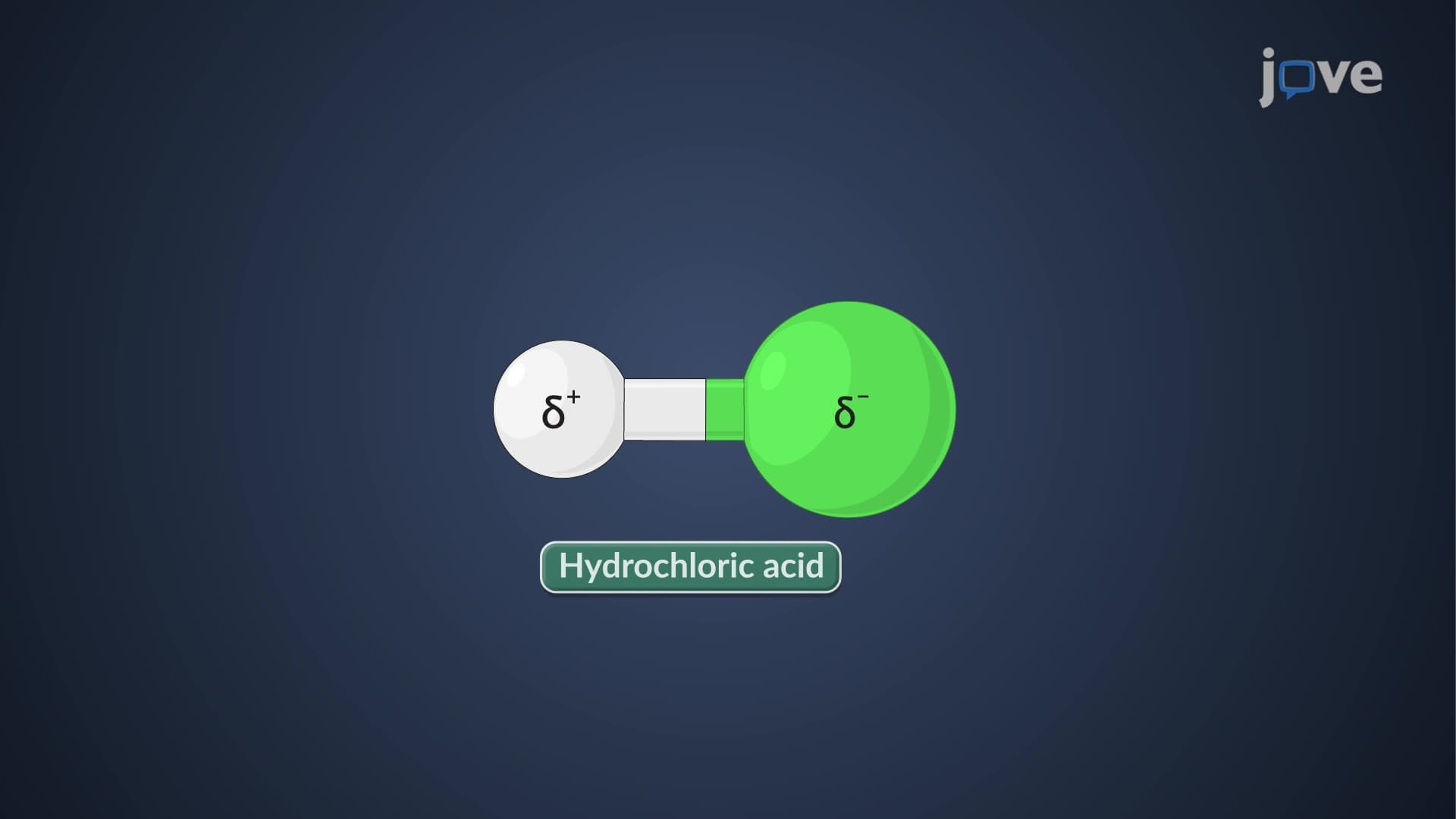
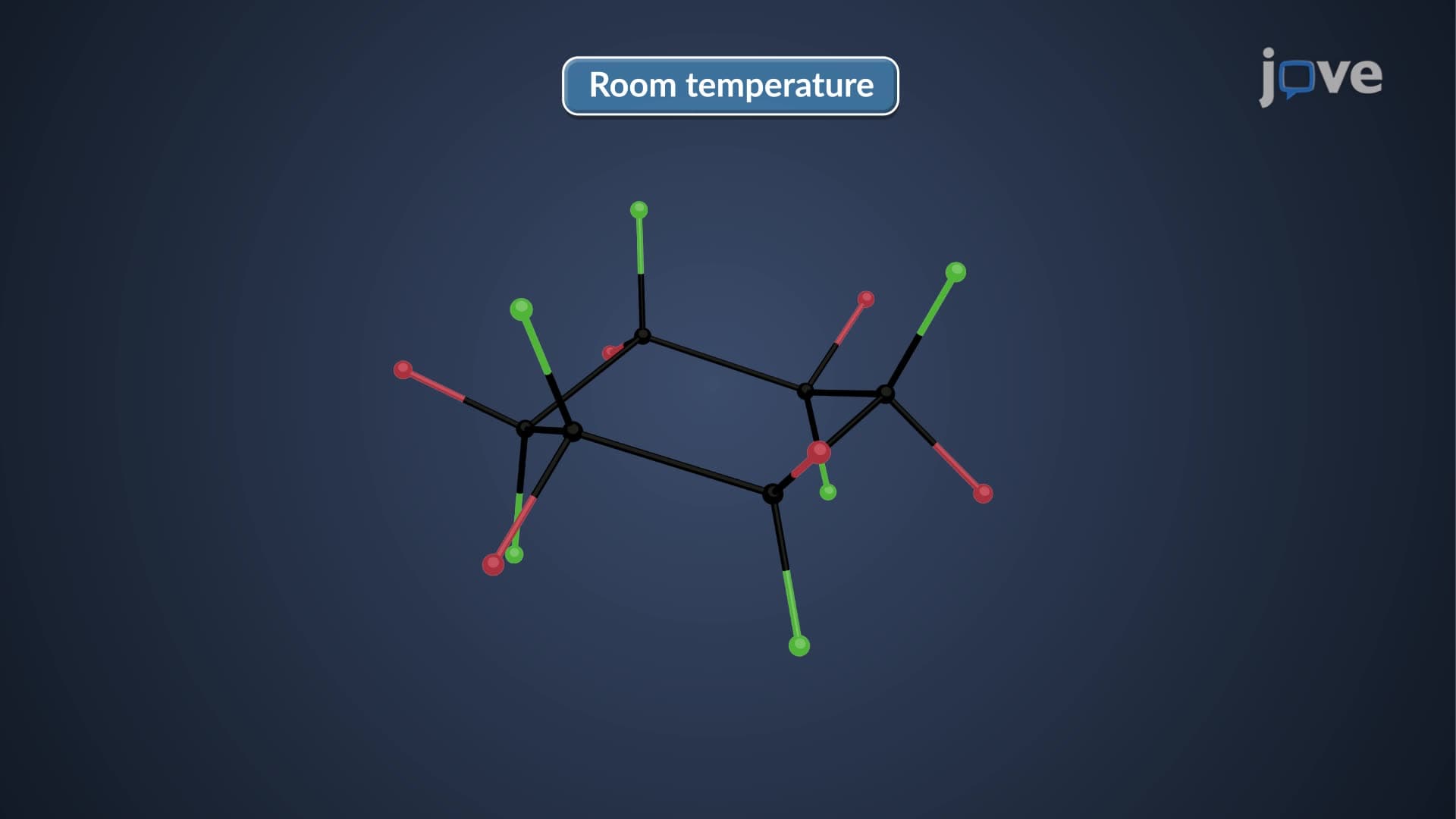
When infrared light encounters a molecule, specific bonds absorb energy and transition from lower to higher vibrational energy states. However, not all molecular vibrations are detectable-only those that cause a significant change in the bond's dipole moment are considered "IR active." This selectivity makes functional group IR spectroscopy particularly powerful for identifying specific chemical environments.
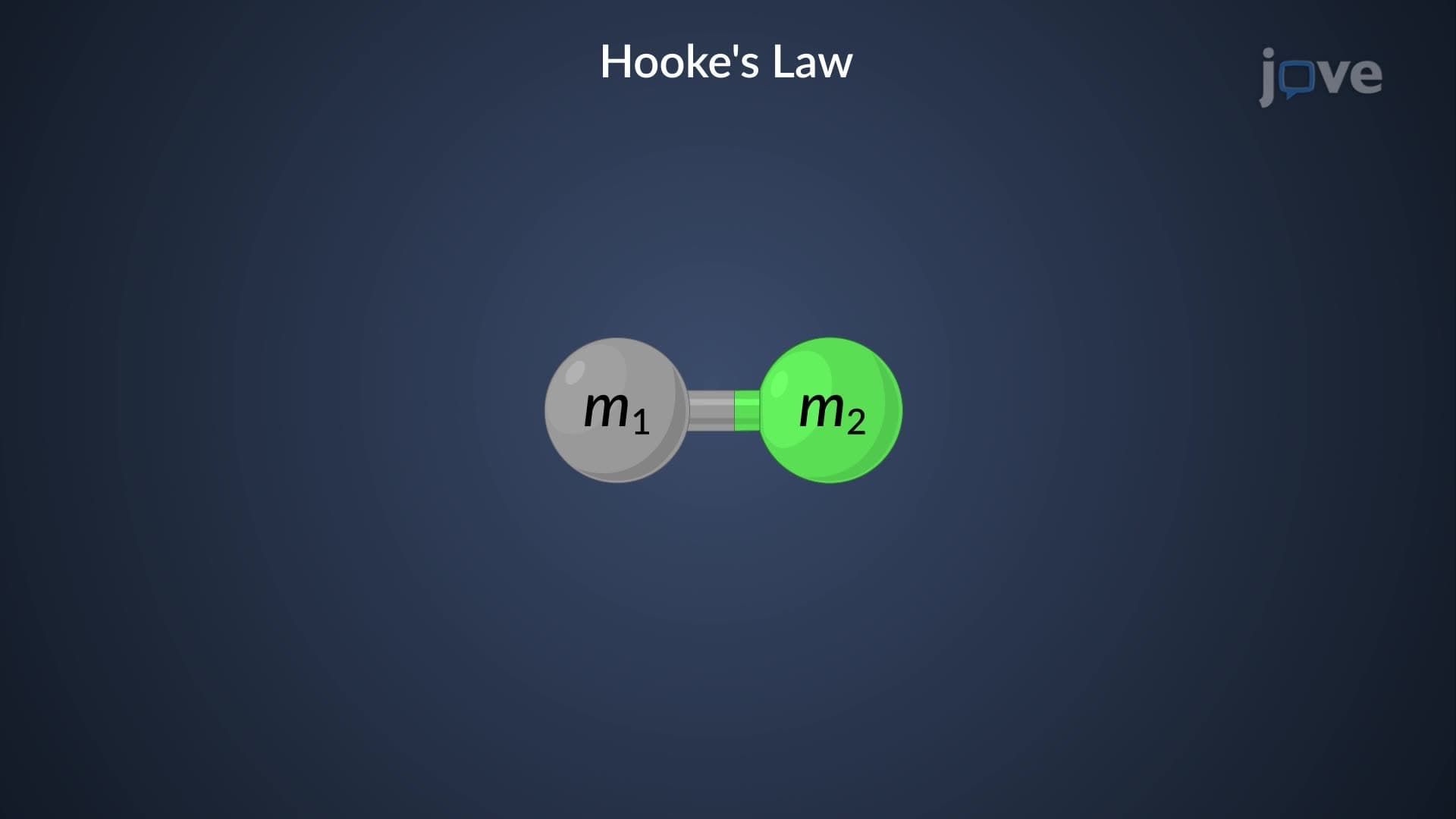
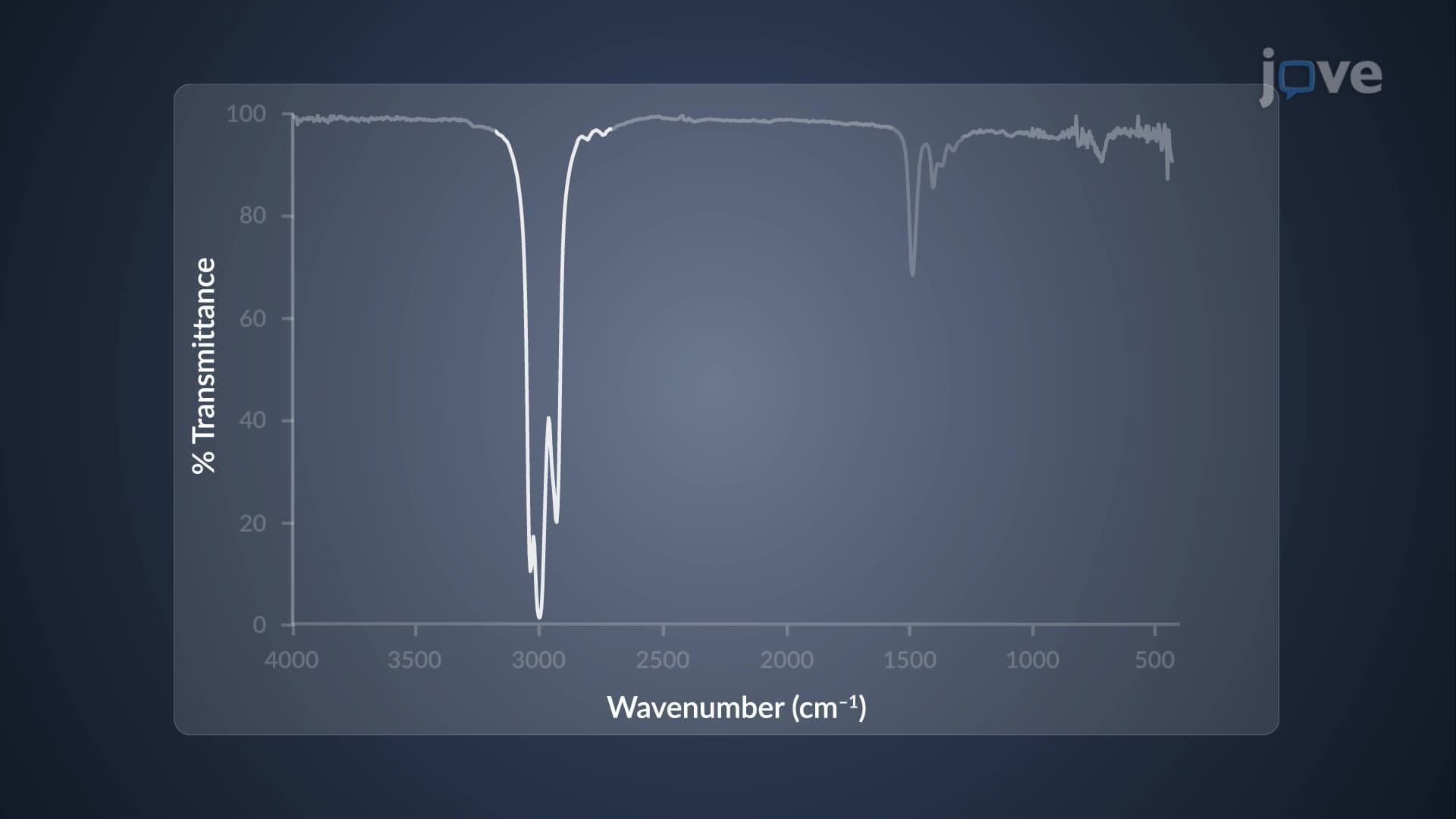
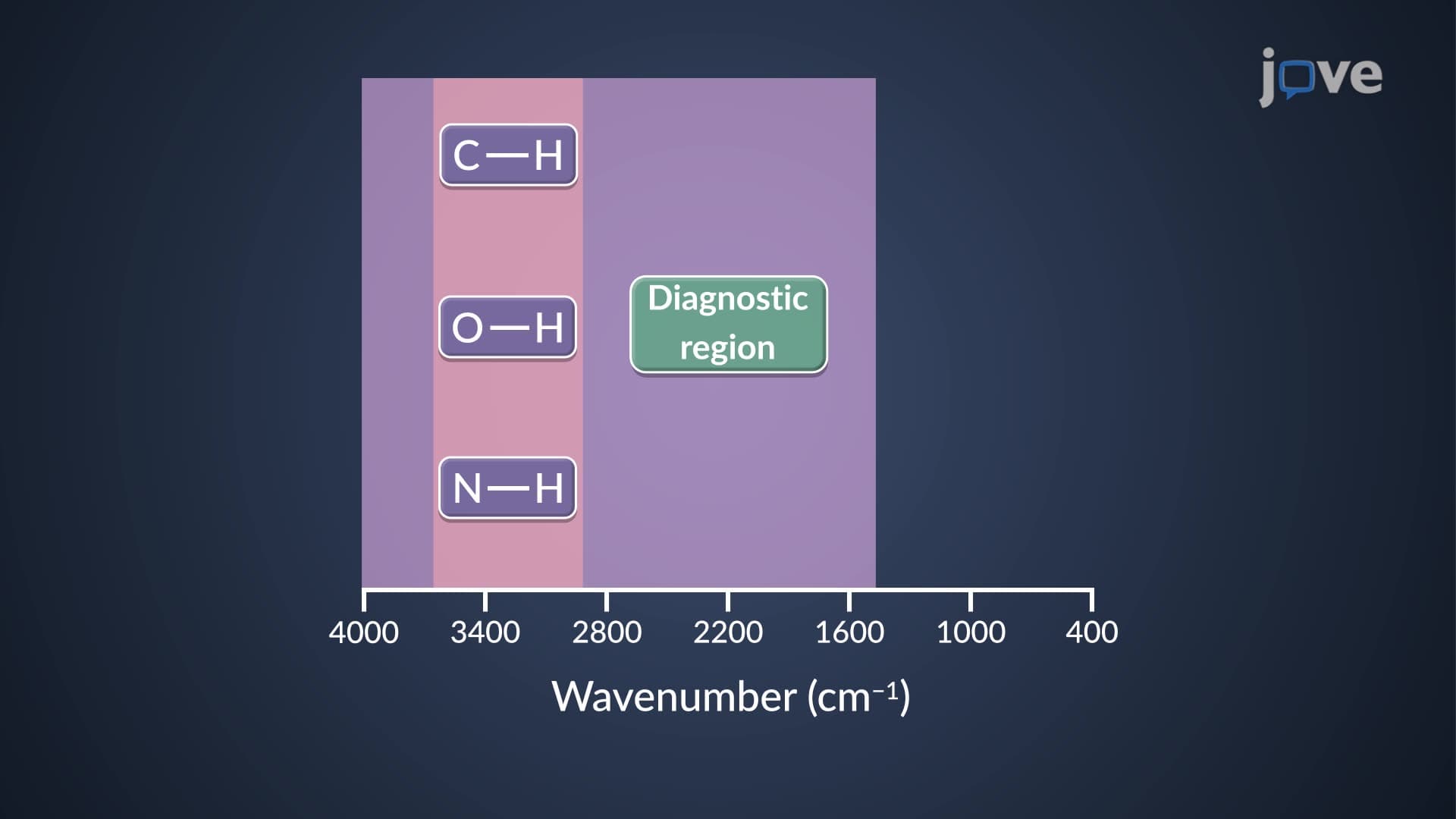
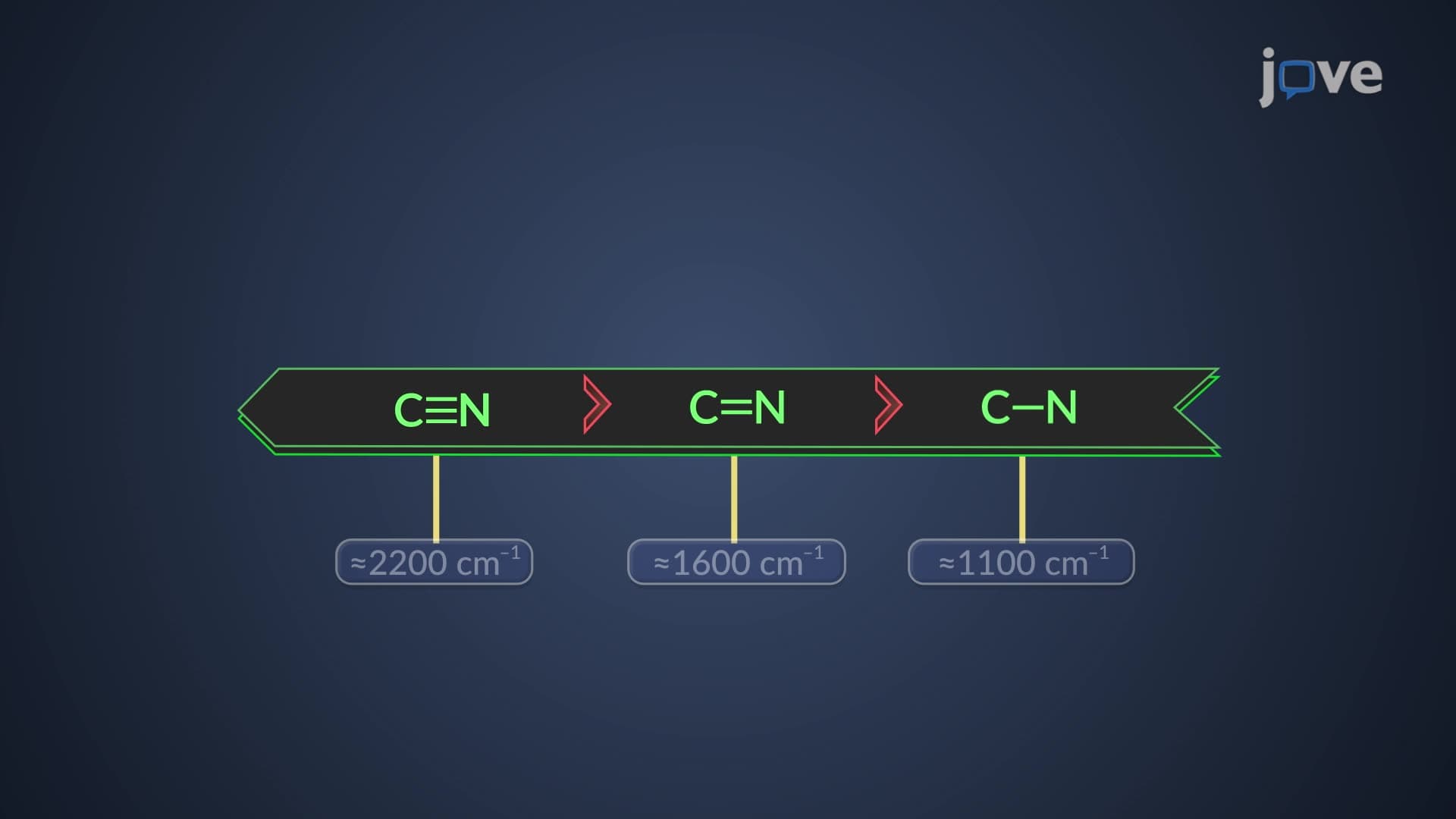
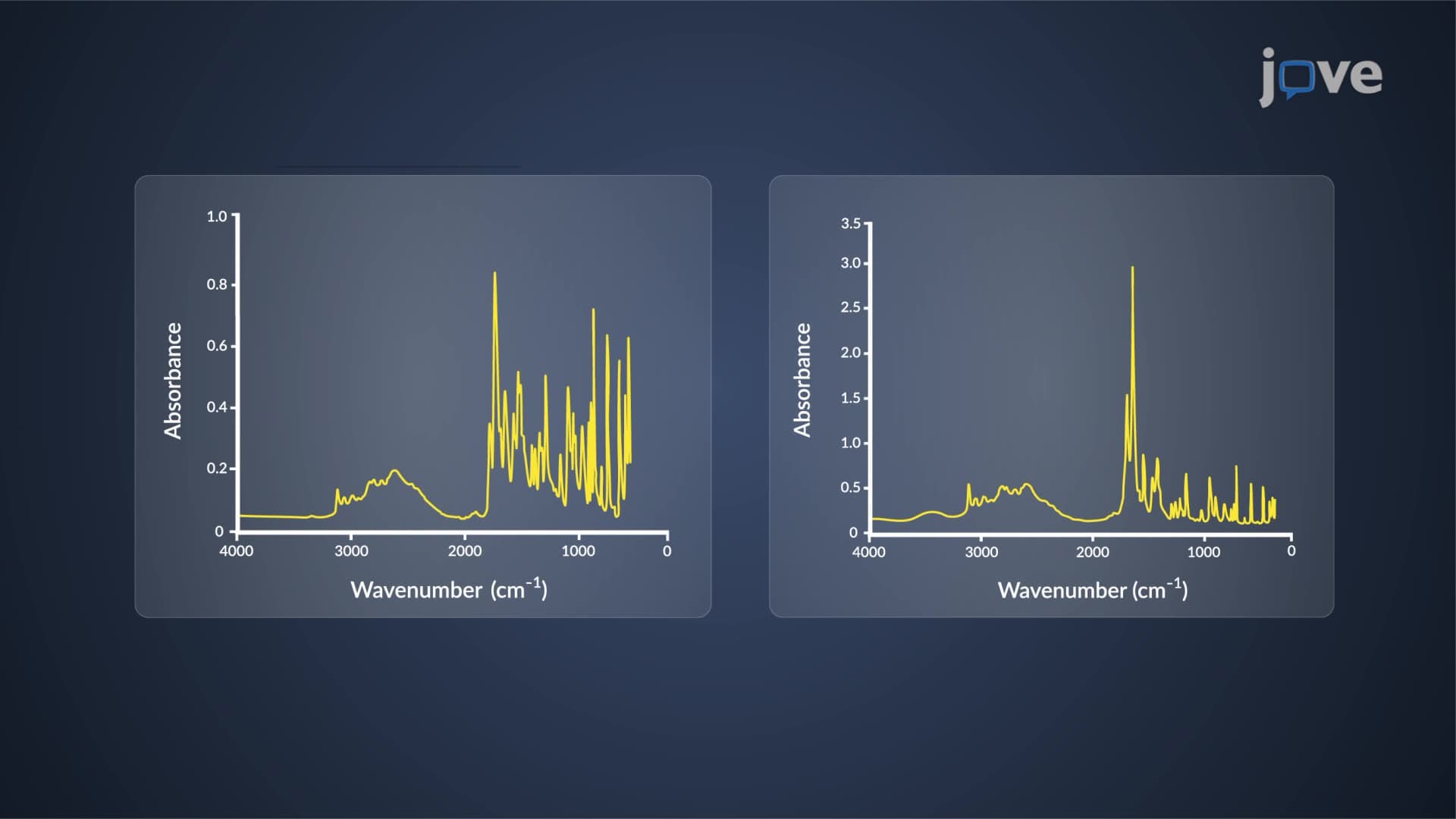
The technical measurement uses wavenumbers (cm⁻¹) rather than wavelengths, calculated as the reciprocal of wavelength in centimeters. This convention proves more practical since wavenumber relates directly to energy: higher wavenumbers correspond to stronger bonds requiring more energy to vibrate. The standard analytical range covers 4000-400 cm⁻¹, encompassing most organic functional group vibrations.
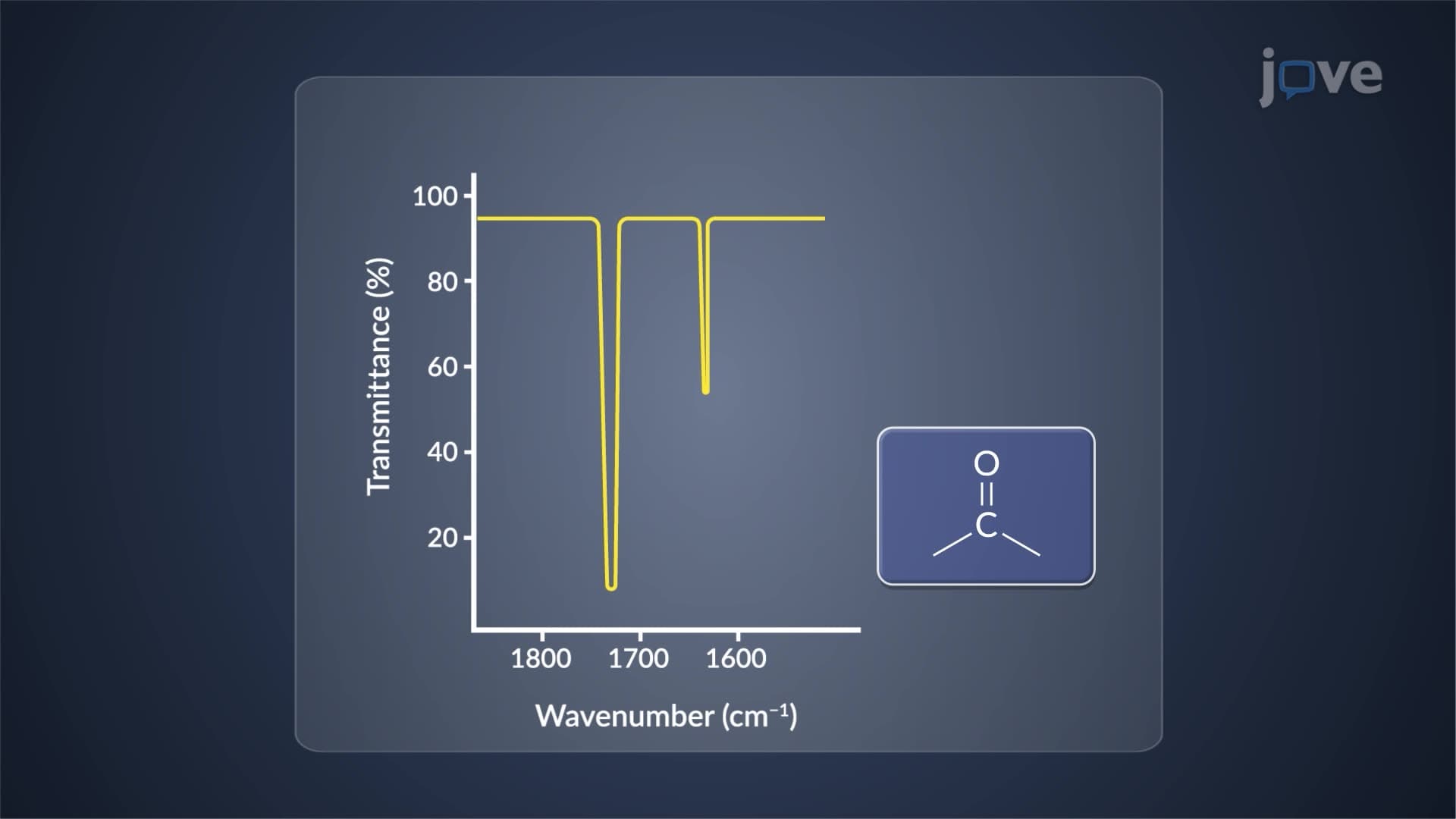
Different functional groups produce characteristic absorption patterns that serve as molecular signatures. For example, O-H stretches in alcohols appear around 3200-3600 cm⁻¹ as broad peaks, while C=O stretches in carbonyls show sharp absorptions near 1700 cm⁻¹. Pharmaceutical companies like Pfizer routinely use these fingerprints to verify drug composition and detect impurities in manufacturing processes.
This infrared analytical technique proves invaluable for students preparing for AP Chemistry exams, where spectroscopic analysis questions frequently appear. Understanding how molecular structure influences IR absorption patterns helps students predict and interpret spectra, a skill essential for success on standardized tests and college organic chemistry courses.
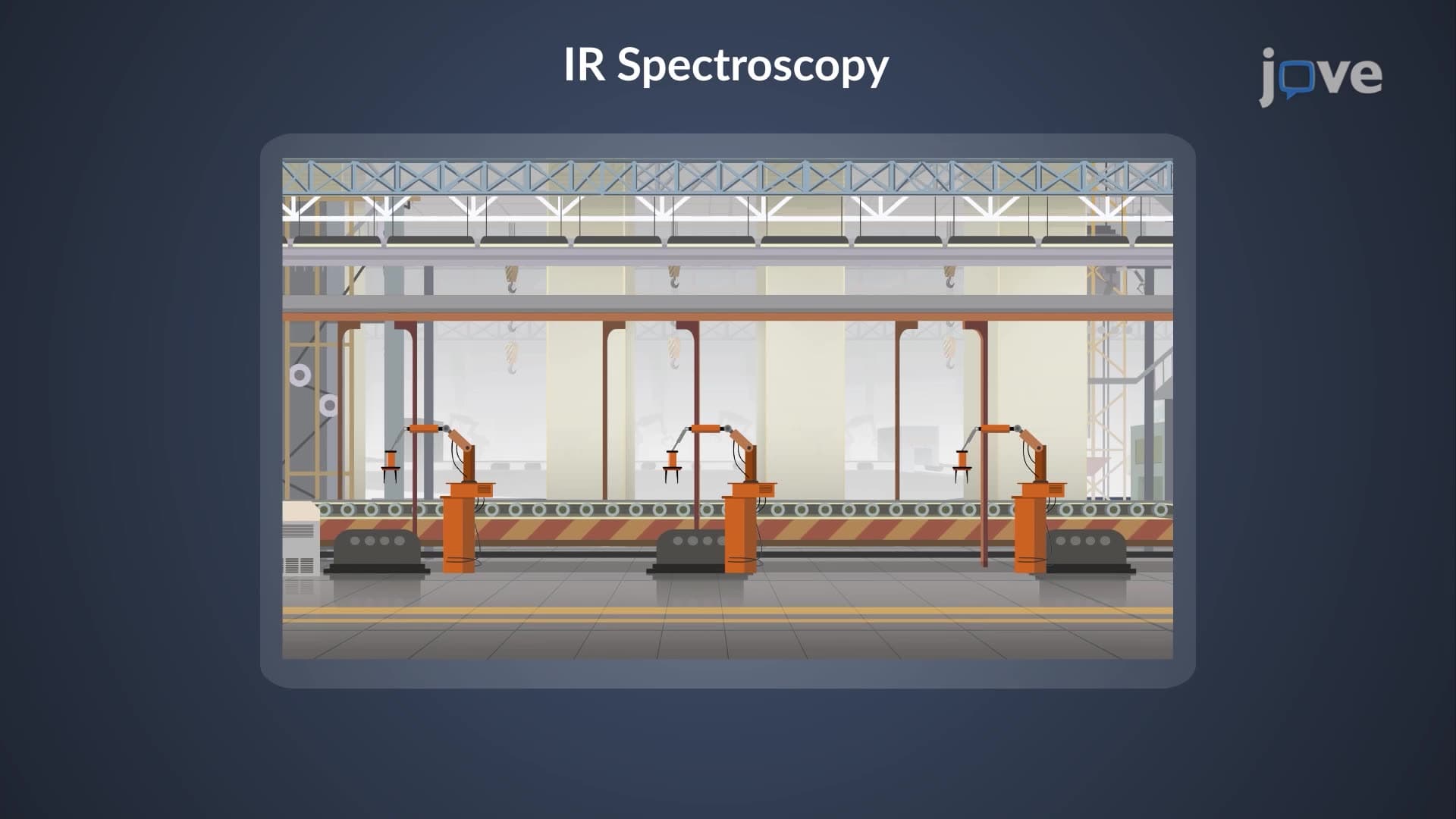
Beyond academic settings, IR spectroscopy finds extensive use in forensic laboratories across the United States. The FBI employs this technique to analyze paint chips, fibers, and drug samples, while environmental agencies monitor air quality by detecting pollutant concentrations. Medical researchers utilize IR spectroscopy to study protein structures and develop new therapeutic compounds.
For students, mastering mid-infrared spectroscopy concepts provides essential preparation for advanced coursework and professional applications. This foundational knowledge supports success in MCAT preparations, where spectroscopy questions regularly challenge test-takers to interpret molecular behavior and predict experimental outcomes.
Related Micro-courses