Loading subject page…

- Analytical Chemistry
- Molecular Vibrational Spectroscopy
- IR Absorption Frequency: Delocalization
Micro-course: Molecular Vibrational Spectroscopy
28,168 views
Learn key concepts and earn your certificate.
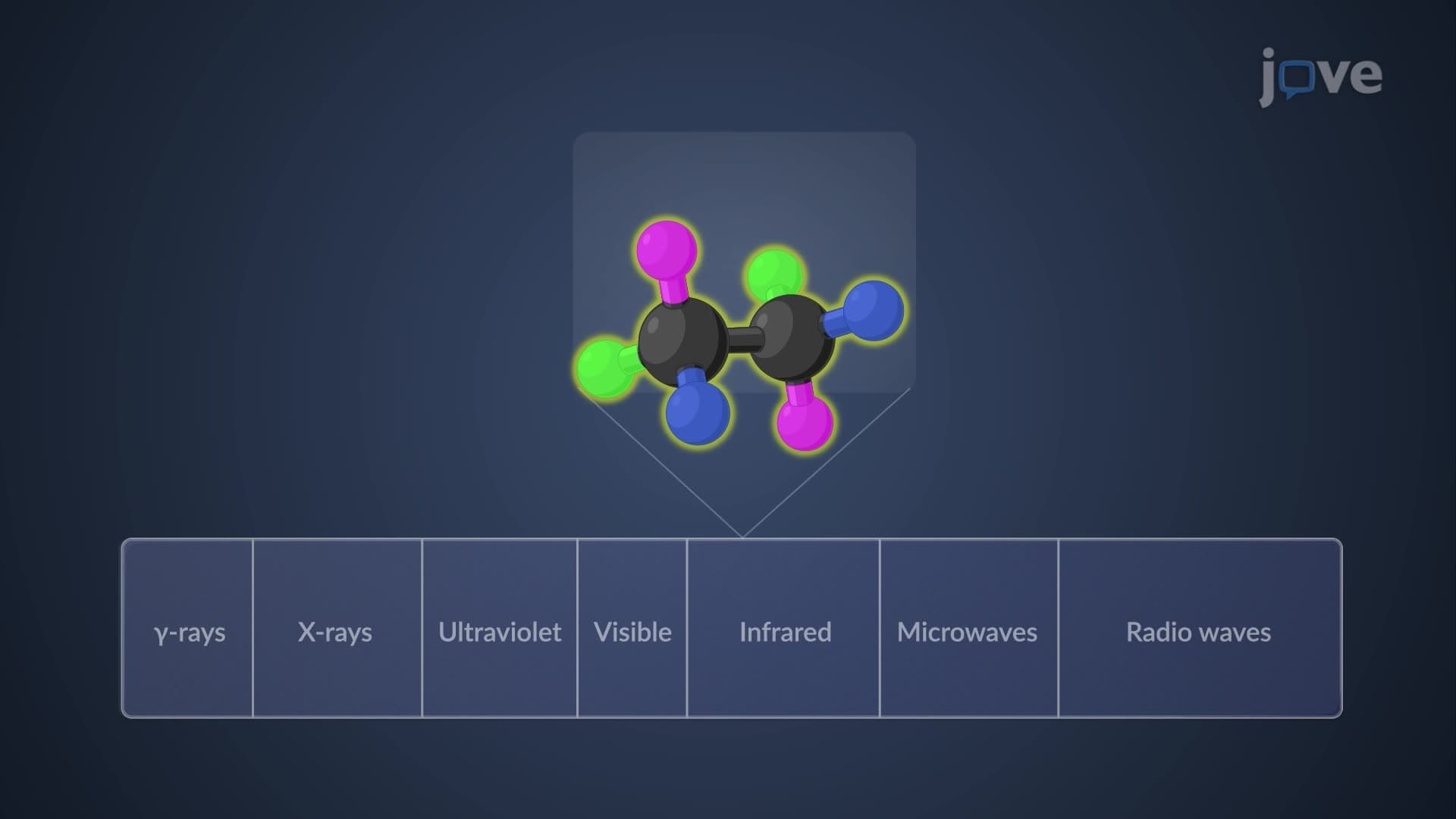

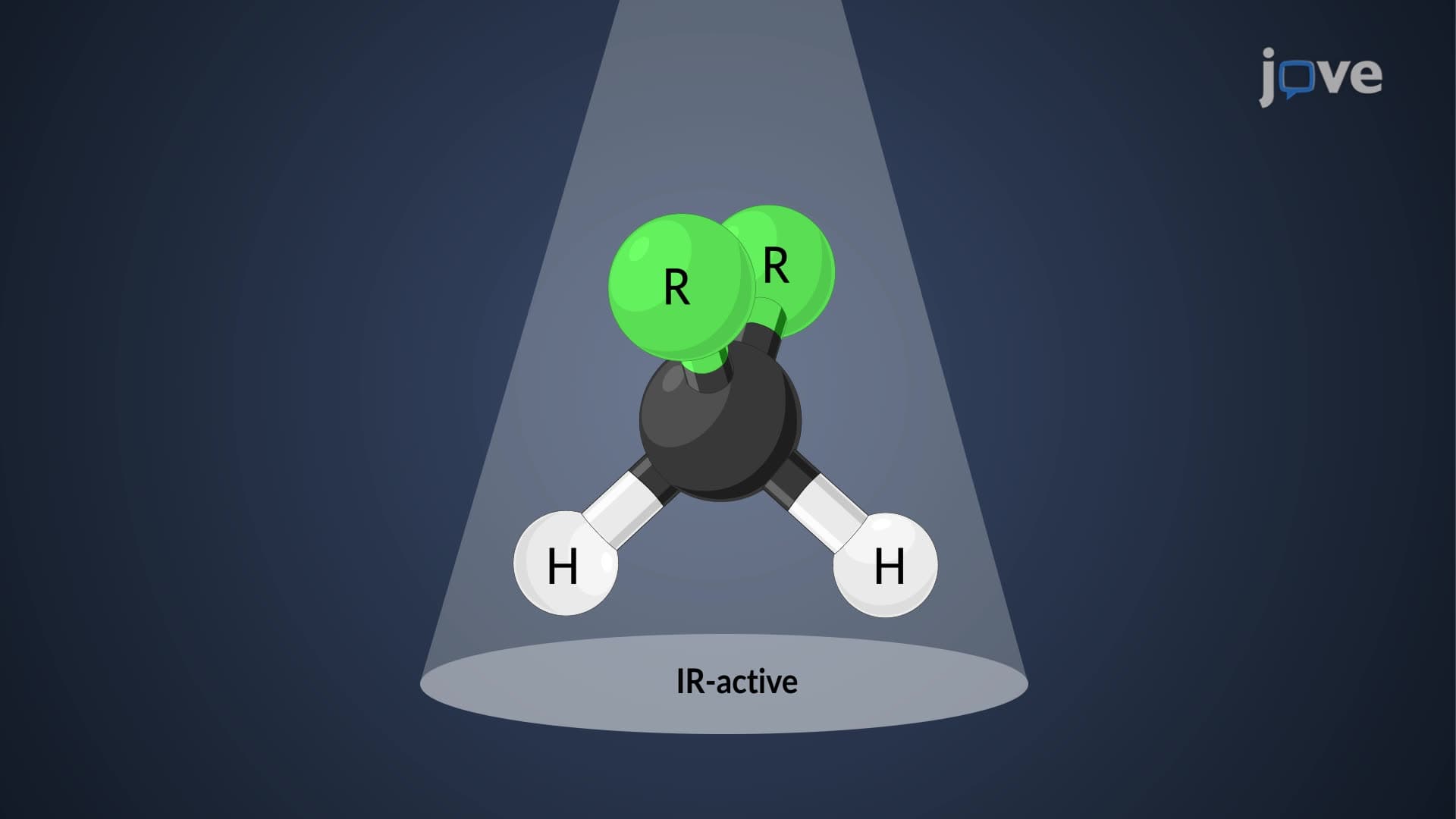
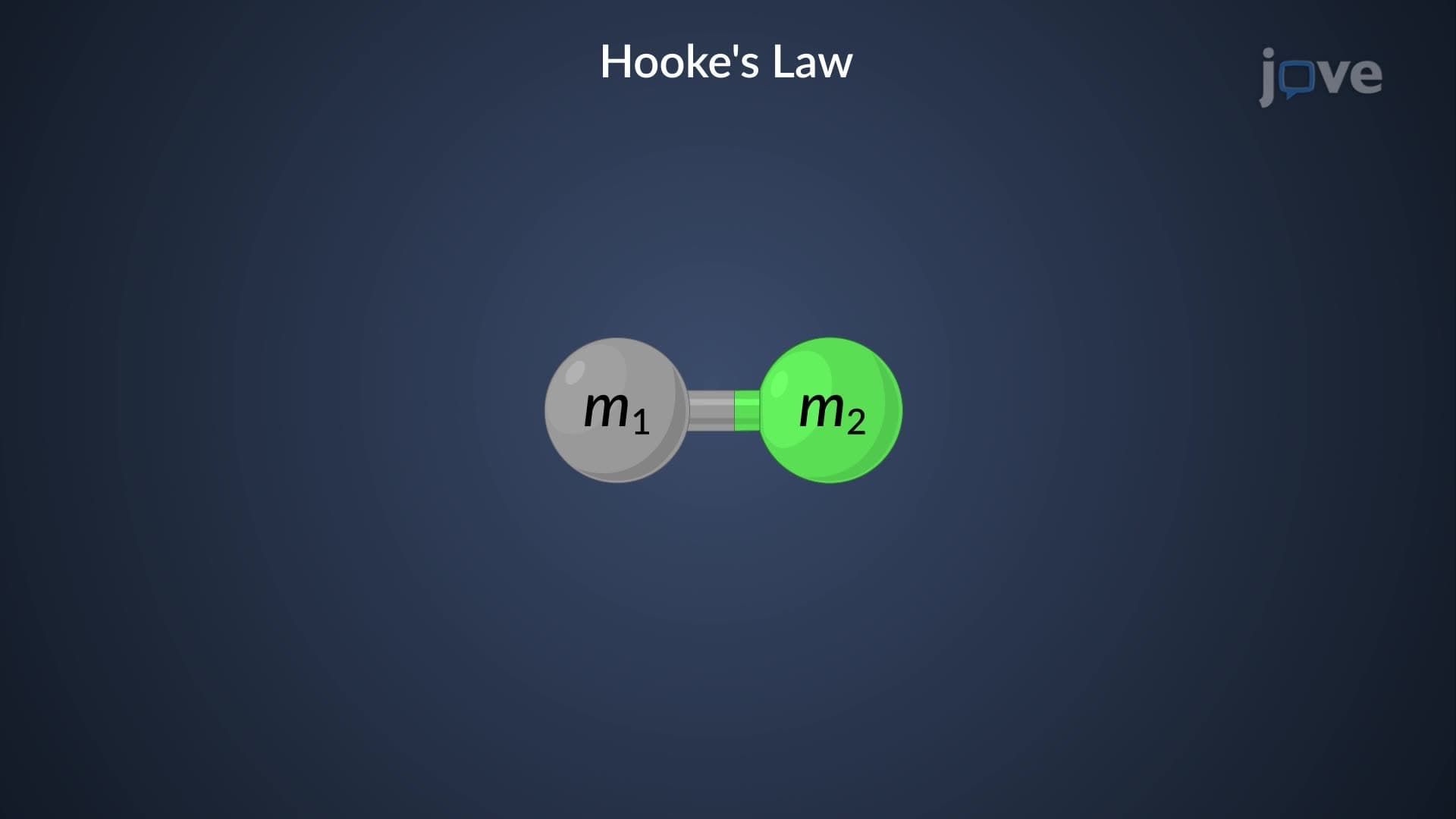
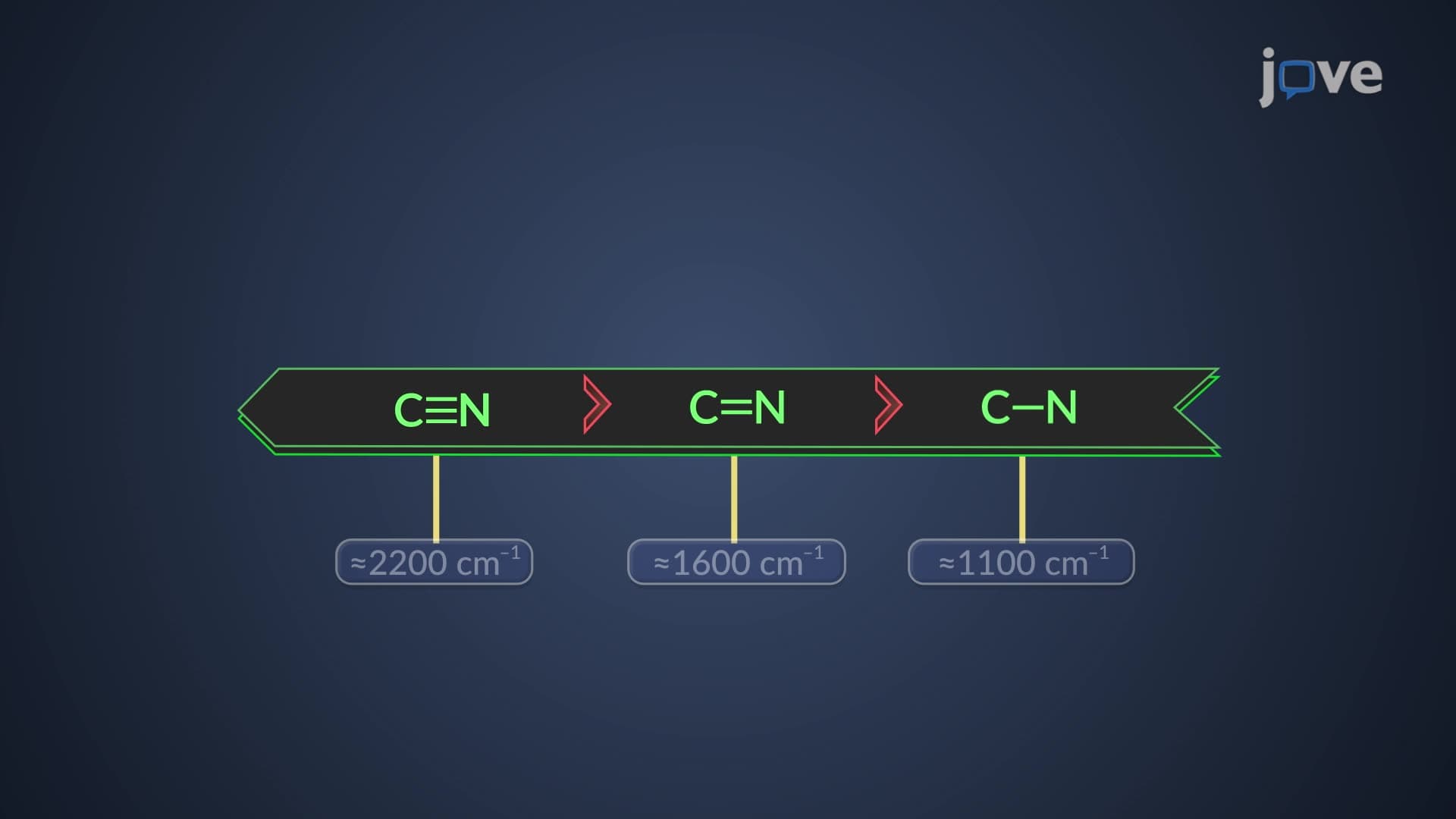


IR Absorption Frequency: Delocalization

00:00
01:04
Video Summary: What Is Ir Absorption Frequency Delocalization
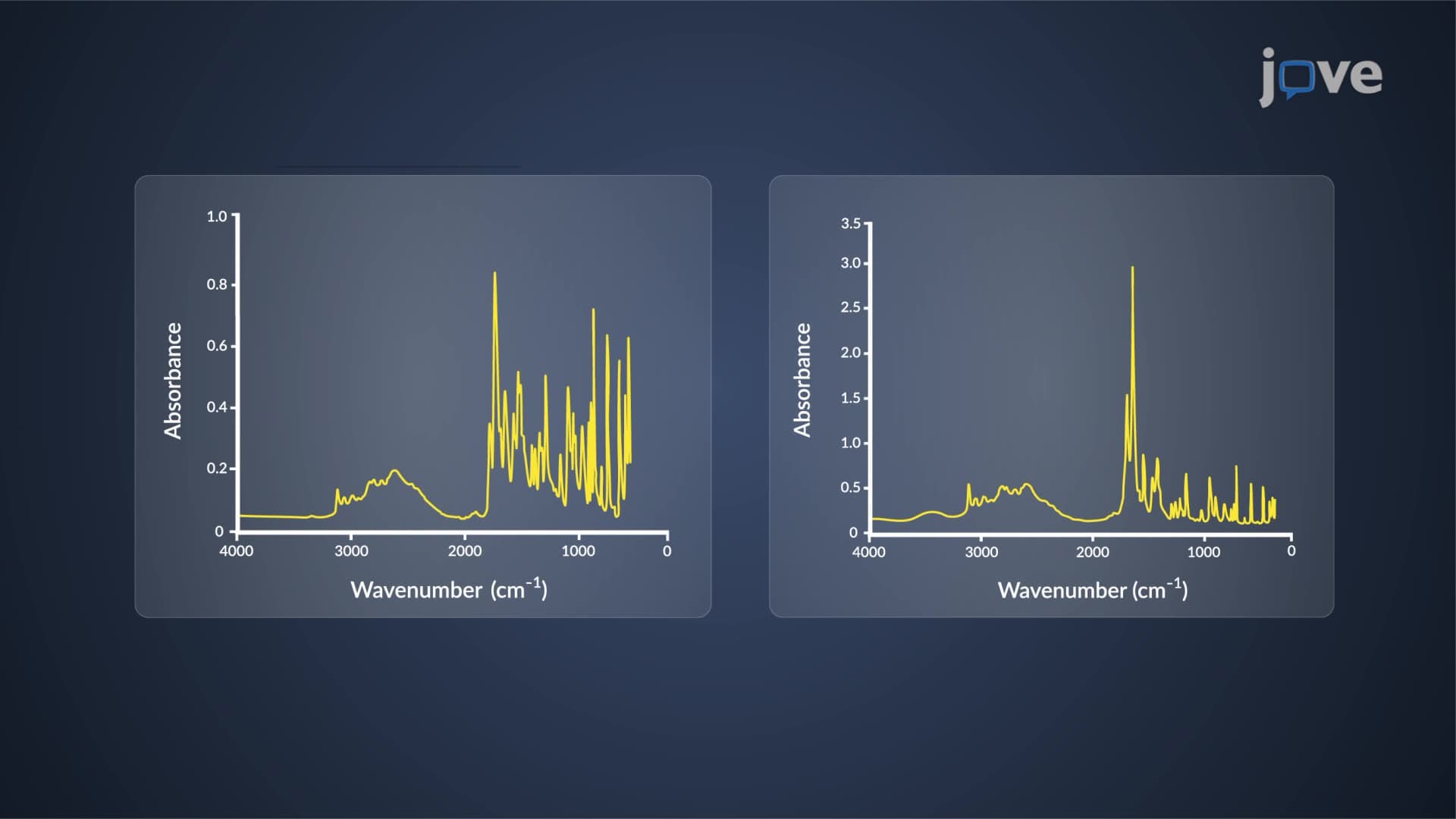
Ever wonder why aspirin's carbonyl group shows different IR peaks than acetone, even though both contain C=O bonds? The IR frequency delocalization effect explains how electron sharing between adjacent atoms dramatically shifts infrared absorption frequencies. Pharmaceutical companies like Pfizer routinely use this principle to identify drug compounds, as delocalization in molecules like ibuprofen creates distinctive spectral fingerprints. Understanding what is IR absorption frequency delocalization reveals why conjugated systems absorb at unexpectedly lower frequencies compared to isolated functional groups. Watch the full video on JoVE Coach to master this concept with expert-led visuals and step-by-step explanations.
- Understand what IR absorption frequency delocalization is and how electron delocalization weakens bond strength, causing frequency shifts in infrared spectroscopy
- Identify why conjugated ketones absorb at lower frequencies than isolated ketones due to partial single-bond character from pi-electron delocalization
- Analyze how resonance structures in amides create weaker carbonyl bonds through nitrogen lone pair donation, resulting in decreased IR absorption frequencies
- Compare carbonyl stretching frequencies across different functional groups, recognizing that esters show higher frequencies than ketones due to oxygen's electron-withdrawing effects
- Evaluate the relationship between electron delocalization and bond strength using IR spectral data to determine molecular structure
- Apply delocalization principles to predict relative IR absorption frequencies for various organic compounds containing carbonyl groups
- Recognize how inductive and resonance effects combine to influence IR absorption patterns in complex organic molecules
- Explore real-world applications of IR frequency shifts in pharmaceutical analysis and quality control procedures
Understanding IR Absorption Frequency Delocalization
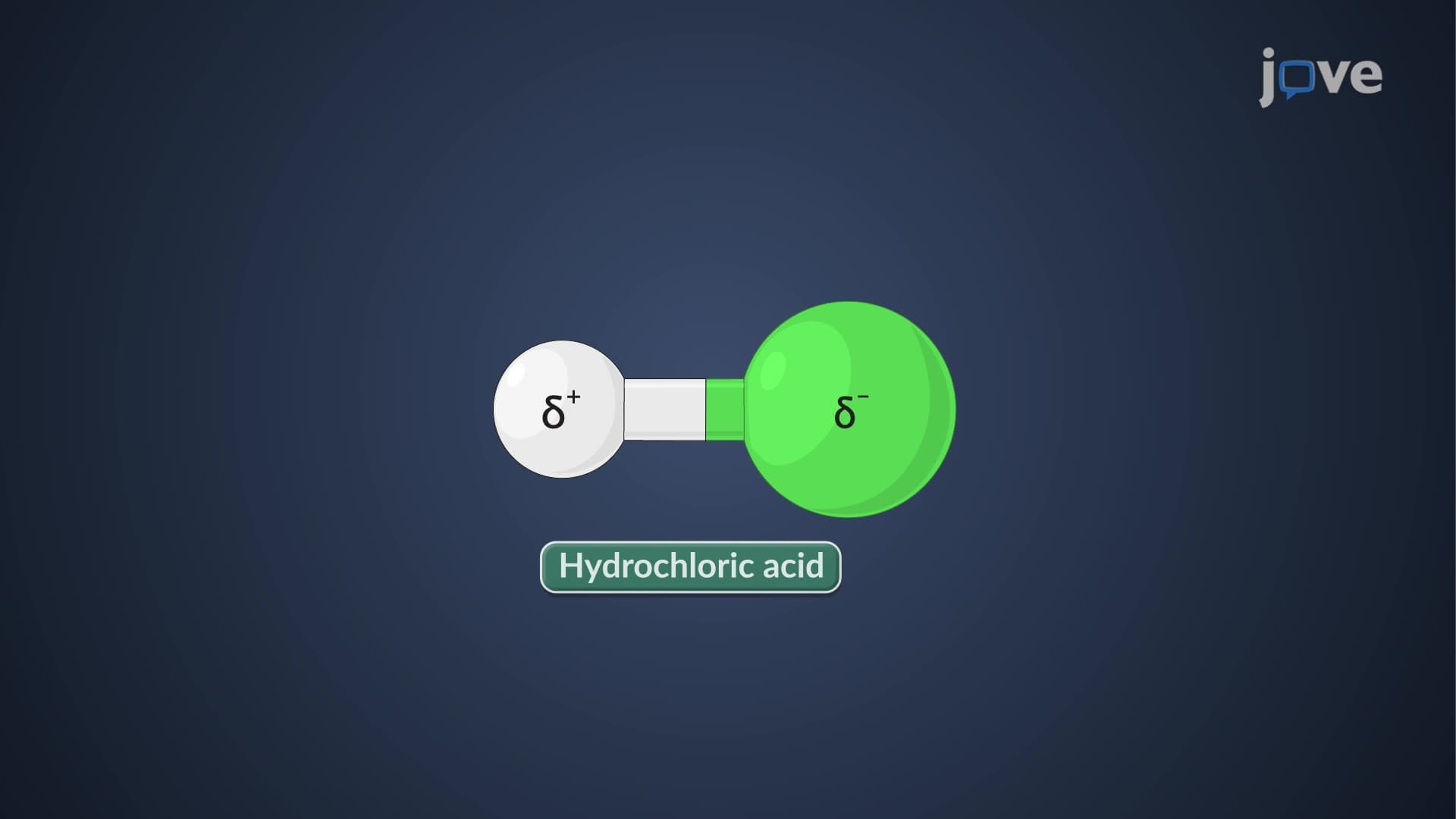
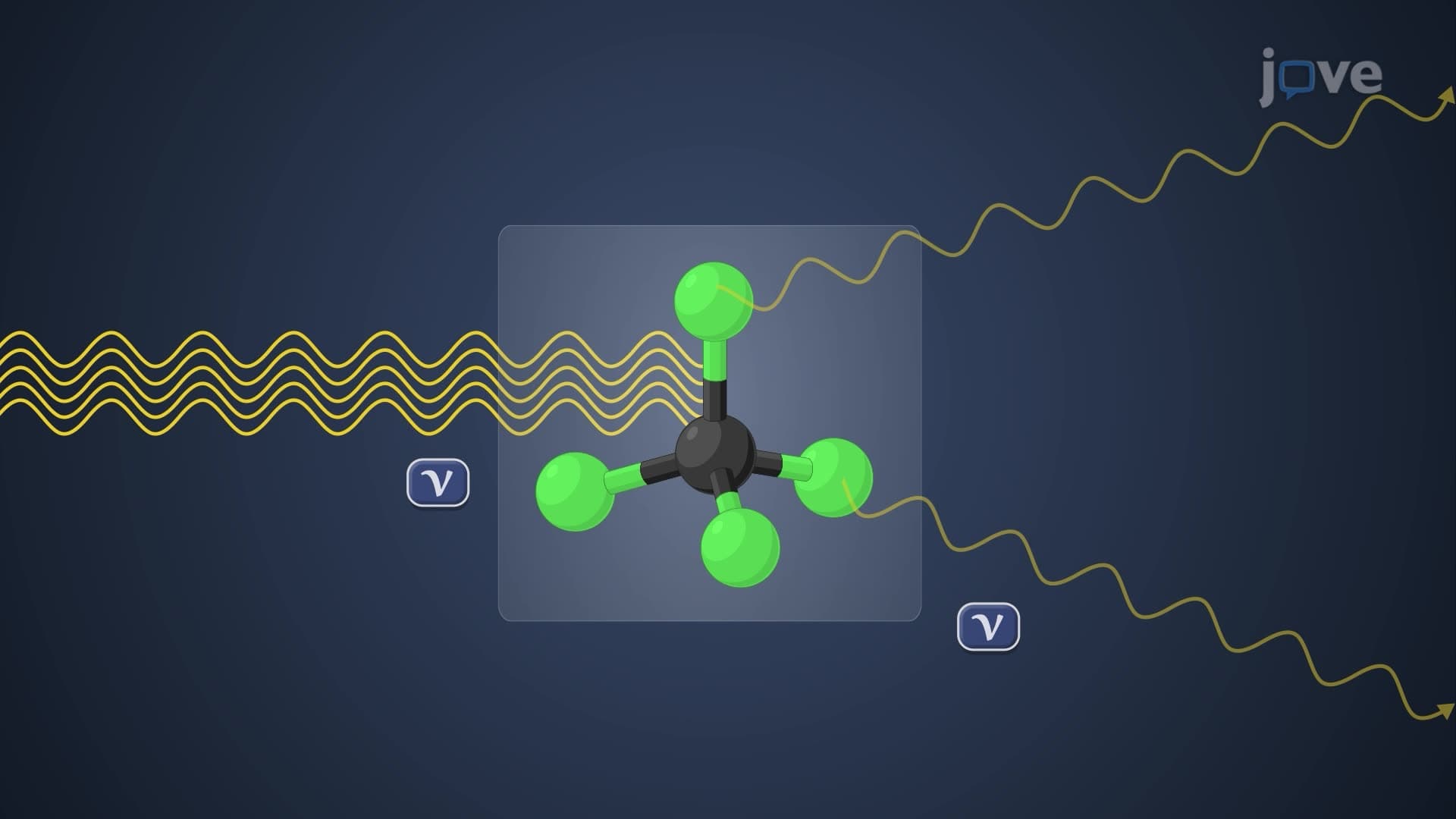
What is IR absorption frequency delocalization fundamentally describes how electron sharing across multiple atoms affects the vibrational frequencies observed in infrared spectroscopy. When electrons become delocalized through conjugation or resonance, they alter the effective bond strength between atoms, directly impacting where those bonds absorb infrared radiation. This concept forms a cornerstone of spectroscopic analysis taught in AP Chemistry and college-level organic chemistry courses.
Conjugation Effects on Carbonyl Frequency
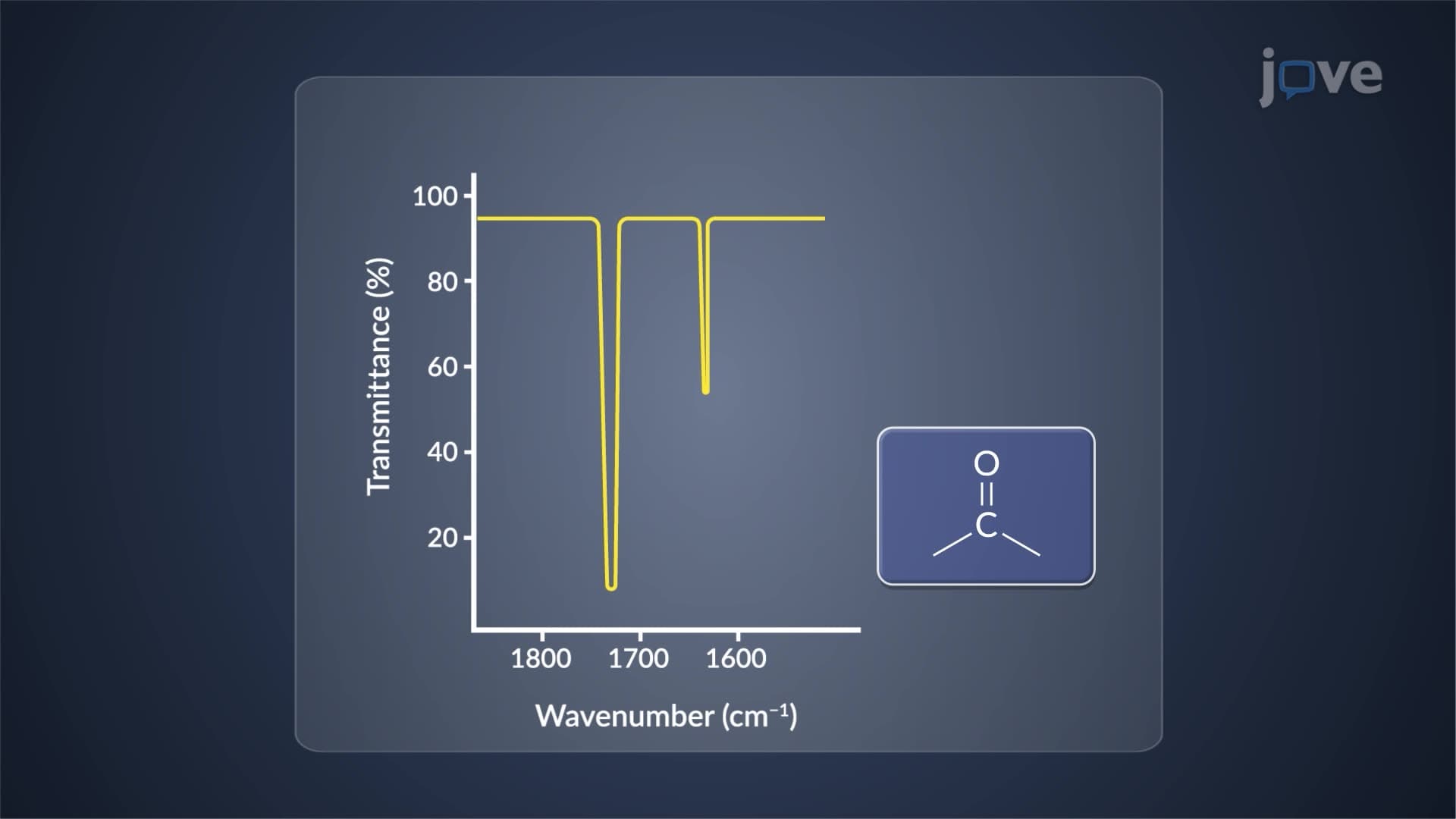
The delocalization effect IR absorption becomes most apparent when comparing conjugated versus non-conjugated carbonyl compounds. A typical ketone like acetone absorbs around 1715 cm⁻¹, but when that same carbonyl group participates in conjugation-such as in benzophenone or cinnamaldehyde-the absorption shifts to approximately 1665-1685 cm⁻¹. This dramatic frequency decrease occurs because pi-electrons from the adjacent double bond or aromatic system spread across the carbonyl group, reducing its double-bond character and creating a weaker, more flexible bond.
Students preparing for the MCAT often encounter this principle when analyzing steroid hormones like testosterone, where conjugated ketone groups show characteristic low-frequency absorptions. The conjugation IR frequency shift serves as a diagnostic tool, helping chemists distinguish between isolated and conjugated systems without complex structural analysis.
Resonance Impact on Functional Group Frequencies
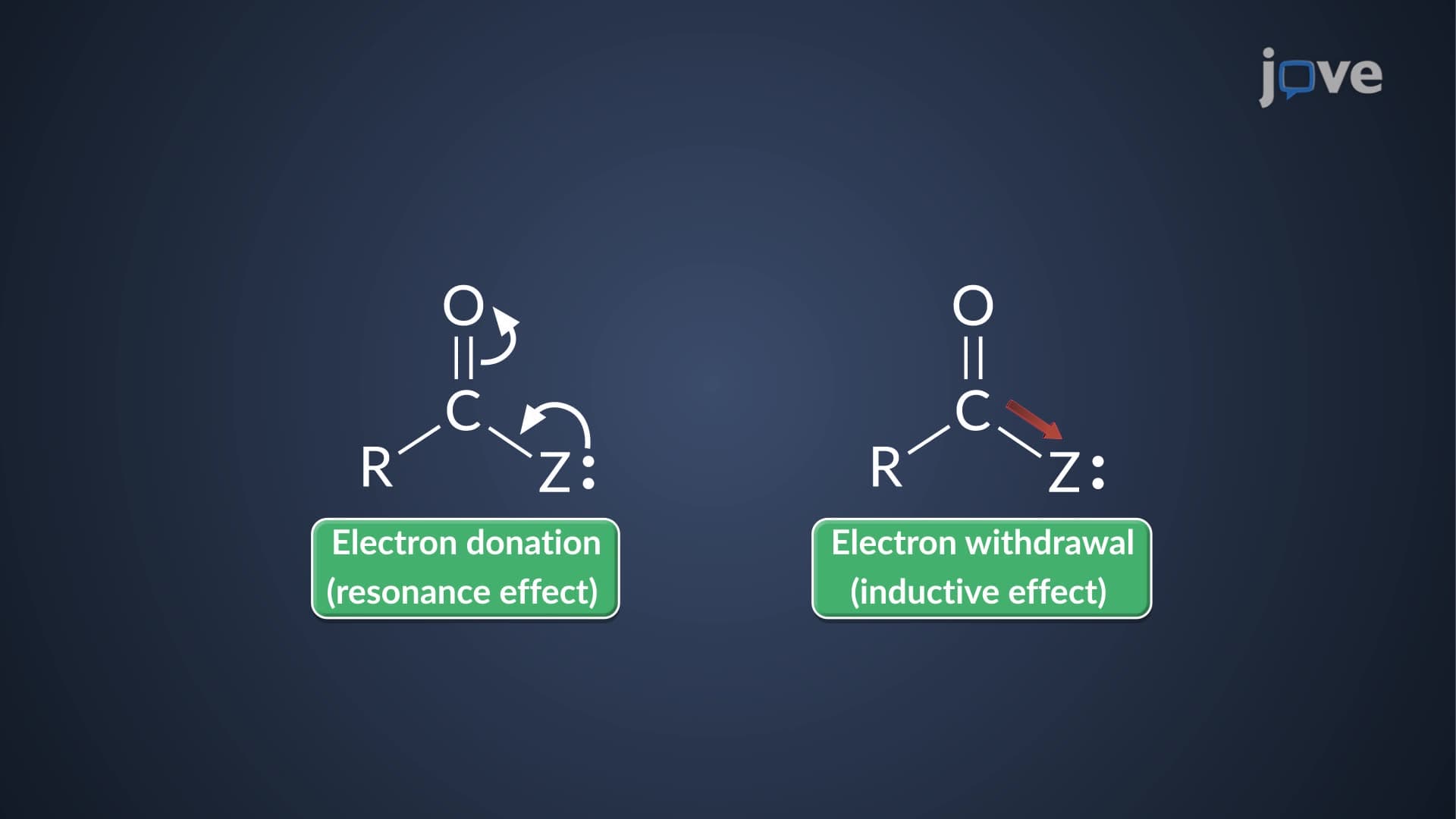
How delocalization affects IR absorption frequency extends beyond simple conjugation to include resonance stabilization within functional groups. Amides provide an excellent example: the nitrogen atom's lone pair electrons participate in resonance with the carbonyl group, creating a hybrid structure with significant single-bond character. Consequently, amide carbonyls absorb around 1650 cm⁻¹-much lower than ketone frequencies.
This phenomenon proves crucial in pharmaceutical analysis. Companies analyzing peptide drugs rely on these predictable frequency patterns to confirm molecular structure and purity. The resonance IR absorption signatures help quality control laboratories at manufacturers like Johnson & Johnson verify that complex biomolecules maintain their intended structure throughout production.
Electronic Effects and Frequency Prediction
Understanding delocalized pi system IR behavior requires recognizing both electron-donating and electron-withdrawing effects. While resonance typically lowers frequencies through delocalization, inductive effects can oppose this trend. Esters demonstrate this principle perfectly-despite oxygen's lone pairs potentially participating in resonance, the strong electron-withdrawing inductive effect dominates, pulling electron density away from the carbonyl and increasing its double-bond character. This results in ester carbonyl absorptions around 1735 cm⁻¹, higher than typical ketone frequencies.
Students tackling college organic chemistry exams benefit from memorizing these patterns, as carbonyl conjugation IR shift questions frequently appear on midterm and final examinations across universities like UCLA and MIT.
Frequently Asked Questions
IR absorption frequency delocalization occurs when electrons spread across multiple atoms, weakening bonds and shifting their infrared absorption to lower frequencies. This principle helps chemists identify molecular structures, distinguish between similar compounds, and analyze everything from pharmaceutical drugs to environmental pollutants. Understanding this concept is essential for success in AP Chemistry, organic chemistry courses, and professional laboratory work.
The MCAT frequently tests this concept by comparing carbonyl frequencies in different molecular environments. Delocalized systems typically absorb 50-100 cm⁻¹ lower than isolated groups due to reduced bond strength. Focus on recognizing conjugated ketones (lower frequency) versus isolated ketones (higher frequency), and remember that amides show the lowest carbonyl frequencies due to nitrogen resonance donation.
AP Chemistry covers this concept under molecular structure and bonding, specifically resonance structures and electron delocalization. Students should understand how resonance affects bond strength and relate this to spectroscopic evidence. The College Board often includes IR interpretation questions that require recognizing frequency shifts caused by conjugation or electron delocalization patterns.
Companies like Merck and Bristol Myers Squibb routinely employ IR spectroscopy to identify and verify drug compounds during manufacturing. Delocalization patterns create unique spectral fingerprints-aspirin's conjugated system produces different peaks than isolated acetaminophen structures. This allows rapid quality control testing and helps detect impurities or structural changes that could affect drug efficacy.
No advanced mathematics is required to grasp these fundamental principles. Success depends more on visualizing electron movement through resonance structures and recognizing patterns in molecular behavior. High school students with solid chemistry foundations can master this concept by focusing on electron-sharing principles rather than complex calculations.
Create a frequency hierarchy: esters highest (~1735 cm⁻¹), ketones middle (~1715 cm⁻¹), conjugated ketones lower (~1675 cm⁻¹), and amides lowest (~1650 cm⁻¹). Use the mnemonic "Every Kid Can Always" to remember the order from high to low frequency. Practice with real spectra from your textbook and focus on understanding why each pattern occurs rather than rote memorization.
This foundation prepares you for advanced spectroscopic techniques like NMR and mass spectrometry, where electron delocalization similarly affects signal patterns. Graduate-level courses in physical organic chemistry expand these concepts to include quantitative measurements of delocalization energy and kinetic effects. Understanding IR delocalization also supports learning about aromaticity, molecular orbital theory, and reaction mechanisms in upper-level chemistry coursework.
Related Micro-courses

17 Concepts

15 Concepts