Loading subject page…


28,168 views

Video Summary: What Is Ir Spectroscopy Molecular Vibration
Did you know that molecules are constantly dancing, vibrating at frequencies that reveal their secret identities? IR molecular vibration explained shows how molecular bonds stretch and bend like microscopic springs, creating unique fingerprints that chemists use to identify unknown compounds. The FDA relies on this technique to verify pharmaceutical purity in medications like acetaminophen. Understanding what is IR spectroscopy molecular vibration unlocks the molecular world's hidden language through characteristic absorption patterns. Watch the full video on JoVE Coach to master this concept with expert-led visuals and step-by-step explanations.
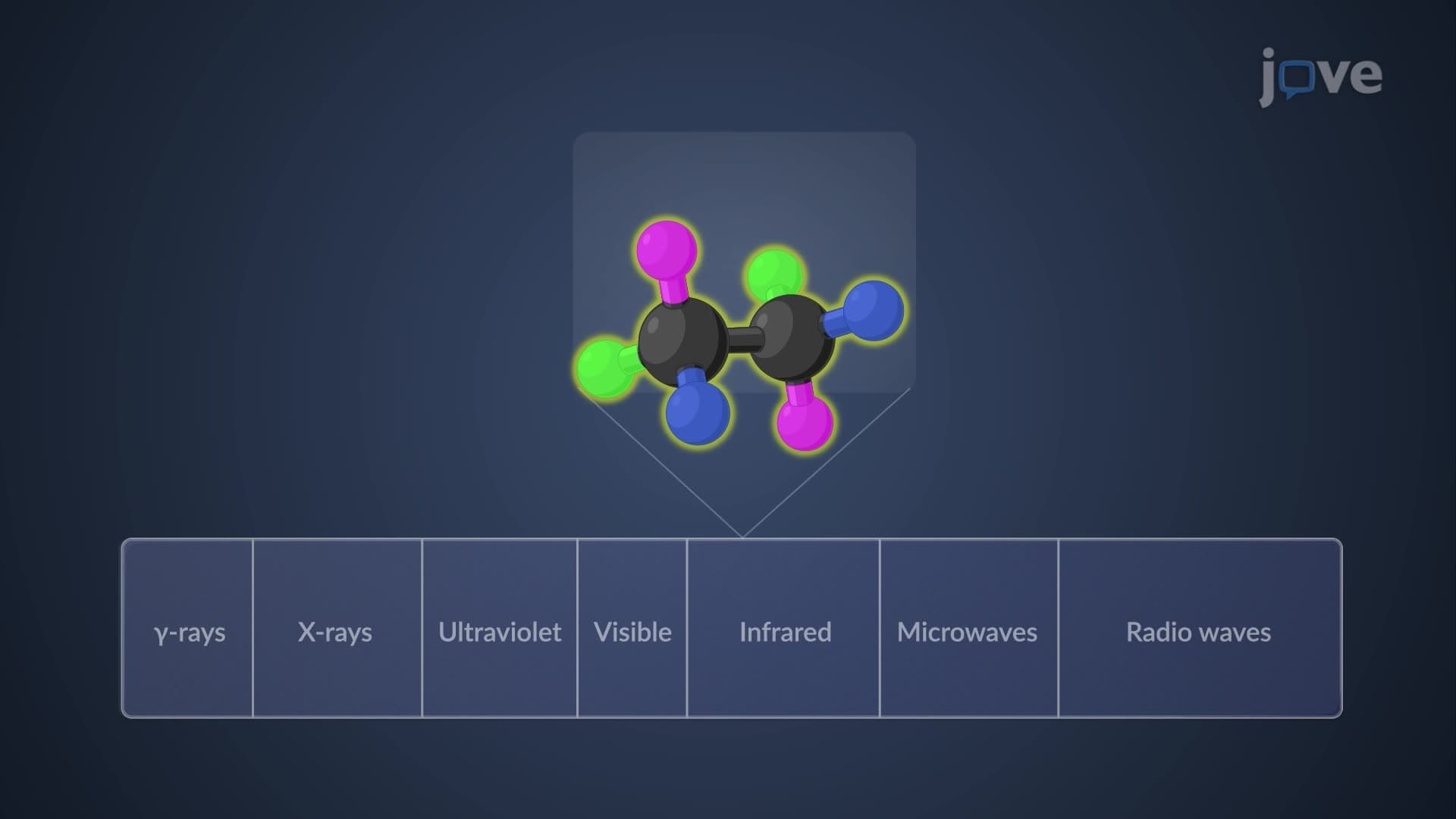
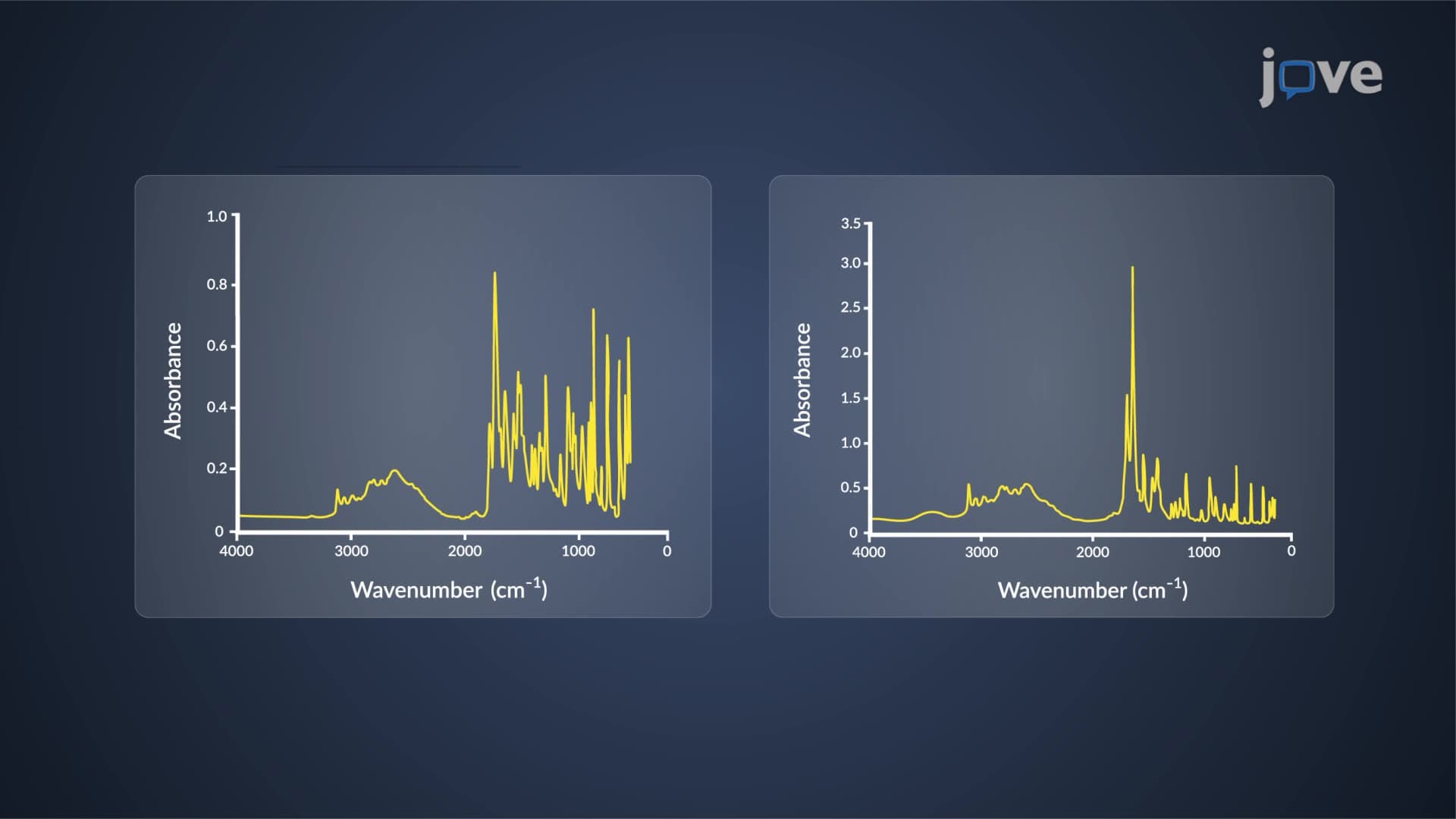
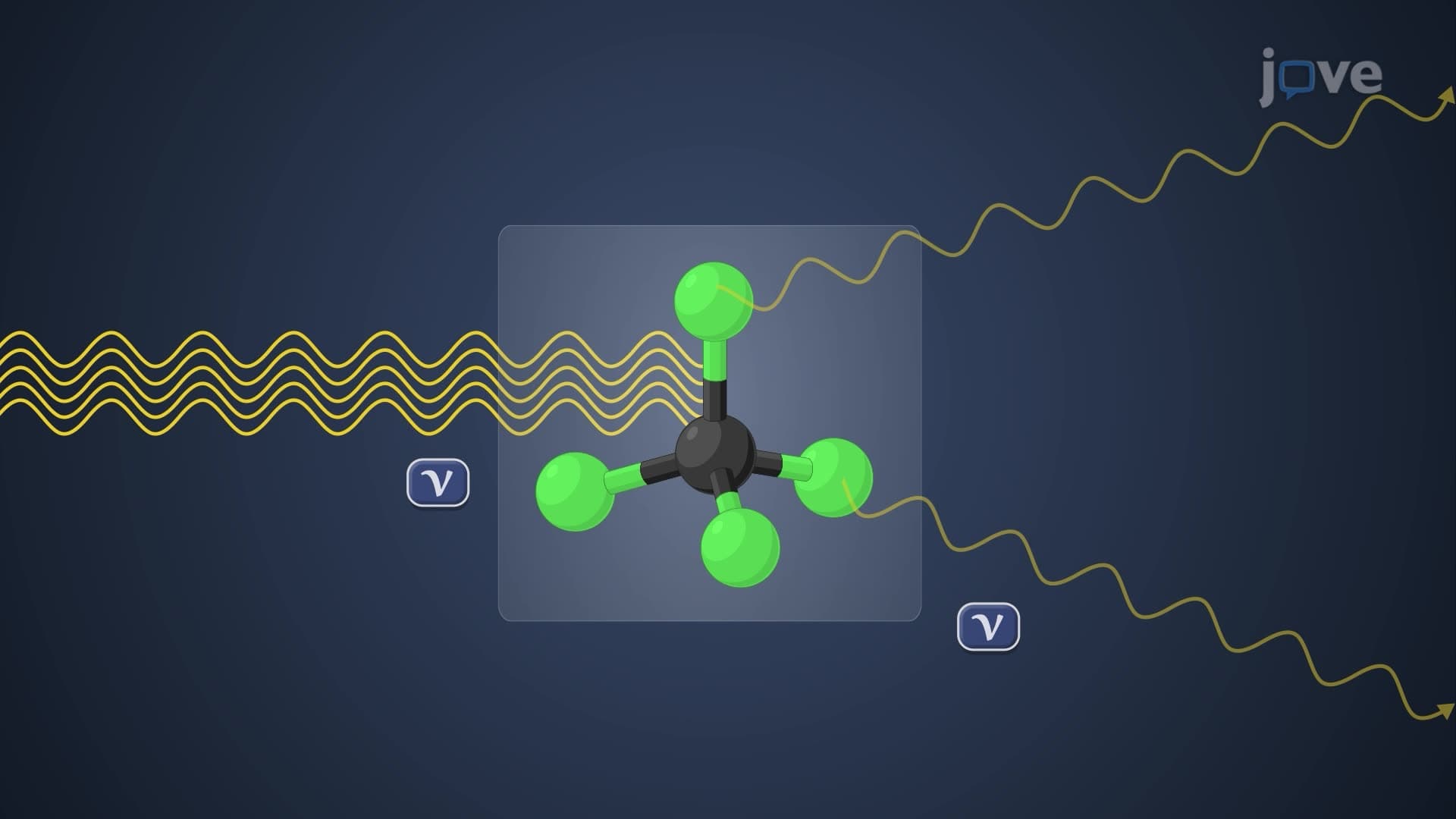
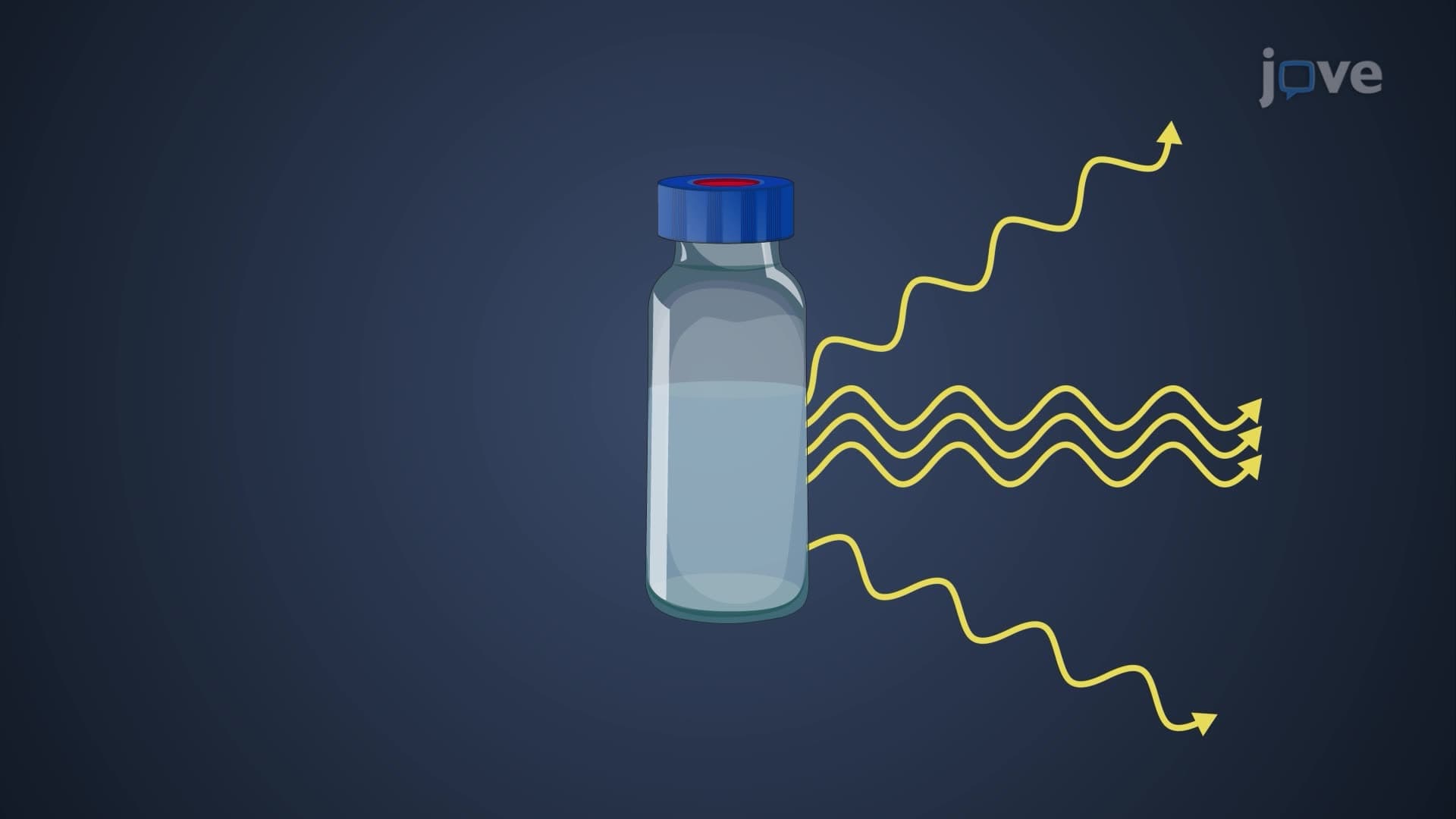
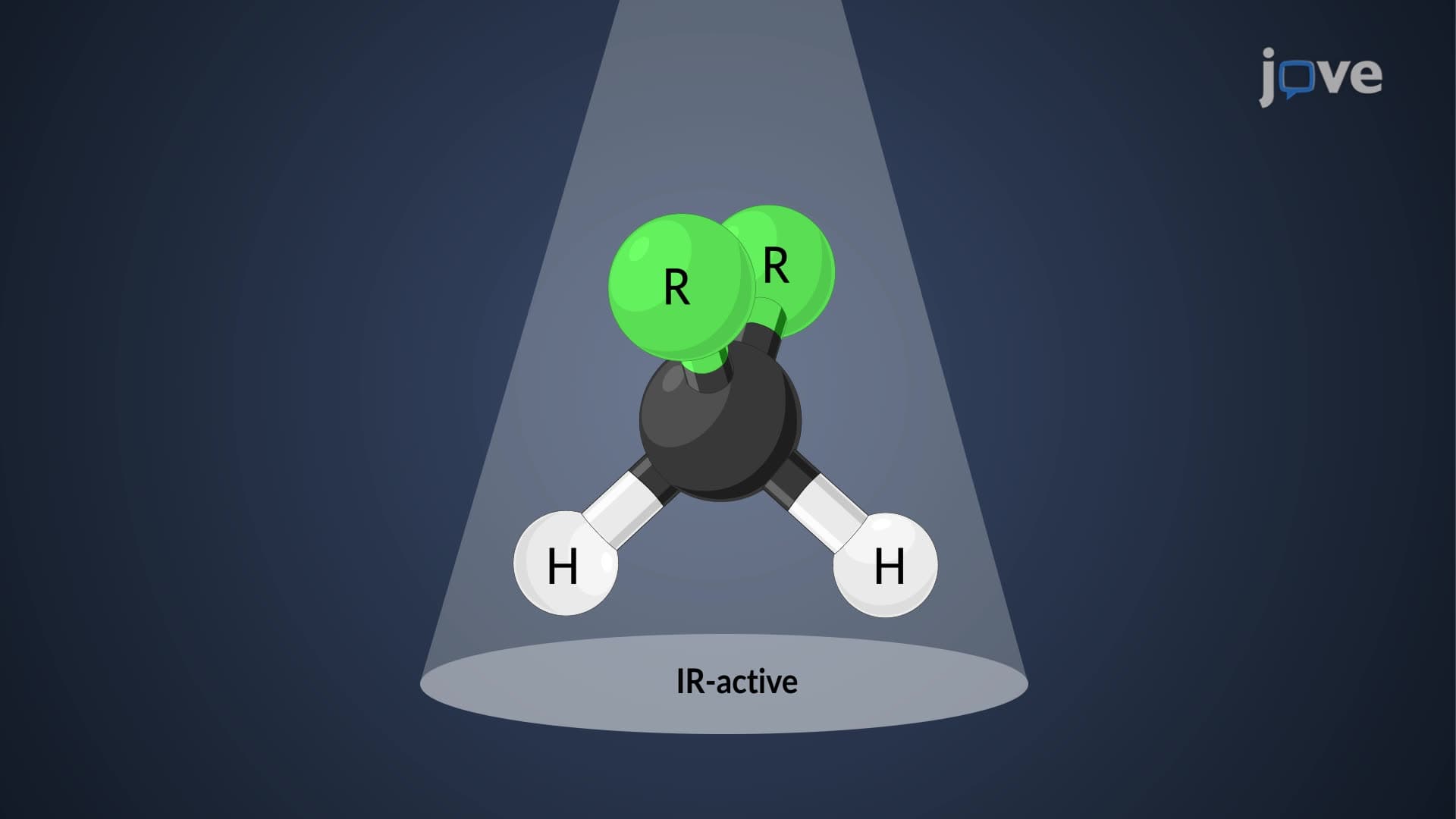
Molecular vibrations IR spectroscopy reveals the dynamic nature of chemical bonds through infrared radiation absorption. When molecules absorb IR energy, their bonds vibrate at specific frequencies determined by bond strength, atomic masses, and molecular geometry. This phenomenon forms the foundation of infrared spectroscopy, a powerful analytical technique used extensively in pharmaceutical quality control, environmental monitoring, and forensic analysis across American laboratories.
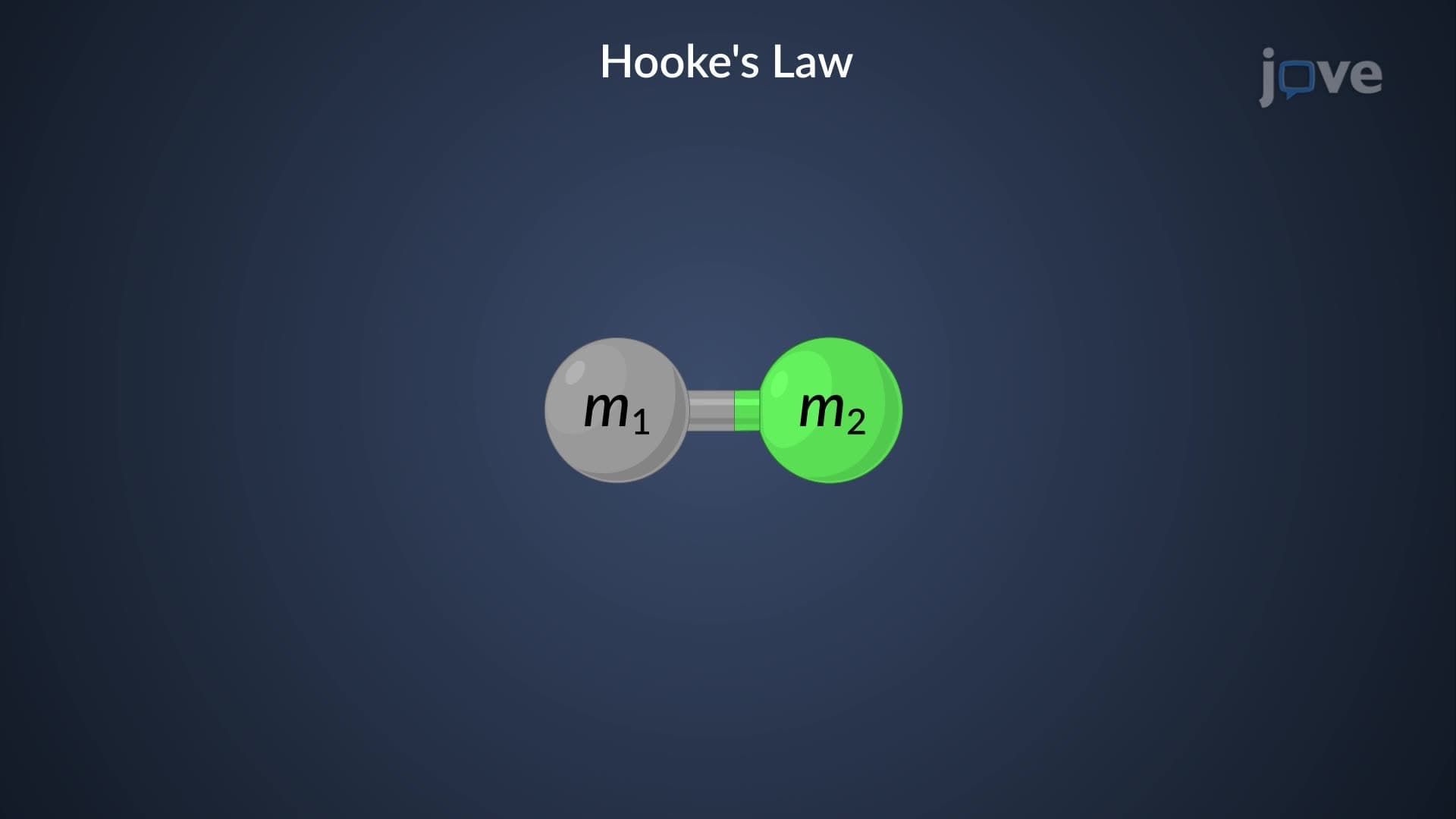
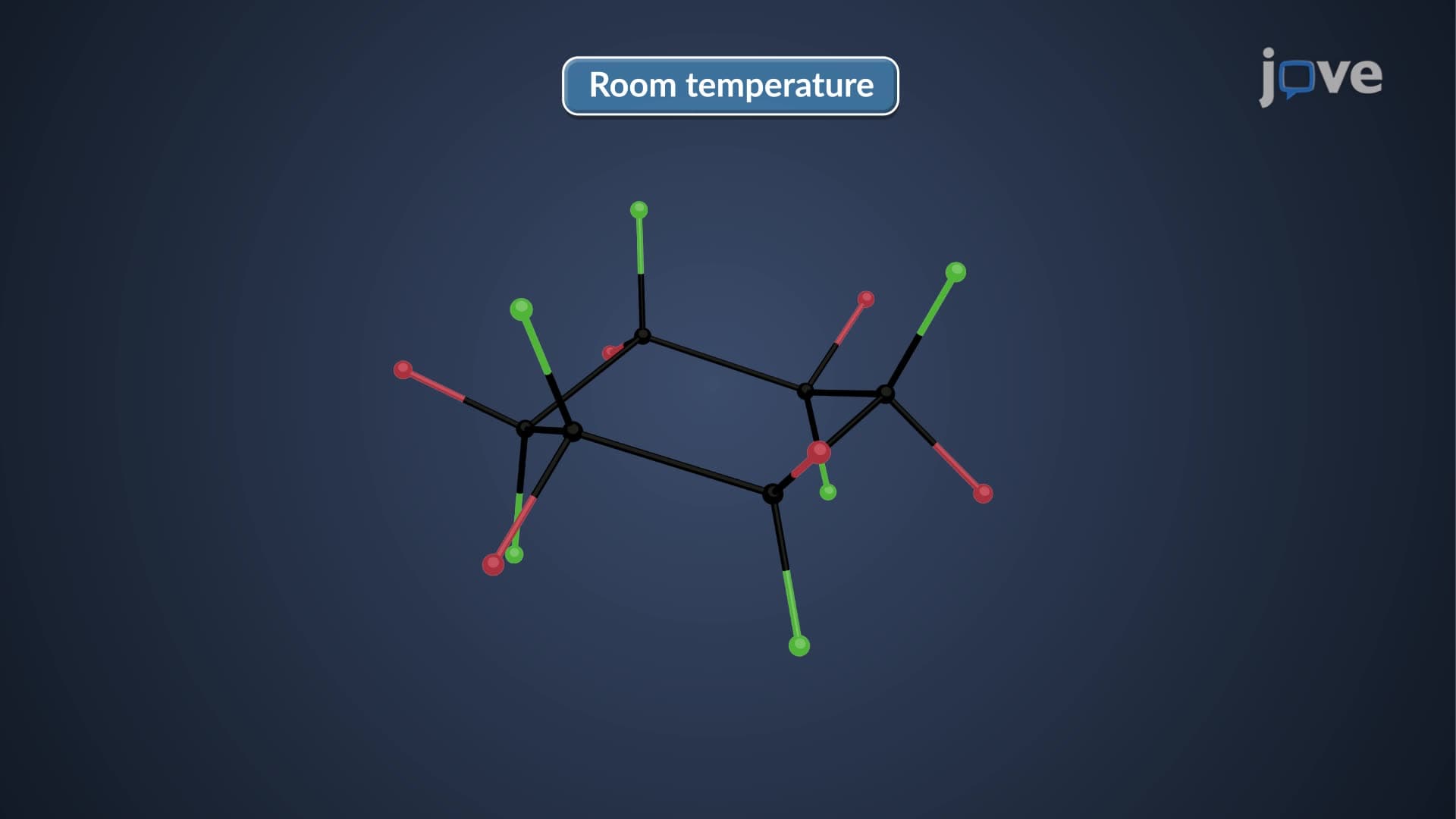
Stretching bending IR vibration encompasses two primary categories of molecular motion. Stretching vibrations occur along bond axes, causing bond lengths to oscillate like springs. Symmetric stretching involves bonds moving in unison, while asymmetric stretching creates alternating compression and extension. For example, water molecules exhibit both modes: symmetric O-H stretching around 3650 cm⁻¹ and asymmetric stretching near 3750 cm⁻¹.
Bending vibrations alter bond angles without significantly changing bond lengths. In-plane bending includes scissoring (bonds moving toward each other) and rocking (coordinated angular movement). Out-of-plane bending encompasses wagging (perpendicular oscillation) and twisting (rotational motion around bonds). These normal modes vibration IR patterns create distinct spectral signatures that chemists use for molecular identification.
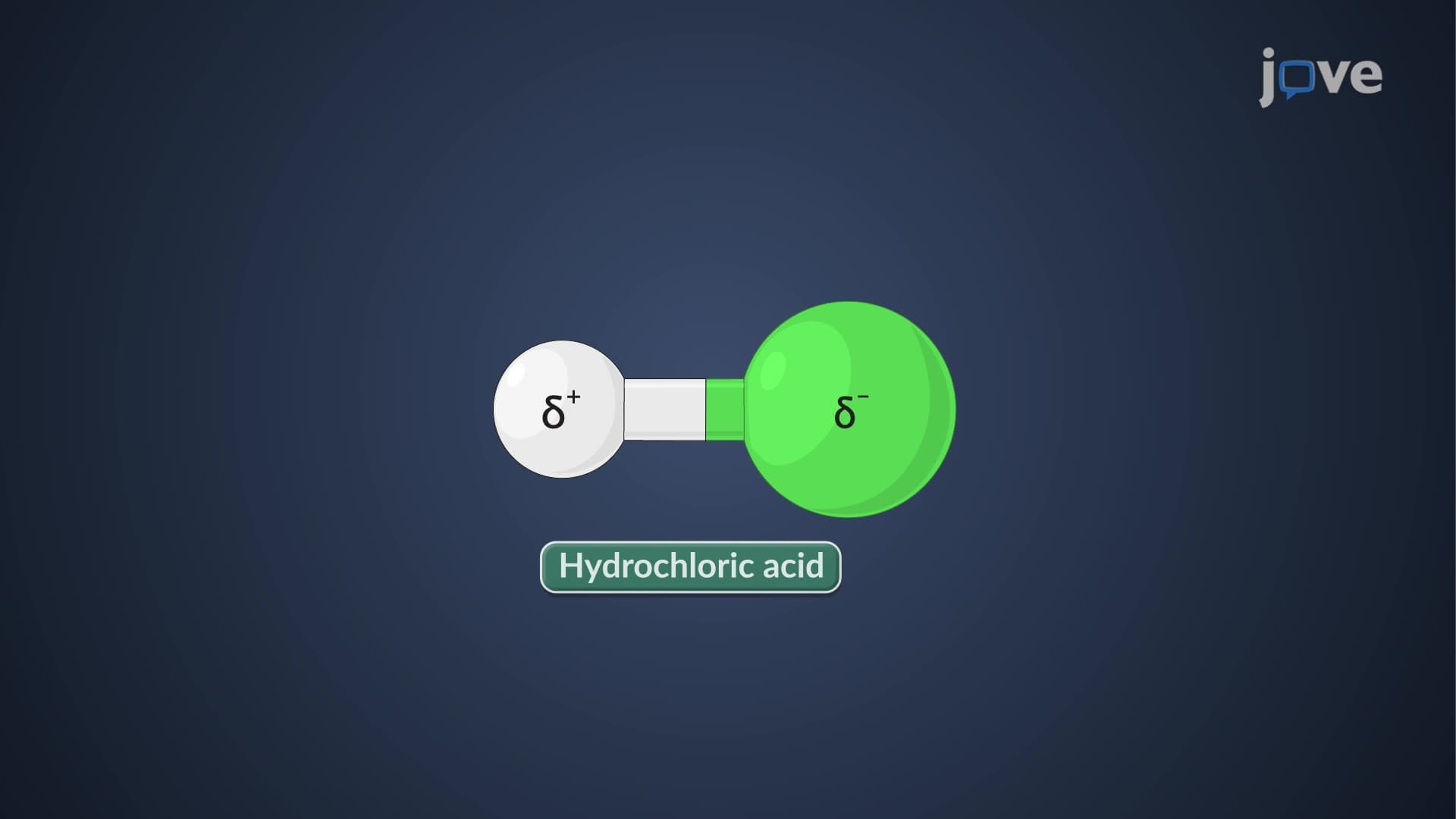
The total number of fundamental vibrations follows specific mathematical rules crucial for AP Chemistry and college-level spectroscopy courses. Nonlinear molecules like ethanol (C₂H₆O) with n atoms exhibit 3n-6 fundamental vibrations, while linear molecules such as hydrogen chloride (HCl) display 3n-5 vibrational modes. This distinction appears frequently on MCAT physical chemistry sections and undergraduate analytical chemistry exams.
How molecular vibrations relate to IR spectroscopy extends beyond fundamental frequencies to include overtones, combination bands, and Fermi resonance. Overtones represent integral multiples of fundamental absorption frequencies, typically appearing as weaker peaks at higher wavenumbers. Combination bands result from simultaneous excitation of multiple vibrational modes, creating additional spectral complexity.
Fermi resonance occurs when fundamental vibrations interact with overtones or combination bands of similar energy, causing peak splitting and intensity redistribution. This phenomenon complicates spectral interpretation but provides valuable structural information. Understanding these concepts prepares students for advanced analytical chemistry coursework and professional laboratory work in industries ranging from petroleum refining to biotechnology research.
Related Micro-courses