Loading subject page…

- Analytical Chemistry
- Molecular Vibrational Spectroscopy
- Raman Spectroscopy: Overview
Micro-course: Molecular Vibrational Spectroscopy
28,168 views
Learn key concepts and earn your certificate.



Raman Spectroscopy: Overview

00:00
01:20
Video Summary: What Is Raman Spectroscopy
Did you know that every molecule has its own unique "fingerprint" that can be detected using light? Raman spectroscopy basics involve using laser light to identify molecular structures by analyzing how light scatters when it hits different chemical bonds. This powerful technique helps researchers at institutions like MIT and Stanford identify unknown compounds, from detecting counterfeit pharmaceuticals to analyzing carbon nanotubes in materials science labs. What is Raman spectroscopy and how it revolutionizes molecular analysis becomes clear through understanding light-matter interactions. Watch the full video on JoVE Coach to master this concept with expert-led visuals and step-by-step explanations.
- Understand what is Raman spectroscopy and its fundamental principles of light scattering for molecular identification
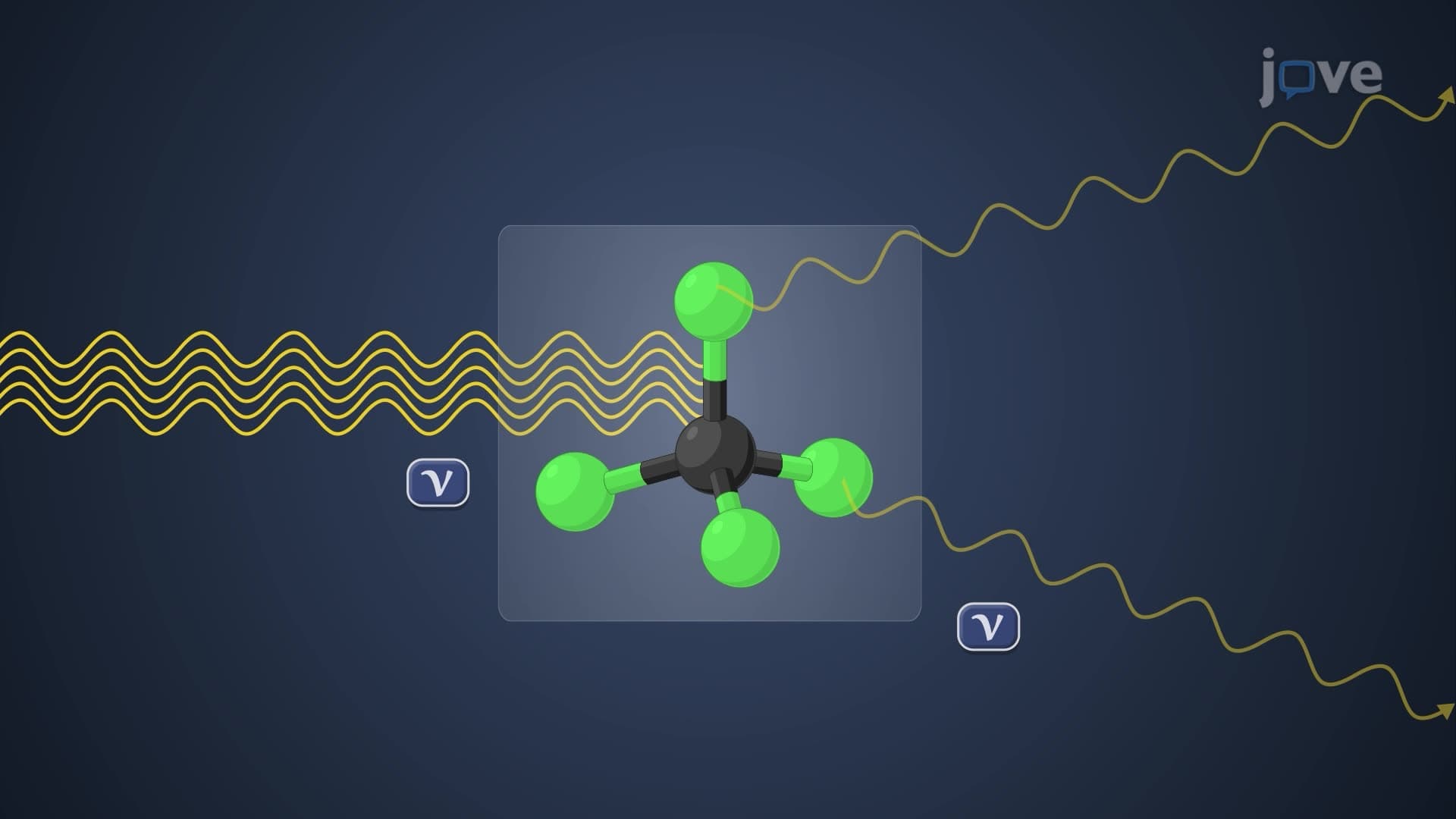
- Identify the difference between Rayleigh scattering and Raman scattering based on frequency shifts
- Analyze Stokes and anti-Stokes scattering patterns to determine molecular vibrational states
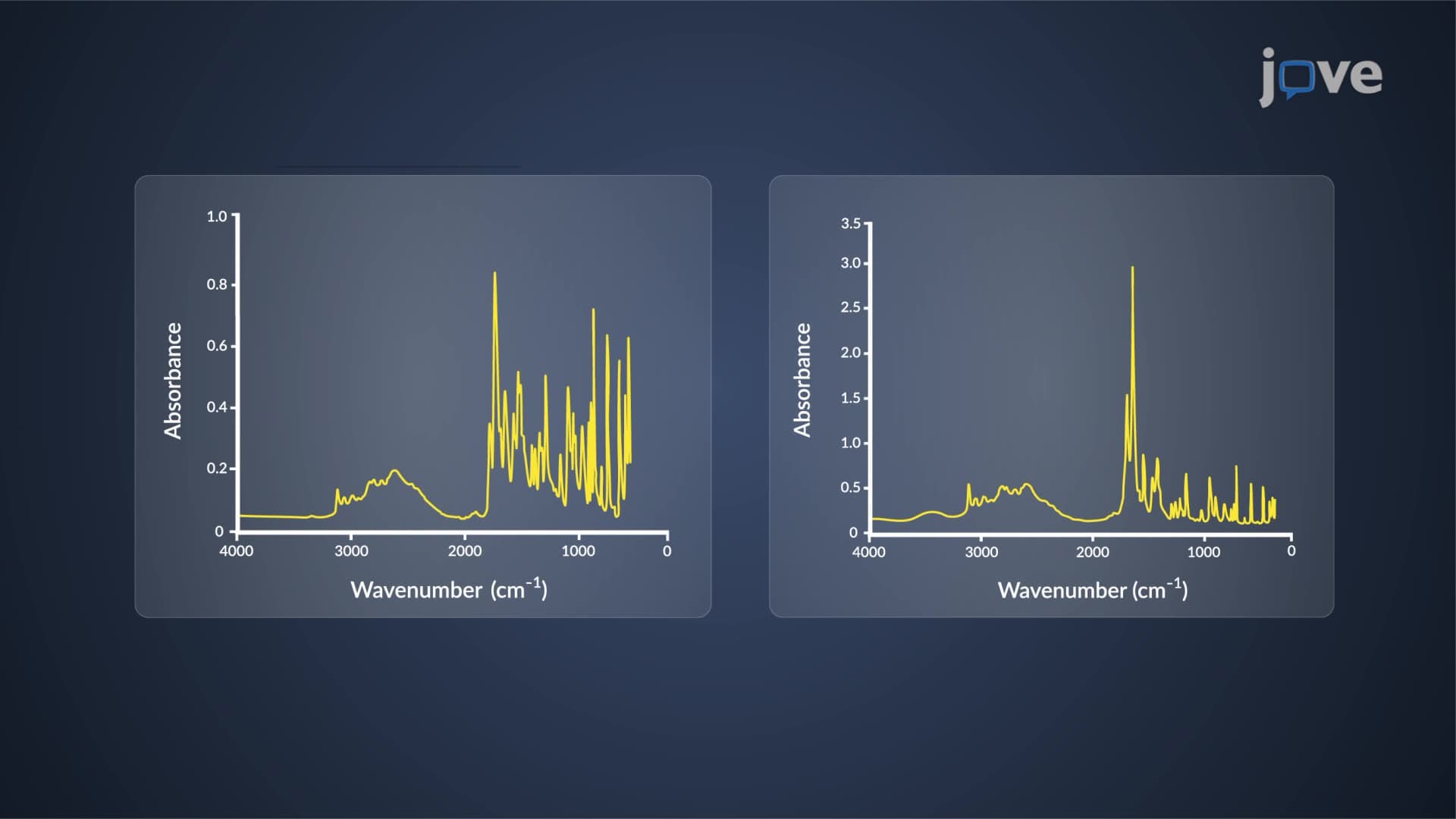
- Compare Raman spectroscopy with infrared (IR) spectroscopy selection rules and complementary information
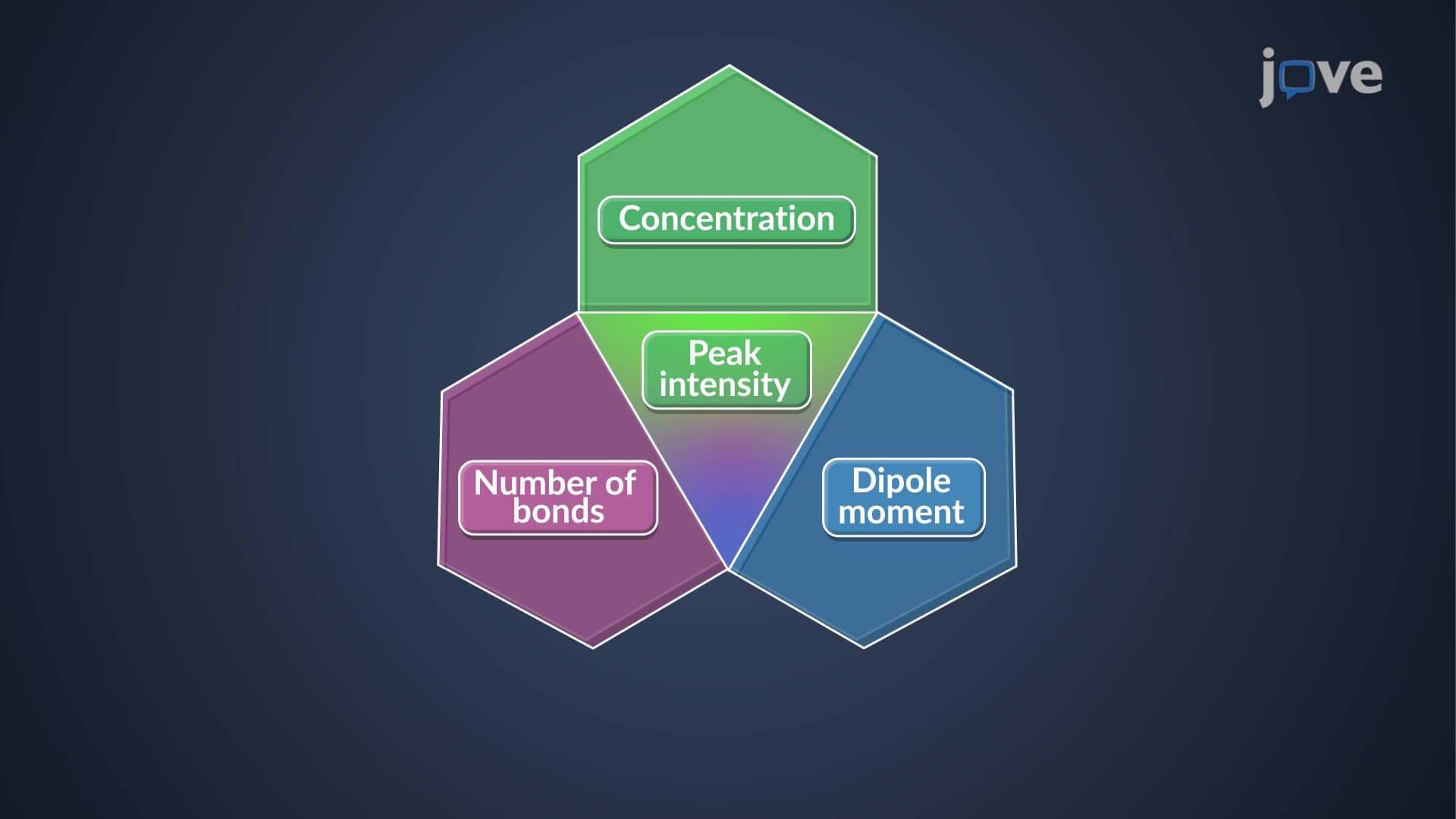
- Evaluate factors affecting Raman peak intensity including bond polarizability and laser power
- Apply Raman selection rules to predict which molecular vibrations will be Raman-active
- Recognize real-world applications in pharmaceutical quality control and forensic analysis
- Explore the relationship between molecular polarizability changes and spectroscopic activity
What is Raman Spectroscopy: The Foundation
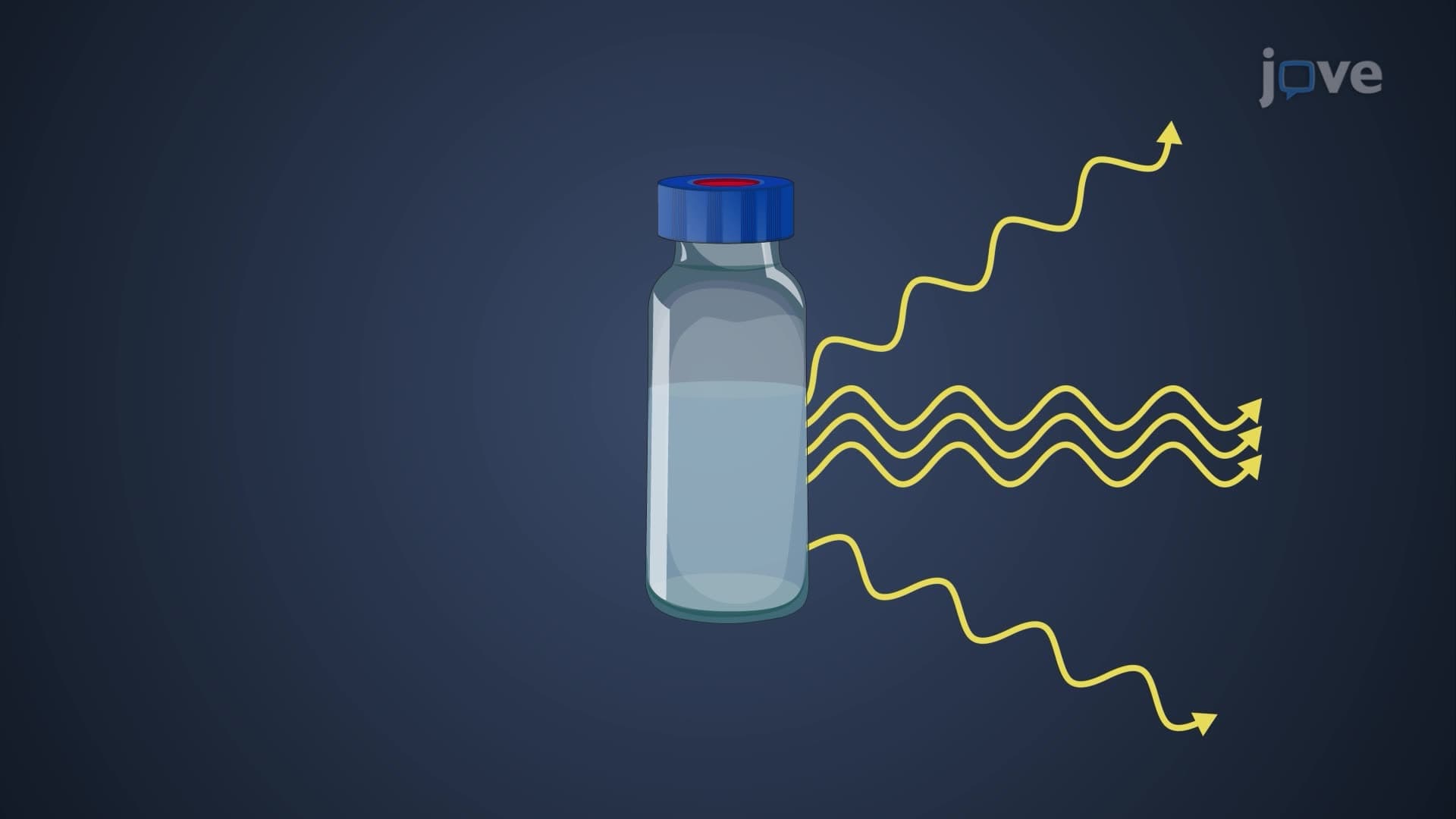
Raman spectroscopy basics center on a fascinating quantum mechanical phenomenon discovered by Indian physicist C.V. Raman in 1928. When monochromatic laser light interacts with molecules, most photons pass through unchanged, but a small fraction undergoes inelastic scattering. This Raman scattering principle occurs when photons exchange energy with molecular vibrations, creating frequency shifts that reveal molecular structure.
Understanding Light-Matter Interactions
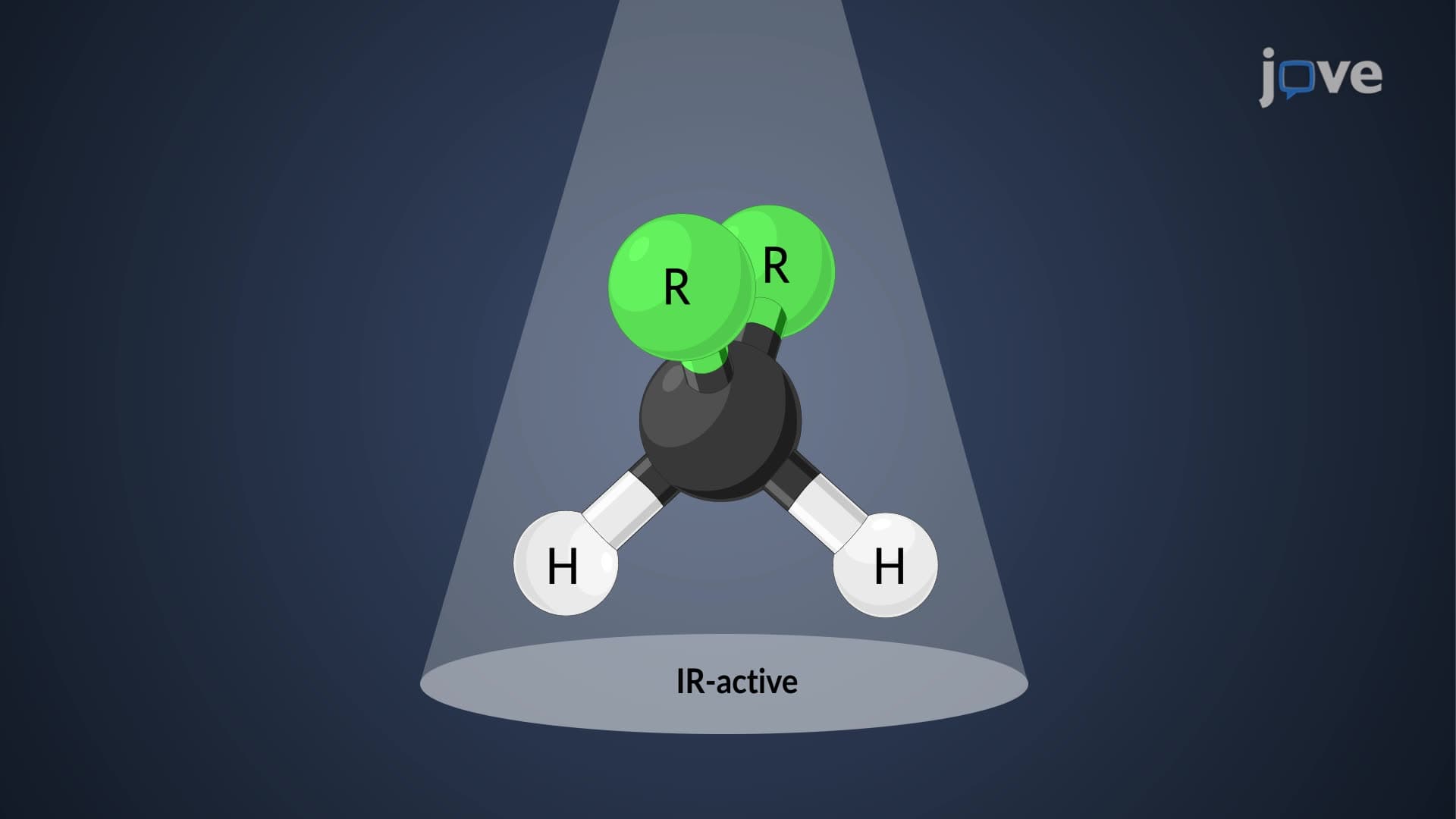
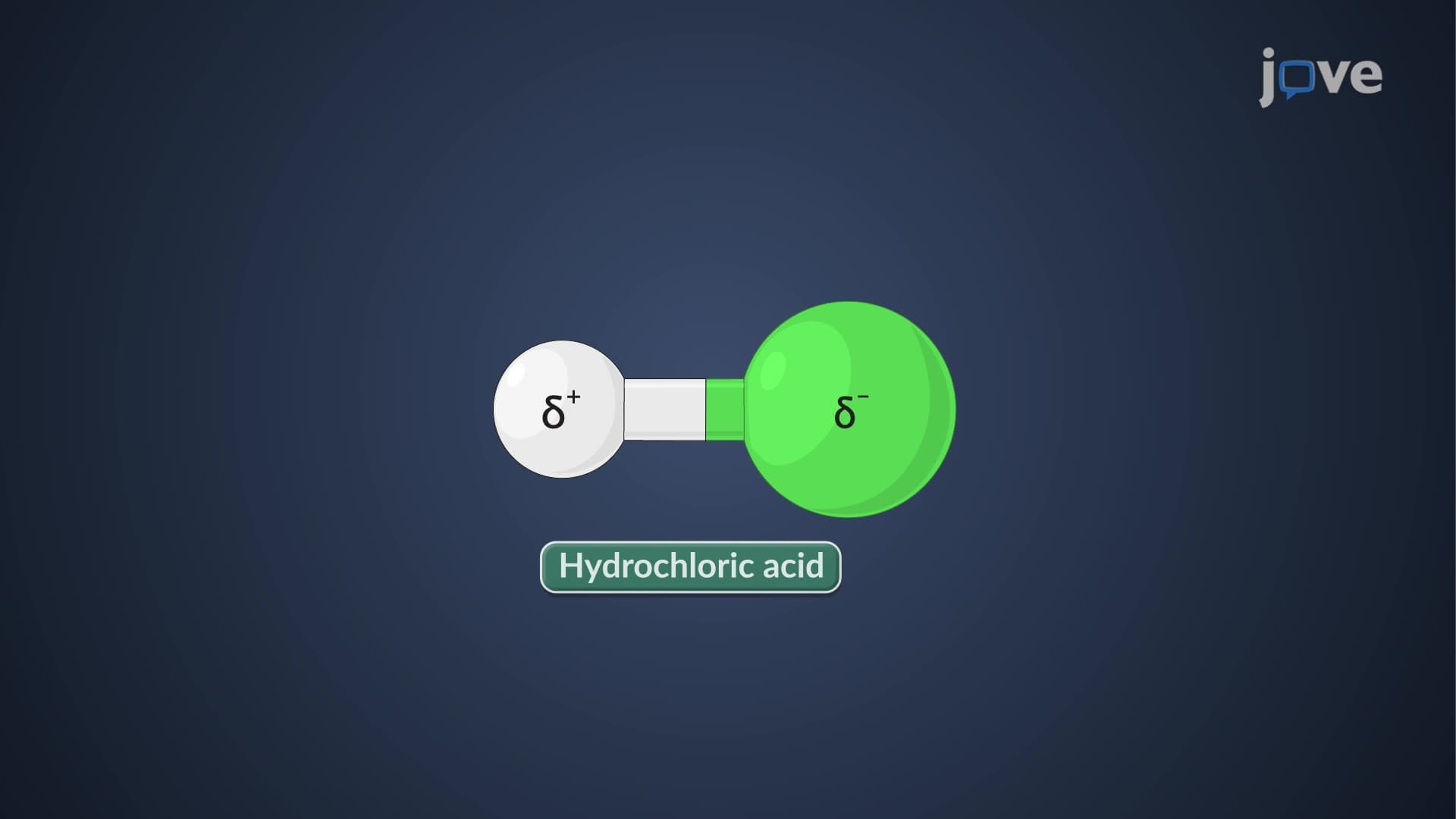
The key to Raman spectroscopy introduction chemistry lies in polarizability changes. Unlike infrared spectroscopy, which requires changes in dipole moment, Raman spectroscopy detects vibrations that alter a molecule's polarizability-how easily its electron cloud distorts under an electric field. This Raman selection rule makes the techniques complementary: symmetric vibrations often appear in Raman but not IR spectra, while antisymmetric vibrations typically show the opposite behavior.
Stokes vs. Anti-Stokes: Energy Exchange Mechanisms
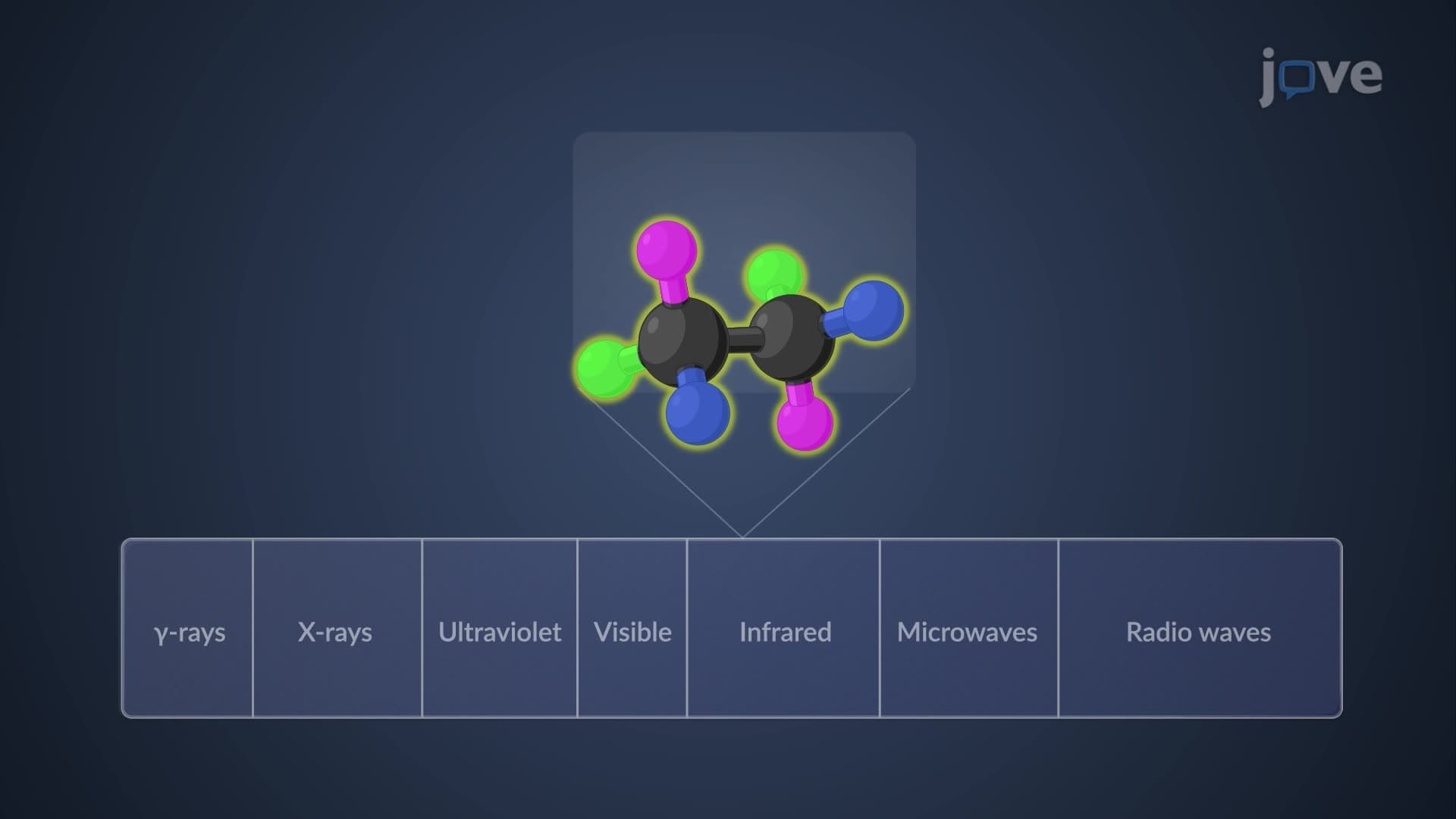
Stokes anti-Stokes Raman scattering represents two fundamental processes. In Stokes scattering, molecules initially in the ground vibrational state absorb energy from incident photons, causing scattered light to have lower frequency (longer wavelength). Anti-Stokes scattering occurs when vibrationally excited molecules transfer energy to photons, producing higher frequency scattered light. At room temperature, most molecules occupy the vibrational ground state, making Stokes lines significantly more intense-a principle crucial for AP Chemistry students studying molecular energy levels.
Practical Applications and Exam Relevance
Laser Raman spectroscopy applications span from UCLA's materials research labs analyzing graphene quality to FDA laboratories detecting pharmaceutical contamination. For MCAT preparation, understanding Raman vs IR spectroscopy selection rules helps distinguish molecular vibration types. College chemistry courses often test this concept through problems asking students to predict which molecular vibrations will be Raman-active based on symmetry considerations.
Modern instruments at universities like Caltech and UC Berkeley use this technique for everything from identifying mineral compositions in geology courses to analyzing protein conformational changes in biochemistry labs, demonstrating its versatility across STEM disciplines.
Frequently Asked Questions
Raman spectroscopy uses laser light to identify molecules by detecting frequency shifts in scattered photons caused by molecular vibrations. Unlike infrared spectroscopy, it works through polarizability changes rather than dipole moment changes, making it excellent for analyzing symmetric molecules and aqueous samples without water interference.
Focus on understanding that Raman spectroscopy detects molecular vibrations through inelastic light scattering and polarizability changes. Know that Stokes scattering (lower energy scattered photons) is more intense than anti-Stokes scattering, and understand how molecular symmetry determines Raman activity versus IR activity.
MCAT questions often test your ability to distinguish Raman from IR spectroscopy selection rules and predict which molecular vibrations will be active. You might encounter passages about using Raman spectroscopy to analyze biological molecules or distinguish between structural isomers based on their vibrational fingerprints.
Yes, most physical chemistry and analytical chemistry courses at US universities cover Raman spectroscopy extensively. Expect laboratory exercises using Raman spectrometers to identify unknown compounds and theoretical problems involving selection rules and molecular symmetry.
The FDA and pharmaceutical companies like Pfizer and Johnson & Johnson use Raman spectroscopy for rapid drug identification, detecting counterfeit medications, and quality control during manufacturing. It can identify active ingredients through packaging without opening containers, making it invaluable for supply chain security.
Not at the introductory level-high school algebra and basic chemistry concepts suffice for understanding the fundamental principles. The quantum mechanical derivations require more advanced math, but grasping how light scattering reveals molecular structure only needs familiarity with energy levels and chemical bonding.
Create comparison charts between Raman and IR spectroscopy, practice identifying Raman-active vibrations using molecular symmetry, and work through problems involving Stokes versus anti-Stokes intensity ratios. Focus on understanding selection rules rather than memorizing spectra.
Consider studying surface-enhanced Raman spectroscopy (SERS), resonance Raman spectroscopy, and coherent anti-Stokes Raman spectroscopy (CARS). These advanced techniques build on basic Raman principles while offering enhanced sensitivity and specialized applications in materials science and biomedical research.
Related Micro-courses

17 Concepts

15 Concepts