Loading subject page…


132,626 views

Video Summary: Essential Minerals for Bone Health Explained
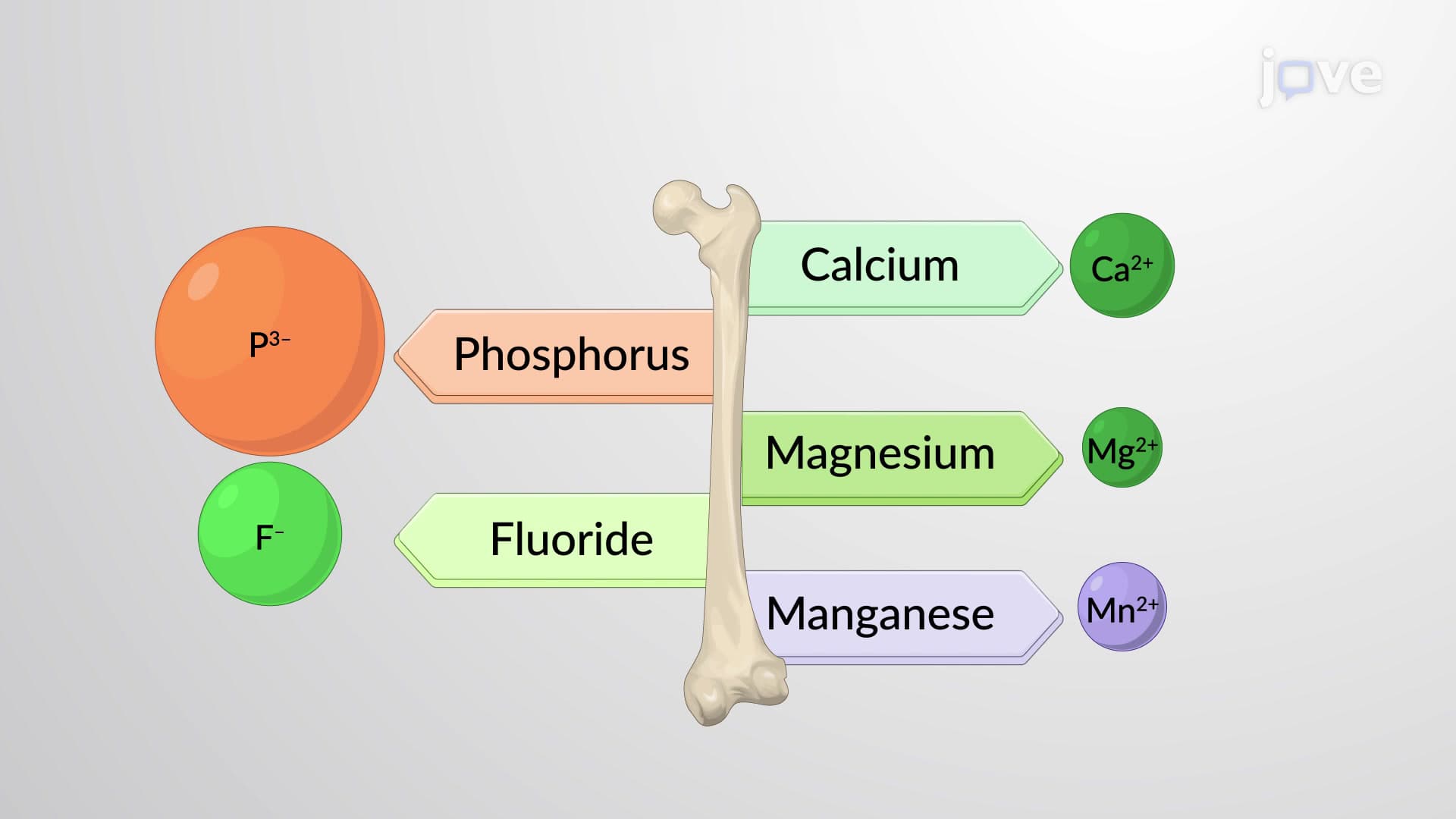
Did you know that your bones are constantly rebuilding themselves using minerals you consume daily? Minerals for bone health form the foundation of skeletal strength, with calcium and phosphorus creating hydroxyapatite crystals that make bones harder than concrete. The average American consumes enough calcium through dairy products, but deficiencies in magnesium or excess fluoride can lead to serious bone disorders like skeletal fluorosis. Understanding essential minerals for bone health reveals how trace elements like manganese support the organic matrix while fluoride can actually strengthen tooth enamel beyond natural levels. Watch the full video on JoVE Coach to master this concept with expert-led visuals and step-by-step explanations.
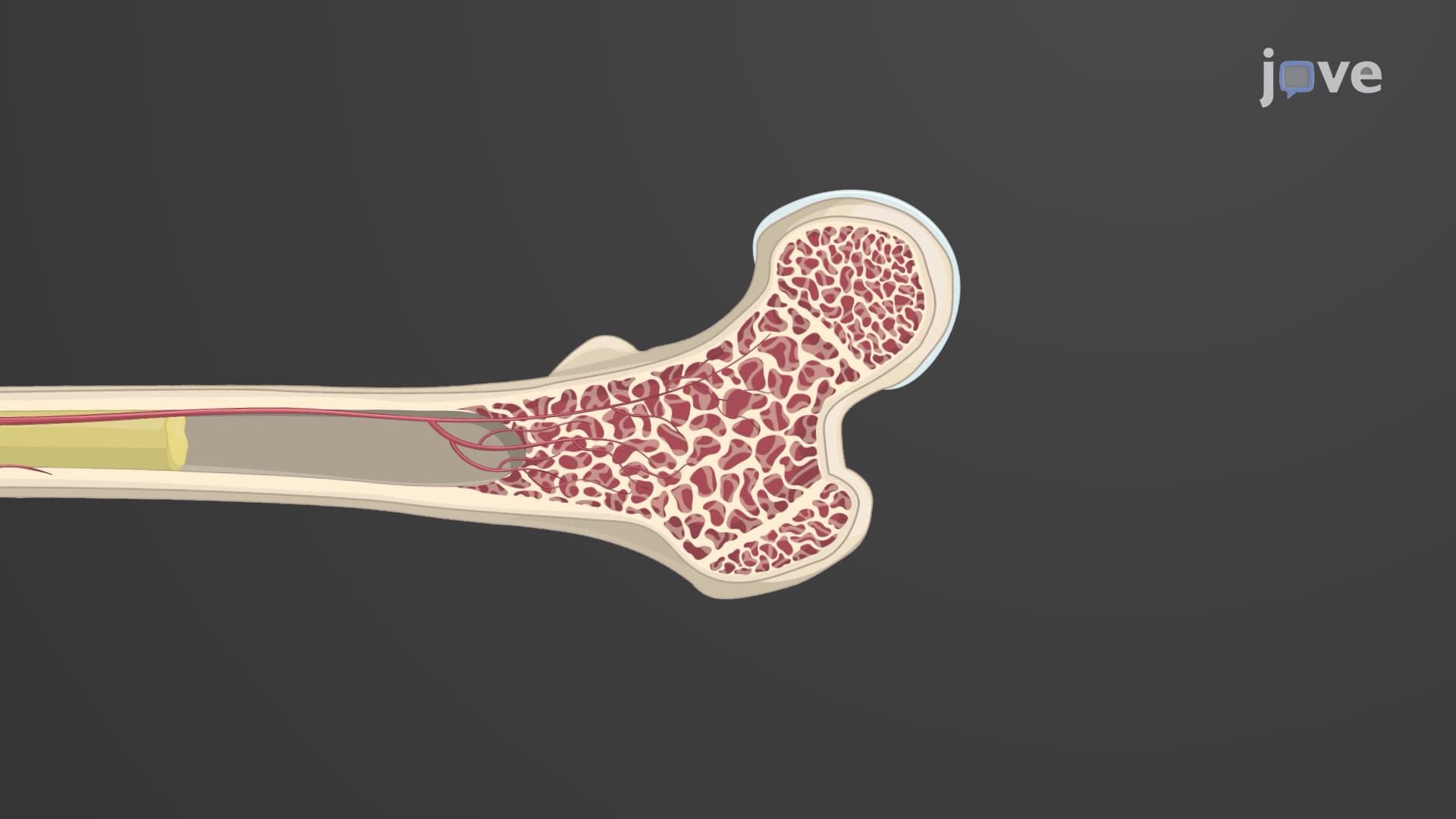
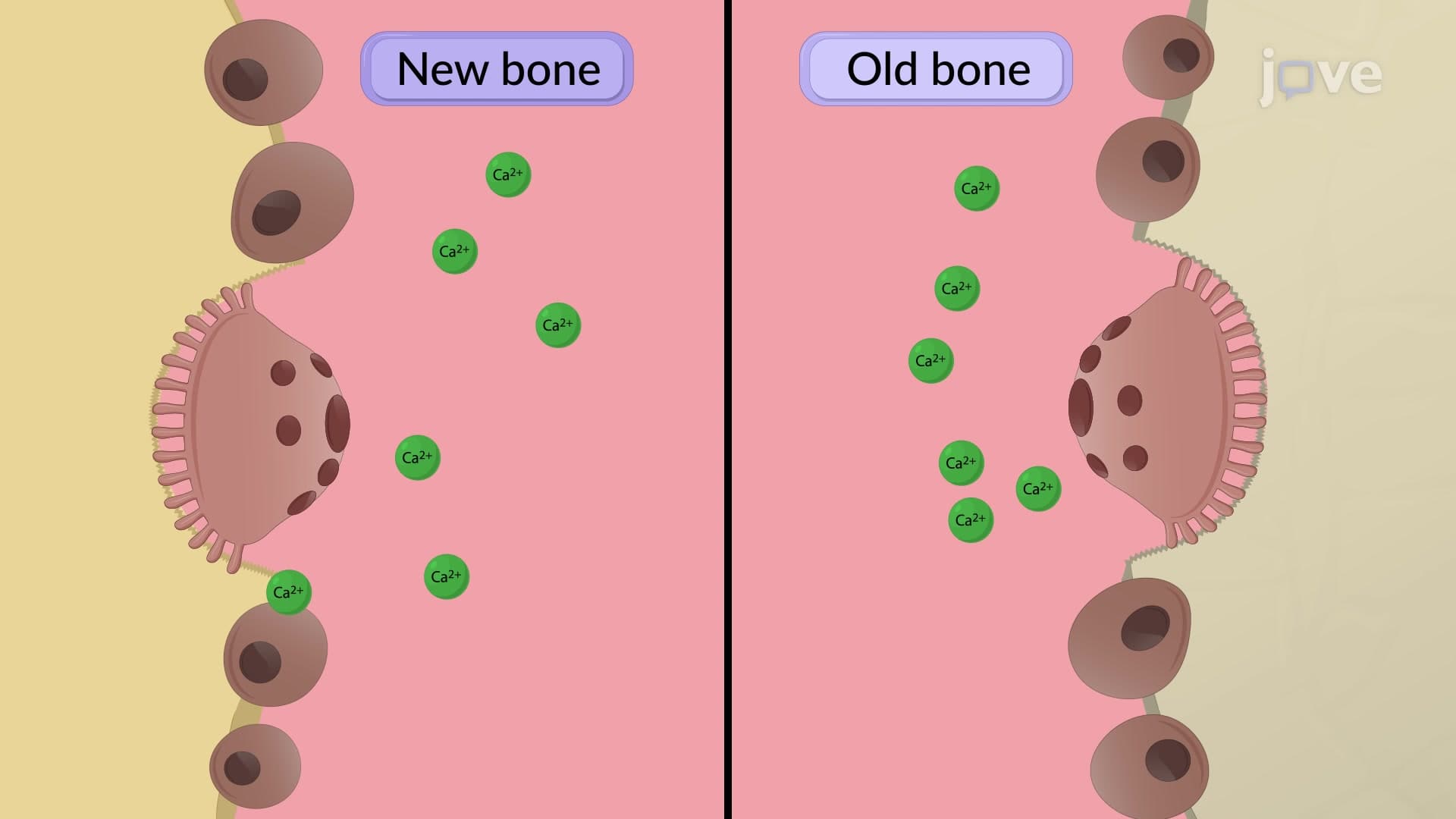
Bone tissue represents one of the most metabolically active systems in the human body, requiring a precise balance of essential minerals bone health depends on. Unlike static concrete, bones continuously remodel themselves through mineral deposition and resorption, making nutritional intake critical for long-term skeletal integrity.
Calcium phosphorus bone mineral interactions form the cornerstone of bone architecture. Calcium ions (Ca²⁺) combine with phosphate groups (PO₄³⁻) to create hydroxyapatite [Ca₁₀(PO₄)₆(OH)₂], the primary mineral component comprising approximately 65% of bone weight. This crystalline structure provides compressive strength that allows bones to support body weight and resist fractures.
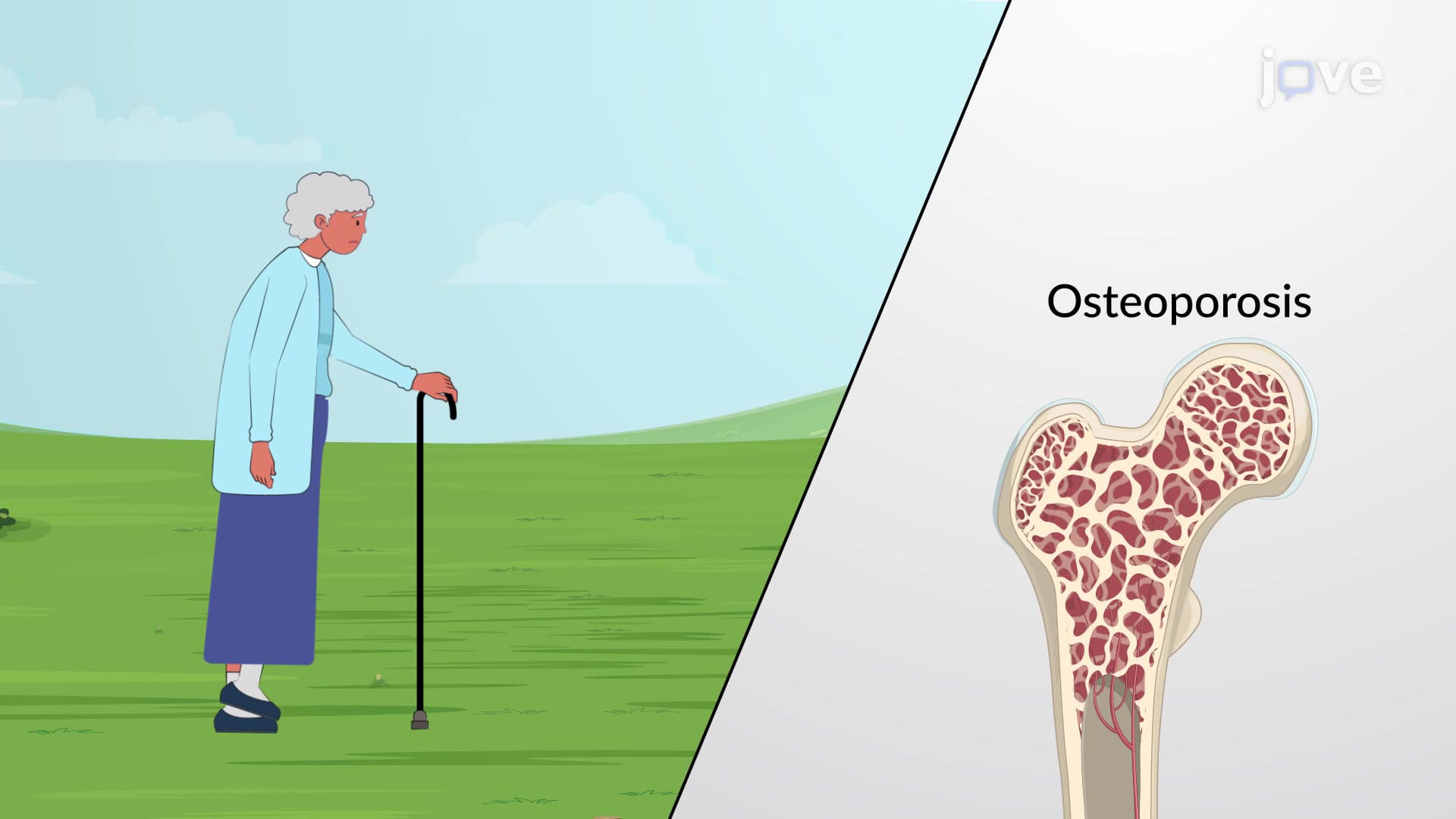
In the United States, the average adult requires 1,000-1,200 mg of calcium daily, typically obtained through dairy products, fortified foods, and leafy greens. The National Osteoporosis Foundation estimates that 54 million Americans have osteoporosis or low bone density, often linked to inadequate calcium and phosphorus intake during peak bone-building years (ages 9-18).
Magnesium bone density mineral relationships extend beyond simple structural incorporation. Magnesium ions substitute for calcium in hydroxyapatite crystals and regulate over 300 enzymatic reactions involved in bone metabolism. Magnesium deficiency affects parathyroid hormone function and vitamin D metabolism, ultimately reducing calcium absorption efficiency.
Research from Harvard School of Public Health demonstrates that individuals consuming adequate magnesium (320-420 mg daily) show significantly higher bone mineral density compared to those with deficient intake. Common US dietary sources include nuts, whole grains, and dark chocolate.
Fluoride bone hardness enhancement occurs through hydroxyl ion replacement in hydroxyapatite, forming fluorapatite crystals with superior acid resistance. While beneficial in small amounts (1-4 mg daily through fluoridated water), excessive fluoride accumulation causes skeletal fluorosis, a condition documented in areas with naturally high groundwater fluoride levels, such as parts of Texas and Colorado.
Trace mineral bone metabolism includes manganese's role as a cofactor for enzymes synthesizing glycosaminoglycans, essential components of the organic bone matrix. These molecules, combined with collagen fibers, provide tensile strength and flexibility that prevents brittle bone formation.
Understanding bone mineralization essential mineral concepts proves crucial for AP Biology students studying tissue systems and pre-med students preparing for the MCAT biochemistry sections. College anatomy courses frequently test mineral deficiency disorders, while nursing students encounter these principles in pathophysiology coursework examining osteoporosis, rickets, and metabolic bone diseases.
Related Micro-courses