Loading subject page…


132,610 views


Video Summary: What are Bone Disorders
Did you know that your bones completely rebuild themselves every 10 years through a carefully balanced process? Understanding bone disorders types biology becomes crucial when this balance breaks down, leading to conditions affecting millions of Americans. From rickets weakening children's growing bones to osteoporosis causing over 2 million fractures annually in US adults, bone disorders represent a major health challenge. Watch the full video on JoVE Coach to master this concept with expert-led visuals and step-by-step explanations.
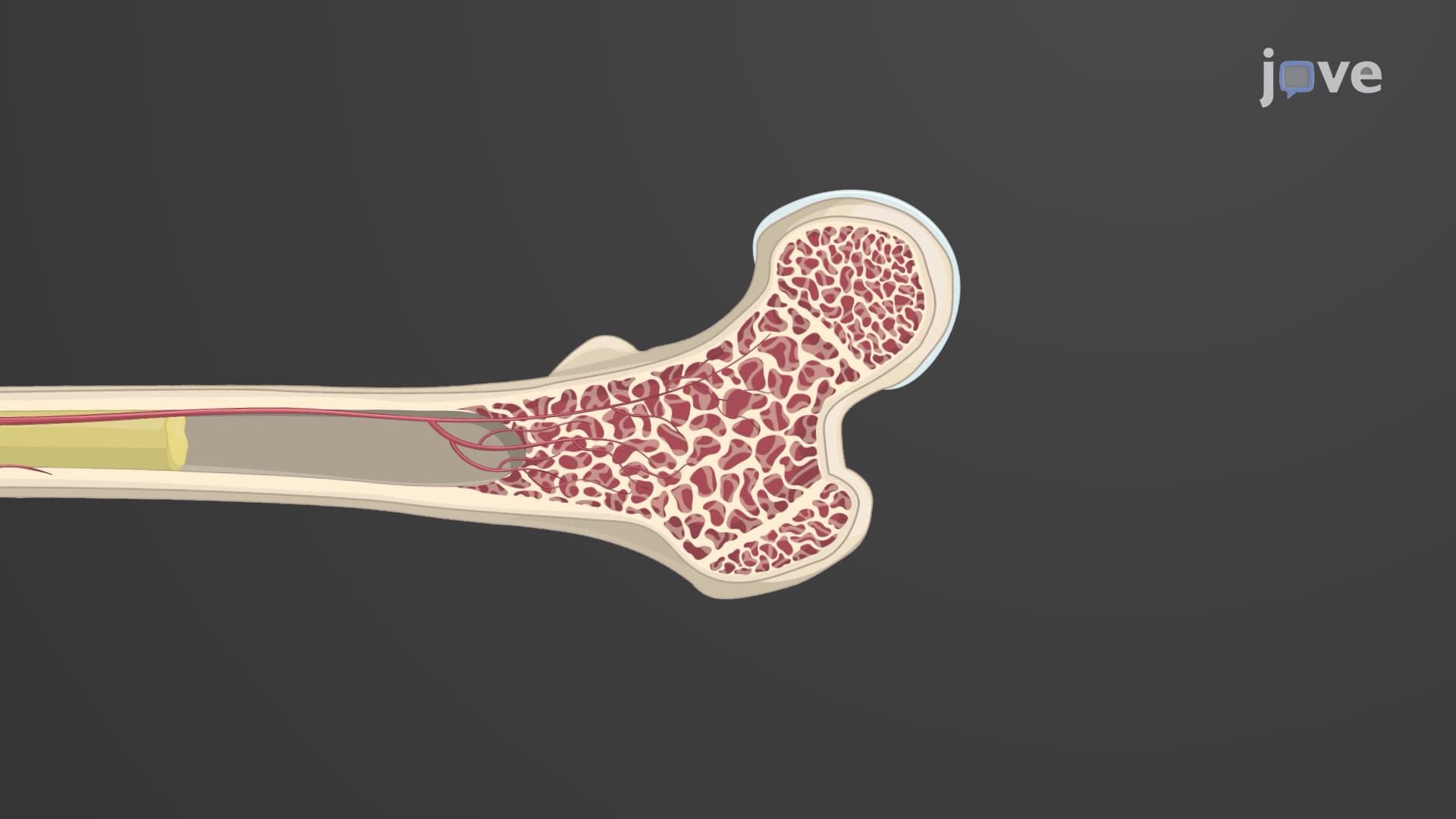
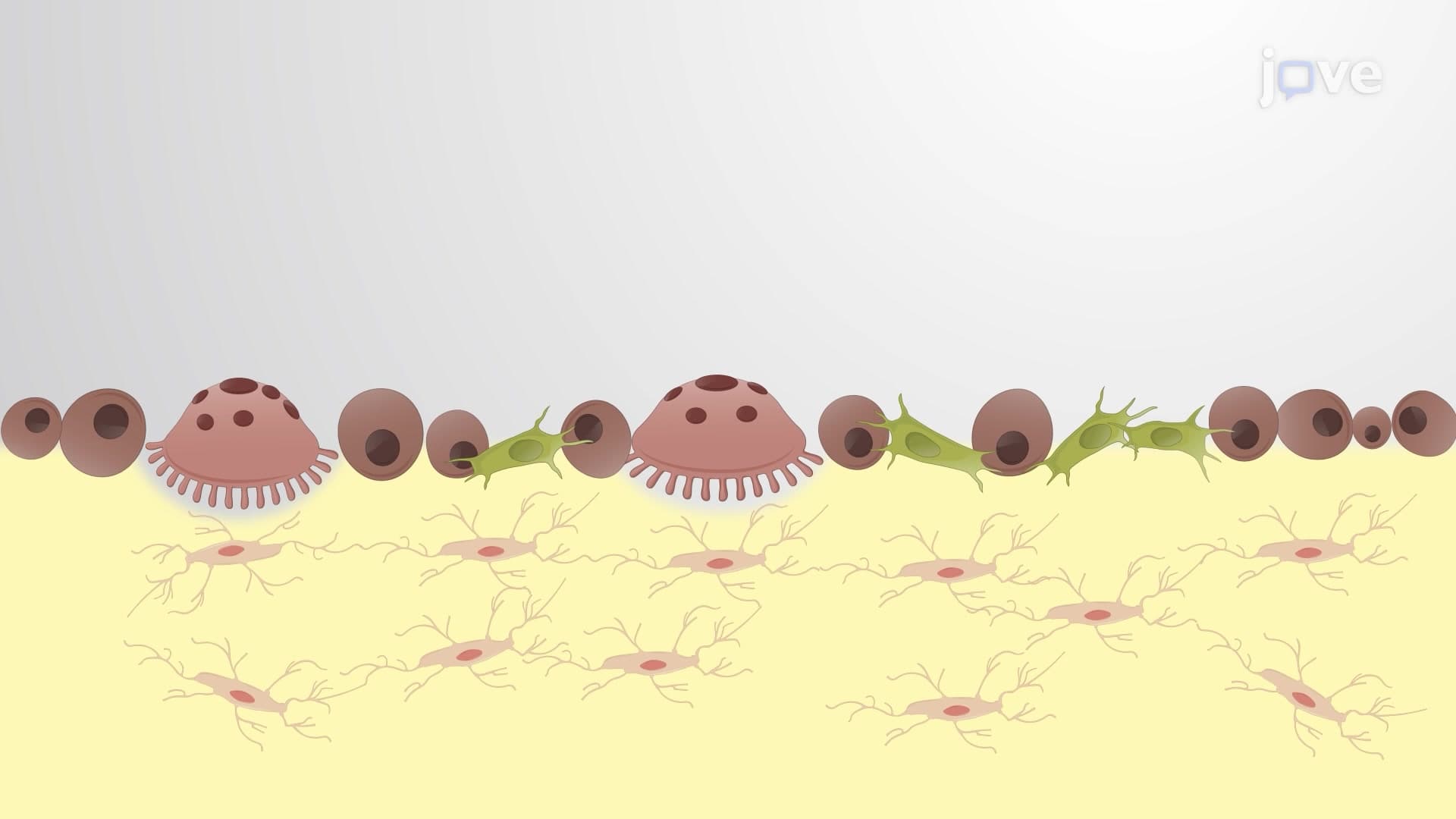
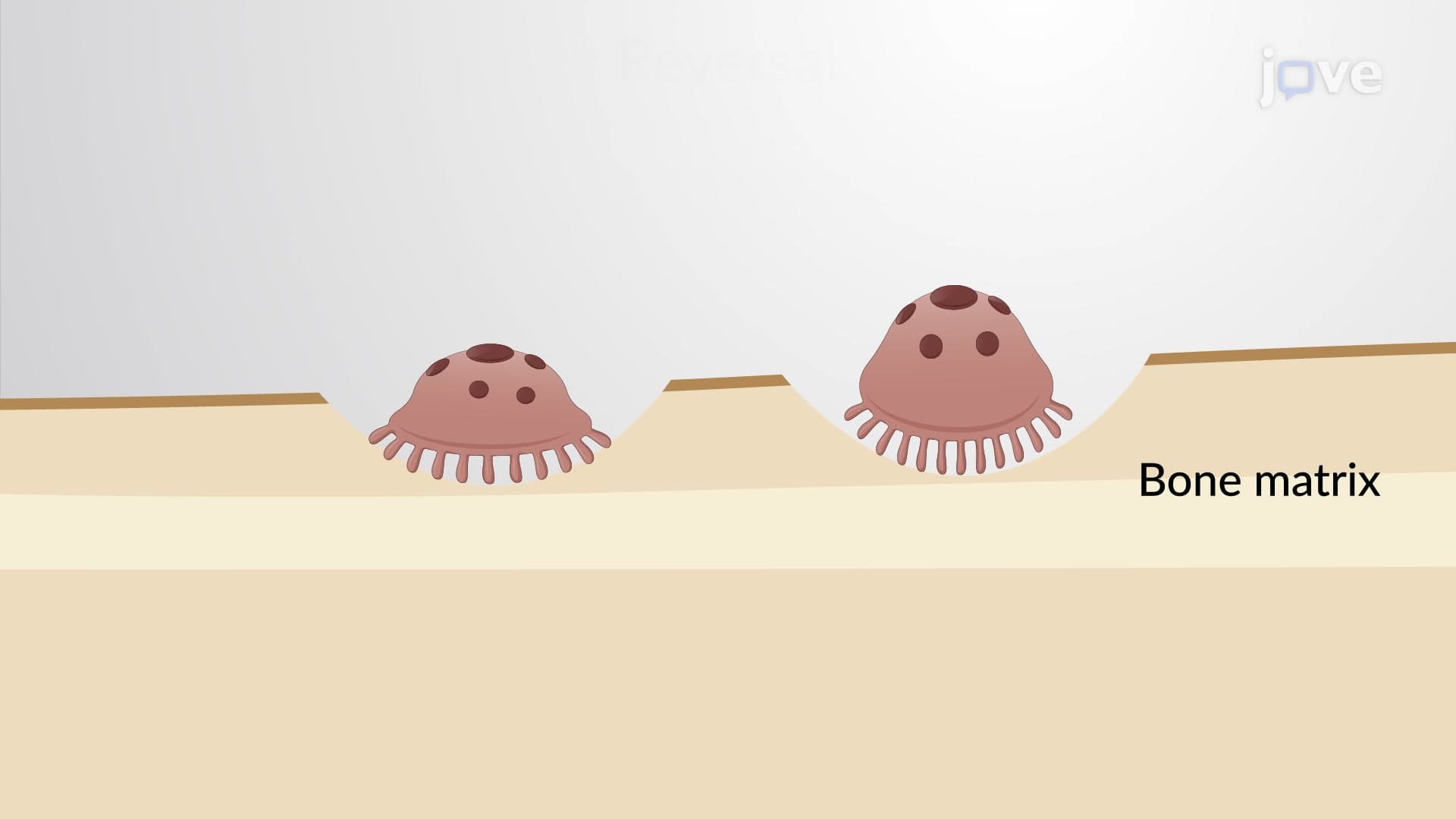
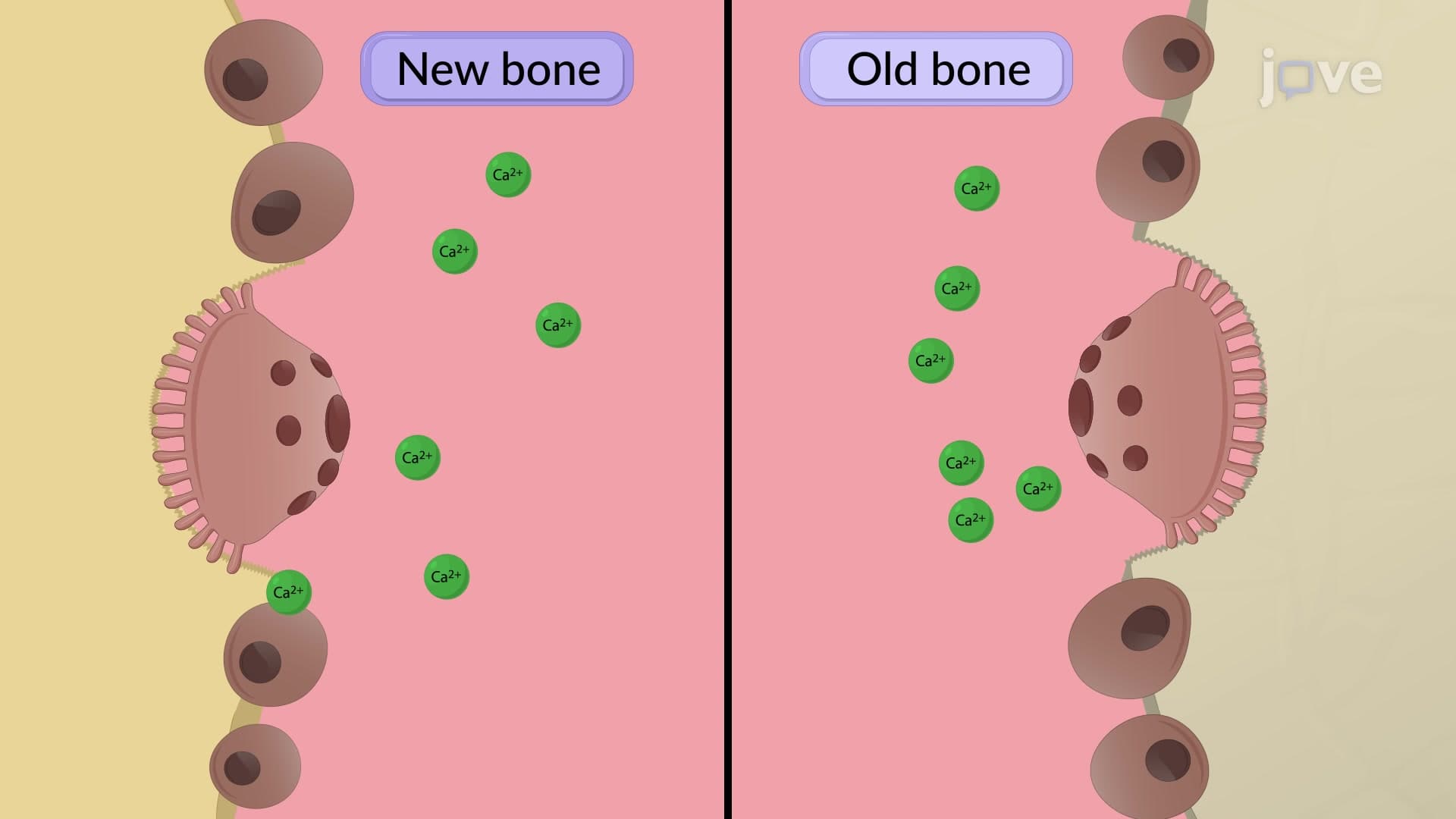
Common bone disorders explained through the lens of cellular biology reveals how delicate the balance of bone homeostasis truly is. Healthy bones depend on the coordinated activity of two key cell types: osteoclasts that break down old bone tissue and osteoblasts that build new bone matrix. When this partnership becomes disrupted, various bone pathologies emerge, affecting bone strength, density, and overall skeletal integrity.
Vitamin D deficiency creates one of the most preventable categories of what are the common bone disorders in anatomy. In growing children, insufficient vitamin D reduces calcium absorption in the intestines, leading to rickets. This condition manifests as soft, deformable bones that cannot support normal growth, resulting in characteristic bowed legs and delayed tooth eruption. The CDC reports that rickets cases have increased in recent years, particularly in northern US states with limited sunlight exposure.
Adult rickets, known as osteomalacia, presents differently but stems from the same biochemical problem. Adults with this condition experience chronic bone and muscle pain, particularly in the hips and lower extremities. Unlike childhood rickets, osteomalacia typically doesn't cause visible deformities but significantly impacts quality of life and mobility.
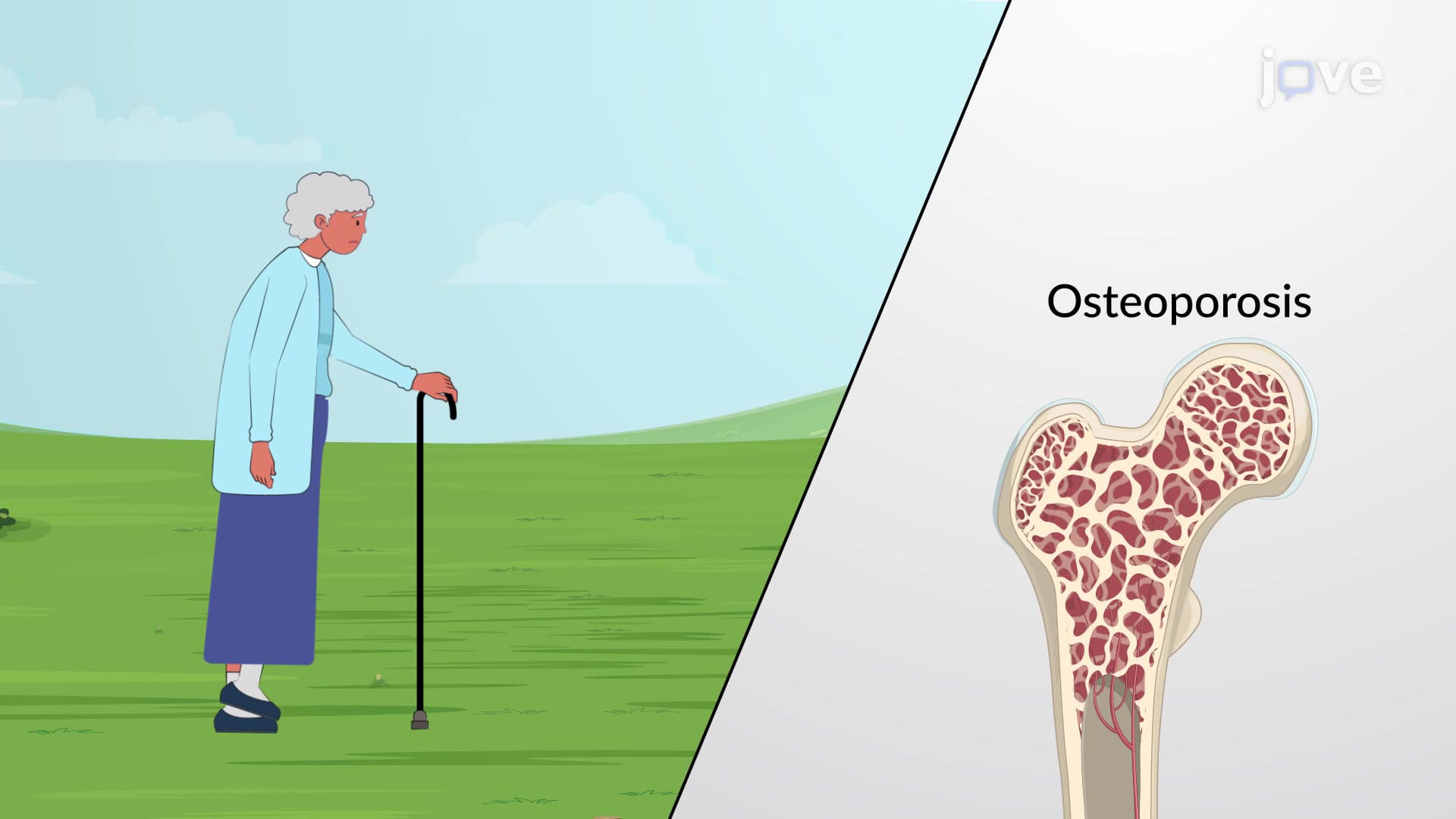
Osteoporosis bone density loss represents the most common bone disorder affecting American adults, particularly postmenopausal women. This condition develops gradually as osteoblast activity naturally decreases with age while osteoclast activity continues at normal or accelerated rates. The National Osteoporosis Foundation estimates that 54 million Americans have osteoporosis or low bone density.
Osteopenia serves as the precursor to osteoporosis, characterized by bone mineral density that falls below normal ranges but hasn't yet reached the threshold for osteoporosis diagnosis. Students preparing for the MCAT should understand that osteoporosis diagnosis relies on T-scores from DEXA scans, with scores below -2.5 indicating osteoporosis.
Paget disease bone disorder demonstrates what happens when bone remodeling becomes chaotic rather than coordinated. In this condition, osteoclasts proliferate excessively in localized bone regions, triggering compensatory osteoblast activity. The result is rapid bone turnover that produces structurally abnormal bone tissue with increased spongy bone relative to compact bone.
This abnormal architecture creates bones that appear thicker on imaging but are actually weaker and more prone to fracture. Paget disease affects approximately 1% of adults over 40 in the United States, with higher prevalence in certain geographic regions, particularly the Northeast.
Related Micro-courses