Loading video…


 19 Concepts
 132.6K views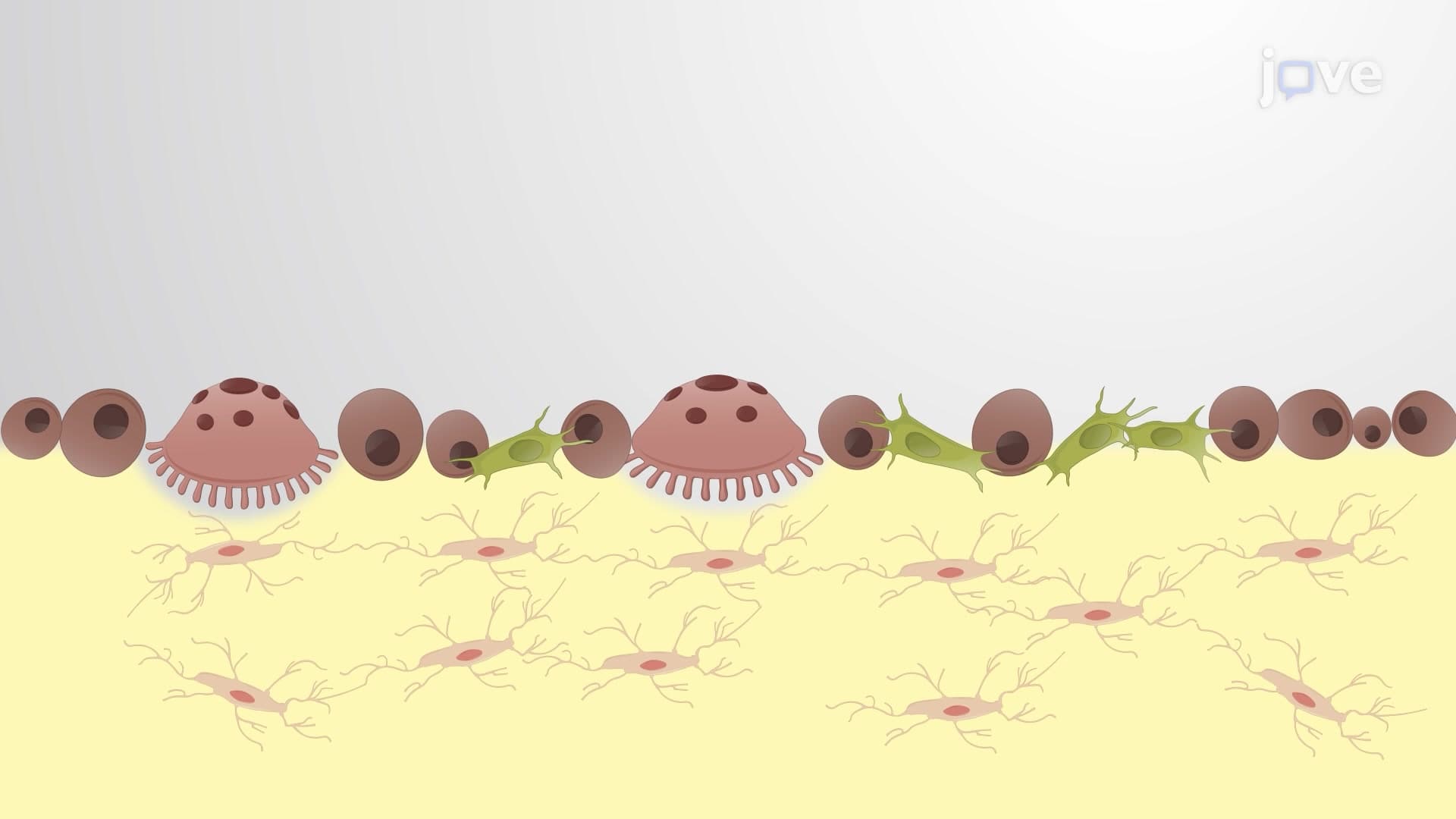

Video Summary: What Is Bone Cells and Tissue
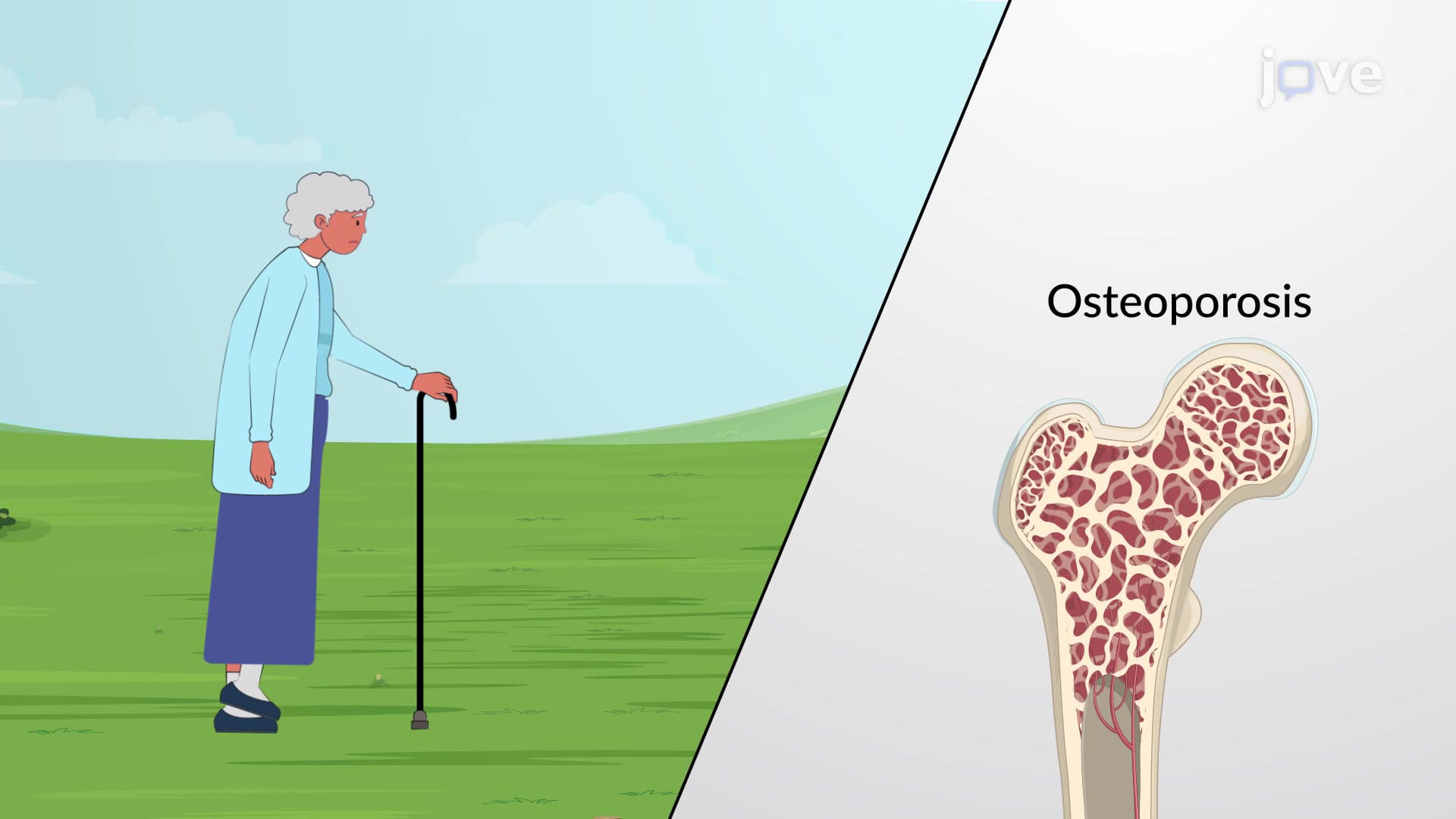
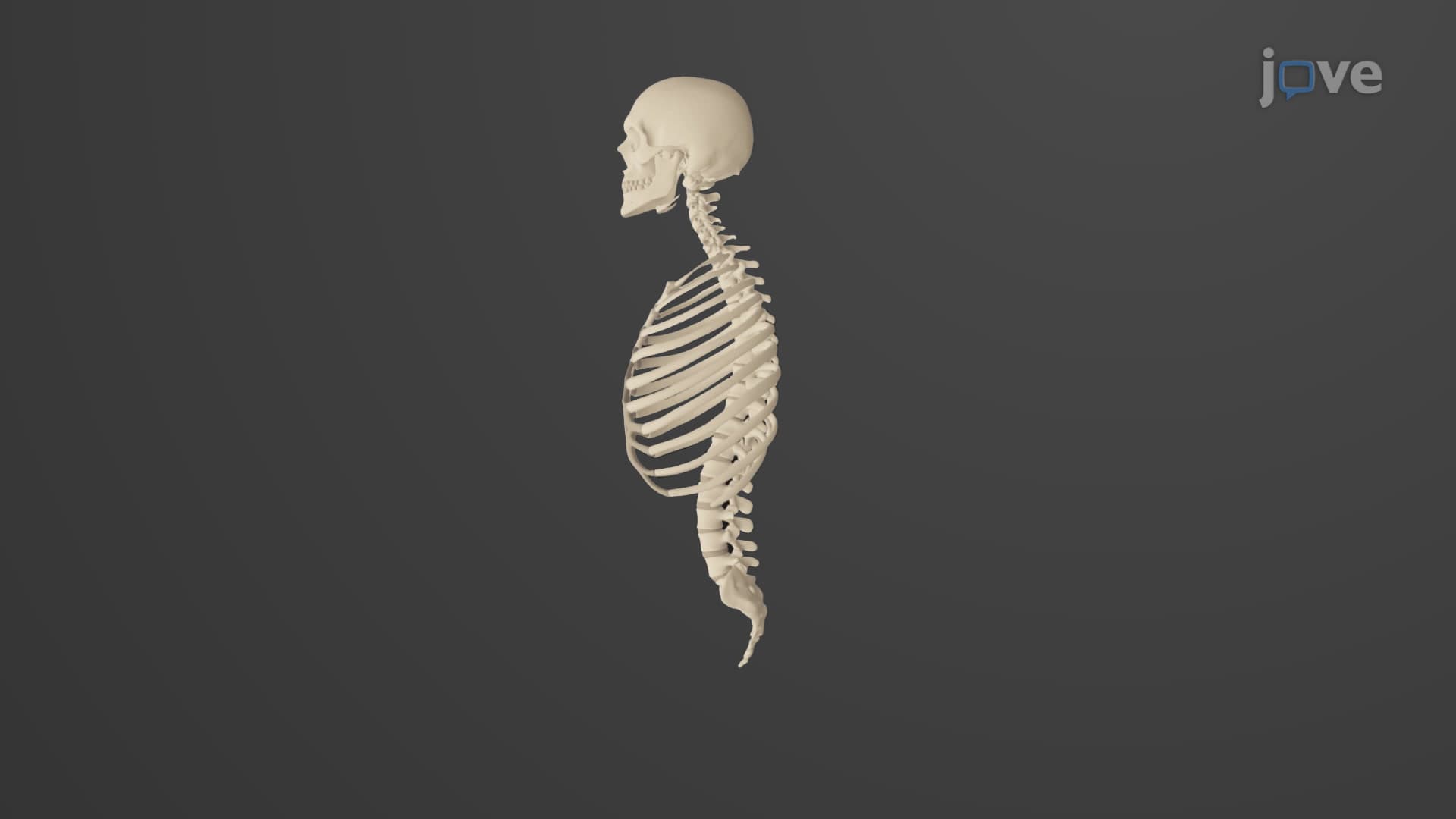
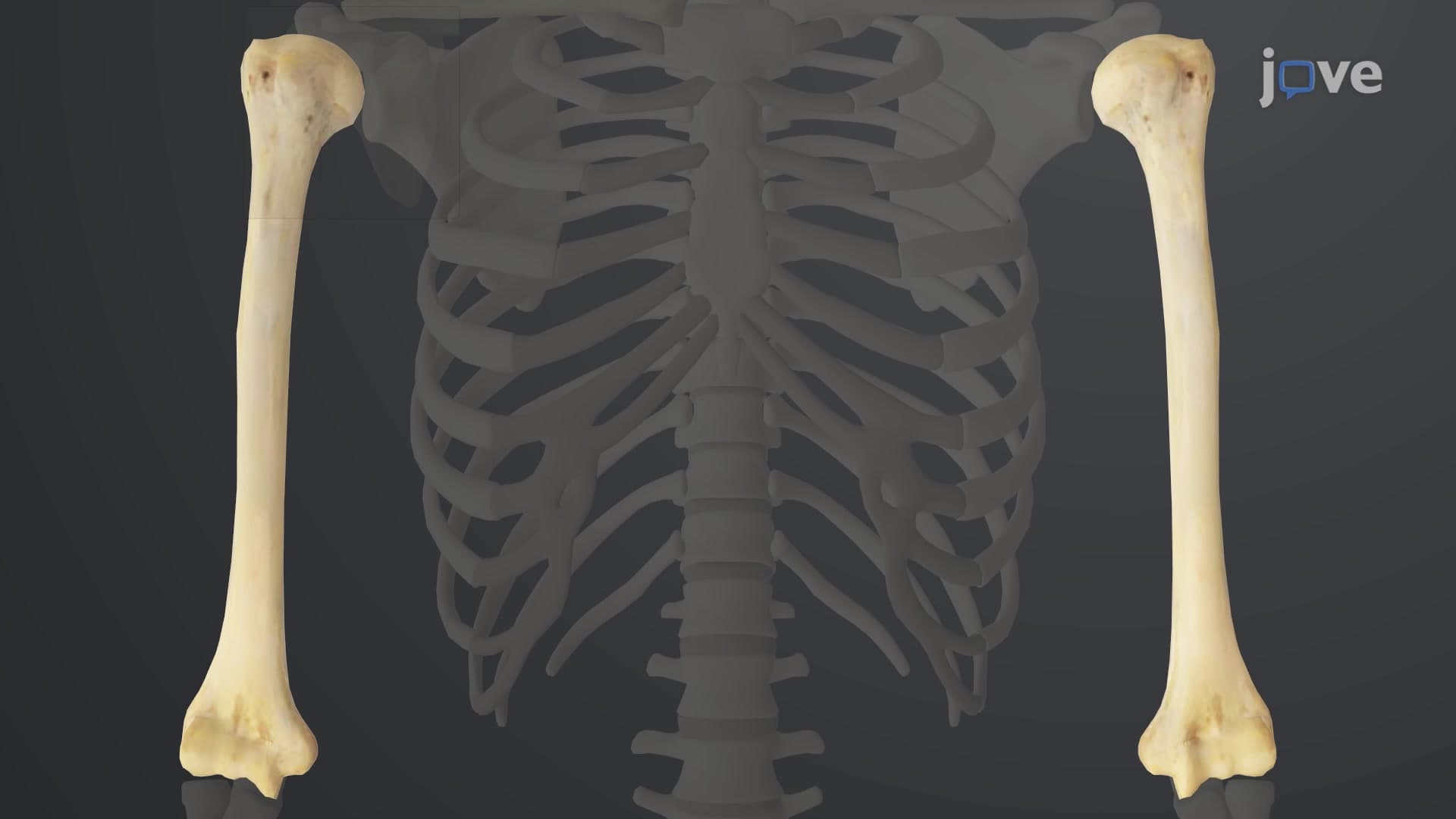
Did you know that your skeleton completely rebuilds itself every 10 years through the coordinated work of specialized bone cells tissue types? These cellular teams work like construction crews-some building, others demolishing, and coordinators managing the entire process. In conditions like osteoporosis, which affects over 54 million Americans, this cellular balance becomes disrupted. Understanding what is bone cells and tissue reveals how your body maintains strong bones throughout life. Watch the full video on JoVE Coach to master this concept with expert-led visuals and step-by-step explanations.
Bone tissue represents one of the most dynamic tissues in the human body, constantly undergoing remodeling through the coordinated actions of four distinct cell types. Understanding types of bone cells explained requires recognizing that these cells work in concert to maintain skeletal integrity, support mineral homeostasis, and enable bone repair throughout life.
The cellular composition of bone tissue reflects its dual embryonic origins. While most bone cells derive from mesenchymal stem cells, osteoclasts originate from hematopoietic lineage-the same cell line that produces blood cells. This distinction becomes clinically relevant when considering treatments for bone diseases, as therapies may need to target different cellular pathways.
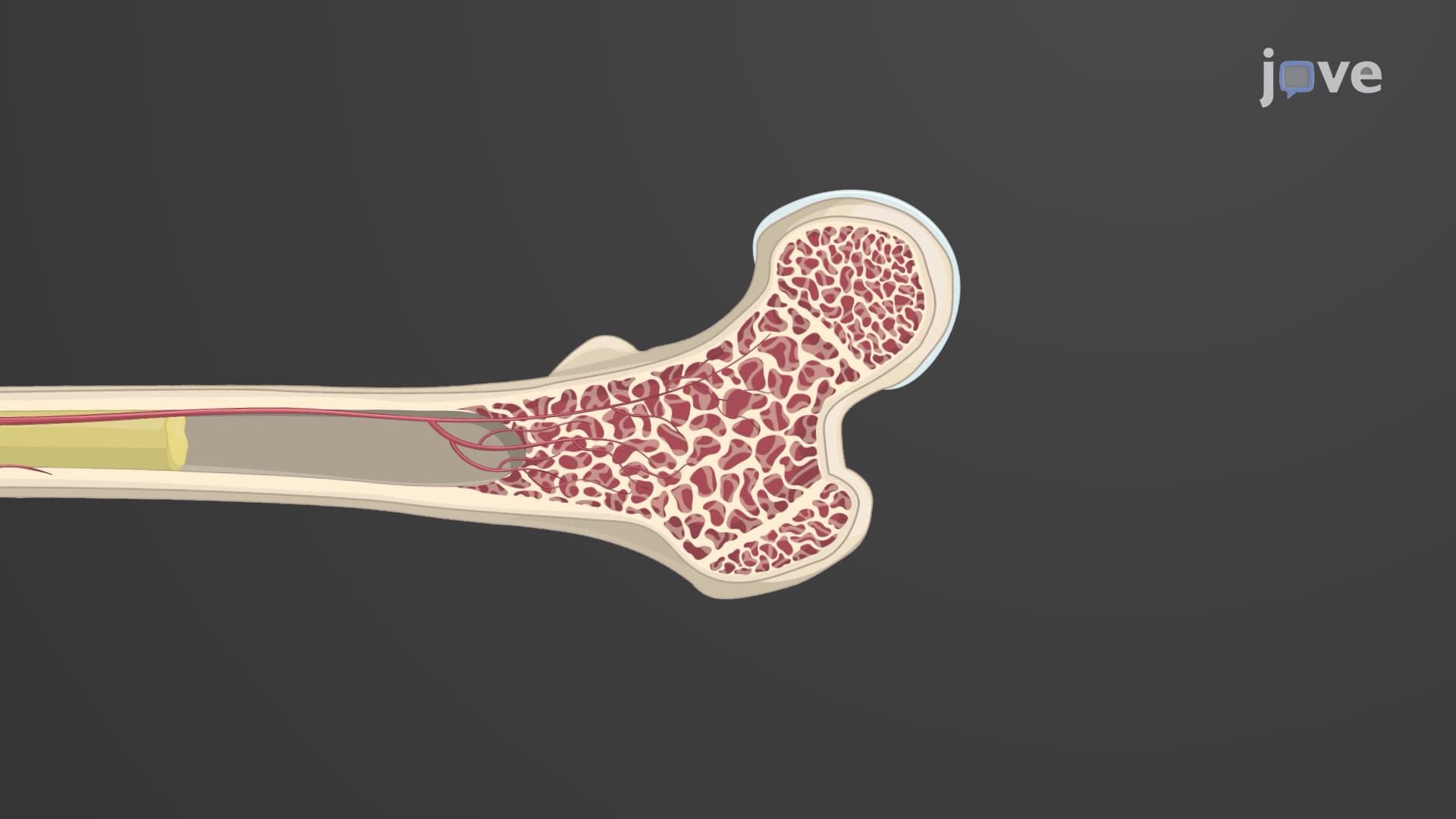
Osteoprogenitor stem cells serve as the renewable source for new bone-forming cells. These multipotent cells reside in specific niches within the periosteum (outer bone membrane) and endosteum (inner bone cavity lining). Their strategic location allows rapid response to bone injury, such as fractures commonly seen in American emergency departments-over 6.8 million fractures occur annually in the US.
During AP Biology or college anatomy courses, students learn that these stem cells respond to mechanical stress, hormonal signals, and growth factors. The Wolff's Law principle, frequently tested on the MCAT, demonstrates how osteoprogenitor activation increases in response to mechanical loading, explaining why astronauts experience bone loss in zero gravity.
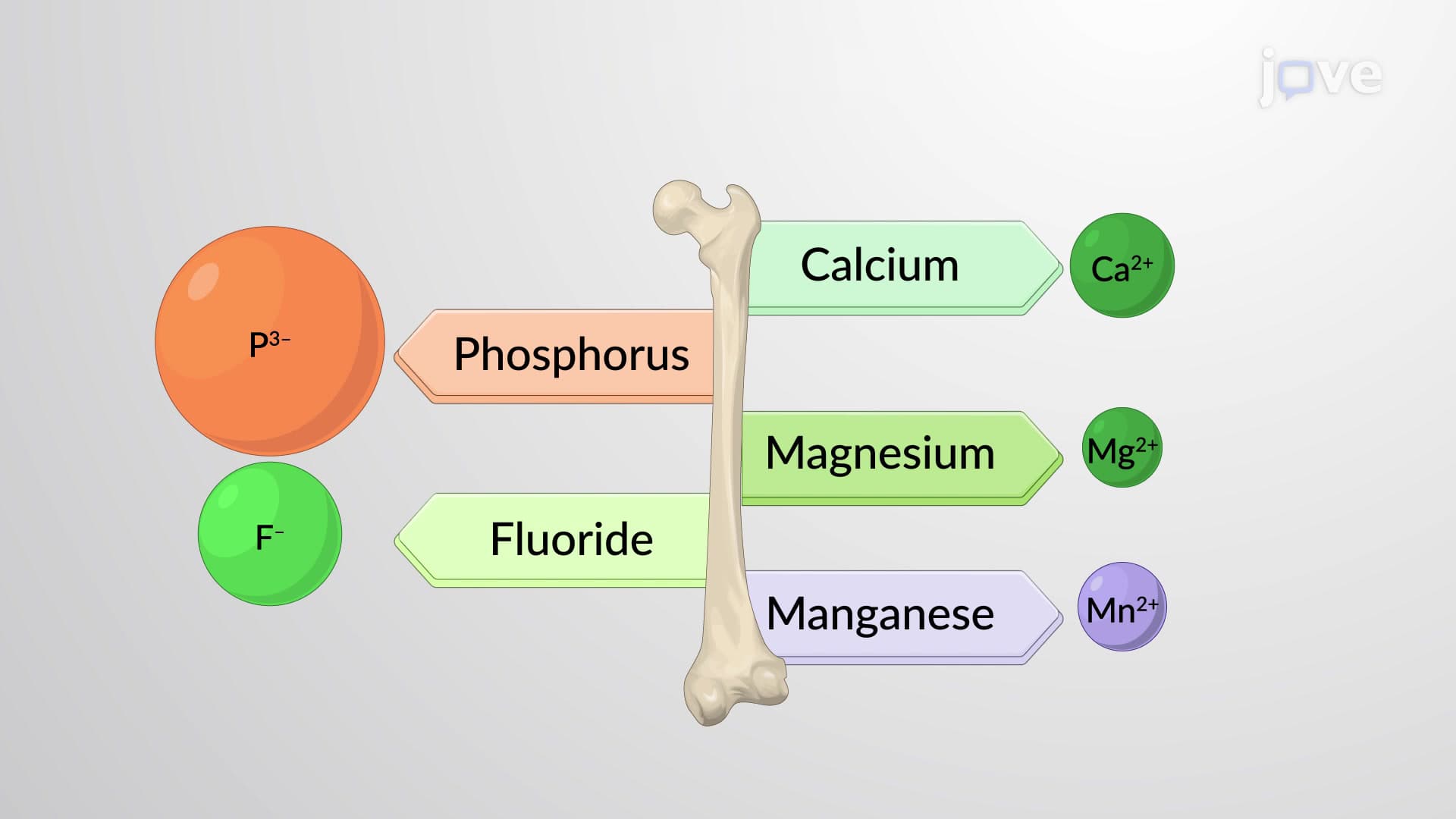
Osteoblasts function as the body's bone-building specialists, synthesizing the organic matrix that becomes mineralized bone. These cuboidal cells produce Type I collagen, osteocalcin, and other calcium-binding proteins that form osteoid-the unmineralized bone matrix. The mineralization process, involving calcium phosphate deposition, transforms flexible osteoid into rigid bone tissue.
Clinical applications of osteoblast function appear in treating conditions like osteoporosis, where medications like bisphosphonates (commonly prescribed drugs like Fosamax) work by affecting the balance between bone formation and resorption. Understanding this process proves essential for pre-med students preparing for the MCAT's biochemistry section.
As osteoblasts become surrounded by mineralized matrix, they transform into osteocytes-mature bone cells with extensive dendritic processes. These cellular networks, connected by gap junctions, function like a bone-wide internet, detecting mechanical stress and coordinating cellular responses. Osteocytes regulate both osteoblast activity and osteoclast bone resorption.
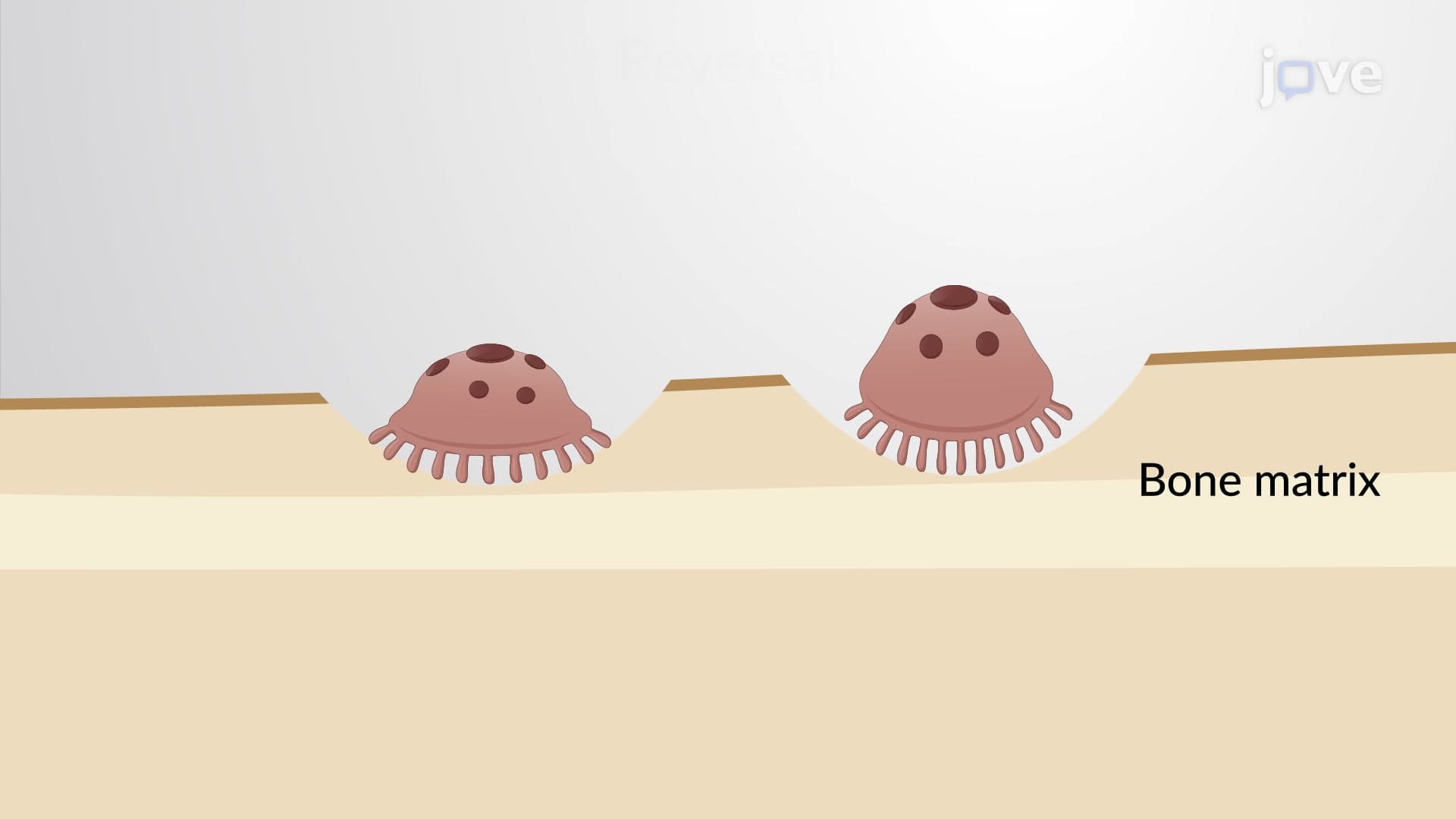
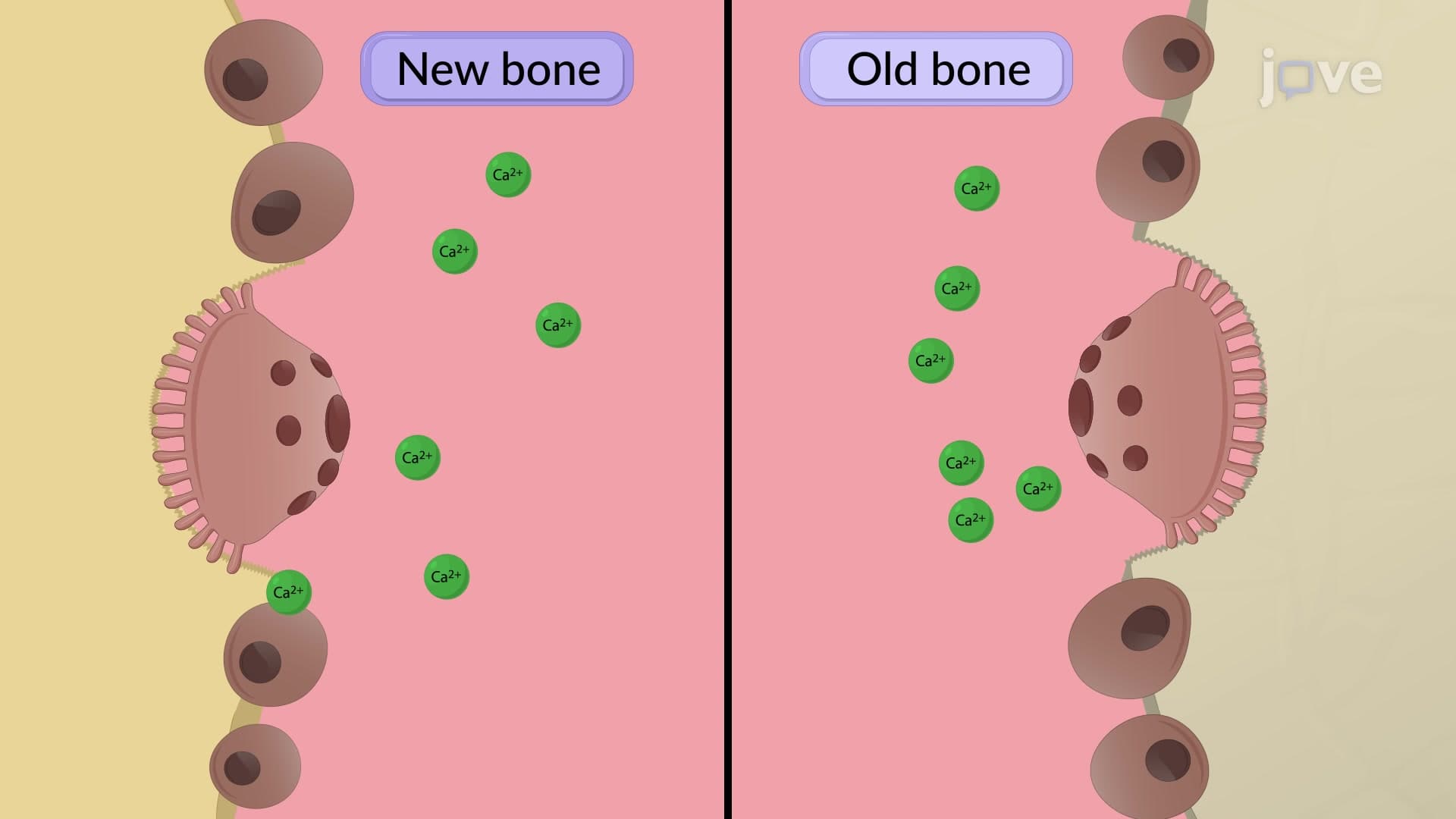
Osteoclasts, the large multinucleated bone-resorbing cells, create acidic microenvironments that dissolve mineral components and release enzymes that break down organic matrix. This resorption process, while destructive, proves essential for calcium homeostasis-maintaining blood calcium levels within the narrow range required for nerve and muscle function.
Related Micro-courses