Loading subject page…


132,627 views


Video Summary: What Is Hormones and Bone Tissue
Ever wonder why teenagers experience growth spurts or why postmenopausal women are more prone to fractures? The answer lies in understanding hormones bone tissue effects throughout our lives. Consider how NBA players like Giannis Antetokounmpo grew nearly a foot during his teenage years, this dramatic transformation showcases how hormones orchestrate bone development. What is Hormones And Bone Tissue reveals the intricate chemical messaging system that controls everything from childhood growth to adult bone maintenance. Watch the full video on JoVE Coach to master this concept with expert-led visuals and step-by-step explanations.
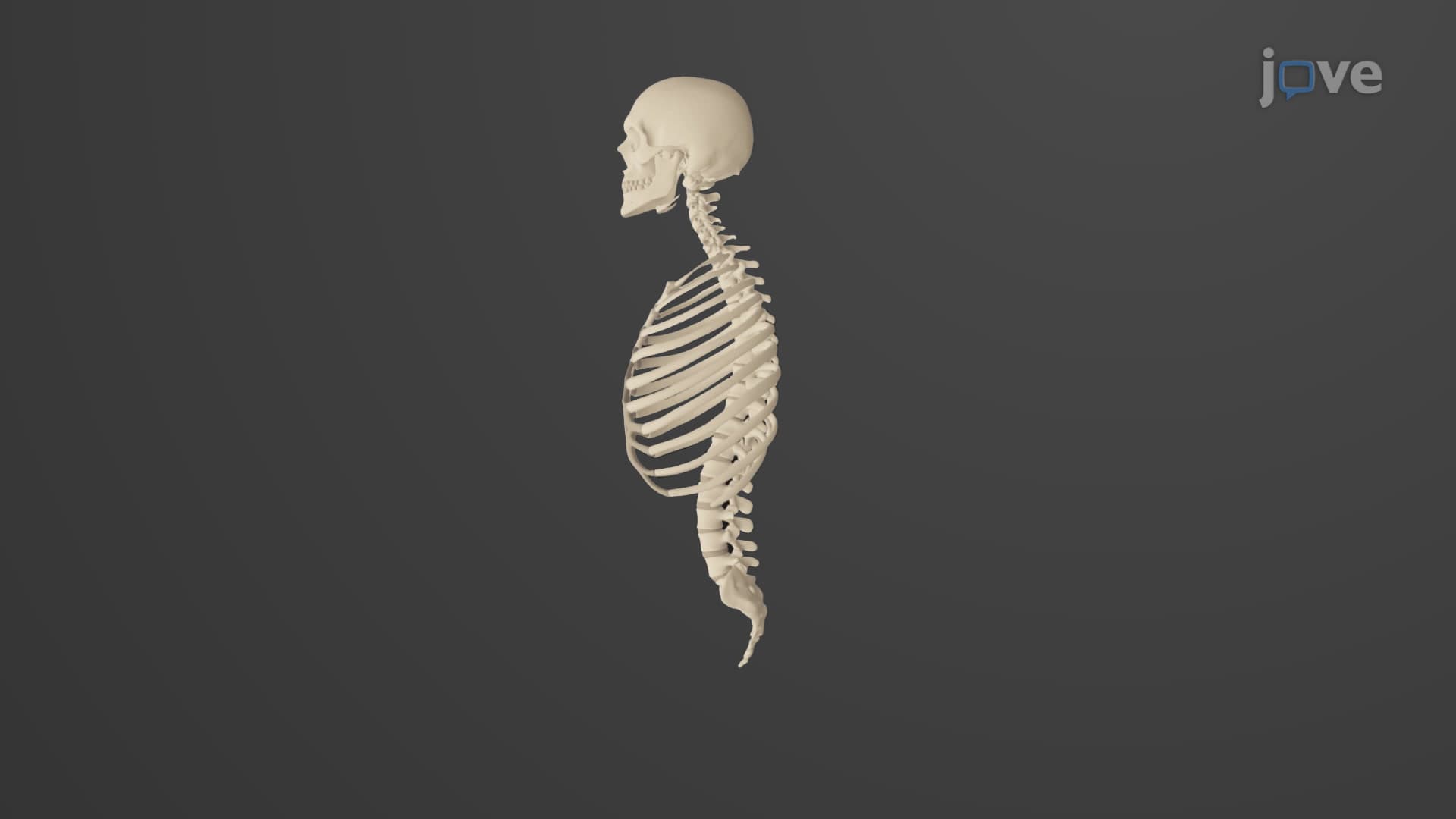
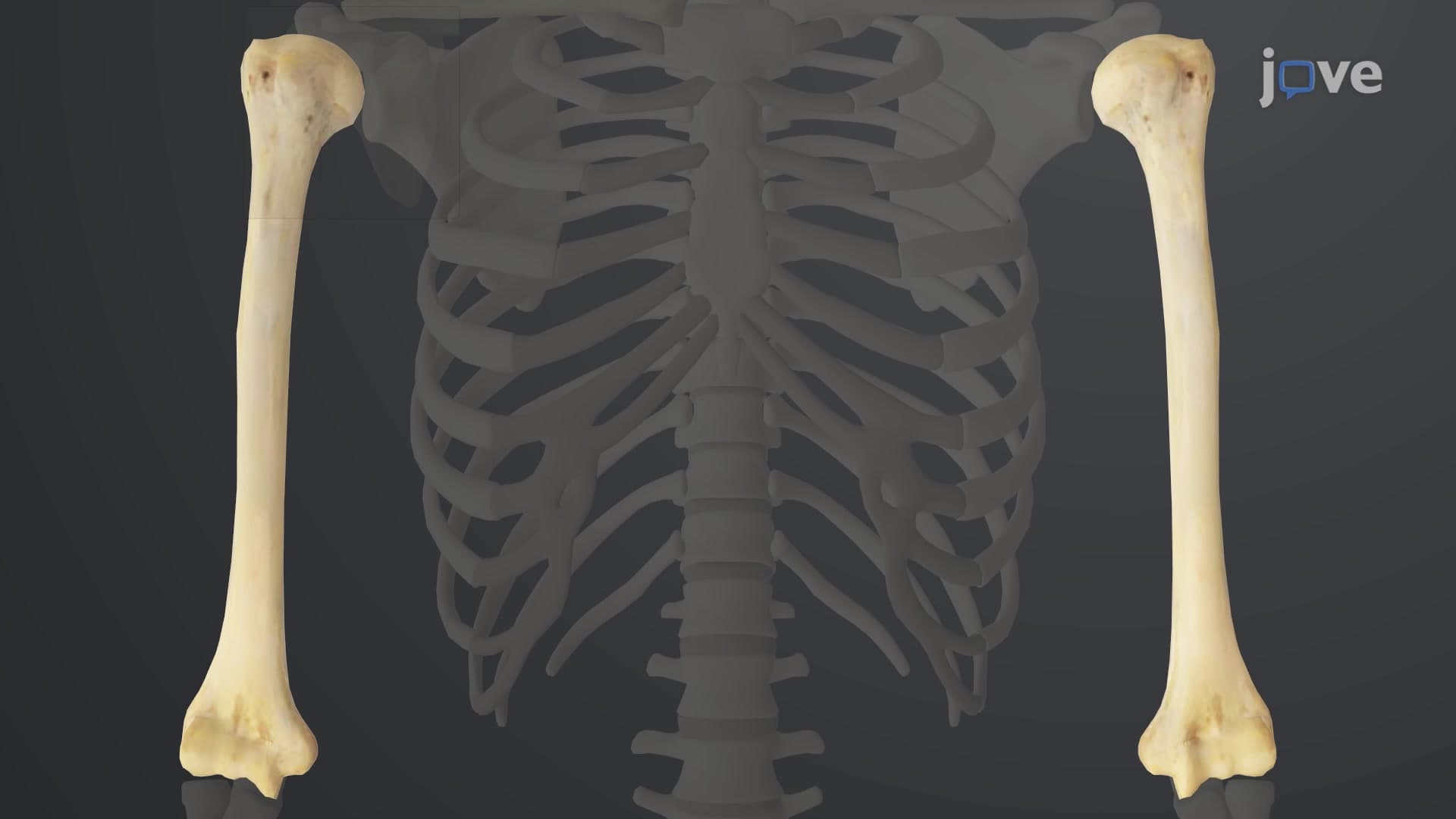
The skeletal system operates under sophisticated hormonal control of bone tissue that orchestrates both growth during development and maintenance throughout adult life. Unlike simple mechanical structures, bones are dynamic living tissues that respond to chemical signals from various endocrine glands. This complex regulatory network ensures proper skeletal development, maintains calcium homeostasis, and adapts bone strength to mechanical demands.
During childhood and adolescence, growth hormone bone length regulation primarily drives skeletal expansion. Growth hormone, secreted by the anterior pituitary gland, stimulates osteoblast activity and enhances protein synthesis within bone matrix. Working synergistically, thyroid hormones (T3 and T4) accelerate cellular metabolism, ensuring adequate energy for bone formation processes. This explains why children with growth hormone deficiency or hypothyroidism often experience stunted growth, concepts frequently tested on AP Biology exams and MCAT passages.
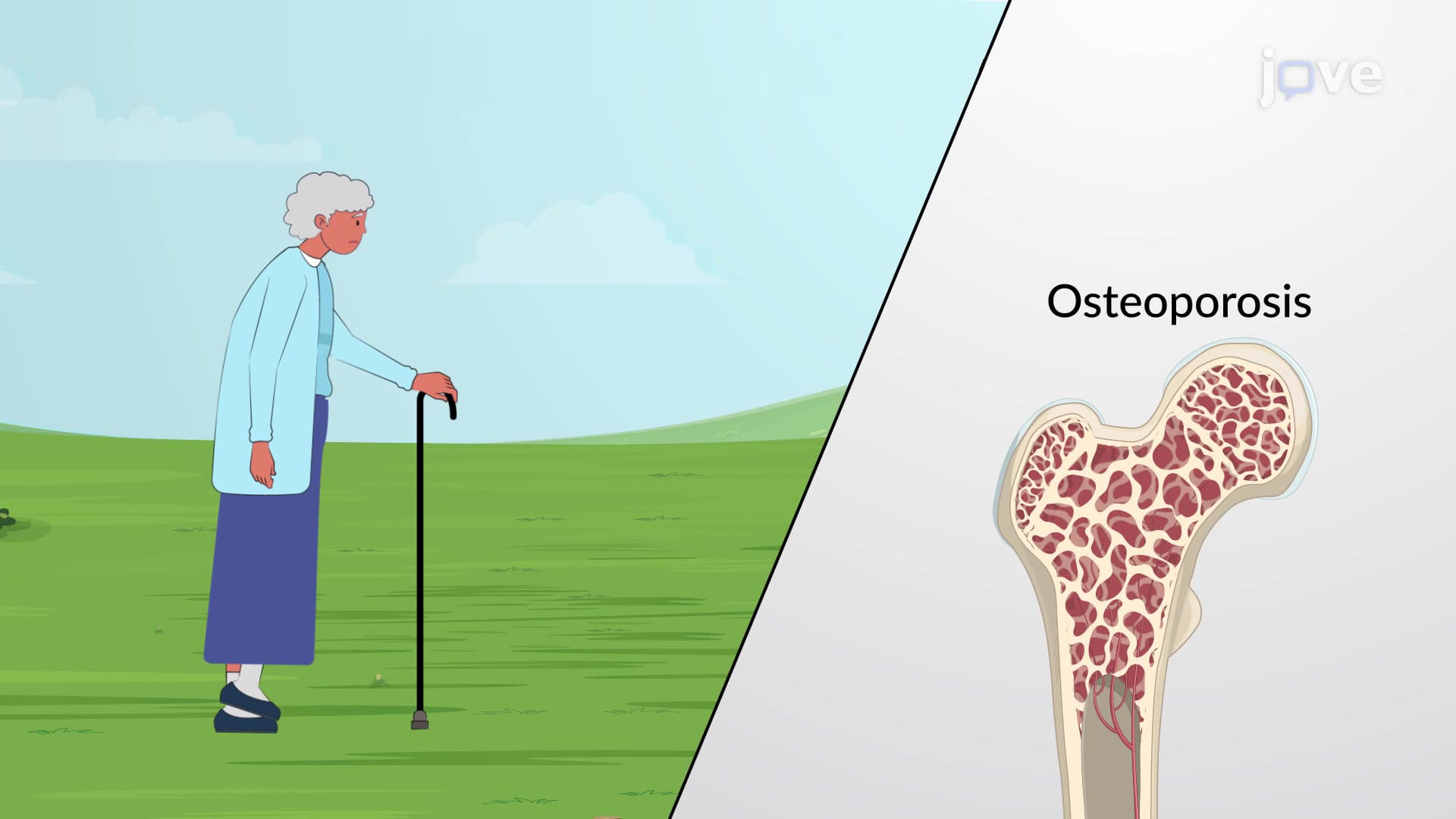
At puberty, sex hormones dramatically influence how do hormones regulate bone tissue. Testosterone in males and estrogen in females trigger the closure of epiphyseal growth plates, marking the end of longitudinal bone growth. However, estrogen bone protection mechanisms continue throughout life, maintaining bone density by inhibiting osteoclast activity. This protective effect explains why postmenopausal women, who experience declining estrogen levels, face increased osteoporosis risk, a critical concept for USMLE Step 1 preparation.
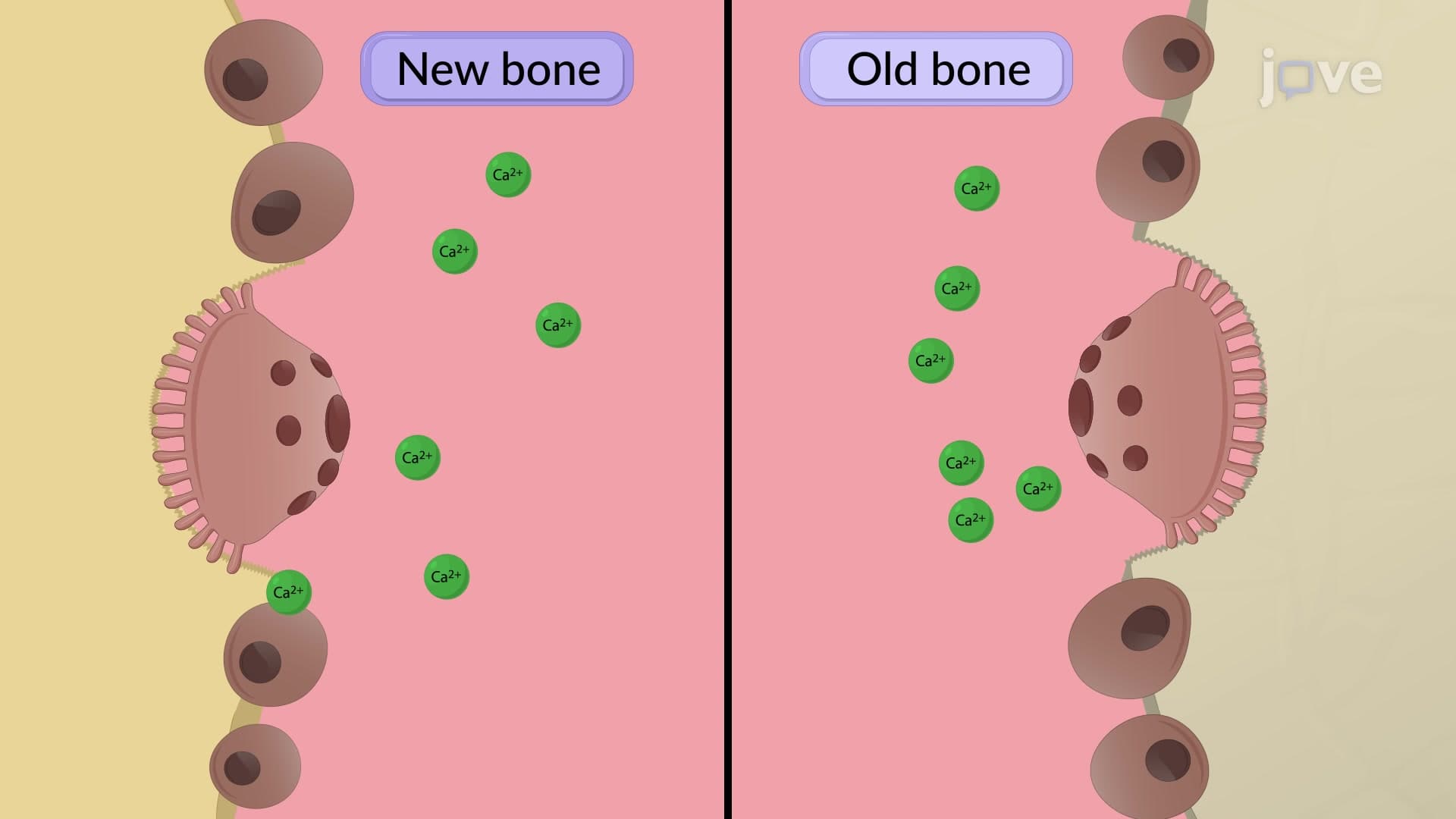
In mature adults, PTH bone calcium release serves as the primary mechanism for maintaining blood calcium levels. When calcium concentrations drop, parathyroid glands secrete PTH, which stimulates osteoclasts to break down bone matrix and release stored calcium. Conversely, calcitonin bone deposition occurs when blood calcium rises too high, prompting thyroid C-cells to release calcitonin, which enhances calcium storage in bones.
This dynamic balance becomes clinically relevant in conditions like hyperparathyroidism, where excessive PTH leads to bone weakening, or in osteoporosis treatment, where understanding bone metabolism hormone interactions guides therapeutic decisions. College anatomy and physiology courses extensively cover these regulatory mechanisms, particularly their dysfunction in age-related bone diseases affecting millions of Americans annually.
Related Micro-courses