Loading video…


 19 Concepts
 132.6K views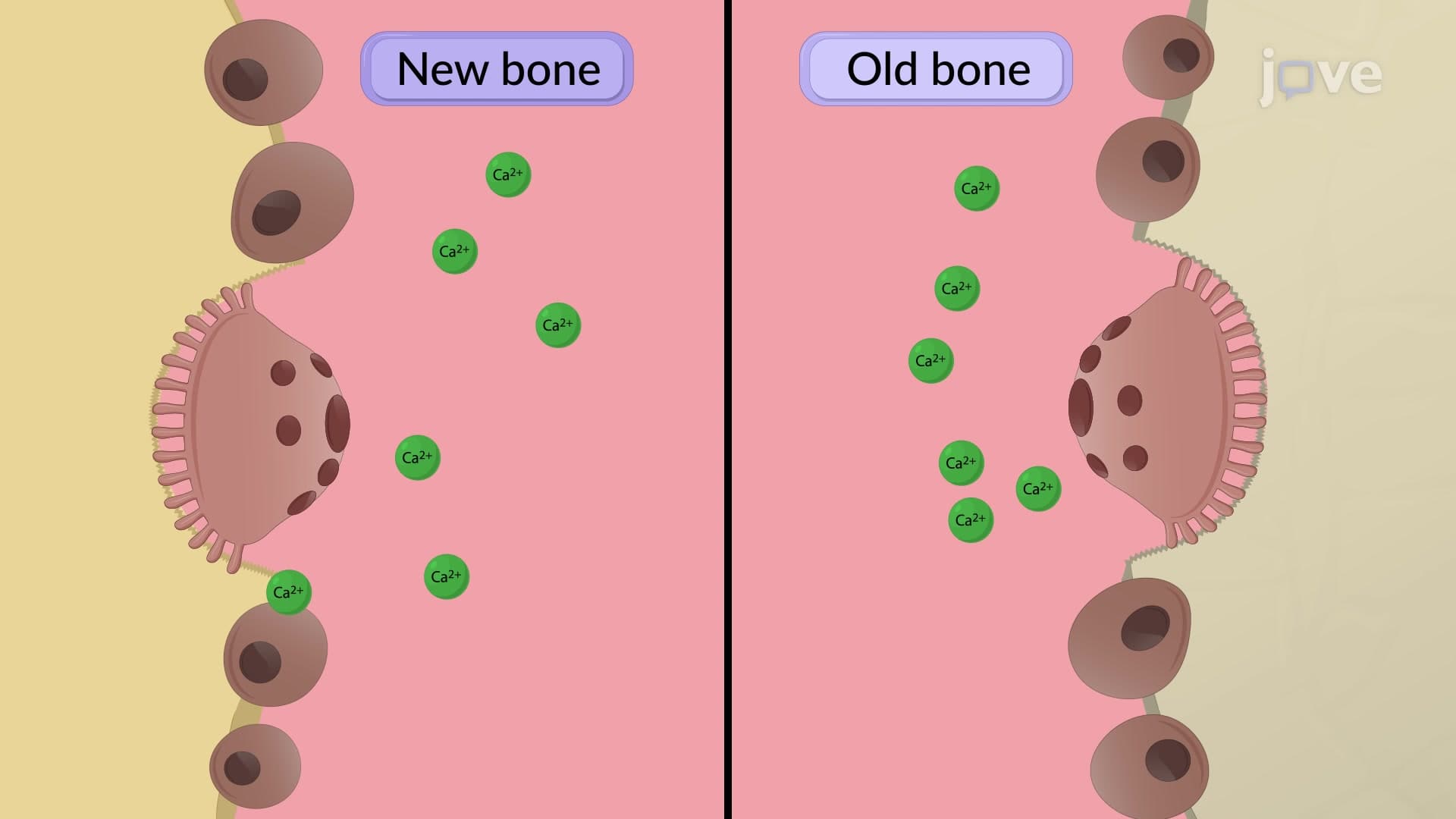

Video Summary: What Is Skeleton and Calcium Homeostasis
Did you know your skeleton stores 99% of your body's 2 kilograms of calcium? Skeleton calcium homeostasis is the intricate process by which your bones act as a dynamic calcium bank, constantly depositing and withdrawing this vital mineral to maintain blood calcium levels between 9-11 mg/dL. When blood calcium drops during periods like pregnancy or adolescent growth spurts, parathyroid hormone signals osteoclasts to release stored calcium from bone tissue. Watch the full video on JoVE Coach to master this concept with expert-led visuals and step-by-step explanations.
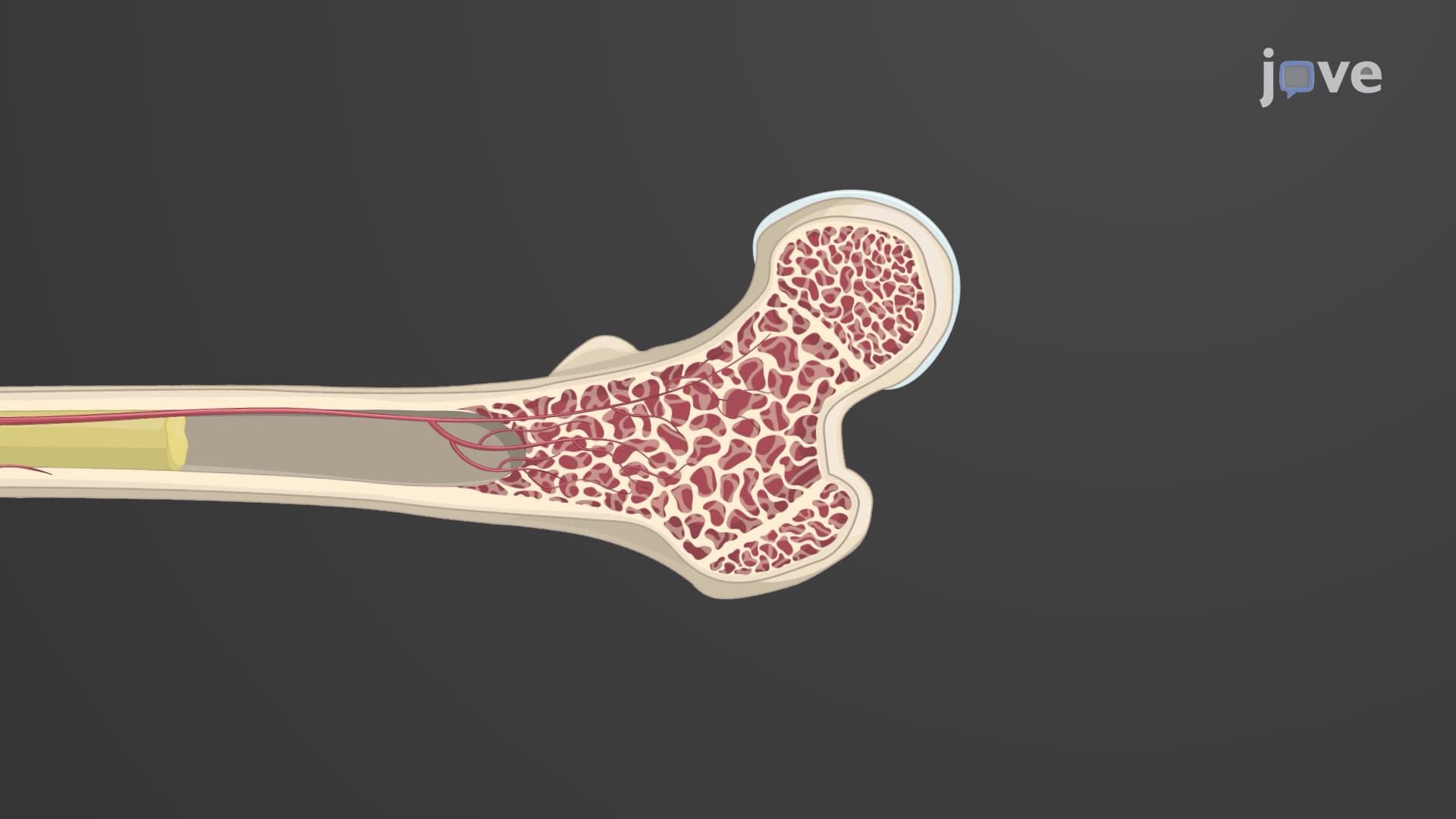
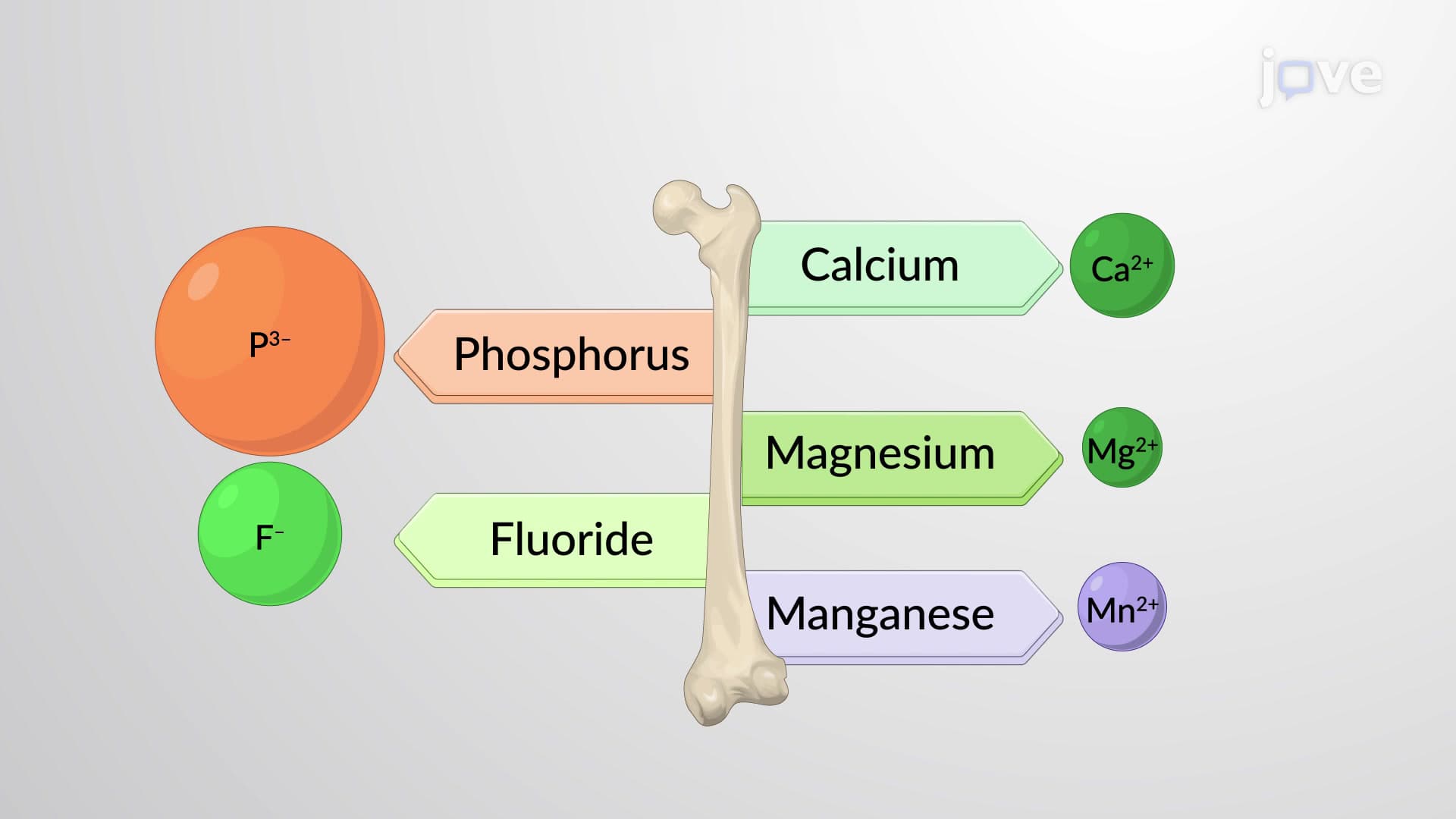
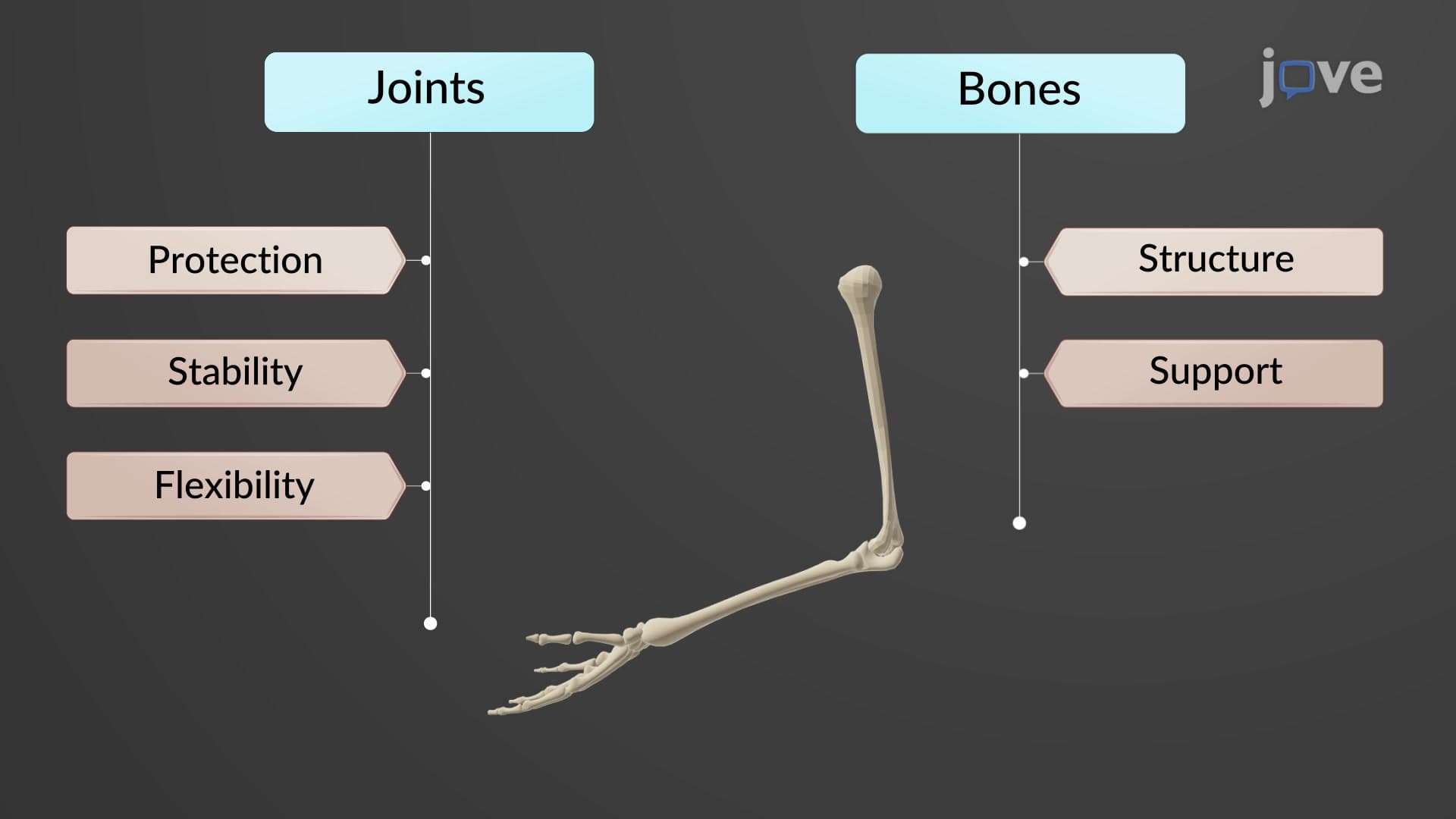
The human skeleton serves a dual purpose that extends far beyond structural support. While providing the framework for movement and protecting vital organs, bones function as the body's primary calcium reservoir, storing approximately 1,200 grams of this essential mineral in a typical adult. Skeleton calcium homeostasis represents one of the most tightly regulated physiological processes, maintaining blood calcium concentrations within the narrow range of 8.5-10.5 mg/dL (or 9-11 mg/dL in some laboratory references).
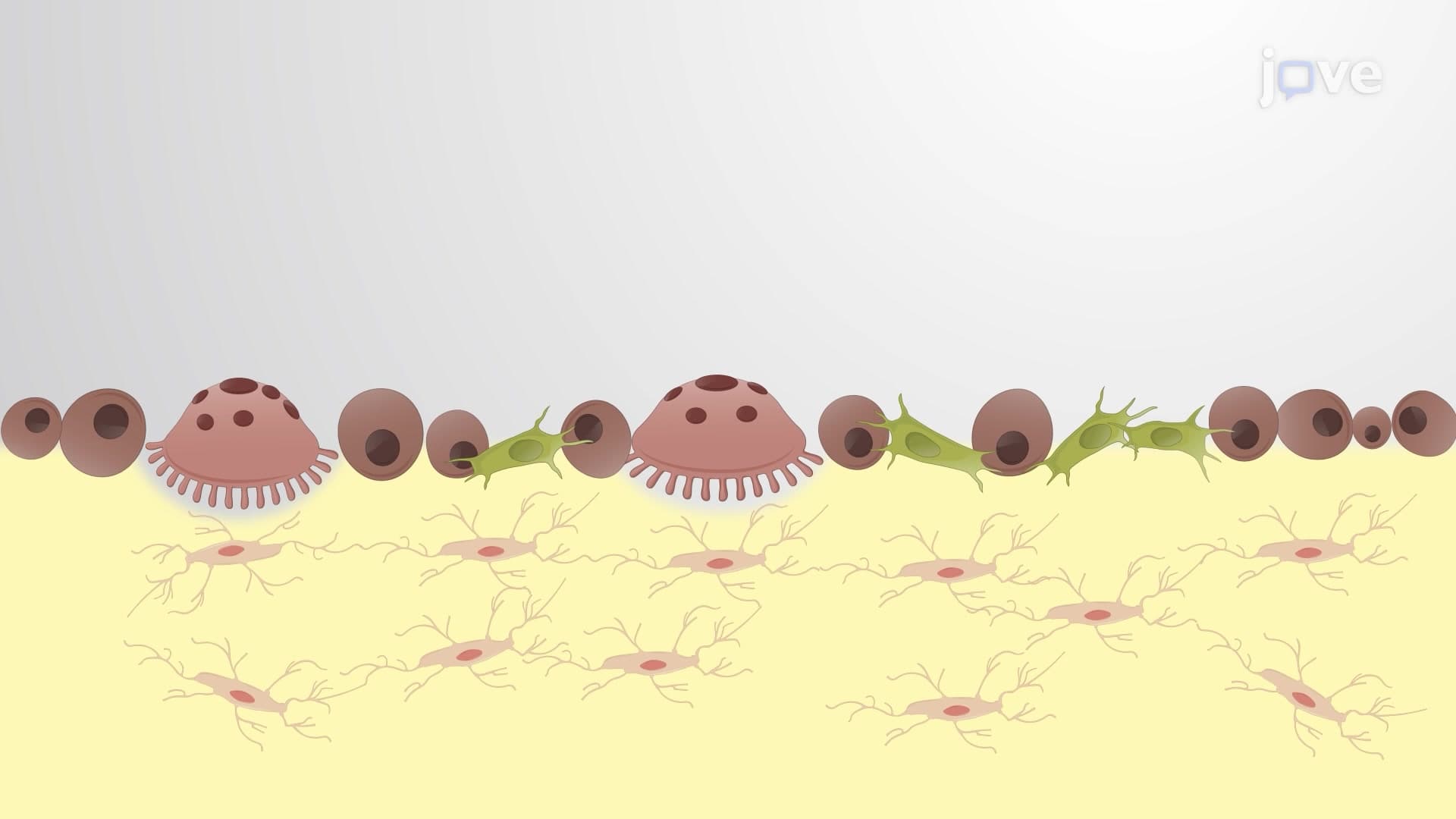
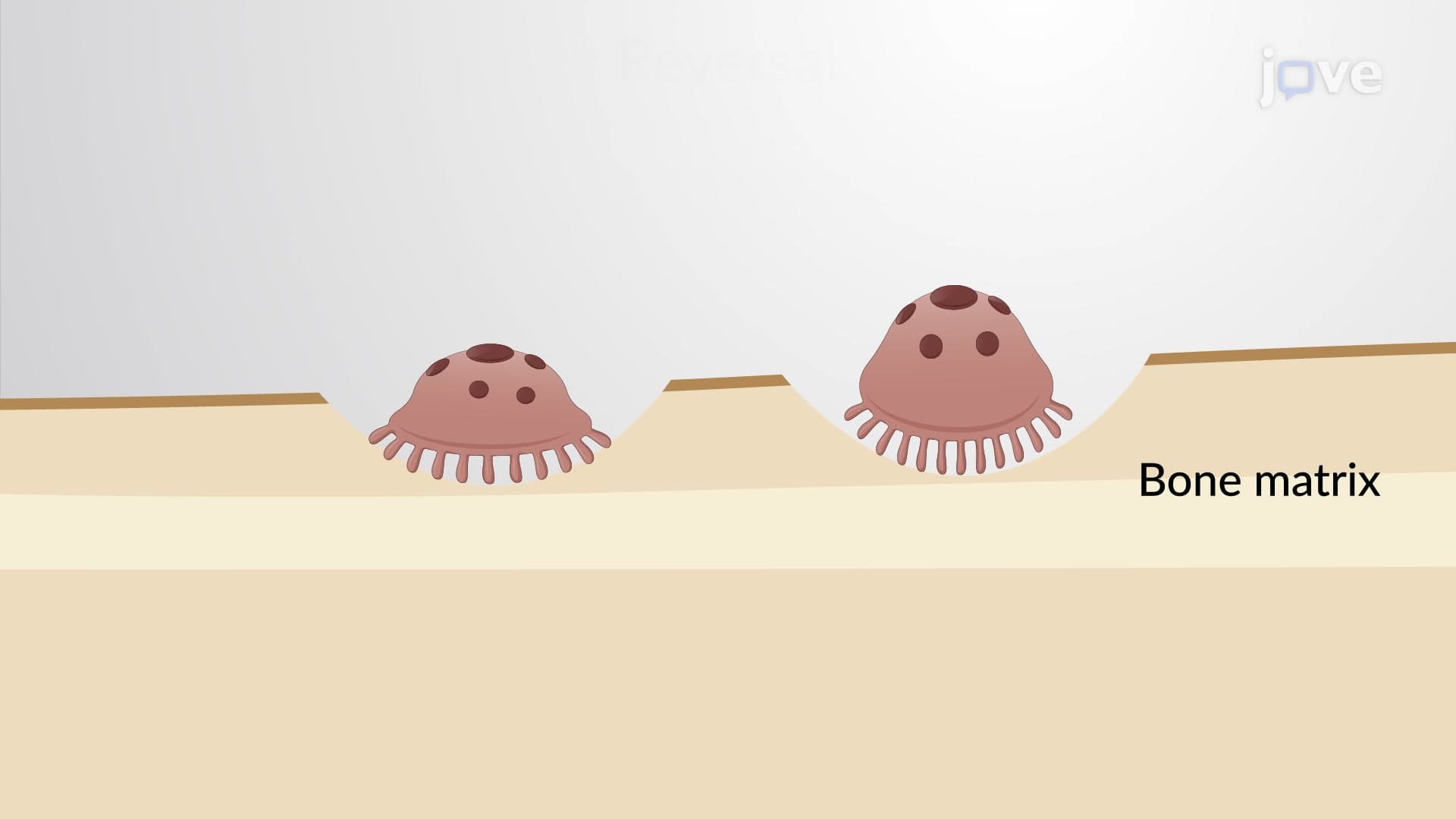
Three hormones orchestrate this complex balancing act. Parathyroid hormone (PTH), secreted by the four parathyroid glands located behind the thyroid, acts as the primary regulator when blood calcium drops below normal levels. Within minutes of detecting hypocalcemia, PTH stimulates osteoclasts-bone-resorbing cells-to break down bone matrix and release stored calcium into the bloodstream.
Calcitriol, the hormonally active form of vitamin D produced in the kidneys, enhances intestinal calcium absorption and works synergistically with PTH to mobilize skeletal calcium. This explains why vitamin D deficiency can lead to rickets in children and osteomalacia in adults, conditions frequently seen in northern US states with limited sun exposure.
Calcitonin, produced by the thyroid gland, provides the counterbalance by inhibiting osteoclast activity when blood calcium levels rise too high, though its role in humans is less pronounced than in other mammals.
Understanding skeleton calcium homeostasis is crucial for healthcare professionals and appears frequently on the MCAT, USMLE Step 1, and nursing exams like the NCLEX. In clinical practice, disorders of calcium homeostasis manifest in emergency departments across the United States. Hypocalcemia can cause life-threatening laryngospasm and cardiac arrhythmias, while hypercalcemia may present as kidney stones, a condition affecting over 500,000 Americans annually.
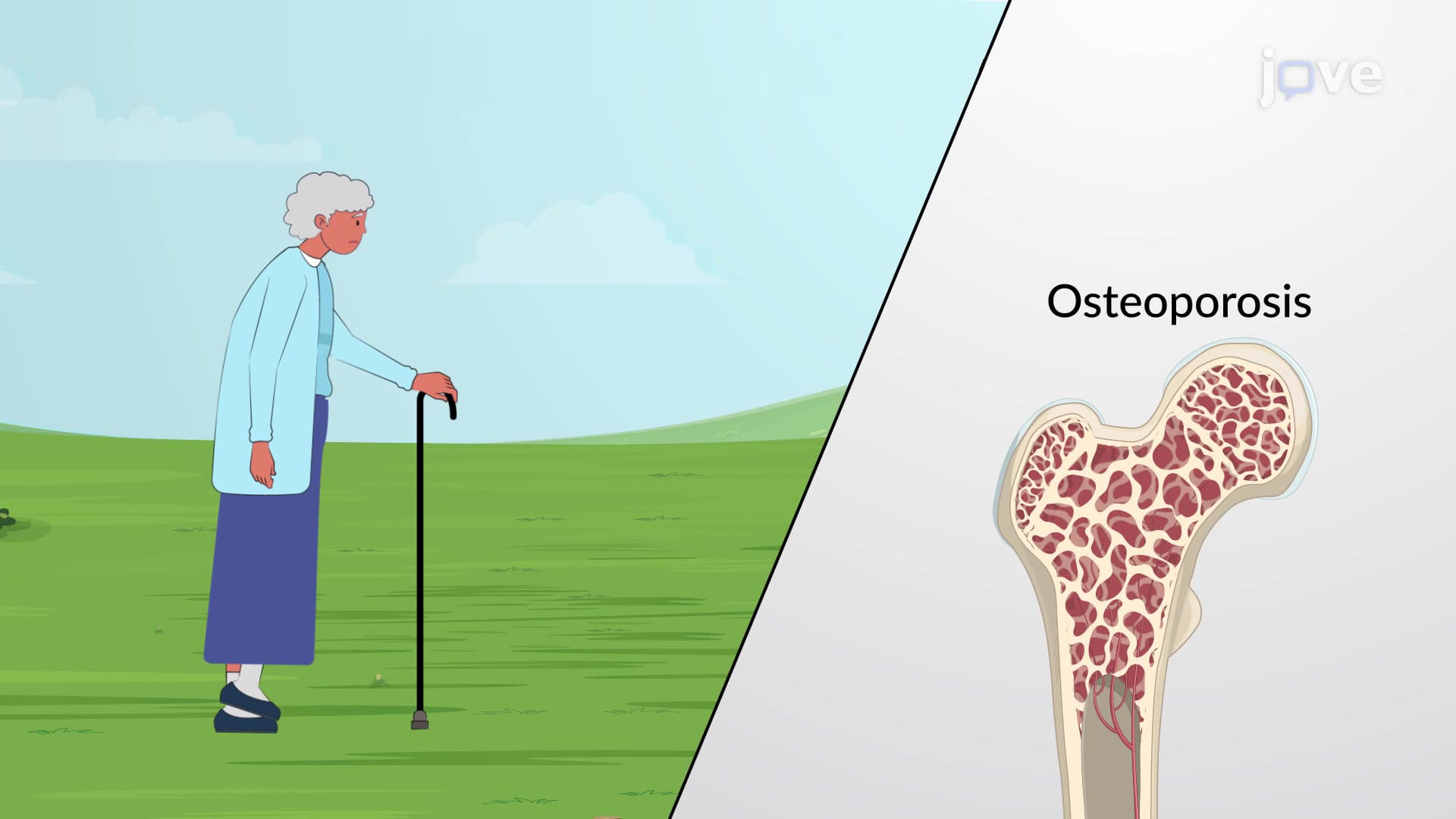
For AP Biology students, this topic connects to broader themes of homeostasis and endocrine regulation. College anatomy and physiology courses often include calcium homeostasis in examinations, particularly when discussing bone remodeling, kidney function, and hormonal control systems. The concept also applies to understanding osteoporosis, which affects 54 million Americans, primarily postmenopausal women whose declining estrogen levels accelerate bone calcium loss.
Related Micro-courses