Loading subject page…


132,626 views


Video Summary: What Is the Functions Skeletal System
Did you know your bones produce over 200 billion new blood cells every single day? The skeletal system functions biology encompasses far more than just providing structural support-bones actively regulate blood sugar, store energy, and manufacture every blood cell in your body. Consider how a broken femur at Houston Methodist Hospital requires understanding not just bone repair, but how the disrupted bone marrow affects a patient's blood cell production. Watch the full video on JoVE Coach to master this concept with expert-led visuals and step-by-step explanations.
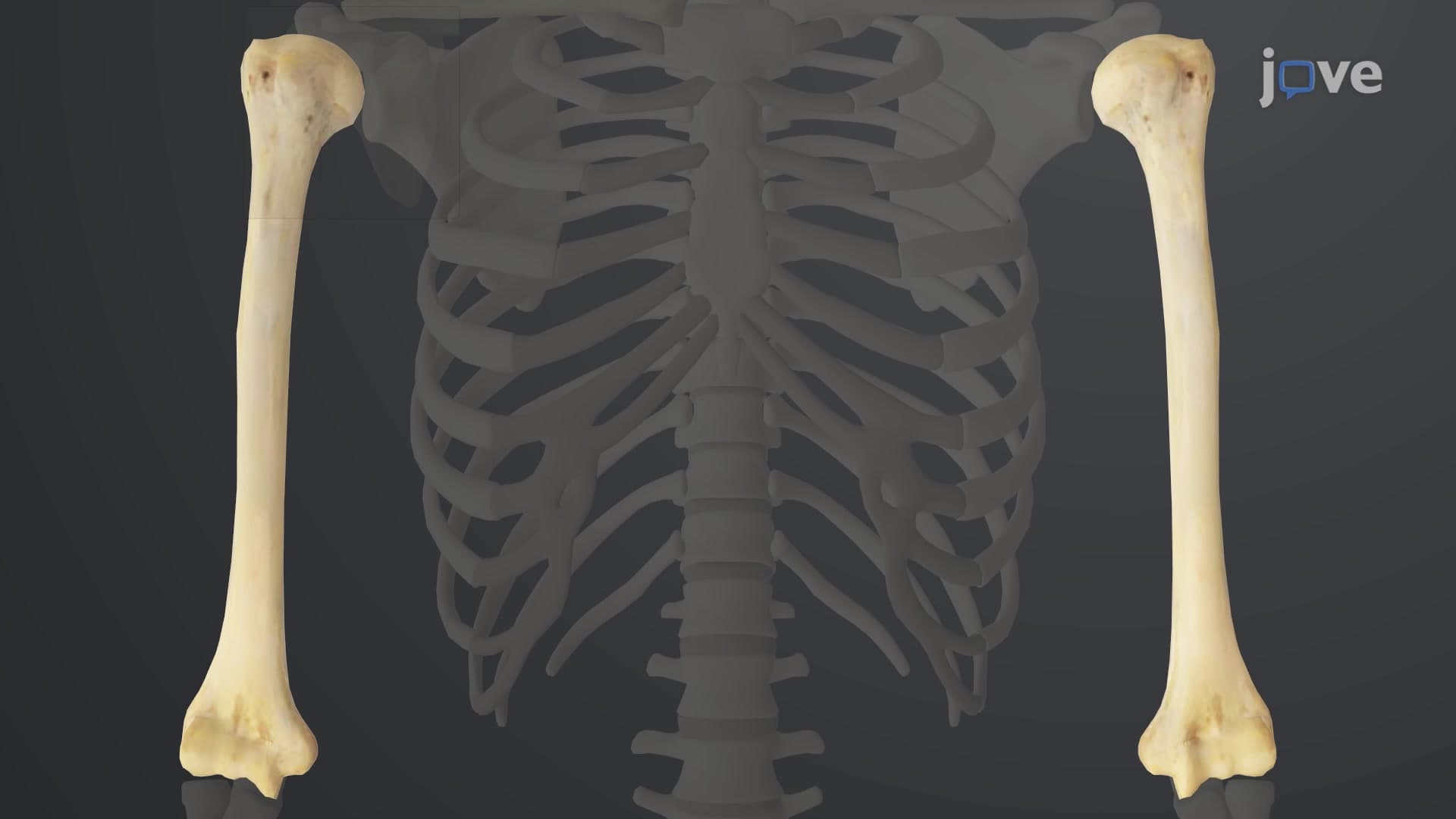
The skeletal system serves as the body's multifaceted framework, performing six critical functions that extend far beyond simple structural support. This skeletal function overview reveals bones as dynamic, living tissues that actively participate in metabolism, blood production, and homeostasis regulation.
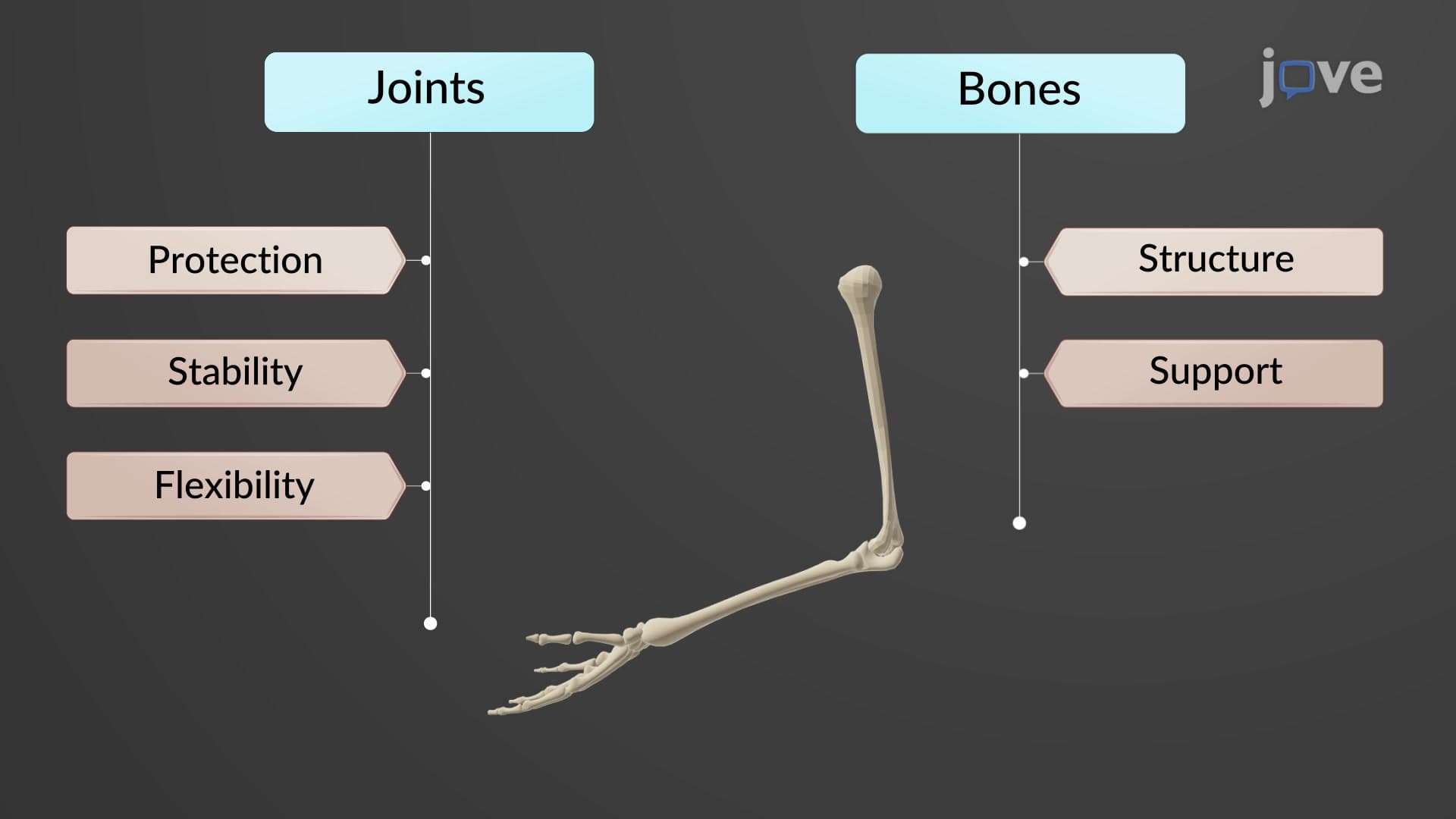
Movement support skeletal mechanisms work through the coordinated interaction of bones, joints, and muscles. The skeletal system provides attachment points for over 600 muscles, creating a lever system that amplifies force and enables precise movement. In clinical settings like the Mayo Clinic's orthopedic department, understanding this function proves crucial for treating fractures that may compromise mobility. Students preparing for AP Biology exams should recognize how the appendicular skeleton's long bones act as Class 1, 2, and 3 levers, with the fulcrum, effort, and load positions determining mechanical advantage.
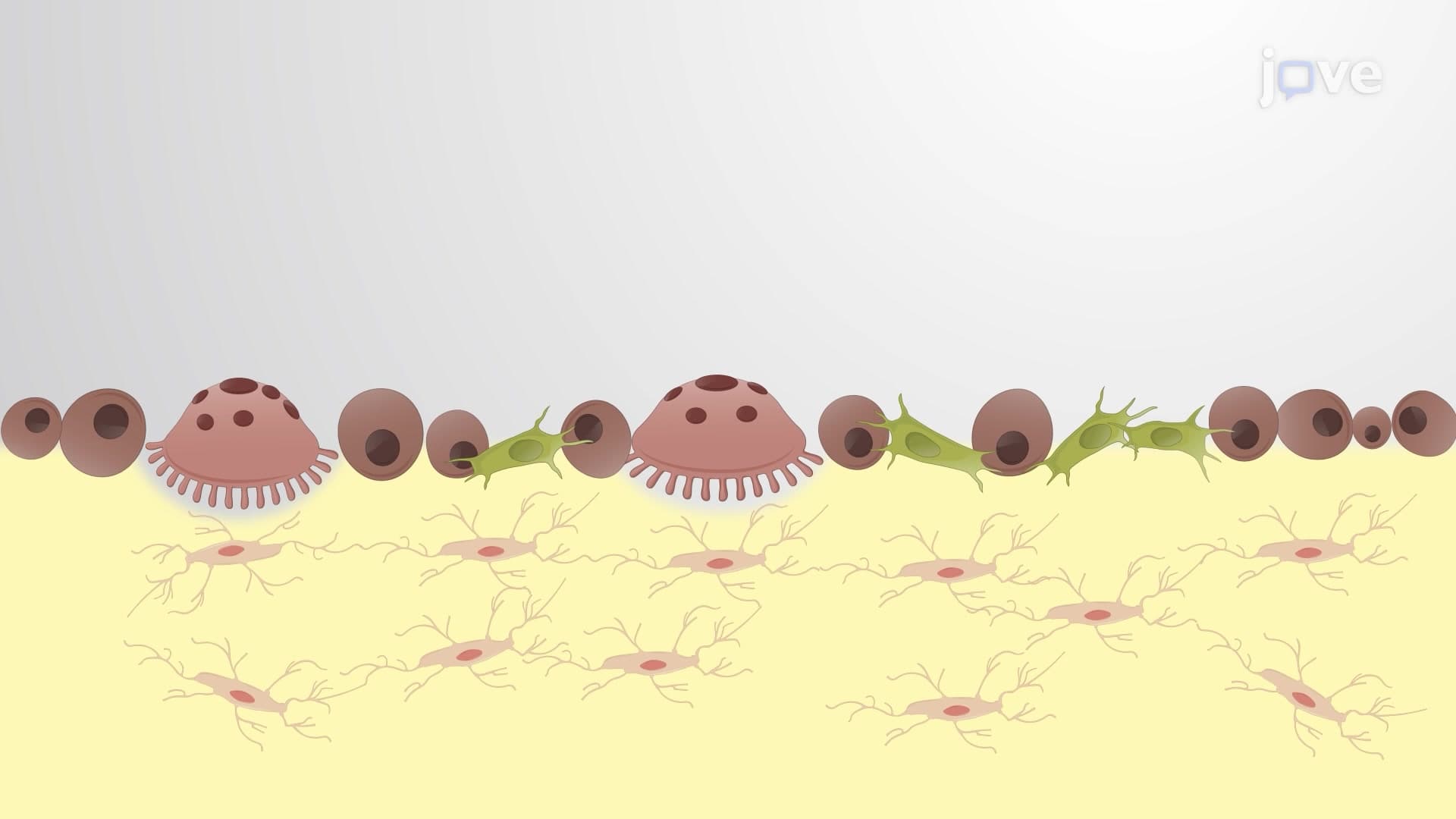
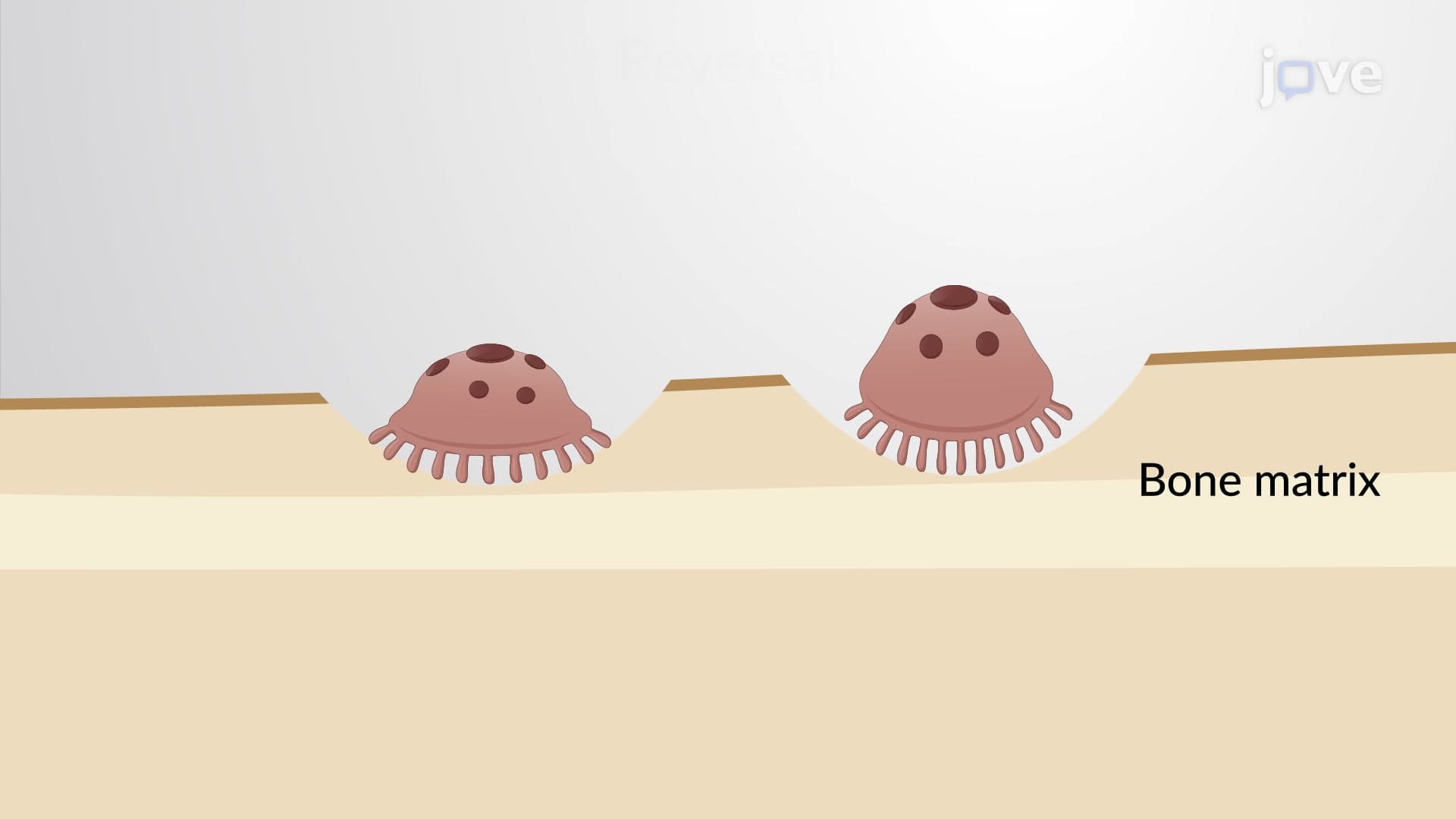
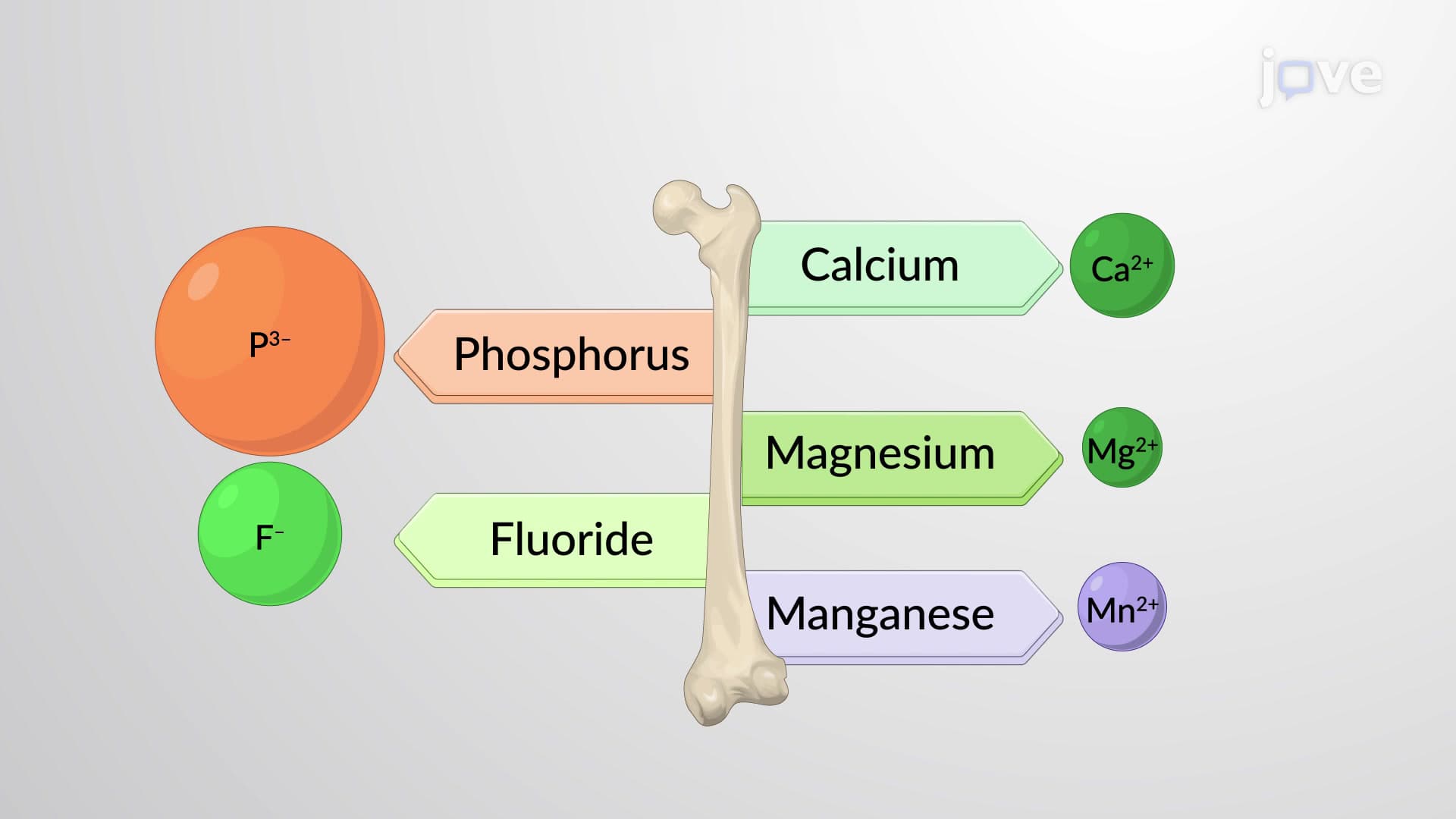
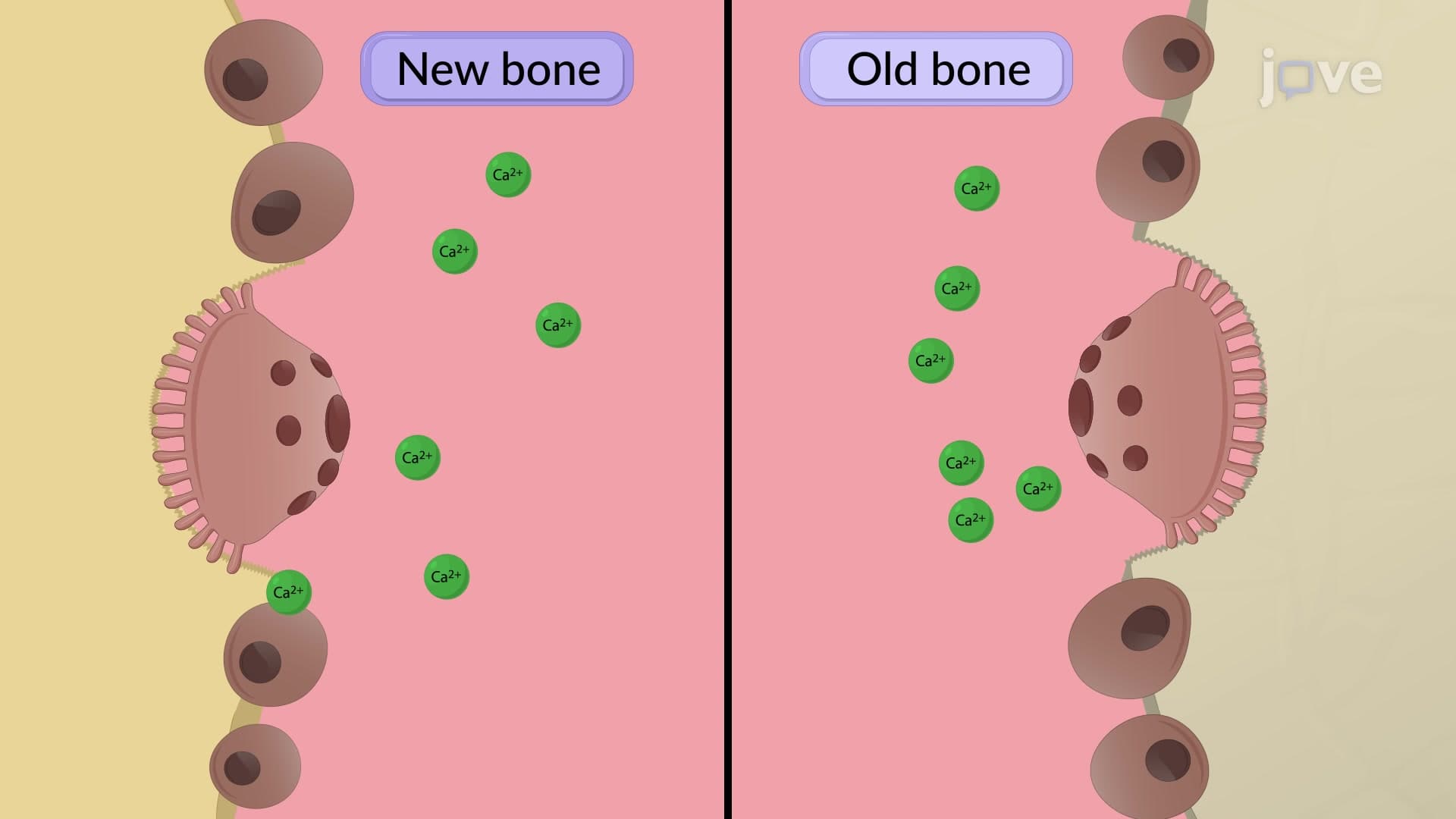
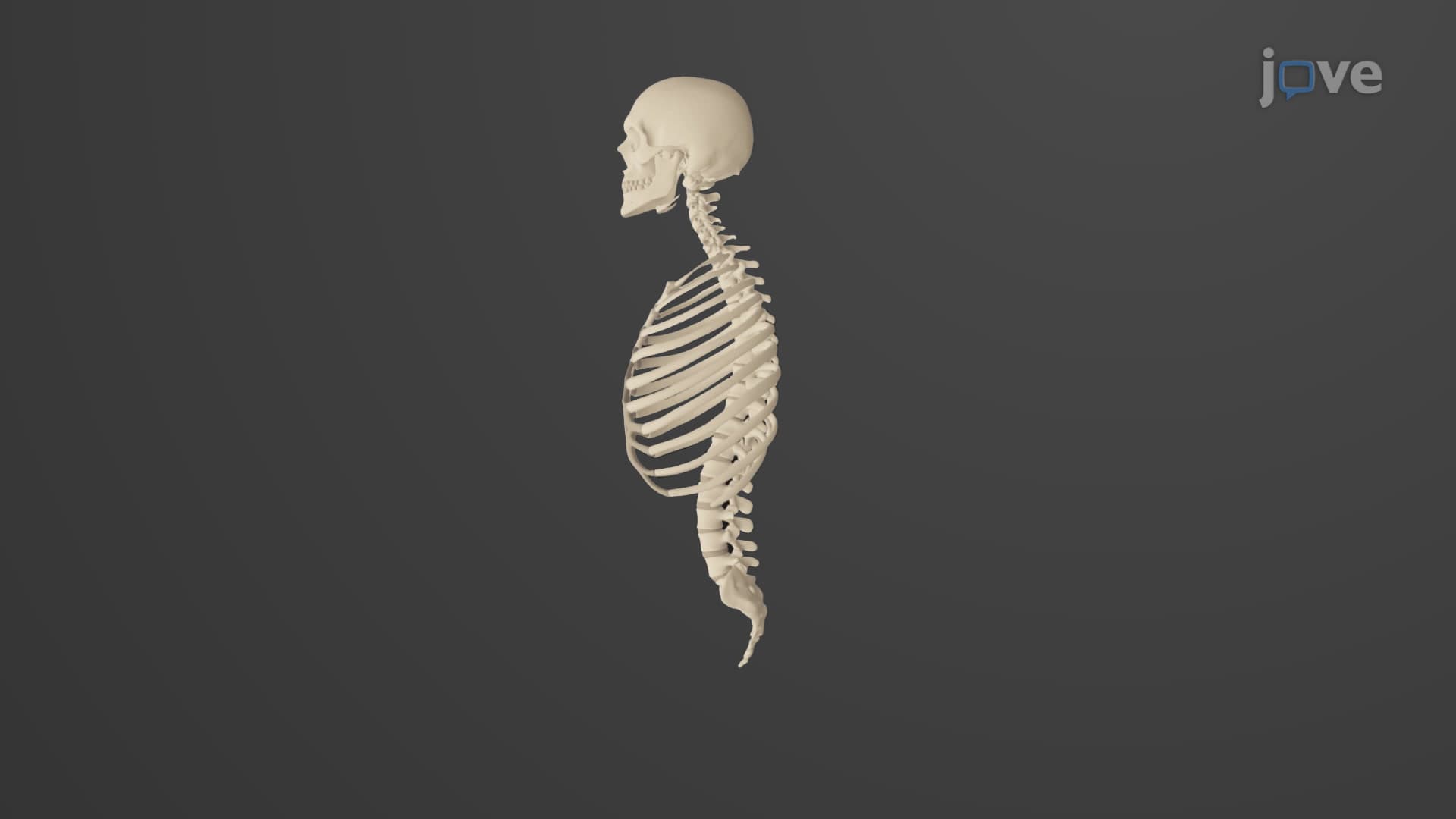
The protection organ skeleton function becomes evident when examining structures like the skull protecting the brain or ribs shielding the heart and lungs. Simultaneously, bones function as the body's mineral storage skeleton, containing 99% of the body's calcium and 85% of its phosphorus. When blood calcium levels drop, parathyroid hormone stimulates osteoclasts to release stored minerals, maintaining the narrow range necessary for muscle contraction and nerve transmission-a concept frequently tested on MCAT examinations.
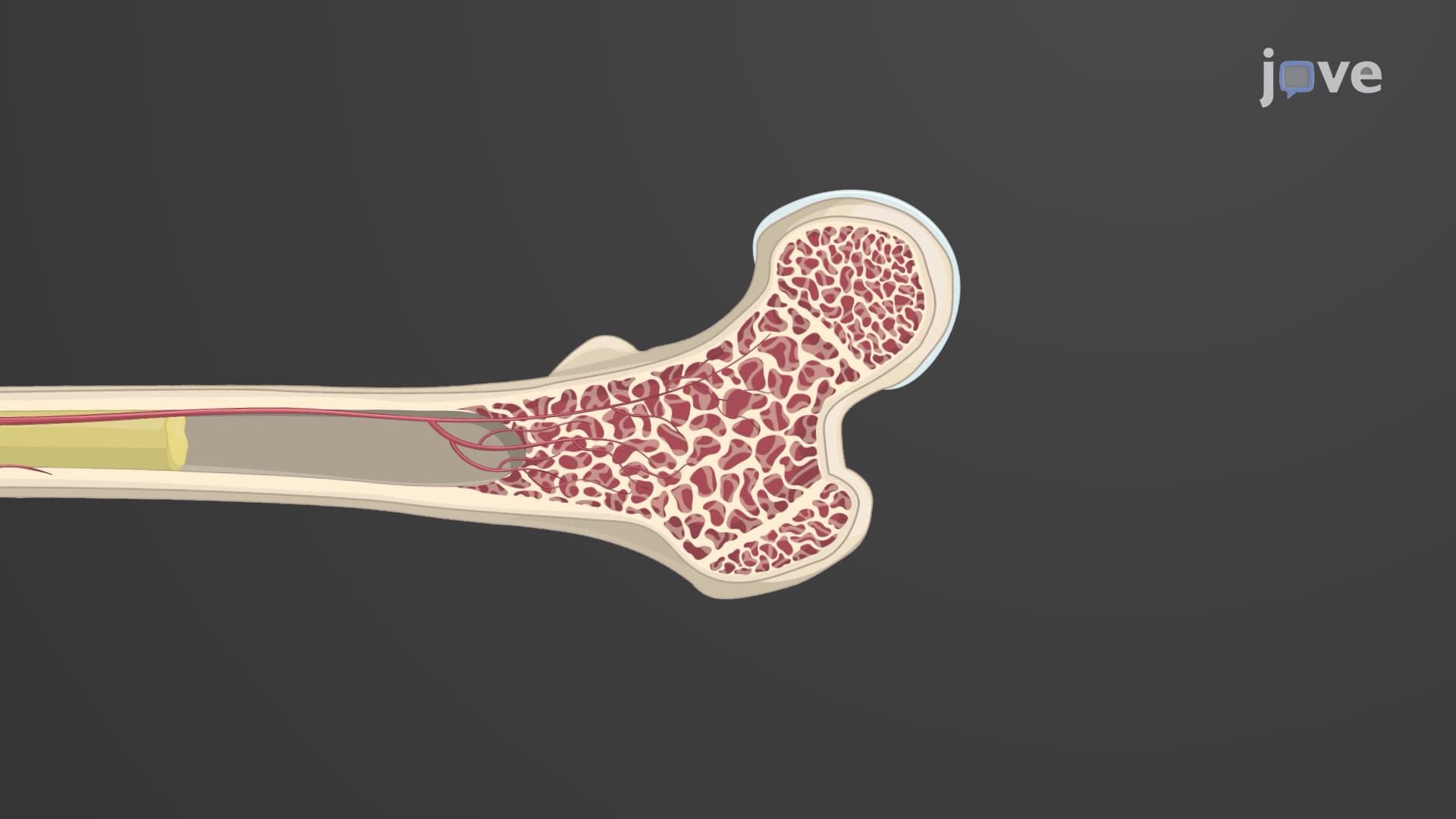
Perhaps most remarkably, hematopoiesis bone marrow occurs within the skeletal system's red marrow, producing all blood cell types through stem cell differentiation. The Cleveland Clinic's hematology department relies on this understanding when treating blood disorders, as bone marrow biopsies from the iliac crest reveal the health of blood cell production. Additionally, osteoblasts secrete osteocalcin, demonstrating bones' endocrine function in regulating glucose metabolism-knowledge essential for students pursuing healthcare careers and understanding metabolic disorders.
Related Micro-courses