Loading subject page…


132,626 views


Video Summary: What Is the Skeletal System
Every step you take during a basketball game at your local high school involves your skeletal system anatomy overview working seamlessly with muscles and joints. The human skeletal system explained reveals how 206 bones, along with cartilage, ligaments, and tendons, create the structural framework that protects vital organs like your heart and lungs while enabling movement. Watch the full video on JoVE Coach to master this concept with expert-led visuals and step-by-step explanations.
The skeletal system anatomy overview encompasses much more than just bones-it's an integrated network of living tissues that forms your body's structural foundation. This complex system includes 206 bones in adults, along with specialized connective tissues that work together to support, protect, and move your body through daily activities.
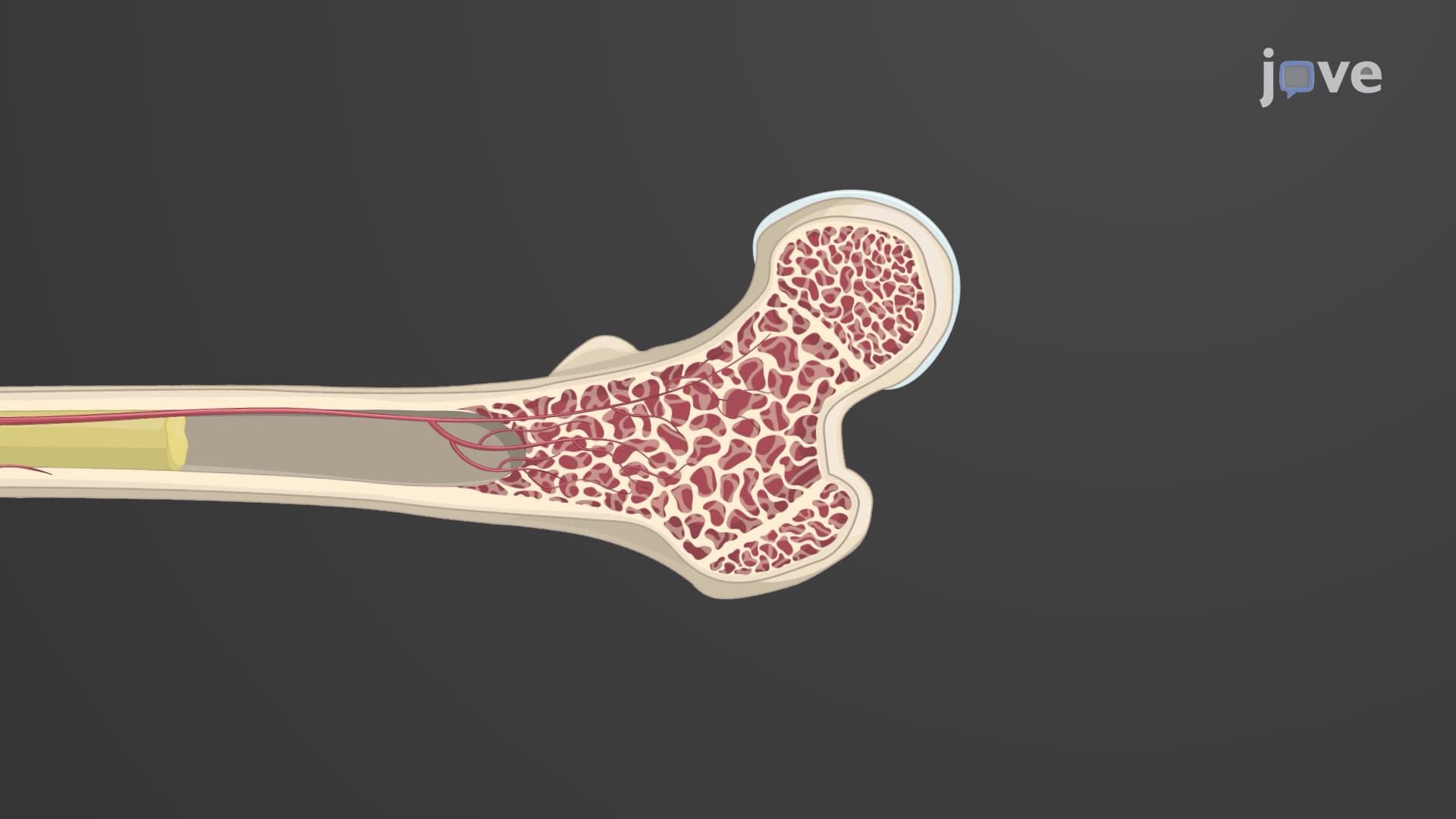
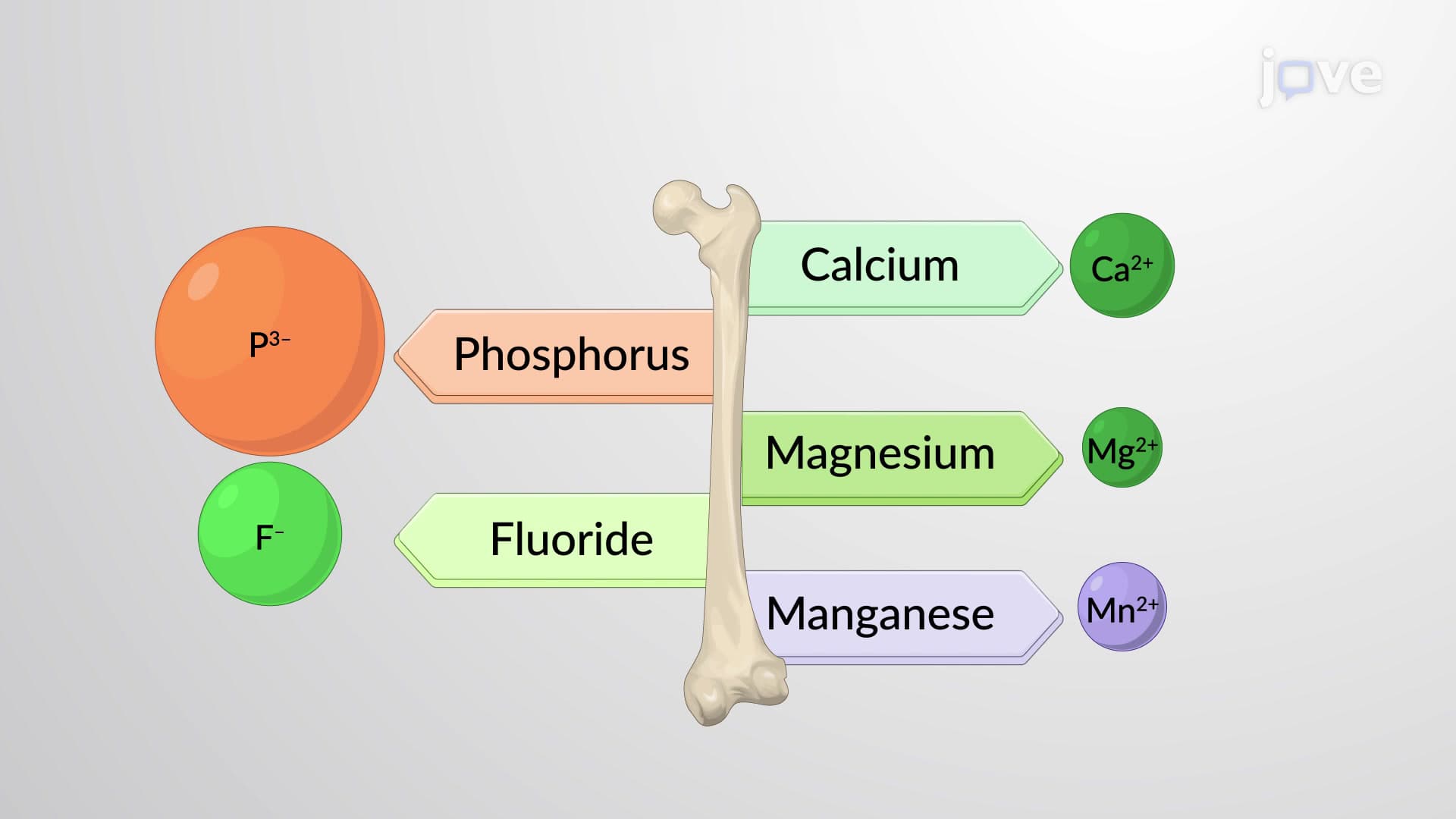
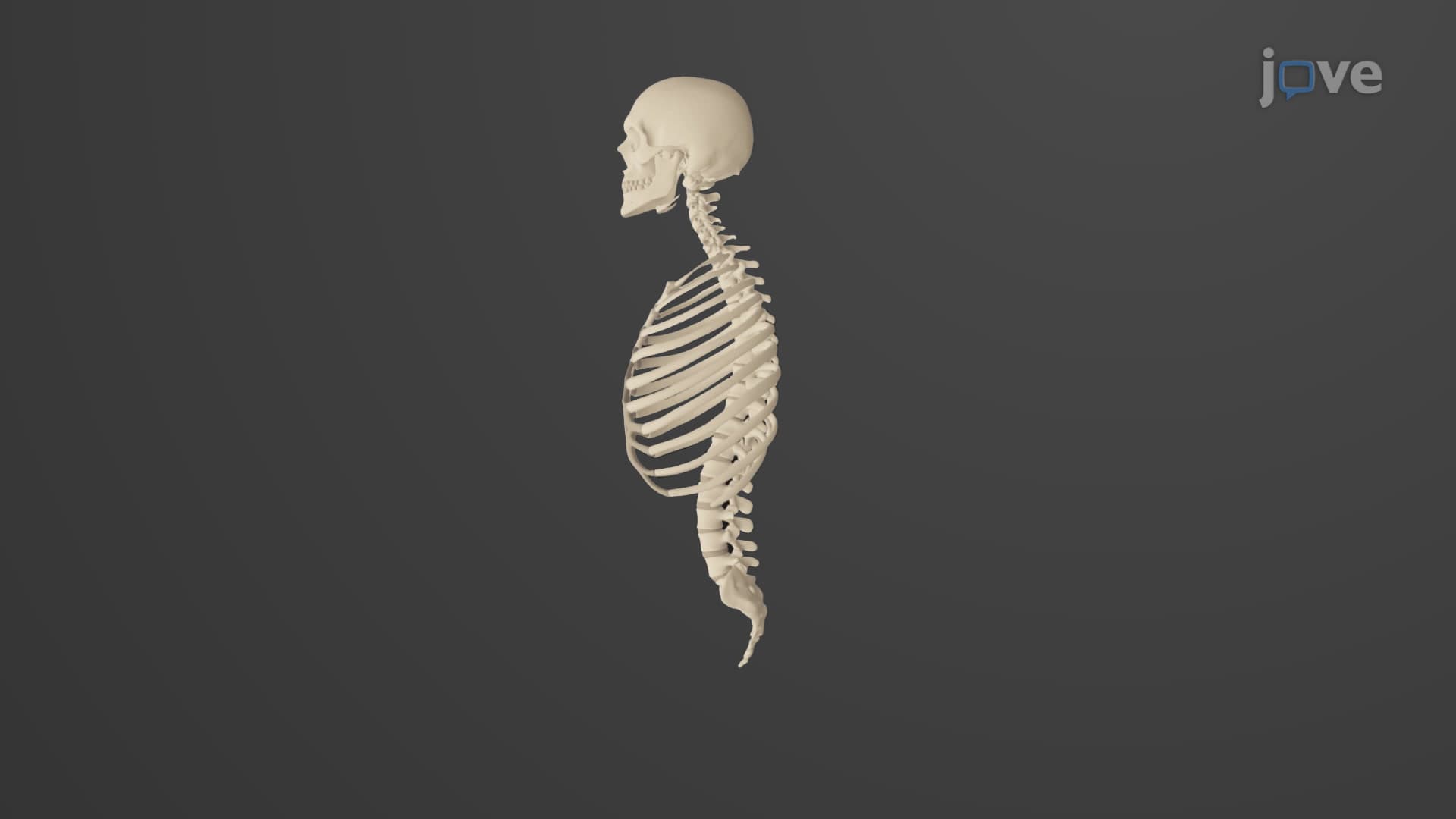
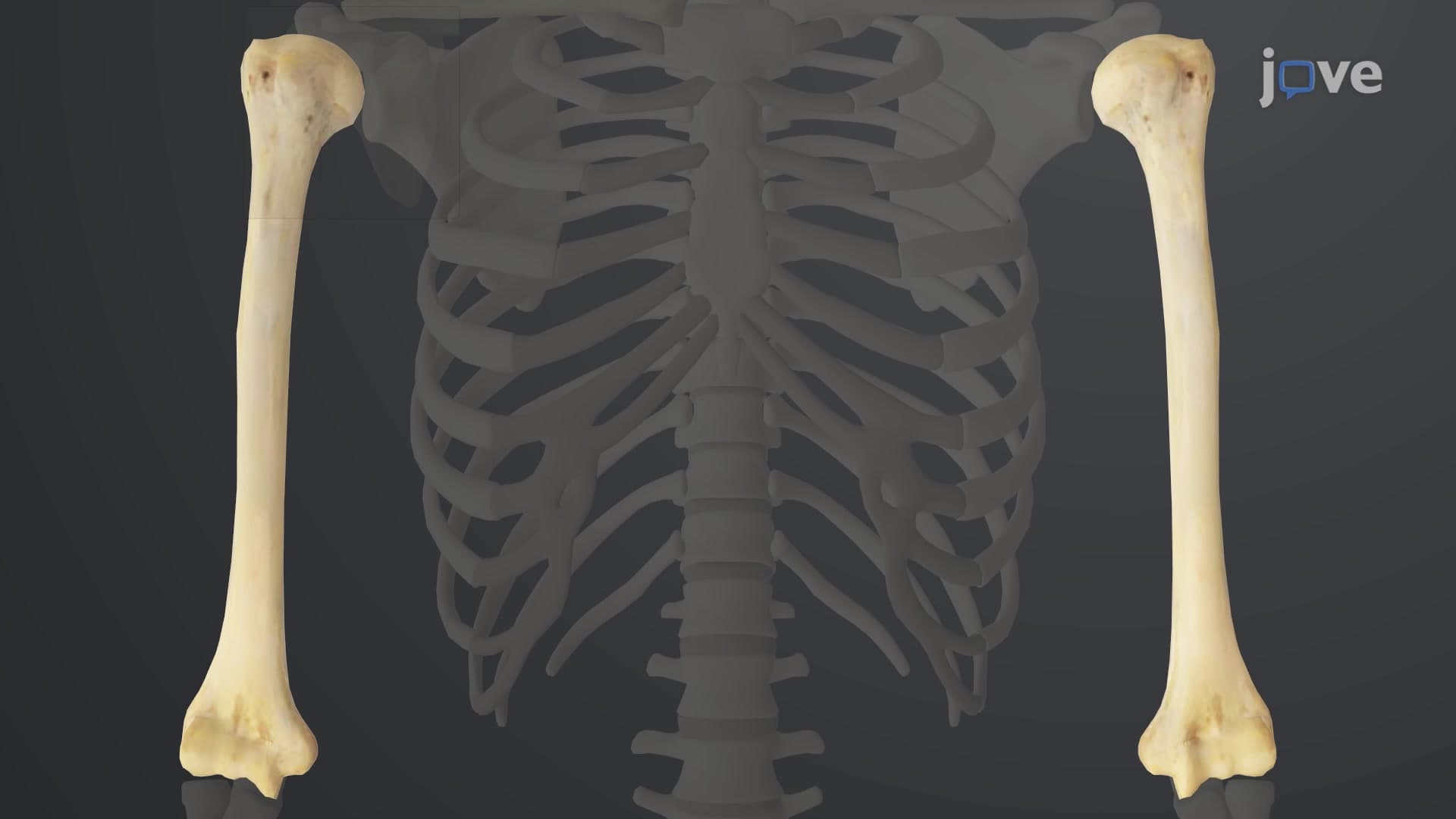
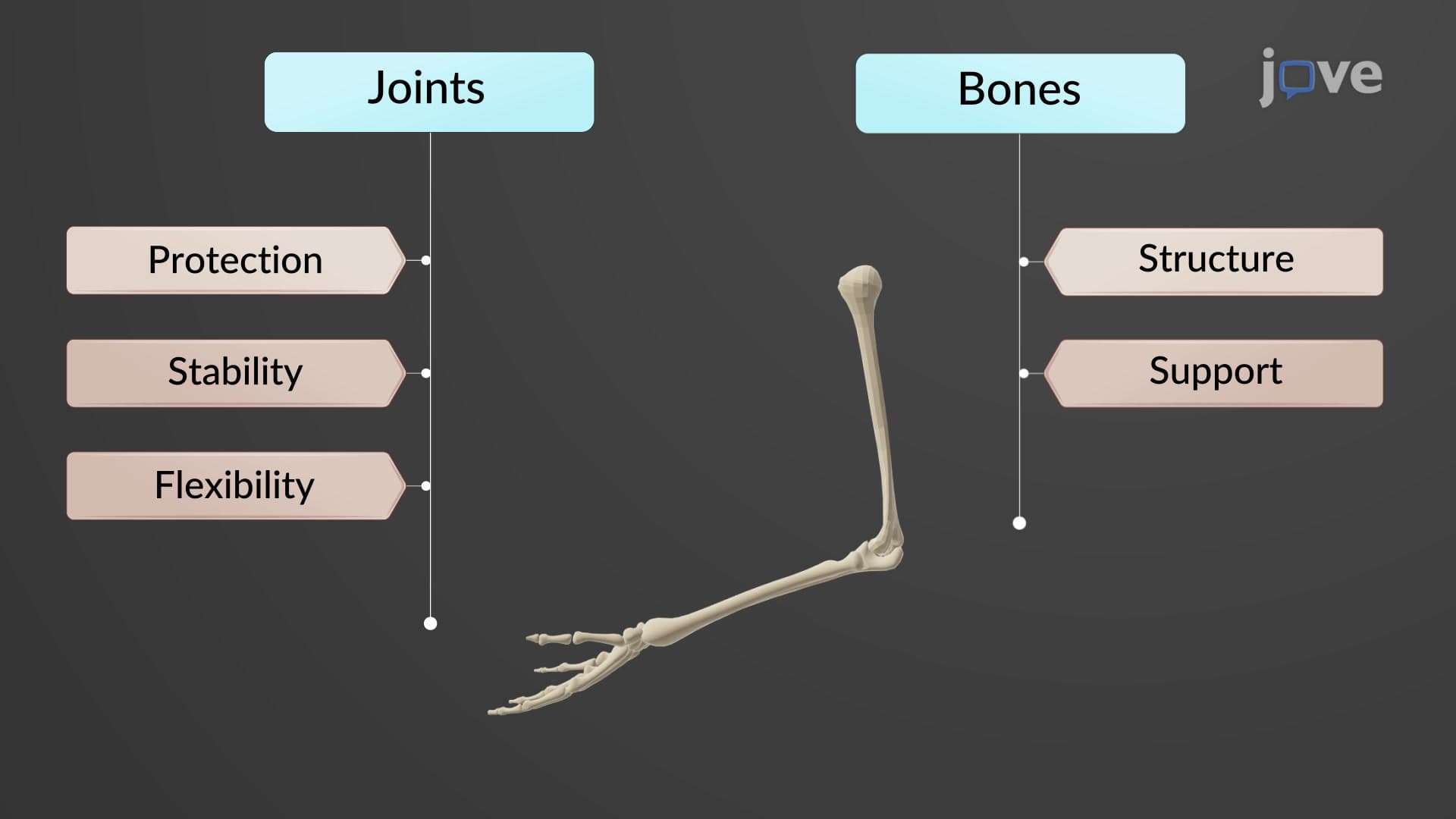
When the human skeletal system explained in detail, four key components emerge as essential players. Bones serve as the rigid framework, composed primarily of calcium phosphate and collagen, making them both strong and slightly flexible. The axial appendicular skeletal divisions organize these bones into central (skull, spine, rib cage) and peripheral (arms, legs) regions, each serving distinct functional roles.
Cartilage acts as your body's shock absorber system, found in joints like your knees and between vertebrae in your spine. Unlike bones, cartilage lacks blood vessels, receiving nutrients through diffusion-which explains why cartilage injuries heal slowly. Ligaments connect bone to bone, providing joint stability while allowing controlled movement. Tendons, often confused with ligaments, actually connect muscle to bone, transmitting the force generated by muscle contractions.
Understanding what is the skeletal system in human anatomy proves crucial for many US career paths. Physical therapists at institutions like the Mayo Clinic use this knowledge to rehabilitate patients with joint injuries. Athletic trainers for NFL teams apply skeletal system biology principles when assessing player injuries and designing recovery protocols.
For students preparing for the MCAT or nursing entrance exams like the HESI A2, skeleton anatomy overview questions frequently appear in biological sciences sections. AP Biology students encounter detailed skeletal system components when studying organ systems, while pre-med students must master bone cartilage ligament skeletal relationships for medical school success.
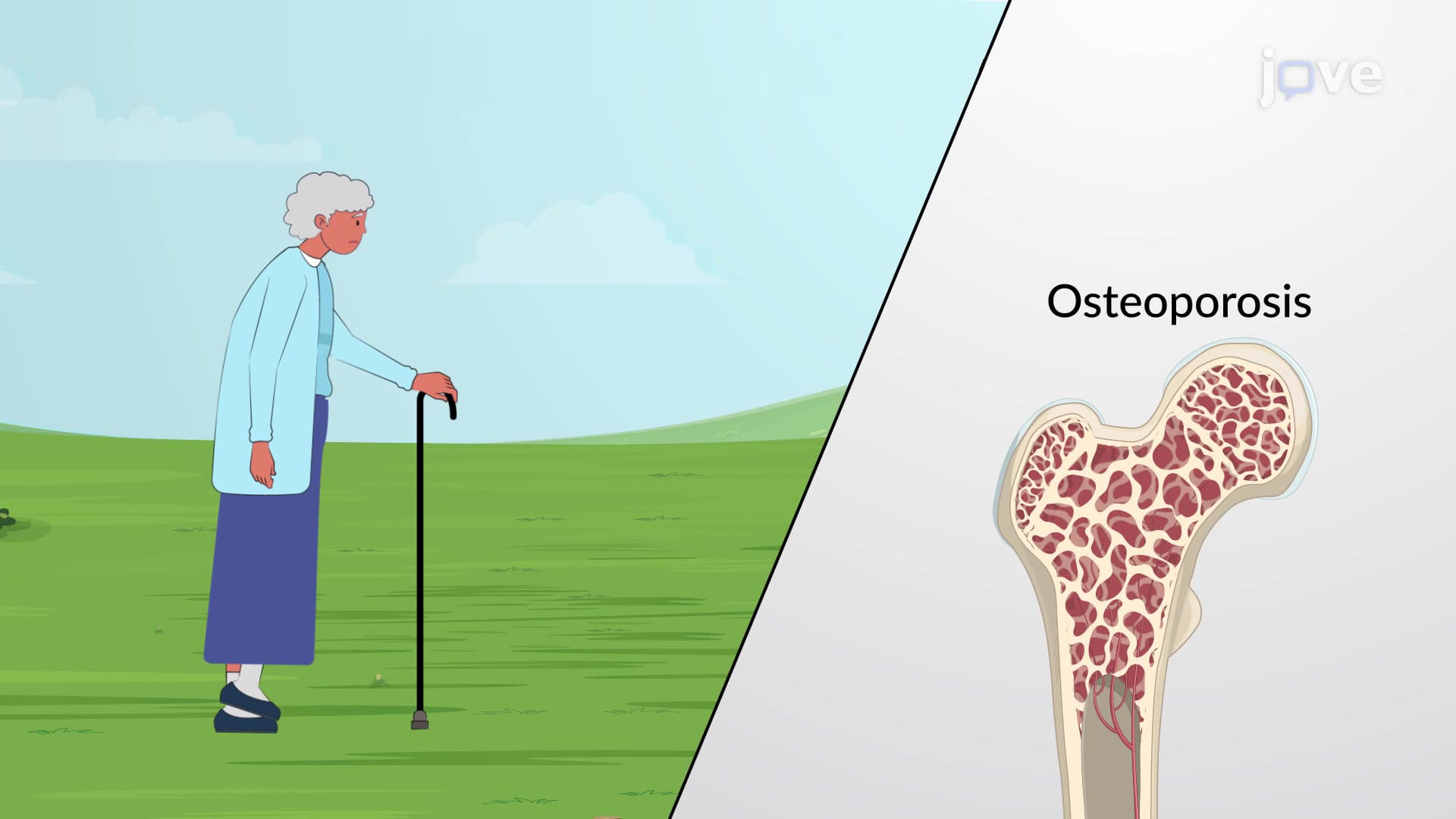
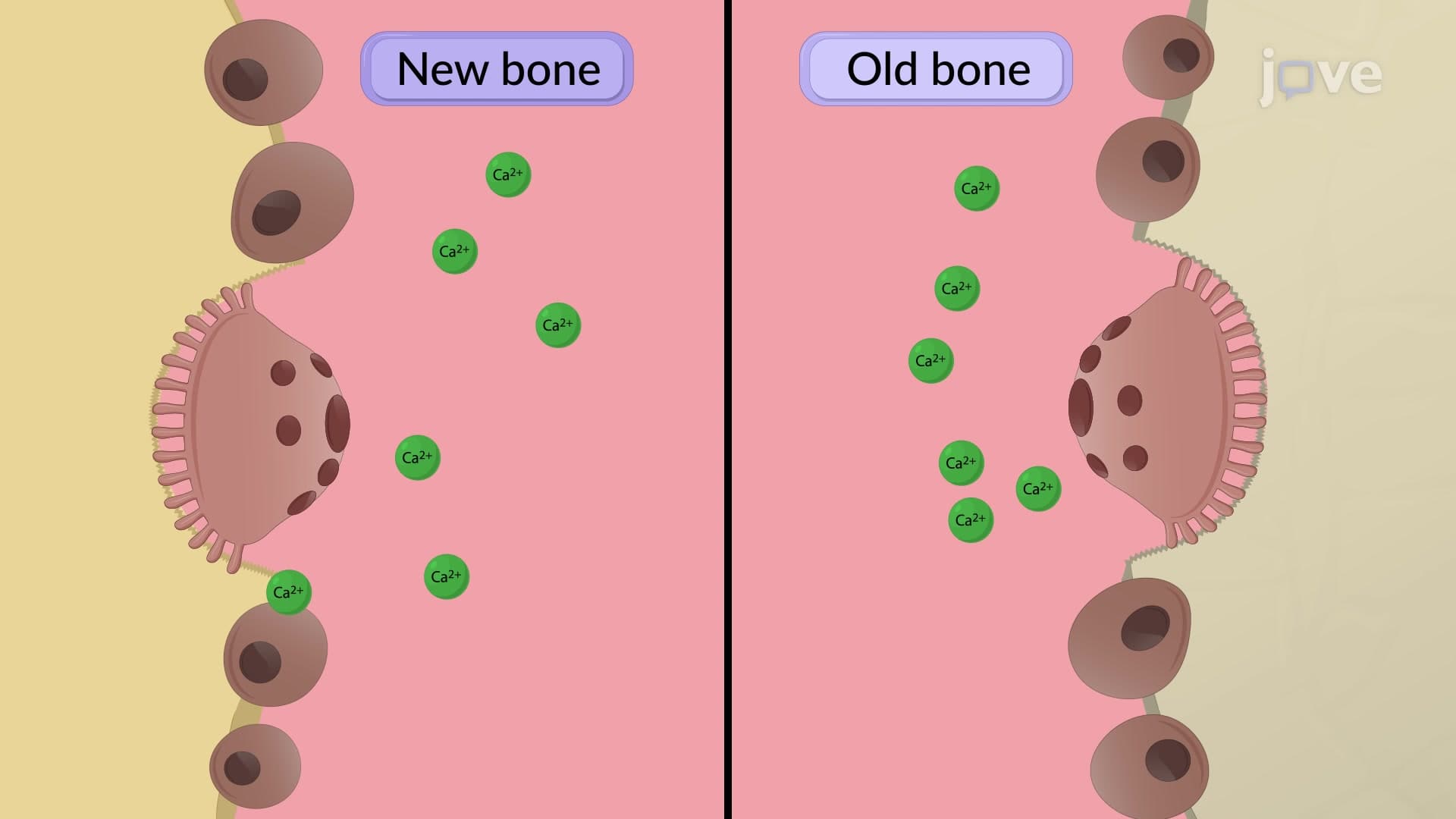
The skeletal system's importance becomes evident in disease states affecting millions of Americans. Osteoporosis weakens bones, particularly in postmenopausal women, leading to increased fracture risk. Rheumatoid arthritis attacks joint cartilage, causing pain and mobility limitations. Understanding normal skeletal system function helps healthcare professionals diagnose these conditions and develop effective treatment strategies in clinical settings across the United States.
Related Micro-courses