Loading subject page…

- Anatomy and Physiology
- Biochemistry of the Cell
- ATP Energy Storage and Release
Micro-course: Biochemistry of the Cell
218,707 views
Learn key concepts and earn your certificate.




ATP Energy Storage and Release

00:00
01:31
Video Summary: Atp Energy Storage and Release Explained
Every second, your muscle cells burn through billions of ATP molecules just to keep your heart beating, yet somehow, you never run out. ATP energy storage release mechanisms power everything from a marathon runner's stride to a student's late-night brain activity, making adenosine triphosphate the universal energy currency of life. Consider how emergency medical teams at Johns Hopkins Hospital rely on understanding cellular energy systems when treating patients with mitochondrial disorders that disrupt normal ATP production. Watch the full video on JoVE Coach to master this concept with expert-led visuals and step-by-step explanations.
- Understand the molecular structure of ATP energy storage and release systems, including adenine, ribose, and three critical phosphate groups
- Identify the high-energy phosphoanhydride bonds that make ATP hydrolysis energy release possible in cellular processes
- Analyze how ADP ATP regeneration occurs through substrate-level phosphorylation, oxidative phosphorylation, and photophosphorylation pathways
- Compare energy coupling mechanisms that link ATP breakdown to cellular work like muscle contraction and active transport
- Evaluate the role of ATP synthase and proton gradients in mitochondrial energy conversion processes
- Apply knowledge of cellular energy ATP systems to understand metabolic diseases and exercise physiology
- Recognize thermodynamic principles governing high energy phosphate bond formation and breakdown
- Explore connections between ATP synthesis energy pathways and real-world applications in medicine and biotechnology
Understanding ATP Energy Storage and Release Fundamentals
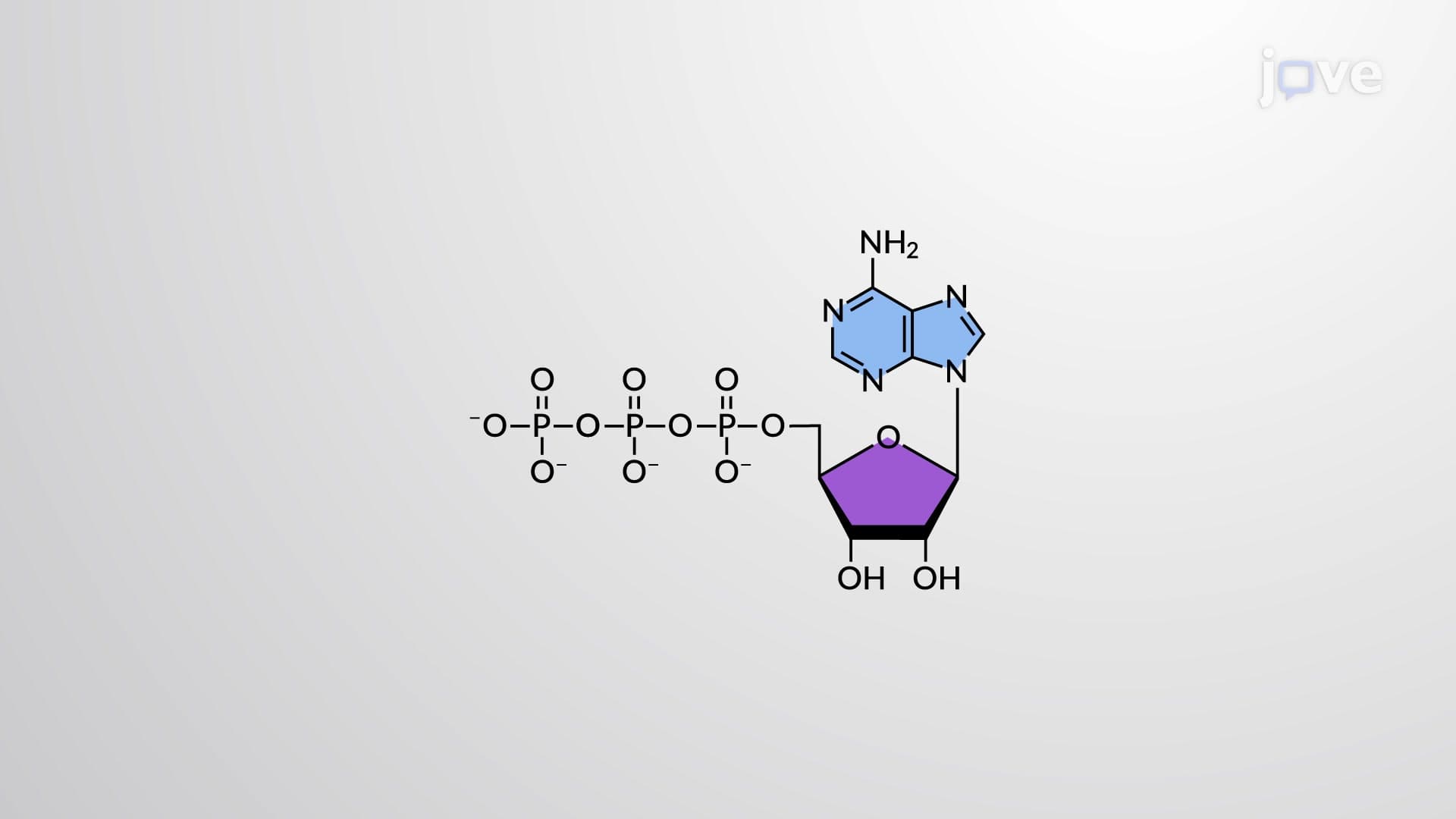
ATP serves as the primary energy currency because of its unique molecular architecture. The molecule consists of adenine (a purine base), ribose (a five-carbon sugar), and three phosphate groups connected by high-energy bonds. When cells need energy, they break the terminal phosphate bond through hydrolysis, releasing approximately 7.3 kcal/mol under standard cellular conditions. This ATP hydrolysis energy release drives essential processes from DNA replication to nerve impulse transmission.
Cellular Energy Systems: The ATP Cycle in Action
The beauty of cellular energy ATP systems lies in their cyclical nature. Cells constantly regenerate ATP from ADP (adenosine diphosphate) through three main pathways. Substrate-level phosphorylation occurs during glycolysis and the citric acid cycle, directly transferring phosphate groups to ADP. Oxidative phosphorylation in mitochondria uses the electron transport chain to create proton gradients that drive ATP synthase. In plants, photophosphorylation harnesses light energy for ATP production. This ADP ATP regeneration ensures cells maintain steady energy supplies even during periods of high demand, like when students cram for AP Biology exams or athletes push through intense training.
High-Energy Phosphate Bonds: The Chemistry Behind Cellular Power
The high energy phosphate bond concept explains why ATP works so effectively as an energy carrier. These phosphoanhydride bonds are thermodynamically unstable due to electrostatic repulsion between negatively charged phosphate groups. When hydrolyzed, the products (ADP and inorganic phosphate) are more stable than the original ATP molecule, making energy available for cellular work. This principle appears frequently on MCAT biochemistry sections and college-level physiology exams.
Clinical Applications and Real-World Relevance
Understanding ATP synthesis energy mechanisms has direct medical applications. Mitochondrial diseases affecting ATP production cause symptoms ranging from muscle weakness to neurodegeneration, conditions treated at leading medical centers like Mayo Clinic and Cleveland Clinic. Exercise physiologists use ATP knowledge to design training programs, while pharmaceutical researchers develop drugs targeting energy metabolism pathways. For pre-med students, mastering these concepts provides essential foundation knowledge for understanding cellular pathology and therapeutic interventions.
Frequently Asked Questions
ATP stores energy in high-energy phosphate bonds that release approximately 7.3 kcal/mol when broken through hydrolysis. It's called cellular "currency" because it provides readily available energy for virtually all cellular processes, from muscle contraction to biosynthesis. Unlike other energy sources, ATP can be rapidly regenerated and used throughout the cell.
AP Biology frequently tests ATP structure, the role of phosphate bonds in energy transfer, and connections to cellular respiration and photosynthesis. Expect questions about ATP's role in active transport, enzyme function, and metabolic pathways. Free response questions often require explaining energy coupling and ATP regeneration mechanisms.
MCAT Biological and Biochemical Foundations sections extensively cover ATP in cellular respiration, photosynthesis, and enzyme kinetics contexts. You'll encounter questions about thermodynamics of phosphorylation, ATP synthase function, and metabolic regulation. Understanding energy coupling is crucial for passages about muscle physiology and neurochemistry.
Emergency departments at major medical centers like Massachusetts General Hospital rely on ATP knowledge when treating patients with metabolic disorders, poisoning cases affecting cellular respiration, or conditions causing energy metabolism dysfunction. Understanding ATP helps medical teams interpret lab values and design appropriate interventions for mitochondrial diseases.
Not at all! ATP concepts build logically from basic chemistry principles you already know about bonds and energy. Start with the simple structure (adenine + ribose + phosphates), then understand that breaking bonds releases energy. Many successful students master this topic through visual learning and connecting it to familiar processes like muscle movement.
Focus on understanding the "why" before memorizing the "what." Create concept maps connecting ATP to cellular respiration, photosynthesis, and energy coupling. Practice drawing ATP structure and hydrolysis reactions. Use mnemonics for the three phosphorylation types: "Some Owls Prefer" (Substrate-level, Oxidative, Photophosphorylation).
Build on ATP knowledge by exploring cellular respiration details, including glycolysis, citric acid cycle, and electron transport chain mechanisms. Study photosynthesis pathways and how they compare to cellular respiration. Advanced topics include metabolic regulation, enzyme kinetics, and bioenergetics calculations that appear in upper-level biochemistry courses.
ATP knowledge provides the foundation for understanding muscle physiology, neural transmission, kidney function, and cardiovascular mechanics in courses at universities like Stanford or University of Michigan. Professors expect students to explain how energy drives active transport, maintain ion gradients, and power cellular work across all body systems.
During exercise, muscles rapidly consume ATP for contraction, requiring constant regeneration through phosphocreatine, glycolysis, and oxidative pathways. Sports medicine programs at institutions like University of Florida use ATP knowledge to design training protocols, understand fatigue mechanisms, and optimize athletic performance through proper nutrition and conditioning strategies.
Related Micro-courses
21 Concepts

15 Concepts
16 Concepts