Loading subject page…

- Anatomy and Physiology
- Biochemistry of the Cell
- Fats as Energy Storage Molecules
Micro-course: Biochemistry of the Cell
218,707 views
Learn key concepts and earn your certificate.





Fats as Energy Storage Molecules

00:00
01:06
Video Summary: Fats as Energy Storage Molecules Explained
Why can a marathon runner survive weeks without food but only days without water? Fats energy storage molecules hold the answer-they pack more than twice the energy per gram compared to carbohydrates, making them the body's ultimate fuel reserve. Consider how hibernating bears in Yellowstone National Park survive months without eating by relying entirely on stored fat reserves. This biochemical masterpiece of Fats As Energy Storage Molecules Explained reveals how triglycerides, adipose tissue, and fat metabolism work together to power human survival and athletic performance. Watch the full video on JoVE Coach to master this concept with expert-led visuals and step-by-step explanations.
- Understand how Fats As Energy Storage Molecules Explained demonstrates why triglycerides are the body's most efficient long-term energy reserve, storing 9 kcal/g compared to 4 kcal/g for carbohydrates
- Identify the molecular structure of triglycerides, including glycerol backbone and three fatty acid chains, and explain how their hydrophobic properties enable concentrated energy storage
- Analyze the biochemical processes of lipogenesis (fat synthesis) and lipolysis (fat breakdown) that regulate energy storage and release in adipose tissue
- Compare beta-oxidation pathways with carbohydrate metabolism to understand why fats provide sustained energy during fasting and endurance exercise
- Evaluate hormonal regulation of fat metabolism, particularly the roles of insulin, glucagon, and epinephrine in controlling energy storage versus mobilization
- Apply knowledge of fat energy storage to real-world scenarios including obesity, diabetes, athletic performance, and metabolic syndrome management
- Recognize how disrupted fat metabolism contributes to common health conditions and understand therapeutic approaches targeting lipid pathways
- Explore the evolutionary advantages of fat storage and its critical role in human survival during periods of food scarcity
Understanding Fats As Energy Storage Molecules Explained
Fats represent nature's most efficient biological battery, evolved over millions of years to provide sustainable energy during times of scarcity. Unlike carbohydrates that provide quick bursts of energy, triglycerides excel at long-term energy storage due to their unique molecular architecture and biochemical properties.
Triglyceride Structure and Energy Density
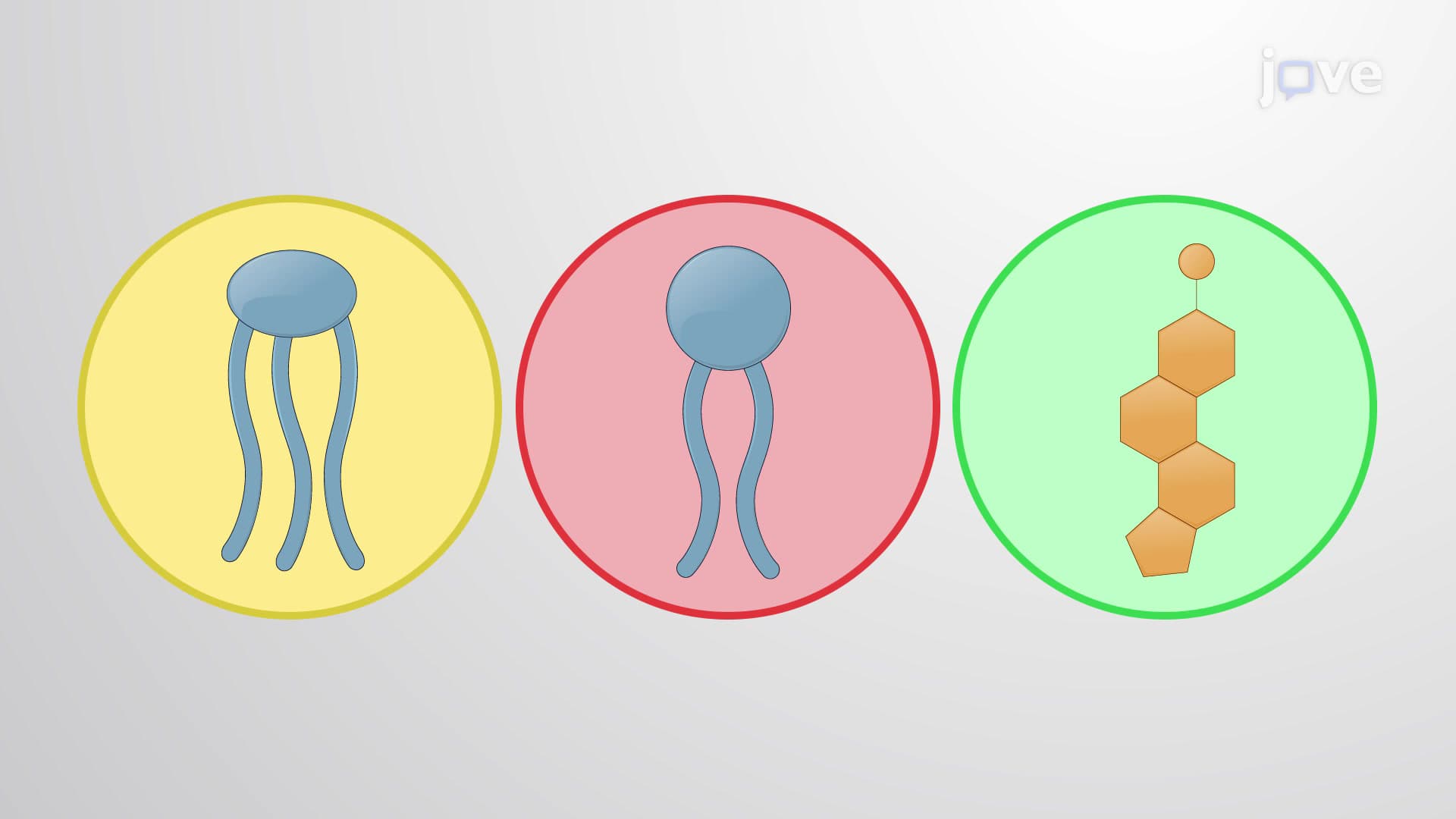
Triglyceride energy storage begins with molecular structure. Each triglyceride consists of one glycerol molecule bonded to three fatty acid chains through ester linkages. This configuration creates a hydrophobic molecule that clusters together without water interference, allowing maximum energy concentration. The numbers are striking: fats deliver 9 kilocalories per gram, while carbohydrates and proteins provide only 4 kilocalories per gram. For AP Biology students, this 2.25:1 energy ratio frequently appears on exams when comparing macronutrient efficiency.
Adipose Tissue: The Body's Energy Warehouse
Adipose tissue energy storage occurs primarily in subcutaneous and visceral fat deposits. Adipocytes (fat cells) can expand dramatically-up to 1,000 times their original size-to accommodate triglyceride storage. This explains how the average American adult stores approximately 135,000 kilocalories in fat reserves, enough energy to sustain basic metabolism for nearly two months. Medical schools emphasize this concept when teaching about obesity and metabolic disorders, as enlarged adipocytes contribute to insulin resistance and inflammation.
Fat Metabolism: Energy Release Through Beta-Oxidation
Fat oxidation energy production involves complex biochemical pathways that MCAT students must master. During lipolysis, hormone-sensitive lipase breaks triglycerides into glycerol and free fatty acids. These fatty acids undergo beta-oxidation in mitochondria, where each cycle removes two-carbon acetyl-CoA units that enter the Krebs cycle. A single palmitic acid molecule (16 carbons) generates 129 ATP molecules through complete oxidation-far exceeding glucose's yield of 32 ATP molecules. This efficiency explains why endurance athletes like ultramarathoners depend heavily on fat metabolism during extended exercise.
Clinical Applications and Health Implications
Understanding fatty acid energy molecule function proves essential for healthcare professionals. Diabetic ketoacidosis occurs when excessive fat breakdown produces ketone bodies, while metabolic syndrome involves disrupted fat storage and utilization. Nutritionists apply these principles when designing weight management programs, recognizing that sustainable fat loss requires creating energy deficits that promote lipolysis while preserving lean muscle mass. The knowledge directly impacts patient care in hospitals across the United States, from managing obesity epidemics to treating eating disorders.
Frequently Asked Questions
Fats as energy storage molecules are triglycerides that serve as the body's primary long-term energy reserve, storing more than twice the energy per gram compared to carbohydrates or proteins. They're crucial because they enable survival during fasting periods and provide sustained energy for extended physical activity. This efficiency makes fat storage an evolutionary advantage that helped humans survive food shortages throughout history.
Fats function as energy storage molecules by packing 9 kcal/g in hydrophobic triglycerides that don't require water for storage, while carbohydrates store only 4 kcal/g and bind significant water weight. This means fat storage is more space-efficient and provides longer-lasting energy reserves. Additionally, fat metabolism produces more ATP molecules per carbon atom through beta-oxidation compared to glucose metabolism.
Yes, fat energy storage frequently appears on both MCAT and AP Biology exams, particularly regarding energy yield calculations, metabolic pathways, and hormonal regulation. The MCAT often tests beta-oxidation mechanisms and ATP yield comparisons, while AP Biology focuses on triglyceride structure and cellular respiration connections. Students should memorize that fats provide 9 kcal/g and understand the basic lipolysis process.
Focus on memorizing key numbers (9 kcal/g for fats vs 4 kcal/g for carbs), understanding beta-oxidation steps, and learning hormonal controls like insulin promoting fat storage while glucagon stimulates fat breakdown. Practice drawing triglyceride structures and calculating ATP yields from fatty acid oxidation. Many college exams emphasize the clinical relevance of fat metabolism in diabetes and obesity.
Consider a nurse working a 12-hour shift at Johns Hopkins Hospital who skips lunch due to emergency patient care. Her body automatically switches to fat metabolism, breaking down stored triglycerides through lipolysis to maintain blood glucose and provide sustained energy. This fat oxidation allows her to function effectively for hours without food, demonstrating how efficient fat energy storage supports demanding professions.
Not at all-fat energy storage builds naturally on basic chemistry concepts you already know like molecular bonding and energy. The key is understanding that fats are simply energy-dense molecules that break down when your body needs fuel, similar to how a battery stores and releases electrical energy. Start with the big picture concepts before diving into detailed biochemical pathways.
Create visual diagrams showing triglyceride breakdown into glycerol and fatty acids, then follow fatty acids through beta-oxidation to acetyl-CoA and the Krebs cycle. Use flashcards for key numbers (9 kcal/g, ATP yields) and practice explaining the process out loud to solidify understanding. Focus on connecting fat metabolism to real scenarios like exercise, fasting, and disease states that commonly appear on exams.
Explore carbohydrate metabolism and glycolysis to understand how different macronutrients provide energy under various conditions, then advance to studying metabolic regulation and how hormones coordinate energy storage versus utilization. This knowledge connects beautifully to endocrinology and nutrition science, opening pathways toward healthcare careers or advanced biochemistry courses.
Related Micro-courses

21 Concepts

15 Concepts
16 Concepts