Loading subject page…

- Anatomy and Physiology
- Biochemistry of the Cell
- Sugars as Energy Storage Molecules
Micro-course: Biochemistry of the Cell
218,705 views
Learn key concepts and earn your certificate.


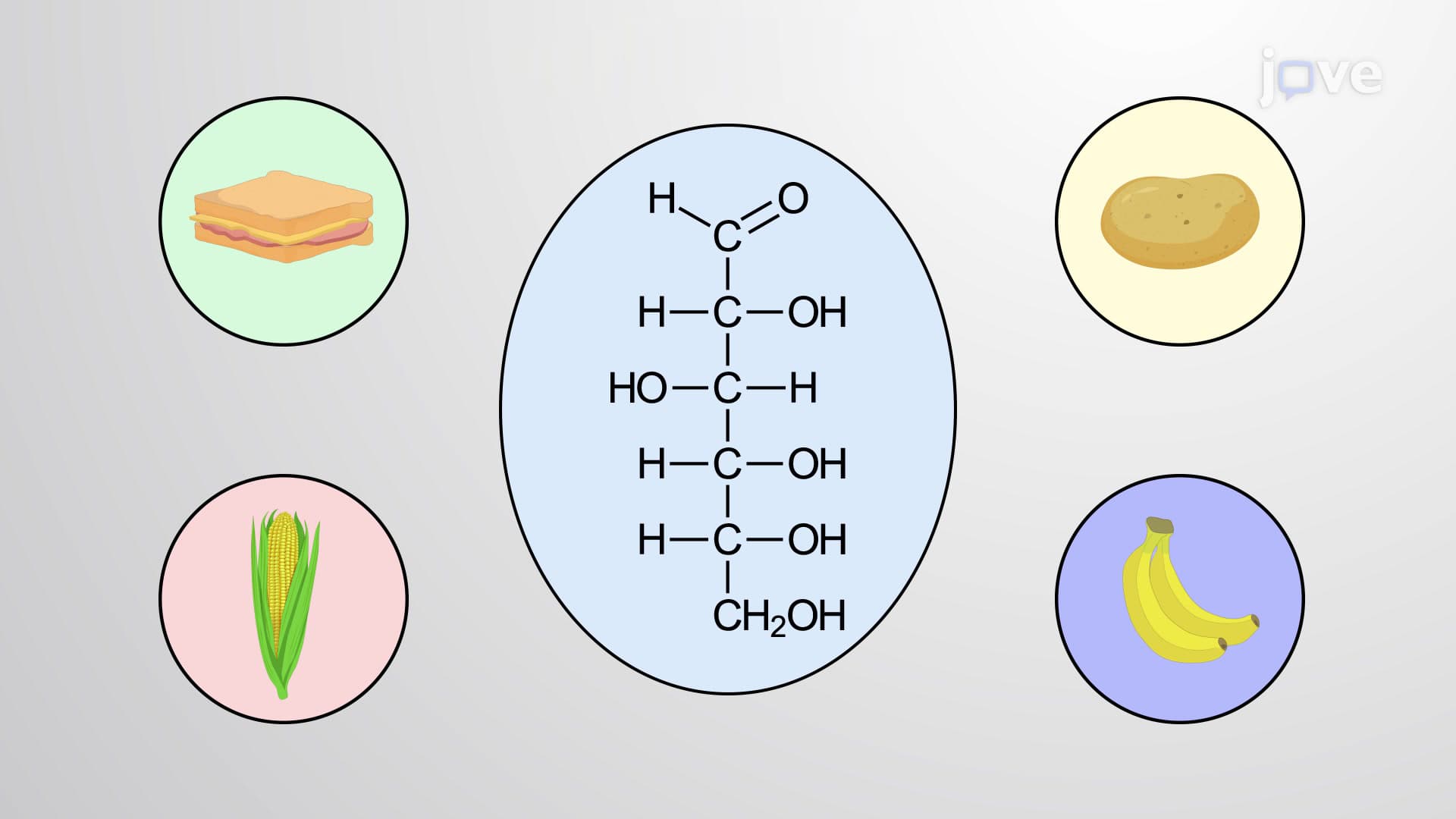
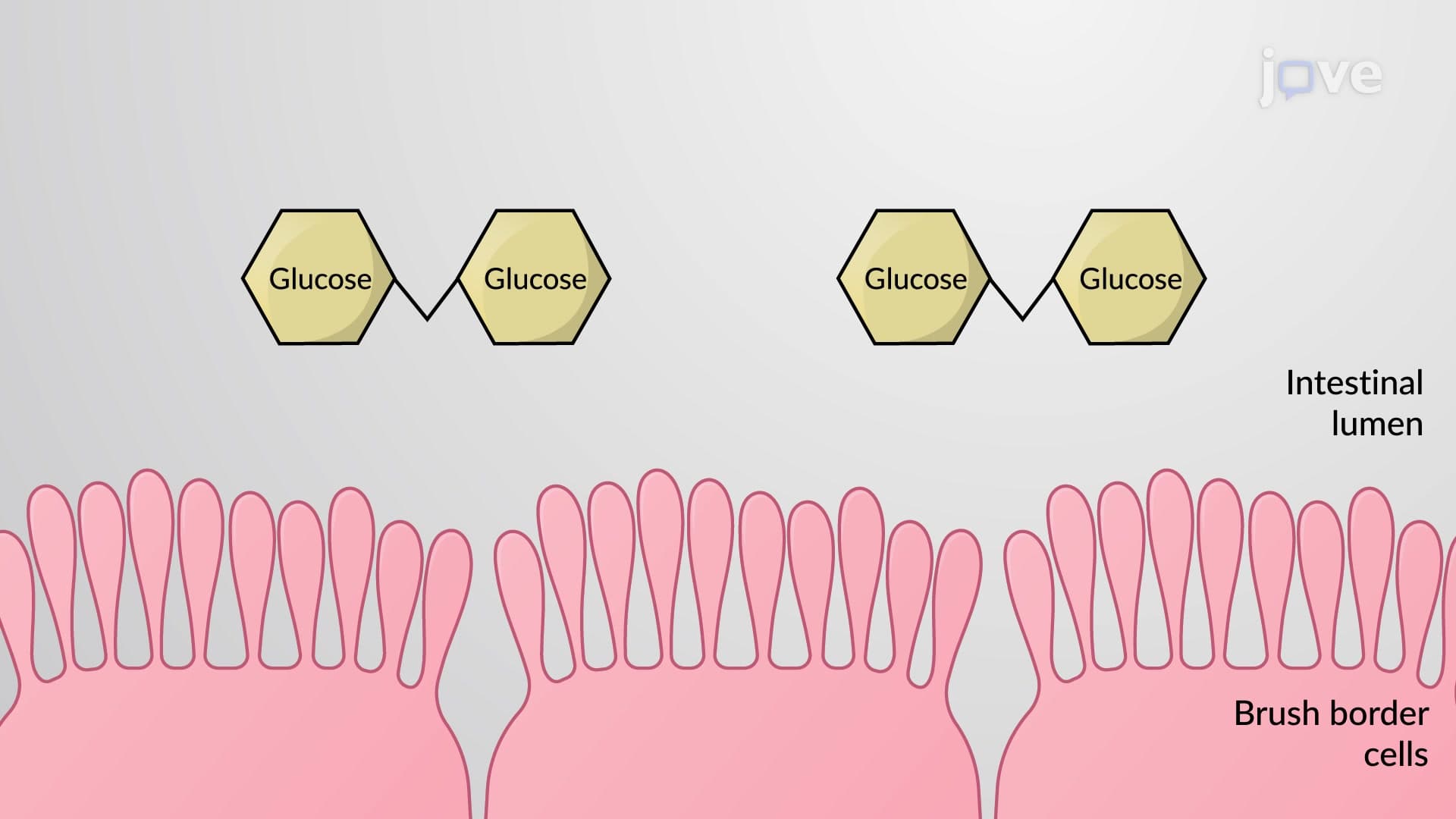
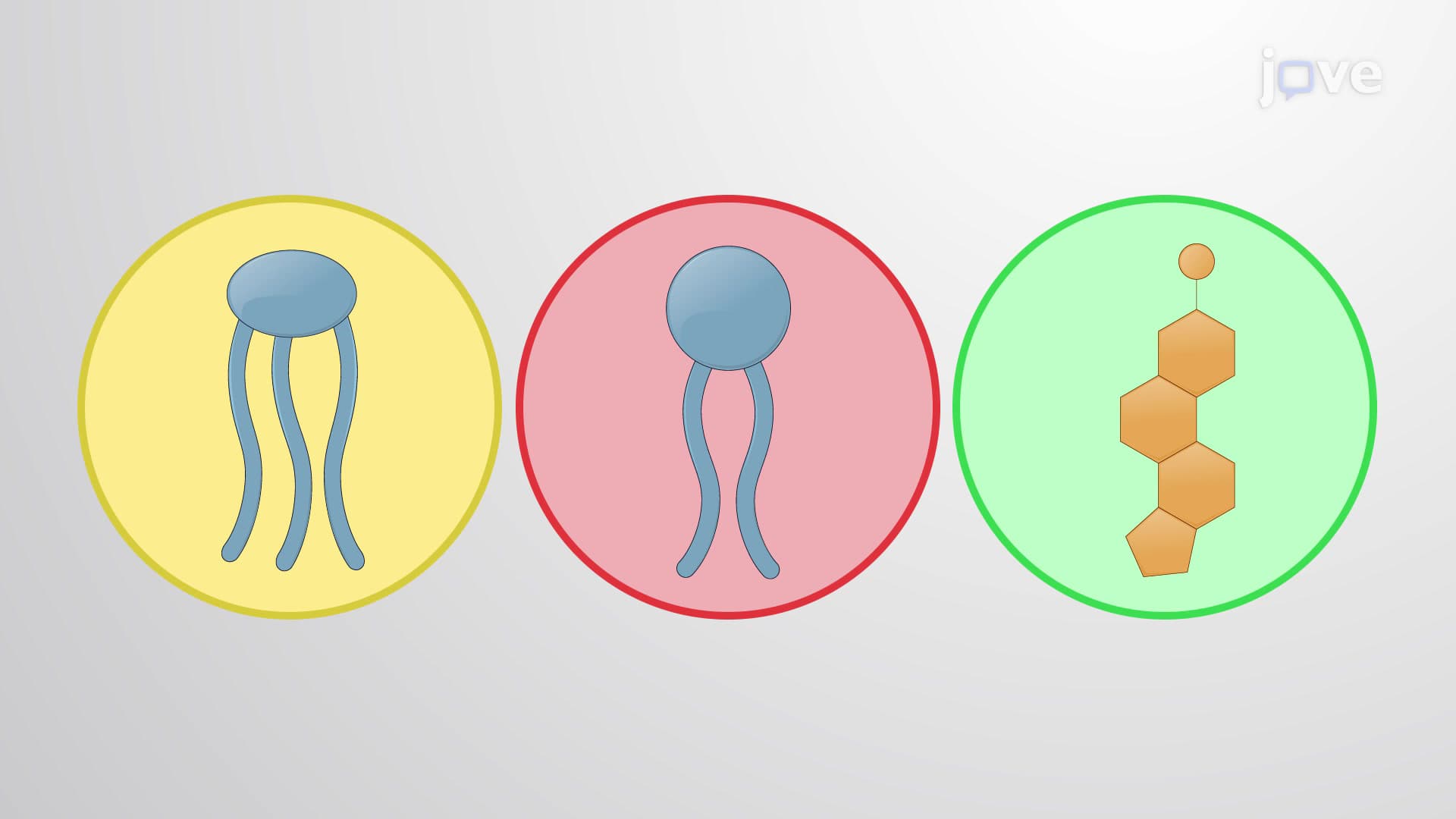
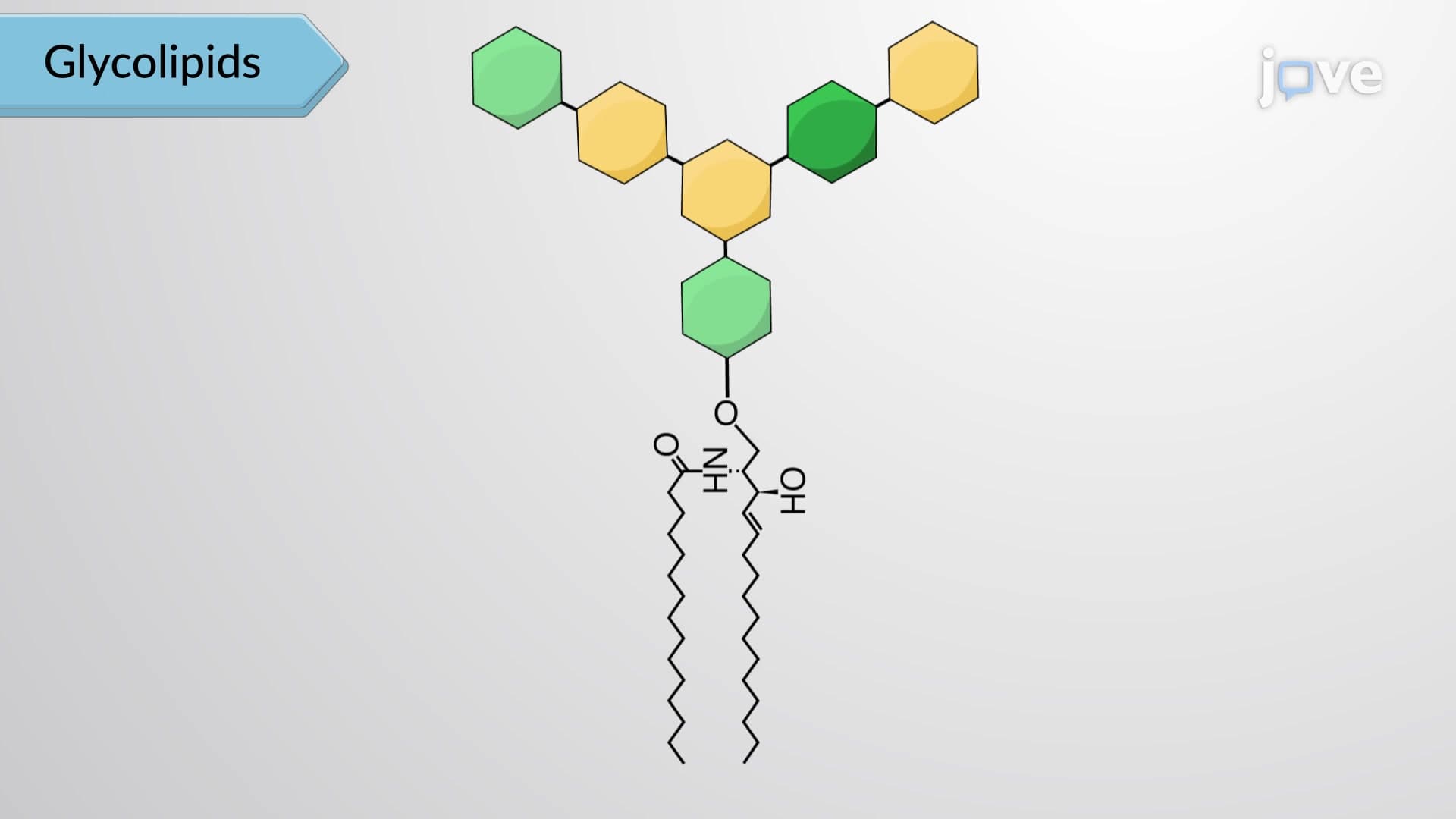


Sugars as Energy Storage Molecules

00:00
01:10
Video Summary: Sugars as Energy Storage Molecules Explained
Did you know that your muscles store enough sugar to power a 20-mile marathon run? Sugars energy storage molecules like glycogen pack incredible amounts of readily available energy into compact biological structures. When a marathon runner hits "the wall" around mile 20, they've essentially depleted their glycogen reserves, forcing their body to switch to less efficient fat metabolism. Understanding sugars as energy storage molecules explained reveals how organisms from bacteria to humans have evolved sophisticated carbohydrate banking systems to survive periods without food. Watch the full video on JoVE Coach to master this concept with expert-led visuals and step-by-step explanations.
- Understand the fundamental principles behind sugars as energy storage molecules explained and distinguish between immediate energy sources and long-term reserves
- Identify the structural differences between glycogen in animals and starch in plants, including their branching patterns and glucose linkages
- Analyze the enzymatic mechanisms controlling glycogen synthesis and breakdown, focusing on glycogen synthase and glycogen phosphorylase regulation
- Compare the efficiency of different carbohydrate storage strategies across various organisms and tissue types
- Evaluate how glycogen storage diseases affect normal metabolism and energy availability in clinical contexts
- Apply knowledge of sugar energy storage to real-world scenarios like athletic performance, fasting states, and diabetes management
- Recognize the evolutionary advantages of polysaccharide energy storage over simple sugar accumulation
- Explore the integration of sugar energy storage with other metabolic pathways including gluconeogenesis and lipid metabolism
Understanding Sugars As Energy Storage Molecules
Sugar energy storage biology operates on a simple yet elegant principle: convert readily available glucose into stable, space-efficient polymers that can be rapidly mobilized when energy demands spike. Unlike fats, which provide more calories per gram, sugar-based energy storage offers immediate accessibility-your body can break down glycogen to glucose in seconds, while fat metabolism requires minutes to hours to reach peak efficiency.
Glycogen: The Animal Energy Vault
Glycogen energy storage represents biological engineering at its finest. This highly branched polymer contains thousands of glucose units connected primarily by α-1,4-glycosidic bonds, with α-1,6 branch points occurring approximately every 8-12 glucose residues. This branching structure isn't accidental-it creates multiple endpoints for simultaneous enzyme action, allowing rapid glucose release during fight-or-flight responses or intense exercise.
Human liver cells store roughly 100-120 grams of glycogen, while skeletal muscles hold 300-400 grams. During a typical SAT exam, your brain consumes about 20% of your body's glucose, drawing heavily on these hepatic glycogen reserves to maintain cognitive function during the 3-hour testing period.
Plant Starch Storage Systems
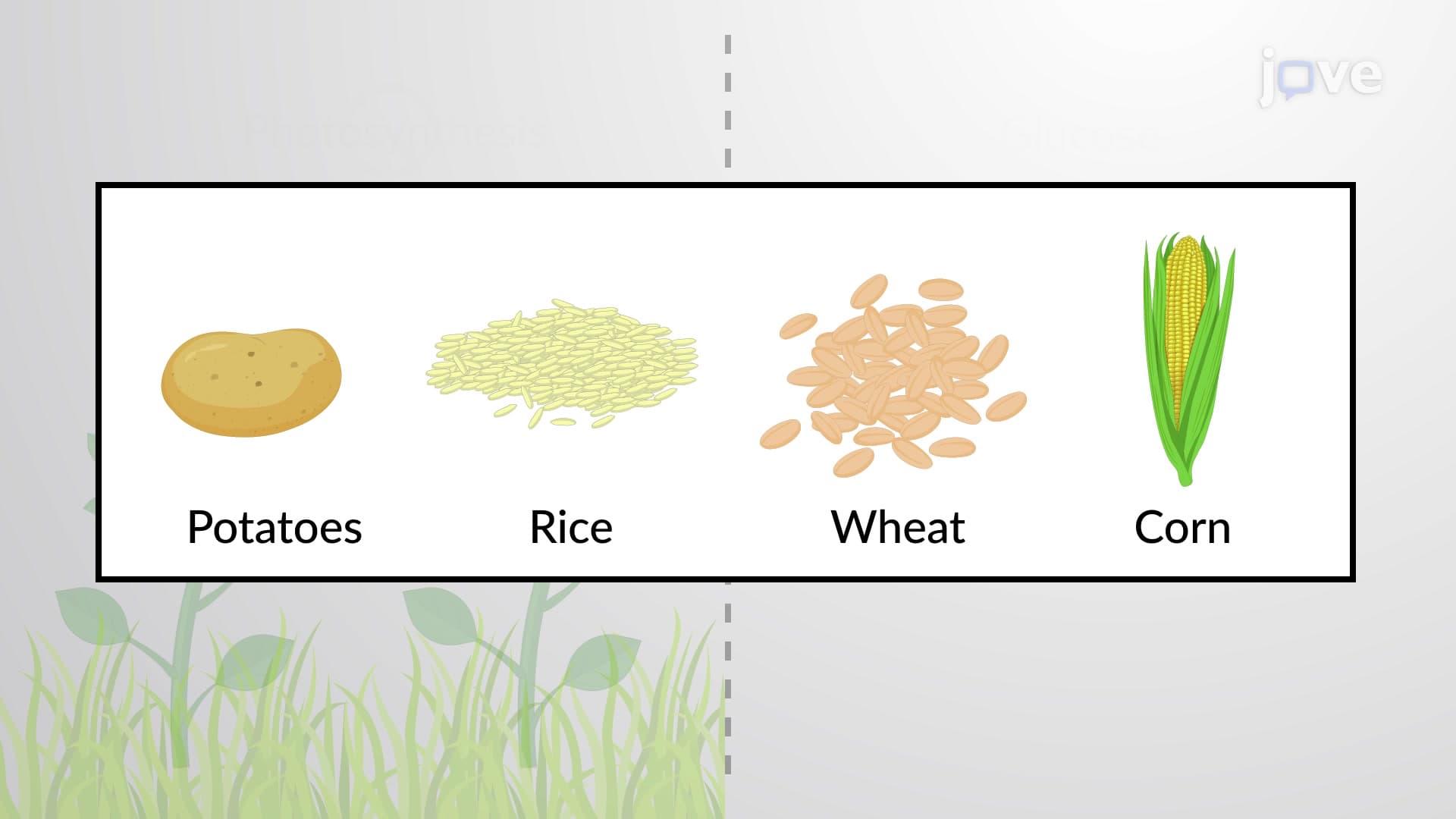
Plants employ starch sugar storage through two distinct molecular forms: amylose and amylopectin. Amylose consists of unbranched glucose chains, while amylopectin features branching similar to glycogen but with branch points every 20-30 glucose units. This difference explains why potatoes provide sustained energy release compared to the quick glucose spike from pure sugar-the digestive enzymes require more time to access glucose units buried within starch's complex structure.
Clinical and Academic Applications
Understanding how sugars function as energy storage molecules proves crucial for MCAT preparation, particularly in biochemistry and physiology sections. Glycogen storage diseases like Pompe disease or Von Gierke disease demonstrate what happens when these systems malfunction. Students studying for AP Biology exams frequently encounter questions about glycogen regulation during hormonal responses-insulin promotes storage while glucagon and epinephrine trigger breakdown.
The concept also appears in college-level biochemistry courses when discussing metabolic flexibility. During prolonged exercise, like a cross-country race, athletes initially rely on muscle glycogen, then hepatic glucose output, and finally shift to gluconeogenesis and fat oxidation as glycogen stores become depleted.
Frequently Asked Questions
Sugars as energy storage molecules are complex carbohydrates like glycogen and starch that store glucose units for later energy release. They provide rapid, accessible energy during exercise, stress, or fasting periods when immediate glucose isn't available from food. Unlike simple sugars that cause blood sugar spikes, these storage forms release glucose steadily as needed.
MCAT biochemistry sections frequently test glycogen synthesis and breakdown pathways, enzyme regulation, and hormonal control mechanisms. AP Biology exams emphasize comparing plant and animal storage strategies, molecular structures, and evolutionary advantages. Expect questions about glycogen phosphorylase, glycogen synthase, and the role of insulin and glucagon in regulating these processes.
MCAT content includes glycogen metabolism pathways, allosteric enzyme regulation, hormonal signaling cascades, and metabolic diseases. You'll encounter questions about glycogen storage diseases, the glucose-alanine cycle, and how tissues prioritize different fuel sources. Understanding these connections helps with both biochemistry and physiology passages on the exam.
College courses typically cover glycogen metabolism in detail, including enzyme kinetics, allosteric regulation, and covalent modification cascades. Students learn about tissue-specific differences-liver glycogen maintains blood glucose while muscle glycogen fuels local activity. Lab exercises often involve enzyme assays measuring glycogen phosphorylase activity under different conditions.
Marathon runners experience "hitting the wall" when glycogen stores deplete around mile 20, forcing reliance on slower fat metabolism. Diabetic patients must understand how their liver releases glucose overnight to prevent hypoglycemia. Emergency room physicians recognize glycogen depletion in prolonged seizure patients who require immediate glucose administration.
Basic understanding of chemical bonds and enzyme function suffices for introductory study. High school chemistry knowledge about molecular structures and enzyme-substrate interactions provides adequate foundation. The biological significance matters more than memorizing complex chemical formulas-focus on understanding why organisms store energy this way rather than detailed biochemical mechanisms.
Create comparison charts showing glycogen versus starch structures, storage locations, and mobilization mechanisms. Practice drawing simplified glycogen breakdown pathways with key enzymes labeled. Use real-world scenarios like exercise physiology or diabetes management to contextualize abstract biochemical processes and improve retention.
Investigate metabolic integration during different physiological states-fed, fasting, and exercise conditions. Study glycogen storage diseases and their molecular basis. Explore comparative metabolism across species and evolutionary adaptations. Advanced students can examine allosteric regulation mechanisms and signal transduction cascades controlling carbohydrate metabolism.
Related Micro-courses
21 Concepts

15 Concepts
16 Concepts