Loading subject page…

- Anatomy and Physiology
- Biochemistry of the Cell
- Introduction to Electrolytes
Micro-course: Biochemistry of the Cell
218,705 views
Learn key concepts and earn your certificate.




Introduction to Electrolytes

00:00
01:33
Video Summary: What are Electrolytes
Did you know that every time you sweat during a workout at your local gym, you're losing essential charged particles that keep your heart beating regularly? Electrolytes explained biology reveals how these vital substances-including sodium, potassium, and chloride ions-maintain critical body functions through their electrical conductivity in body fluids. When table salt (NaCl) dissolves in your sports drink, it separates into sodium and chloride ions that help transport glucose into your cells and regulate muscle contractions. Watch the full video on JoVE Coach to master this concept with expert-led visuals and step-by-step explanations.
- Understand what are electrolytes and how inorganic substances like salts, acids, and bases dissociate into cations and anions in aqueous solutions
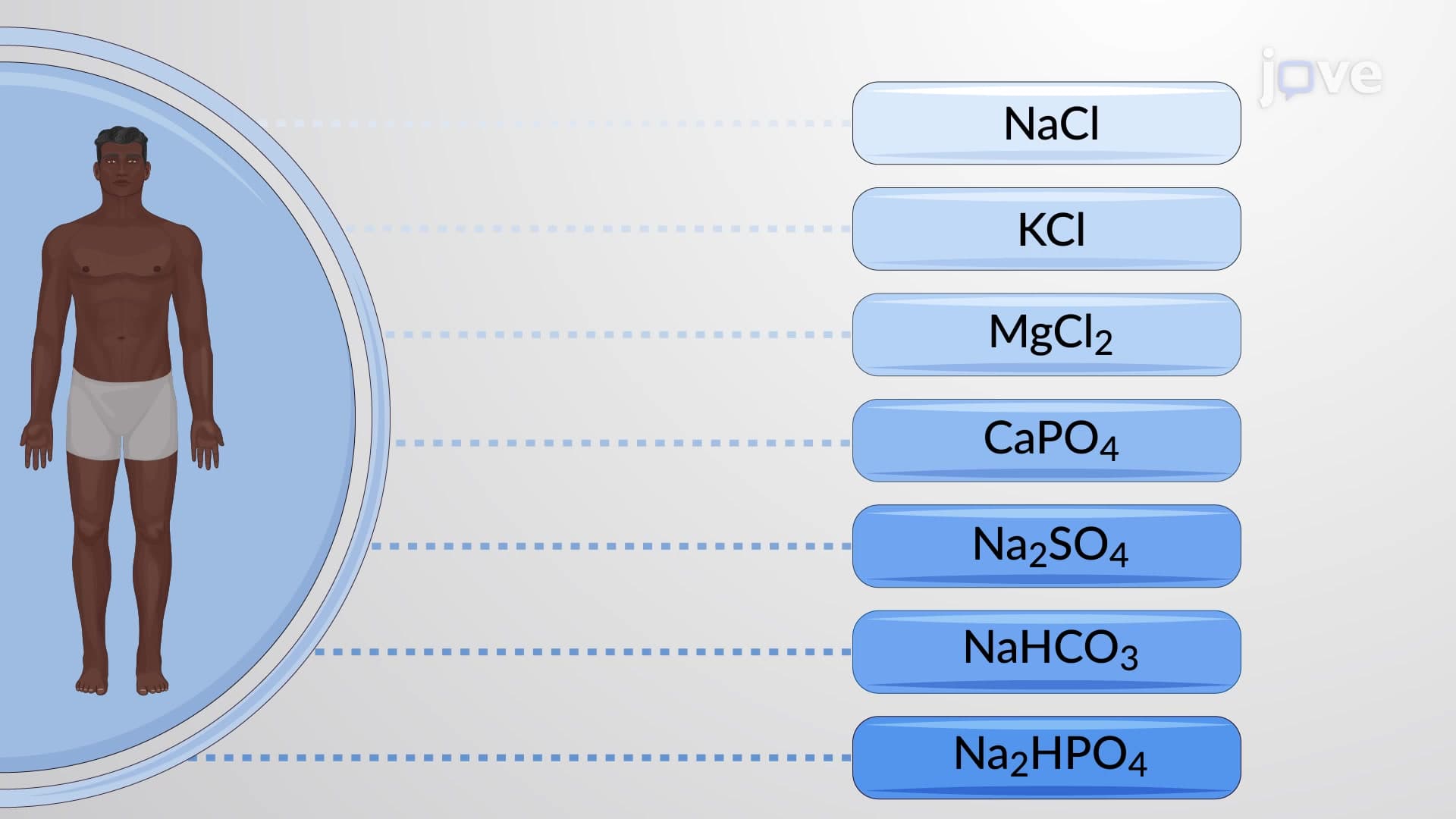
- Identify the major electrolytes in human body fluids, including sodium chloride (NaCl), potassium chloride (KCl), and calcium phosphate (CaPO4)
- Analyze the molecular mechanisms by which electrolyte ions facilitate essential physiological processes like glucose transport and muscle contraction
- Compare the roles of different cations (Na+, K+, Ca2+, Mg2+) and anions (Cl-, PO43-, HCO3-) in maintaining cellular homeostasis
- Evaluate how electrolyte imbalances affect body systems, from muscle paralysis due to low potassium to cardiac arrhythmias from excess levels
- Apply knowledge of electrolyte balance to explain real-world scenarios like dehydration, sports performance, and medical conditions
- Recognize sources of electrolyte intake through diet and routes of loss through urine, sweat, and feces
- Explore the connection between electrolyte conductivity and their biological functions in nerve transmission and fluid regulation
Understanding What Are Electrolytes: The Foundation of Cellular Function
Electrolytes explained biology begins with understanding that these substances are far more than simple dissolved particles-they're the electrical foundation of life itself. When inorganic compounds like sodium chloride (table salt), potassium chloride, or magnesium sulfate dissolve in water, they undergo dissociation, breaking apart into positively charged cations and negatively charged anions. This process transforms neutral compounds into electrically active ions that can conduct electricity, making them essential for nerve impulses, muscle contractions, and cellular transport processes.
The Major Players: Common Electrolytes in Human Physiology
The human body relies on seven primary electrolytes that maintain physiological balance. Sodium chloride (NaCl) produces Na+ and Cl- ions, with sodium being crucial for maintaining blood pressure and cellular fluid balance. Potassium chloride (KCl) generates K+ ions essential for heart rhythm and muscle function-this is why bananas, rich in potassium, are popular among athletes. Calcium phosphate (CaPO4) provides Ca2+ ions for bone strength and muscle contraction, while magnesium chloride (MgCl2) supplies Mg2+ ions for over 300 enzymatic reactions. The remaining electrolytes-sodium sulfate (Na2SO4), sodium bicarbonate (NaHCO3), and sodium hydrogen phosphate (Na2HPO4)-serve specialized roles in pH buffering and metabolic processes.
Electrolyte Transport Mechanisms and Cellular Functions
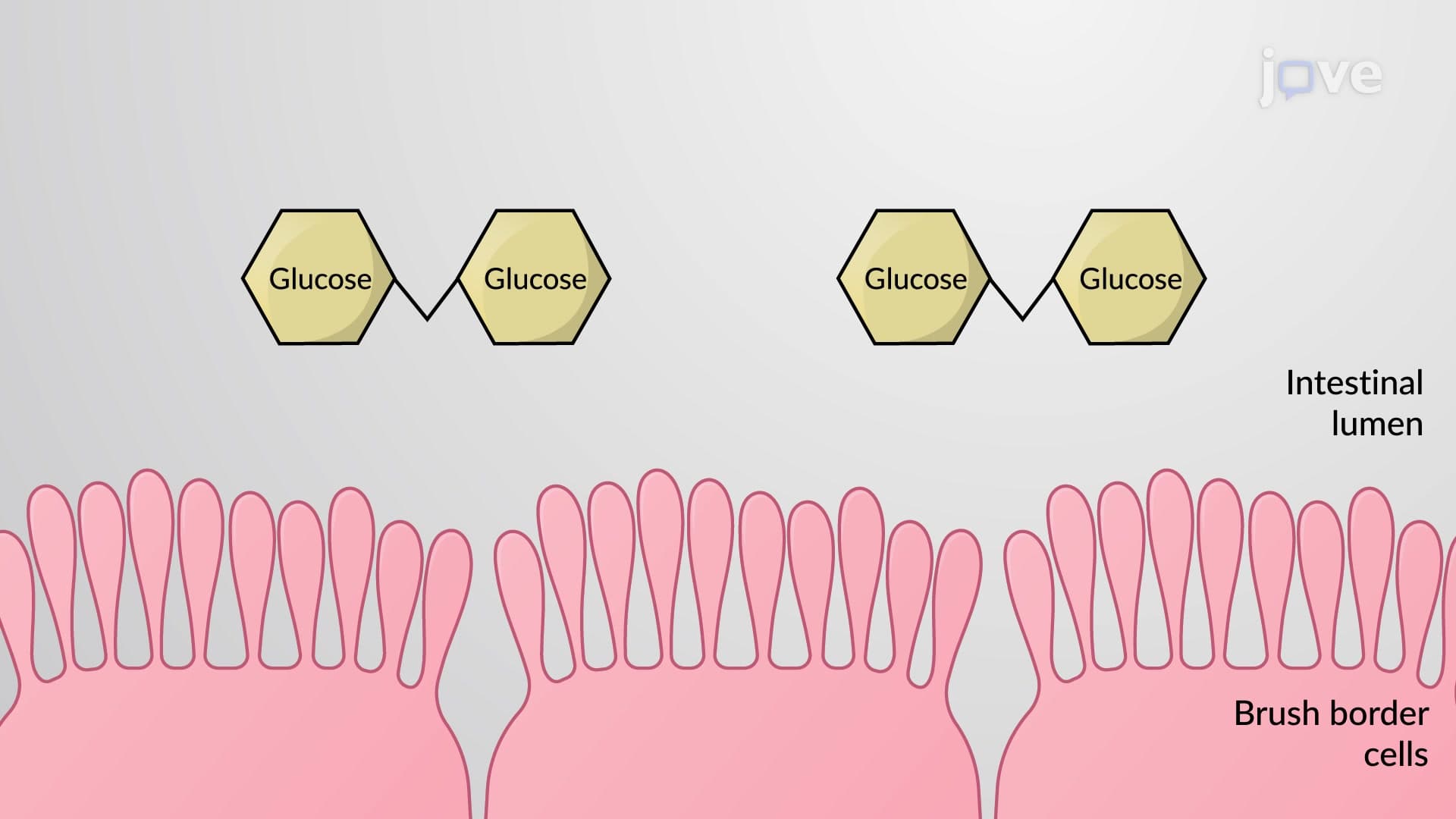
One of the most elegant examples of electrolyte function occurs in intestinal glucose absorption through the sodium-glucose-linked transporter 1 (SGLT1). This protein demonstrates how electrolyte ion solution properties enable biological work: it uses the concentration gradient of sodium ions to actively transport glucose into intestinal cells, even against glucose's concentration gradient. This process, called secondary active transport, exemplifies how electrolyte gradients power essential cellular functions throughout the body.
Clinical Significance and Homeostatic Balance
Maintaining proper electrolyte balance body function is critical for health, as demonstrated in clinical settings across US hospitals. Hypokalemia (low potassium) can cause muscle weakness severe enough to require emergency intervention, while hyperkalemia (excess potassium) can trigger life-threatening cardiac arrhythmias. These concepts frequently appear on the MCAT, AP Biology exams, and in college physiology courses, where students must understand both the molecular mechanisms and clinical implications. For pre-med students, mastering electrolyte balance is essential preparation for understanding fluid therapy, sports medicine, and emergency medicine scenarios they'll encounter in medical school and residency.
Frequently Asked Questions
Electrolytes are inorganic substances (acids, bases, or salts) that dissociate into charged ions when dissolved in water, creating solutions capable of conducting electricity. In biological systems, these ions include sodium (Na+), potassium (K+), chloride (Cl-), and others that maintain cellular functions, nerve transmission, and fluid balance. Unlike non-electrolytes such as glucose, these substances completely separate into their component charged particles in aqueous solutions.
The MCAT frequently tests electrolyte concepts in passages about kidney function, acid-base balance, and cellular transport mechanisms. AP Biology exams commonly include questions about sodium-potassium pumps, nerve impulses, and osmotic regulation. Students should focus on understanding transport proteins, concentration gradients, and how electrolyte imbalances affect physiological processes rather than just memorizing formulas.
MCAT passages often link electrolytes to membrane transport, kidney physiology, acid-base chemistry, and nervous system function. Key connections include the sodium-potassium ATPase pump, action potential propagation, aldosterone regulation, and buffer systems. Understanding these relationships helps answer complex passage-based questions that integrate multiple body systems.
In US emergency departments, electrolyte imbalances are among the most common issues treated, especially in cases of dehydration, heart failure, and kidney disease. Sports medicine physicians routinely monitor athlete electrolyte levels to prevent heat-related illnesses during summer training in states like Texas and Arizona. IV fluid therapy in hospitals specifically targets electrolyte replacement to restore normal physiological function.
Basic high school chemistry provides sufficient background for understanding biological electrolyte functions. You should be comfortable with ions, dissociation reactions, and concentration concepts, but you don't need advanced physical chemistry or thermodynamics. Most biology courses introduce electrolytes through practical examples like sports drinks and cellular transport, making the concepts accessible to students with general chemistry backgrounds.
Create concept maps connecting specific electrolytes to their physiological functions, then practice with clinical scenarios and transport mechanism diagrams. Use active recall by explaining how sodium-glucose transporters work or predicting the effects of potassium deficiency. Focus on understanding cause-and-effect relationships rather than memorizing isolated facts, as most exam questions test application and analysis skills.
Build on electrolyte knowledge by exploring membrane transport mechanisms, kidney physiology, and acid-base balance. Advanced topics include aldosterone regulation, diuretic mechanisms, and cardiac electrophysiology. These concepts frequently appear in upper-level physiology courses and professional school entrance exams, creating a strong foundation for understanding integrated body systems.
During intense exercise, athletes lose significant sodium and potassium through sweat, potentially leading to muscle cramps, fatigue, and decreased performance. Sports drinks containing balanced electrolytes help maintain optimal ion concentrations for muscle contraction and nerve function. Understanding this relationship explains why proper hydration strategies are crucial for athletes competing in hot climates or endurance events.
Related Micro-courses

21 Concepts

15 Concepts
16 Concepts