Loading subject page…

- Anatomy and Physiology
- Biochemistry of the Cell
- Introduction To Enzymes
Micro-course: Biochemistry of the Cell
218,707 views
Learn key concepts and earn your certificate.




Introduction To Enzymes

00:00
01:22
Video Summary: What are Enzymes
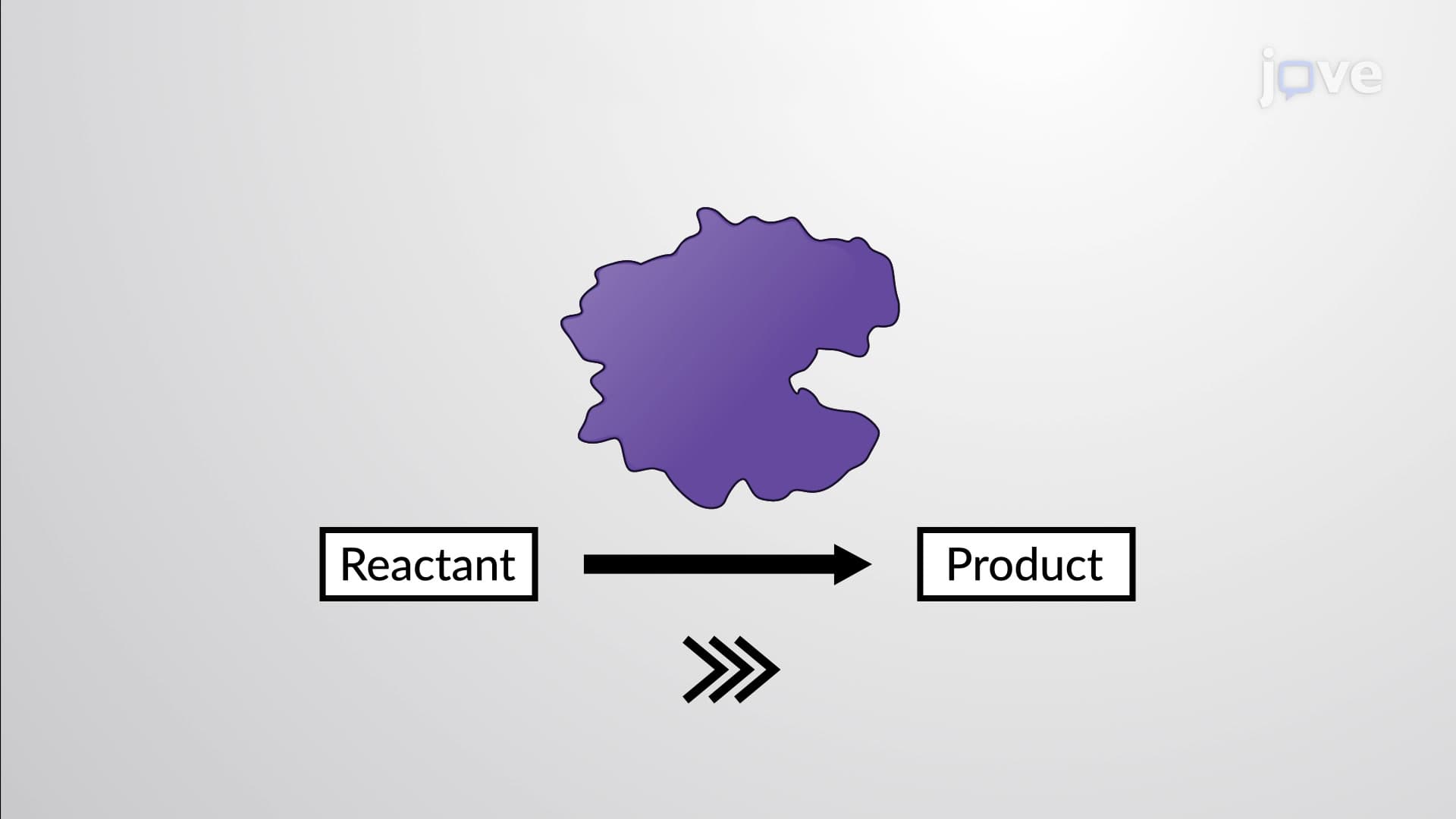
Did you know that without enzymes, the simple act of digesting your breakfast would take centuries? Enzymes explained biology reveals how these remarkable protein catalysts accelerate life-sustaining chemical reactions by millions of times without being consumed in the process. From the amylase in your saliva breaking down starches to the catalase in your liver detoxifying harmful peroxide, what are enzymes becomes clear through their incredible specificity and efficiency. These biological catalysts work through precise active sites that bind substrates using the induced fit model, dramatically lowering activation energy requirements. Watch the full video on JoVE Coach to master this concept with expert-led visuals and step-by-step explanations.
- Understand what are enzymes and their fundamental role as biological catalysts that accelerate biochemical reactions without being consumed
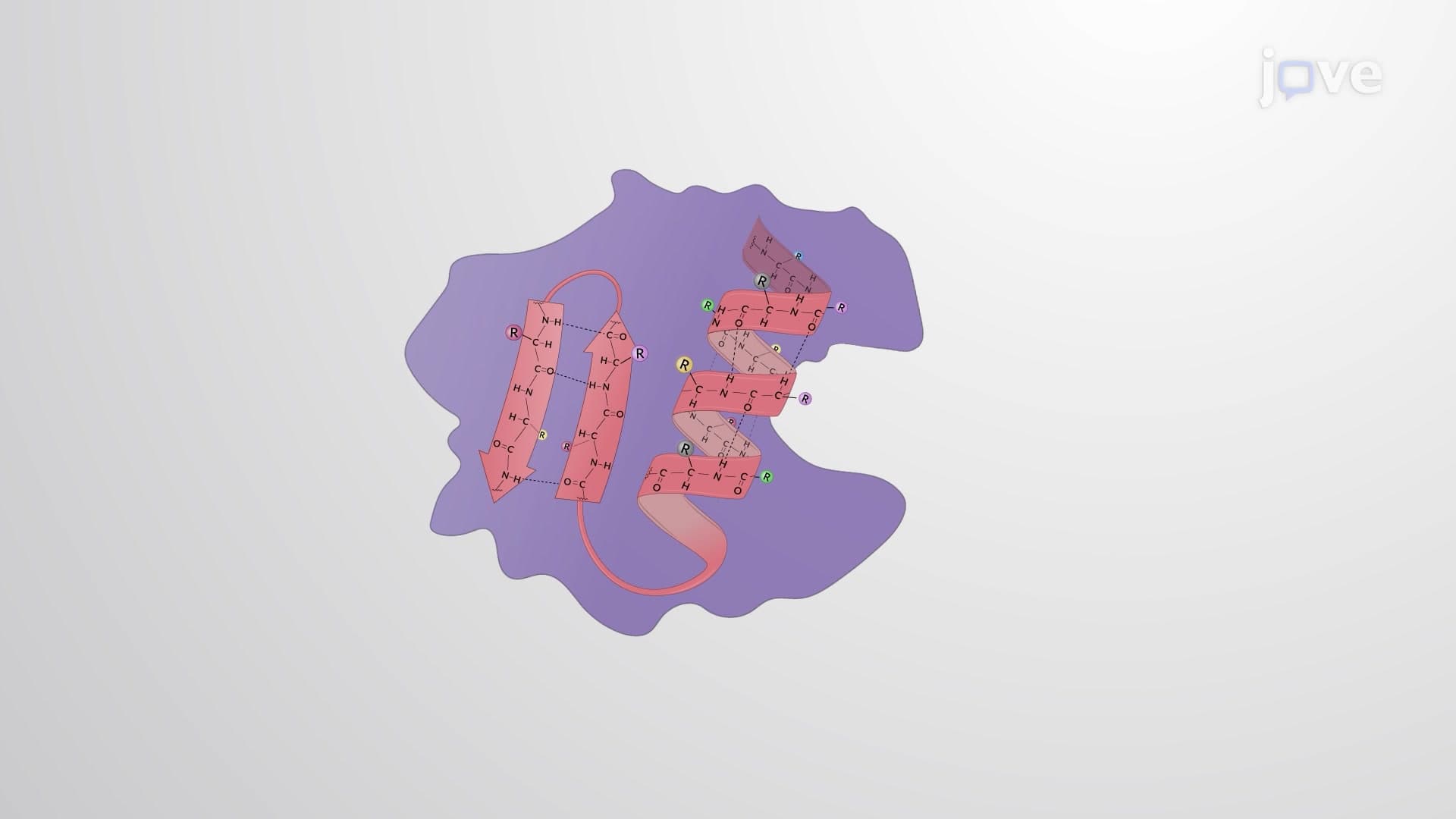
- Identify the key structural features of enzymes, including active sites, substrate binding regions, and the importance of protein folding
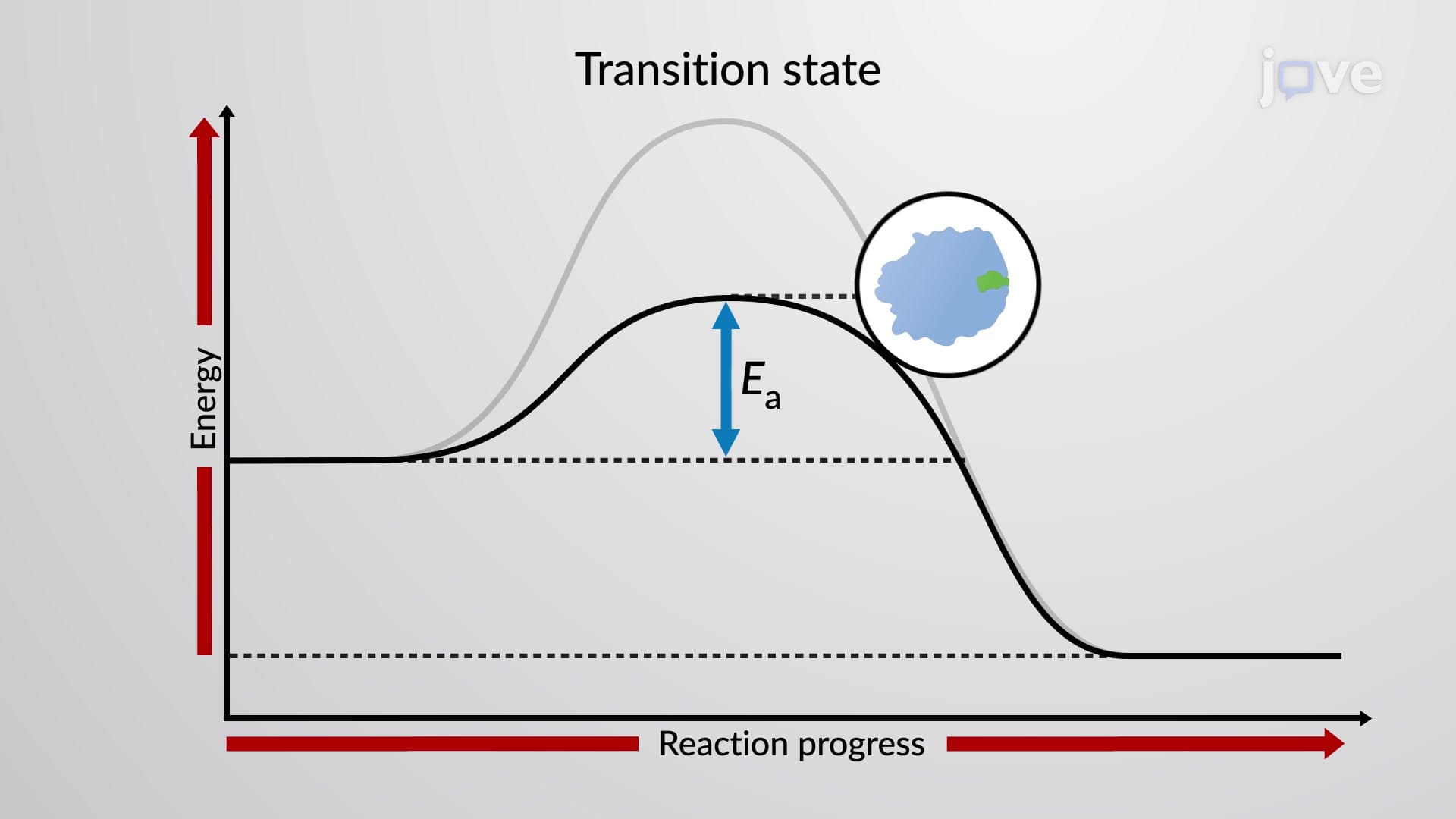
- Analyze enzyme-substrate interactions using the induced fit model and explain how enzymes lower activation energy barriers
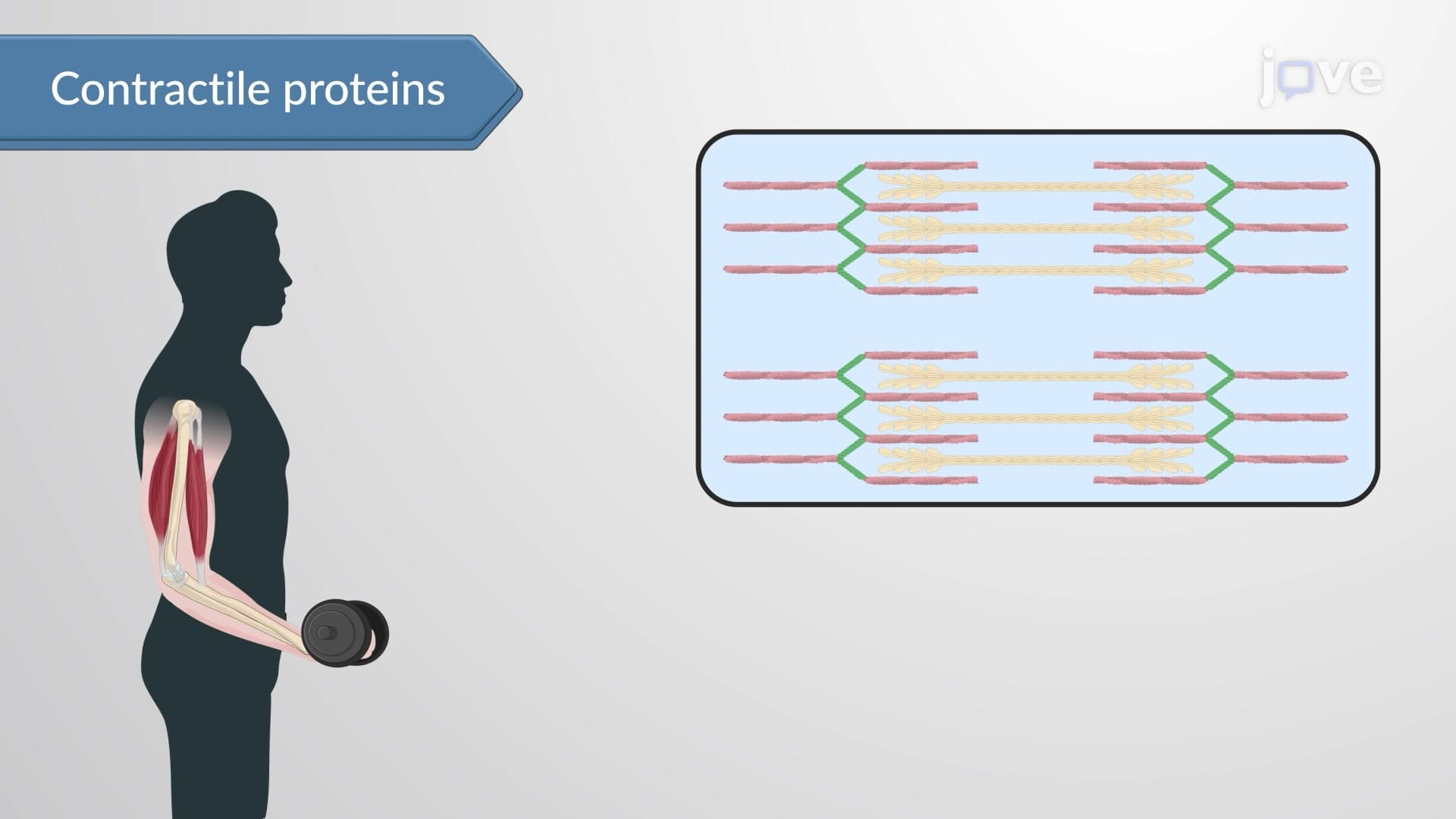
- Compare different types of enzymes and their specific functions in metabolic pathways, digestion, and cellular processes
- Evaluate factors that affect enzyme activity including temperature, pH, substrate concentration, and the presence of inhibitors or activators
- Apply the Michaelis-Menten equation concepts to understand enzyme kinetics and reaction rates in biological systems
- Recognize the clinical significance of enzyme measurements in medical diagnostics and pharmaceutical development
- Explore the role of cofactors and coenzymes in supporting enzymatic reactions and maintaining proper cellular function
Understanding What Are Enzymes: The Master Regulators of Life
Enzymes explained biology at its most fundamental level-these are highly specialized protein molecules that serve as biological catalysts, accelerating chemical reactions that would otherwise occur too slowly to sustain life. Unlike inorganic catalysts used in industrial processes, enzymes demonstrate remarkable specificity, often catalyzing only one particular reaction or a closely related set of reactions. This enzyme definition and function becomes crucial when studying for the MCAT, AP Biology, or college biochemistry courses, where understanding catalytic mechanisms forms the foundation for more complex metabolic concepts.
Enzyme Structure and the Active Site Mechanism
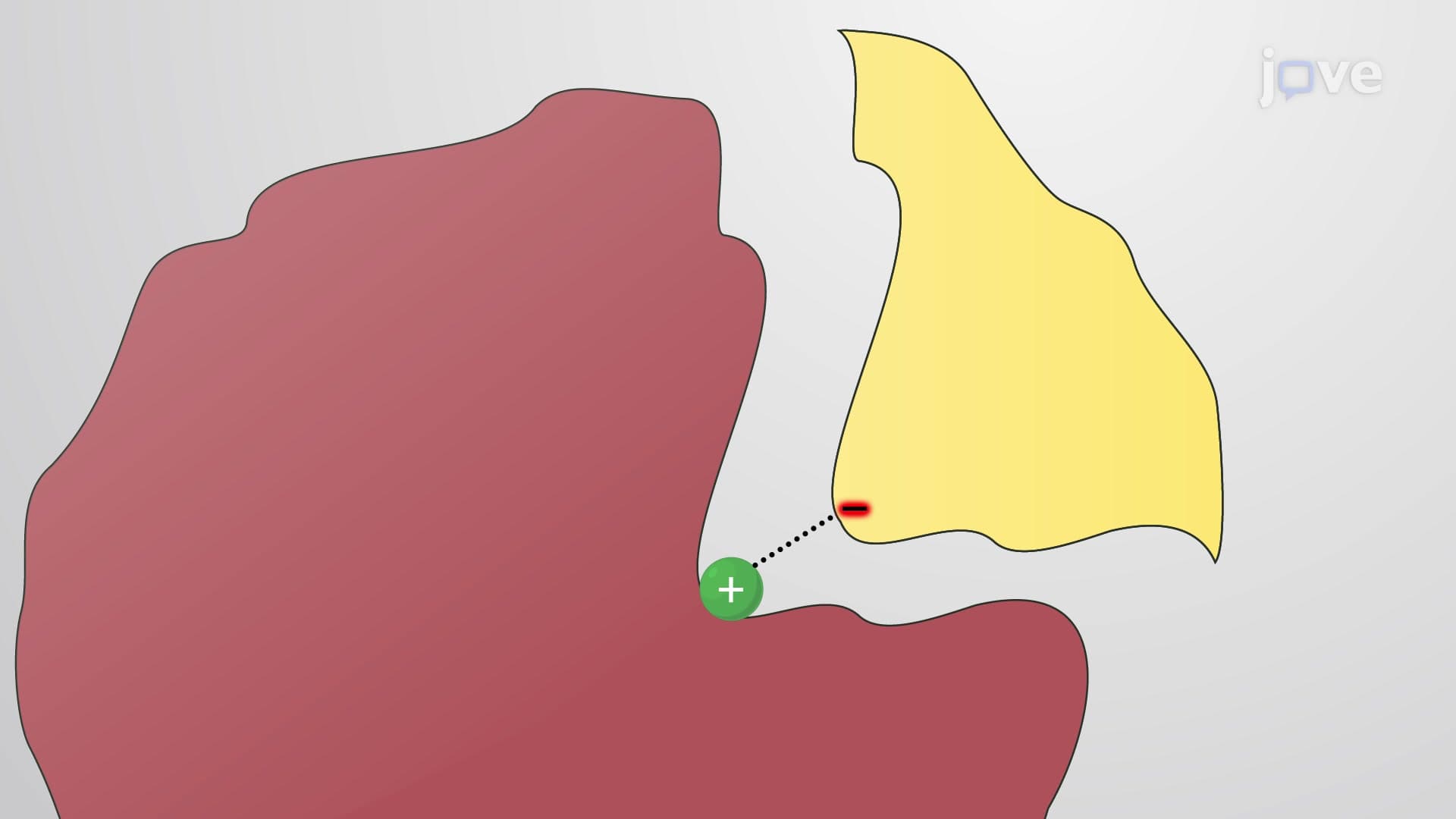
The protein enzyme function centers around a precisely shaped region called the active site, where substrate molecules bind and undergo transformation. This binding follows the induced fit model, where both enzyme and substrate undergo slight conformational changes to achieve optimal alignment-much like a hand adjusting to fit perfectly into a glove. The Mayo Clinic's research laboratories utilize this principle when developing targeted therapies, designing drugs that fit specific enzyme active sites to treat conditions from high cholesterol (statins targeting HMG-CoA reductase) to hypertension (ACE inhibitors).
Enzyme Kinetics and Biological Efficiency
Enzyme substrate reaction rates follow predictable patterns described by Michaelis-Menten kinetics: v = (Vmax × [S]) / (Km + [S]), where reaction velocity depends on substrate concentration, maximum reaction rate, and the enzyme's affinity constant. This mathematical relationship helps explain why digestive enzymes like pepsin work optimally at stomach pH (around 1.5-2.0), while pancreatic enzymes like trypsin require the alkaline environment of the small intestine (pH 8-9). Understanding these principles proves essential for USMLE Step 1 questions about enzyme regulation and metabolic disorders.
Clinical Applications and Enzyme Diagnostics
Enzyme specificity makes these proteins invaluable diagnostic tools in American healthcare systems. Elevated cardiac troponin levels indicate heart muscle damage, while increased liver enzymes (ALT, AST) suggest hepatic injury. The FDA has approved numerous enzyme-based diagnostic tests, from glucose meters using glucose oxidase to COVID-19 tests utilizing reverse transcriptase enzymes. Pharmaceutical companies like Pfizer and Merck continue developing enzyme inhibitors as therapeutic agents, targeting specific pathways in cancer, diabetes, and cardiovascular disease.
Frequently Asked Questions
Enzymes are specialized protein molecules that act as biological catalysts, dramatically speeding up chemical reactions essential for life without being consumed in the process. They're crucial because most cellular reactions would occur too slowly to sustain life without enzymatic acceleration. Every biological process-from DNA replication to energy production-depends on specific enzymes functioning properly.
MCAT questions often focus on enzyme kinetics, competitive/non-competitive inhibition, and allosteric regulation within metabolic pathways. AP Biology emphasizes enzyme structure-function relationships, factors affecting enzyme activity, and interpreting enzyme kinetic graphs. Both exams require understanding how pH, temperature, and substrate concentration influence enzymatic reactions.
Cofactors are inorganic ions (like Mg²⁺ or Zn²⁺) that enzymes need to function properly, while coenzymes are organic molecules (like NAD⁺ or FAD) that participate directly in reactions. Many coenzymes are derived from vitamins-NAD⁺ comes from niacin (vitamin B3), while coenzyme A comes from pantothenic acid (vitamin B5). Both are essential for proper enzymatic activity.
Drug companies design medications that either inhibit harmful enzyme activity or supplement deficient enzymes. Aspirin works by irreversibly inhibiting cyclooxygenase enzymes that produce inflammatory compounds. Lactase supplements help people digest dairy products, while ACE inhibitors lower blood pressure by blocking angiotensin-converting enzyme activity in cardiovascular regulation.
Not at all-enzyme concepts build logically from basic protein structure and chemical reaction principles typically covered in introductory biology and chemistry. Starting with simple examples like digestive enzymes breaking down food makes the concepts relatable and manageable. The mathematical aspects (like Michaelis-Menten kinetics) can be introduced conceptually before diving into detailed calculations.
Focus on understanding structure-function relationships rather than memorizing enzyme names. Practice drawing enzyme-substrate interactions, create concept maps linking enzyme families to their biological functions, and work through kinetics problems step-by-step. Use clinical examples to make abstract concepts concrete-understanding how statins inhibit cholesterol synthesis helps remember competitive inhibition principles.
Genetic mutations can produce non-functional enzymes, disrupting essential metabolic pathways and causing disease. Phenylketonuria (PKU) results from deficient phenylalanine hydroxylase, requiring dietary restrictions to prevent intellectual disability. Tay-Sachs disease involves deficient hexosaminidase A, leading to harmful lipid accumulation in nerve cells. Newborn screening programs in the US test for many such enzyme deficiencies.
Progress to enzyme regulation mechanisms (allosteric control, covalent modification), metabolic pathway integration, and enzyme evolution. Explore industrial biotechnology applications, protein engineering techniques, and enzyme-based therapeutics. Advanced coursework might cover enzyme crystallography, computational enzyme design, and the role of enzymes in synthetic biology applications.
Related Micro-courses
21 Concepts

15 Concepts
16 Concepts