Loading subject page…

- Anatomy and Physiology
- Biochemistry of the Cell
- Globular Proteins
Micro-course: Biochemistry of the Cell
218,707 views
Learn key concepts and earn your certificate.






Globular Proteins

00:00
01:27
Video Summary: What are Globular Proteins
Did you know that your blood's oxygen-carrying capacity depends entirely on a perfectly folded sphere of amino acids? Globular proteins explained: these compact, spherical molecules form the backbone of cellular function, from the hemoglobin in American blood banks to the enzymes breaking down your morning cereal. Unlike their fibrous counterparts, what are globular proteins reveal themselves as tightly wound, water-soluble structures that power nearly every biological process inside your cells. Watch the full video on JoVE Coach to master this concept with expert-led visuals and step-by-step explanations.
- Understand what are globular proteins and how their compact, spherical structure enables diverse cellular functions
- Identify the key structural features that distinguish globular protein structure function from fibrous proteins
- Analyze how hydrophobic amino acids cluster inward while hydrophilic residues face outward in globular arrangements
- Compare the roles of alpha-helices and beta-sheets in creating stable globular conformations
- Evaluate real-world examples like hemoglobin and enzymes to understand globular protein applications
- Apply knowledge of quaternary structures to explain how multiple globular subunits work together
- Recognize the relationship between globular protein solubility and their intracellular locations
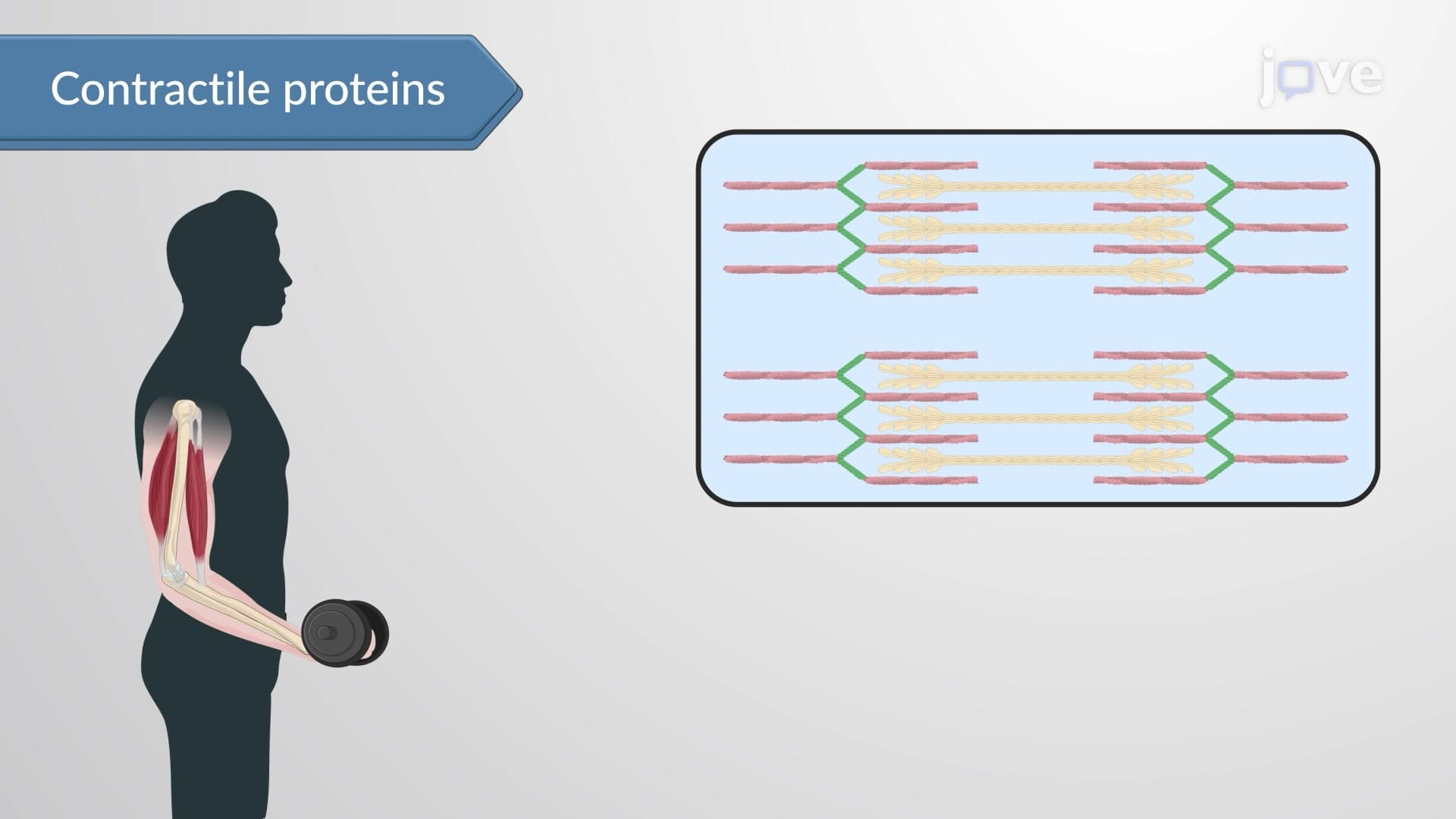
- Explore how globular proteins form larger complexes like actin filaments and enzyme cascades
Understanding What Are Globular Proteins: Structure Meets Function
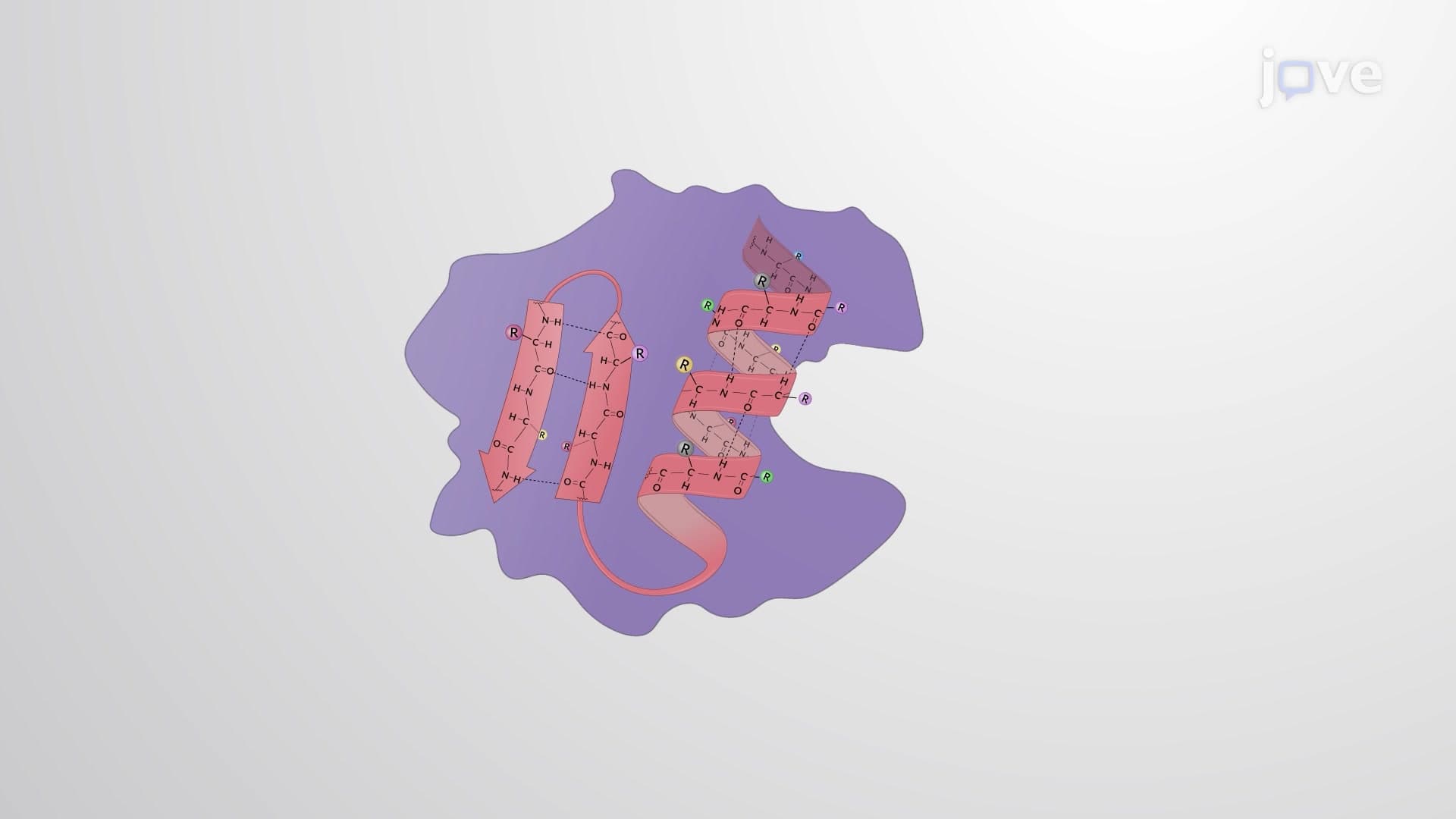
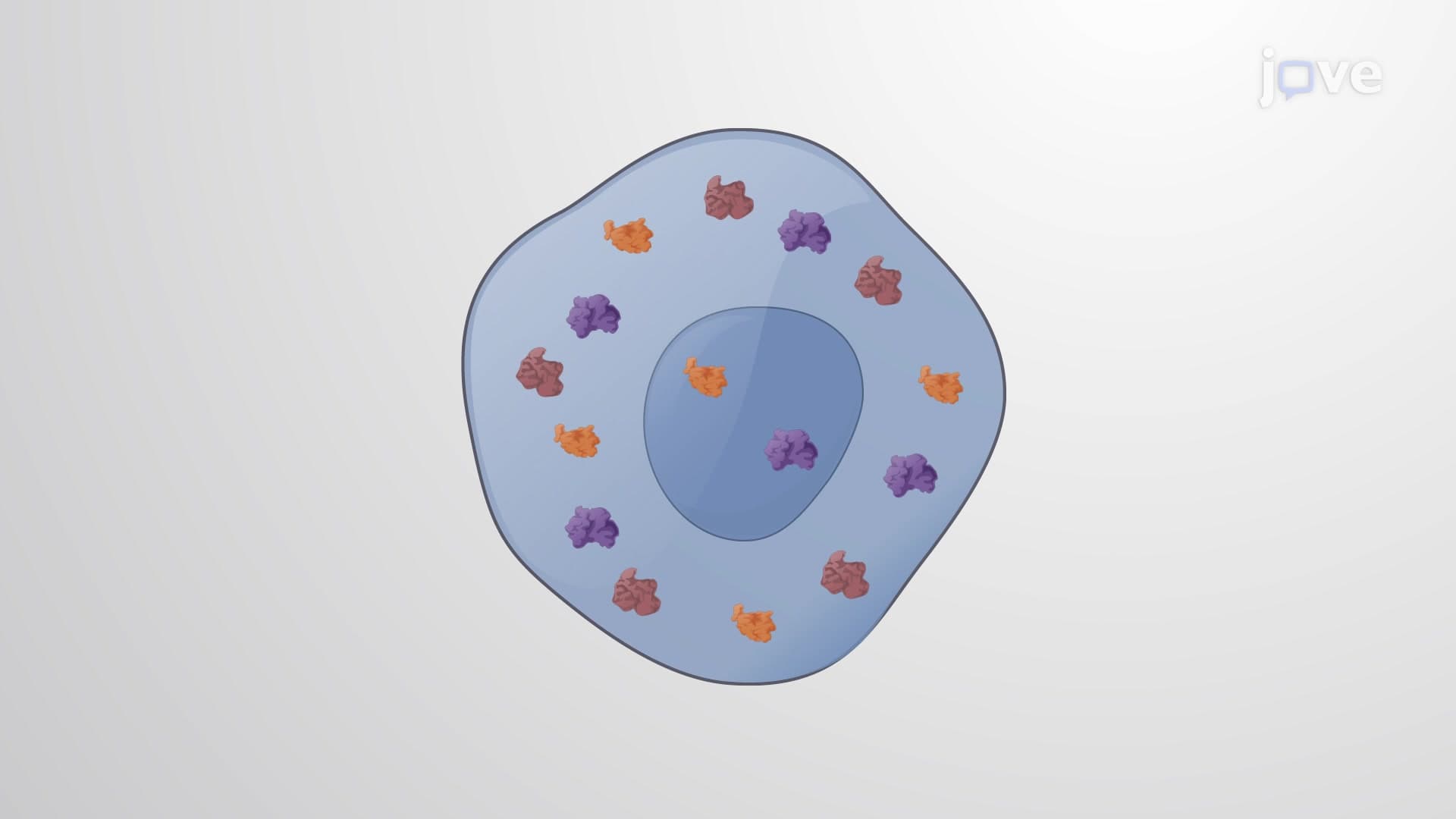
Globular proteins represent one of biology's most elegant solutions to cellular complexity. These compact, roughly spherical molecules solve a fundamental challenge: how to pack long amino acid chains into water-soluble, functional units that can operate efficiently within the aqueous environment of cells. The globular protein structure function relationship becomes immediately apparent when examining their three-dimensional architecture-hydrophobic amino acids cluster toward the center, creating a stable core, while hydrophilic residues populate the surface, ensuring water solubility.
Architectural Features of Soluble Globular Proteins
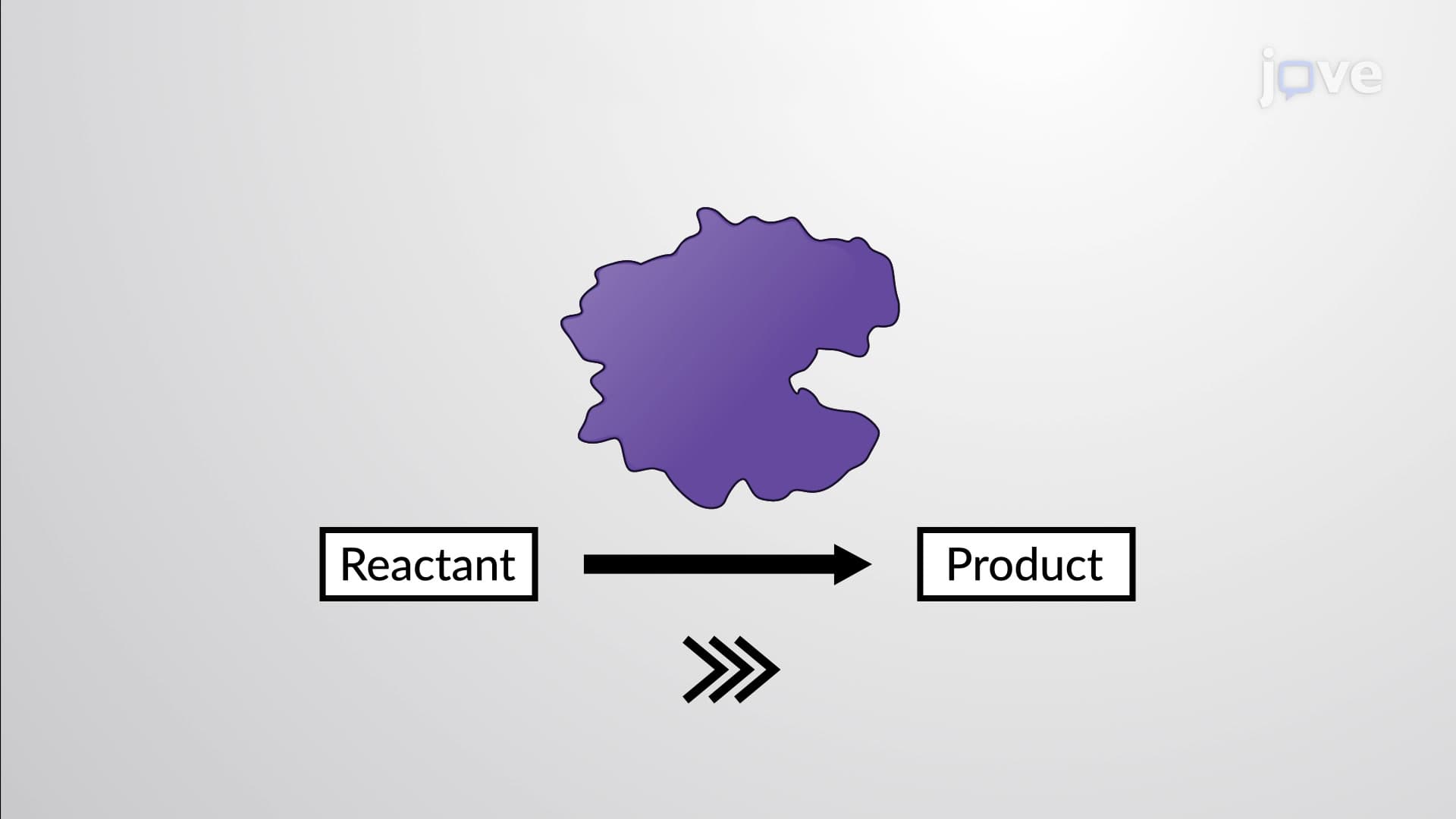
The secondary structure of globular proteins typically combines alpha-helices and beta-sheets in intricate patterns. Unlike the repetitive structures of fibrous proteins such as collagen, globular arrangements create unique binding sites, catalytic centers, and regulatory domains. This structural diversity explains why enzyme globular protein examples like pepsin (which breaks down proteins in your stomach) can be so specific in their functions. The tight folding pattern ensures that active sites form precise geometric arrangements, enabling the lock-and-key mechanisms essential for biological catalysis.
Hemoglobin Globular Protein: A Quaternary Structure Masterpiece
Perhaps no example better illustrates globular protein complexity than hemoglobin. This oxygen-transport molecule demonstrates quaternary structure-four globular subunits (two alpha and two beta chains) working as a coordinated team. Each subunit contains a heme group capable of binding oxygen, but the four subunits communicate through subtle structural changes, creating cooperative binding that makes oxygen transport incredibly efficient. This concept frequently appears on AP Biology exams and MCAT questions, where students must explain how protein structure enables physiological function.
Globular vs Fibrous Protein: Functional Specialization
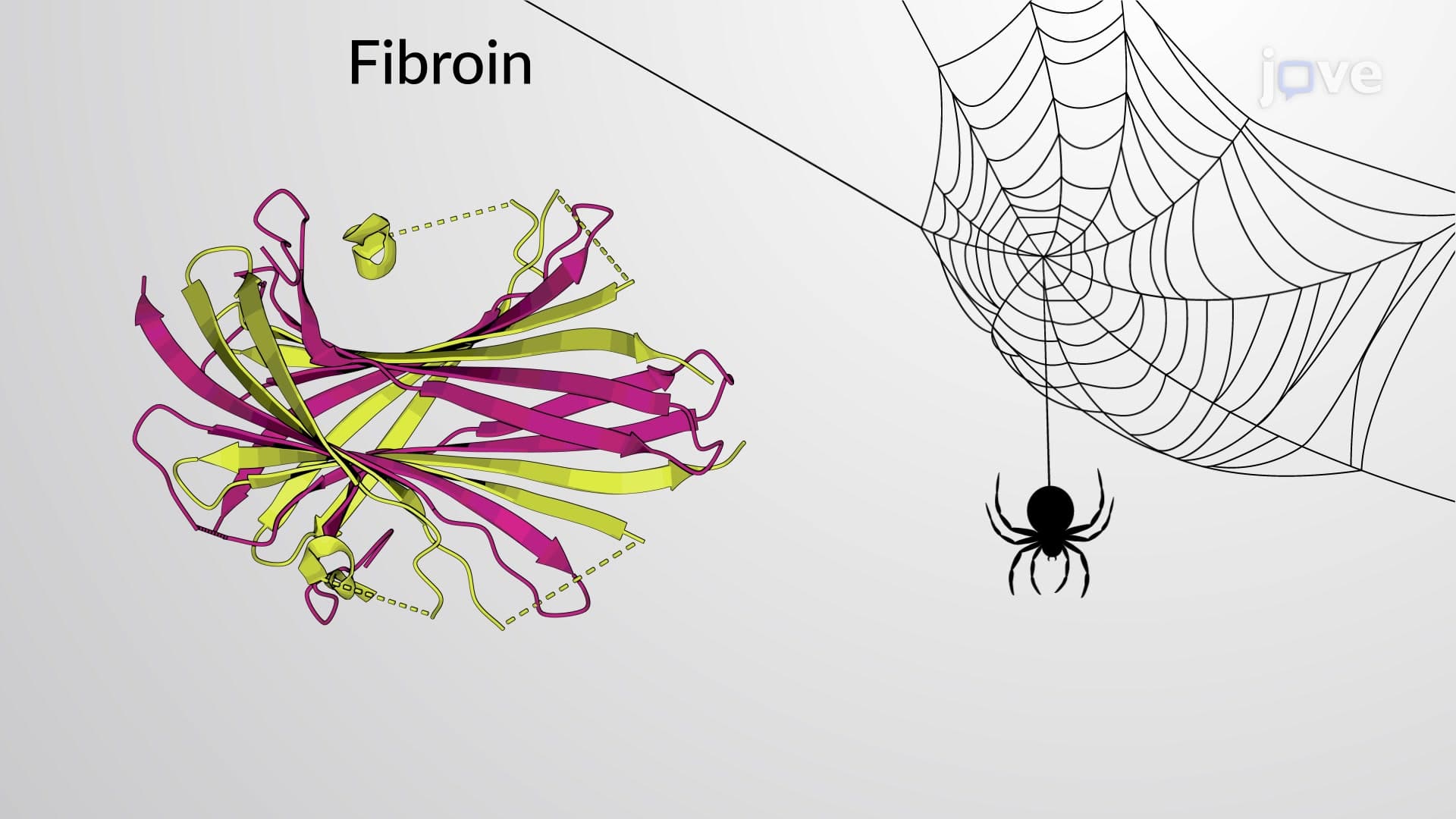
The distinction between globular vs fibrous protein types reflects evolutionary specialization. While fibrous proteins like keratin provide structural support with their long, rope-like configurations, globular proteins excel at dynamic functions requiring precise molecular recognition. Consider how insulin (a globular hormone) must recognize specific receptor proteins on cell surfaces, or how DNA polymerase (another globular enzyme) must accurately read genetic templates. These examples highlight why understanding globular protein structure function relationships is crucial for students pursuing careers in medicine, biotechnology, or pharmaceutical research.
Frequently Asked Questions
Globular proteins are compact, spherically-shaped molecules with hydrophobic cores and hydrophilic surfaces, making them water-soluble and ideal for intracellular functions. Unlike fibrous proteins that provide structural support, globular proteins typically serve as enzymes, hormones, transport molecules, and regulatory factors within cells.
MCAT questions commonly test hemoglobin's cooperative oxygen binding, enzyme active site specificity, and how hydrophobic/hydrophilic amino acid distribution creates functional domains. You'll also encounter quaternary structure examples and how globular protein folding affects biological activity in biochemistry passages.
AP Biology frequently covers globular proteins in Unit 1 (protein structure-function relationships), Unit 3 (enzyme catalysis and regulation), and Unit 6 (gene expression via transcription factors). Expect FRQ questions linking protein folding to biological function and enzyme kinetics.
Sickle cell anemia demonstrates how a single amino acid change in globular hemoglobin subunits causes protein misfolding and disease. Similarly, enzyme deficiencies in conditions like phenylketonuria (PKU) show how globular protein dysfunction affects human health, making this knowledge essential for pre-med students.
Not at all-think of globular proteins as compact "molecular machines" that do specific jobs inside cells, while fibrous proteins are like "biological cables" that provide structure. This analogy helps students grasp the shape-function relationship without getting overwhelmed by complex terminology.
Create function-based categories: transport proteins (hemoglobin), enzymes (pepsin, amylase), hormones (insulin), and regulatory proteins (transcription factors). Use flashcards linking each example to its specific cellular role and structural features for efficient MCAT and AP exam preparation.
Understanding globular protein folding provides the foundation for studying protein misfolding diseases, drug design targeting specific binding sites, and biotechnology applications like recombinant protein production. These connections make globular proteins a gateway to upper-level biochemistry and molecular biology courses.
Explore protein folding mechanisms, enzyme kinetics and inhibition, and how post-translational modifications affect globular protein activity. These topics build naturally on globular protein basics and frequently appear together on standardized exams and college biochemistry courses.
Related Micro-courses

21 Concepts

15 Concepts
16 Concepts