Loading subject page…

- Anatomy and Physiology
- Biochemistry of the Cell
- Lipid-derived Compounds in the Human Body
Micro-course: Biochemistry of the Cell
218,707 views
Learn key concepts and earn your certificate.



Lipid-derived Compounds in the Human Body

00:00
01:31
Video Summary: What are Lipid Derived Compounds
Did you know that your ability to see in dim light depends on lipid derived compounds biology? These specialized molecules, including fat-soluble vitamins like vitamin A, transform light into electrical signals in your retina. What are lipid derived compounds encompasses a fascinating family of molecules - from eicosanoids that regulate inflammation to lipoproteins that transport cholesterol through your bloodstream. Watch the full video on JoVE Coach to master this concept with expert-led visuals and step-by-step explanations.
- Understand what are lipid derived compounds and their classification into major categories including fat-soluble vitamins, eicosanoids, lipoproteins, and glycolipids
- Identify the specific physiological roles of vitamin A in vision and vitamin K in blood clotting mechanisms
- Analyze the enzymatic pathway from membrane phospholipids to arachidonic acid and subsequent eicosanoid production
- Compare the structural differences between lipoproteins and glycolipids in cellular transport and membrane function
- Evaluate how prostaglandins, thromboxanes, and leukotrienes contribute to inflammatory responses and blood pressure regulation
- Apply knowledge of lipid signaling molecules to understand cellular communication processes
- Recognize the importance of phospholipase A2 in initiating eicosanoid synthesis pathways
- Explore how glycolipids facilitate cell-cell recognition during immune system activation
Understanding What are Lipid Derived Compounds in Cellular Function
Lipid derived compounds represent a diverse class of bioactive molecules that originate from lipid precursors but serve specialized physiological functions beyond energy storage. Unlike simple lipids such as triglycerides, these compounds act as signaling molecules, membrane components, and essential cofactors in metabolic pathways. In AP Biology and college biochemistry courses, students encounter these molecules as prime examples of how lipid structure relates to biological function.
Fat-Soluble Vitamins: Essential Lipid Derivatives
The fat-soluble vitamins (A, D, E, K) exemplify how lipid derived molecules explained through their unique absorption and transport mechanisms. Vitamin A (retinol) undergoes enzymatic conversion to retinal in rod cells of the retina, where it combines with opsin protein to form rhodopsin - the photoreceptor essential for night vision. This process is frequently tested on the MCAT, particularly in passages combining biochemistry with physiology.
Vitamin K demonstrates another critical function as a cofactor for gamma-carboxylation of glutamic acid residues in clotting factors II, VII, IX, and X. Patients taking warfarin (Coumadin) at major US hospitals like Mayo Clinic require careful monitoring because this anticoagulant inhibits vitamin K recycling, affecting the hormone lipid derived clotting cascade.
Eicosanoids: Potent Signaling Molecules
Eicosanoid lipid derivative compounds represent perhaps the most pharmacologically significant group of lipid-derived signaling molecules. When cells experience injury or inflammation, phospholipase A2 cleaves arachidonic acid from membrane phospholipids. This 20-carbon fatty acid serves as the precursor for three major eicosanoid families: prostaglandins, thromboxanes, and leukotrienes.
Prostaglandin lipid compound molecules regulate diverse physiological processes. PGE2 stimulates mucus production in gastric cells, protecting the stomach lining from acid damage. This mechanism explains why NSAIDs like ibuprofen, which inhibit prostaglandin synthesis, can cause gastric ulcers with prolonged use - a concept frequently appearing on USMLE Step 1 examinations.
Lipoproteins and Glycolipids: Transport and Recognition
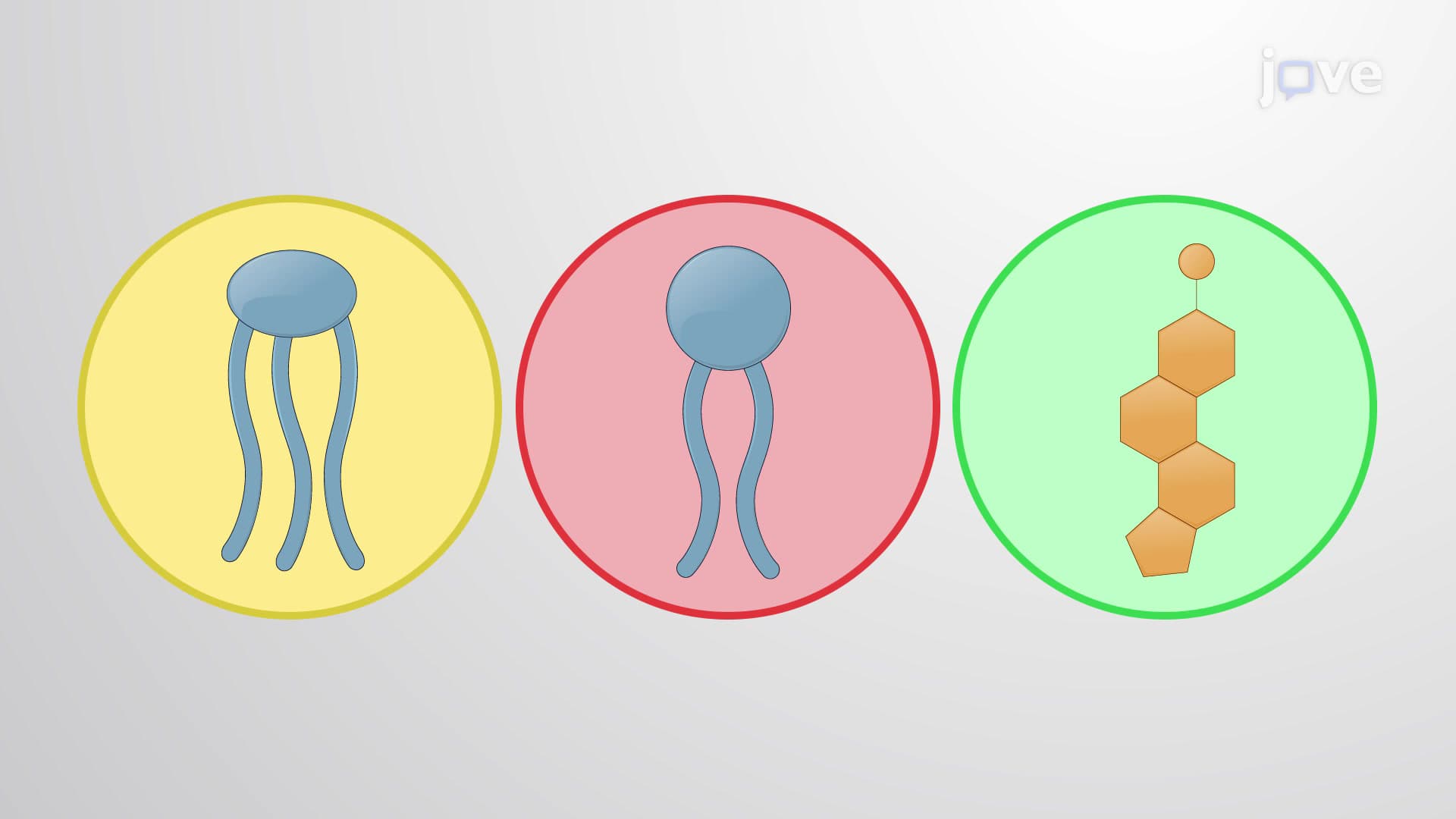
Lipoproteins solve the challenge of transporting hydrophobic lipids through aqueous blood plasma. These lipid signaling molecule complexes vary in density and composition, from chylomicrons carrying dietary fats to HDL removing cholesterol from peripheral tissues. Understanding lipoprotein metabolism is crucial for interpreting lipid panels ordered by physicians at institutions like Cleveland Clinic.
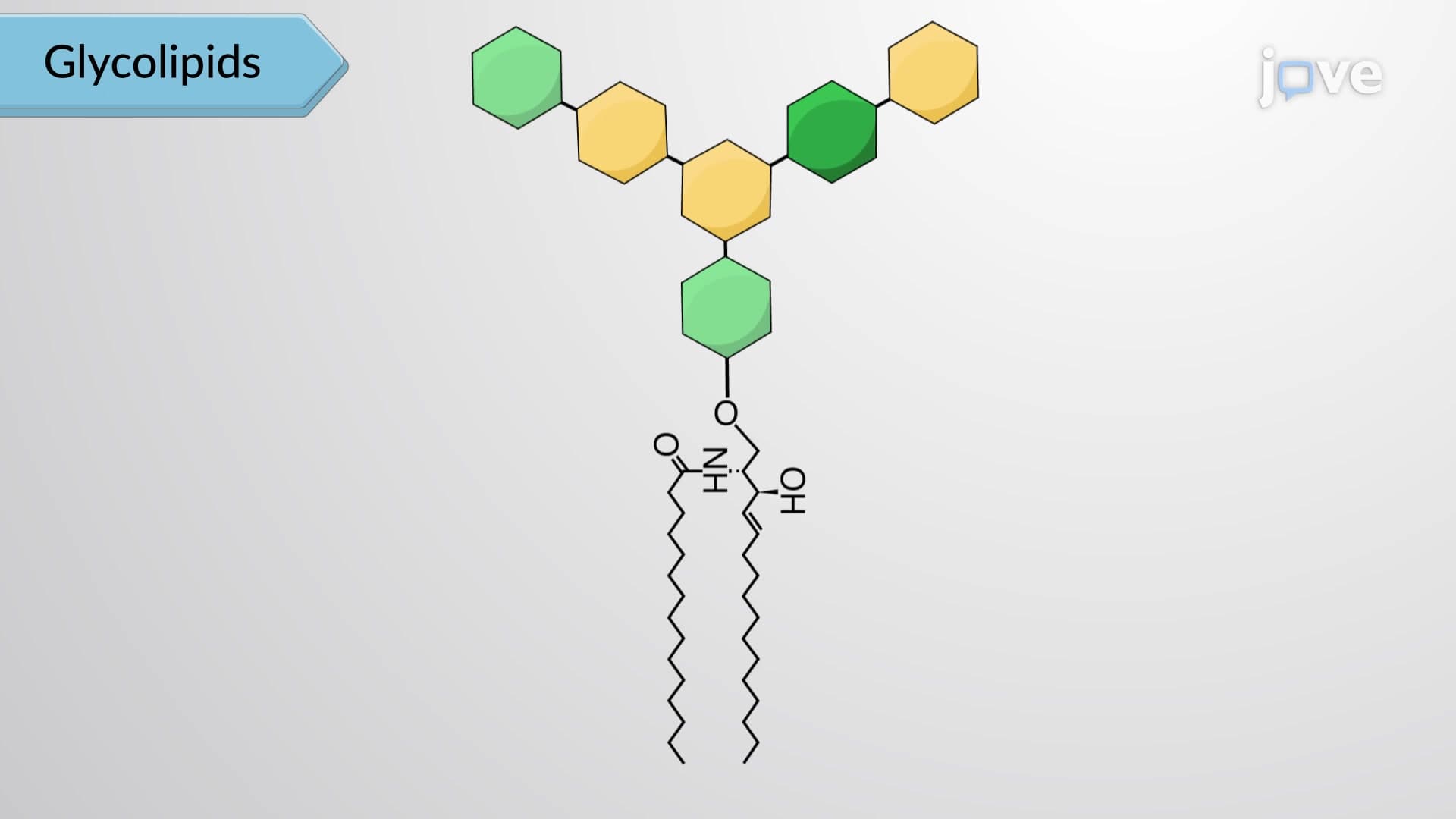
Glycolipids, particularly abundant in nerve cell membranes, contain carbohydrate moieties that extend into the extracellular space. These steroid lipid derived related compounds facilitate cell recognition processes essential for immune system function and tissue development, topics emphasized in advanced placement biology curricula across US high schools.
Frequently Asked Questions
Lipid derived compounds are specialized molecules that originate from lipid precursors but serve specific physiological functions beyond energy storage, such as signaling, transport, and membrane stability. Unlike simple lipids like triglycerides that primarily store energy, these compounds include fat-soluble vitamins, eicosanoids, lipoproteins, and glycolipids that regulate critical biological processes. They retain lipophilic properties while gaining specialized functional groups that enable diverse cellular roles.
The MCAT frequently tests eicosanoid synthesis pathways, particularly the role of phospholipase A2 and cyclooxygenase enzymes in inflammation. AP Biology emphasizes fat-soluble vitamin functions, especially vitamin A's role in vision and vitamin K in blood clotting. Both exams commonly present experimental passages requiring students to analyze how lipid-derived signaling molecules affect cellular processes and physiological responses.
Focus on the four fat-soluble vitamins (A, D, E, K) and their specific functions, the three major eicosanoid classes (prostaglandins, thromboxanes, leukotrienes), and the enzyme phospholipase A2 that initiates eicosanoid synthesis. Understand lipoprotein types (chylomicrons, VLDL, LDL, HDL) and their transport roles. Many professors emphasize prostaglandin E2's role in inflammation and gastric protection since it connects to pharmacology concepts.
Aspirin and ibuprofen work by inhibiting cyclooxygenase enzymes that produce prostaglandins, reducing inflammation and pain. Warfarin interferes with vitamin K recycling to prevent blood clots in patients at risk for stroke or heart attack. Statin medications lower cholesterol by affecting lipoprotein metabolism, while artificial tears contain prostaglandin analogs to treat glaucoma by reducing eye pressure.
Basic organic chemistry knowledge helps but isn't essential for introductory understanding. Focus on recognizing functional groups and understanding that lipid derivatives retain fat-soluble properties while gaining specialized functions. High school chemistry provides sufficient background for AP Biology level, while college biochemistry builds upon these foundations. The key is understanding structure-function relationships rather than memorizing complex synthetic pathways.
Create associations between eicosanoid names and their functions: prostaglandins "protect" (gastric mucus, regulate inflammation), thromboxanes promote "thrombosis" (blood clotting), and leukotrienes attract "leukocytes" (white blood cells in allergic reactions). Use the mnemonic "Please Take Lungs" for Prostaglandins, Thromboxanes, Leukotrienes. Practice with clinical scenarios rather than isolated facts to improve retention and application skills.
Glycolipids integrate into the outer leaflet of plasma membranes, where their carbohydrate portions extend outward to facilitate cell recognition and signaling. These compounds maintain membrane asymmetry and stability while enabling cellular communication. Unlike phospholipids that form the membrane backbone, glycolipids serve specialized recognition functions crucial for immune responses and development processes.
Consider studying steroid hormone biosynthesis, particularly how cholesterol converts to testosterone, estrogen, and cortisol through enzymatic pathways. Explore lipid peroxidation and its role in cellular aging, or investigate how prostaglandin analogs treat conditions like glaucoma and erectile dysfunction. Advanced courses often cover lipidomics - the comprehensive analysis of lipid species in biological systems - which represents a growing field in personalized medicine.
Related Micro-courses
21 Concepts

15 Concepts
16 Concepts