Loading subject page…

- Anatomy and Physiology
- Biochemistry of the Cell
- What are Lipids?
Micro-course: Biochemistry of the Cell
218,704 views
Learn key concepts and earn your certificate.



What are Lipids?

00:00
01:31
Video Summary: What are Lipids Structure Classification and Functions
Did you know that the avocado in your California roll contains the same type of molecules that form your brain cell membranes? Lipids structure classification functions encompass a fascinating world of fat-like molecules that do far more than store energy. From the cholesterol in McDonald's fries affecting your cardiovascular health to the phospholipids forming protective barriers around every cell in your body, What Are Lipids? Structure, Classification, and Functions reveals how these hydrophobic biomolecules power life itself. Watch the full video on JoVE Coach to master this concept with expert-led visuals and step-by-step explanations.
- Understand What Are Lipids? Structure, Classification, and Functions by distinguishing lipids from other biomolecules based on their hydrophobic properties and solubility characteristics
- Identify the four major classes of lipids: triglycerides, phospholipids, steroids, and waxes, along with their unique structural features and biological roles
- Analyze the difference between saturated and unsaturated fatty acids and predict how their structure affects membrane fluidity and melting points
- Compare triglyceride energy storage capacity to carbohydrates and explain why fats provide more than twice the calories per gram
- Evaluate the role of phospholipids in cell membrane formation and understand how the phospholipid bilayer maintains cellular integrity
- Apply knowledge of steroid hormone structure to explain how cholesterol serves as a precursor for testosterone, estrogen, and cortisol
- Recognize lipid metabolism pathways including beta-oxidation for energy production and lipogenesis for fat synthesis
- Explore real-world connections between dietary lipids, cardiovascular disease, and metabolic disorders like atherosclerosis
Understanding Lipids: The Hydrophobic Biomolecules
Lipids represent one of biology's most versatile molecule families, unified by their shared hydrophobic nature rather than structural similarity. Unlike proteins or nucleic acids with predictable patterns, lipids structure classification functions span an incredible diversity of forms and roles. These molecules dissolve readily in organic solvents like alcohol but repel water, making them perfect for creating barriers, storing concentrated energy, and facilitating cellular communication.
Structural Classification of Major Lipid Types
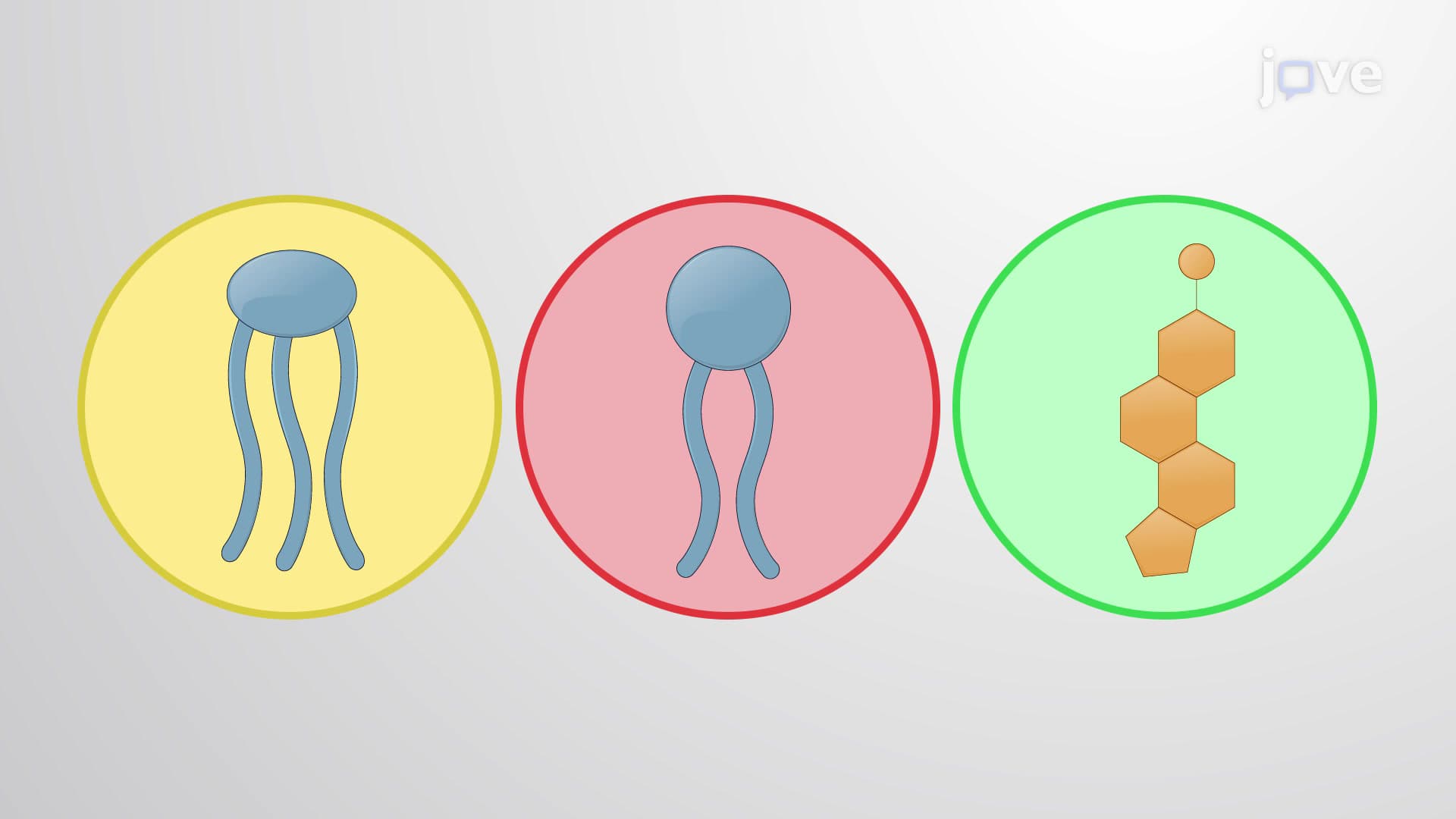
Triglycerides dominate lipid classification as the most abundant fats in both food and body storage. Each triglyceride molecule consists of one glycerol backbone attached to three fatty acid chains. When you consume olive oil or butter, you're ingesting millions of these energy-packed molecules. Saturated fatty acids (like those in coconut oil) lack double bonds and pack tightly together, remaining solid at room temperature. Unsaturated fatty acids contain one or more double bonds, creating kinks that prevent tight packing-explaining why vegetable oils stay liquid.
Phospholipids form the structural foundation of all cell membranes through their unique amphipathic properties. Each phospholipid contains two fatty acid tails (hydrophobic) and a phosphate-containing head (hydrophilic). In aqueous environments, phospholipids automatically arrange into bilayers with heads facing outward toward water and tails clustering inward, creating the fundamental architecture of cellular barriers.
Steroids share a characteristic four-ring carbon skeleton but serve remarkably different functions. Cholesterol maintains membrane fluidity and serves as the precursor for all steroid hormones. The anabolic steroids banned in professional sports are synthetic variants of testosterone, demonstrating how small structural changes dramatically alter biological activity.
Biological Functions and Clinical Significance
Energy storage remains lipids' most quantifiable function-each gram of fat provides 9 calories compared to 4 calories from carbohydrates or proteins. This efficiency explains why marathon runners "hit the wall" when glycogen stores deplete and must shift to slower fat oxidation for energy.
In medical contexts, understanding lipid metabolism proves crucial for addressing obesity, diabetes, and cardiovascular disease. The process of beta-oxidation breaks down fatty acids into acetyl-CoA units for cellular energy, while dysregulated lipid synthesis contributes to fatty liver disease and metabolic syndrome.
Students preparing for AP Biology or college biochemistry exams should focus on connecting lipid structure to function-how saturated fats raise LDL cholesterol, why trans fats pose cardiovascular risks, and how phospholipase enzymes break down membrane phospholipids during cell signaling cascades.
Frequently Asked Questions
Lipids are water-repelling molecules that include fats, oils, and membrane components, classified into four main types based on structure. Triglycerides store energy, phospholipids build cell membranes, steroids regulate hormones, and waxes provide protective coatings. They function as concentrated energy storage, cellular barriers, signaling molecules, and insulation.
MCAT questions focus on lipid metabolism pathways, membrane structure, and clinical correlations like atherosclerosis. AP Biology emphasizes comparing lipid types, membrane fluidity factors, and energy storage efficiency. Both exams test understanding of fatty acid saturation effects on physical properties and biological functions.
USMLE Step 1 heavily tests lipid metabolism disorders, including familial hypercholesterolemia, fatty acid oxidation defects, and statin mechanisms. Step 2 emphasizes lipid panels interpretation, cardiovascular risk assessment, and dietary counseling. Understanding cholesterol synthesis and transport pathways is essential for both steps.
Saturated fats from red meat and dairy raise LDL ("bad") cholesterol, while trans fats from processed foods increase cardiovascular risk. The Mediterranean diet rich in olive oil and omega-3 fatty acids from fish demonstrates how unsaturated fats can protect against heart disease, as seen in lower cardiovascular mortality rates in Mediterranean populations.
Basic organic chemistry helps but isn't essential for introductory understanding. Focus on recognizing that carbon-carbon double bonds create "kinks" in fatty acids and that "like dissolves like" explains why fats repel water. Most high school students successfully learn lipid concepts through visual models and real-world examples.
Use the acronym "TPSW" (Triglycerides, Phospholipids, Steroids, Waxes) and associate each with function: T=Tank (energy storage), P=Partition (membrane walls), S=Signal (hormones), W=Waterproof (protection). Create flashcards linking structure to function rather than memorizing isolated facts.
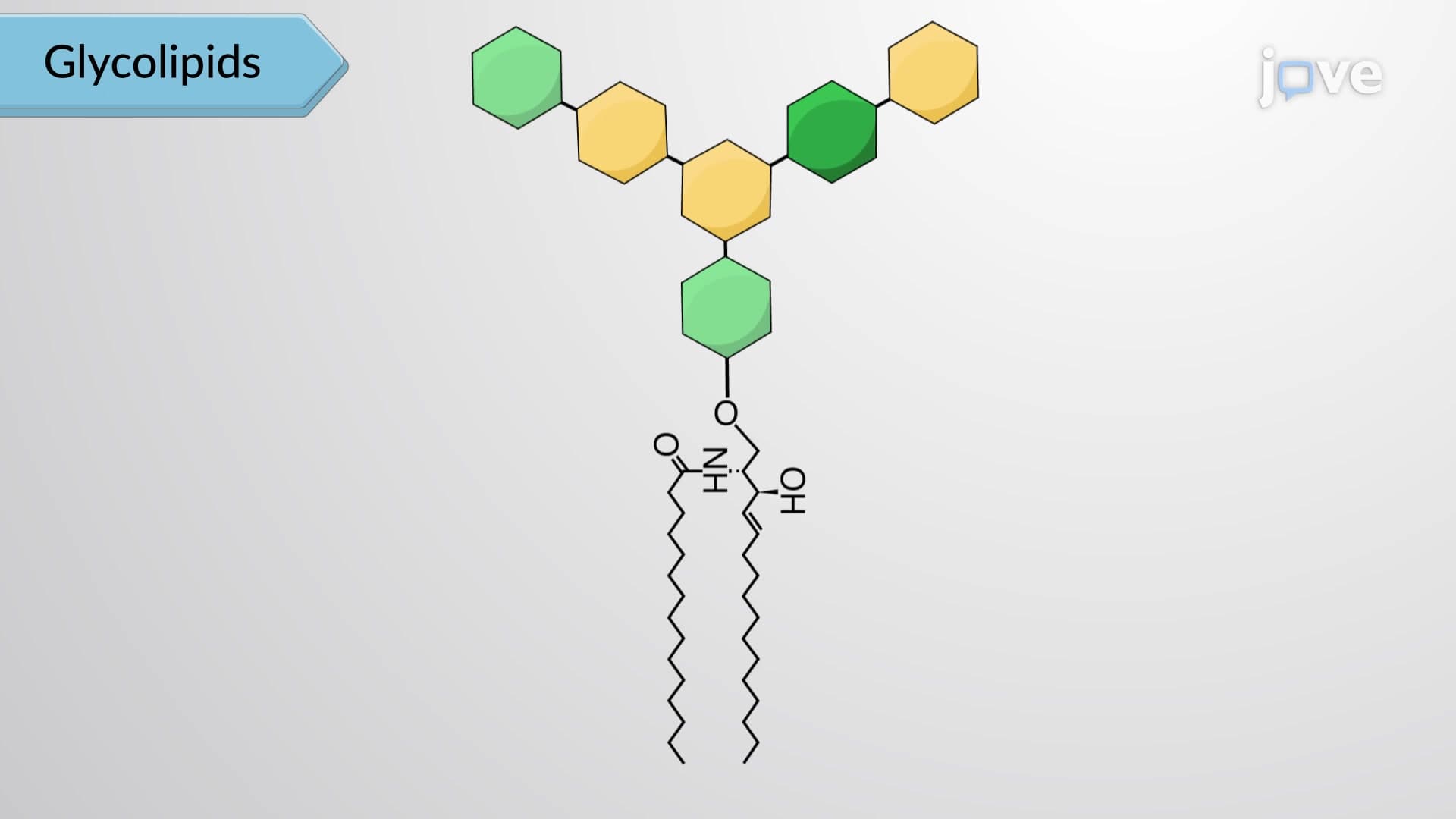
Advanced topics include lipid signaling pathways (prostaglandins, leukotrienes), specialized membrane lipids (sphingolipids, glycolipids), and lipid transport mechanisms (lipoproteins, cholesterol trafficking). These concepts appear in upper-level biochemistry courses and medical school curricula.
Introductory courses focus on structure and classification, while biochemistry delves into metabolic pathways like fatty acid synthesis, cholesterol biosynthesis, and lipid oxidation kinetics. Students learn enzyme mechanisms, regulatory controls, and metabolic integration with other pathways like glycolysis and the citric acid cycle.
Related Micro-courses
21 Concepts

15 Concepts
16 Concepts