Loading video…


 23 Concepts
 218.7K views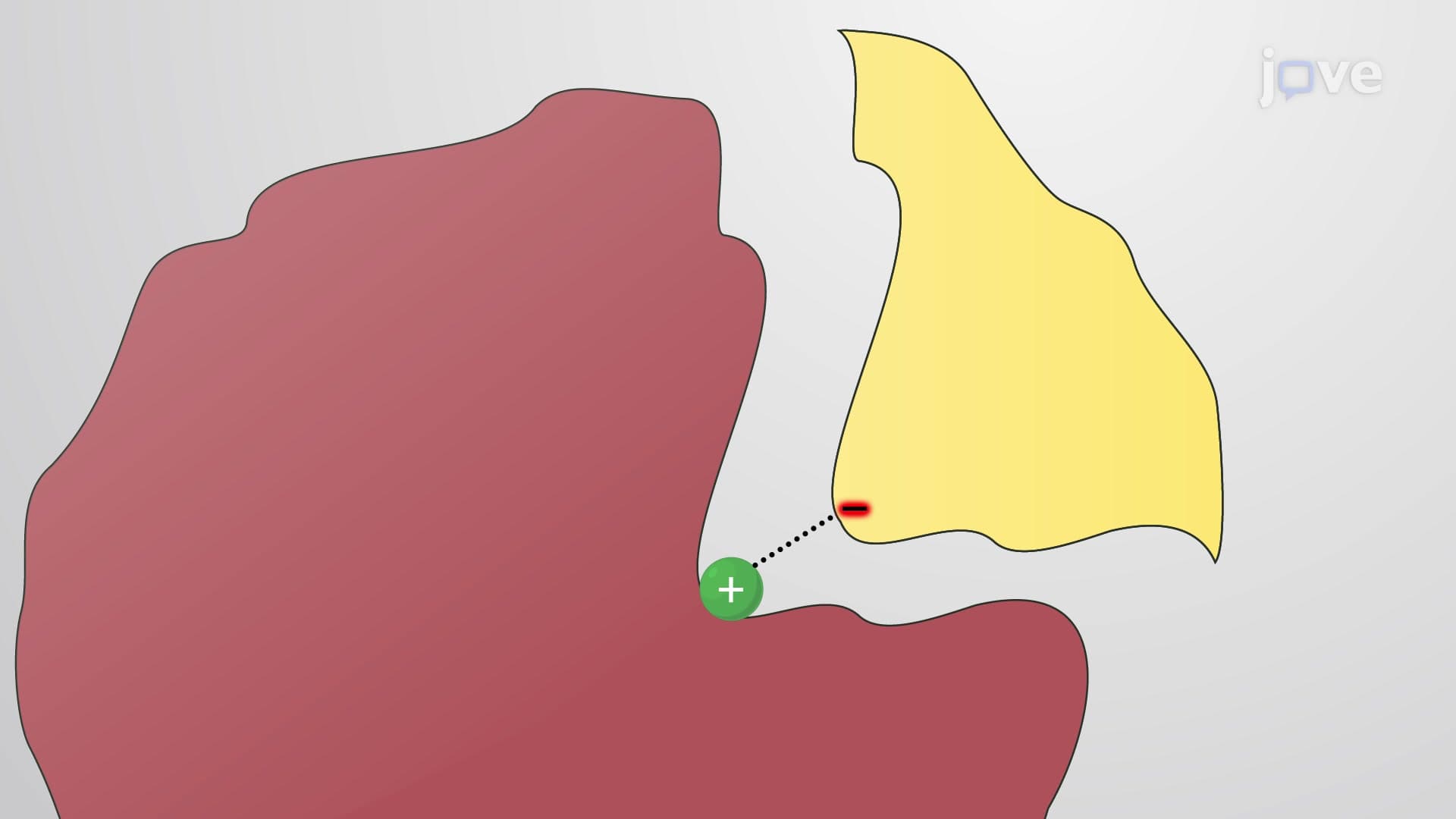

Video Summary: What are Mechanisms of Enzyme Catalysis
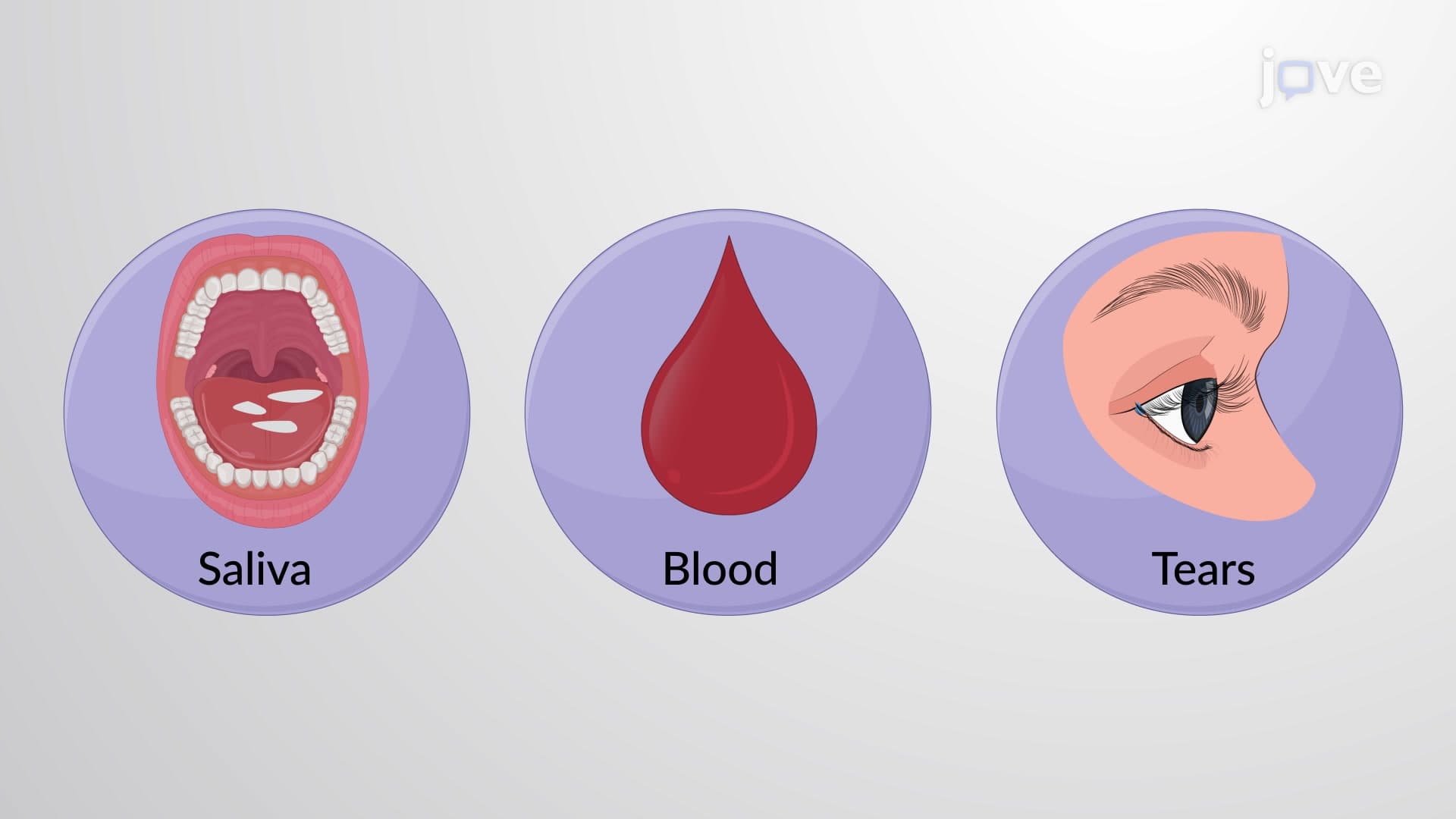
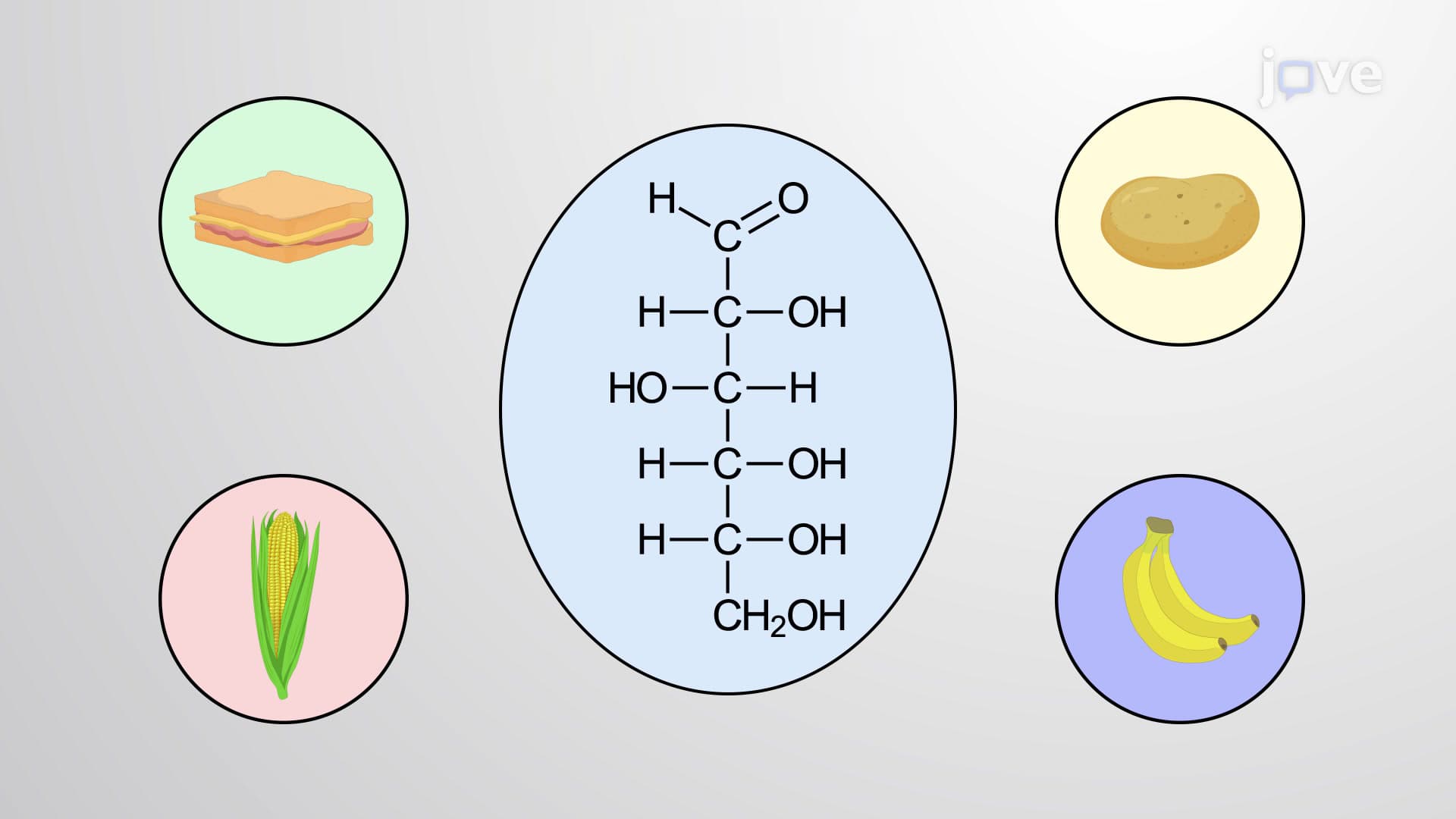
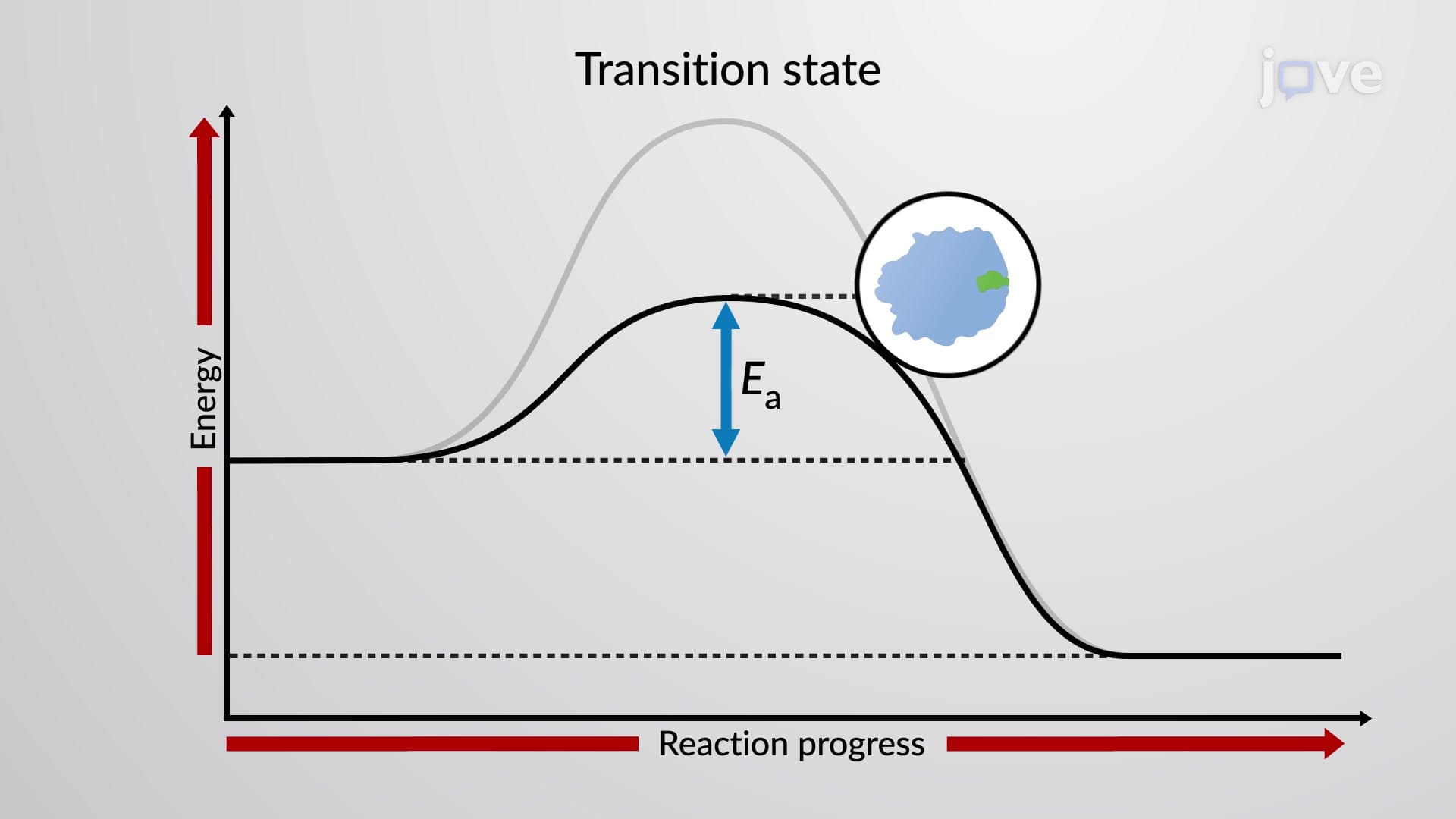
Did you know that without enzymes, a simple sugar molecule would take millions of years to break down naturally? Enzyme catalysis mechanisms are the sophisticated molecular processes that make life possible by accelerating biochemical reactions up to 10^17 times faster than their uncatalyzed counterparts. From the amylase in your saliva breaking down starches to the catalase in your liver detoxifying hydrogen peroxide, understanding what are mechanisms of enzyme catalysis reveals how these protein catalysts lower activation energy barriers through specialized binding sites and chemical interactions. Watch the full video on JoVE Coach to master this concept with expert-led visuals and step-by-step explanations.
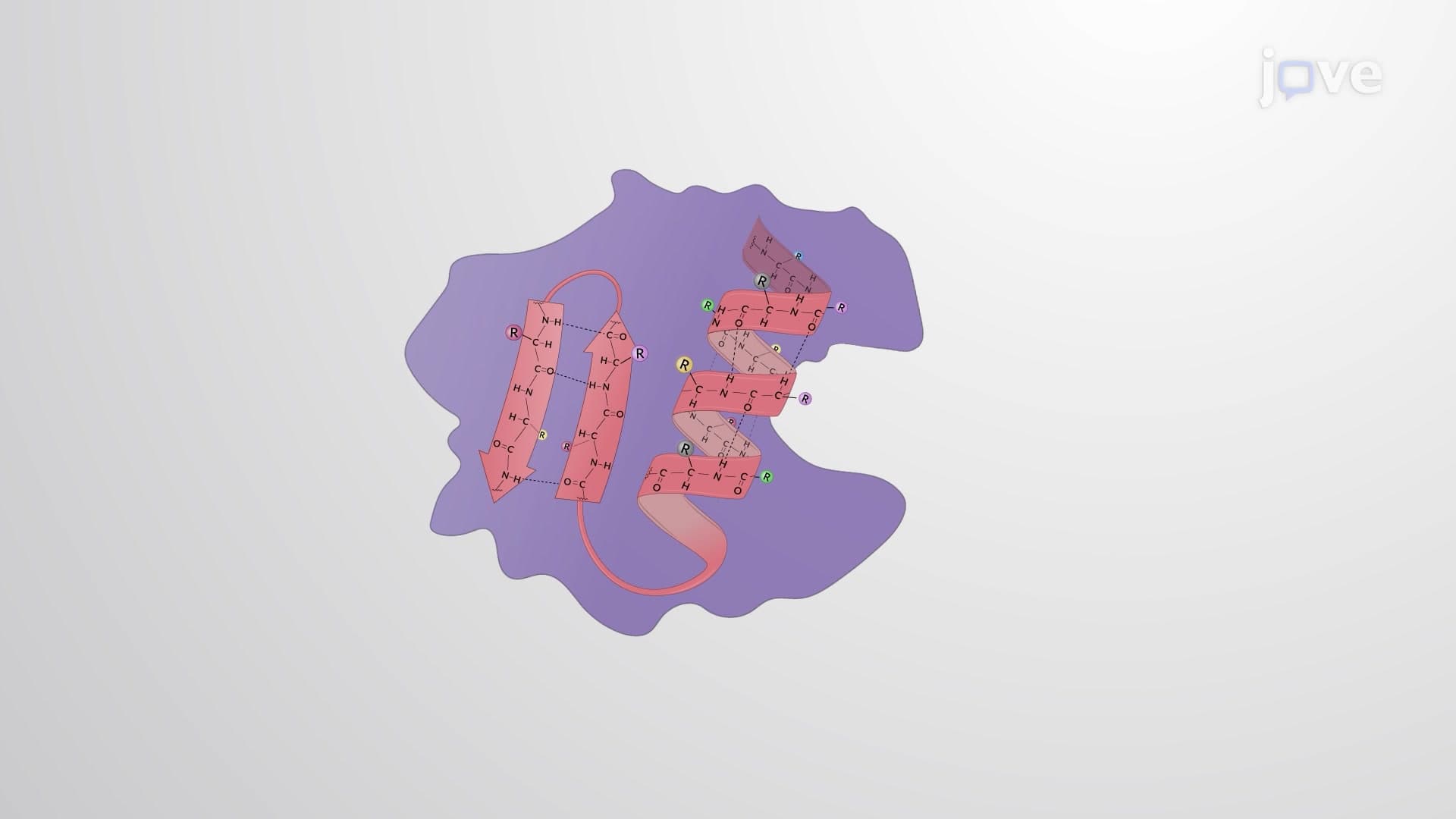
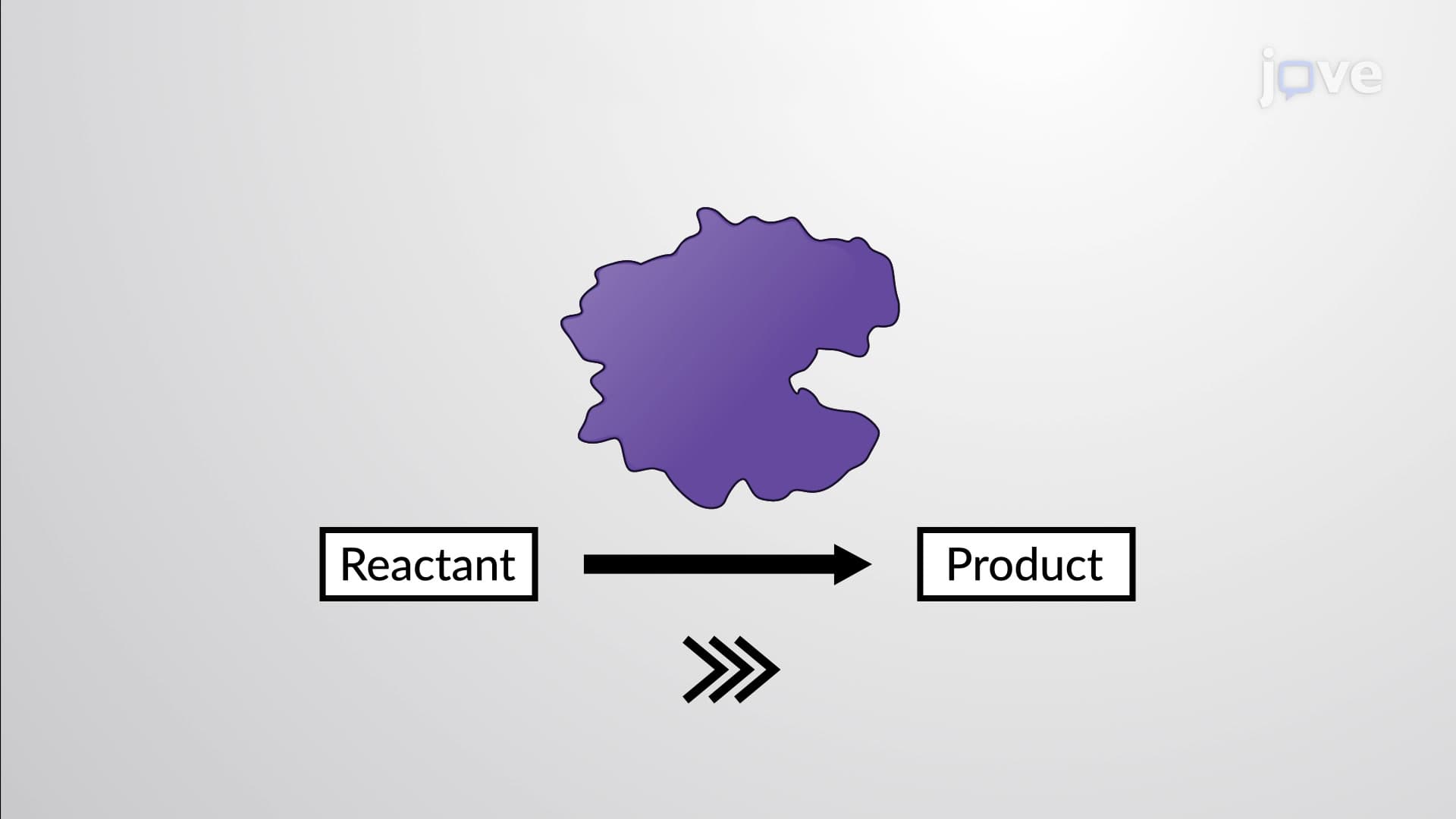
Enzyme catalysis mechanisms represent one of nature's most elegant solutions to the challenge of facilitating chemical reactions under mild biological conditions. These protein-based catalysts achieve remarkable rate enhancements through four primary mechanisms that work individually or in combination. Students preparing for AP Biology, the MCAT, or college biochemistry courses must grasp how these mechanisms transform impossible reactions into feasible biological processes.
The active site enzyme catalysis operates through proximity and orientation effects, where enzymes position reactive groups in optimal geometric arrangements. This mechanism alone can increase reaction rates by factors of 10^5 to 10^8. Acid-base catalysis involves amino acid residues like histidine, aspartate, and glutamate acting as proton donors or acceptors, facilitating bond breaking and formation. The covalent enzyme catalysis mechanism creates temporary enzyme-substrate bonds, as seen in serine proteases like chymotrypsin used in digestive processes. Finally, transition state stabilization represents the most powerful mechanism, where enzymes bind more tightly to the reaction's transition state than to substrates or products.
The evolution from the lock and key enzyme model to the induced fit mechanism reflects our growing understanding of enzyme flexibility. While Emil Fischer's original lock-and-key concept suggested rigid complementarity, Daniel Koshland's induced fit model better explains how enzymes like hexokinase undergo conformational changes upon glucose binding. This flexibility is crucial for enzyme catalytic mechanism types that require precise positioning of catalytic residues. US medical schools emphasize these concepts heavily, as understanding enzyme conformational changes is essential for drug design and clinical applications.
Modern biotechnology leverages these mechanisms extensively. Restriction enzymes enable genetic engineering techniques used by companies like Genentech and Amgen in producing therapeutic proteins. Diagnostic enzymes such as glucose oxidase power blood glucose meters used by millions of Americans with diabetes. In industrial settings, thermostable DNA polymerases from companies like Applied Biosystems drive PCR amplification in forensic laboratories and research institutions across the United States. These applications demonstrate how fundamental knowledge of enzyme mechanisms translates directly into practical solutions addressing real-world challenges.
Related Micro-courses