Loading subject page…


218,707 views

Video Summary: What are Nucleic Acids and Nucleotides
Did you know that every cell in your body contains over 3 billion base pairs of DNA packed into a space smaller than a pinhead? Understanding nucleic acids nucleotides explained reveals how this molecular blueprint works. From the insulin production in pancreatic cells to the COVID-19 mRNA vaccines developed by Pfizer and Moderna, What are Nucleic Acids And Nucleotides forms the foundation of modern biotechnology and medicine. These complex molecules store and transmit genetic information through intricate sugar-phosphate-base structures that determine everything from eye color to disease susceptibility. Watch the full video on JoVE Coach to master this concept with expert-led visuals and step-by-step explanations.
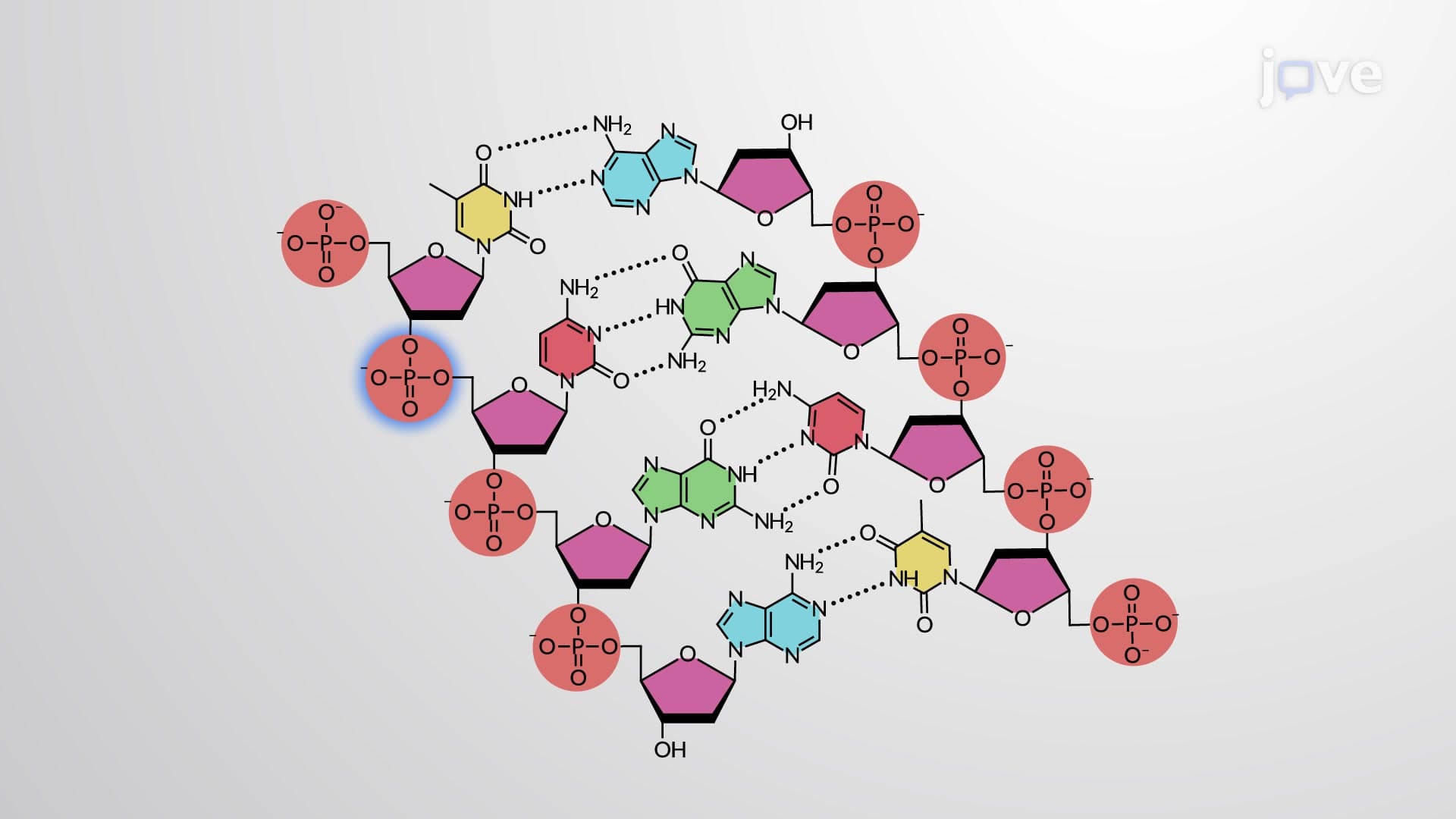
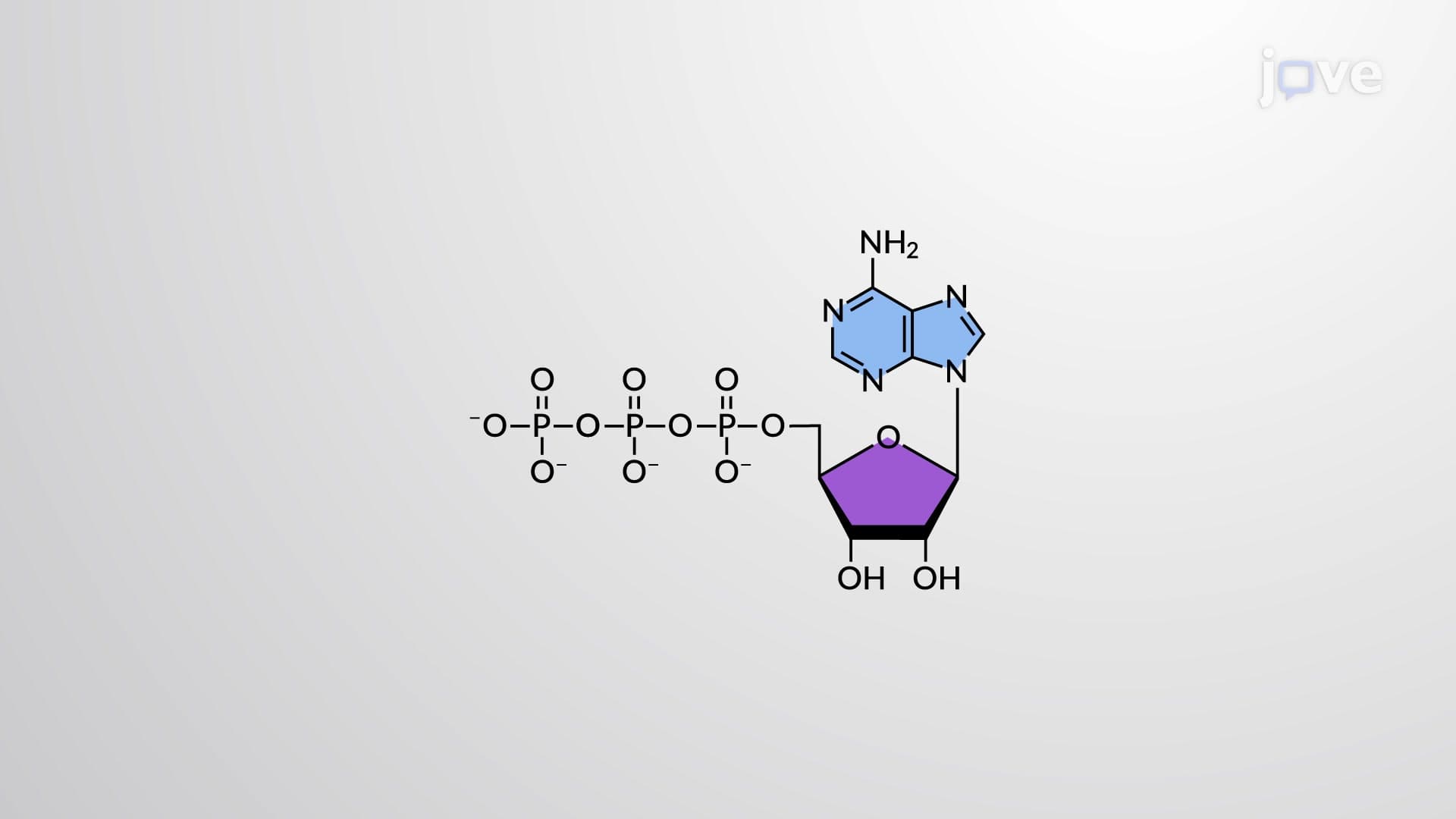
Nucleic acids and nucleotides biology represents one of the most crucial topics in modern biological sciences. Nucleotides serve as the building blocks of nucleic acids, much like amino acids form proteins or monosaccharides create carbohydrates. Each nucleotide contains three distinct components that work together: a five-carbon pentose sugar, a nitrogen-containing base, and at least one phosphate group. When these nucleotides link together through phosphodiester bonds, they form the long polymer chains we recognize as DNA and RNA.
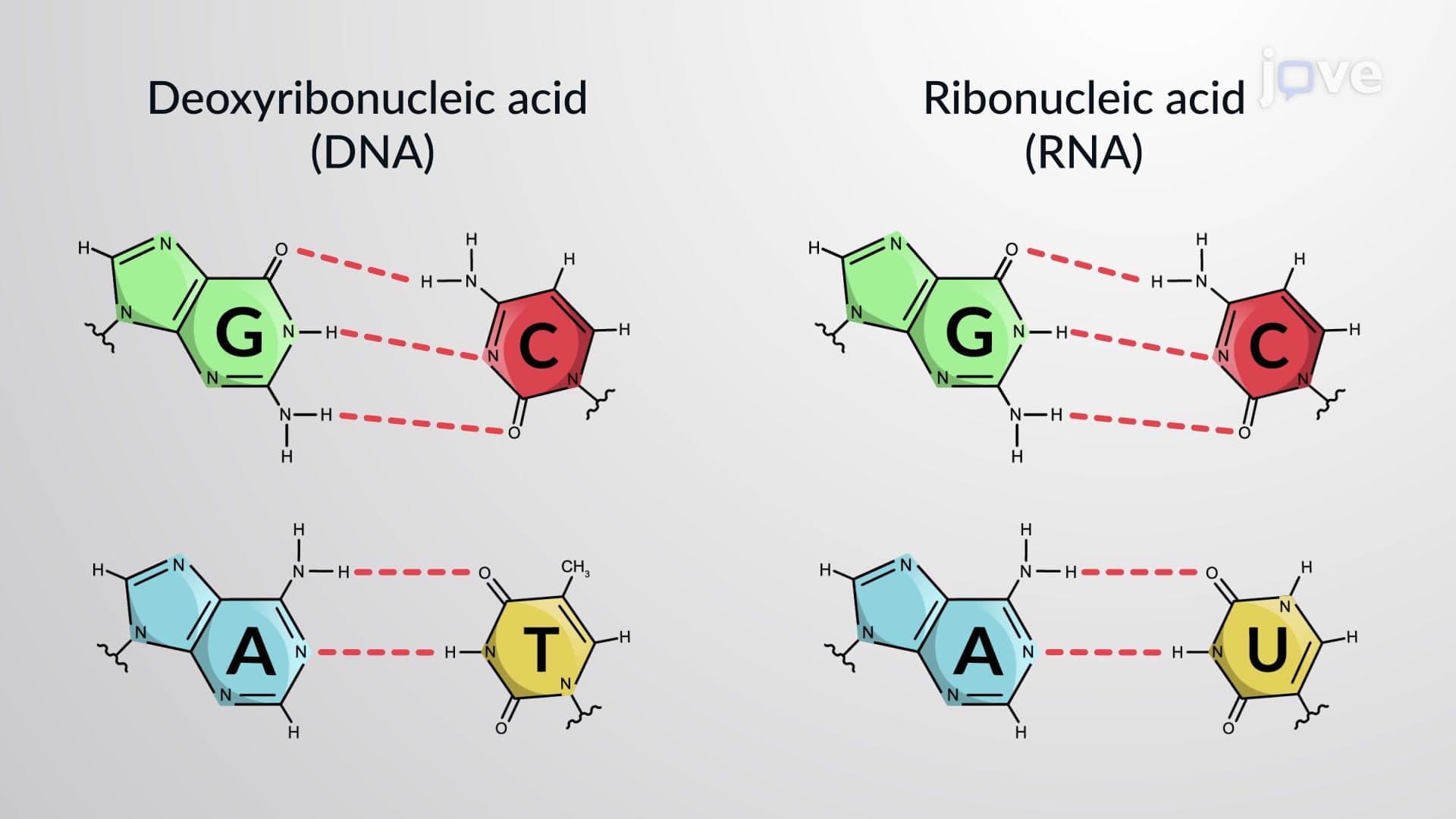
The DNA RNA nucleic acid differences extend far beyond simple nomenclature. DNA contains deoxyribose sugar, which lacks a hydroxyl group at the 2' carbon position, making it more chemically stable and suitable for long-term genetic storage. This stability explains why forensic scientists can extract DNA from decades-old crime scene evidence or why paleogeneticists recover DNA from ancient specimens. RNA contains ribose sugar with hydroxyl groups at both 2' and 3' carbon positions, making it less stable but more chemically reactive-perfect for its diverse cellular roles in protein synthesis, gene regulation, and catalysis.
The purine pyrimidine nucleotide classification system divides nitrogenous bases into two categories. Purines (adenine and guanine) feature double-ring structures, while pyrimidines (cytosine, thymine, and uracil) contain single rings. This size difference ensures proper base pairing: large purines always pair with small pyrimidines, maintaining consistent DNA helix width. In healthcare settings, understanding these pairing rules helps medical professionals interpret genetic test results, design PCR primers for diagnostic tests, and develop targeted gene therapies.
Students encountering what are nucleic acids and nucleotides in biology on AP Biology exams, MCAT sections, or college biochemistry courses should focus on structure-function relationships. The phosphate sugar base nucleotide arrangement creates the backbone of genetic material, with phosphate groups providing negative charges that require histone proteins for DNA packaging in eukaryotic cells. Nucleic acid function extends beyond genetic storage-RNA molecules serve as enzymes (ribozymes), regulatory elements (microRNA), and catalytic components in ribosomes. Medical students preparing for USMLE Step 1 frequently encounter questions linking nucleotide structure to disease mechanisms, such as how nucleoside analog drugs like AZT treat HIV infections by mimicking natural nucleotides.
Related Micro-courses