Loading subject page…


218,707 views


Video Summary: What are Proteins Structure Types and Biological Functions
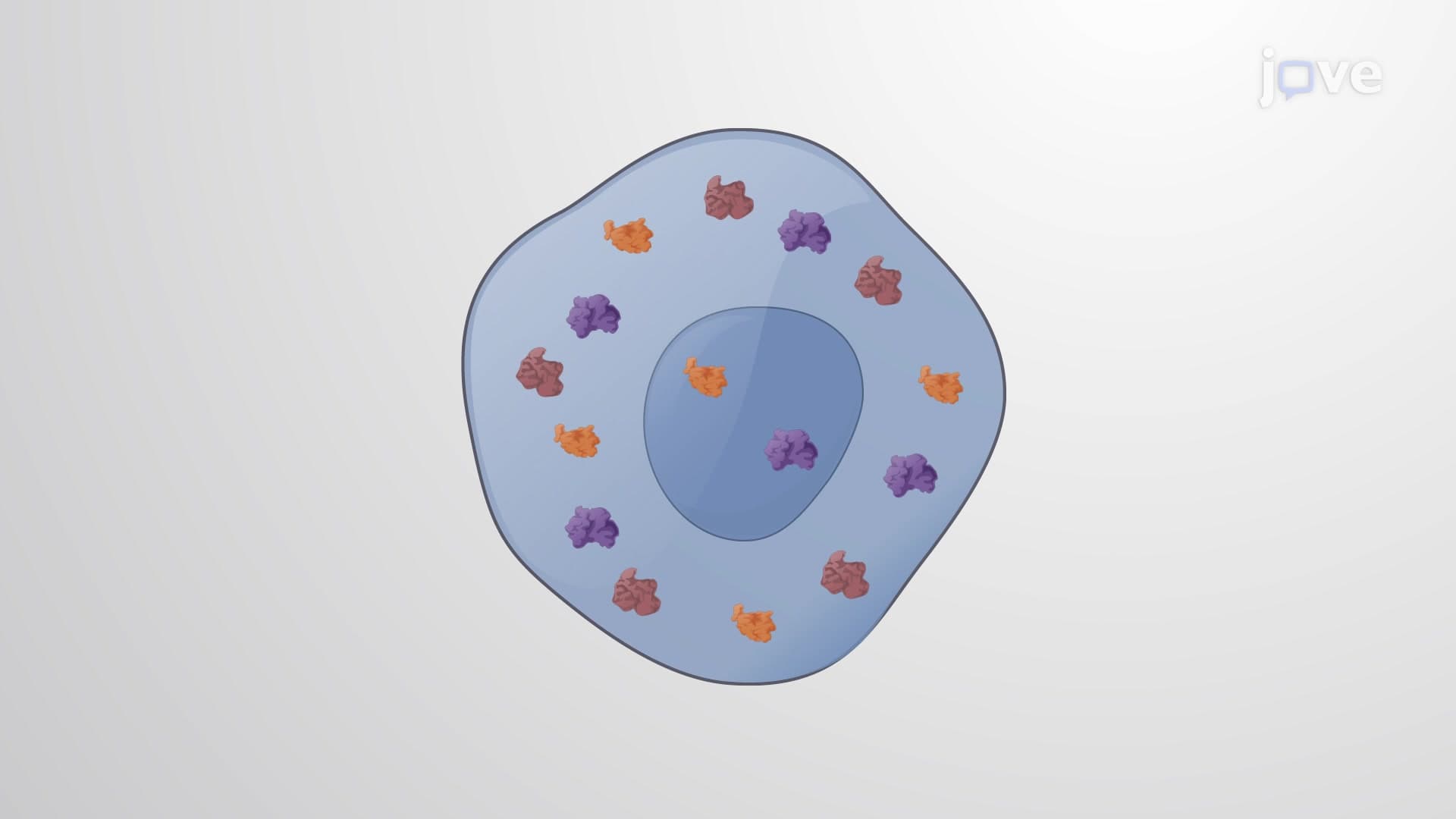
Did you know that your body contains over 20,000 different protein types, each with a unique shape that determines its specific job? Proteins structure types functions reveal how these remarkable molecules serve as the workhorses of every living cell. From the insulin that regulates blood sugar in diabetic patients at Johns Hopkins Hospital to the collagen that gives strength to your bones, understanding what are proteins structure types and biological functions is essential for grasping how life operates at the molecular level. Watch the full video on JoVE Coach to master this concept with expert-led visuals and step-by-step explanations.
Proteins represent one of life's most sophisticated molecular machines, combining chemical complexity with functional precision. These macromolecules consist of amino acid building blocks connected through peptide bonds, creating linear chains that fold into intricate three-dimensional shapes. The relationship between protein structure and function is so fundamental that even minor structural changes can have dramatic biological consequences.
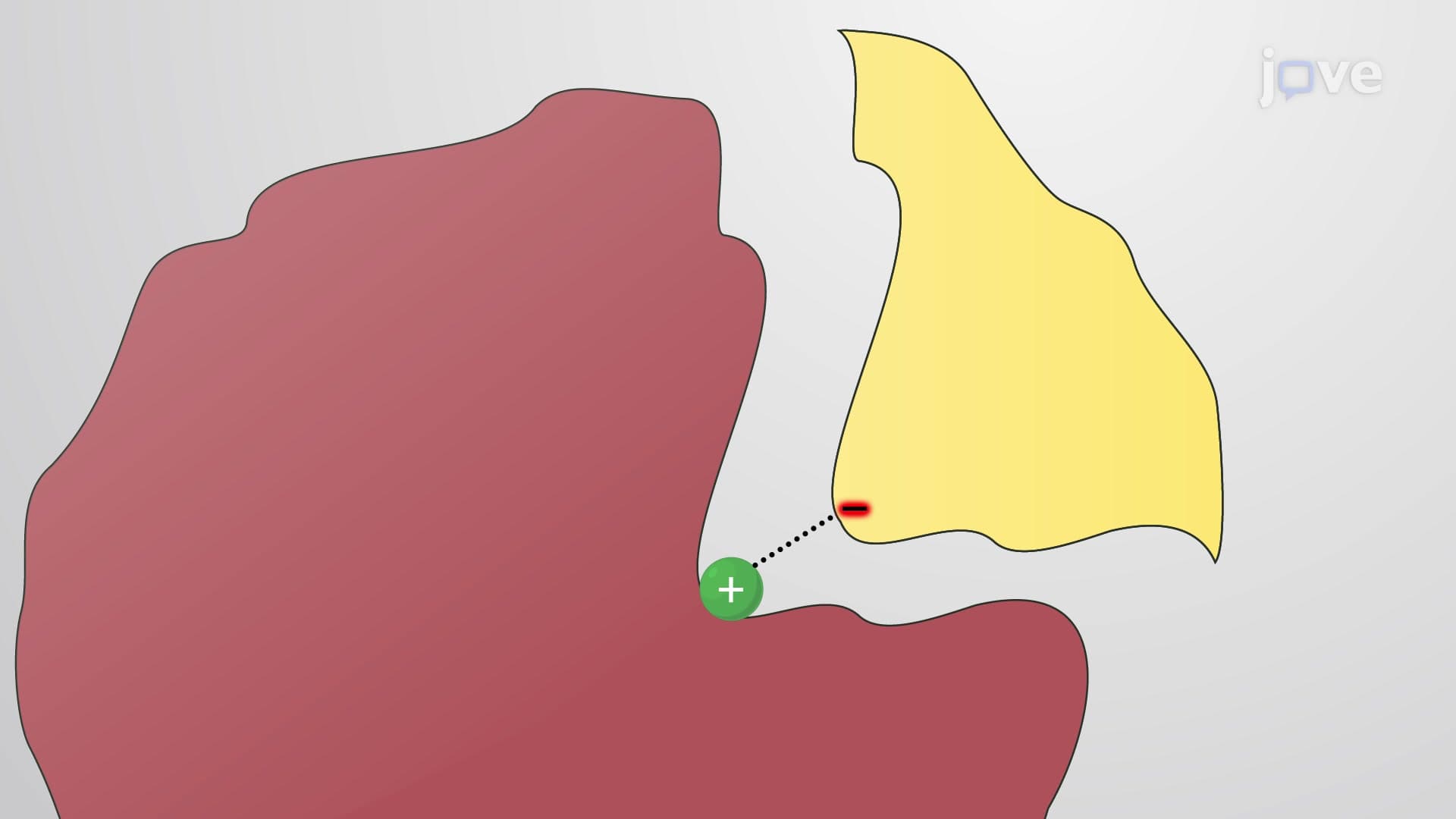
The 20 standard amino acids serve as protein building blocks, each contributing unique chemical properties through their side chains. Nonpolar amino acids like leucine and valine create hydrophobic regions, while polar amino acids such as serine and threonine interact favorably with water. Charged amino acids like lysine (positive) and aspartate (negative) enable electrostatic interactions crucial for protein stability and function.
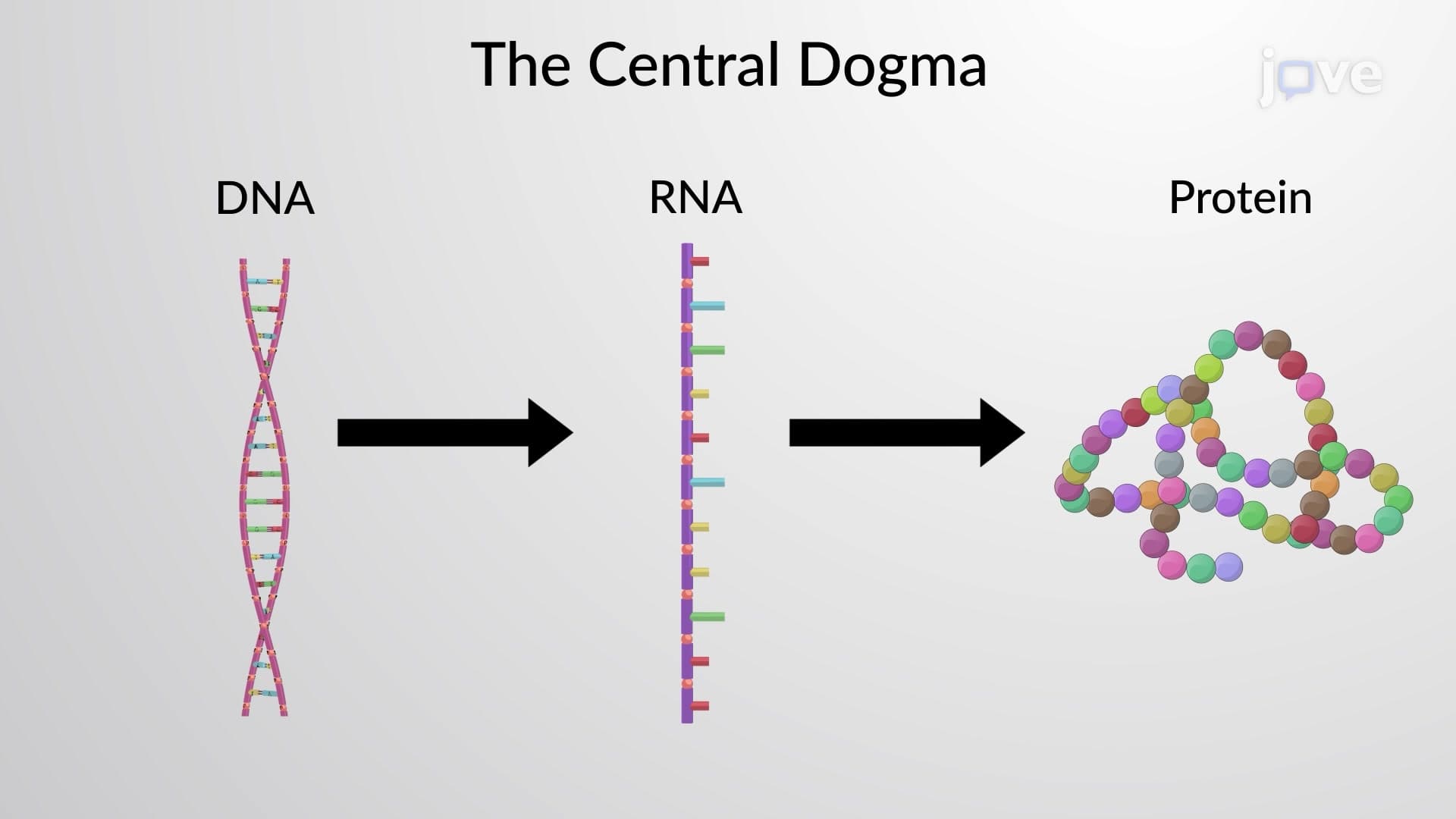
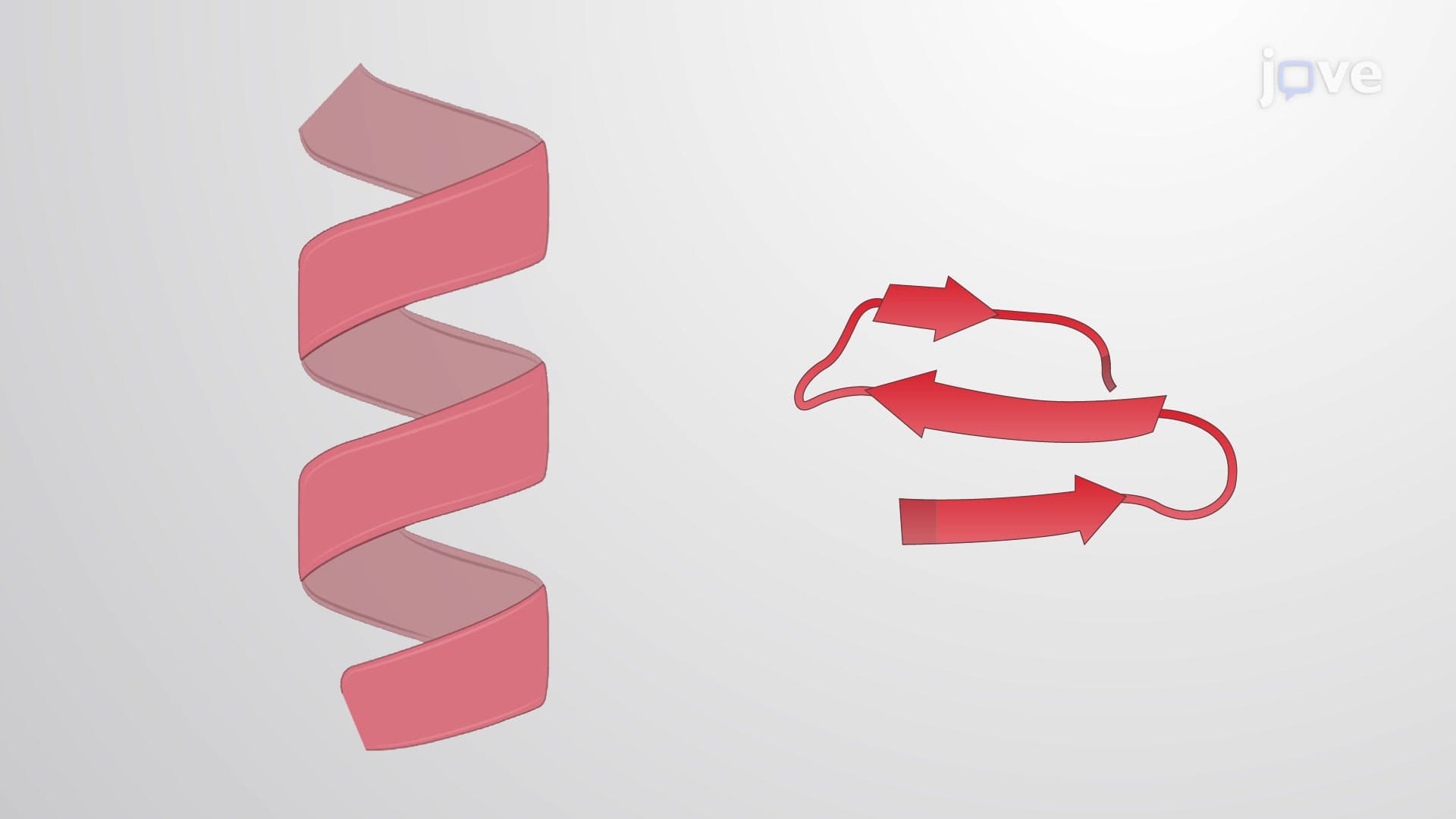
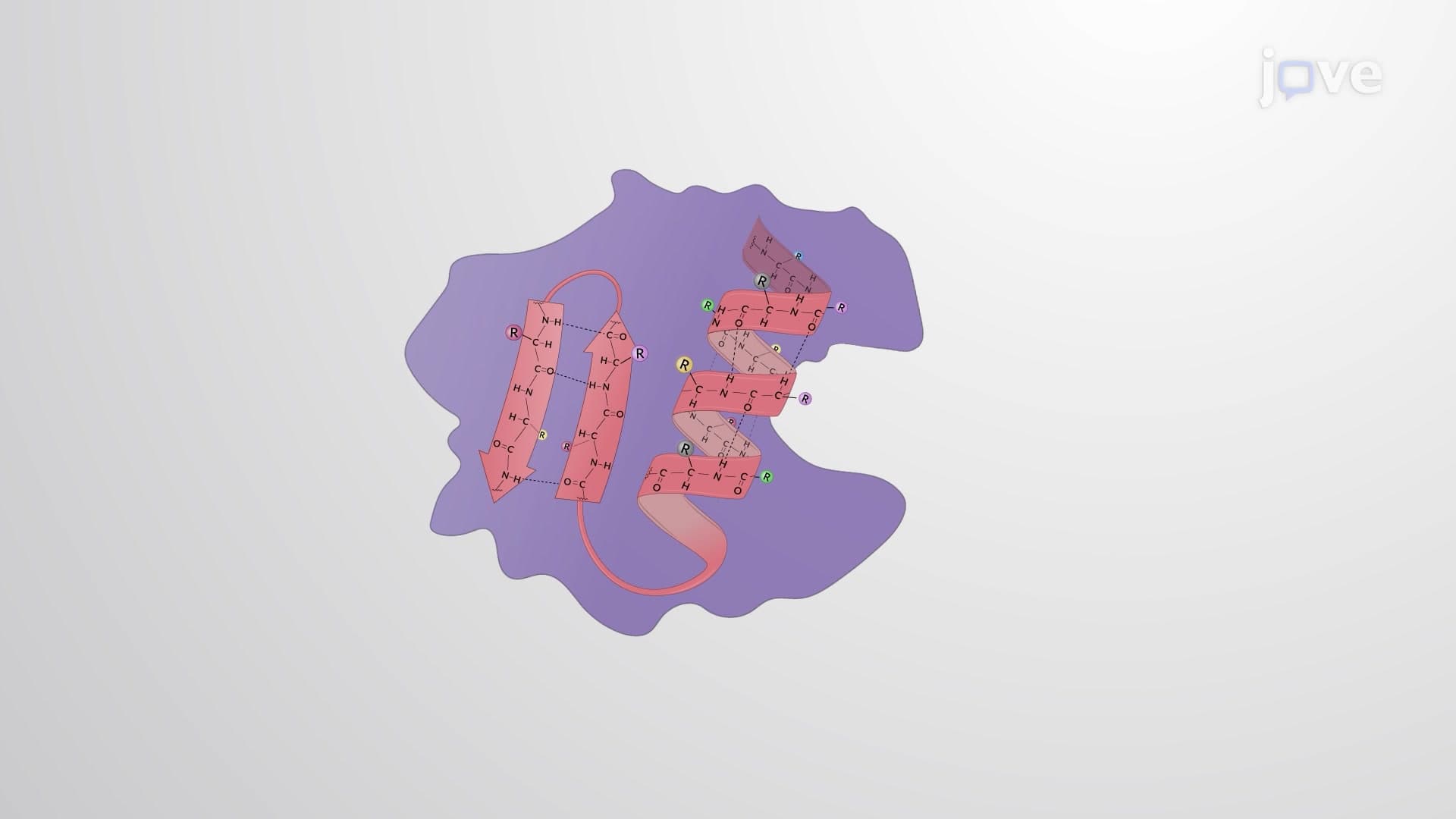
Protein structure exists across four organizational levels. Primary structure refers to the linear amino acid sequence, determined by genetic code. Secondary structure includes regular patterns like alpha-helices and beta-sheets, stabilized by hydrogen bonds between backbone atoms. Tertiary structure describes the overall three-dimensional fold of a single protein chain, while quaternary structure involves multiple protein subunits working together, exemplified by hemoglobin's four-subunit architecture.
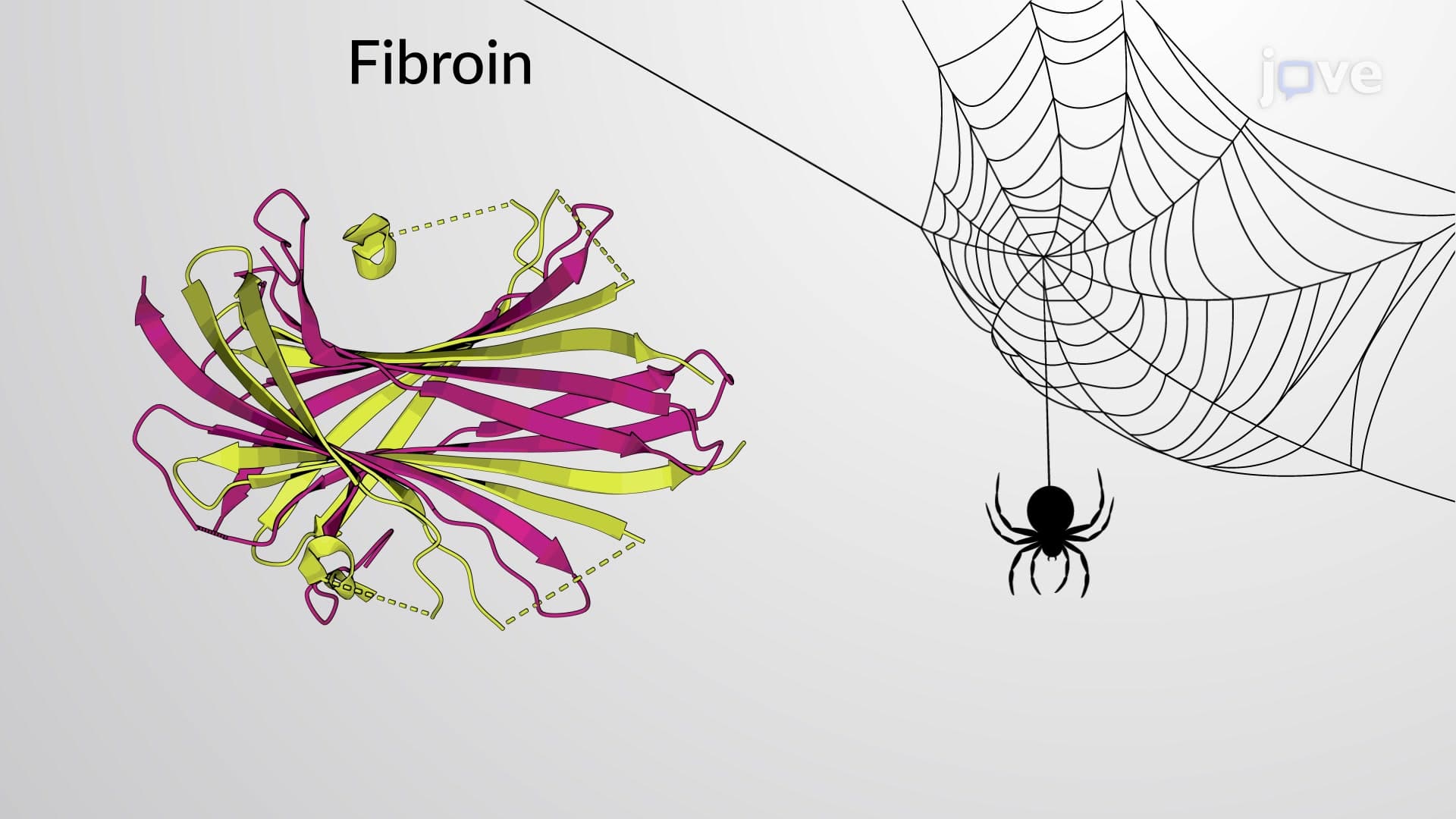
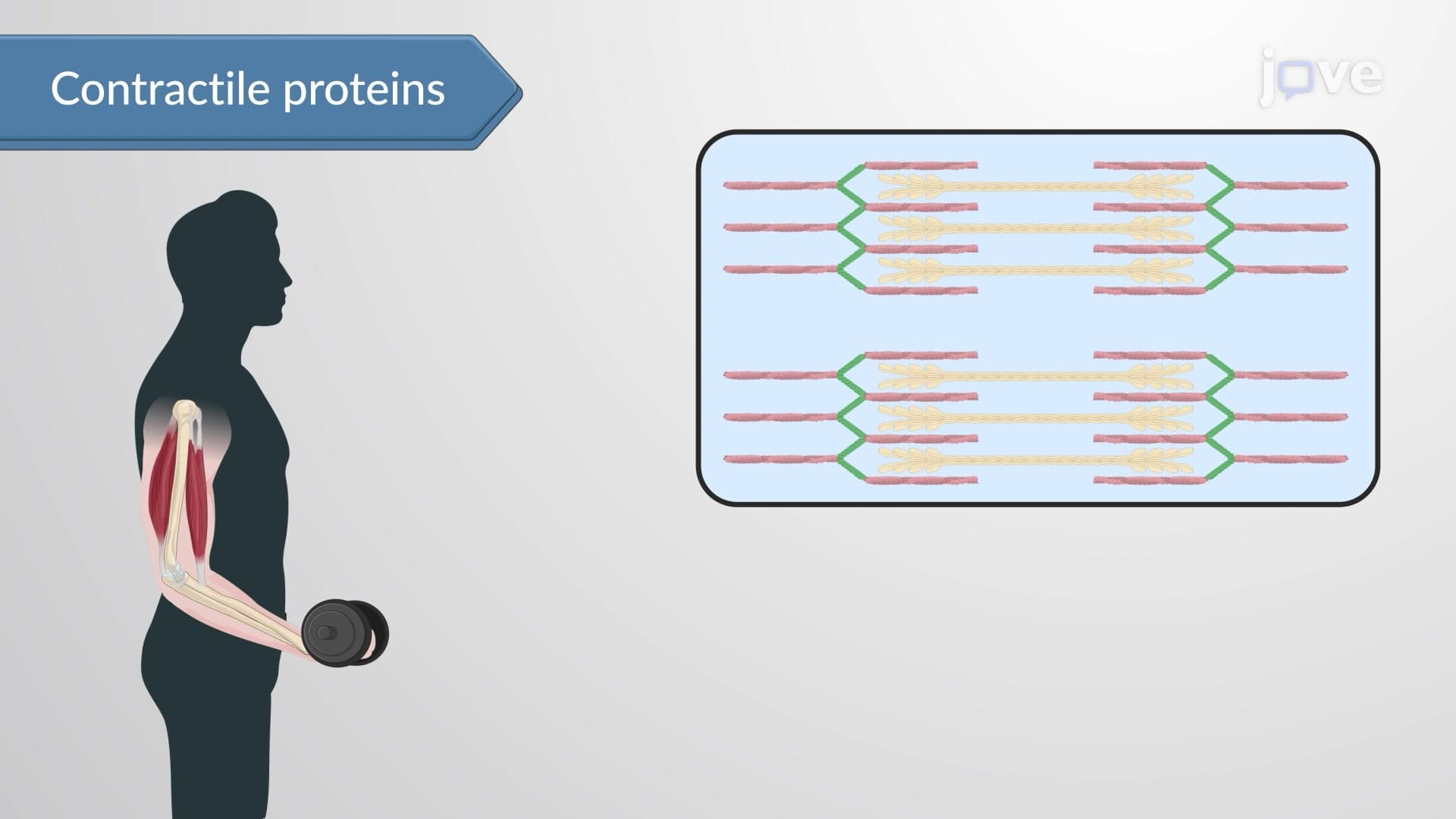
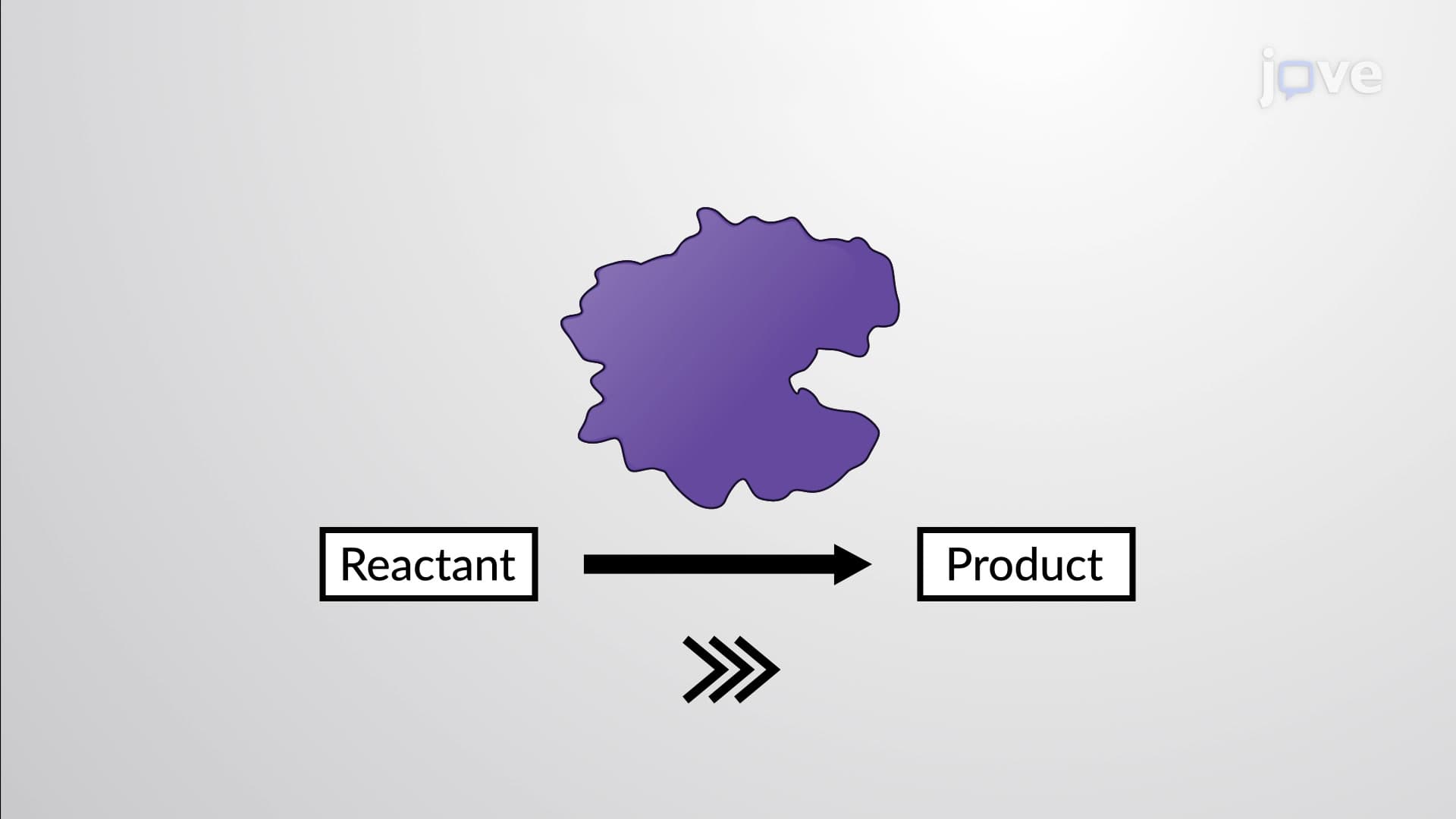
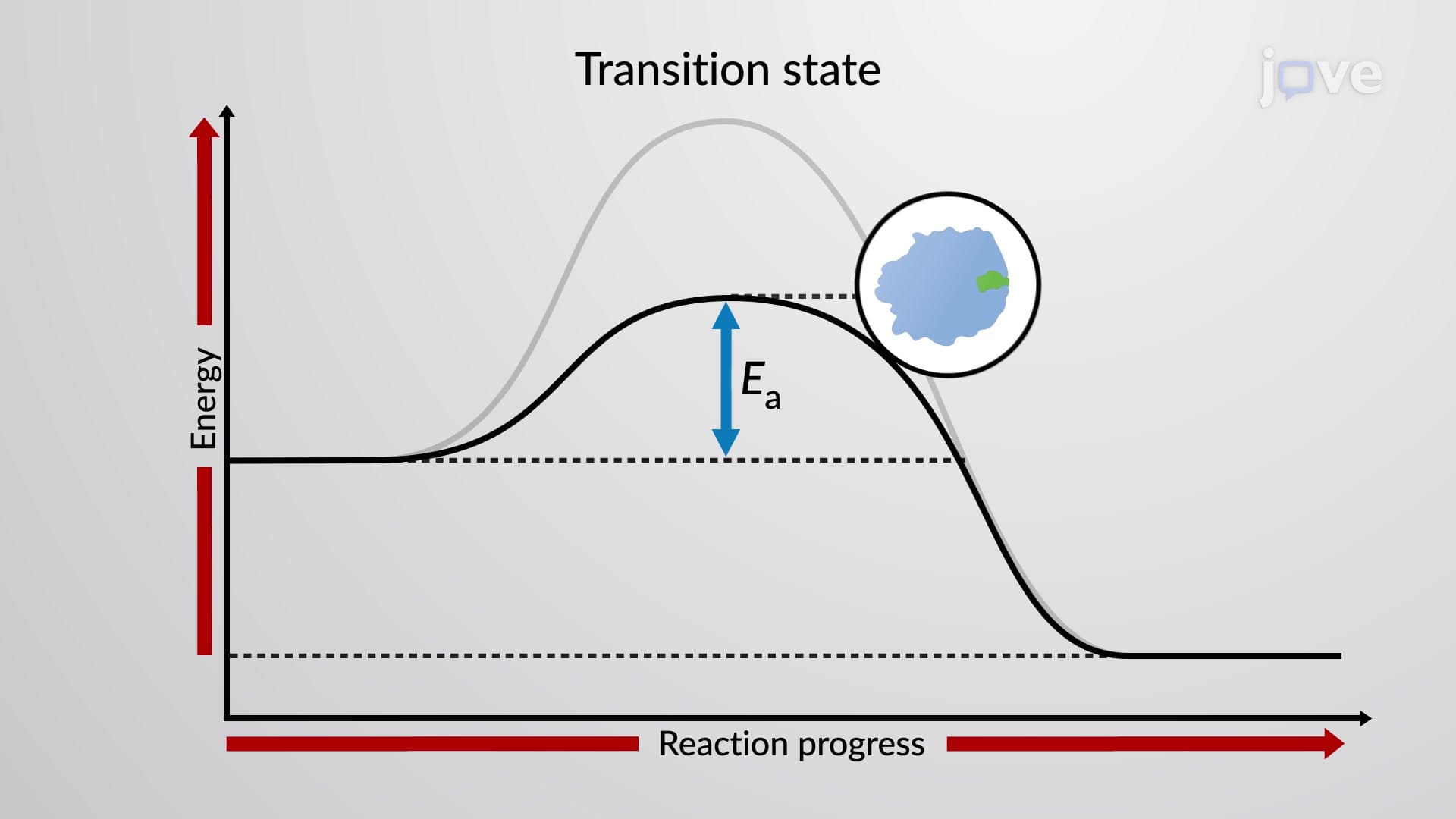
Proteins perform diverse cellular functions through their specialized structures. Enzymes like pepsin break down proteins in your stomach, while DNA polymerase replicates genetic material with remarkable fidelity. Structural proteins such as keratin strengthen hair and nails, whereas collagen provides tensile strength to skin and bones. Transport proteins facilitate molecular movement-hemoglobin carries oxygen, while glucose transporters move sugar across cell membranes.
Signaling proteins coordinate cellular communication through hormone action and receptor binding. Insulin regulates glucose metabolism by binding to specific cell surface receptors, triggering intracellular signaling cascades. Antibodies represent another protein class, defending against pathogens through highly specific antigen recognition.
Understanding protein science proves essential for medical practice and biotechnology innovation. Genetic diseases often result from protein defects-sickle cell anemia stems from a single amino acid substitution in hemoglobin, dramatically altering protein shape and oxygen-carrying capacity. Cystic fibrosis involves defective chloride channel proteins, leading to thick mucus production and respiratory complications.
Modern medicine leverages protein engineering for therapeutic development. Recombinant DNA technology enables production of human insulin in bacterial systems, revolutionizing diabetes treatment. Similarly, growth hormone deficiency is treated with recombinant proteins, while enzyme replacement therapies address inherited metabolic disorders.
For students preparing for AP Biology, MCAT, or college biochemistry courses, mastering protein concepts requires understanding structure-function relationships, recognizing disease mechanisms, and appreciating biotechnology applications that continue transforming healthcare and research.
Related Micro-courses