Loading video…


 23 Concepts
 218.7K views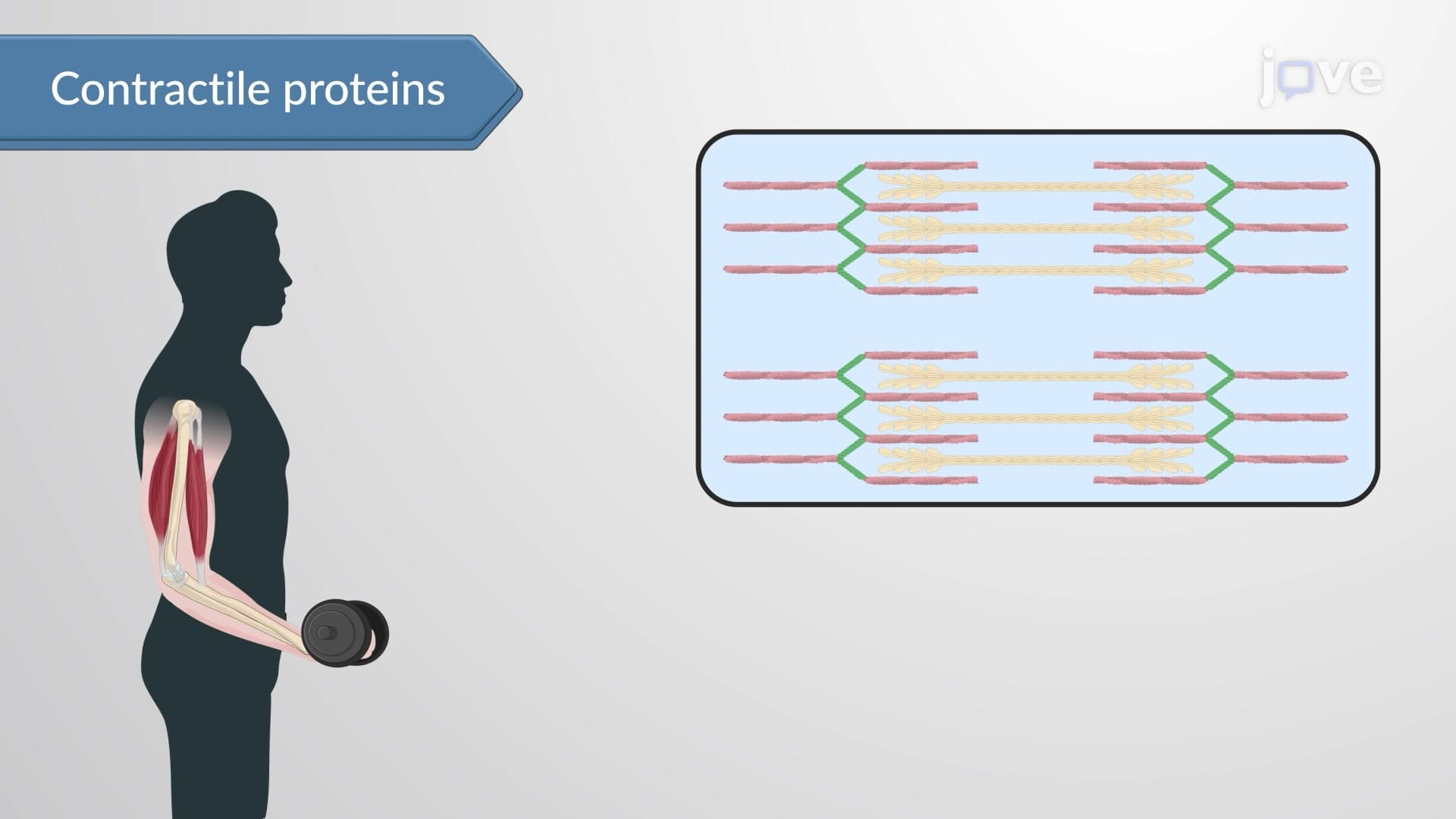

Video Summary: What are Role of Proteins
Did you know that your body contains over 100,000 different types of proteins, each serving unique functions? Understanding the role of proteins biology reveals how these molecular workhorses power everything from muscle movement to immune defense. Consider hemoglobin in your blood-this transport protein carries oxygen from your lungs to muscles during a high school track meet, demonstrating what are the roles of proteins in biology in action. These versatile molecules serve as structural supports, catalytic enzymes, transport vehicles, and regulatory messengers throughout living systems. Watch the full video on JoVE Coach to master this concept with expert-led visuals and step-by-step explanations.
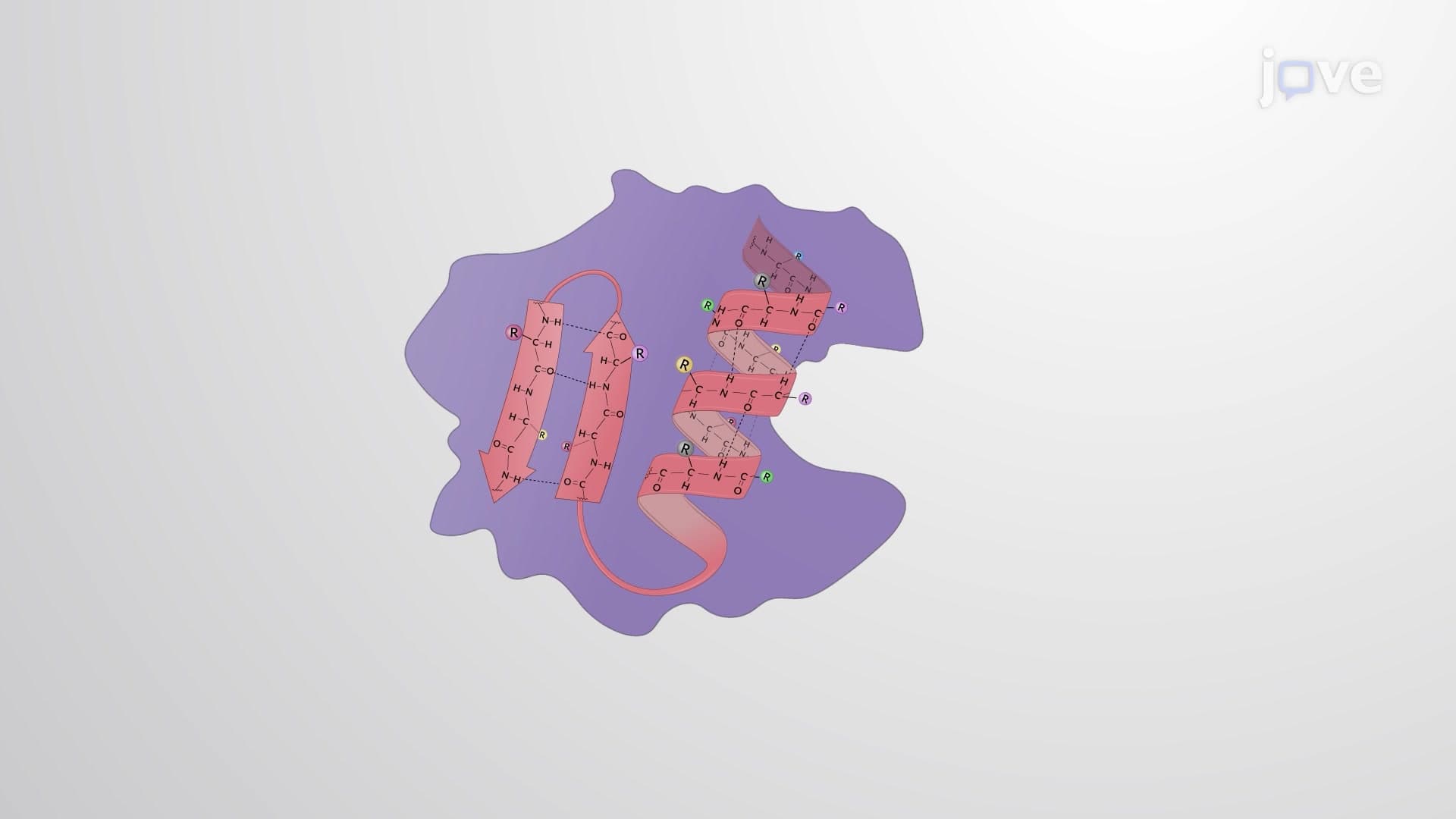
The role of proteins biology encompasses six essential categories that sustain life at cellular, tissue, and organismal levels. These complex molecules, composed of amino acid chains folded into specific three-dimensional structures, represent nature's most versatile macromolecules. Unlike carbohydrates or lipids with primarily energy-related functions, proteins demonstrate remarkable functional diversity that makes them indispensable to every biological process.
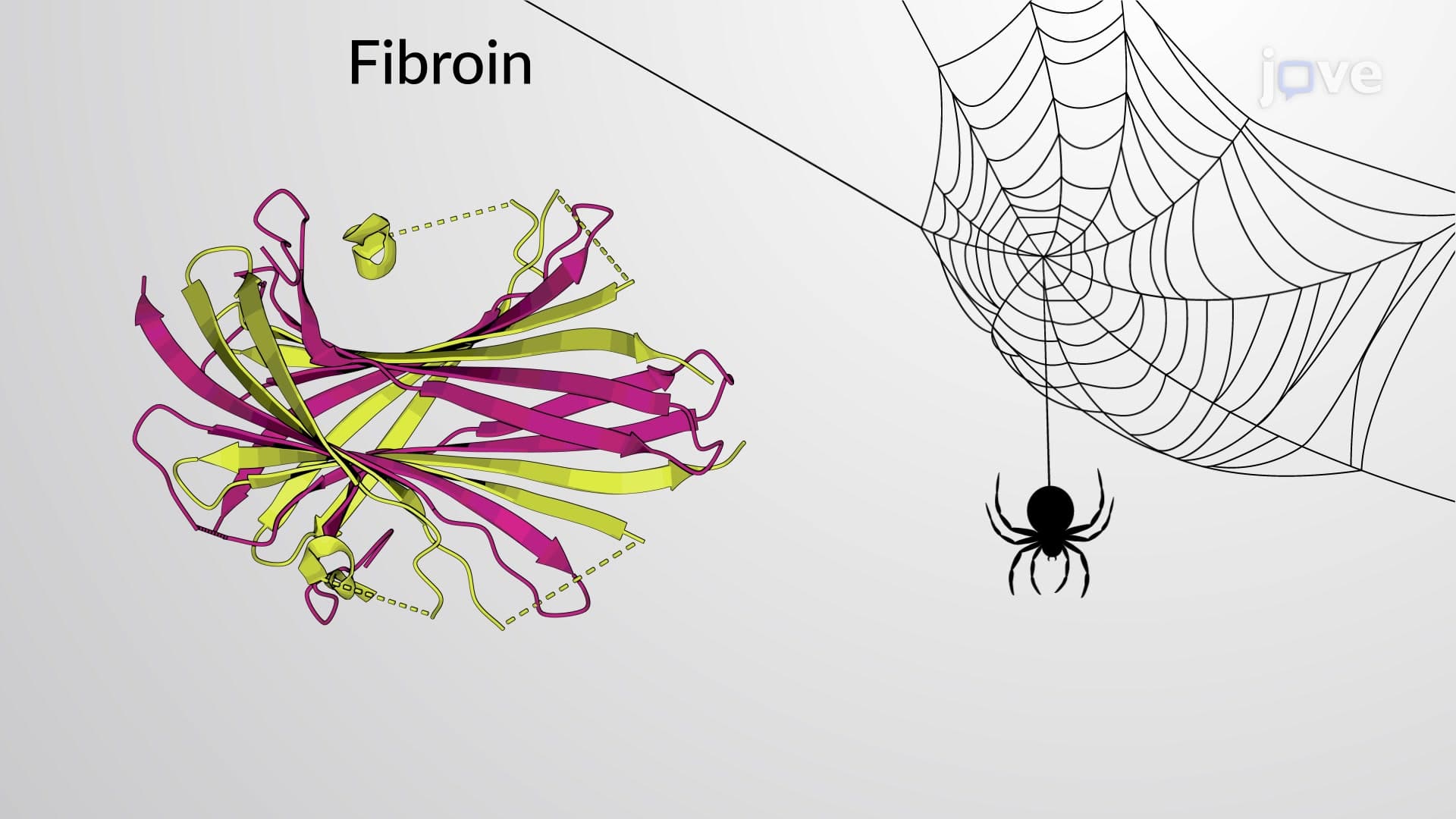
Structural protein function provides the architectural framework for all living tissues. Collagen, comprising nearly 30% of total body protein, forms the backbone of connective tissues including tendons, ligaments, and bone matrix. This fibrous protein's triple-helix structure creates exceptional tensile strength-stronger than steel wire of equivalent thickness. Keratin proteins create protective barriers in hair, nails, and skin, while elastin enables tissue flexibility in blood vessels and lungs.
Contractile proteins demonstrate the protein functions in living organisms through movement generation. Actin and myosin filaments slide past each other during muscle contraction, powered by ATP hydrolysis. This mechanism drives everything from heartbeats to voluntary movements during athletic performance. These same proteins enable cellular processes like cytokinesis during cell division and organelle transport within cells.
Enzyme transport protein role encompasses two distinct functions. Transport proteins like hemoglobin carry oxygen from lungs to tissues, while membrane proteins facilitate selective permeability. Hemoglobin's iron-containing heme groups bind oxygen cooperatively, releasing it where cellular respiration demands are highest. Similarly, albumin transports fatty acids, hormones, and drugs throughout the bloodstream.
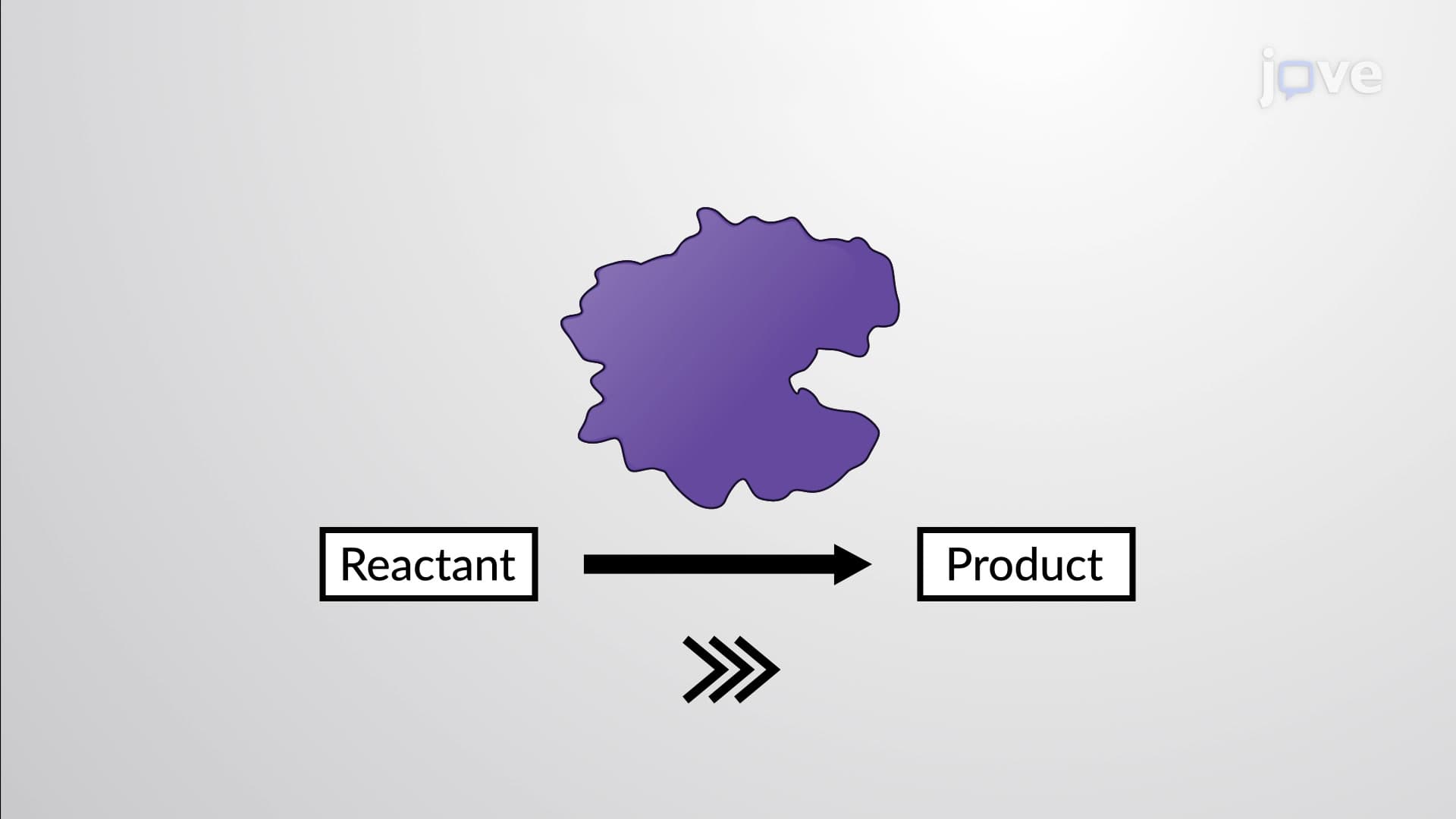
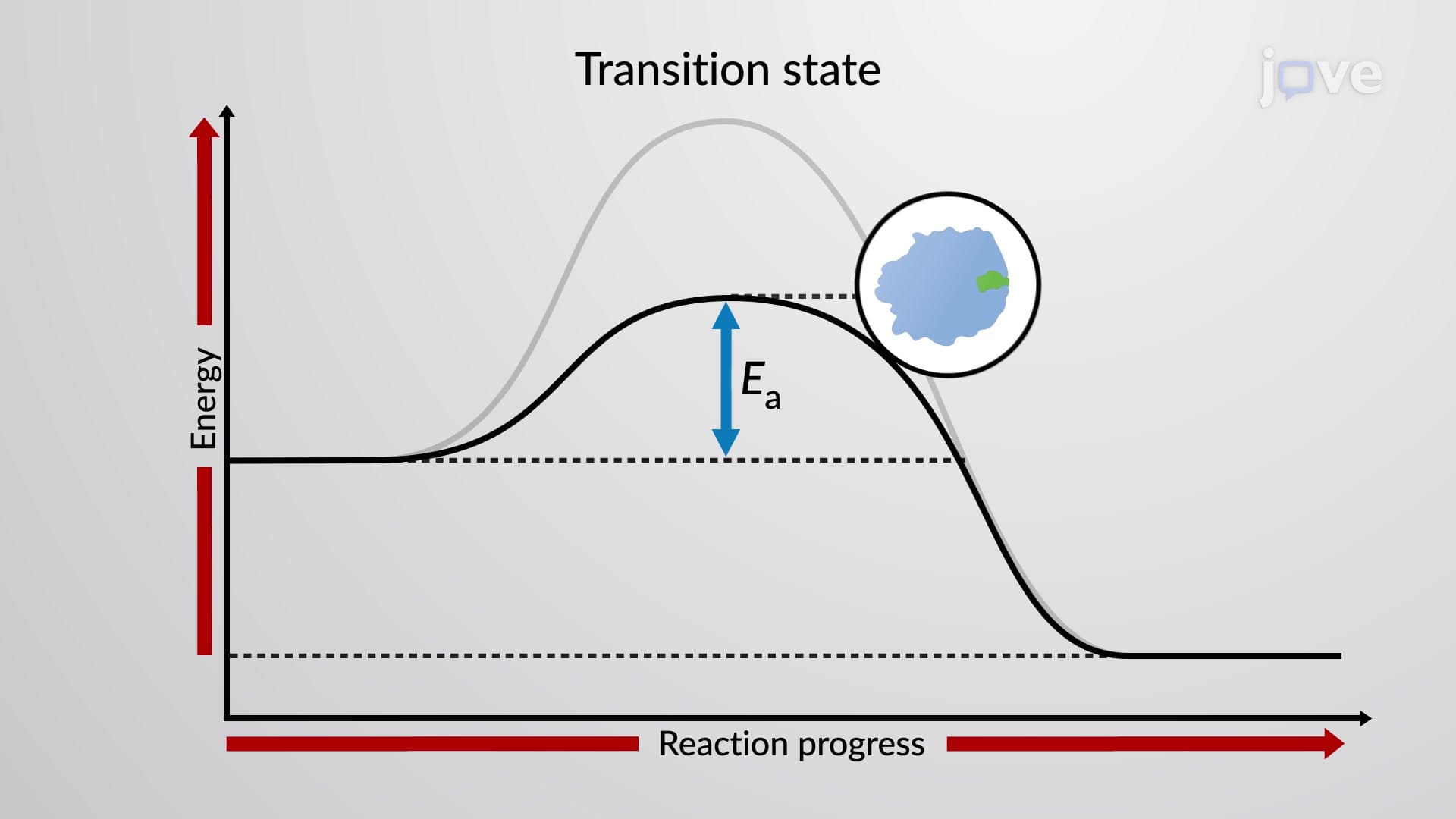
Enzymatic proteins catalyze virtually every biochemical reaction in living systems. Salivary amylase initiates starch digestion in the mouth, while pepsin begins protein breakdown in the stomach. These biological catalysts lower activation energy barriers, accelerating reactions millions of times faster than uncatalyzed rates. Without enzymatic proteins, metabolic processes would occur too slowly to sustain life.
Regulatory protein role involves hormonal signaling and cellular communication. Insulin, a peptide hormone, regulates glucose metabolism by promoting cellular glucose uptake and glycogen synthesis. Growth hormone influences development and metabolism throughout the lifespan. These signaling molecules bind to specific receptors, triggering cascades of cellular responses that maintain homeostasis.
Protein signaling function extends to immune system coordination through antibody production. B lymphocytes synthesize immunoglobulins that recognize specific antigens, neutralizing pathogens through various mechanisms. This adaptive immunity provides long-lasting protection against infectious diseases, forming the basis for vaccination strategies.
Understanding protein biological roles proves essential for AP Biology, college biochemistry courses, and pre-medical studies. MCAT questions frequently test protein structure-function relationships, while clinical applications include enzyme replacement therapies for genetic disorders and monoclonal antibody treatments for cancer and autoimmune diseases.
Related Micro-courses