Loading subject page…


218,707 views

Video Summary: What Is Carbohydrate Metabolism
Did you know your brain burns through about 120 grams of glucose daily-equivalent to nearly 30 teaspoons of sugar? Carbohydrate metabolism explained reveals how your cells transform simple sugars into the energy currency that powers everything from muscle contractions to neural firing. This complex biochemical network includes glycolysis, the citric acid cycle, and glucose synthesis pathways that keep blood sugar stable even during overnight fasting. Watch the full video on JoVE Coach to master this concept with expert-led visuals and step-by-step explanations.
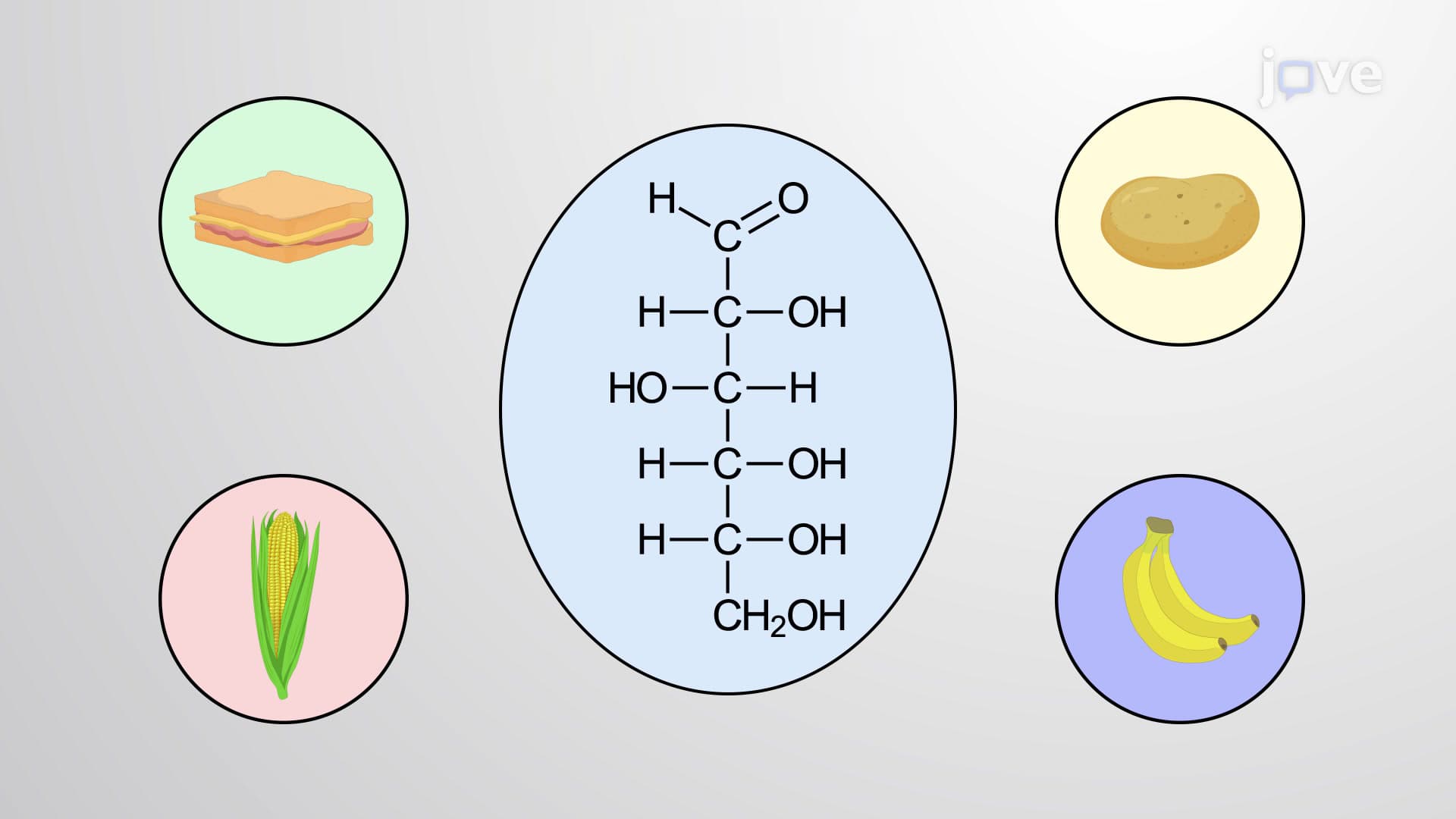
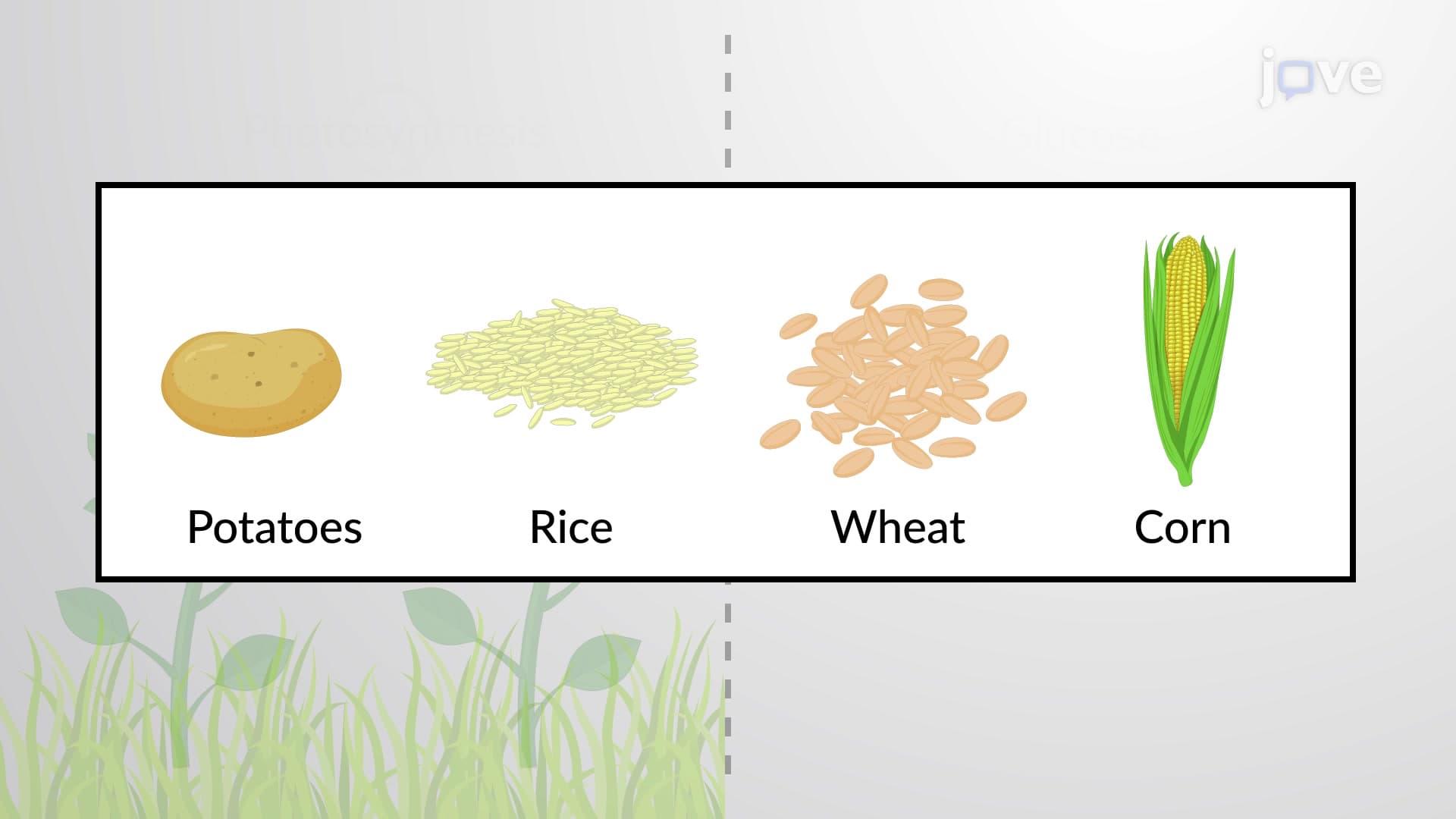
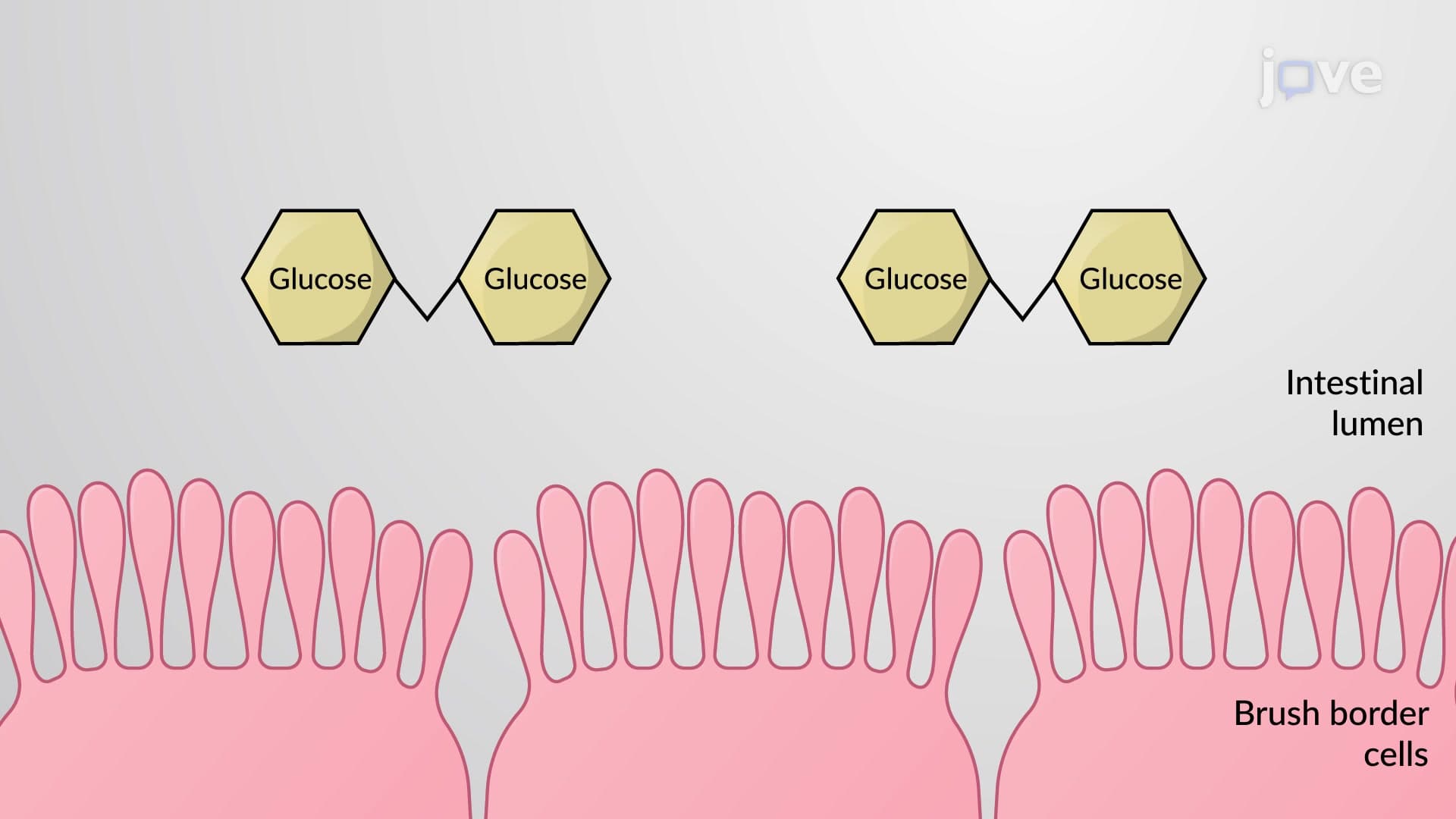
Carbohydrate metabolism encompasses the intricate biochemical processes that break down, synthesize, and regulate glucose and other sugars within cells. This metabolic network serves as the primary energy-generating system for most human tissues, particularly the brain, red blood cells, and skeletal muscle during high-intensity exercise. The process begins when dietary carbohydrates-from a morning bowl of oatmeal to an afternoon apple-enter your bloodstream as glucose molecules.
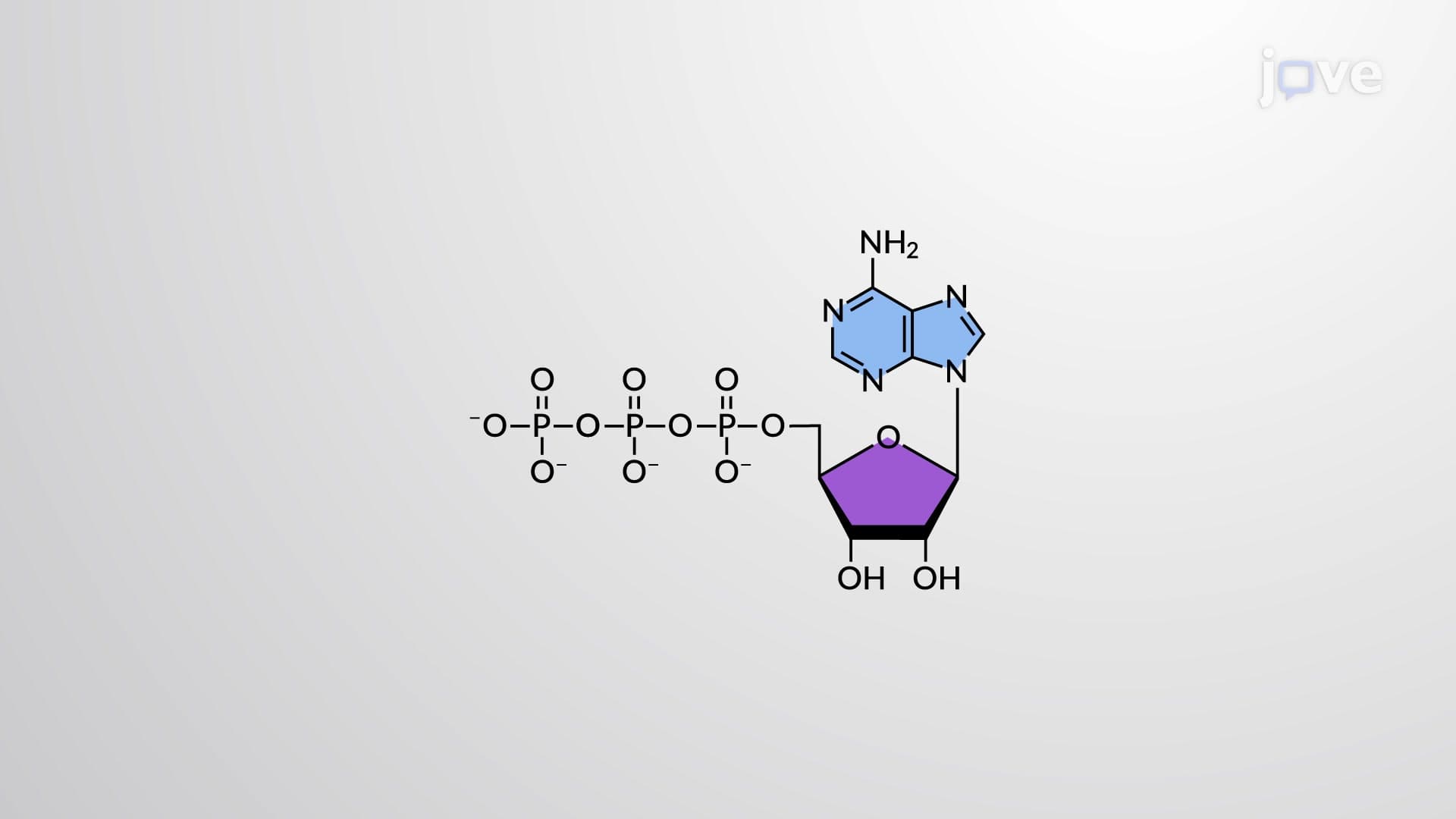
The glycolysis carbohydrate metabolism pathway represents the first stage of glucose breakdown, occurring in the cell's cytoplasm. This ten-step enzymatic sequence converts one glucose molecule into two pyruvate molecules, generating a net yield of two ATP molecules and two NADH electron carriers. Key regulatory enzymes include hexokinase (which phosphorylates glucose to glucose-6-phosphate), phosphofructokinase (the rate-limiting enzyme), and pyruvate kinase (which produces the final ATP yield). Students preparing for the MCAT or AP Biology exams should memorize these control points, as they frequently appear in metabolism questions.
Beyond glycolysis, the metabolic pathway glucose continues through several interconnected routes. During aerobic conditions, pyruvate enters mitochondria for the citric acid cycle, where complete oxidation yields approximately 30 additional ATP molecules through oxidative phosphorylation. Conversely, during intense exercise-like a high school sprinter's 100-meter dash-anaerobic conditions force pyruvate into lactate fermentation, causing the familiar muscle "burn."
The carbohydrate breakdown pathway works in concert with synthetic processes to maintain blood glucose between 70-100 mg/dL. Gluconeogenesis allows liver cells to create glucose from amino acids, lactate, and glycerol during overnight fasting. Meanwhile, glycogen metabolism provides rapid glucose storage (glycogenesis) and release (glycogenolysis). Patients with glycogen storage disease Type I (von Gierke disease) demonstrate how disrupting these pathways causes severe hypoglycemia and metabolic complications-a clinical correlation often tested on USMLE Step 1 examinations.
Related Micro-courses