Loading subject page…

- Anatomy and Physiology
- Biochemistry of the Cell
- Nucleic Acid Structure
Micro-course: Biochemistry of the Cell
218,707 views
Learn key concepts and earn your certificate.




Nucleic Acid Structure

00:00
01:25
Video Summary: What Is Nucleic Acid Structure
Ever wondered how your DNA stores the instructions to build every protein in your body? Nucleic acid structure explained reveals the elegant molecular architecture that makes life possible. The famous double helix discovered by Watson and Crick at Harvard University demonstrates how simple building blocks create complex information storage systems. Understanding what is nucleic acid structure unlocks the secrets of heredity, gene expression, and modern biotechnology applications. Watch the full video on JoVE Coach to master this concept with expert-led visuals and step-by-step explanations.
- Understand what is nucleic acid structure and identify the key components of DNA and RNA molecules
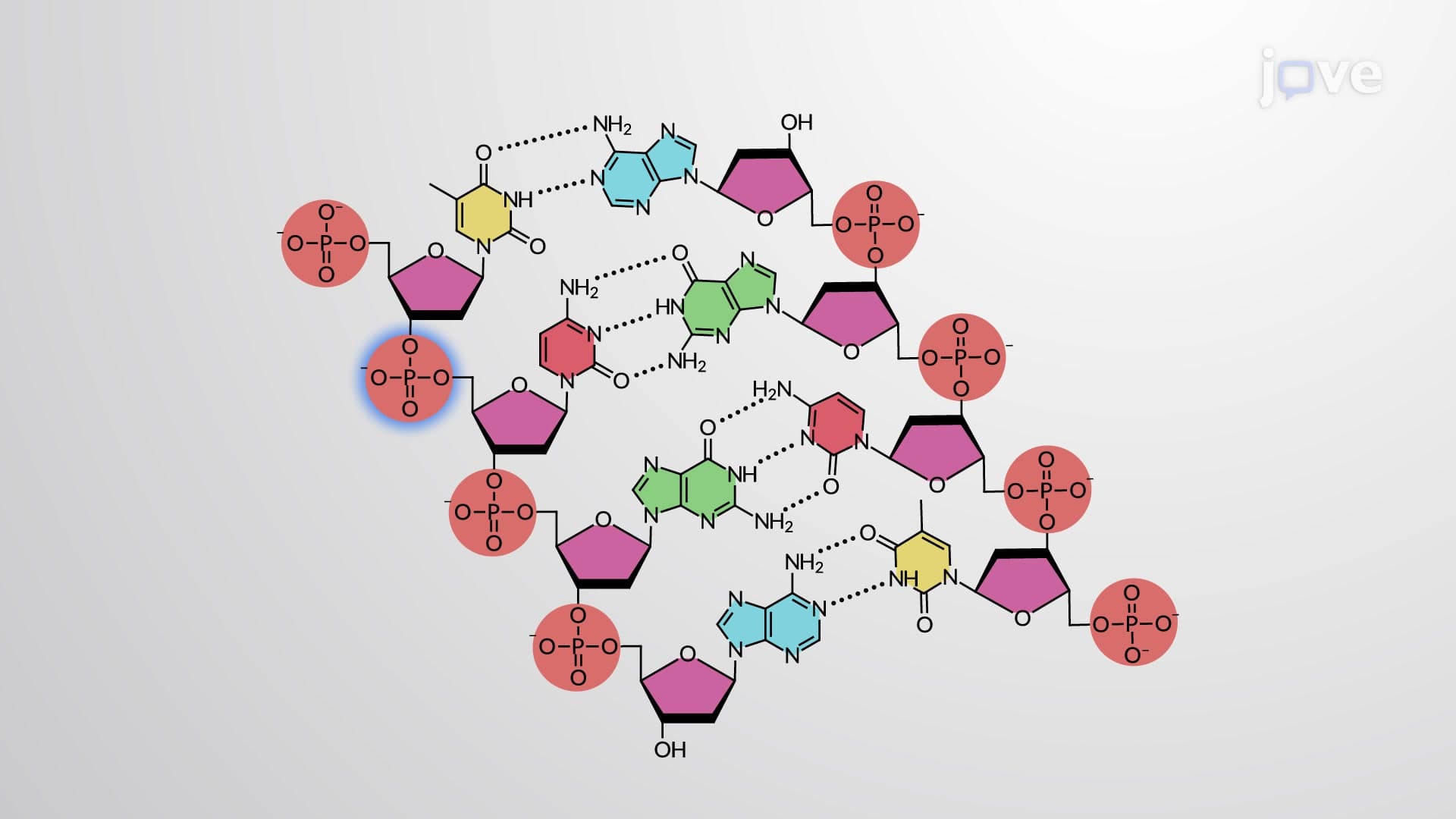
- Recognize the formation of phosphodiester bonds between nucleotides and their role in creating the nucleic acid backbone
- Analyze the antiparallel orientation of DNA strands and explain why the 5' and 3' ends are chemically distinct
- Compare DNA double helix structure with RNA single-strand configurations and their functional implications
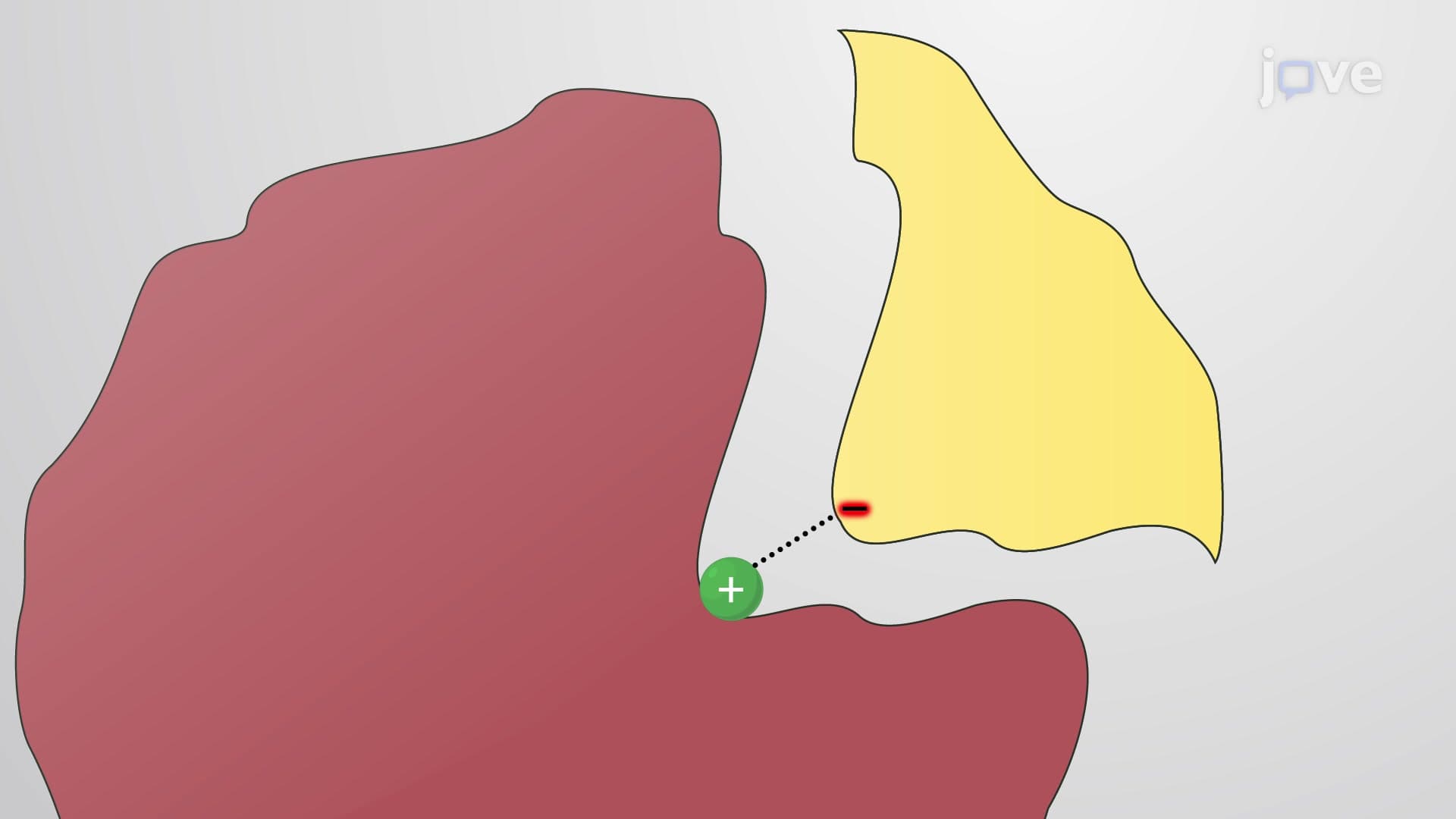
- Identify the intermolecular forces that stabilize nucleic acid structures, including hydrogen bonding and hydrophobic interactions
- Apply knowledge of base pairing rules to predict complementary strand sequences
- Evaluate how RNA secondary structures form through intrastrand base pairing
- Explore the relationship between nucleic acid structure and biological function in cellular processes
What is Nucleic Acid Structure: The Molecular Foundation
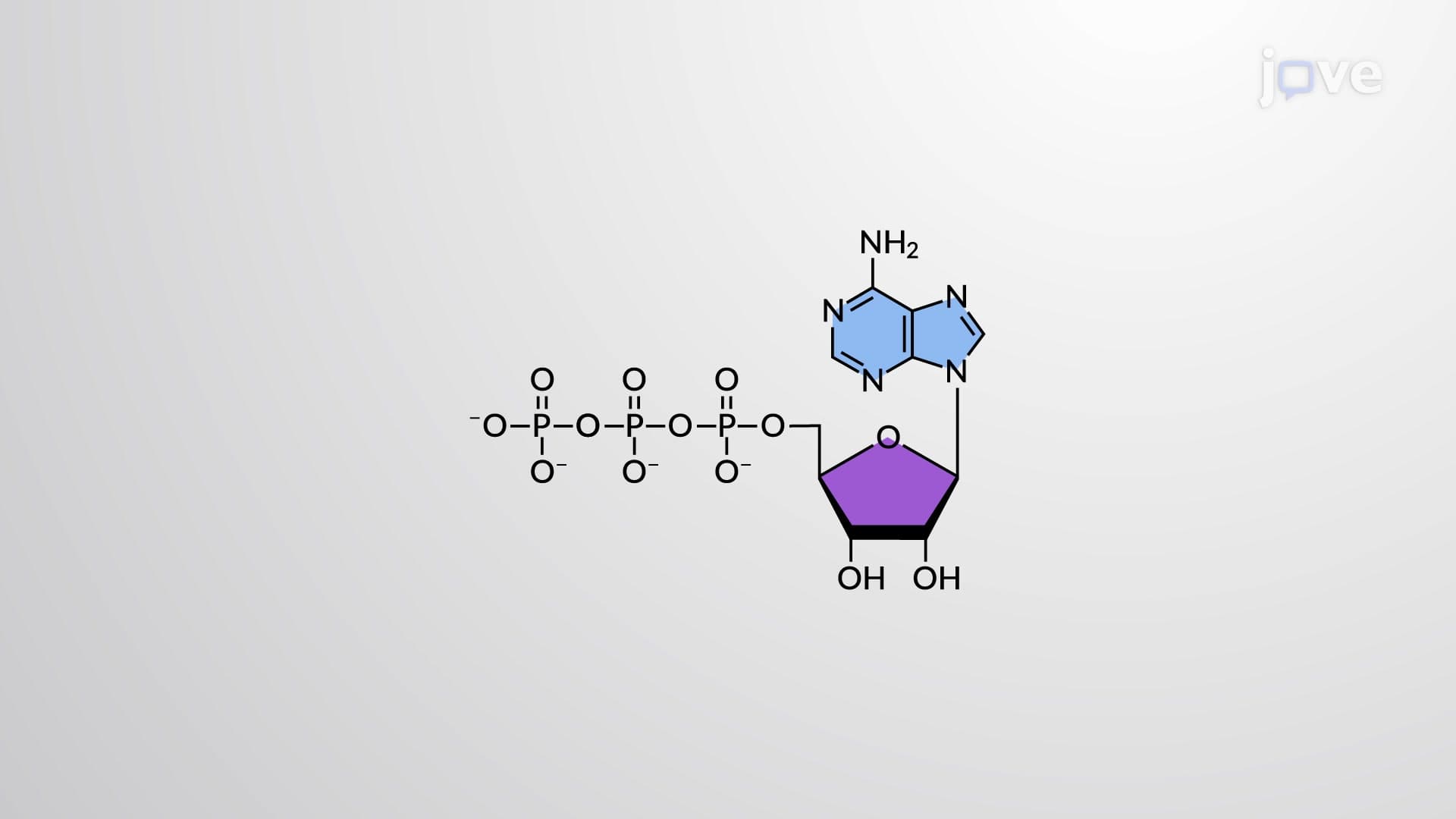
Nucleic acid structure explained begins with understanding that these molecules are polymers built from nucleotide monomers. Each nucleotide contains three essential components: a nitrogenous base, a five-carbon sugar, and a phosphate group. The nucleic acid backbone forms through phosphodiester bonds connecting the 3' carbon of one sugar to the 5' phosphate of the next nucleotide, creating a directional polymer with distinct 5' and 3' ends.
Double Helix DNA Structure: The Iconic Molecular Architecture
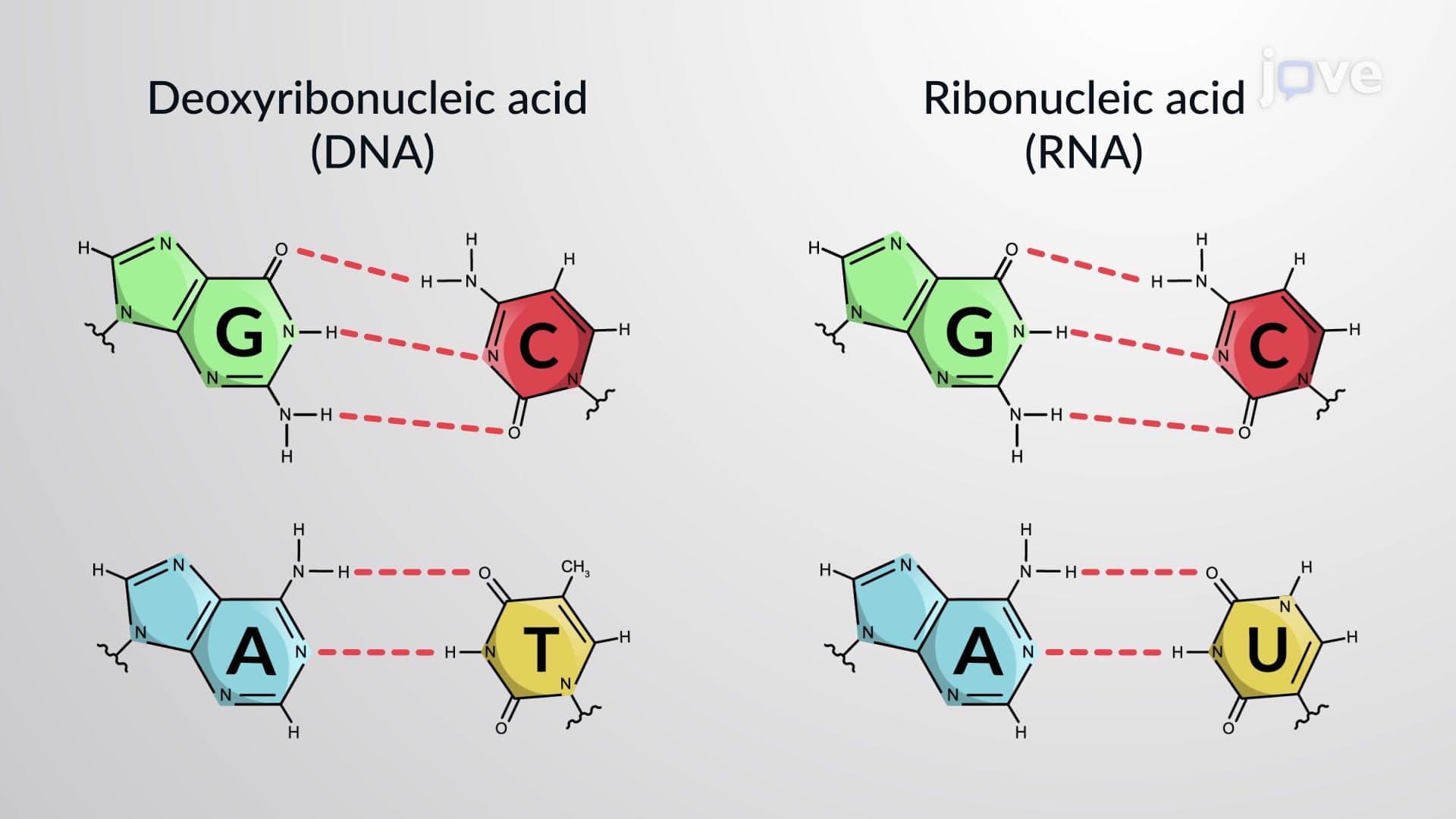
The double helix DNA structure represents one of biology's most elegant designs. Two polynucleotide strands wind around each other in opposite directions (antiparallel), with the 5' end of one strand aligned with the 3' end of its complement. This arrangement maximizes stability through base pair nucleic acid interactions, where adenine pairs with thymine and guanine pairs with cytosine through specific hydrogen bonding patterns. Students preparing for the AP Biology exam frequently encounter questions about this complementary base pairing and its role in DNA replication.
RNA Single Strand Structure: Versatility in Simplicity
While DNA maintains its double-stranded structure, RNA single strand structure provides remarkable functional diversity. RNA molecules can fold back on themselves, creating hairpin loops, stem-loop structures, and complex three-dimensional shapes through intrastrand base pairing. This structural flexibility enables RNA to function as both information storage (mRNA) and catalytic molecules (ribozymes). Medical students studying for the MCAT often analyze how tRNA structure relates to its function in protein synthesis.
Molecular Forces Stabilizing Nucleic Acid Structure
The nucleic acid molecular structure depends on multiple stabilizing forces beyond hydrogen bonding. Van der Waals interactions between stacked bases, hydrophobic effects that exclude water from the double helix interior, and electrostatic interactions all contribute to structural stability. These concepts frequently appear in college biochemistry courses and help explain why DNA denatures at high temperatures-a principle used in PCR amplification techniques employed by biotechnology companies like Genentech and Amgen throughout the United States.
Frequently Asked Questions
Nucleic acid structure refers to the molecular organization of DNA and RNA, featuring a sugar-phosphate backbone with nitrogenous bases. Understanding this structure is crucial because it explains how genetic information is stored, replicated, and expressed in all living organisms. This knowledge forms the foundation for genetics, molecular biology, and biotechnology applications.
MCAT questions often test your ability to predict base pairing, analyze DNA replication directionality, and connect structure to function. AP Biology exams frequently include diagrams asking you to identify 5' and 3' ends, explain antiparallel orientation, or describe how RNA structure enables its diverse cellular roles. Practice identifying phosphodiester bonds and complementary base pairs in molecular diagrams.
DNA is typically double-stranded with thymine bases, while RNA is usually single-stranded with uracil instead of thymine. RNA's single-strand structure allows it to fold into complex three-dimensional shapes, enabling catalytic and regulatory functions that DNA cannot perform. This structural difference explains why RNA serves as both genetic material and functional molecules in cells.
Medical professionals apply nucleic acid structure principles in PCR testing for COVID-19, genetic counseling for inherited diseases, and developing gene therapies at institutions like Johns Hopkins and Mayo Clinic. Understanding how DNA polymerase reads template strands helps explain diagnostic techniques, while RNA structure knowledge supports understanding of mRNA vaccines and therapeutic RNA interference.
Not at all! While the molecular details seem intricate, nucleic acid structure follows logical patterns that high school students can definitely understand. Focus on the complementary base pairing rules (A-T, G-C in DNA; A-U, G-C in RNA) and the antiparallel arrangement of strands. These fundamental concepts build naturally into more complex applications.
Create visual diagrams showing the 5' to 3' directionality and practice drawing phosphodiester bonds between nucleotides. Use mnemonics for base pairing (like "Apple Tree, Car Garage" for A-T, C-G) and connect structure to function by explaining how DNA's stability enables long-term storage while RNA's flexibility enables diverse cellular roles.
Advanced placement and college-level biochemistry textbooks contain excellent practice problems involving DNA replication, transcription, and RNA folding. Look for questions that require you to predict the sequence of complementary strands, calculate melting temperatures based on base composition, or explain how mutations affect molecular structure and stability.
After mastering basic nucleic acid structure, explore DNA supercoiling, chromatin organization, and epigenetic modifications that affect gene expression. Advanced students should investigate RNA processing mechanisms, ribozyme catalysis, and how nucleic acid-protein interactions regulate cellular processes-topics essential for graduate-level molecular biology and medical school preparation.
Related Micro-courses
21 Concepts

15 Concepts
16 Concepts