Loading subject page…


218,707 views


Video Summary: What Is Overview of Functional Groups
Ever wonder why aspirin relieves pain while sugar provides energy, despite both being organic compounds? The answer lies in their functional groups overview, specific atomic arrangements that determine molecular behavior. These covalently bonded clusters of atoms dictate everything from a drug's effectiveness to a nutrient's role in metabolism. For instance, the hydroxyl groups in glucose make it water-soluble, allowing rapid absorption in your bloodstream during exercise. Watch the full video on JoVE Coach to master this concept with expert-led visuals and step-by-step explanations.
Functional groups overview represents one of the most fundamental concepts in organic chemistry, serving as the key to understanding how millions of organic compounds behave predictably despite their structural diversity. These specific arrangements of atoms act like molecular "personality traits," determining how compounds interact with their environment, other molecules, and biological systems.
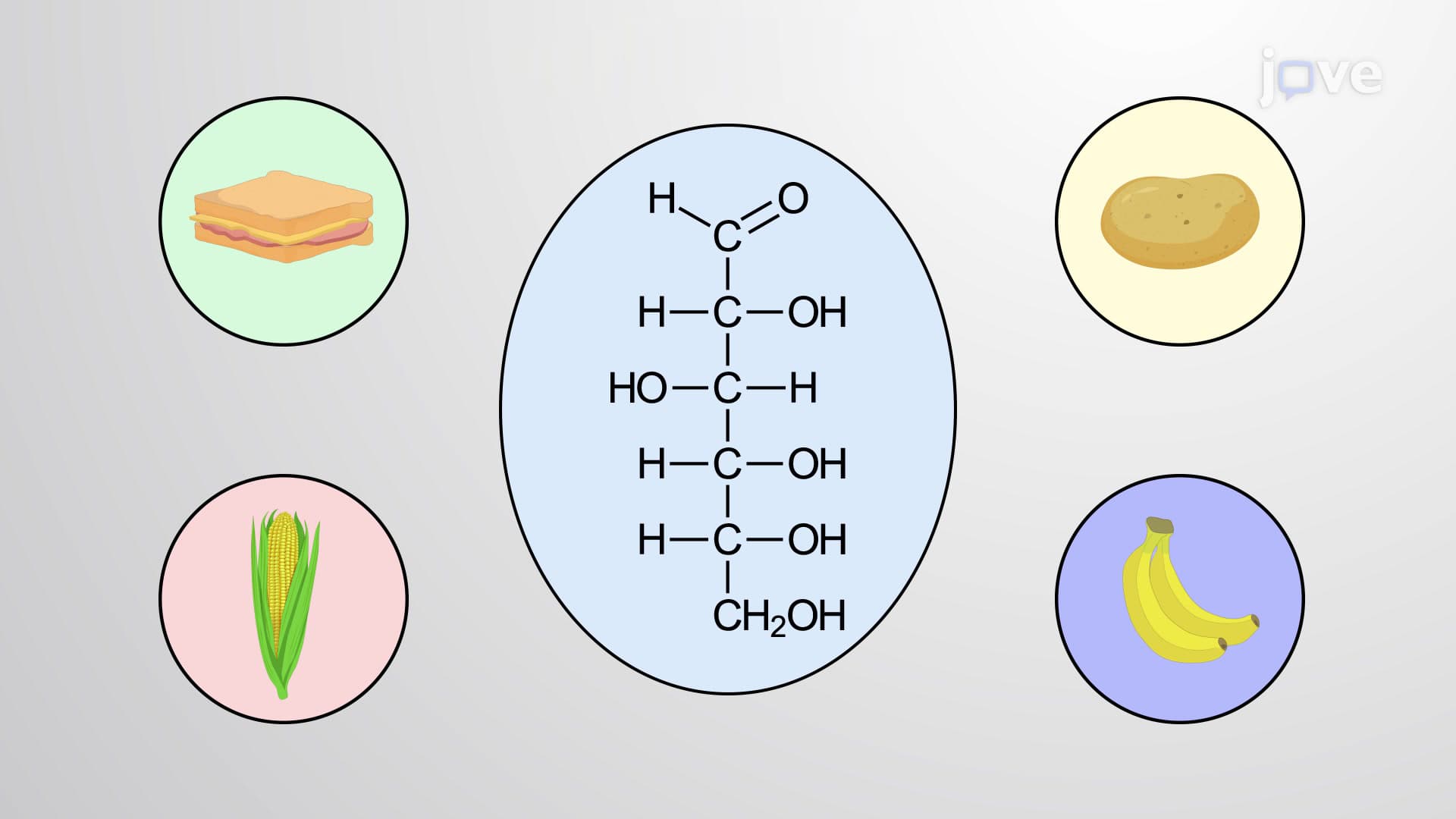
Hydroxyl Groups (-OH) form the foundation of countless biological molecules. In pharmaceuticals, the hydroxyl group in acetaminophen (Tylenol) enables the drug to dissolve in stomach fluids for absorption. Carbohydrates like glucose contain multiple hydroxyl groups, making them highly water-soluble and essential for cellular energy transport. This solubility principle appears frequently on AP Chemistry exams when students must predict compound behavior in aqueous solutions.
Carbonyl Groups (C=O) create a polar bond that makes molecules reactive and often sweet-smelling. The carbonyl's electron-withdrawing nature appears in two major variants: aldehydes (like formaldehyde used in medical preservatives) contain the carbonyl at molecule endpoints, while ketones (like acetone in nail polish remover) position it internally between carbon chains.
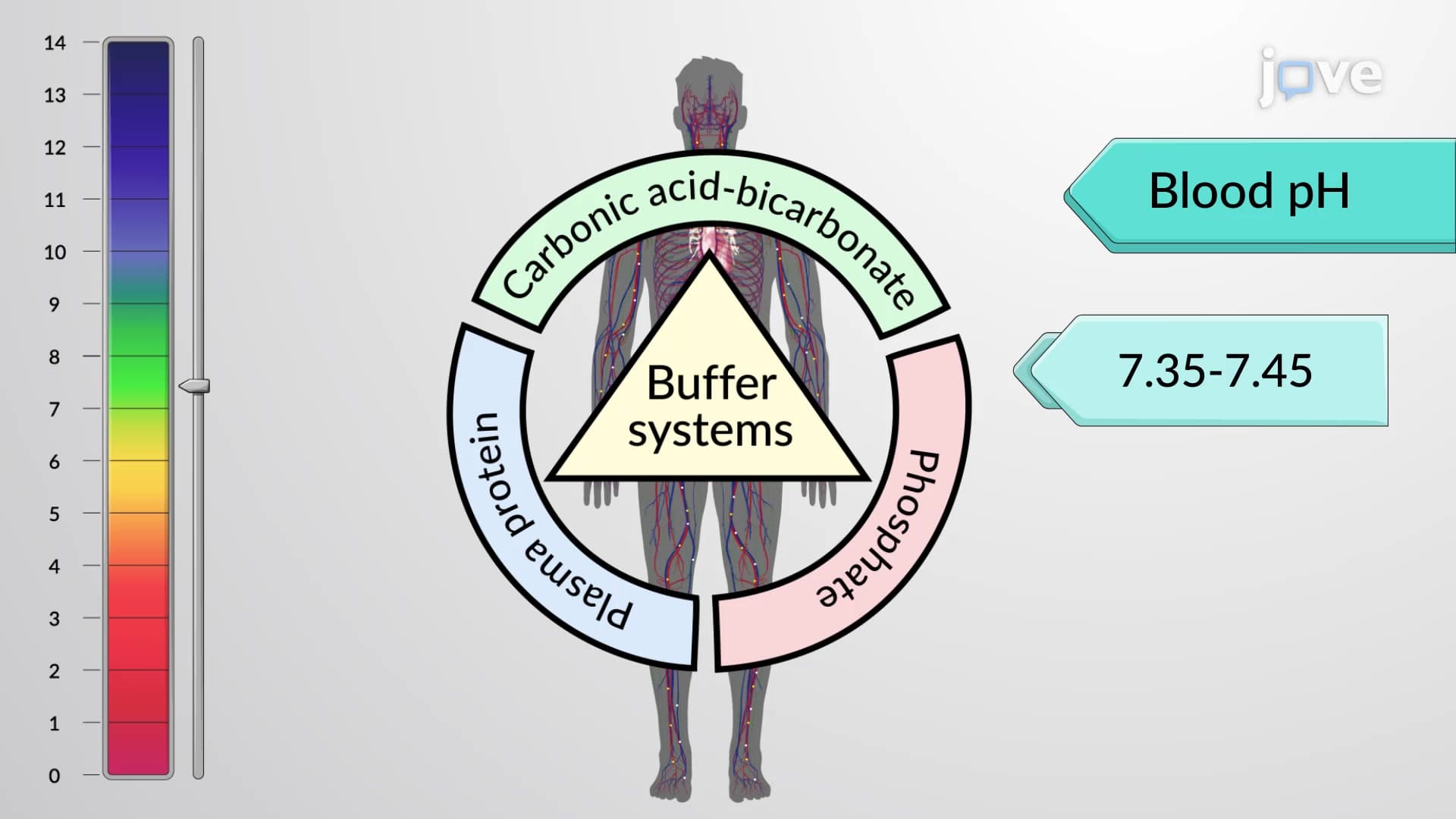
Carboxyl Groups (-COOH) combine carbonyl and hydroxyl functionalities, creating the acidic behavior found in everything from vinegar (acetic acid) to aspirin's anti-inflammatory mechanism. The carboxyl group's ability to donate protons makes it crucial for maintaining pH balance in biological systems, a concept heavily tested on MCAT biochemistry sections.
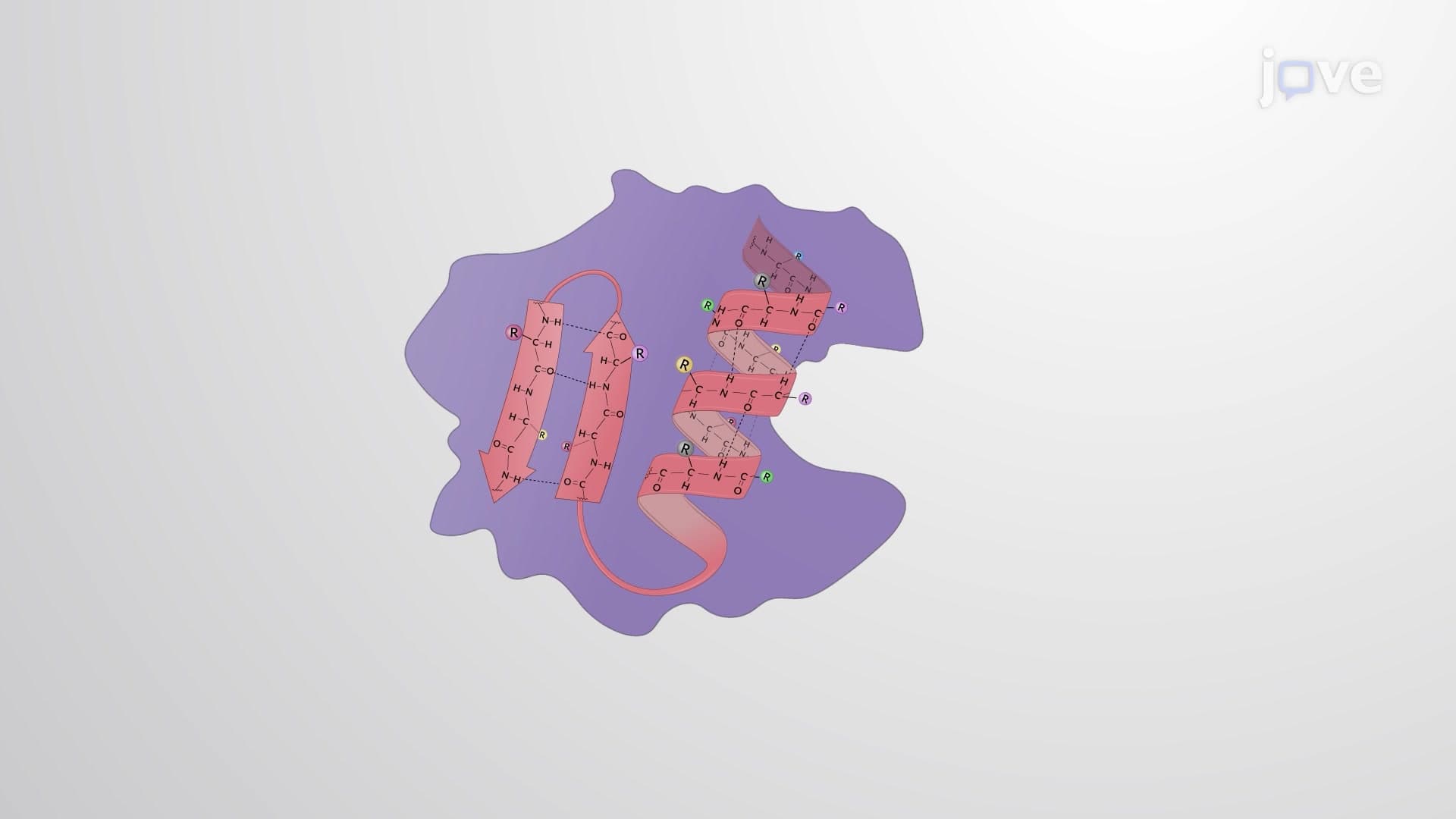
Amino Groups (-NH2) provide the basic counterpart to acidic carboxyl groups. In neurotransmitters like dopamine, amino groups enable binding to brain receptors, affecting mood and behavior. College organic chemistry courses emphasize how amino and carboxyl groups together create amino acids, which link through peptide bonds to form proteins.
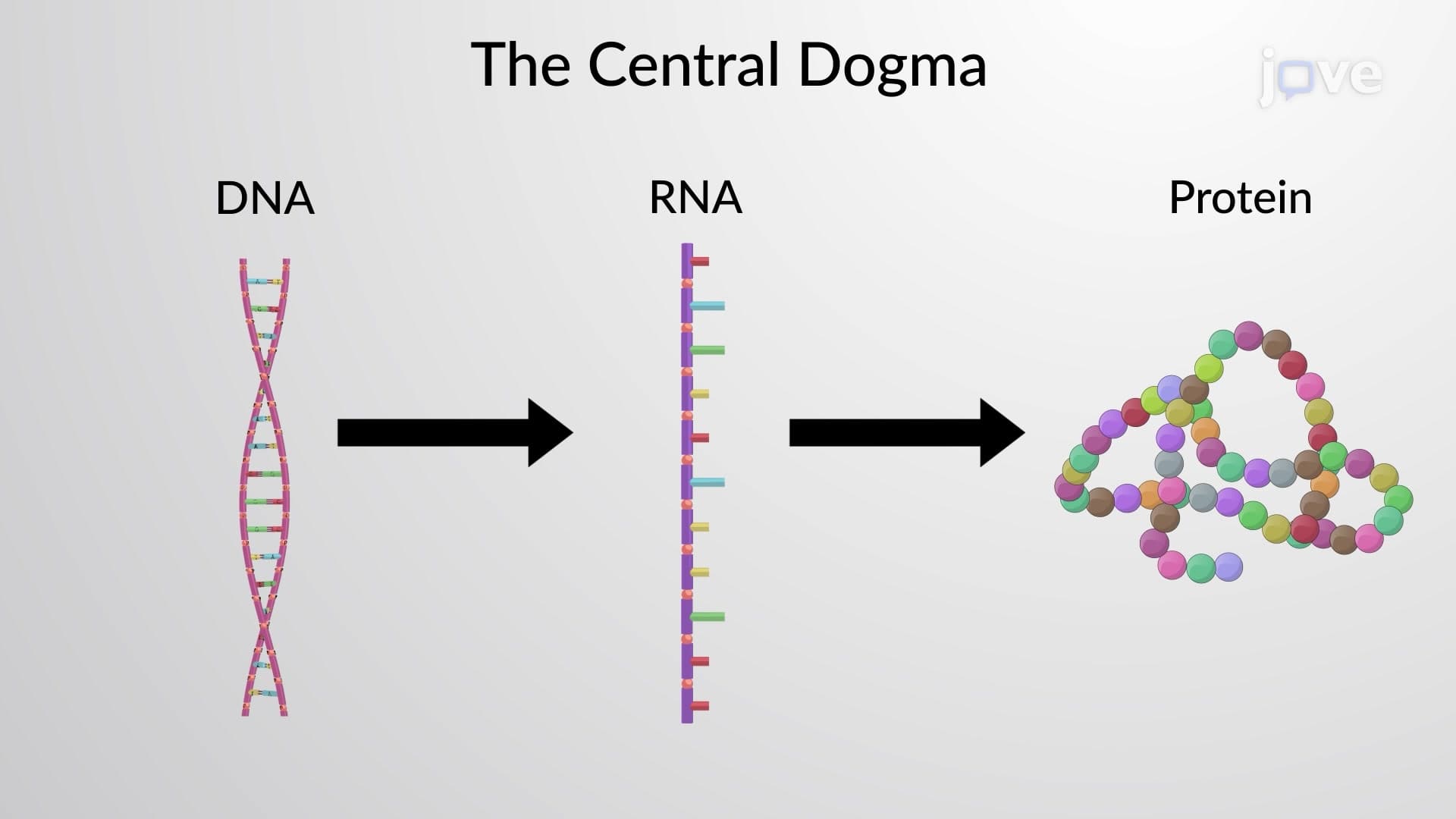
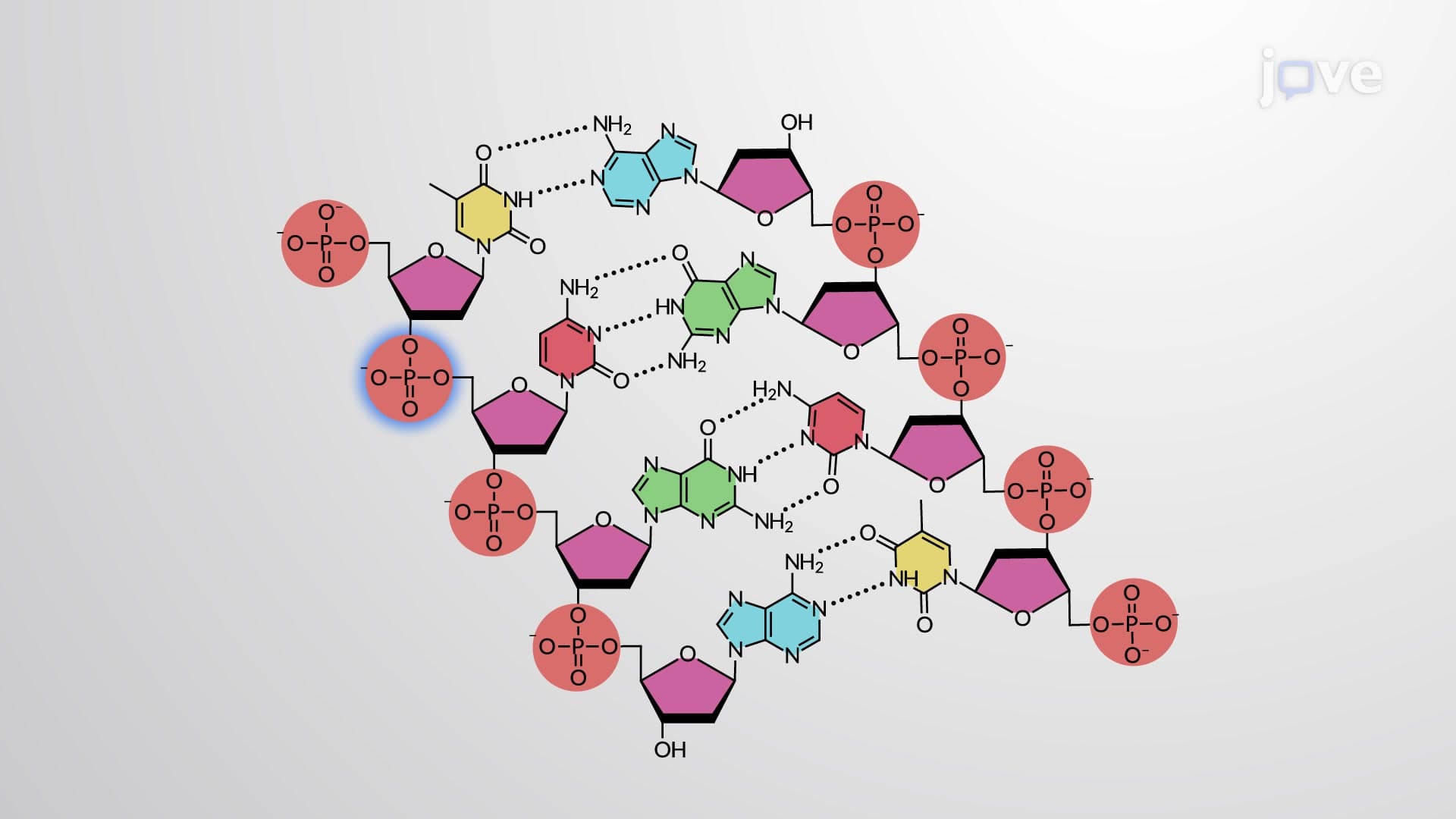
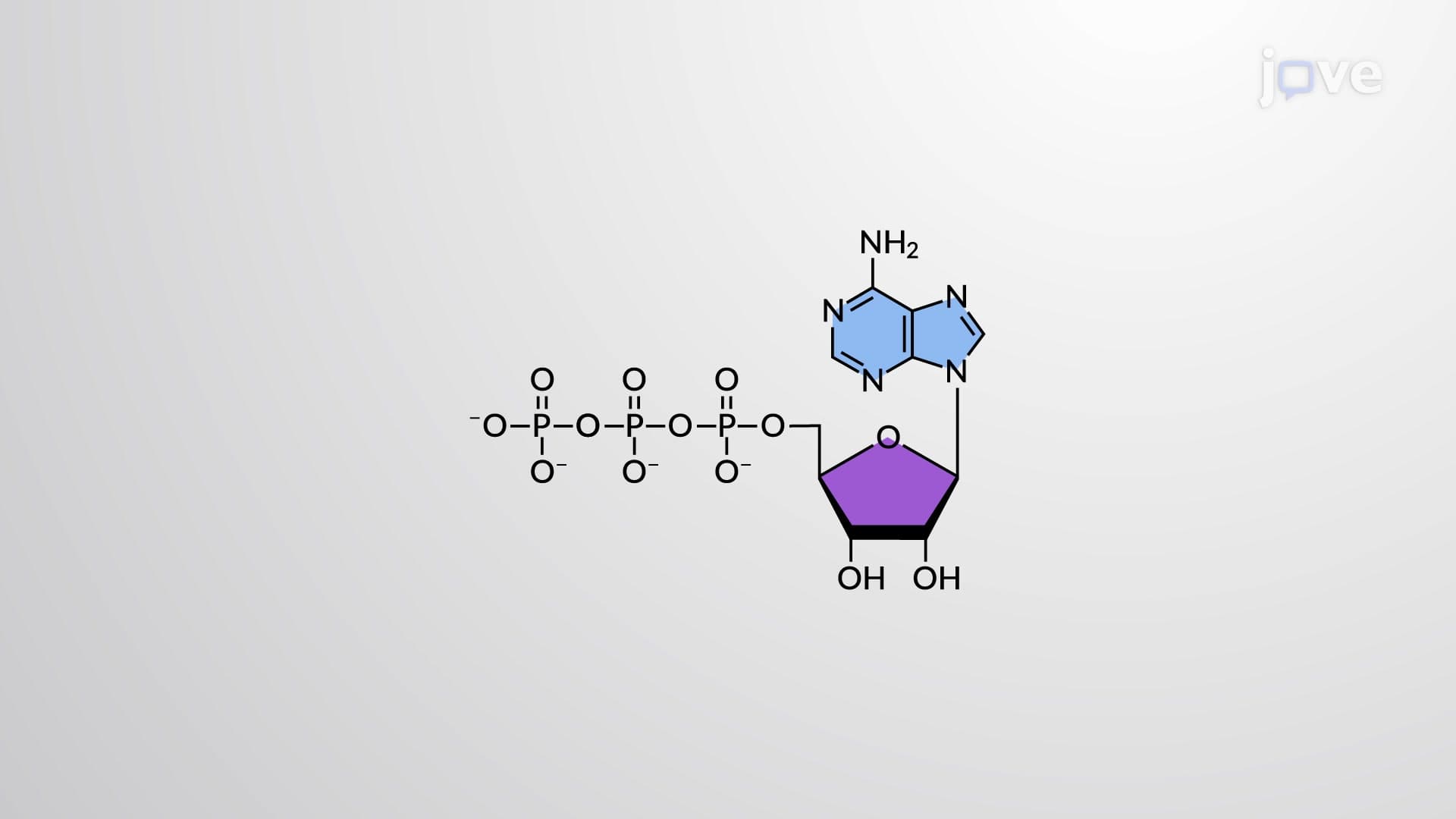
Phosphate Groups (PO4^3-) represent the energy currency of cells. In ATP (adenosine triphosphate), phosphate bonds store and release energy for cellular processes. DNA's phosphate backbone provides structural stability while allowing genetic information storage, fundamental concepts for students preparing for biology standardized tests.
Understanding these main functional groups in organic chemistry enables students to predict molecular behavior, design pharmaceutical compounds, and comprehend biochemical pathways essential for medical and scientific careers.
Related Micro-courses