Loading subject page…

- Anatomy and Physiology
- Biochemistry of the Cell
- Protein Denaturation
Micro-course: Biochemistry of the Cell
218,707 views
Learn key concepts and earn your certificate.




Protein Denaturation

00:00
01:28
Video Summary: What Is Protein Denaturation
Ever wonder why egg whites turn solid when cooked or why fever can be dangerous? Protein denaturation explained reveals how proteins lose their shape and function when exposed to heat, acids, or other harsh conditions. In hospitals across the US, doctors monitor patients' blood pH carefully because even small changes can denature hemoglobin, preventing it from carrying oxygen effectively. What is protein denaturation becomes crucial knowledge for understanding everything from cooking chemistry to medical emergencies. Watch the full video on JoVE Coach to master this concept with expert-led visuals and step-by-step explanations.
- Understand what is protein denaturation and how it differs from normal protein function
- Identify the key factors that cause proteins to lose their three-dimensional structure
- Analyze how changes in temperature, pH, and chemical exposure disrupt protein folding
- Compare the effects of denaturation on primary, secondary, and tertiary protein structures
- Evaluate real-world examples of protein denaturation in biological systems and daily life
- Apply knowledge of denaturation to predict protein behavior under different conditions
- Recognize when denaturation is reversible versus irreversible in biological contexts
- Explore the relationship between protein structure and biological function
Understanding What is Protein Denaturation
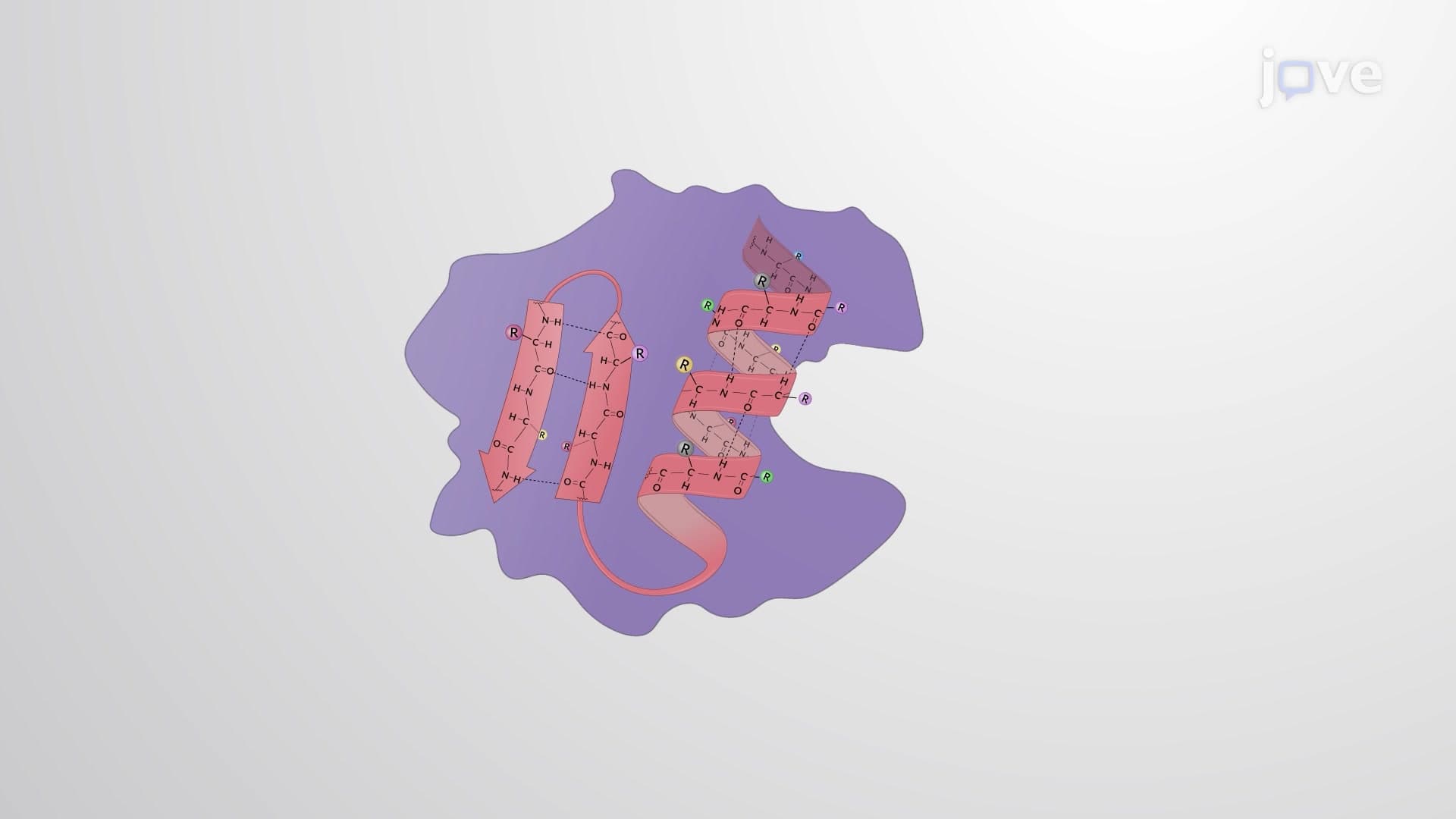
Protein denaturation definition chemistry describes the process where proteins lose their natural three-dimensional shape, rendering them biologically inactive. Think of proteins as intricate origami sculptures-when unfolded, they can no longer perform their intended function. This fundamental biochemistry concept appears frequently on AP Biology exams and college biochemistry courses, making it essential for pre-med students preparing for the MCAT.
Mechanisms of Protein Structure Disruption
What is protein denaturation in biochemistry involves the breaking of non-covalent bonds that maintain protein shape. Heat denaturation occurs when increased molecular motion disrupts hydrogen bonds and hydrophobic interactions-exactly what happens when you cook an egg. The proteins in egg whites (primarily albumin) unfold and aggregate, creating the familiar white, solid texture. Temperature-induced denaturation is irreversible in most cases, which is why cooked eggs cannot return to their liquid state.
pH and Chemical Denaturation Effects
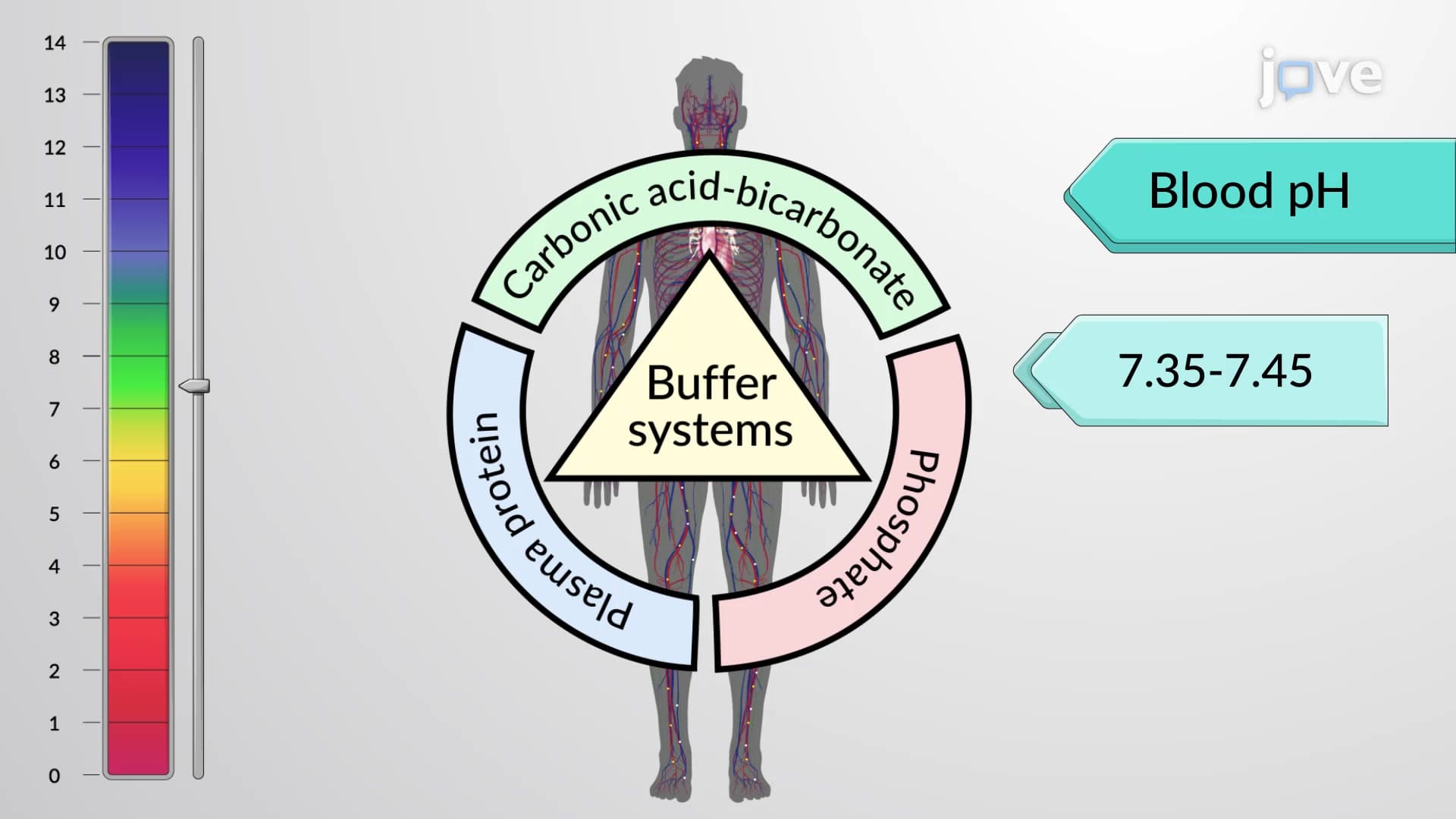
pH denaturation protein mechanisms demonstrate how acid-base balance affects protein stability. In diabetic ketoacidosis, a serious condition treated in US emergency rooms, blood pH drops dangerously low. Excess hydrogen ions bind to hemoglobin, causing conformational changes that impair oxygen transport-a life-threatening example of denaturation protein function loss. Fortunately, when medical intervention restores normal pH, hemoglobin can often refold and resume normal function through renaturation.
Clinical and Laboratory Applications
Understanding protein unfolding denaturation proves crucial for healthcare professionals. Medical laboratories use controlled denaturation techniques to analyze proteins, while pharmaceutical companies must ensure their protein-based medications remain stable under storage conditions. Students studying for the USMLE or NCLEX encounter numerous questions about protein stability, particularly regarding enzyme function in disease states. The concept also appears in AP Chemistry when discussing intermolecular forces and their role in biological systems.
Frequently Asked Questions
Protein denaturation is when a protein loses its natural shape and stops working properly, like unfolding a complex origami figure. This happens when proteins are exposed to heat, extreme pH, or certain chemicals that break the bonds holding their structure together.
MCAT questions often test protein denaturation in clinical contexts, such as fever effects on enzymes or drug stability. AP Biology exams frequently ask about enzyme denaturation at different temperatures and pH levels, particularly in laboratory experiment analysis.
In US hospitals, hemoglobin denaturation commonly occurs during acidosis (low blood pH), carbon monoxide poisoning, or certain genetic conditions like sickle cell disease. These conditions change hemoglobin's shape, reducing its oxygen-carrying capacity and requiring immediate medical intervention.
Basic understanding of chemical bonds and protein structure is sufficient for most high school and introductory college courses. Focus on hydrogen bonds, ionic interactions, and how temperature and pH affect molecular stability rather than complex thermodynamics.
Create concept maps linking denaturation causes (heat, pH, chemicals) to structural changes (unfolding, bond breaking) to functional consequences (enzyme inactivity, disease). Practice with real examples like cooking, fever, and medical conditions for better retention.
Not always-some proteins can refold when normal conditions return, called renaturation. However, many denatured proteins cannot recover their original shape, which is why high fevers can be dangerous and why proper food storage prevents protein degradation.
Study protein folding mechanisms, molecular chaperones, and misfolded protein diseases like Alzheimer's and Parkinson's. These topics build directly on denaturation concepts and are crucial for advanced biochemistry and medical school preparation.
Lab techniques often require controlled protein denaturation for analysis, such as SDS-PAGE electrophoresis or Western blotting. Understanding denaturation helps predict experimental outcomes and troubleshoot when proteins don't behave as expected.
Related Micro-courses
21 Concepts

15 Concepts
16 Concepts