Loading subject page…


218,707 views

Video Summary: What Is Protein Organization
Ever wonder why some people can't digest milk while others have no problem? The answer lies in protein organization levels, the complex structural hierarchy that determines how proteins function in our bodies. From lactase enzymes in the digestive system to hemoglobin carrying oxygen through blood, protein organization explained biochemistry reveals how these molecular machines achieve their remarkable specificity. What is Protein Organization explores the four-level structural framework that transforms simple amino acid chains into life-sustaining biological catalysts. Watch the full video on JoVE Coach to master this concept with expert-led visuals and step-by-step explanations.
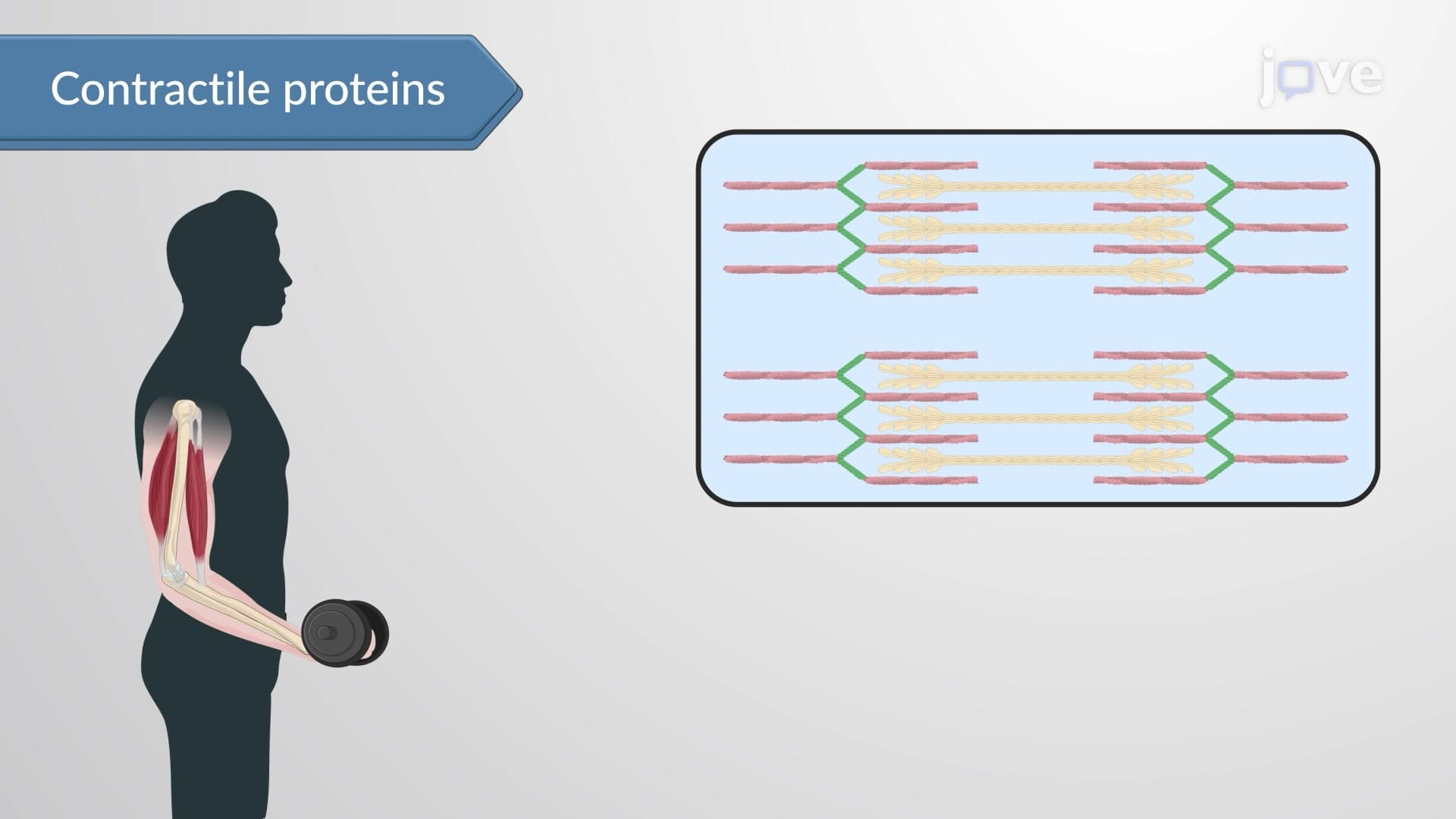
What is Protein Organization represents one of biochemistry's most elegant concepts, the idea that protein function emerges from a precise hierarchical arrangement of molecular components. This organizational principle explains how 20 simple amino acids can create the incredible diversity of proteins that power every biological process, from muscle contraction to immune responses.
The concept becomes particularly relevant for students preparing for standardized exams like the AP Biology exam or MCAT, where understanding protein organization levels often appears in multiple-choice questions and free-response essays. College biochemistry courses at institutions like UCLA or Johns Hopkins dedicate entire units to this topic because it bridges general chemistry concepts with advanced molecular biology applications.
The journey of protein organization explained biochemistry begins with primary structure, the linear sequence of amino acids connected by peptide bonds. This sequence acts like a biological blueprint, containing all information necessary for proper protein folding. Students often compare this to reading a sentence where each amino acid represents a specific letter, and changing even one letter can alter the entire meaning.
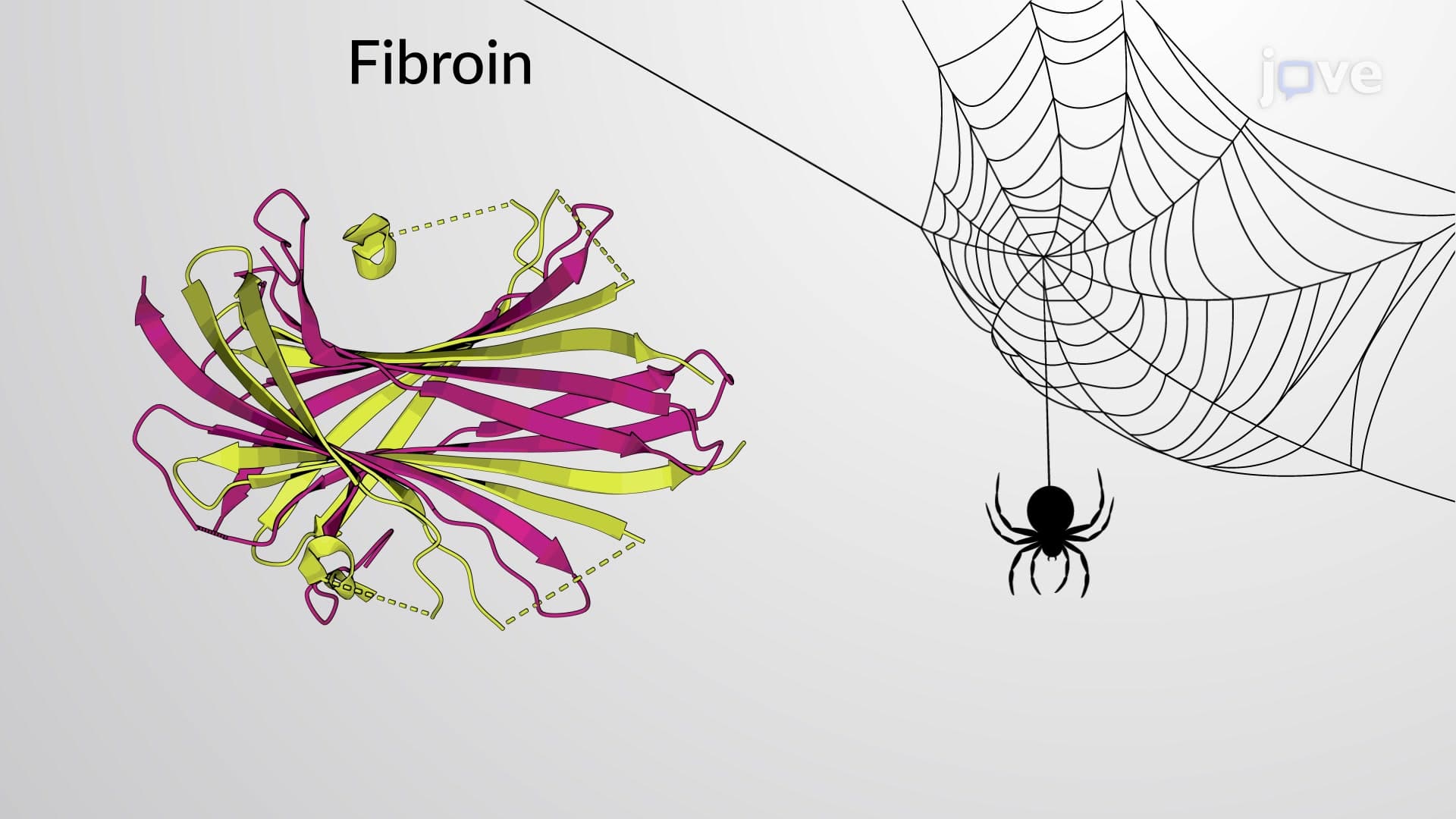
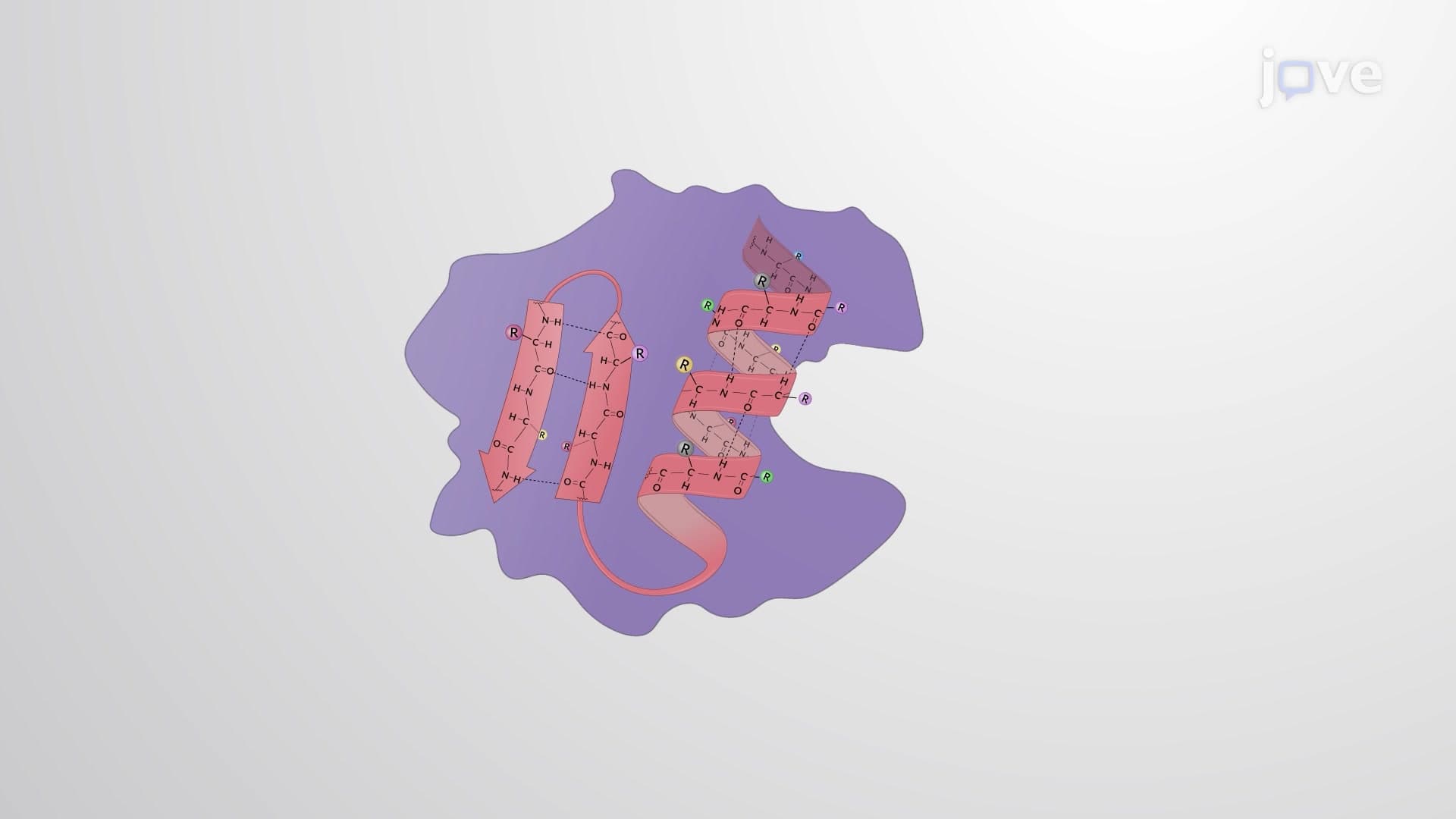
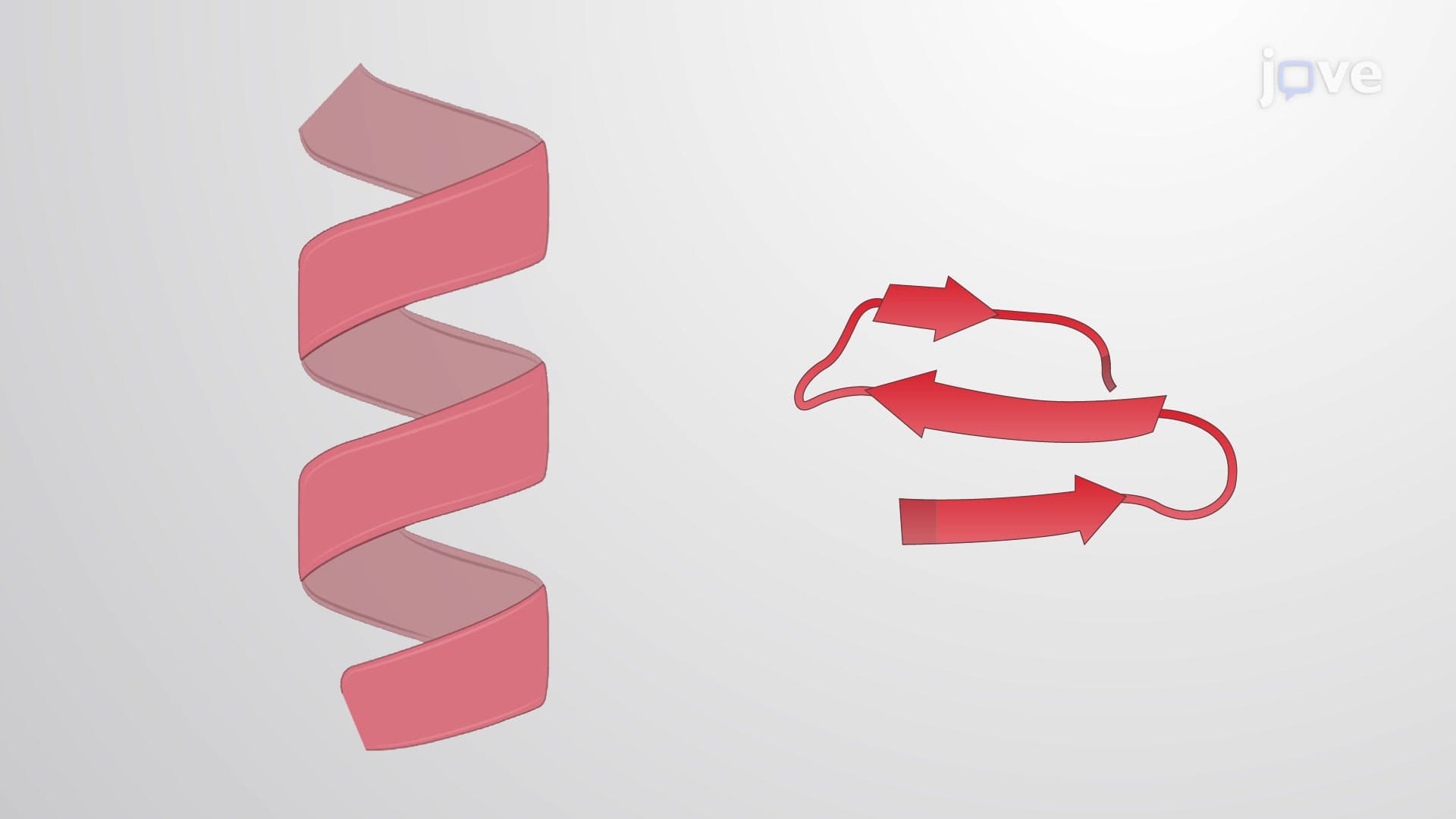
Secondary structure emerges when hydrogen bonds form between backbone atoms, creating repeating patterns like alpha-helices and beta-sheets. The alpha-helix, resembling a spiral staircase, appears in structural proteins like keratin found in human hair and nails. Beta-sheets, arranged like pleated fabric, provide strength to silk fibers and appear in many enzymes used in biotechnology applications across American pharmaceutical companies.
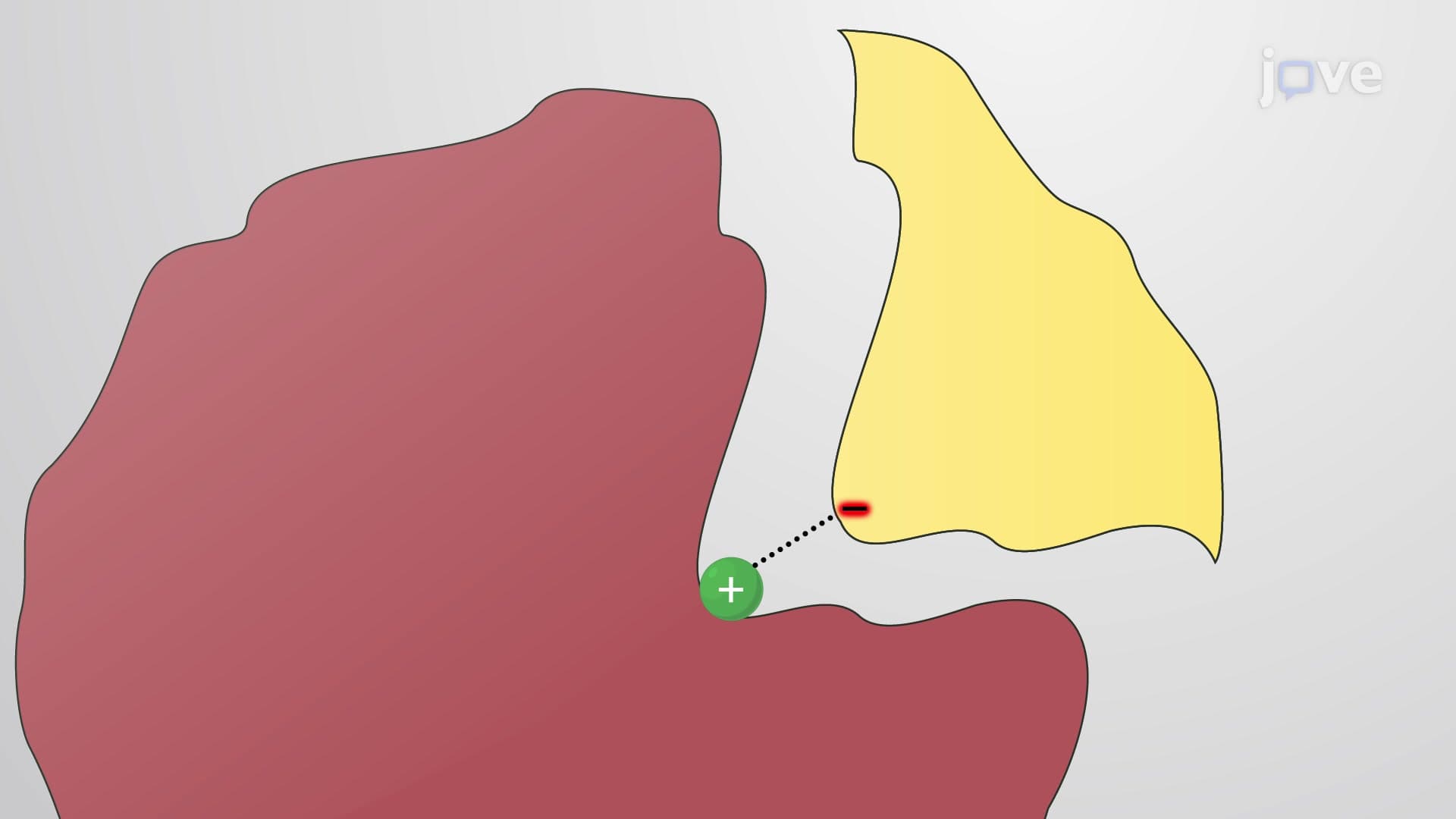
Tertiary structure represents the overall three-dimensional shape formed when amino acid side chains interact through various forces. Hydrophobic amino acids cluster together like oil droplets in water, while charged residues form ionic interactions. Cysteine residues create strong disulfide bonds, acting like molecular staples that lock the protein into its functional conformation.
Quaternary structure occurs when multiple polypeptide chains associate to form protein complexes. Hemoglobin exemplifies this beautifully, four separate polypeptide chains work together to transport oxygen efficiently through the cardiovascular system. This cooperative binding allows hemoglobin to pick up oxygen in the lungs and release it precisely where tissues need it most.
Understanding protein conformation levels drives modern drug development at companies like Pfizer and Moderna. Pharmaceutical researchers use structural information to design molecules that fit precisely into protein binding sites, like keys fitting into locks. The recent development of COVID-19 vaccines relied heavily on understanding the spike protein's structural organization to create effective immunological responses.
In industrial biotechnology, companies engineer enzymes with enhanced stability by modifying specific amino acids that affect tertiary structure. These applications demonstrate why protein organization remains a cornerstone topic in biochemistry curricula at major American universities.
Related Micro-courses