Loading video…


 23 Concepts
 218.7K views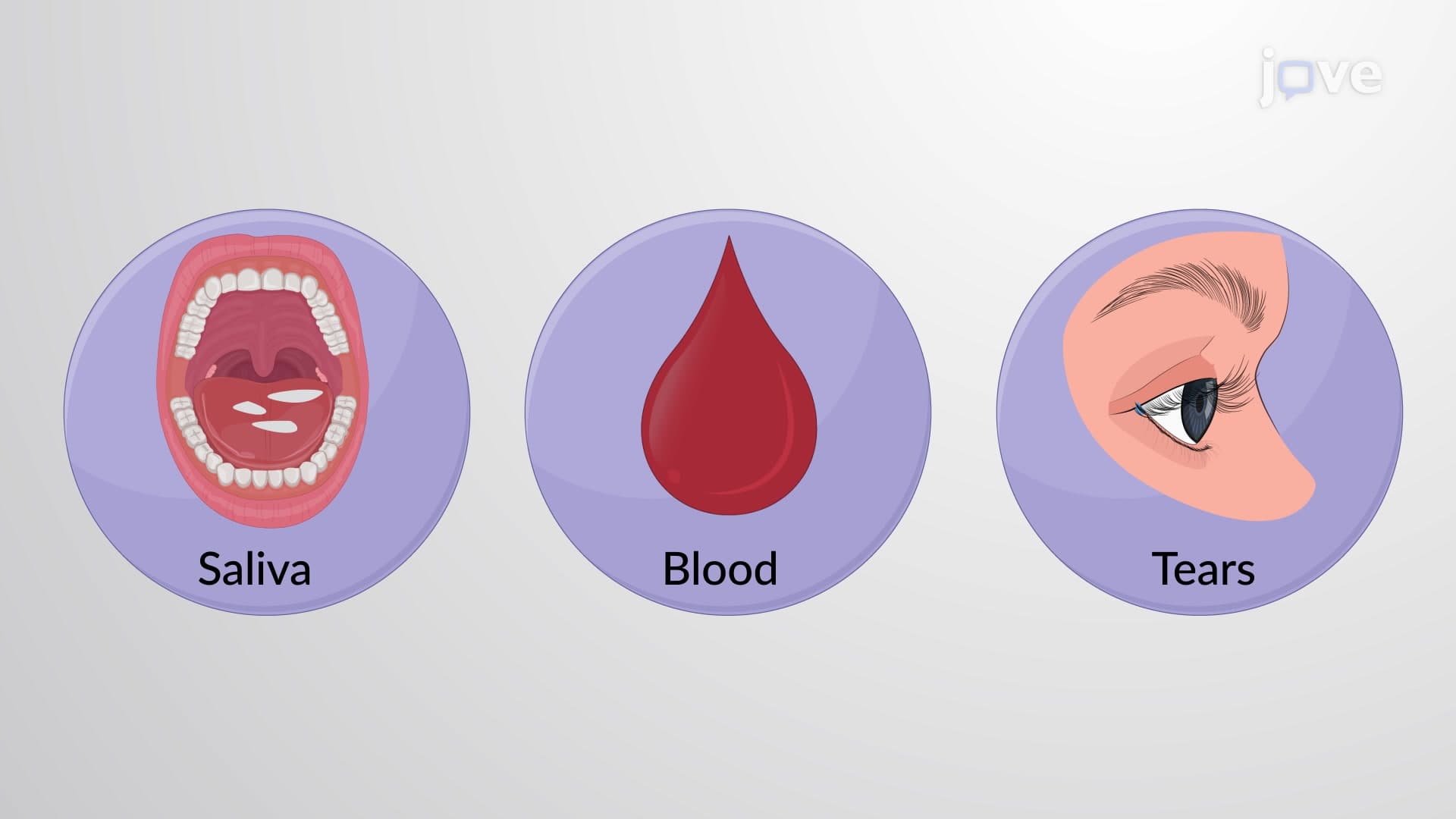

Video Summary: What Is Role of Water
Ever wondered why NASA searches for water when looking for life on other planets? The role of water biology reveals that water comprises 50-60% of human body weight and serves as life's essential foundation. From dissolving nutrients in your morning orange juice to regulating temperature during a Texas summer heat wave, what is the role of water in biology becomes clear through its multiple functions as solvent, transport medium, temperature regulator, and protective cushion. Watch the full video on JoVE Coach to master this concept with expert-led visuals and step-by-step explanations.
The role of water biology extends far beyond simple hydration, forming the cornerstone of life itself. Water's unique molecular structure-with its polar hydrogen and oxygen atoms-creates the perfect biological medium. This polarity allows water molecules to form hydrogen bonds, giving water its exceptional properties that make life possible.
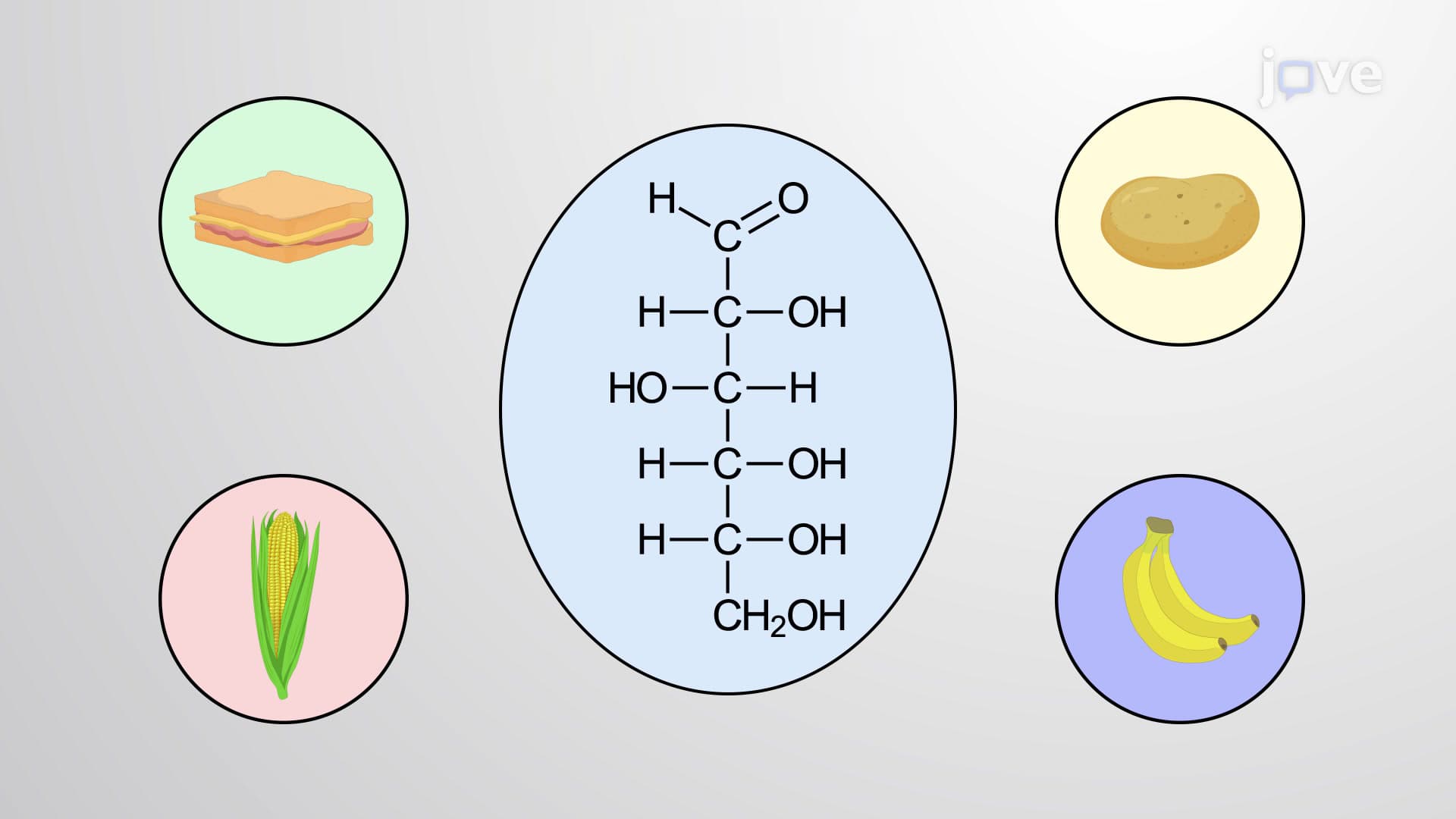
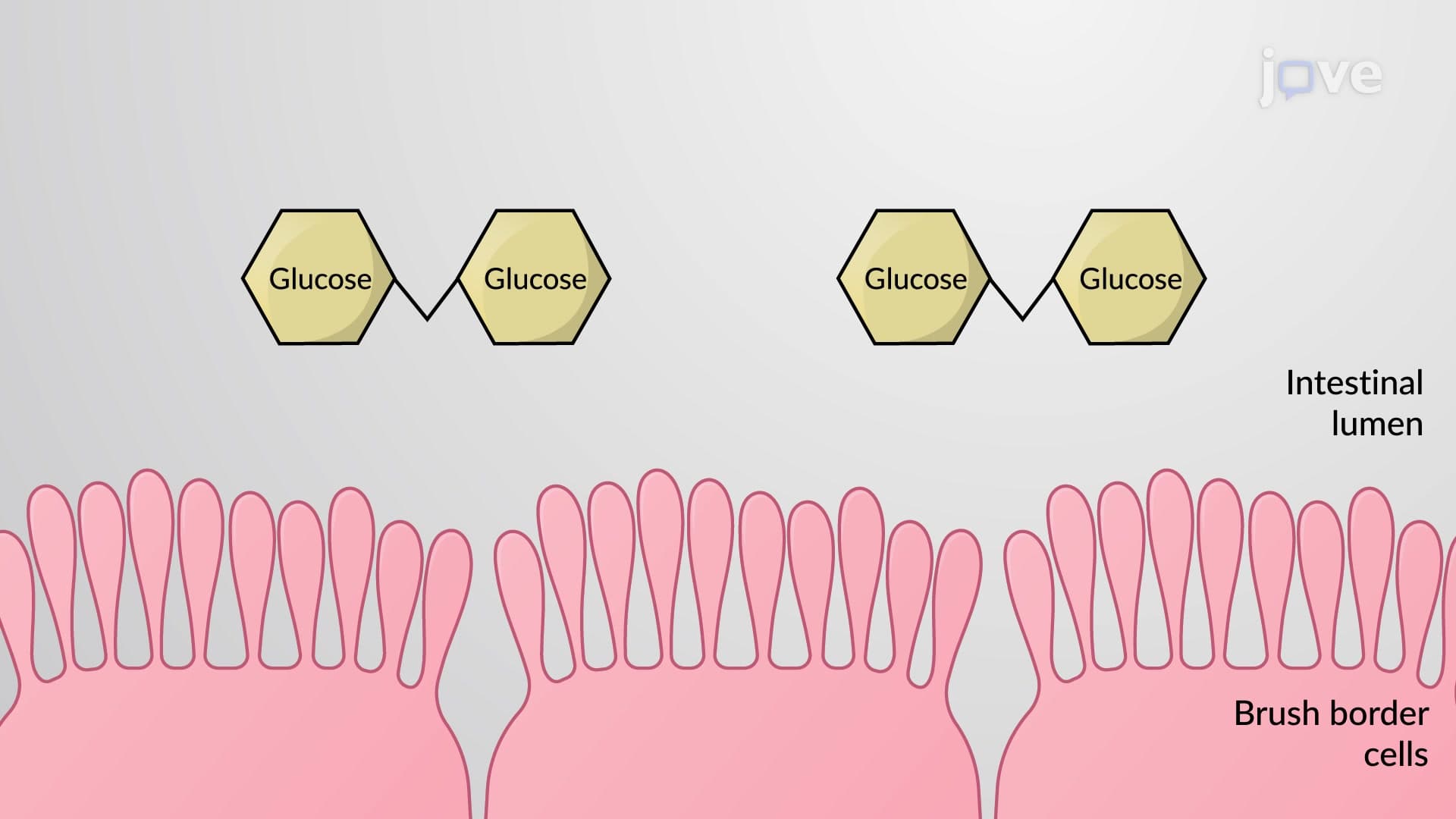
Water solvent biology explains why water dissolves more substances than any other liquid. In your digestive system, water dissolves vitamins, minerals, and glucose from your breakfast cereal, enabling absorption in the small intestine. This solvent capacity allows enzymatic reactions to occur-imagine trying to digest a sandwich without saliva's 99.5% water content! On the AP Biology exam, students frequently encounter questions about how water's polarity enables it to dissolve ionic compounds like sodium chloride while surrounding and stabilizing proteins.
Water specific heat body regulation demonstrates water's thermal properties in action. During intense exercise or fever, your body produces excess heat. Water's high specific heat capacity means it absorbs significant thermal energy before temperature rises dramatically. When Phoenix residents experience 115°F summers, their bodies rely on water-based sweat evaporation-each gram of water evaporating removes 540 calories of heat energy. This concept appears regularly on MCAT passages testing thermoregulation.
Blood plasma, which is 90% water, transports oxygen from your lungs to muscles during a basketball game. Simultaneously, it carries carbon dioxide waste back to your lungs for elimination. The water function in living organisms includes protection-amniotic fluid (98% water) shields developing babies from impacts, while synovial fluid lubricates knee joints during running. College anatomy courses emphasize how cerebrospinal fluid, another water-based medium, cushions the brain and spinal cord from mechanical trauma.
Understanding these concepts proves essential for nursing students taking the HESI A2 exam, where questions frequently test fluid balance and homeostasis principles.
Related Micro-courses