Loading video…


 15 Concepts
 84.1K views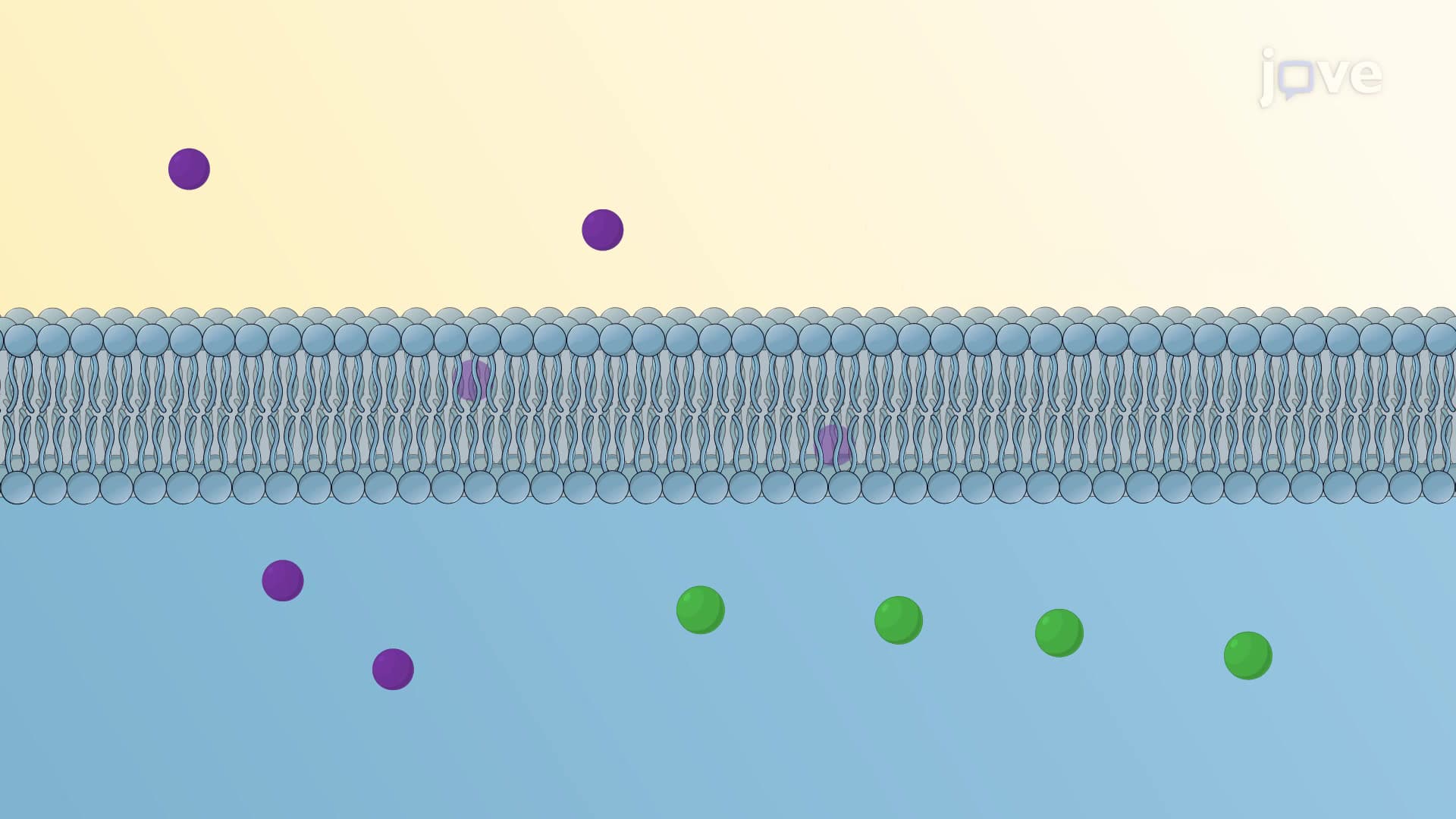

Video Summary: The Significance of Membrane Transport Explained
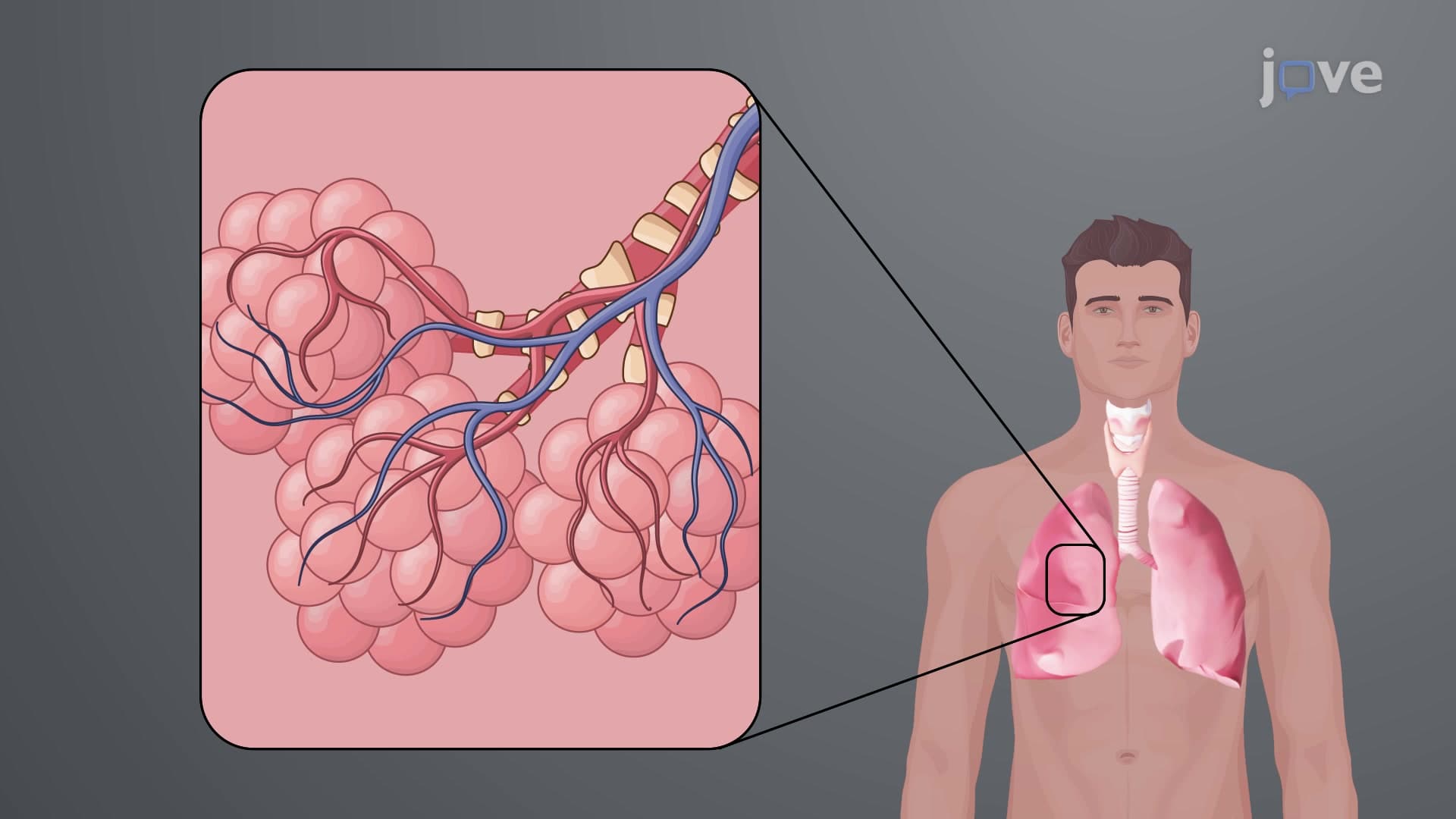
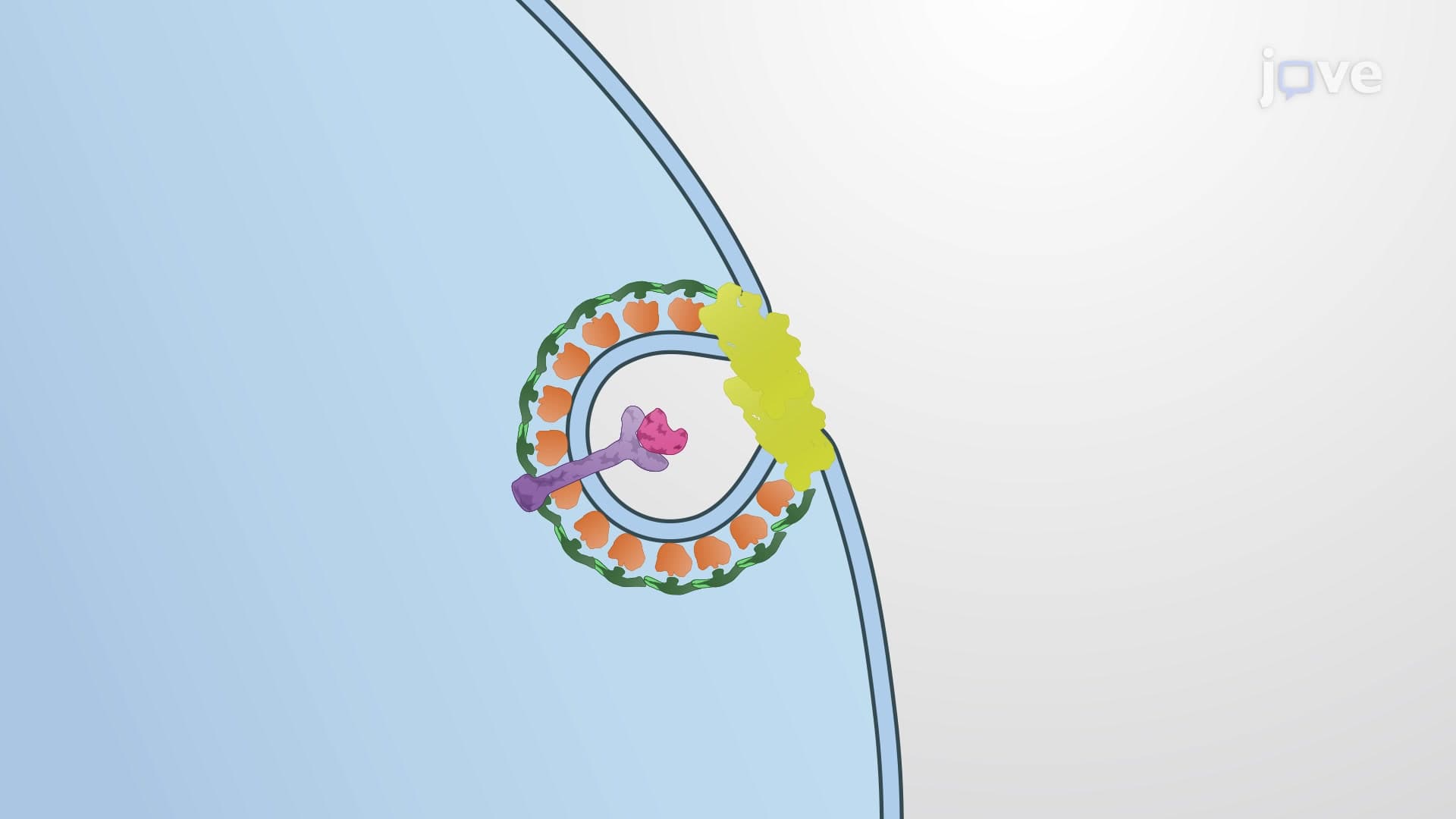
Ever wondered how your morning coffee reaches every cell in your body? The membrane transport significance lies in its role as life's ultimate gatekeeper, controlling what enters and exits our 37 trillion cells. Without this selective barrier system, essential nutrients couldn't fuel cellular processes, and toxic waste would accumulate fatally. Consider how insulin injections work for diabetic patients-the hormone must cross cell membranes to regulate blood sugar effectively. Watch the full video on JoVE Coach to master this concept with expert-led visuals and step-by-step explanations.
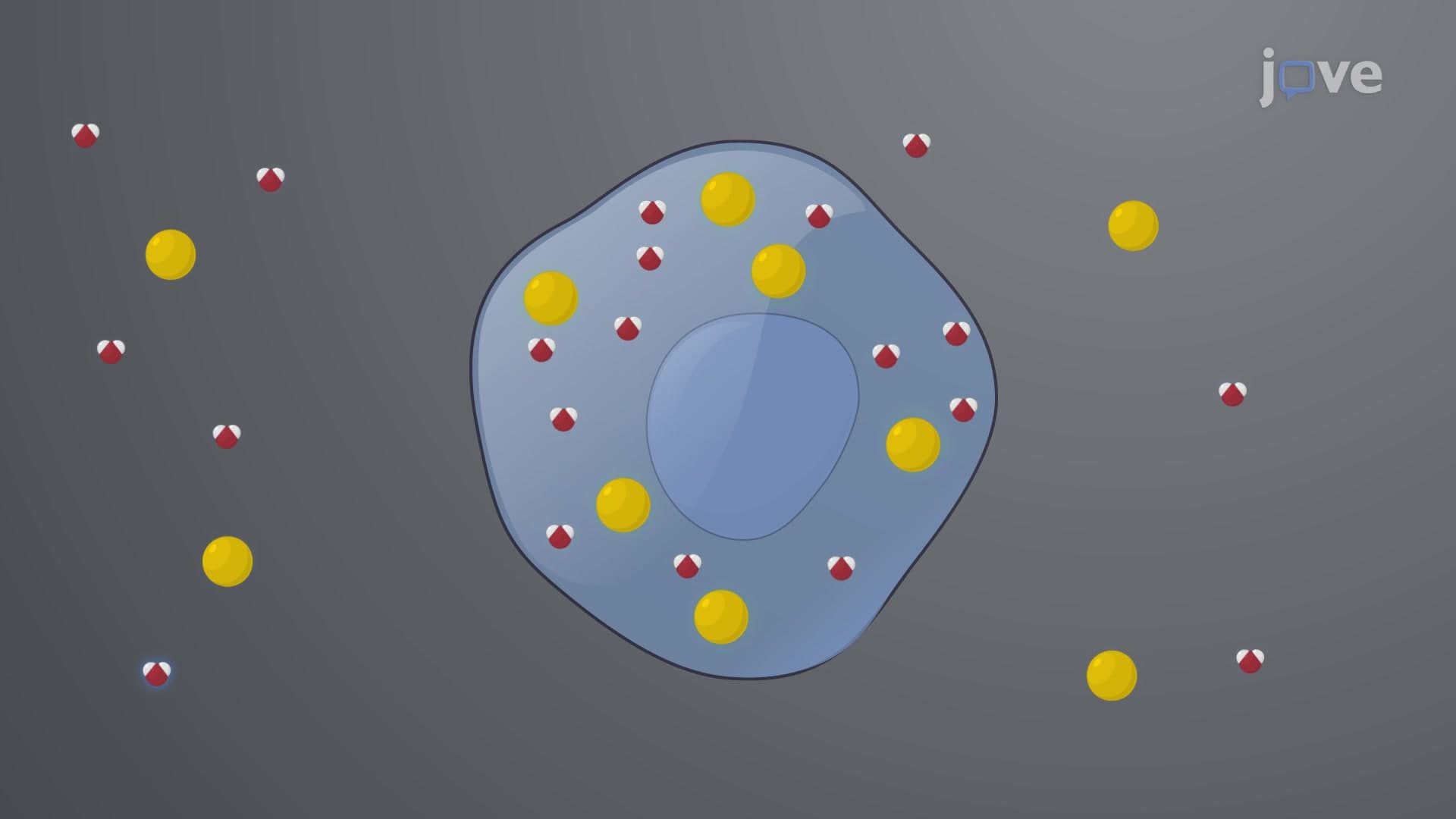
Membrane transport represents one of biology's most elegant solutions to a fundamental challenge: how cells maintain their internal environment while existing in a constantly changing external world. This process governs every aspect of cellular life, from the oxygen that powers mitochondrial respiration to the glucose that fuels brain function during your next AP Biology exam.
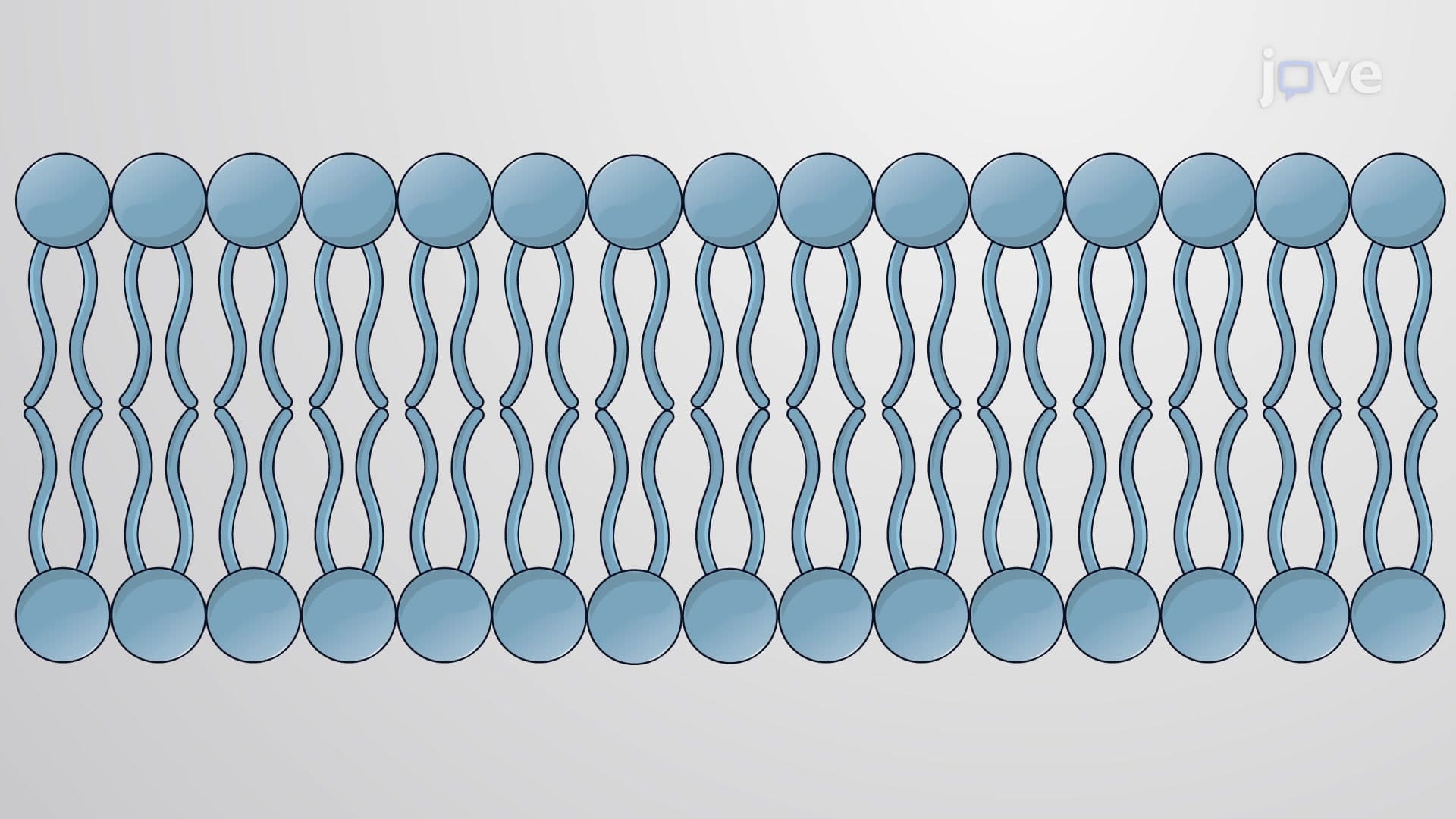
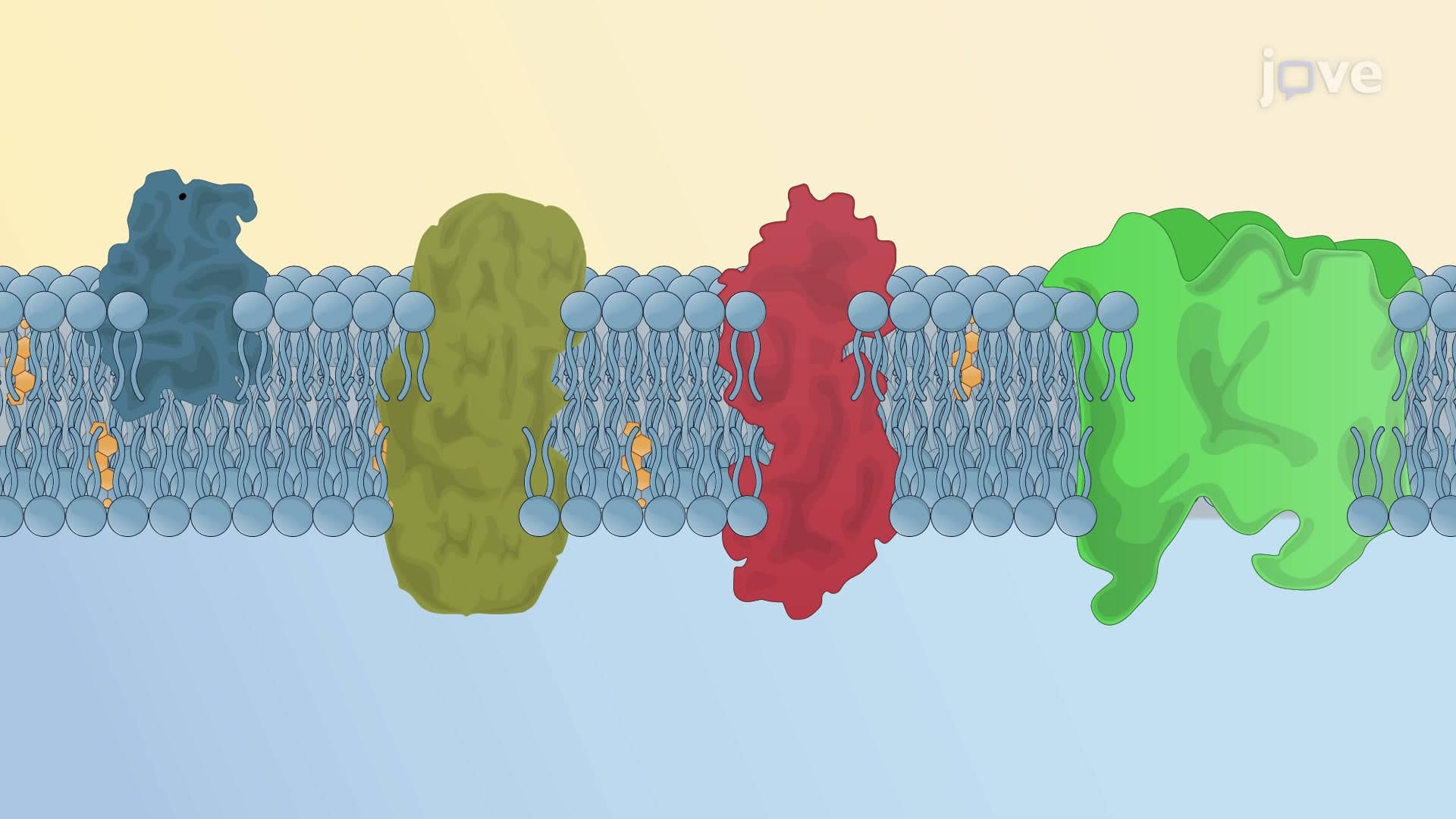
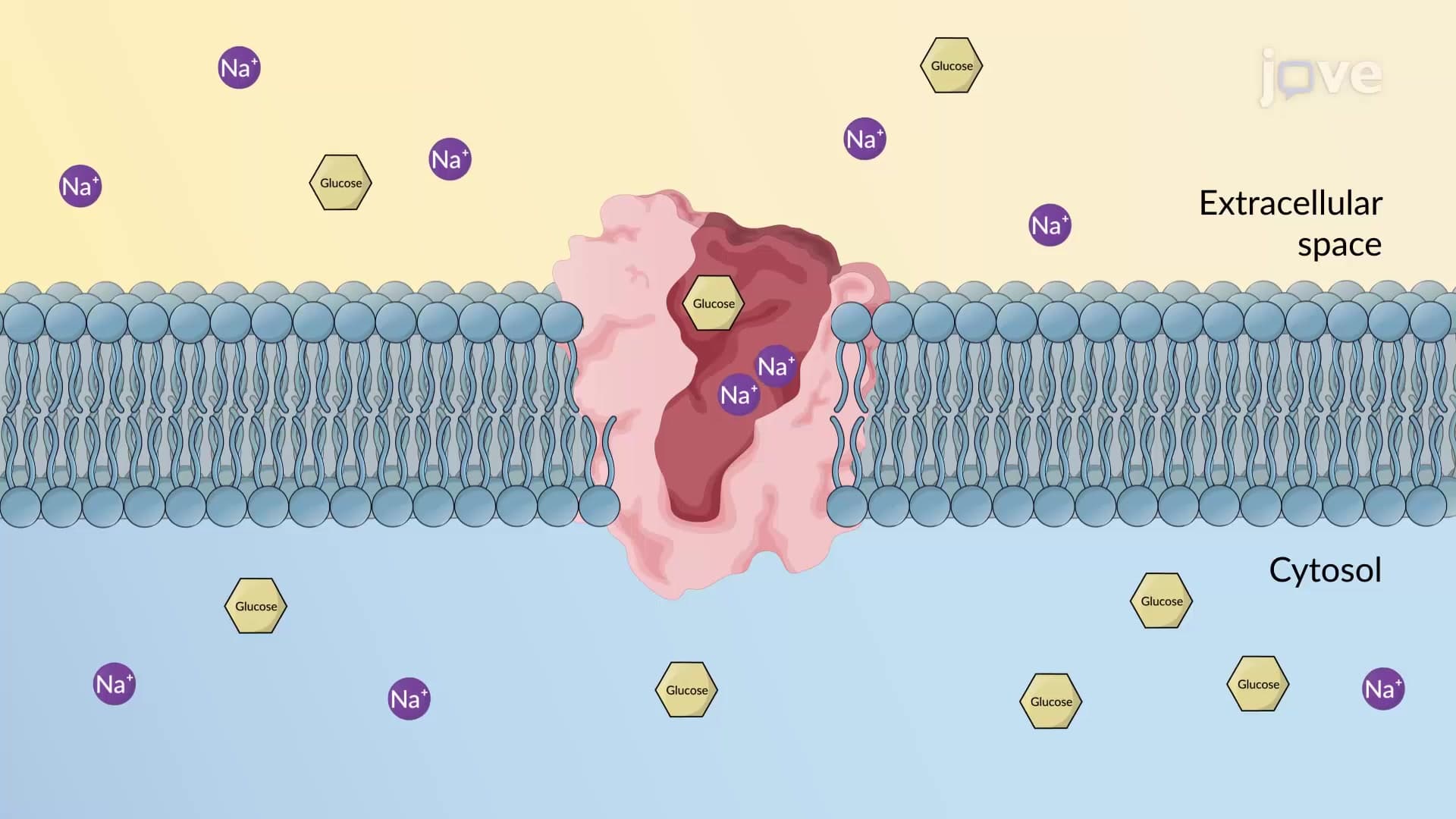
The cell membrane's phospholipid bilayer creates a formidable barrier, yet cells have evolved sophisticated transport mechanisms to overcome this challenge. Selective permeability transport occurs through three primary pathways: simple diffusion for small, nonpolar molecules like oxygen; facilitated diffusion for larger molecules requiring protein assistance; and active transport for moving substances against concentration gradients.
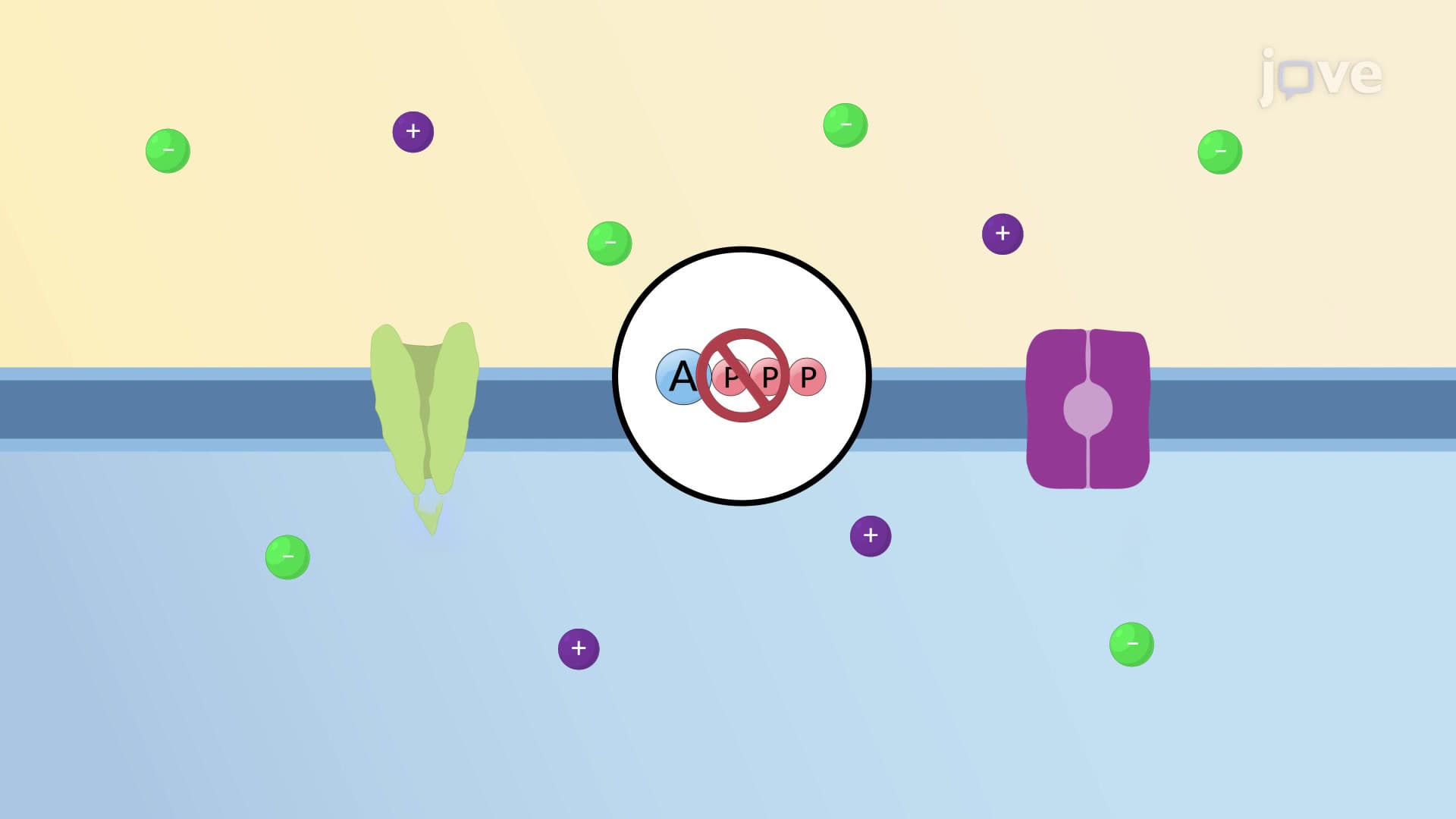
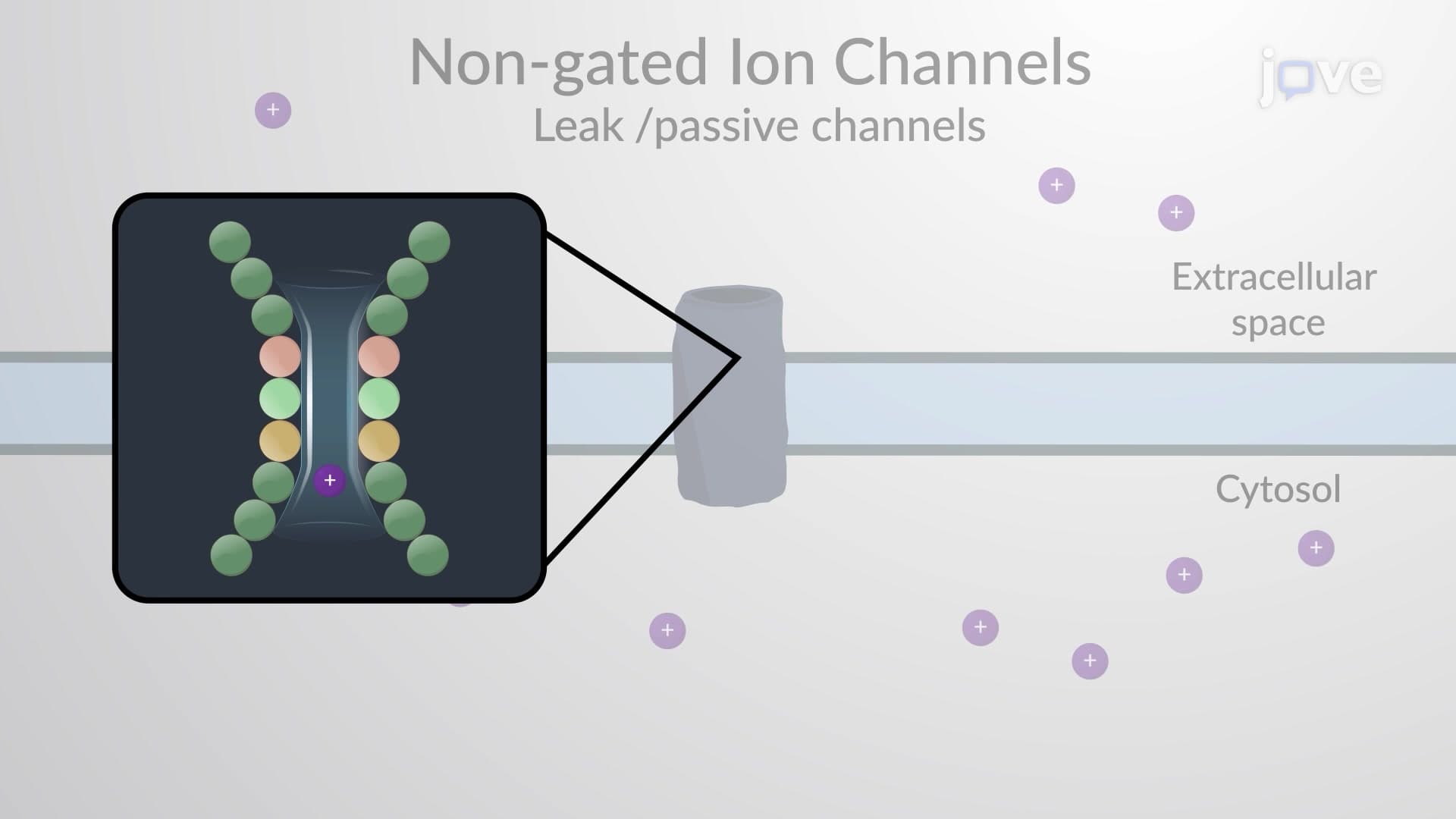
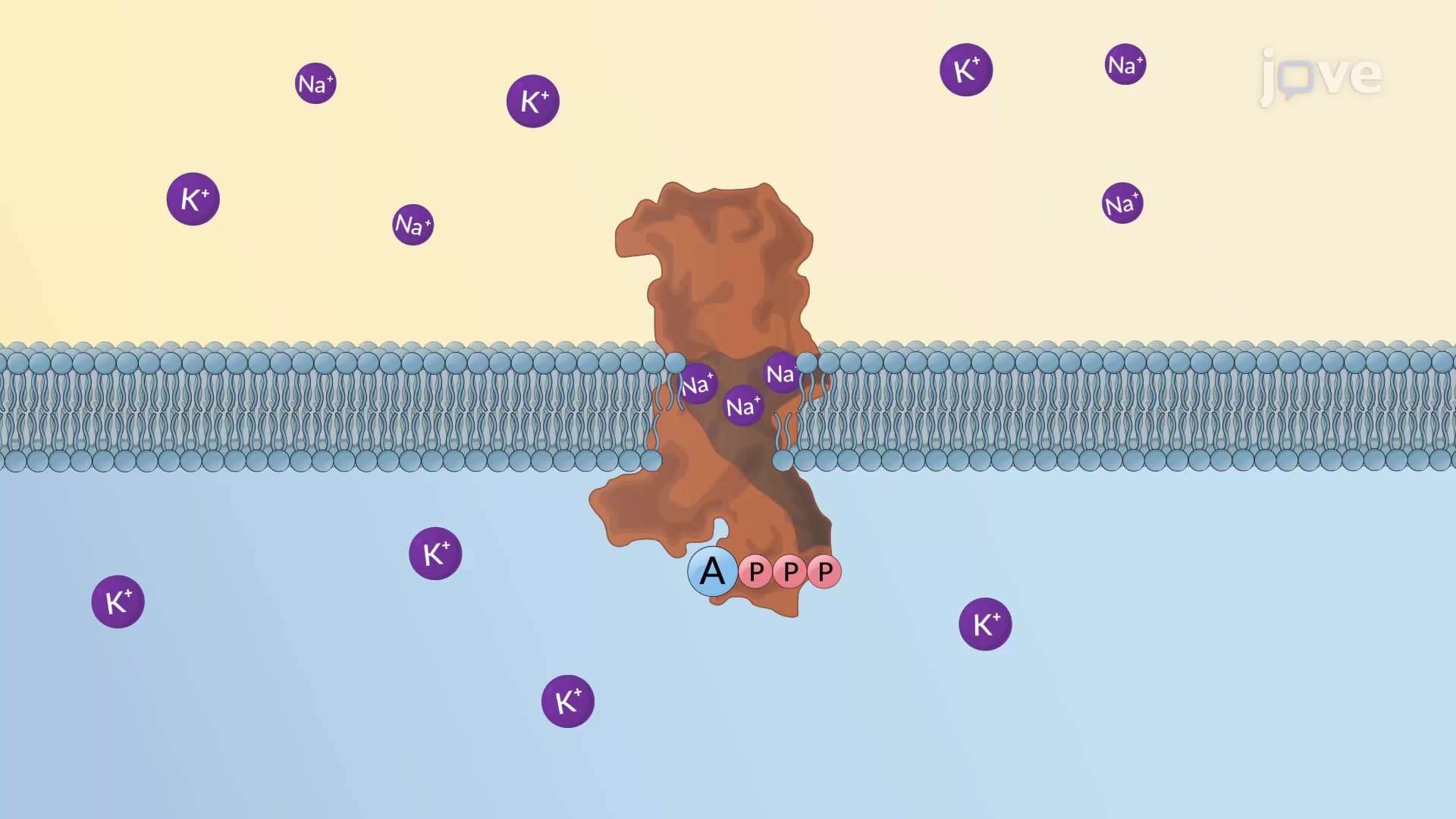
Transport proteins embedded within the membrane act as molecular machines. Channel proteins create hydrophilic tunnels for specific ions, while carrier proteins undergo conformational changes to shuttle molecules across the membrane. Pump proteins, such as the sodium-potassium pump found in every human cell, use ATP to maintain crucial ion gradients that enable nerve impulses and muscle contractions.
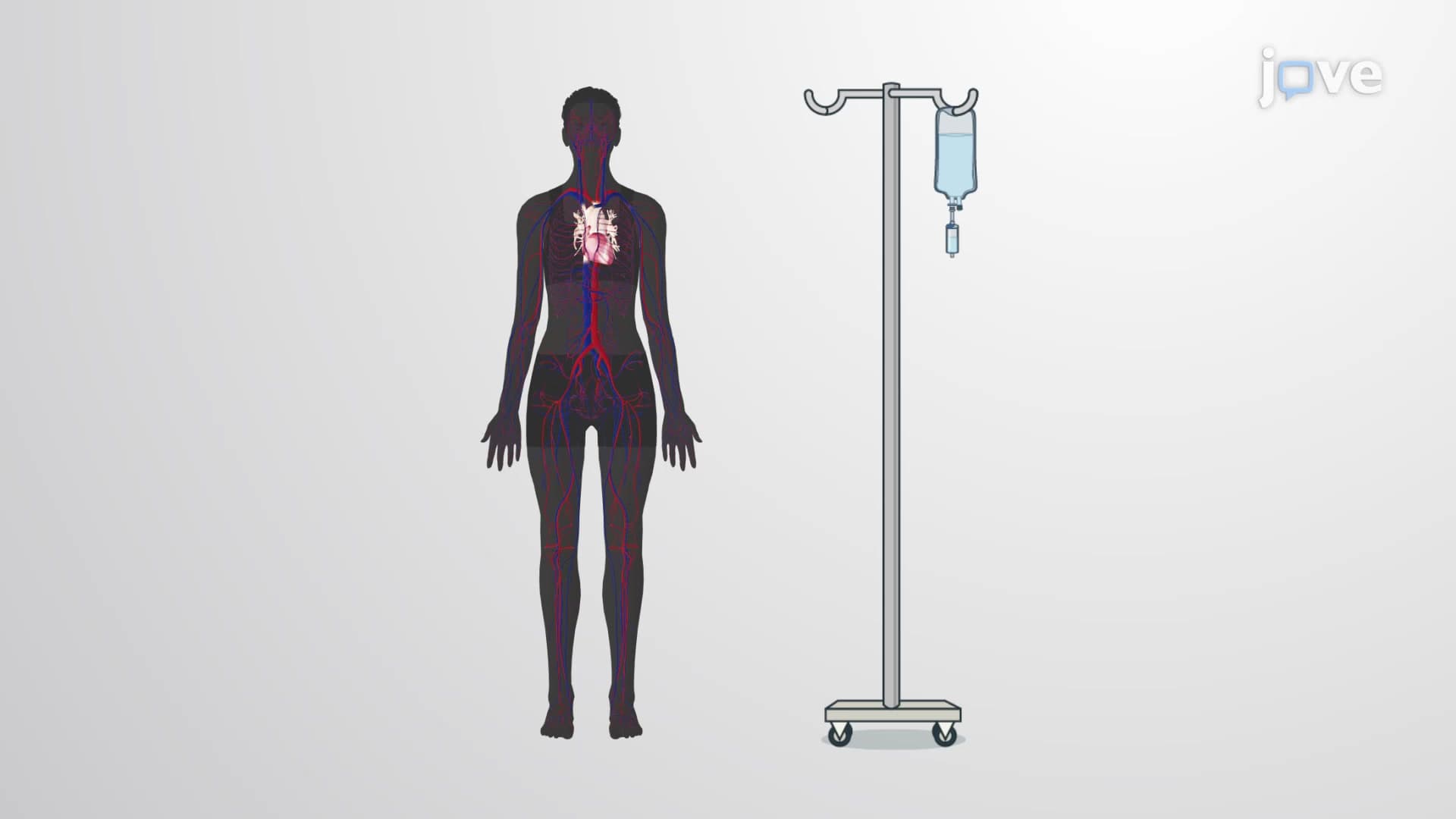
Understanding nutrient membrane transport proves essential for medical professionals. Consider how kidney dialysis works-it mimics natural membrane transport to remove waste products from patients with kidney failure. The artificial membrane allows small waste molecules to pass through while retaining essential proteins and blood cells.
Waste removal transport mechanisms prevent cellular toxicity. When these systems fail, as in Wilson's disease where copper transport proteins malfunction, dangerous metal accumulation occurs. Similarly, cystic fibrosis results from defective chloride transport, leading to thick mucus production in lungs and digestive organs.
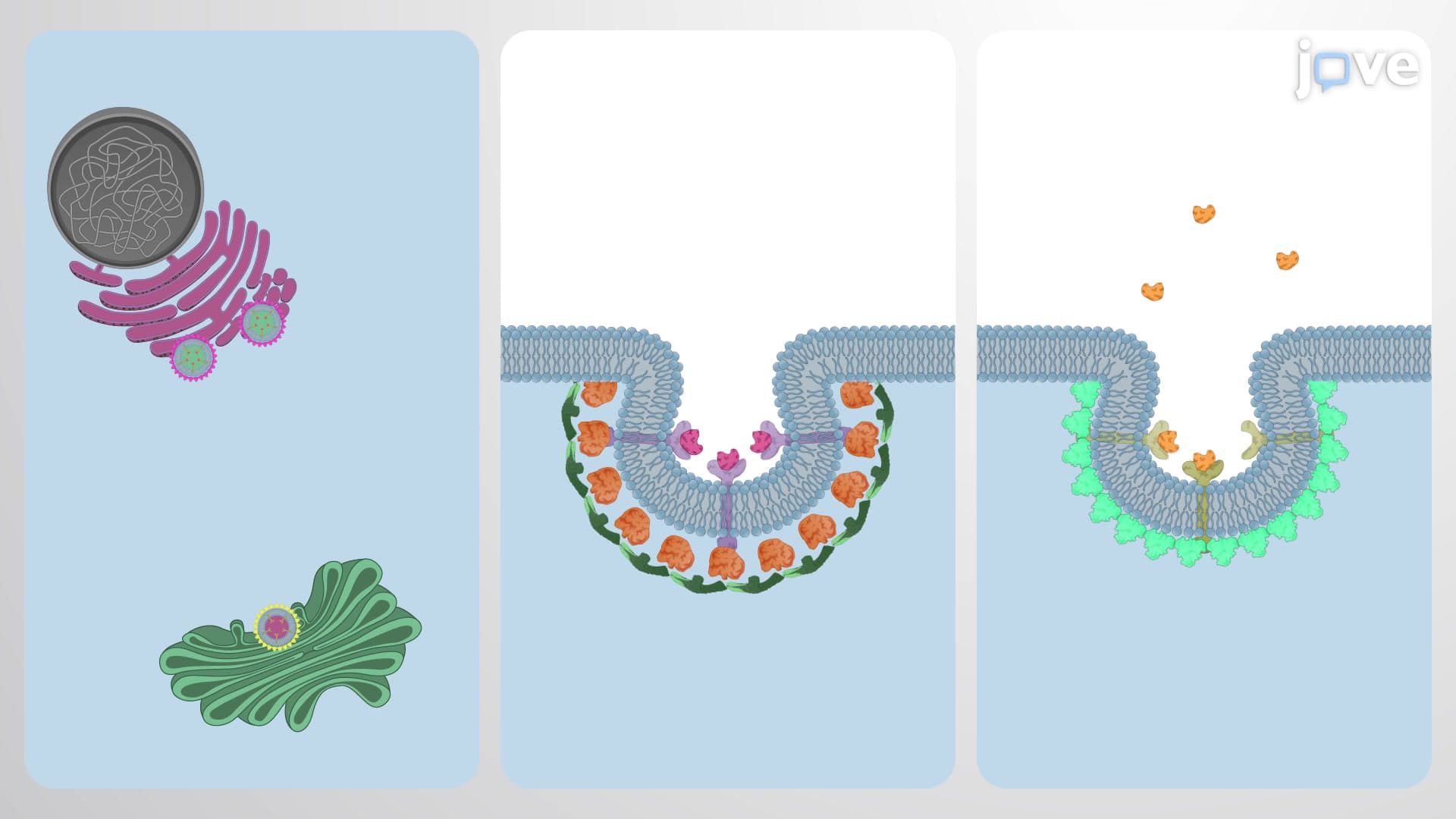
For students preparing for the MCAT or nursing entrance exams like NCLEX, membrane transport concepts appear frequently in questions about drug absorption, kidney physiology, and cellular pathology. College anatomy and physiology courses emphasize how membrane transport cell function underlies organ system integration-from neurotransmitter release at synapses to hormone regulation of blood glucose levels.
Related Micro-courses