Loading subject page…


84,110 views

Video Summary: What are Glycocalyx and Its Functions
Did you know that every cell in your body wears a protective "sugar coat" that determines whether it lives or dies during an immune response? This remarkable structure, called the glycocalyx, and glycocalyx function explained reveals how this nanometer-thin layer controls everything from blood clotting to organ transplant rejection. In US hospitals, understanding glycocalyx damage helps doctors treat conditions like sepsis and diabetes-related vascular complications. What are Glycocalyx And Its Functions becomes crucial knowledge for any student pursuing healthcare careers. Watch the full video on JoVE Coach to master this concept with expert-led visuals and step-by-step explanations.
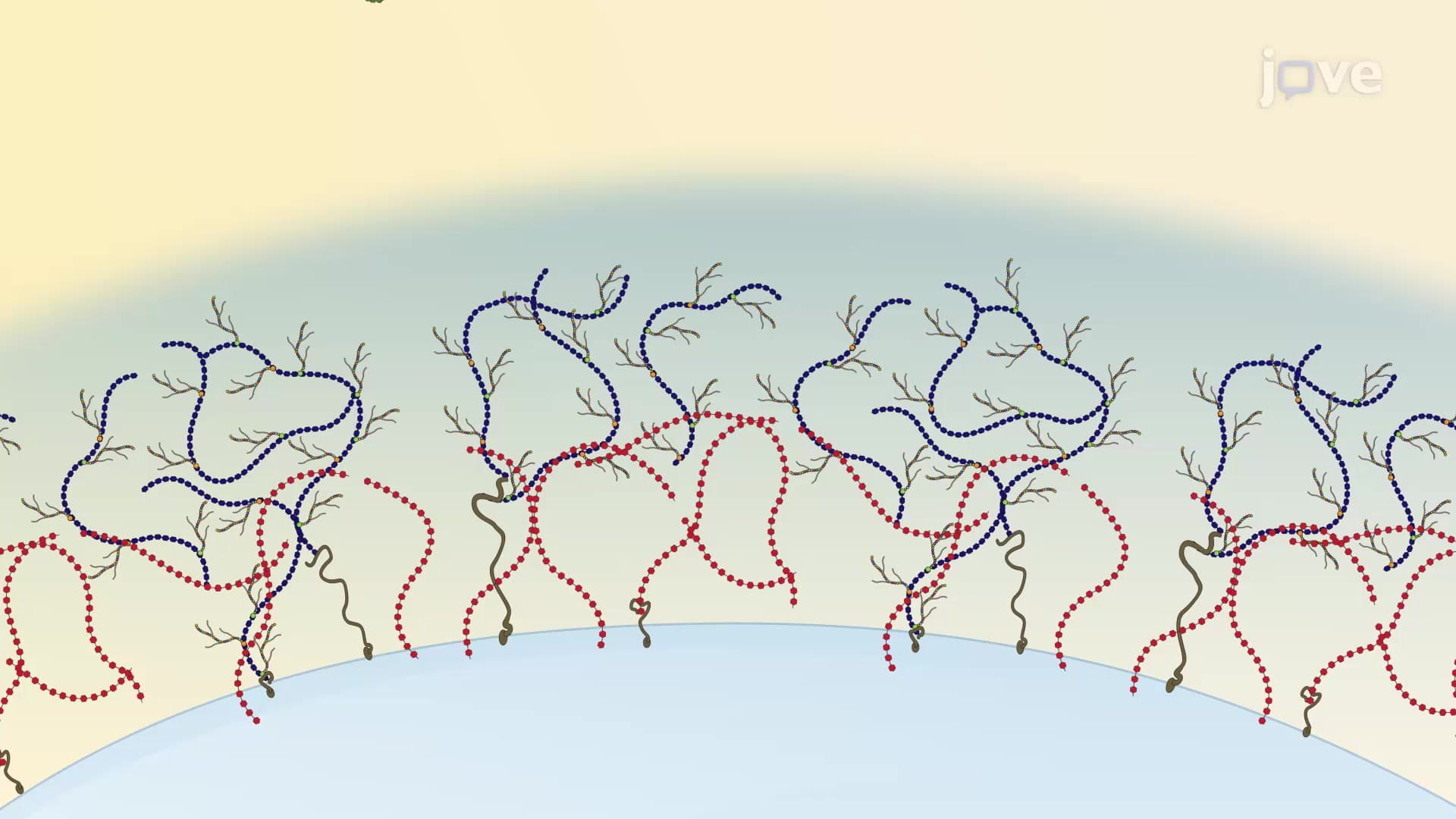
The glycocalyx structure and function represents one of biology's most elegant protective systems. Think of it as cellular armor-a 10-100 nanometer thick mesh that sits atop every cell's plasma membrane. This seemingly simple structure orchestrates complex biological processes that keep us alive, from preventing blood clots in healthy individuals to facilitating sperm-egg recognition during fertilization.
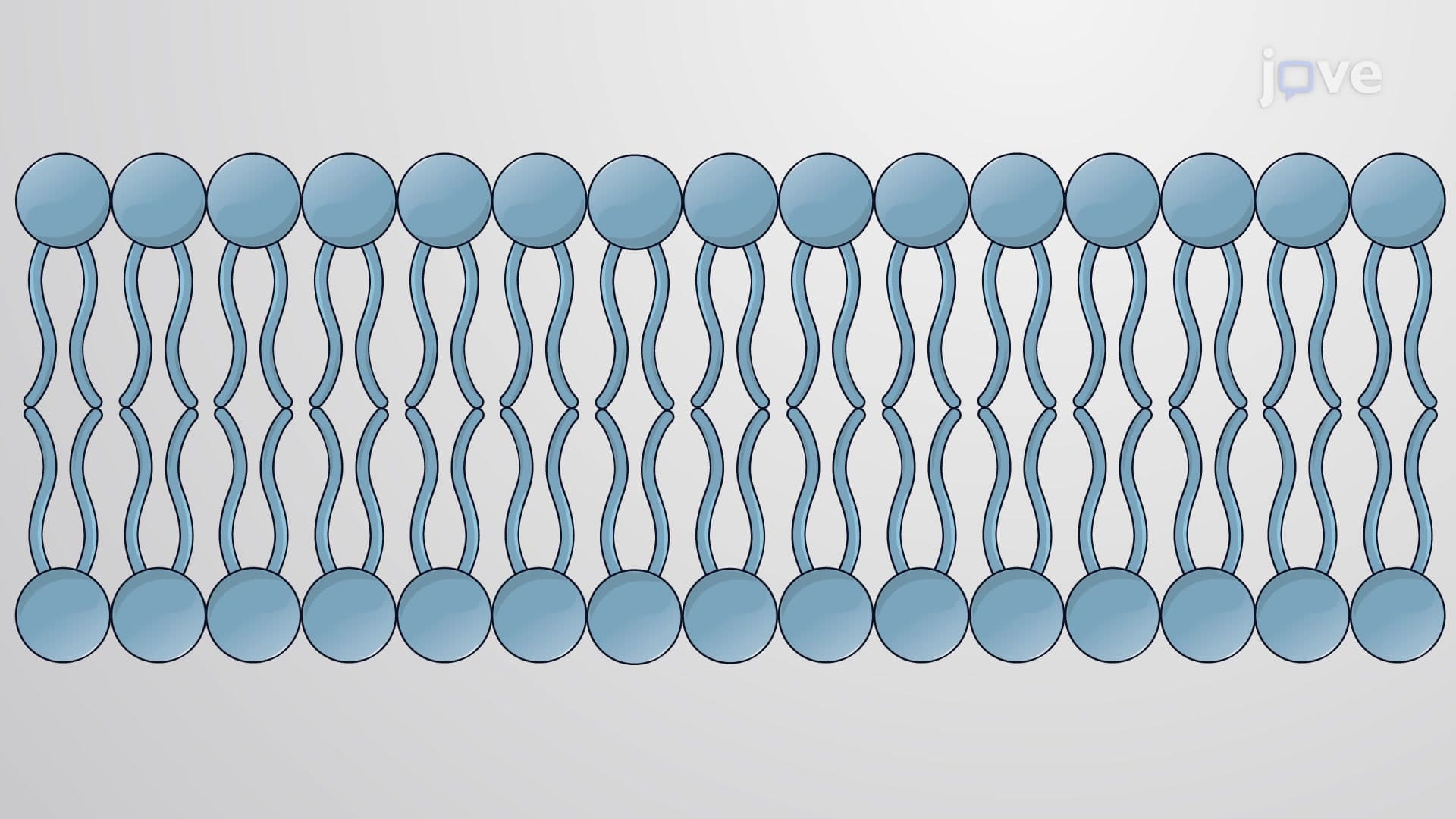
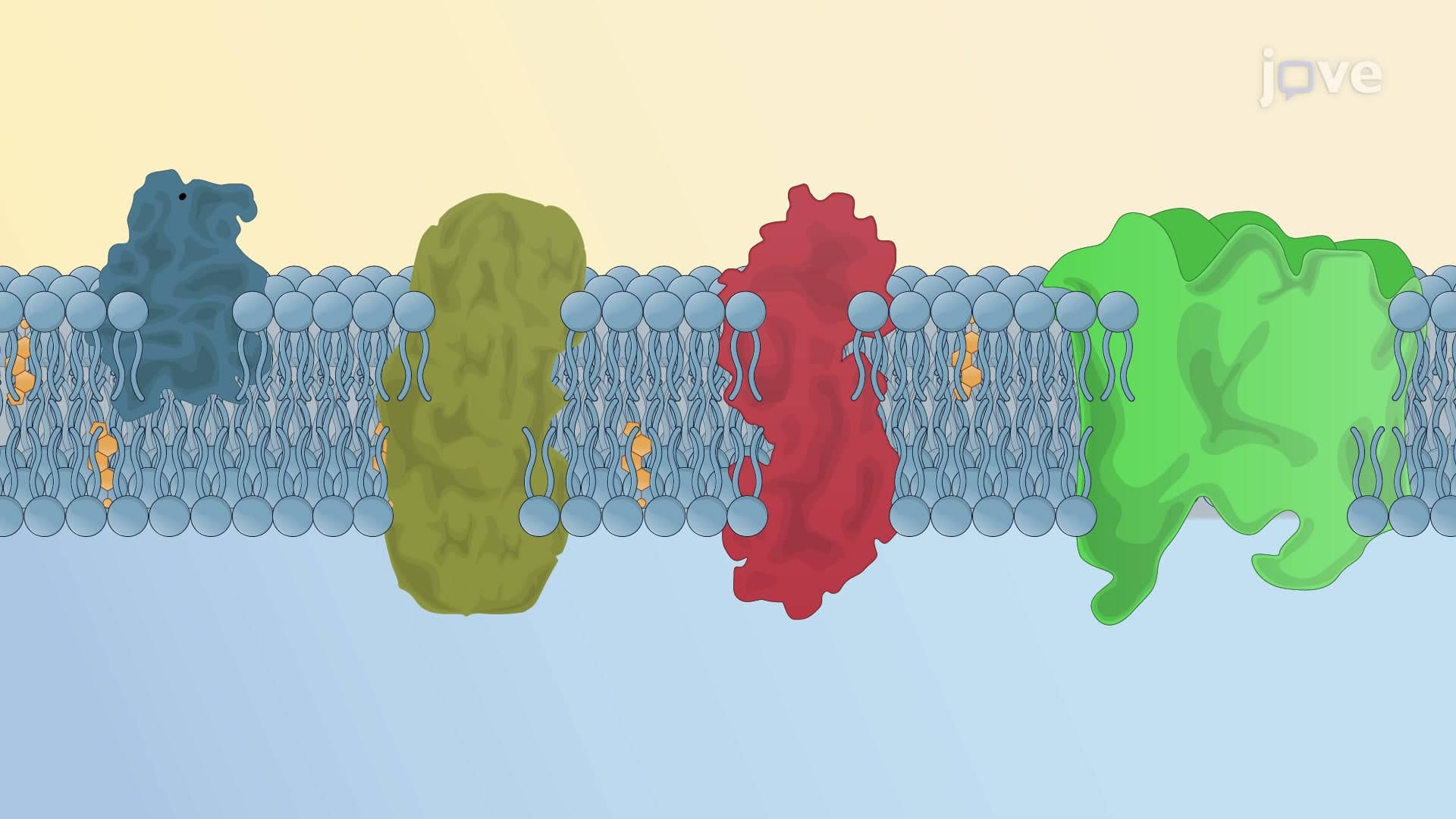
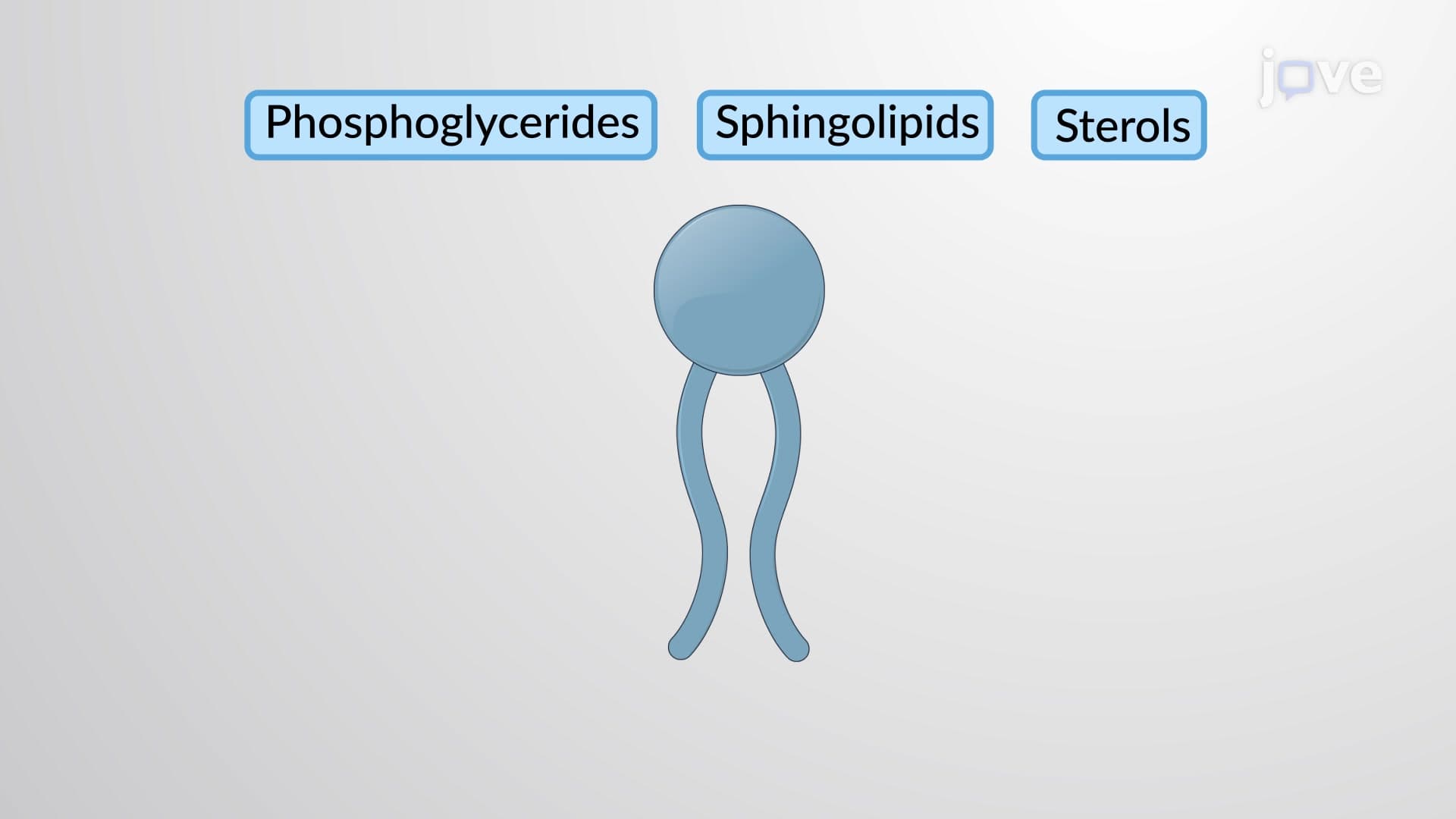
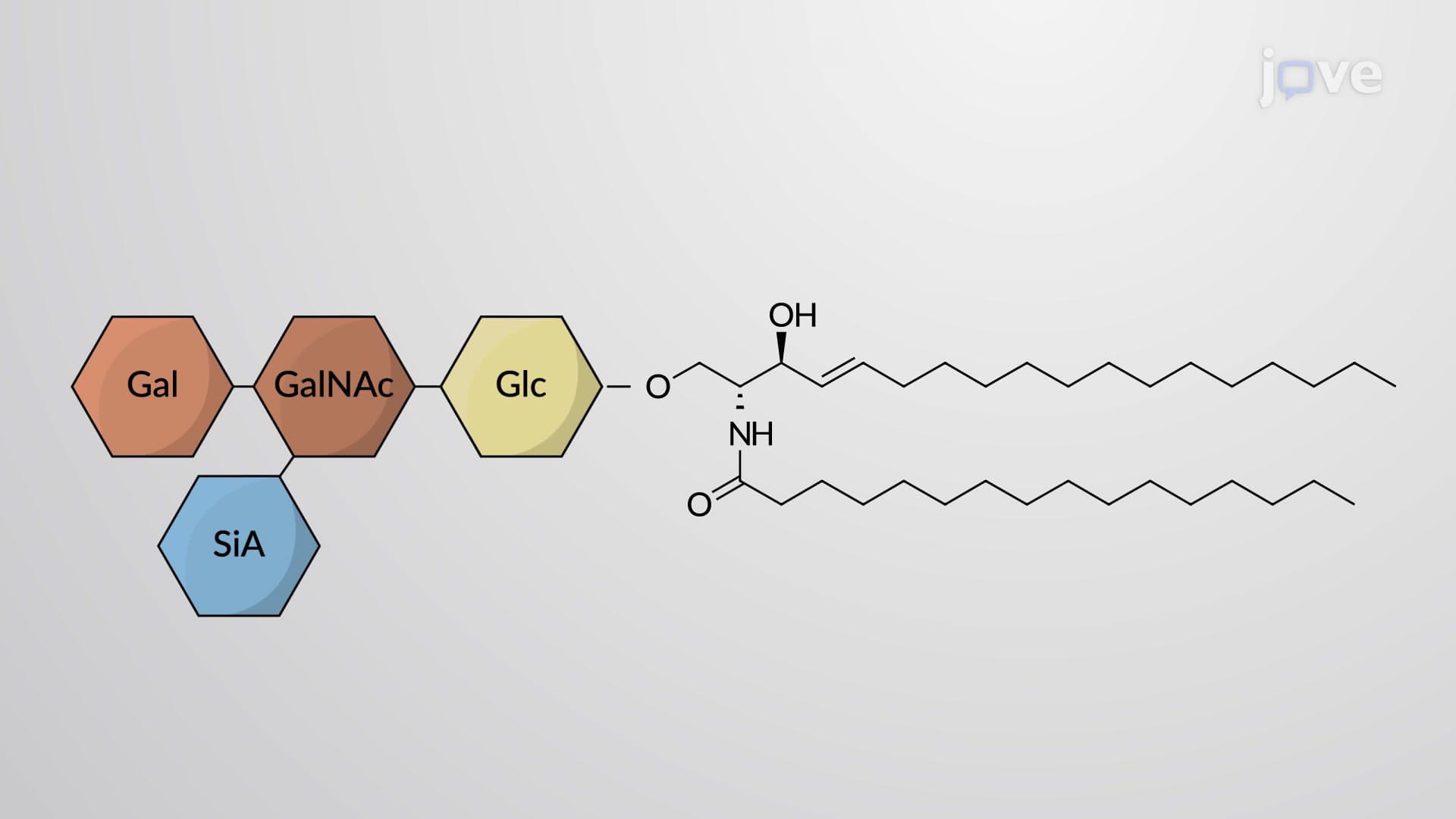
The cell surface glycocalyx consists of three interconnected molecular families. Glycoproteins serve as the primary structural framework, with carbohydrate chains extending outward like molecular antennae. Proteoglycans act as water-trapping sponges, creating the gel-like consistency that gives the glycocalyx its protective properties. Glycolipids anchor these components to the membrane surface, ensuring structural stability during cellular stress.
This carbohydrate coat cell design isn't random-it's precisely engineered for function. In US medical schools, students learn that alterations in glycocalyx composition can predict disease outcomes. For example, patients with diabetes show measurable glycocalyx thinning in retinal blood vessels, contributing to diabetic eye disease that affects over 4 million Americans annually.
Glycocalyx immune recognition operates like a molecular passport system. Each cell displays unique carbohydrate signatures that identify it as "self" versus "foreign." This mechanism prevents your immune system from attacking your own tissues-a process that goes wrong in autoimmune diseases affecting 23.5 million Americans.
During organ transplantation at major US medical centers like Johns Hopkins and Mayo Clinic, surgeons must match glycocalyx patterns between donors and recipients. Mismatched glycocalyx structures trigger rejection responses, explaining why immunosuppressive drugs are essential post-transplant.
The glycocalyx protection function extends beyond immune recognition. In cardiovascular health, endothelial glycocalyx acts as a non-stick coating that prevents blood cells from adhering to vessel walls. When this coating degrades-as occurs in atherosclerosis-platelets begin sticking to vessel walls, initiating the plaque formation process responsible for heart attacks and strokes.
Students preparing for AP Biology or MCAT exams should remember that glycocalyx dysfunction underlies numerous pathological conditions. Understanding what is the glycocalyx and what are its functions provides the foundation for comprehending advanced topics in immunology, cardiovascular physiology, and cell biology that appear frequently on standardized tests.
Related Micro-courses