Loading subject page…


84,109 views

Video Summary: What are Membrane Carbohydrates
Ever wondered why your blood type matters for transfusions? The answer lies in membrane carbohydrates explained through tiny sugar molecules decorating your red blood cells. These carbohydrate chains, attached to membrane proteins and lipids, create unique molecular fingerprints that determine compatibility. For instance, Type A blood cells display different membrane carbohydrates than Type O cells, making transfusion matching critical in US hospitals. Watch the full video on JoVE Coach to master this concept with expert-led visuals and step-by-step explanations.
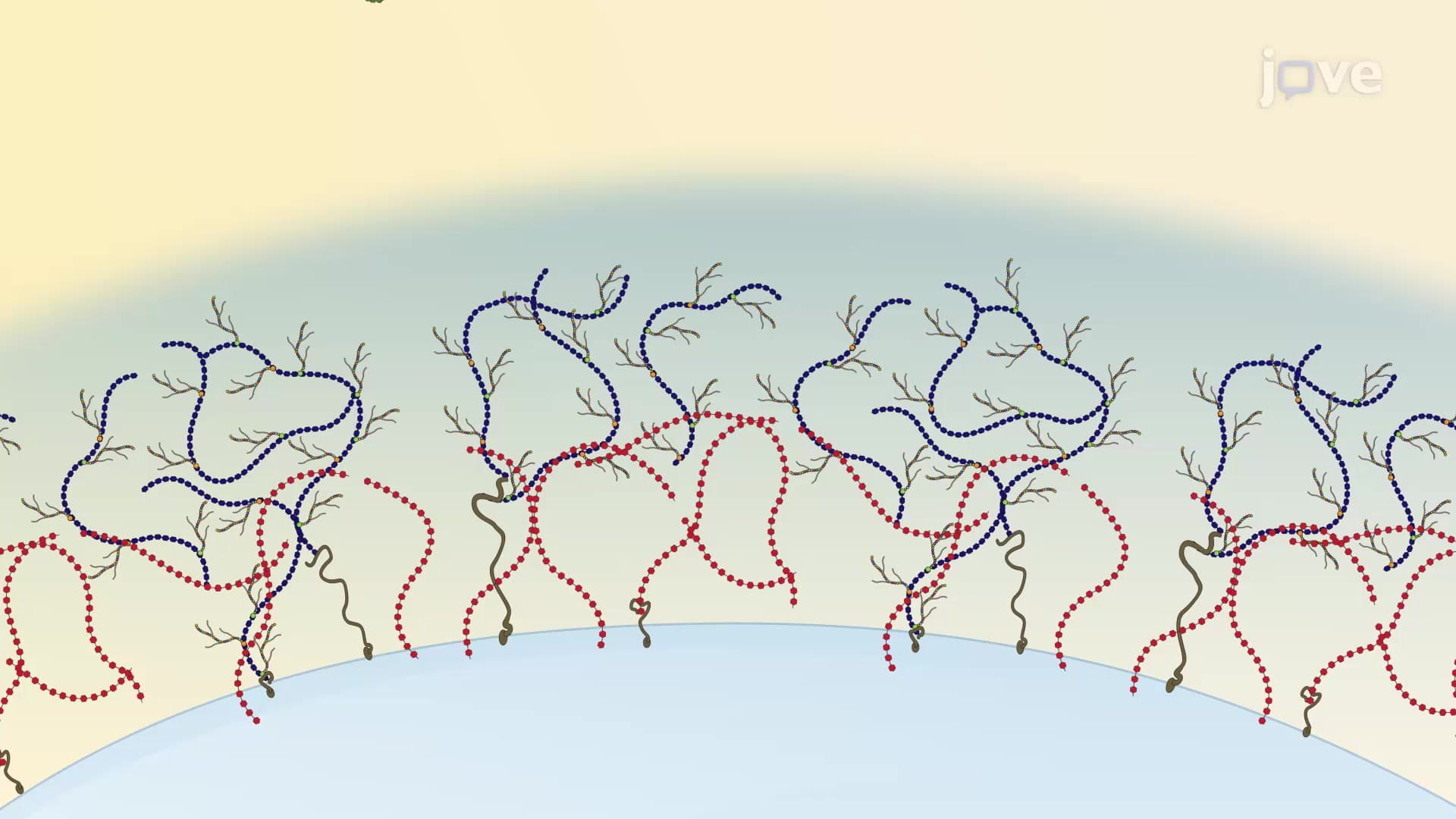
Membrane carbohydrates represent one of biology's most elegant recognition systems. These complex sugar chains extend from the outer surface of cell membranes like molecular antennae, creating a unique biochemical signature for each cell type. Unlike simple sugars that provide energy, membrane carbohydrates serve as sophisticated communication molecules that enable cells to recognize friends from foes.
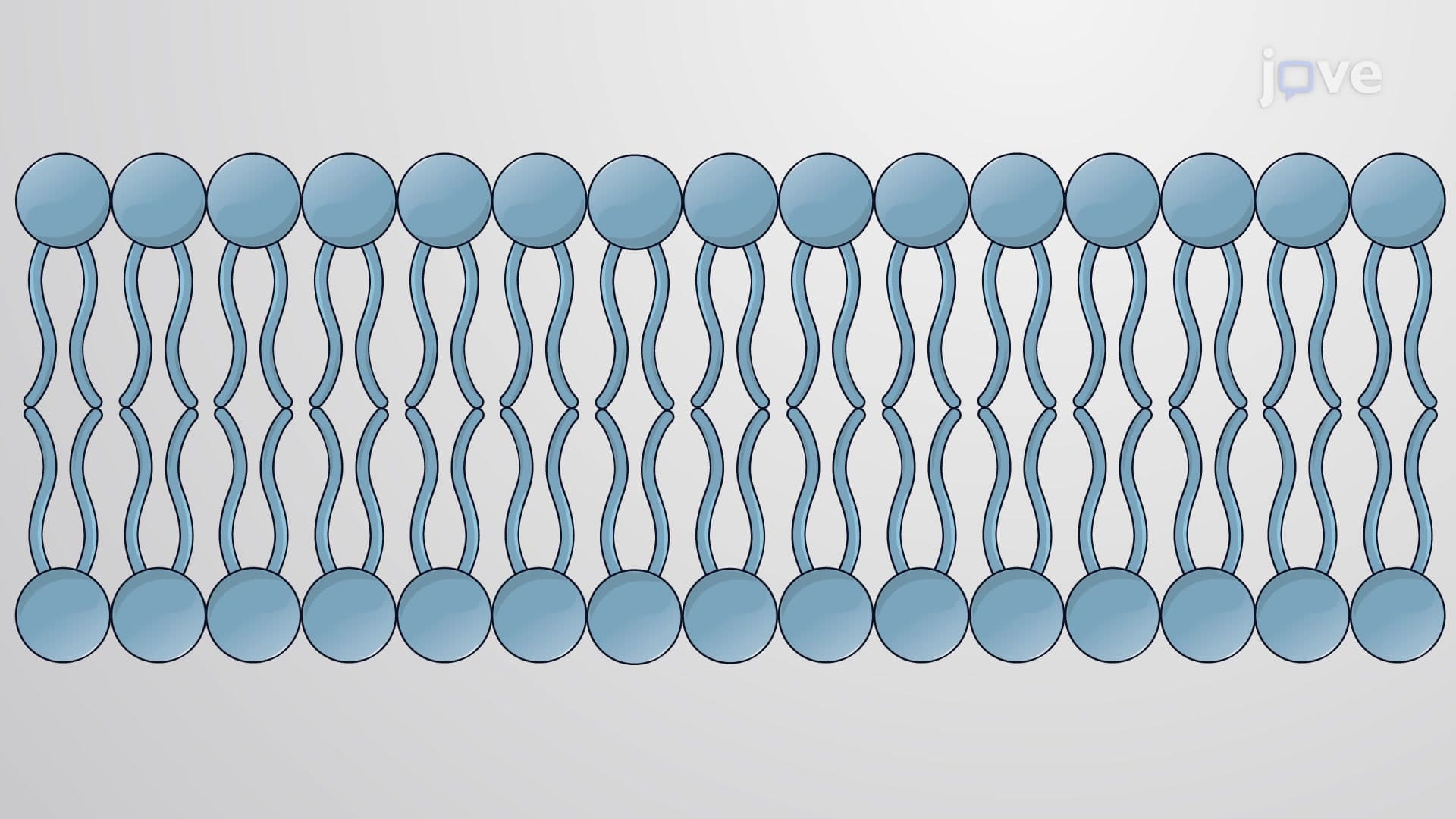
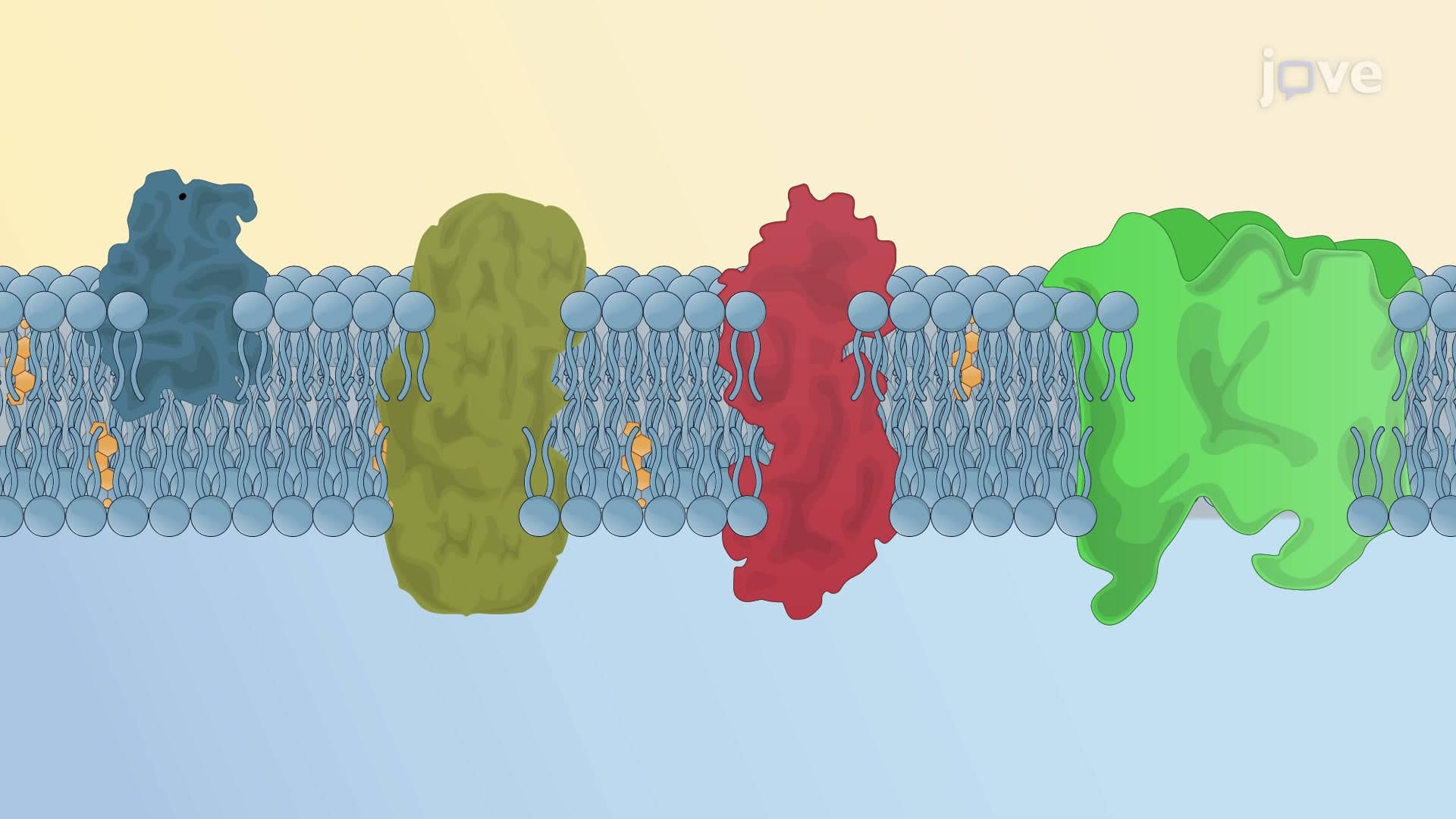
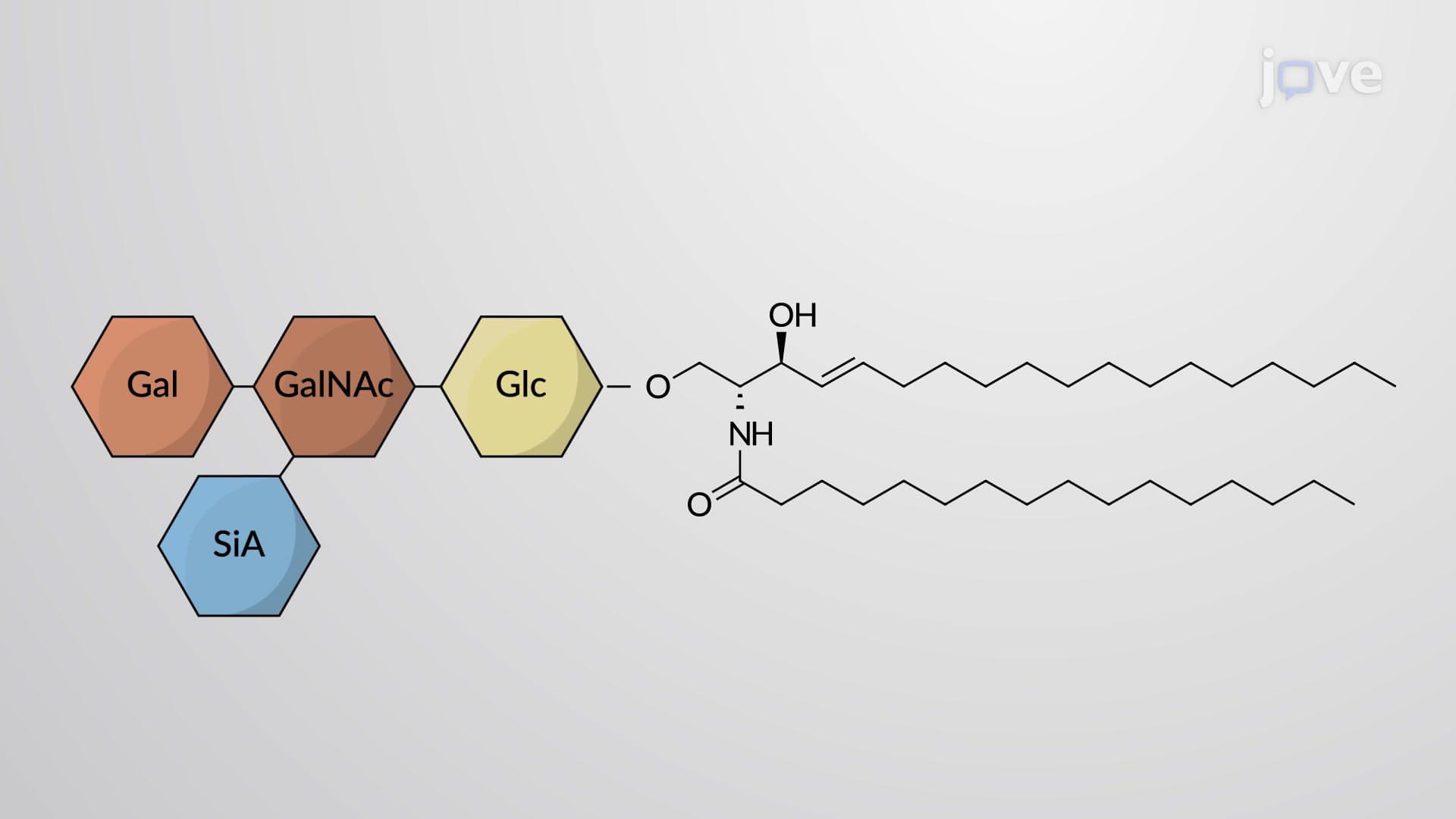
The glycocalyx membrane carbohydrate layer forms through the covalent attachment of oligosaccharide chains to membrane proteins (creating glycoproteins) and lipids (forming glycolipids). This sugar coating can extend 10-20 nanometers from the cell surface-seemingly tiny, yet crucial for cellular function. In the human body, red blood cells provide the most studied example: ABO blood group antigens are actually different carbohydrate structures attached to membrane glycoproteins and glycolipids.
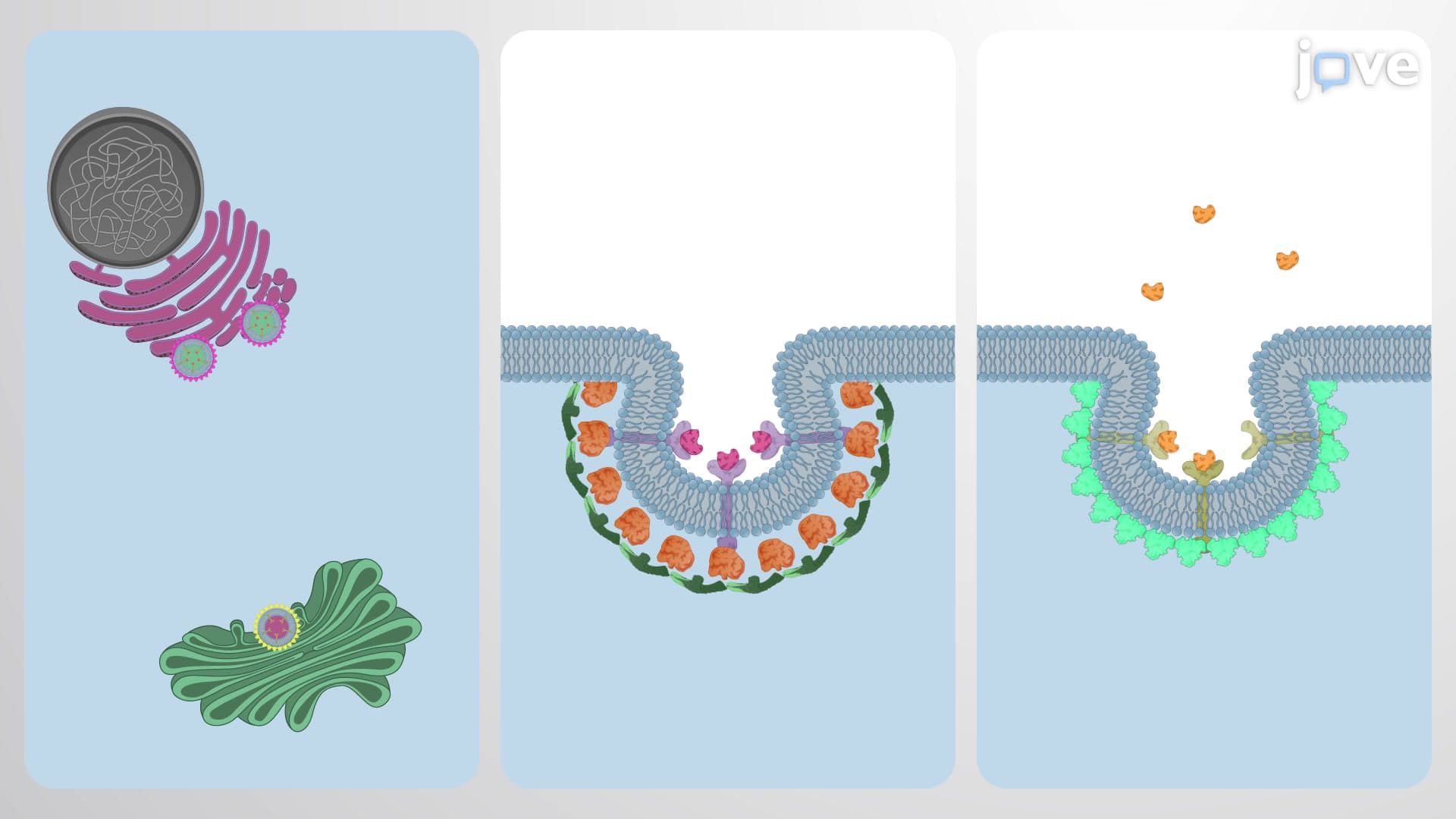
The biosynthesis occurs primarily in the endoplasmic reticulum and Golgi apparatus, where enzymes systematically add sugar residues to create branched, complex structures. Students preparing for the MCAT often encounter questions about these biosynthetic pathways, particularly how genetic mutations affecting glycosyltransferase enzymes can alter blood group phenotypes.
Cell recognition carbohydrate mechanisms operate like molecular lock-and-key systems. Selectins, a family of carbohydrate-binding proteins, exemplify this process during immune responses. When tissue injury occurs, inflamed blood vessel walls express E-selectin, which binds to specific carbohydrate structures on circulating neutrophils, causing them to slow down and eventually migrate into tissues.
This selectin-carbohydrate interaction explains why certain genetic defects in carbohydrate synthesis lead to immunodeficiency disorders. Leukocyte adhesion deficiency type II, though rare, demonstrates how crucial proper carbohydrate cell signaling membrane function is for immune system effectiveness.
Understanding membrane carbohydrate function biology proves essential for medical applications. Many pathogens, including influenza viruses and certain bacteria, use membrane carbohydrates as cellular entry points. Influenza viruses bind to sialic acid residues on respiratory epithelial cells, explaining why different viral strains show tissue-specific preferences.
For students taking AP Biology or preparing for college biochemistry courses, recognizing these pathogen-host interactions helps explain concepts ranging from viral tropism to antibiotic resistance mechanisms. The glycocalyx also plays protective roles, helping cancer cells evade immune detection-a concept increasingly relevant in oncology studies.
Related Micro-courses