Loading subject page…

- Anatomy and Physiology
- Cell Membrane Structure and Functions
- Membrane Lipids
Micro-course: Cell Membrane Structure and Functions
84,104 views
Learn key concepts and earn your certificate.





Membrane Lipids

00:00
01:32
Video Summary: What are Membrane Lipids
Did you know that every cell in your body-from muscle fibers to neurons-depends on a flexible barrier made of specialized fats? Membrane lipids explained reveals how these molecular components create the foundational structure of all biological membranes. Understanding what are membrane lipids helps explain everything from how insulin enters cells in diabetes treatment to how anesthetics work during surgery at hospitals like Johns Hopkins. These essential molecules, including phospholipids, cholesterol, and glycolipids, form dynamic barriers that control what enters and exits cells. Watch the full video on JoVE Coach to master this concept with expert-led visuals and step-by-step explanations.
- Understand what are membrane lipids and their three primary categories: phospholipids, cholesterol, and glycolipids
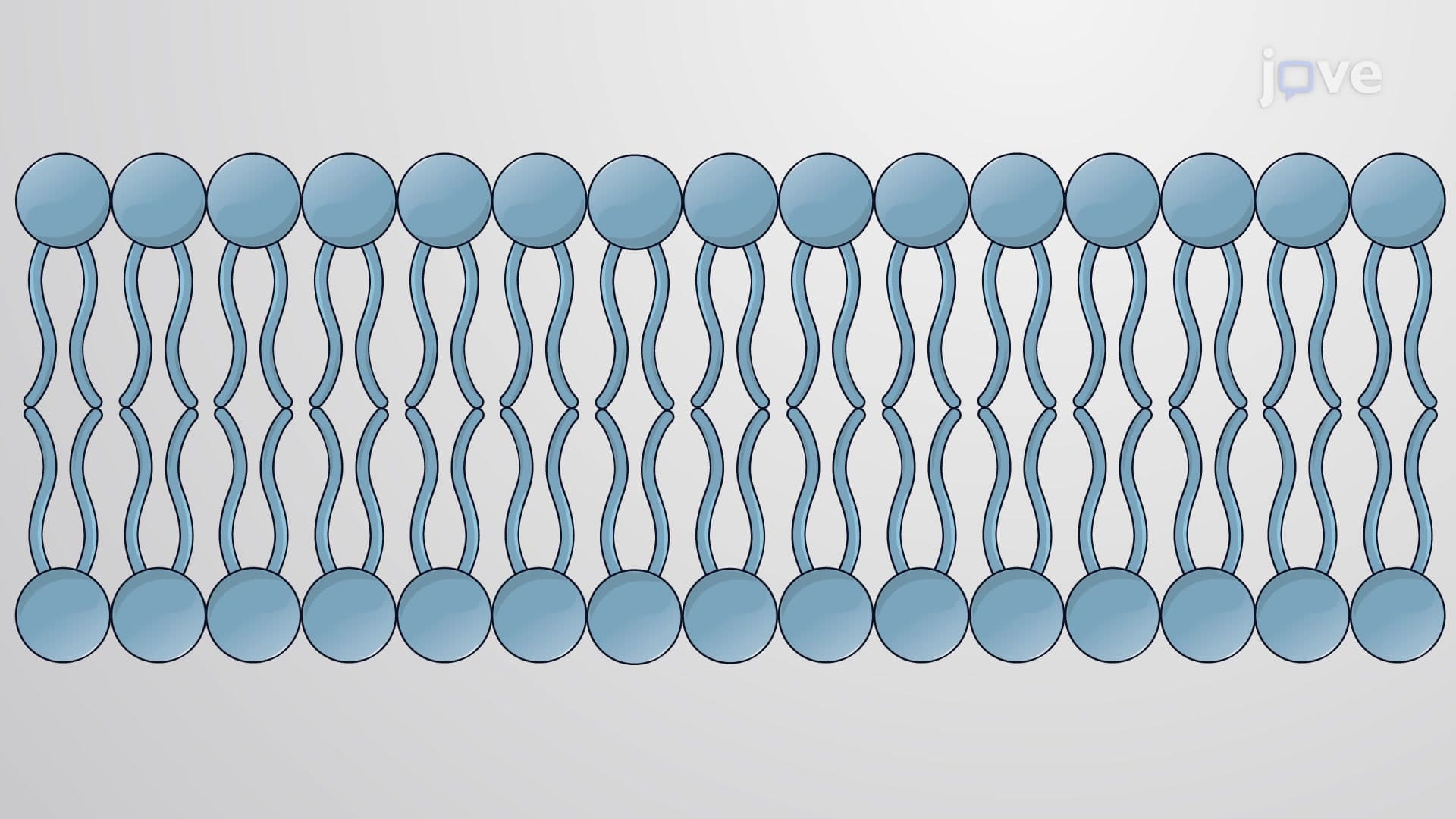
- Identify the structural features of phospholipids, including hydrophilic heads and hydrophobic tails that enable bilayer formation
- Analyze how cholesterol modulates membrane fluidity and stability across different temperature conditions
- Compare the functions of different membrane lipid types in cell recognition, signaling, and barrier maintenance
- Evaluate the role of lipid asymmetry and distribution in determining membrane properties and cellular functions
- Apply knowledge of membrane lipid composition to understand drug interactions and membrane protein behavior
- Recognize the significance of lipid rafts as specialized membrane microdomains that organize cellular processes
- Explore the practical implications of membrane lipid research in medical fields like neurobiology and immunology
Understanding What Are Membrane Lipids: The Foundation of Life
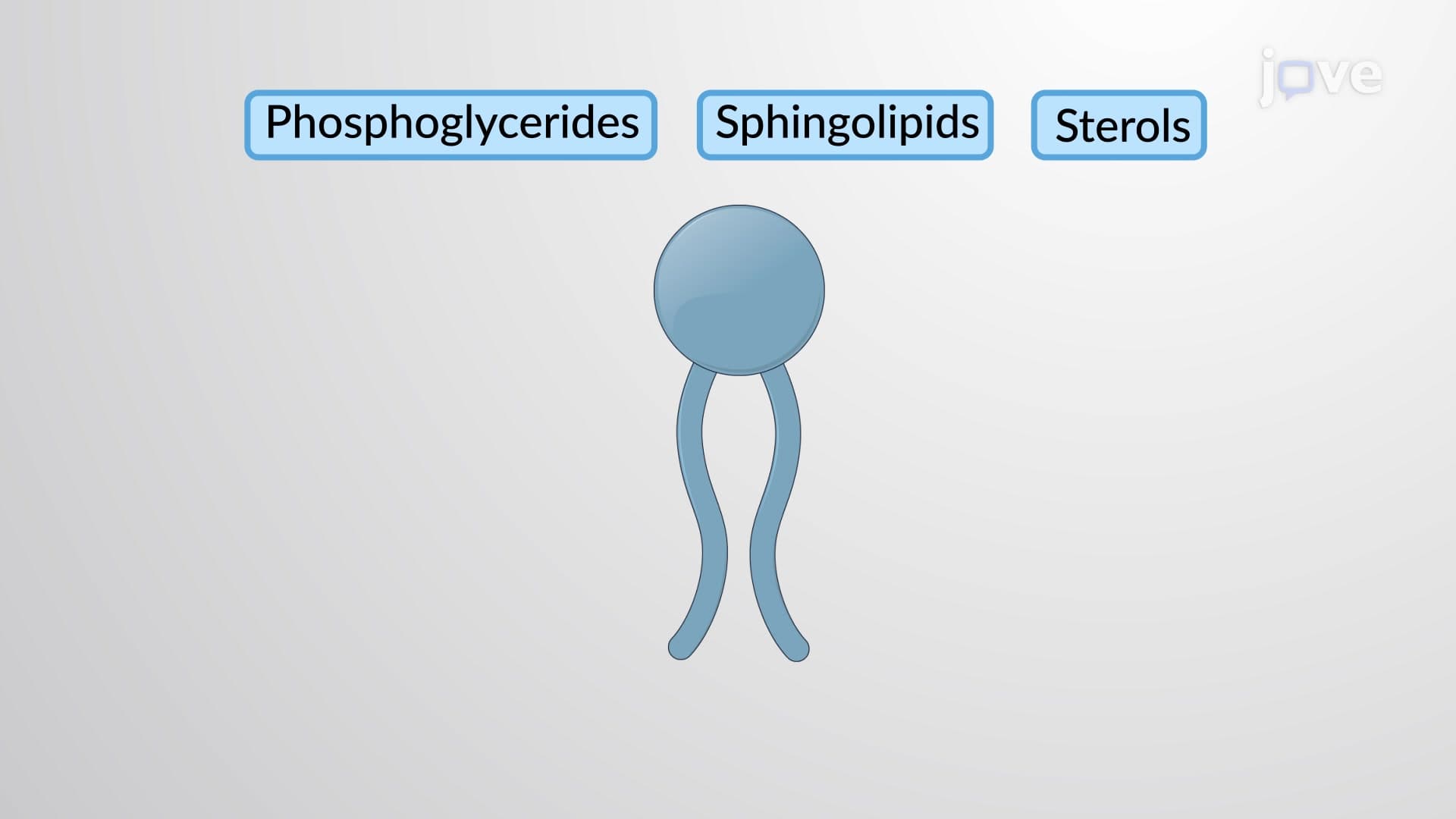
Membrane lipids explained begins with recognizing these molecules as the architectural foundation of every cell membrane. Unlike simple storage fats, membrane lipids possess unique amphiphilic properties-having both water-loving (hydrophilic) and water-fearing (hydrophobic) regions. This dual nature enables them to spontaneously organize into the bilayer structures that define cellular boundaries.
Phospholipid Bilayer Composition: The Primary Structural Component
The phospholipid bilayer composition forms the backbone of all biological membranes. Phospholipids contain a glycerol backbone linked to two fatty acid chains and a phosphate-containing head group. Common examples include phosphatidylcholine and phosphatidylserine, which students encounter frequently in AP Biology and college biochemistry courses. The fatty acid tails create the hydrophobic core, while phosphate heads interact with aqueous environments inside and outside cells. This arrangement explains why membranes are selectively permeable-allowing small, nonpolar molecules like oxygen to pass through while blocking larger or charged substances.
Cholesterol Membrane Lipid Functions: Modulating Fluidity and Stability
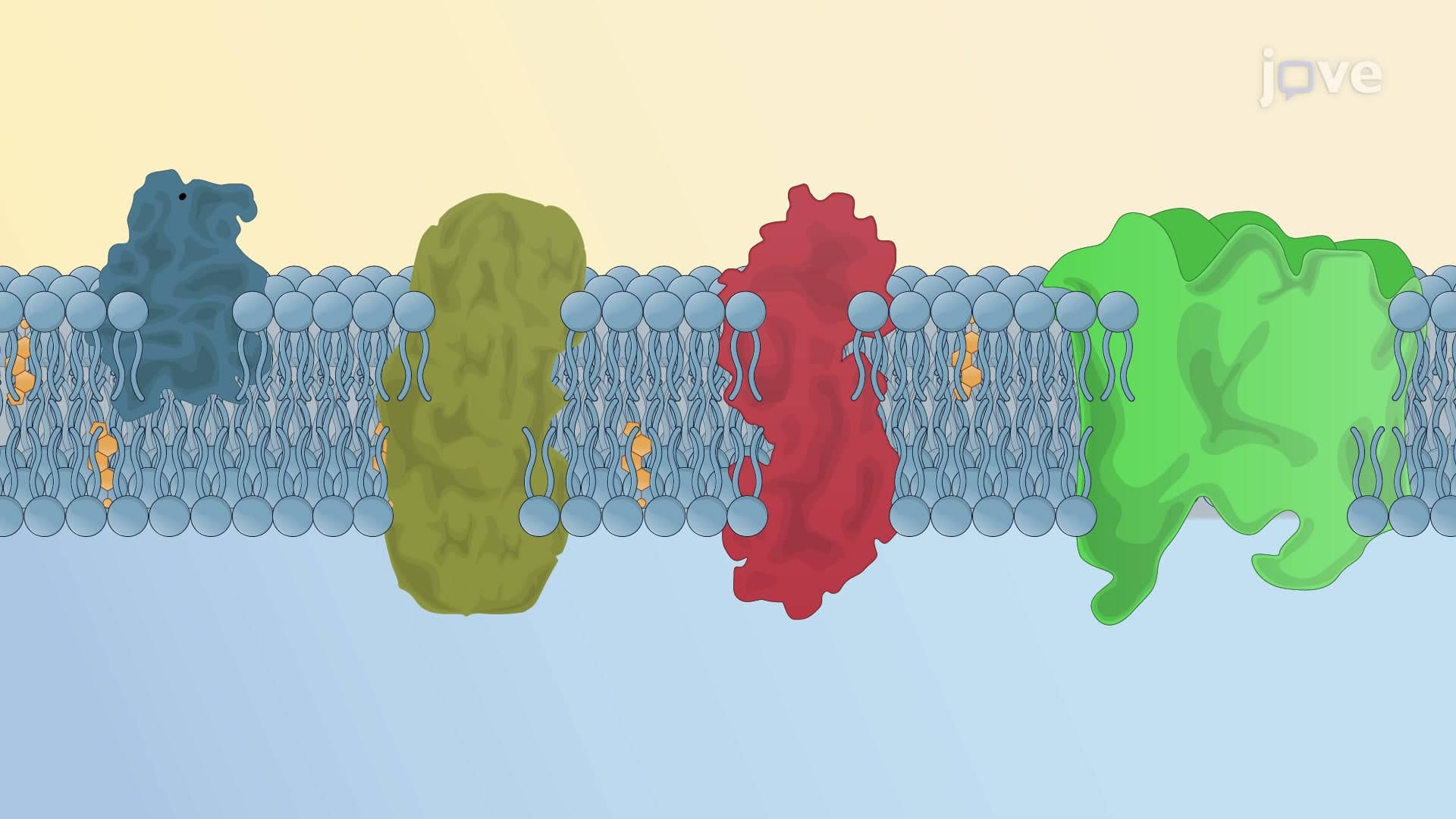
Cholesterol membrane lipid content significantly impacts membrane behavior. In human cells, cholesterol comprises 20-25% of membrane lipids, inserting between phospholipids to regulate fluidity. At body temperature, cholesterol prevents excessive fluidity that could compromise membrane integrity. This concept appears frequently on MCAT biochemistry sections, where students must understand how cholesterol's rigid steroid structure influences membrane dynamics. Clinical relevance emerges in understanding how cholesterol-lowering medications like statins affect cellular membranes throughout the body.
Specialized Membrane Lipids: Glycolipids and Lipid Rafts
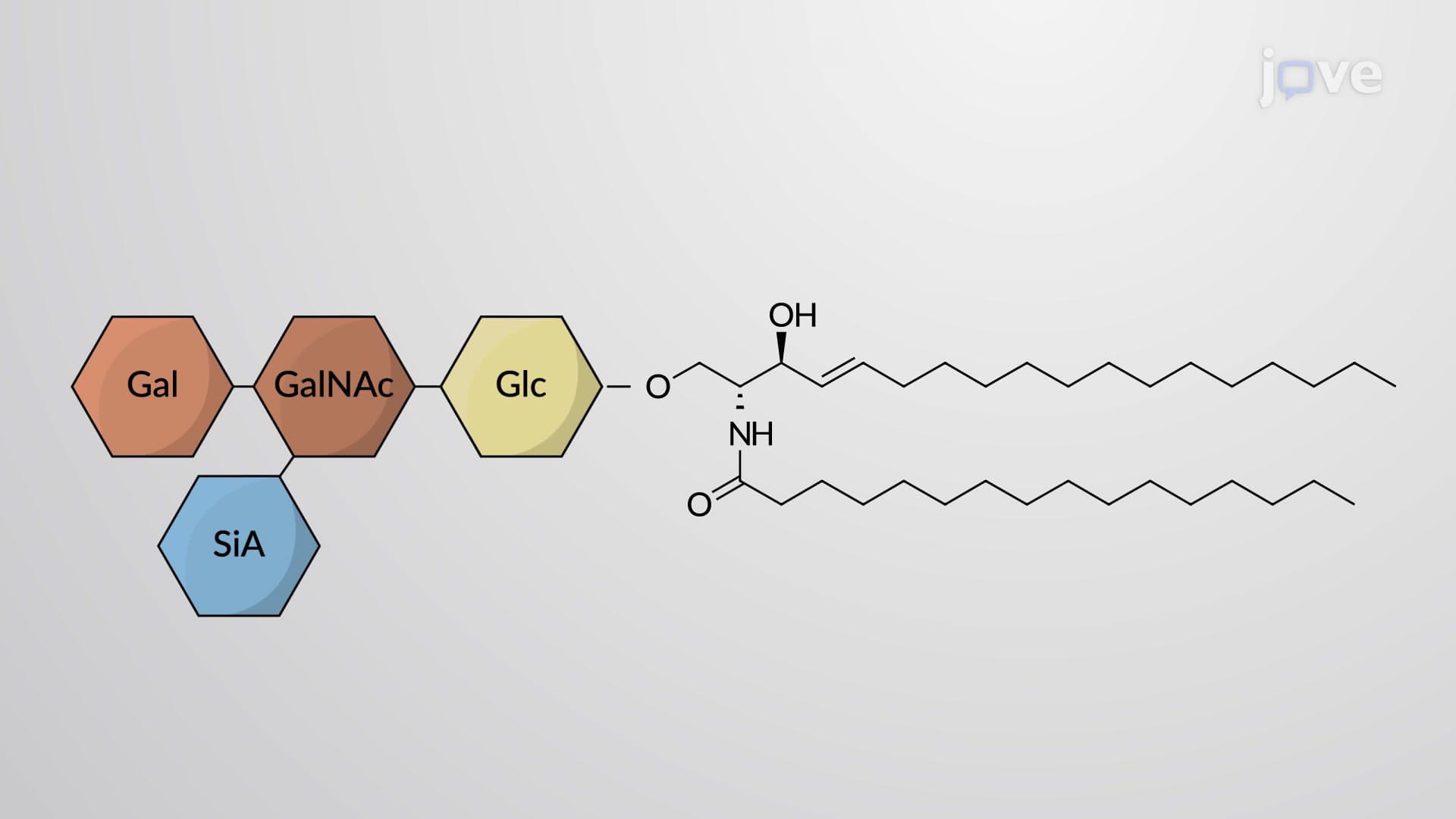
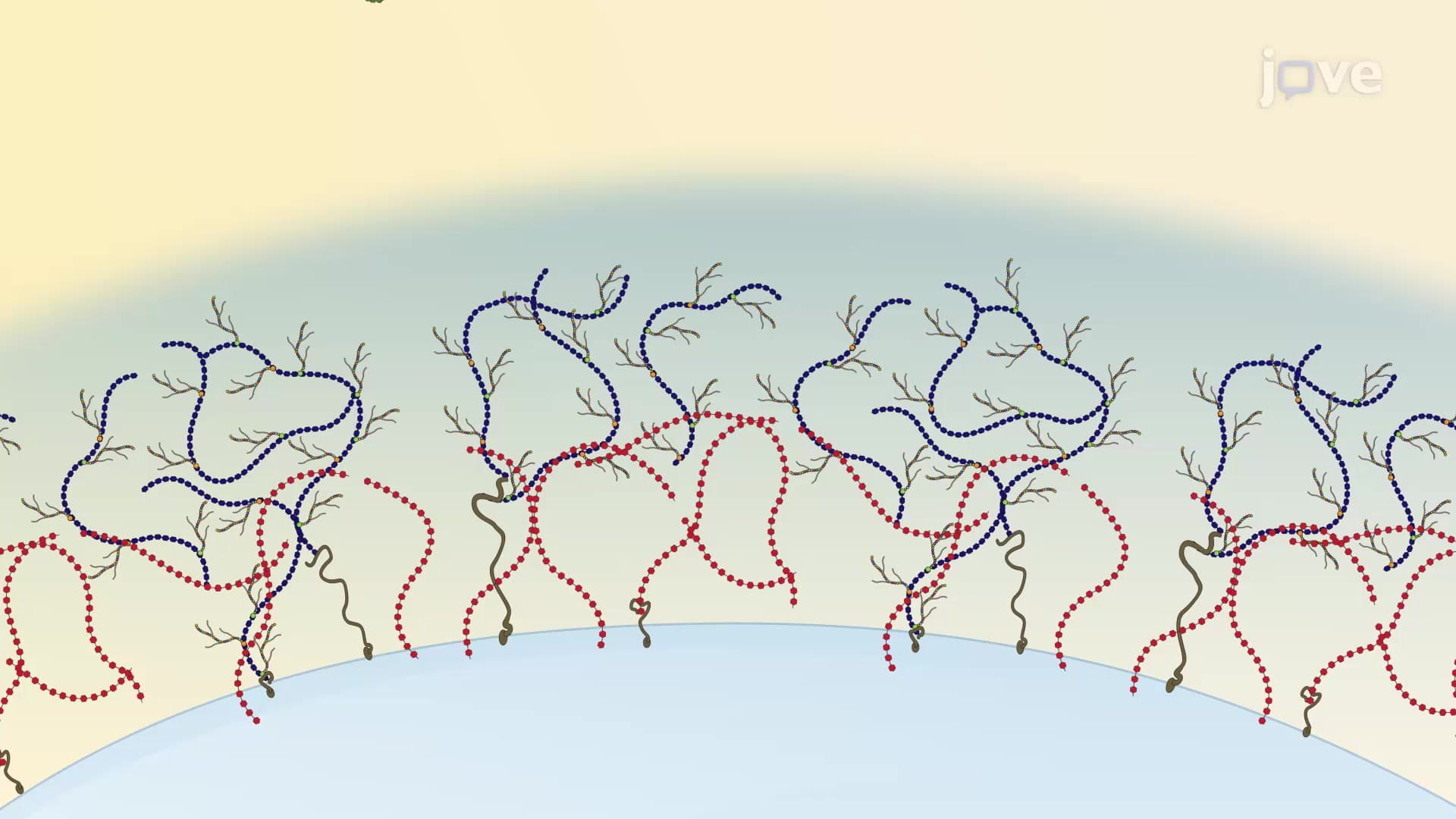
Sphingolipid membrane components, particularly glycolipids, contribute to cell surface recognition and signaling. These lipids contain carbohydrate groups extending from membrane surfaces, creating unique cellular "fingerprints" essential for immune recognition and tissue compatibility-concepts crucial for understanding organ transplantation success at medical centers like the Mayo Clinic. Lipid raft membrane microdomains represent specialized regions enriched in cholesterol and sphingolipids, concentrating specific proteins and facilitating cellular processes like signal transduction and membrane trafficking.
Membrane Lipid Fluidity: Dynamic Properties and Biological Significance
Membrane lipid fluidity varies with temperature, fatty acid saturation, and cholesterol content. This dynamic property enables essential cellular processes like endocytosis, exocytosis, and membrane fusion. Students preparing for standardized exams should understand how unsaturated fatty acids increase fluidity by creating kinks that prevent tight packing, while saturated fats have opposite effects. This knowledge applies directly to understanding why cold-water fish produce more unsaturated fats-maintaining membrane functionality at low temperatures.
Frequently Asked Questions
Membrane lipids are specialized fat molecules that form the structural foundation of all cell membranes, creating selective barriers that control molecular transport. They include phospholipids, cholesterol, and glycolipids, each contributing unique properties like flexibility, stability, and recognition capabilities. Without these lipids, cells couldn't maintain their shape, regulate internal conditions, or communicate with their environment.
Membrane lipids serve multiple critical functions: phospholipids create the basic bilayer structure, cholesterol regulates membrane fluidity and stability, and glycolipids enable cell recognition and signaling. These functions collectively maintain cellular integrity, facilitate protein function, and enable essential processes like nutrient uptake and waste removal. Their proper composition is vital for normal cellular metabolism and communication.
MCAT biochemistry sections frequently test membrane lipid structure, particularly phospholipid amphiphilic properties and cholesterol's role in fluidity regulation. Focus on understanding bilayer formation, selective permeability mechanisms, and how lipid composition affects membrane properties. Practice identifying different lipid types and predicting how structural changes impact membrane function.
AP Biology emphasizes phospholipid bilayer structure, selective permeability, and membrane fluidity concepts. Students should understand how hydrophilic and hydrophobic regions enable bilayer formation, why certain molecules cross membranes easily while others require transport proteins, and how temperature affects membrane flexibility. Cell membrane unit questions often integrate these lipid concepts with transport mechanisms.
College exams typically require deeper understanding of lipid chemistry, including fatty acid saturation effects, cholesterol's molecular interactions, and lipid asymmetry significance. Create concept maps connecting lipid structure to membrane properties, practice drawing phospholipid structures, and understand clinical relevance like how membrane composition affects drug delivery and disease processes.
Pharmaceutical companies like Pfizer design drugs considering membrane lipid interactions, as lipid composition affects drug absorption and cellular entry. Anesthetics work by altering membrane lipid organization, while cholesterol-lowering medications impact membrane stability throughout the body. Cancer treatments often target membrane lipid metabolism, and neurological disorders frequently involve membrane lipid abnormalities.
Basic organic chemistry understanding helps, but membrane lipid concepts are accessible with high school chemistry background focusing on polarity and molecular interactions. Start with simple amphiphilic molecule concepts, then build understanding of how molecular structure determines membrane properties. Most introductory biology courses provide sufficient chemical context for understanding membrane lipid functions.
Use active recall techniques connecting structure to function: create flashcards linking lipid names to their roles, draw membrane diagrams from memory, and practice explaining how each lipid type contributes to membrane properties. Focus on understanding rather than rote memorization-knowing why phospholipids form bilayers helps remember their amphiphilic structure better than memorizing definitions alone.
Explore membrane protein interactions, active and passive transport mechanisms, and cellular signaling pathways that depend on membrane organization. Advanced topics include membrane biophysics, lipid metabolism disorders, and how membrane composition changes in different cell types and disease states.
Related Micro-courses
16 Concepts
26 Concepts

18 Concepts