Loading subject page…


84,110 views

Video Summary: What are Non Gated Ion Channels
Did you know that your heart beats over 100,000 times daily thanks to tiny protein doorways that never close? Non gated ion channels biology reveals how these always-open membrane proteins create continuous pathways for ions like sodium and potassium to flow across cell membranes. Consider how cardiac pacemaker cells at Johns Hopkins Hospital rely on potassium leak channels to maintain their rhythmic electrical activity between heartbeats. What are non gated ion channels and why are they essential for every cell in your body? Watch the full video on JoVE Coach to master this concept with expert-led visuals and step-by-step explanations.
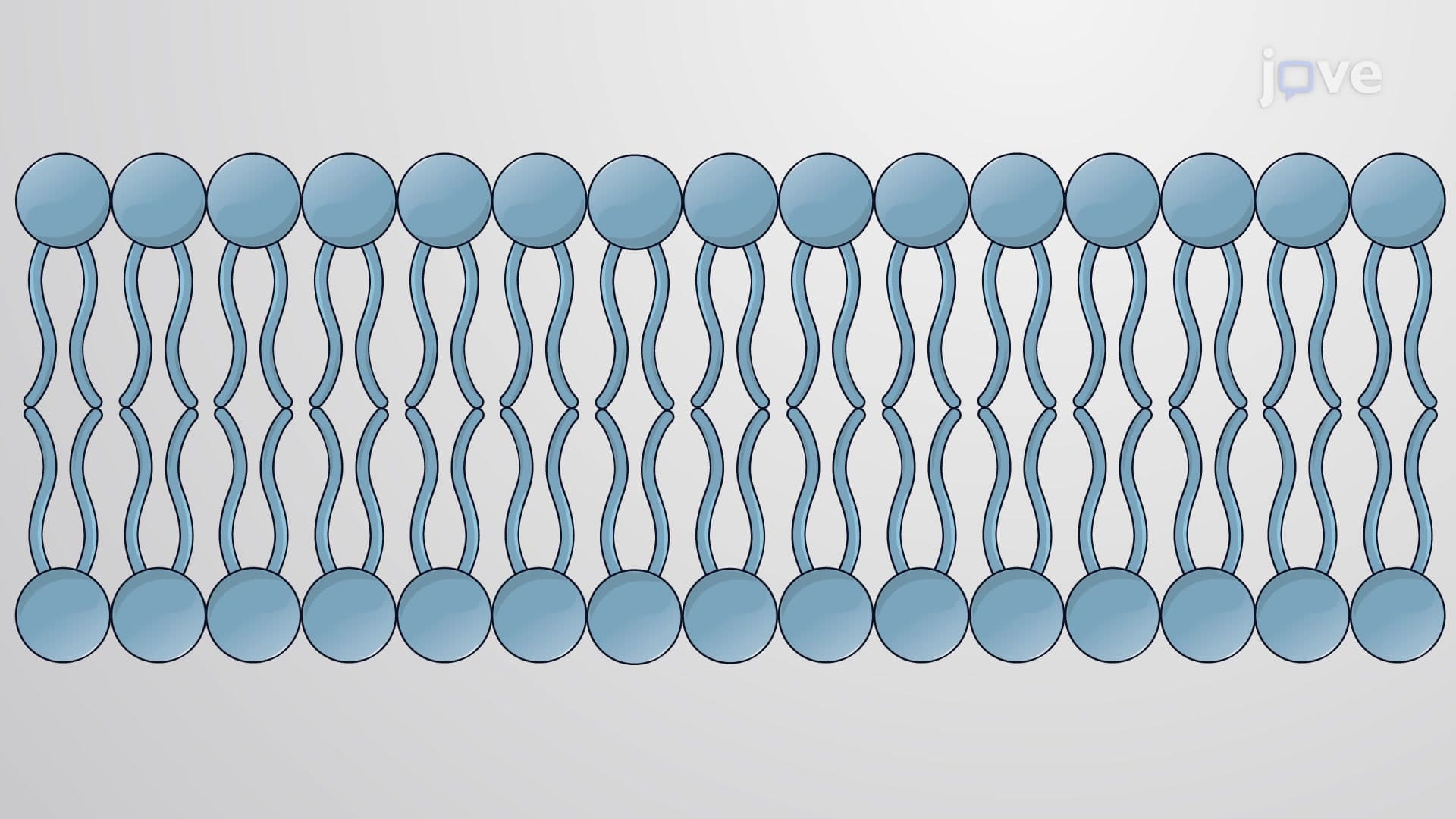
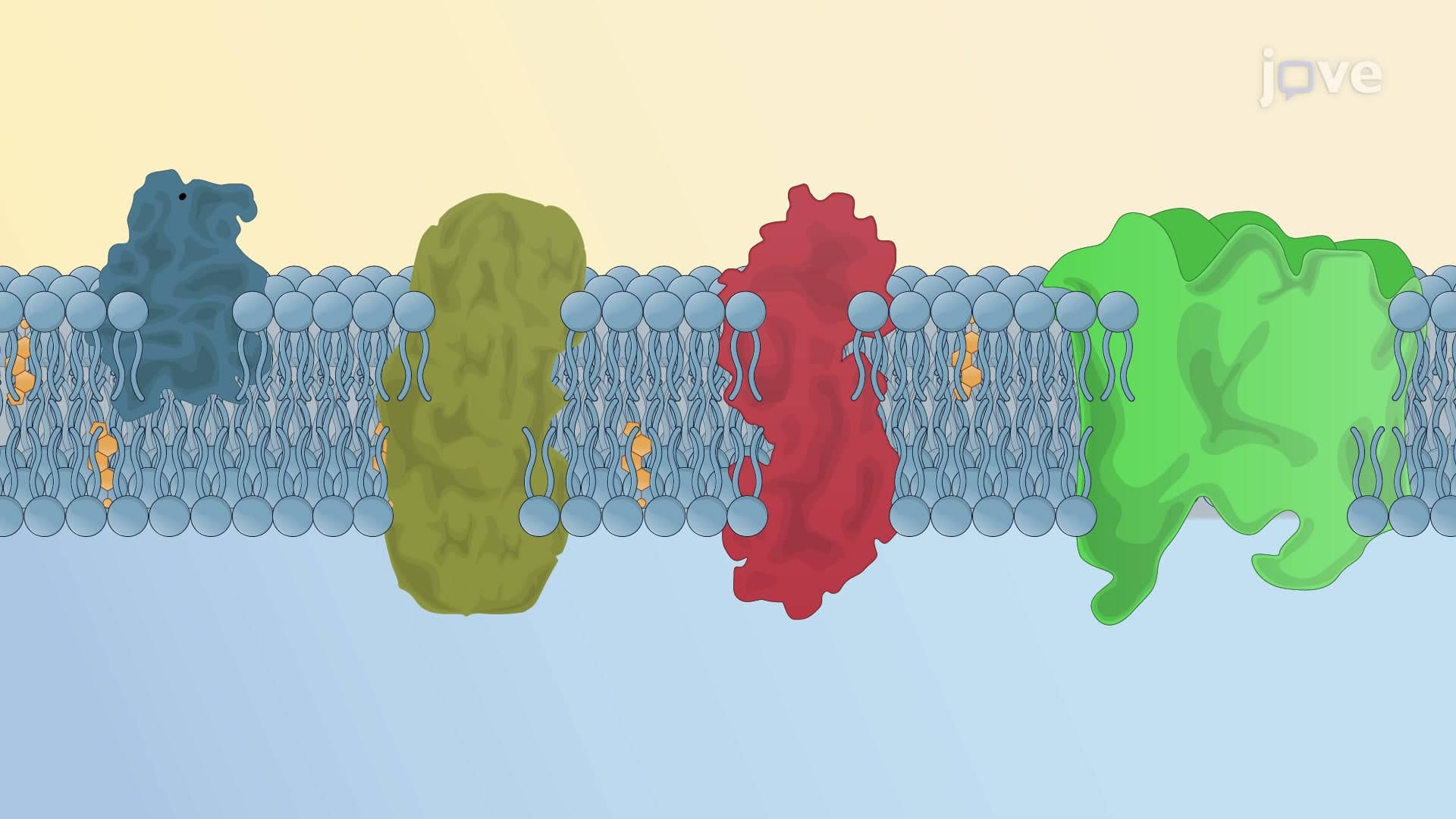
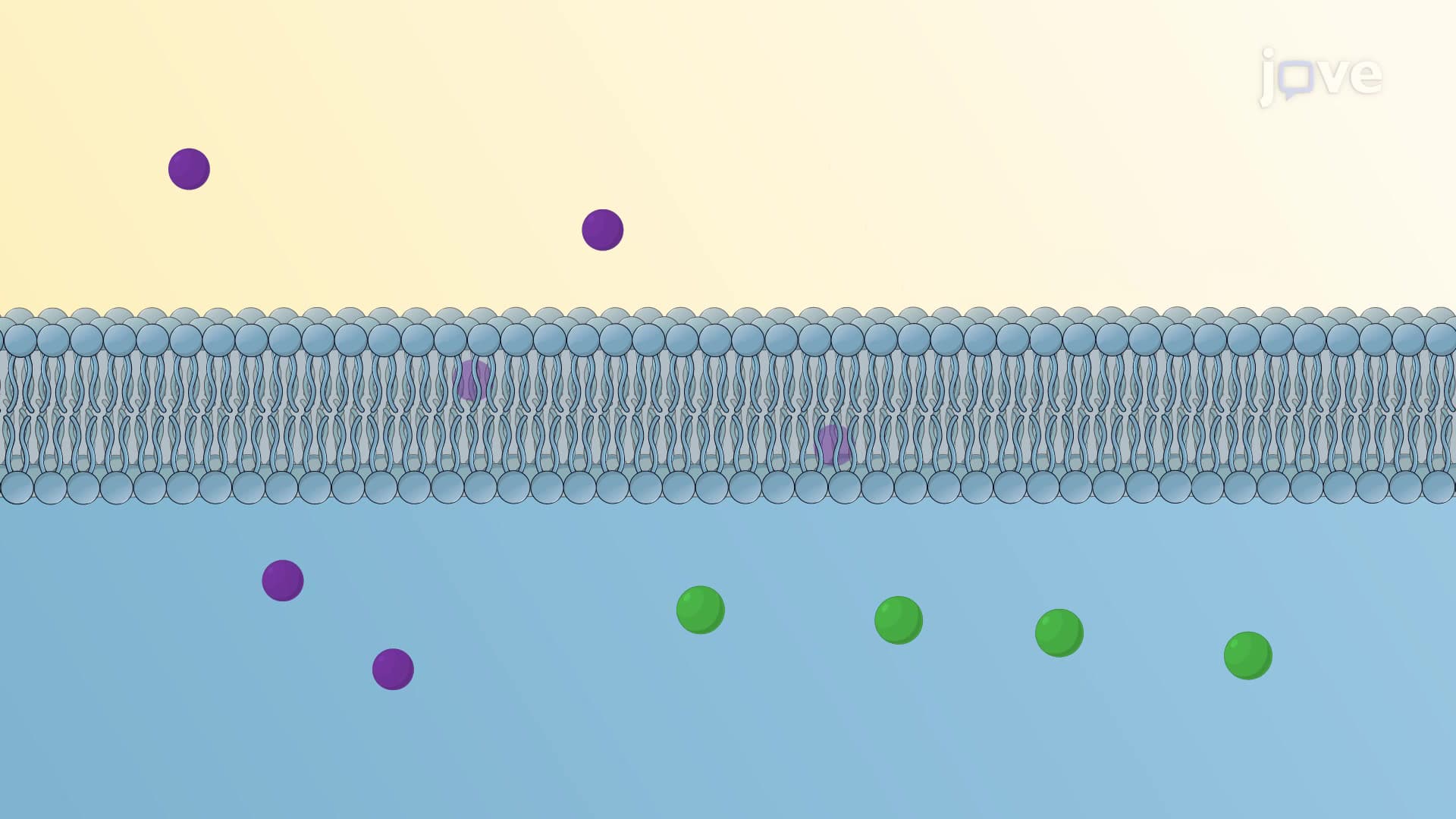
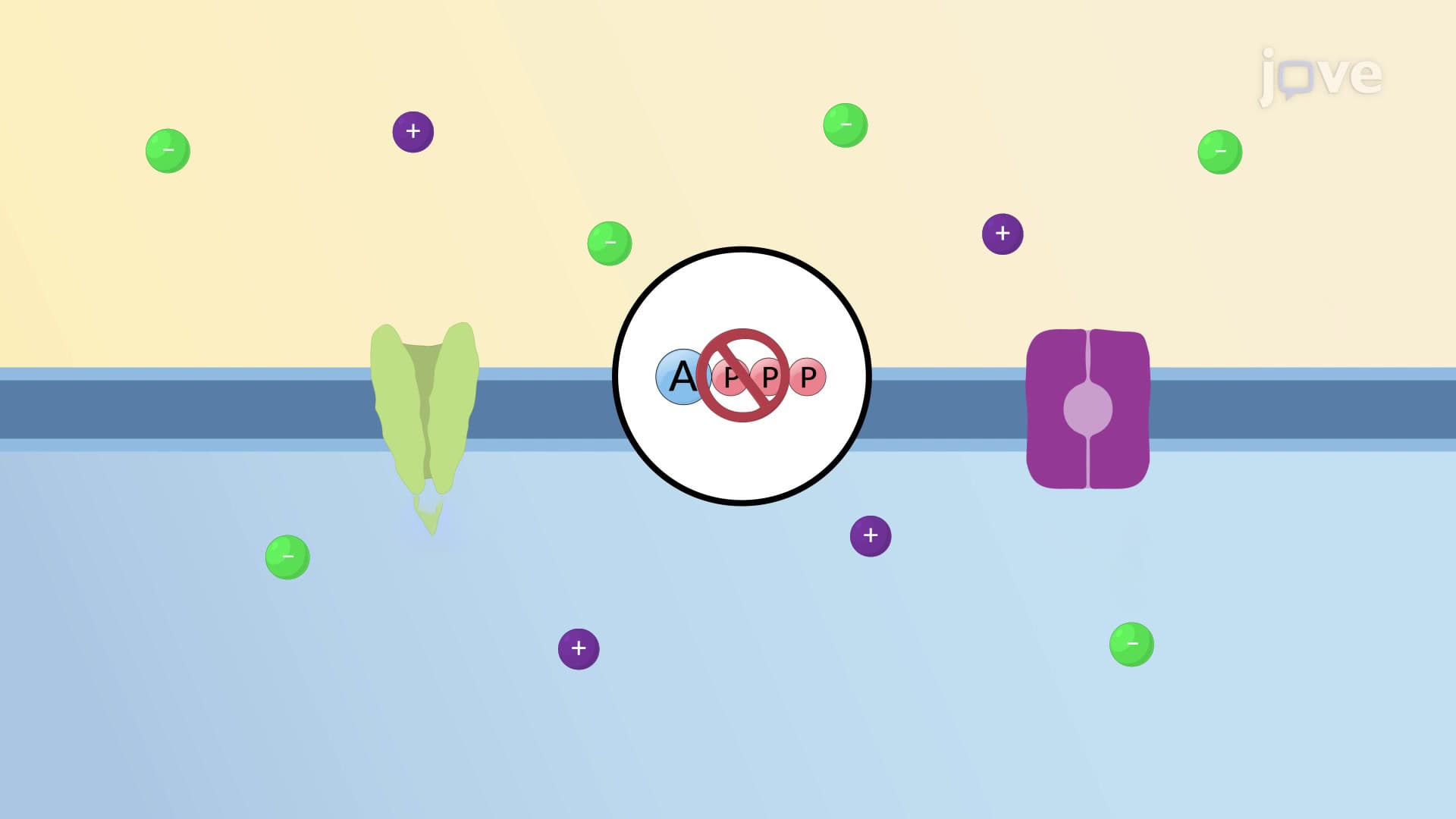
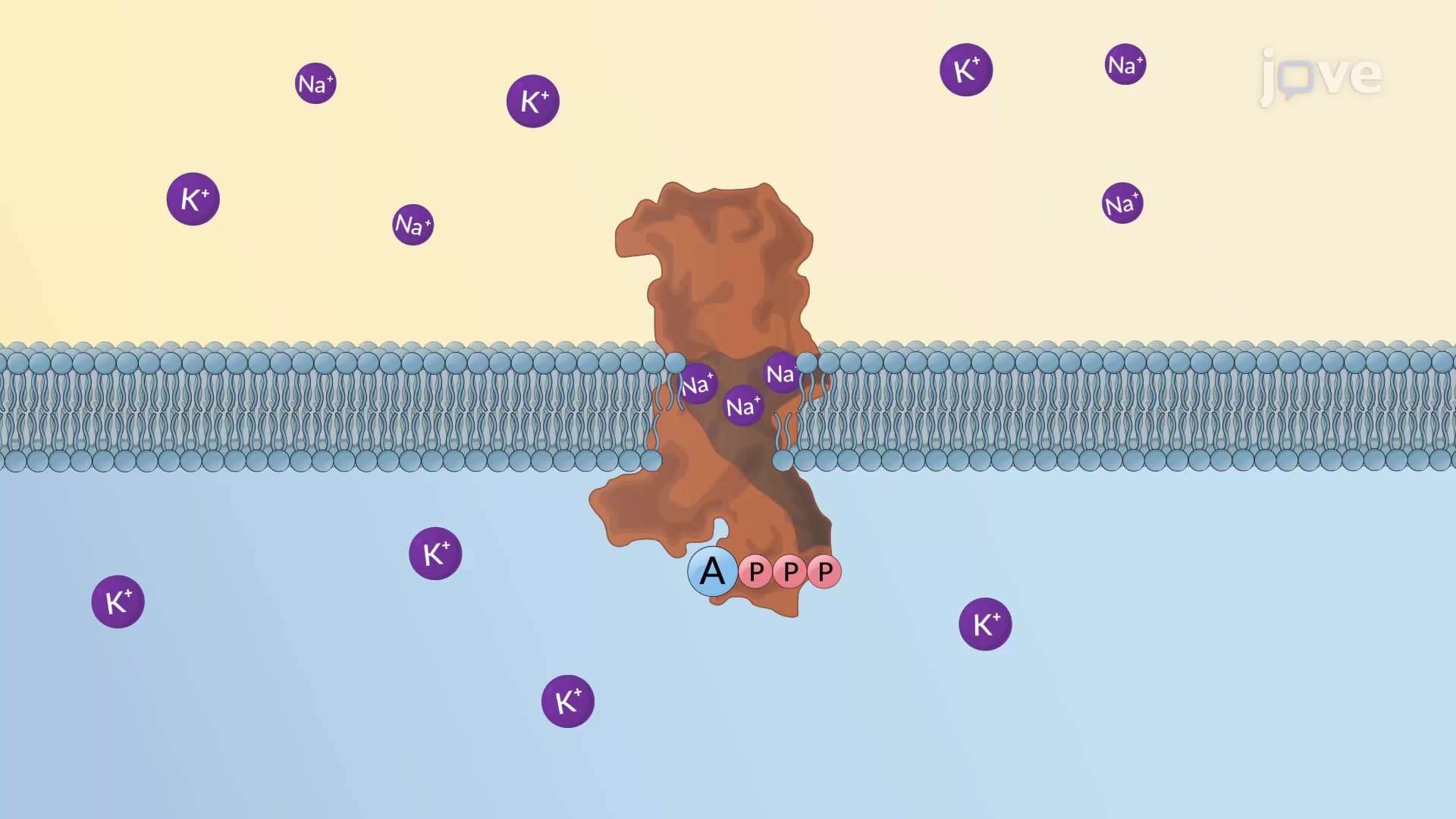
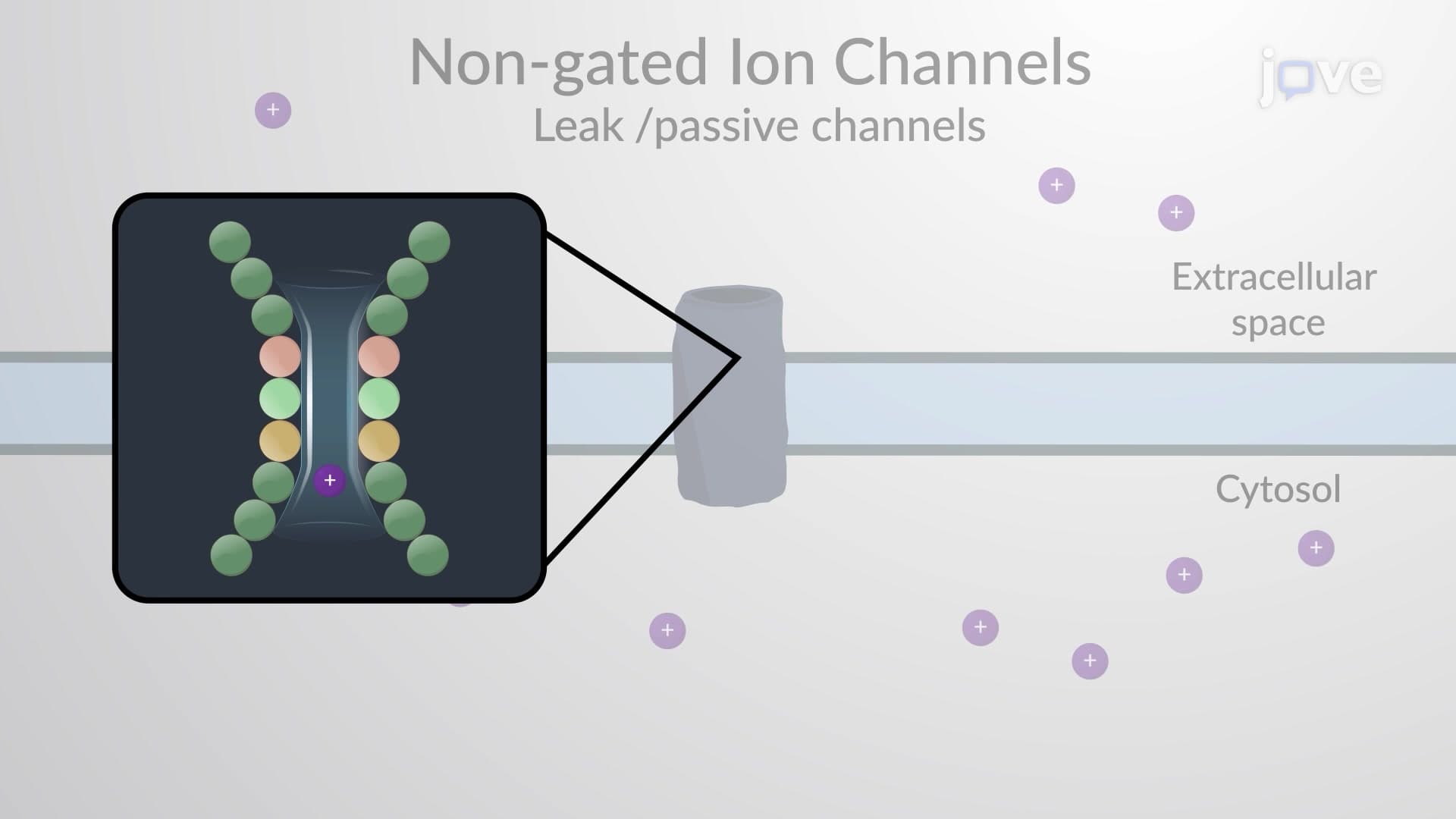
Non gated ion channels biology centers on a crucial class of membrane proteins that function as perpetually open pathways for ion movement across cellular membranes. Unlike their gated counterparts that respond to voltage changes or chemical signals, these channels maintain constant permeability, earning them the alternative name "leak channels." This continuous openness makes them fundamental to establishing the electrical properties that define living cells.
These passive ion channels exhibit remarkable specificity despite their constant open state. Potassium leak channels, the most abundant type in many cell types, contain selectivity filters that discriminate between different ions based on size and charge. The channel pore typically measures 2-3 angstroms in diameter, perfectly sized to accommodate dehydrated potassium ions while excluding larger sodium ions. This selectivity mechanism involves specific amino acid residues that coordinate with the permeating ion, temporarily replacing its hydration shell.
At Stanford University's neuroscience laboratories, researchers have demonstrated how these channels contribute differently to membrane potential. While potassium leak channels drive the membrane toward the potassium equilibrium potential (approximately -90mV), sodium leak channels pull it toward +60mV. The relative permeability of these channels determines the final resting potential.
The resting membrane ion channel activity directly influences cellular excitability and function. In neurons studied at Harvard Medical School, researchers found that potassium leak channels account for the dominant permeability that establishes the -70mV resting potential. This baseline electrical state is crucial for proper nerve signal transmission and muscle contraction.
The Goldman-Hodgkin-Katz equation quantifies how multiple ion permeabilities contribute to membrane potential: Vm = (RT/F) × ln[(PK[K+]o + PNa[Na+]o + PCl[Cl-]i)/(PK[K+]i + PNa[Na+]i + PCl[Cl-]o)]. Students preparing for the MCAT will encounter this relationship frequently, as it explains how changing ion concentrations or permeabilities affects cellular electrical properties.
Non-gated channel permeability abnormalities link directly to human disease. Bartter syndrome, treated at Mayo Clinic, results from mutations in chloride channels that disrupt normal kidney function. Similarly, researchers at Johns Hopkins have identified how altered potassium leak channel expression contributes to certain cardiac arrhythmias, demonstrating the clinical importance of understanding these fundamental cellular components.
For AP Biology students, recognizing these connections between molecular structure and physiological function represents a key learning objective that frequently appears on standardized exams and college entrance assessments.
Related Micro-courses