Loading subject page…


84,109 views


Video Summary: What Is Facilitated Transport
Ever wonder how your muscle cells instantly access glucose during exercise while your brain cells maintain steady ion flow for thought? Facilitated transport explained reveals this cellular gateway system that moves essential molecules across membranes using specialized protein helpers. Unlike simple diffusion, this process requires specific carrier proteins and channel proteins to shuttle polar molecules like glucose into American athletes' muscle cells during competition. Watch the full video on JoVE Coach to master this concept with expert-led visuals and step-by-step explanations.
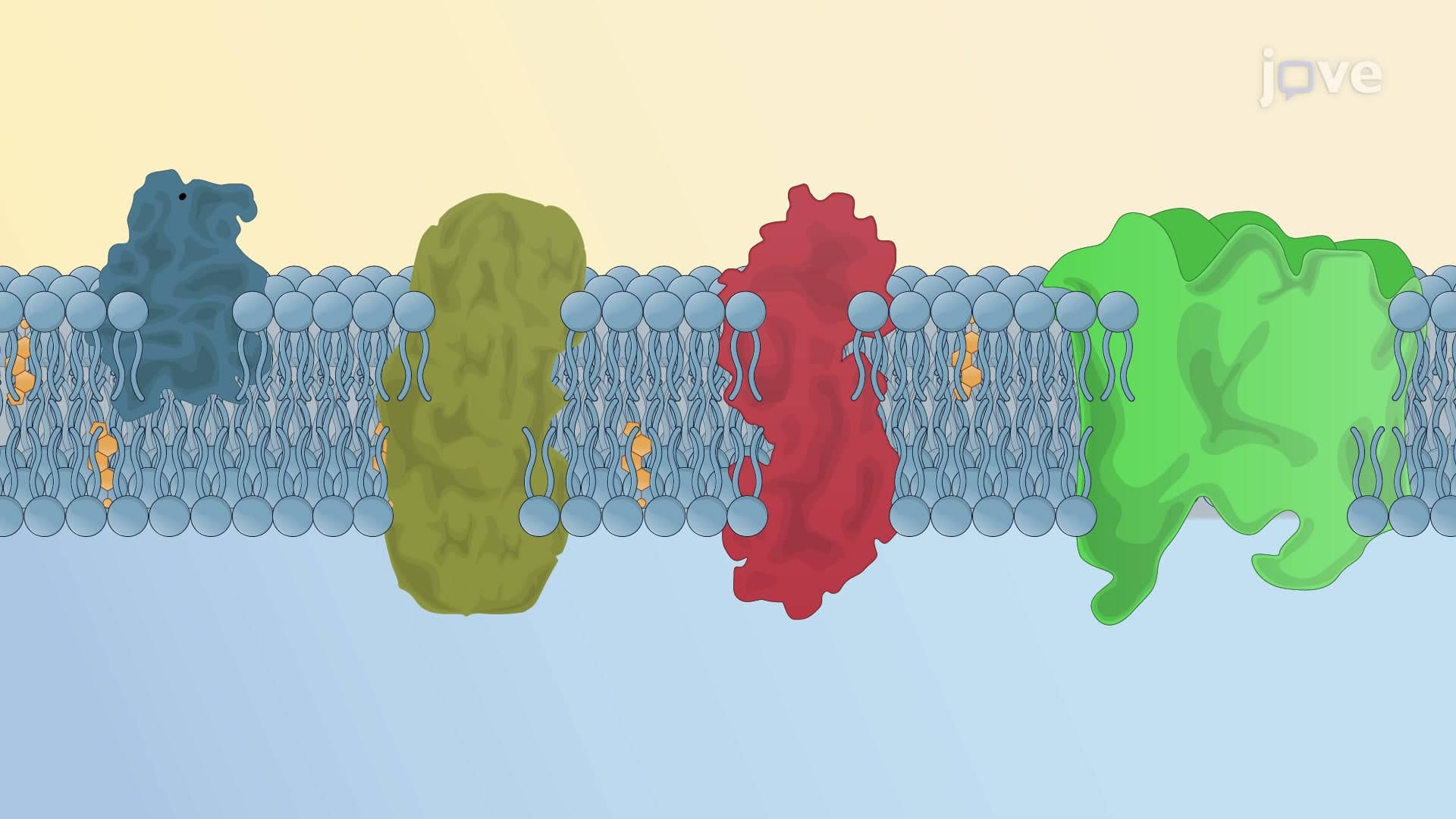
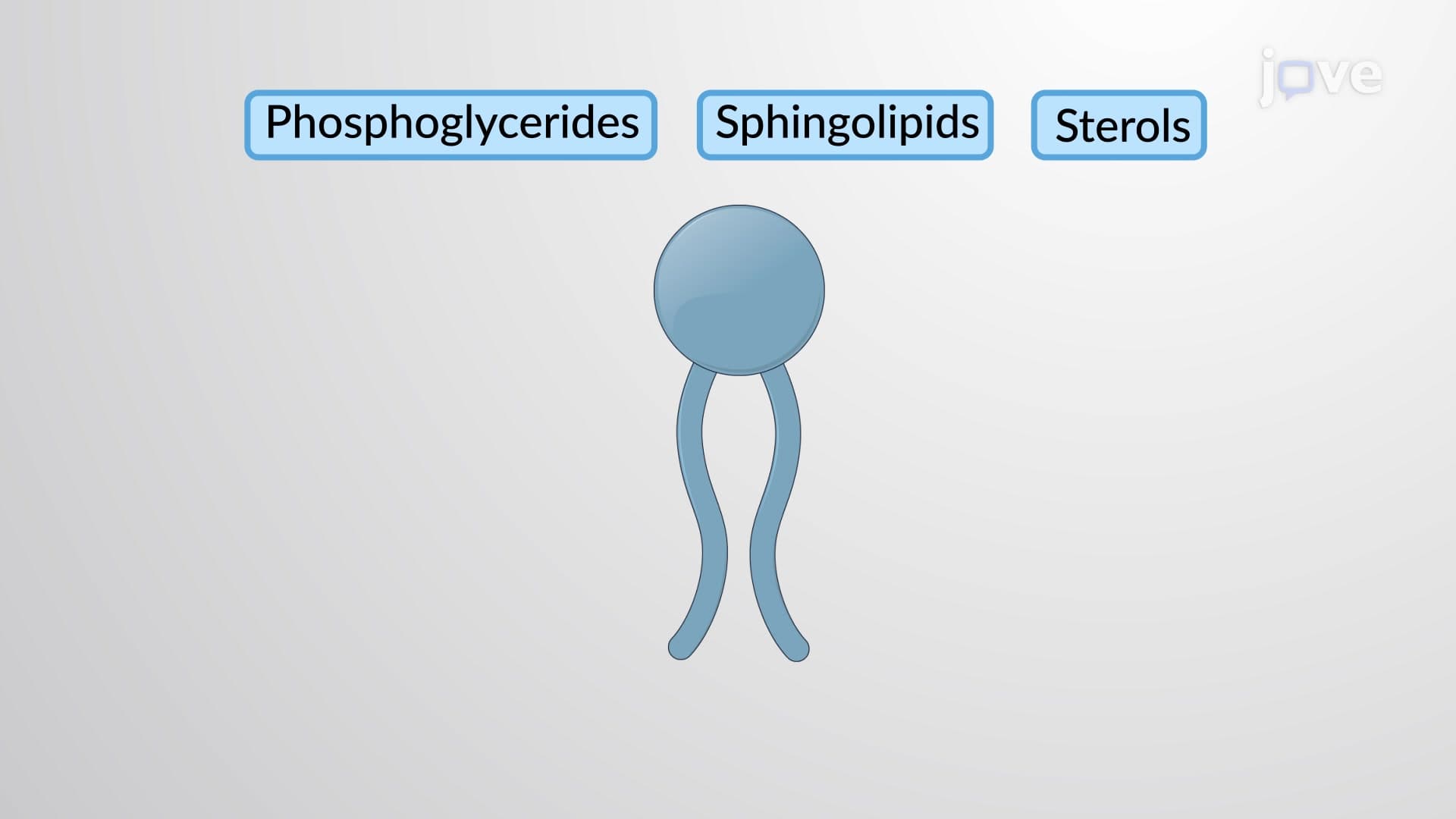
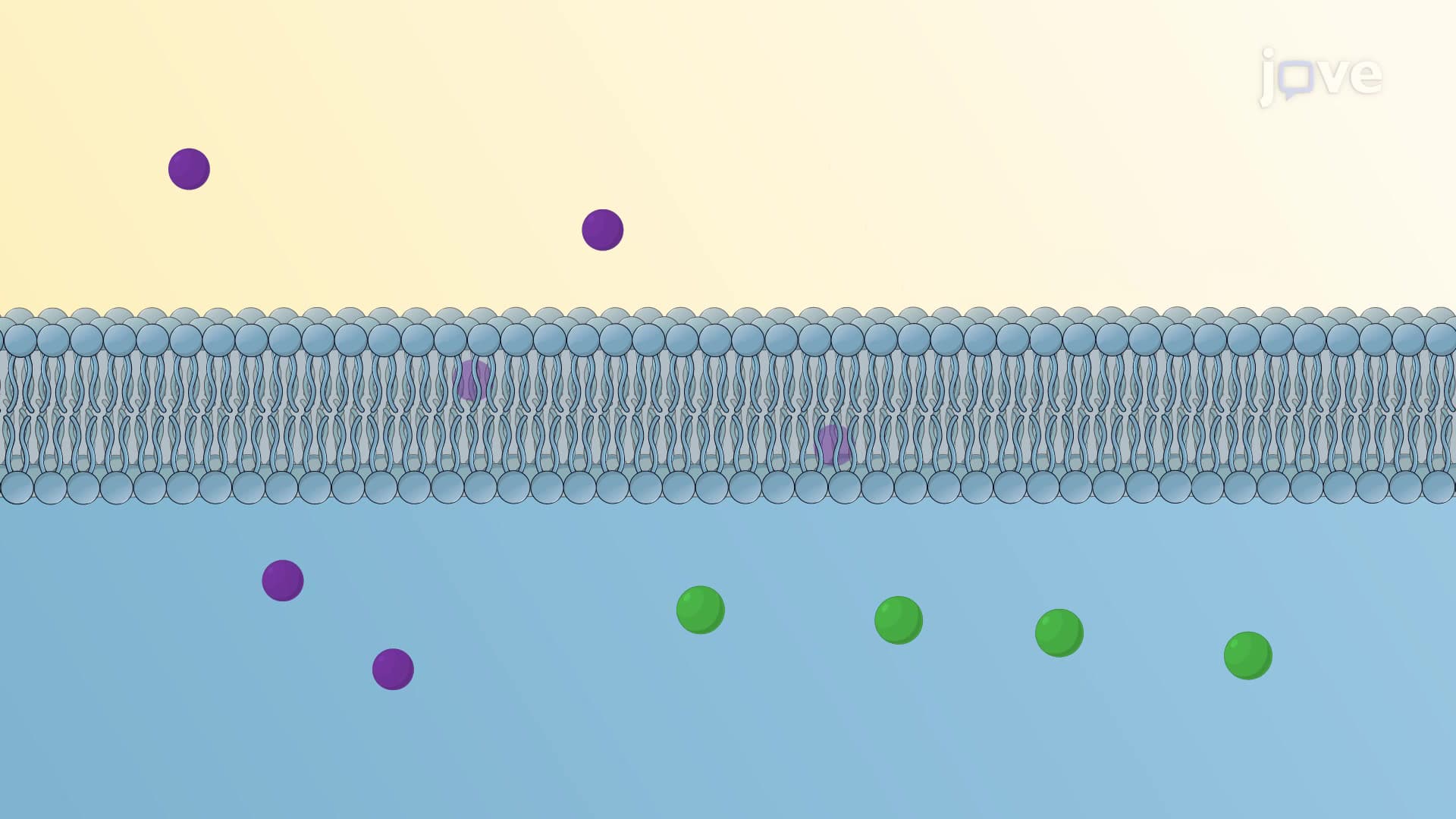
Facilitated transport serves as the cell's sophisticated delivery system, allowing specific molecules to cross the otherwise impermeable lipid bilayer. This facilitated diffusion transport biology process enables cells to maintain homeostasis while regulating which substances enter or exit. Unlike simple diffusion, facilitated transport requires specialized transmembrane proteins that act as molecular gatekeepers, ensuring only appropriate substances pass through at controlled rates.
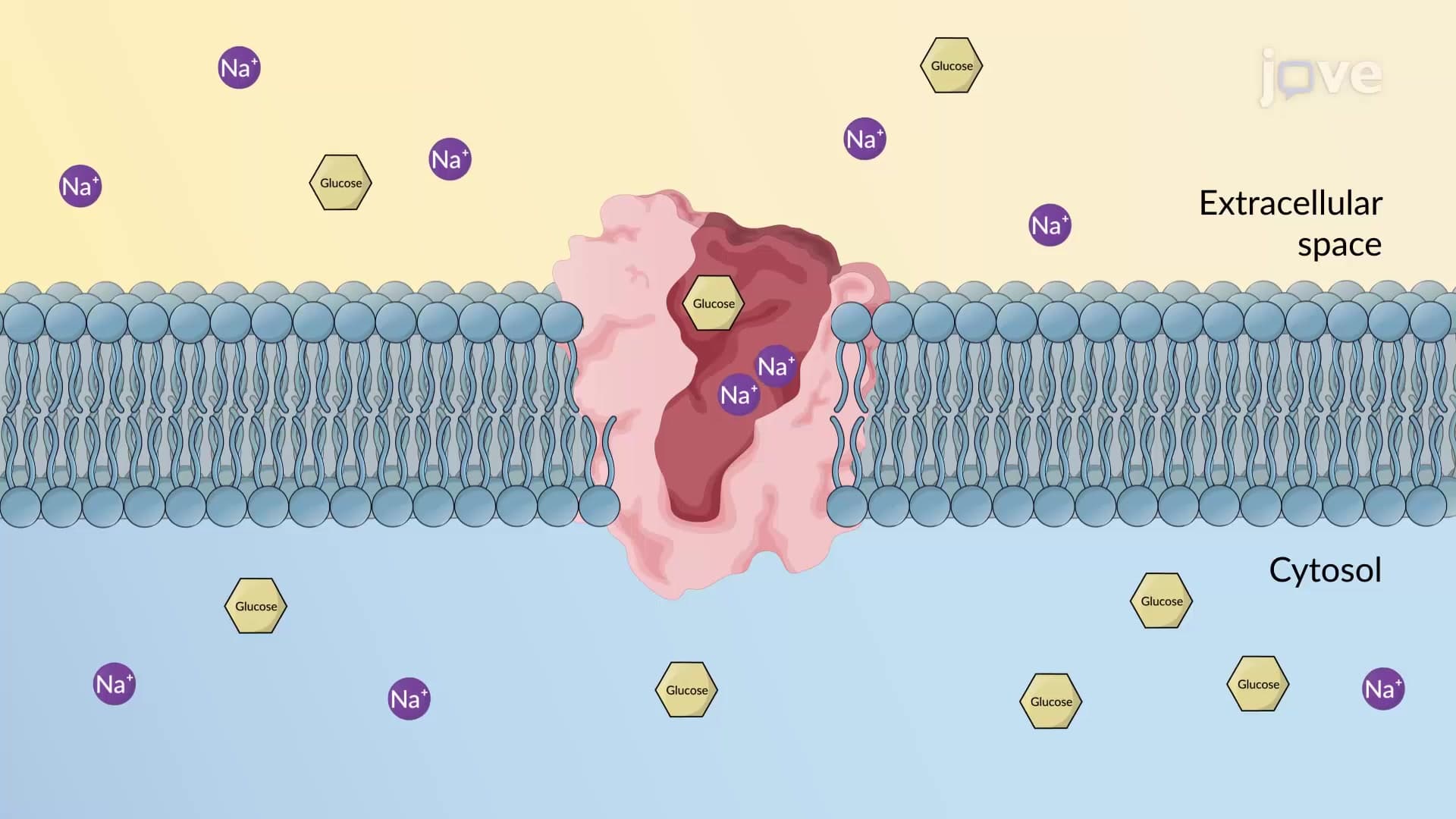
Carrier proteins function like revolving doors, undergoing conformational changes to transport specific molecules across membranes. The most clinically relevant example involves glucose facilitated transport through GLUT proteins. When blood glucose levels rise after eating, GLUT4 transporters in muscle cells change shape to allow glucose entry, supporting cellular metabolism. This mechanism becomes crucial in diabetes management, where insulin resistance affects GLUT4 function, leading to elevated blood sugar levels that American healthcare providers monitor through A1C tests.
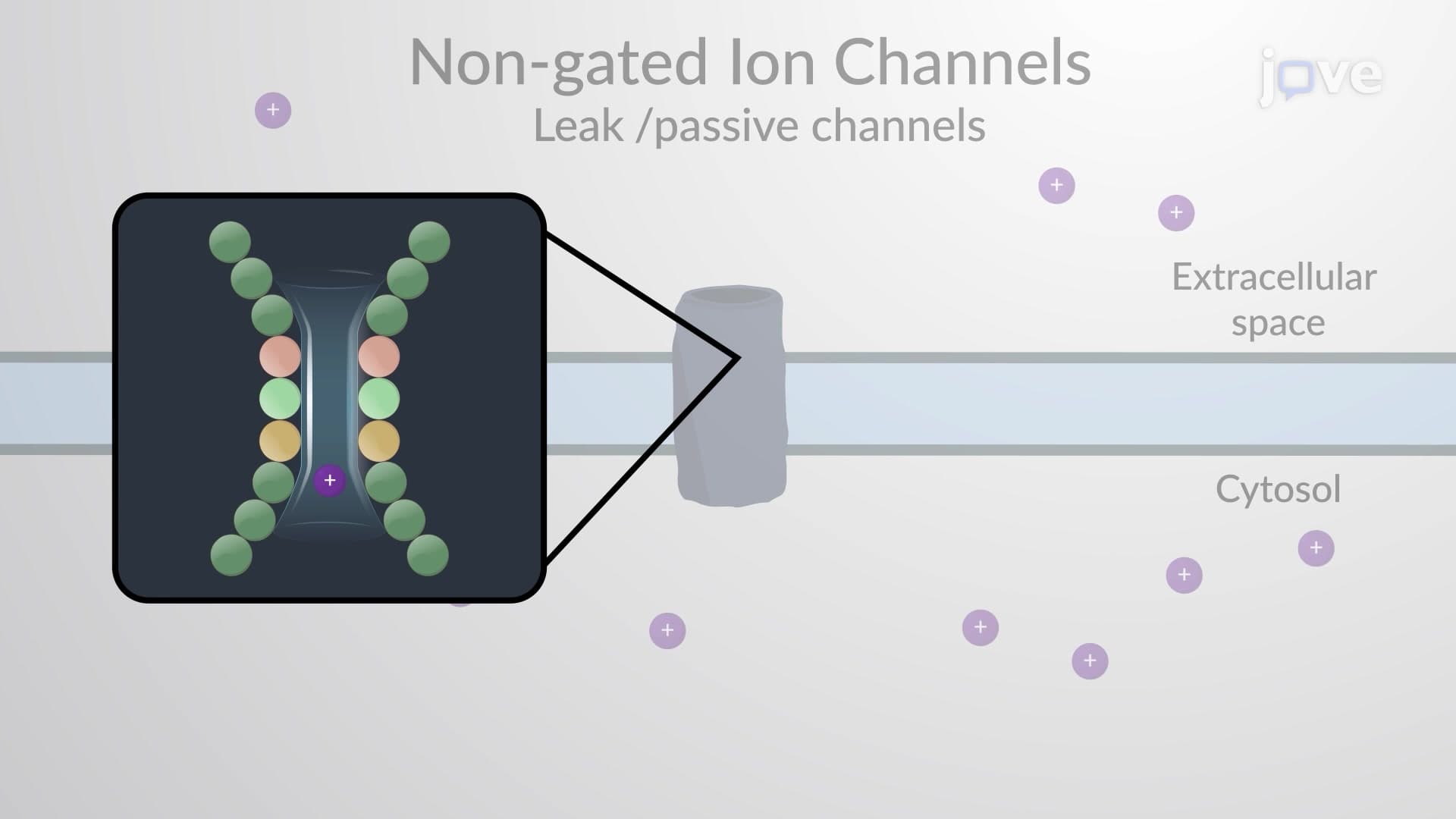
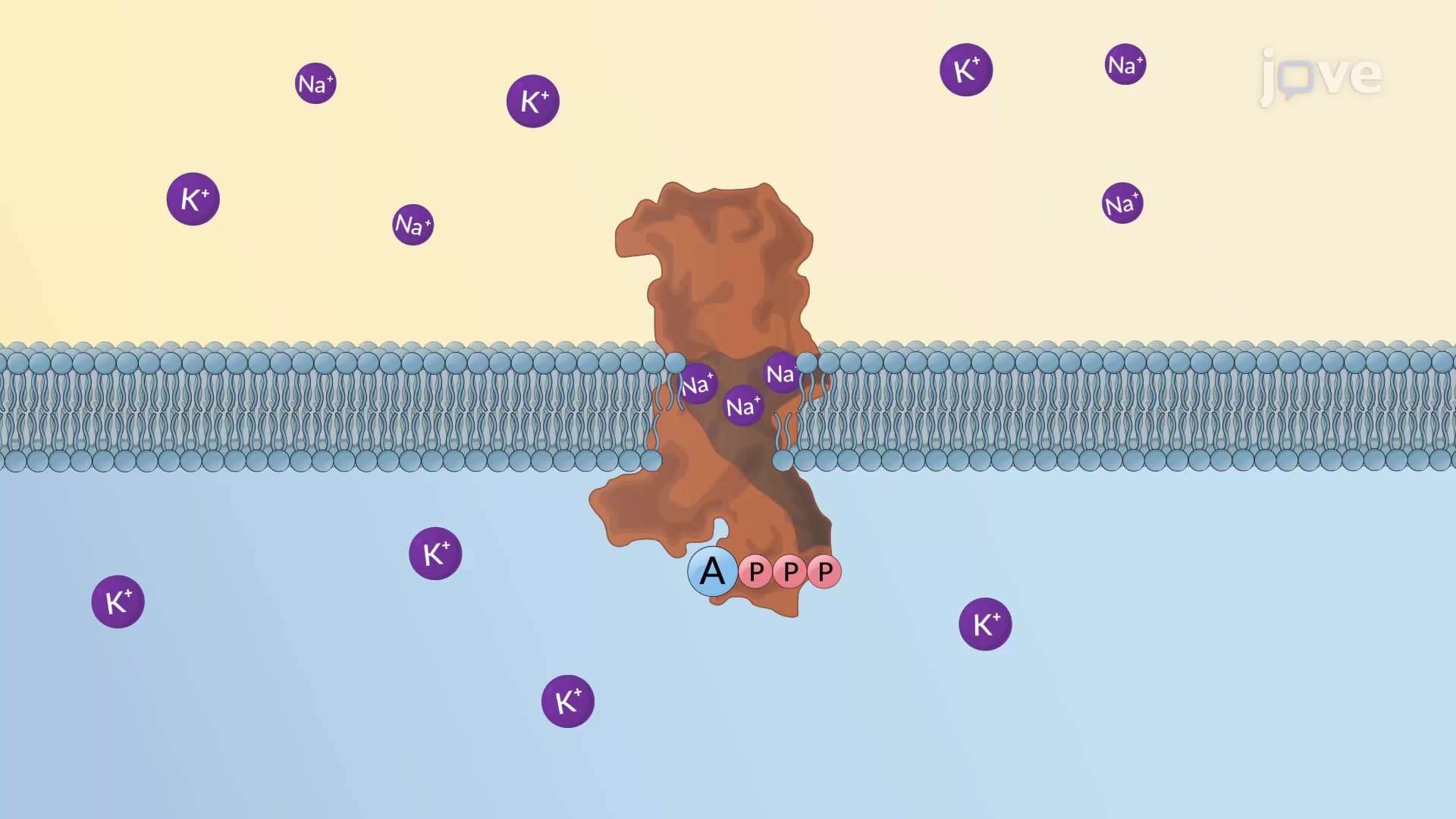
Channel proteins create selective pores that open and close in response to specific triggers. Voltage-gated sodium channels exemplify this process during nerve impulse conduction. When a neuron fires, these channels rapidly open, allowing sodium ions to flood inward and propagate electrical signals. This facilitated diffusion membrane process enables everything from reflexes to complex thought processes. Medical conditions like multiple sclerosis disrupt these channels, demonstrating their critical importance in neurological function.
Understanding facilitated transport mechanism proves essential for students preparing for the MCAT, AP Biology, or college physiology courses. The concept appears frequently in questions about membrane transport, diabetes pathophysiology, and neurological disorders. For instance, MCAT passages often describe experimental setups measuring transport kinetics, requiring students to interpret saturation curves and competitive inhibition data. College students studying pre-medicine encounter this concept when learning about drug delivery mechanisms, as many pharmaceuticals rely on hijacking existing transport proteins to reach target tissues effectively.
Related Micro-courses