Loading subject page…

- Anatomy and Physiology
- Cell Membrane Structure and Functions
- Introduction to Membrane Traffic
Micro-course: Cell Membrane Structure and Functions
84,104 views
Learn key concepts and earn your certificate.

Introduction to Membrane Traffic

00:00
01:44
Video Summary: What Is Membrane Traffic
Did you know that every time you think, your brain cells release neurotransmitters through membrane traffic biology explained processes? Membrane traffic orchestrates how cells transport molecules in tiny membrane-bound packages called vesicles. From insulin release in diabetic patients to immune cell responses during vaccinations, what is membrane traffic governs essential biological functions. Watch the full video on JoVE Coach to master this concept with expert-led visuals and step-by-step explanations.
- Understand what is membrane traffic and its fundamental role in cellular organization and communication
- Identify the major pathways of intracellular membrane traffic including endocytosis, exocytosis, and vesicular transport
- Analyze the molecular machinery involved in vesicle formation, including clathrin, COPI, and COPII coat proteins
- Compare different types of vesicle membrane trafficking between organelles like the ER, Golgi apparatus, and lysosomes
- Evaluate the role of SNARE proteins in membrane fusion and motor proteins in vesicle movement
- Apply knowledge of membrane trafficking pathway dysfunction to understand disease mechanisms
- Recognize real-world applications in neurotransmitter release, hormone secretion, and immune responses
- Explore how disrupted intracellular vesicle transport contributes to cancer and neurodegenerative diseases
Understanding What is Membrane Traffic in Cellular Biology
What is membrane traffic represents one of the most sophisticated logistics systems in biology. This intricate network governs how cells package, transport, and deliver molecular cargo throughout their interior and to neighboring cells. Unlike a simple conveyor belt, intracellular membrane traffic operates as a dynamic, regulated highway system where vesicles serve as cellular delivery trucks.
Core Components of Intracellular Membrane Traffic
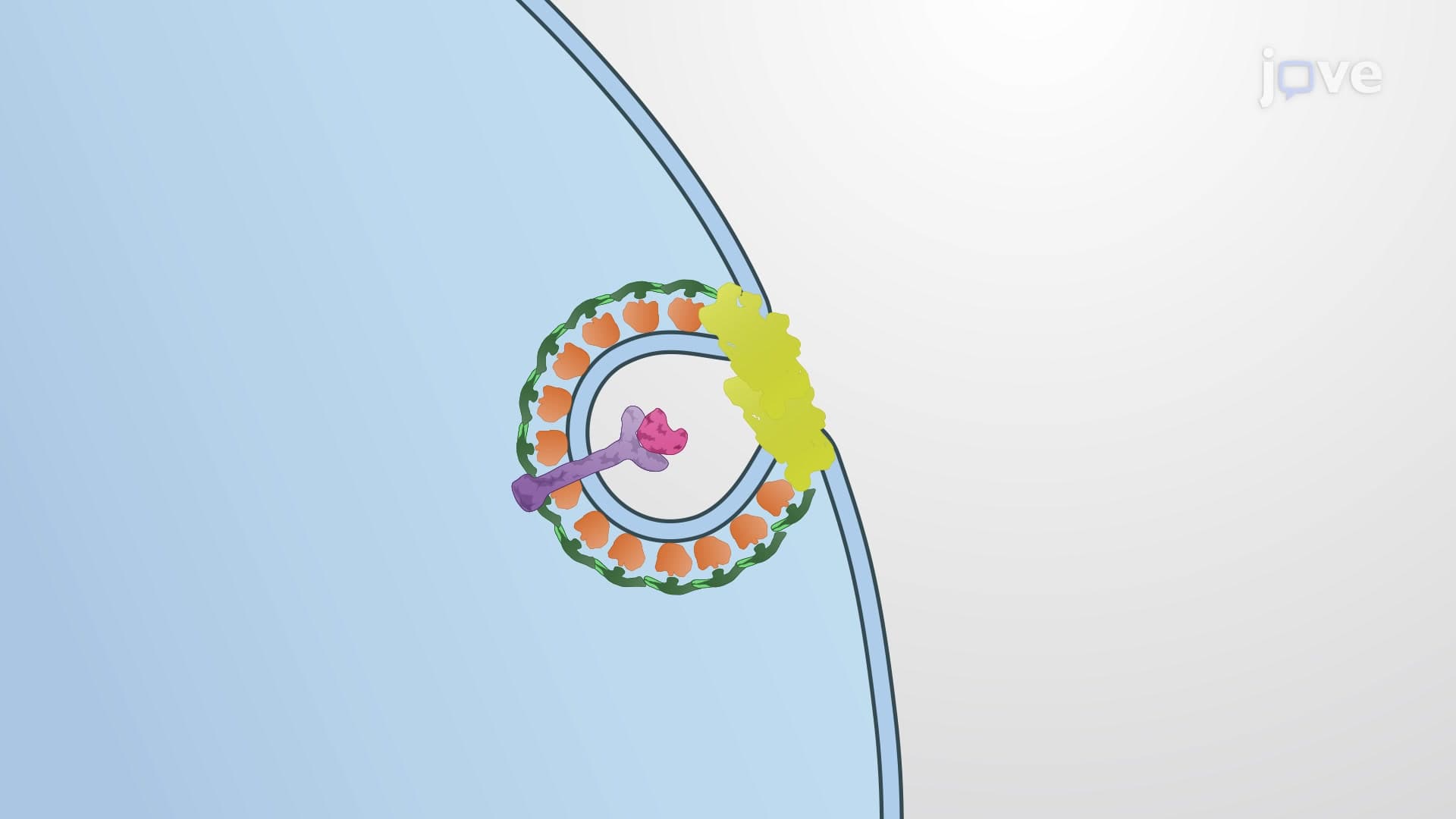
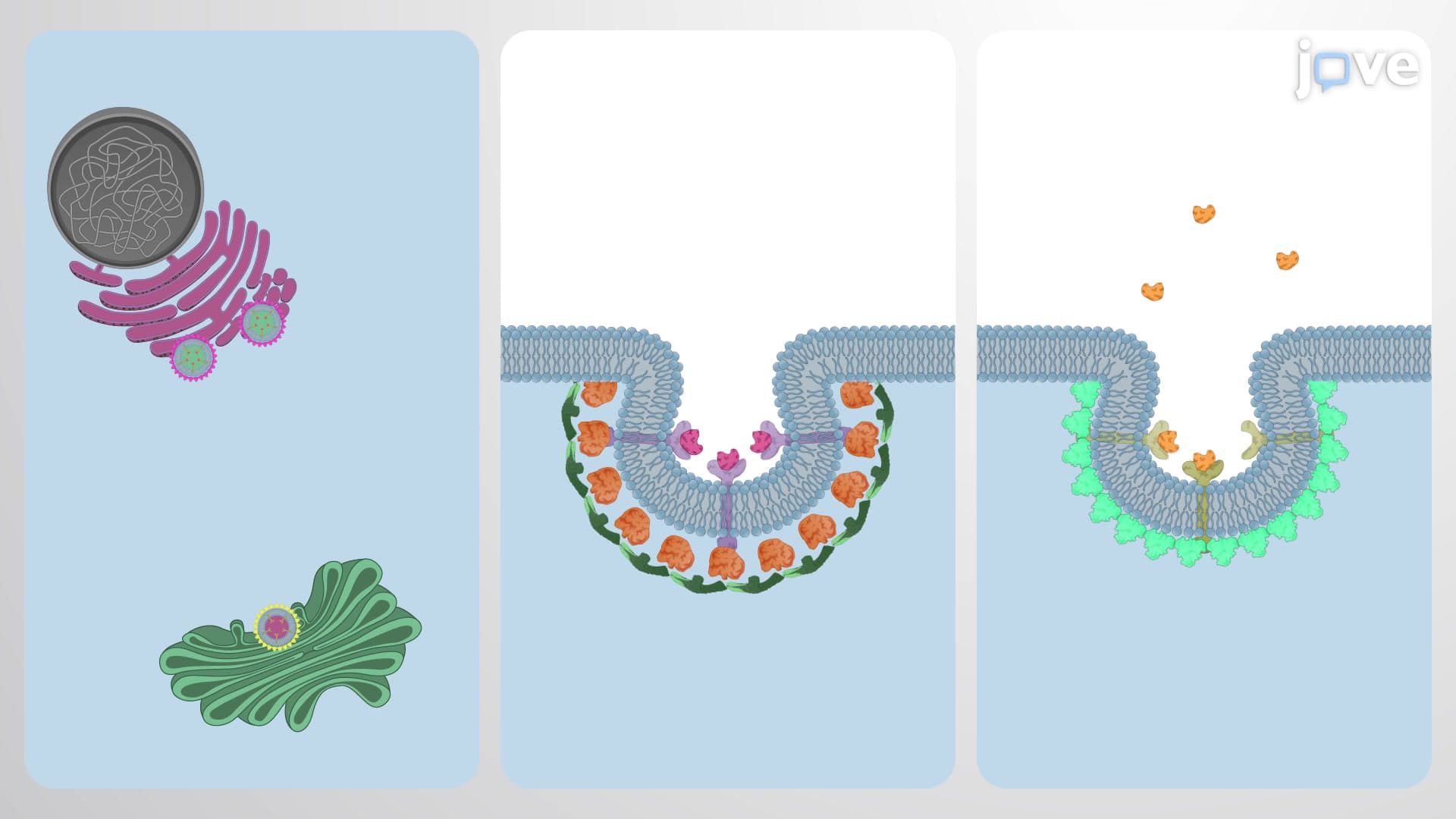
The membrane trafficking pathway relies on three essential components working in concert. First, coat proteins act as molecular scaffolds, with clathrin forming basket-like structures for endocytosis, while COPI and COPII proteins facilitate transport between the endoplasmic reticulum and Golgi apparatus. Second, SNARE proteins function as molecular zipper systems, ensuring vesicles fuse only with their intended target membranes. Third, motor proteins like dynein and kinesin serve as cellular engines, transporting vesicles along microtubule highways throughout the cell.
Vesicle Membrane Trafficking Pathways
The secretory pathway membrane system begins in the endoplasmic reticulum, where newly synthesized proteins are packaged into COPII-coated vesicles. These vesicles travel to the Golgi apparatus for protein modification and sorting. From there, cargo moves through the trans-Golgi network to various destinations: secretory vesicles for exocytosis, lysosomes for degradation, or back to the ER via COPI vesicles. Simultaneously, endocytosis exocytosis traffic maintains cellular balance by internalizing membrane components and extracellular materials.
Clinical and Academic Relevance
Understanding intracellular vesicle transport proves crucial for AP Biology students and pre-med undergraduates. On the MCAT, questions frequently test knowledge of vesicle coat proteins and their functions. In clinical contexts, membrane trafficking defects cause diseases like Hermansky-Pudlak syndrome (affecting melanosome transport) and familial hypercholesterolemia (disrupting LDL receptor trafficking). Cancer researchers at institutions like MD Anderson study how tumor cells hijack trafficking pathways to promote metastasis, while neurobiologists investigate trafficking disruptions in Alzheimer's disease at the Mayo Clinic.
Frequently Asked Questions
Membrane traffic is the cellular delivery system that transports molecules within membrane-wrapped packages called vesicles. Think of it as the cell's internal postal service, moving proteins, lipids, and other materials between different cellular compartments. This process maintains cellular organization and enables communication between cells.
AP Biology frequently tests membrane trafficking through questions about endocytosis, exocytosis, and organelle interactions. You'll encounter questions asking you to identify coat proteins, explain SNARE function, or analyze trafficking pathway diagrams. Focus on understanding the directional flow from ER to Golgi to plasma membrane for maximum points.
The MCAT tests membrane trafficking in Cell Biology sections, particularly vesicle formation, protein sorting, and organelle communication. Questions often integrate trafficking with signal transduction, asking how hormones or neurotransmitters are packaged and released. Understanding SNARE proteins and their role in synaptic transmission frequently appears in neurobiology passages.
Cell Biology, Biochemistry, and Physiology courses extensively cover trafficking mechanisms because they're fundamental to cellular function. Many college lab experiments involve tracking fluorescently-labeled proteins through trafficking pathways. Understanding these concepts prepares you for advanced topics in immunology, neuroscience, and molecular medicine.
Trafficking defects cause numerous diseases including cystic fibrosis (misfolded CFTR protein trafficking), diabetes (impaired insulin vesicle release), and neurological disorders. For example, Parkinson's disease involves disrupted vesicle trafficking in dopamine neurons, while some forms of intellectual disability result from defective synaptic vesicle recycling.
Not at all! While membrane trafficking involves sophisticated molecular mechanisms, the basic concepts are quite intuitive. Start by thinking of vesicles as cellular delivery trucks and organelles as different departments in a factory. Build from these analogies to understand coat proteins, SNARE function, and pathway regulation.
Create concept maps connecting organelles, vesicle types, and coat proteins to visualize trafficking pathways. Practice drawing the secretory pathway from memory, labeling each step with appropriate proteins. Use flashcards for coat protein functions (clathrin for endocytosis, COPII for ER export, COPI for retrieval). Focus on understanding directional flow rather than memorizing every molecular detail.
Investigate specialized trafficking pathways like autophagy (cellular recycling), polarized trafficking in epithelial cells, or synaptic vesicle recycling in neurons. Explore how pathogens hijack cellular trafficking or how trafficking dysfunction contributes to cancer metastasis. These topics connect to cutting-edge research in cell biology and medicine.
Related Micro-courses
16 Concepts
26 Concepts

18 Concepts