Loading subject page…


84,109 views

Video Summary: What Is Osmosis
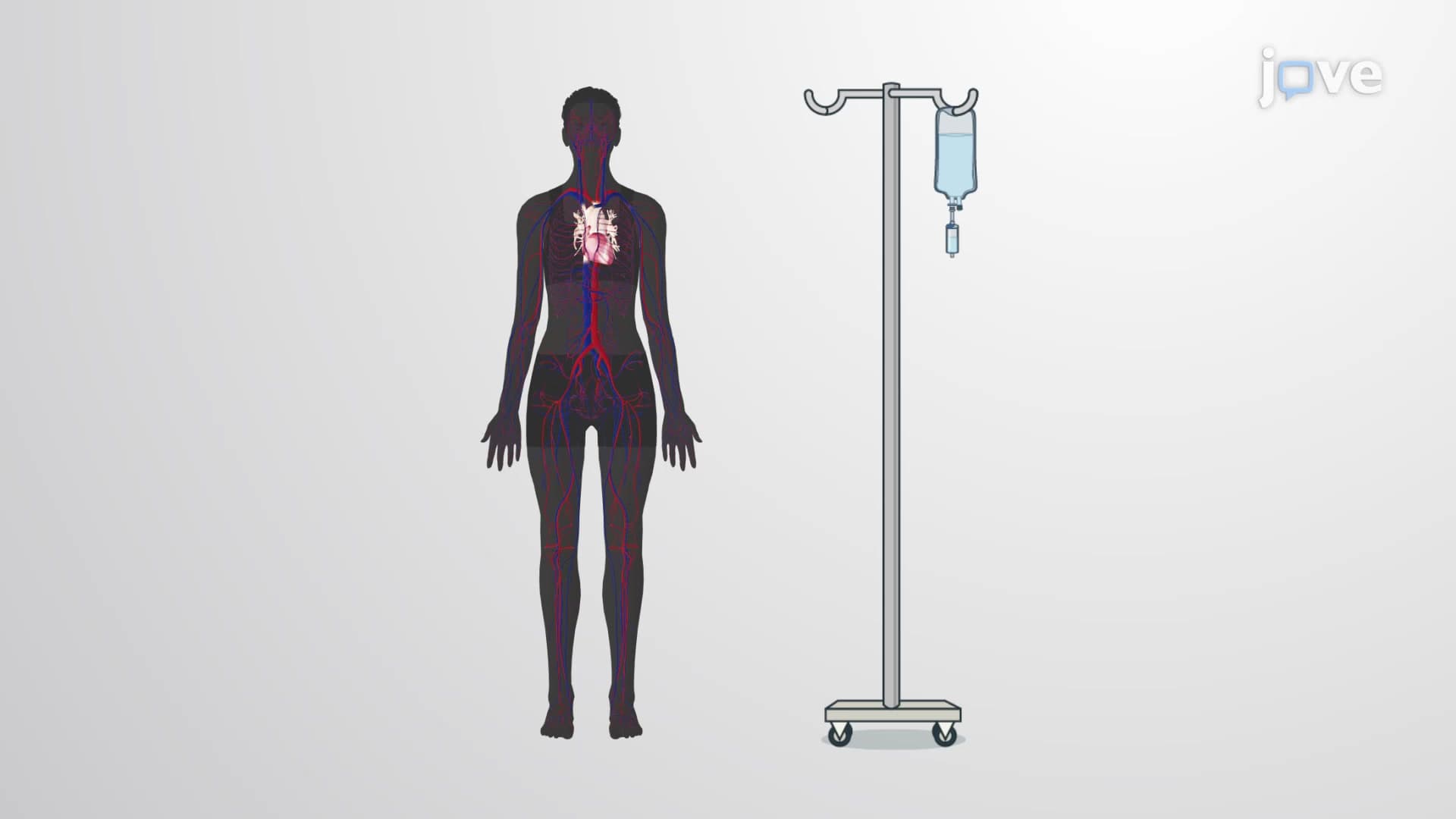
Ever wonder how your kidneys filter 180 liters of blood daily without you drinking gallons of water? Osmosis explained biology reveals this cellular superpower where water automatically moves across membranes to balance concentrations. In US hospital dialysis units, artificial membranes mimic your kidney's natural osmotic processes to clean patients' blood. What is Osmosis demonstrates how cells maintain perfect water balance through selective membrane transport. Watch the full video on JoVE Coach to master this concept with expert-led visuals and step-by-step explanations.
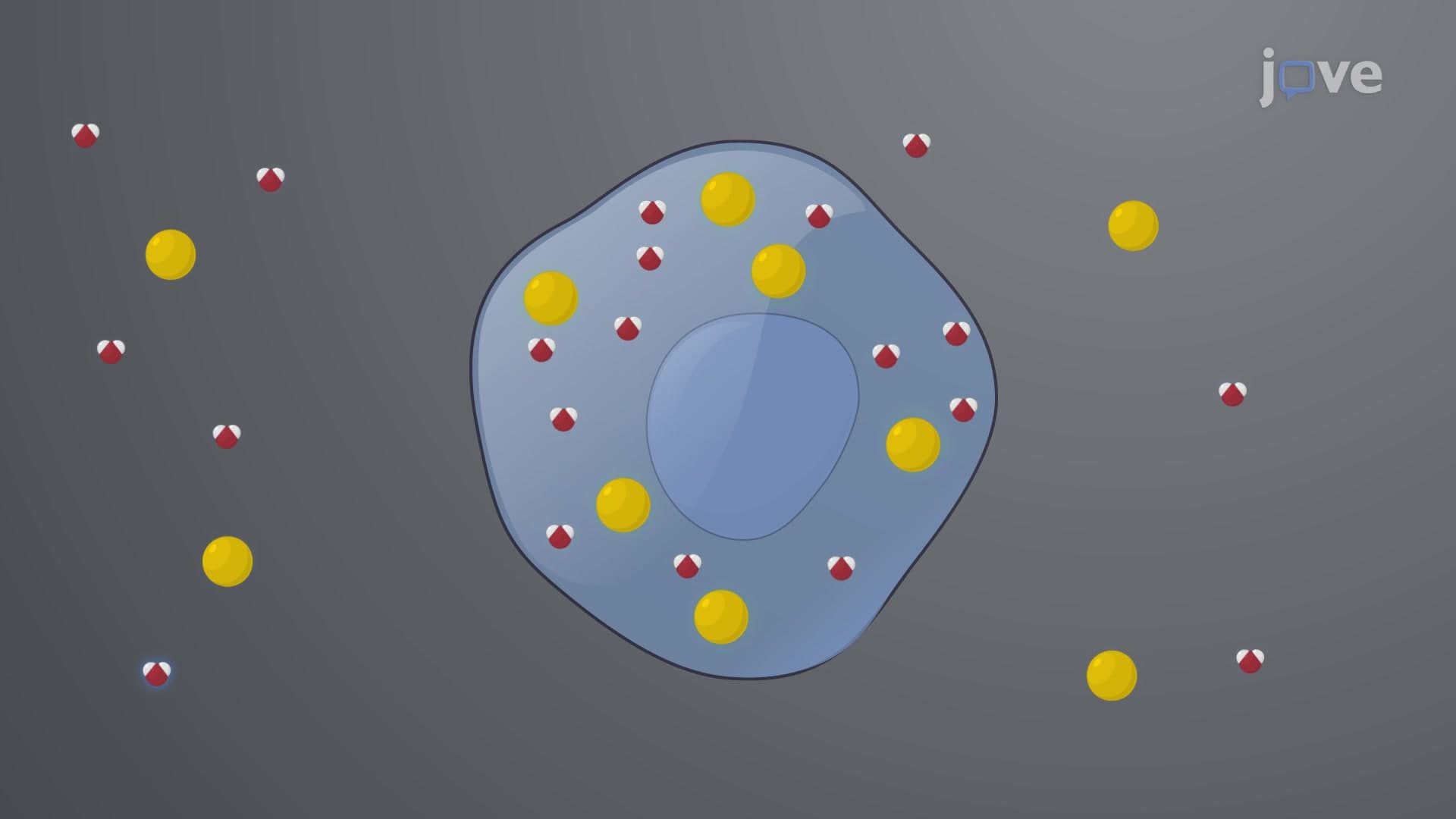
What is osmosis fundamentally describes water's natural tendency to move from areas of low solute concentration to high solute concentration across semipermeable membranes. This osmosis definition and process occurs because water molecules constantly collide with membrane barriers, but only pass through when concentration imbalances create driving forces. Unlike simple diffusion, osmosis explained biology specifically involves solvent movement (typically water) rather than solute movement, making it a specialized transport mechanism essential for cellular survival.
Osmotic pressure gradient represents the measurable force driving water movement during osmosis. When measuring osmosis concentration difference, scientists calculate osmolarity-the number of dissolved particles per liter of solution. Higher osmolarity creates stronger osmotic pull, drawing water molecules across membranes until equilibrium establishes. US medical students studying for the MCAT encounter osmotic pressure calculations frequently, as understanding these gradients proves crucial for predicting fluid movement in clinical scenarios like IV therapy and kidney disease management.
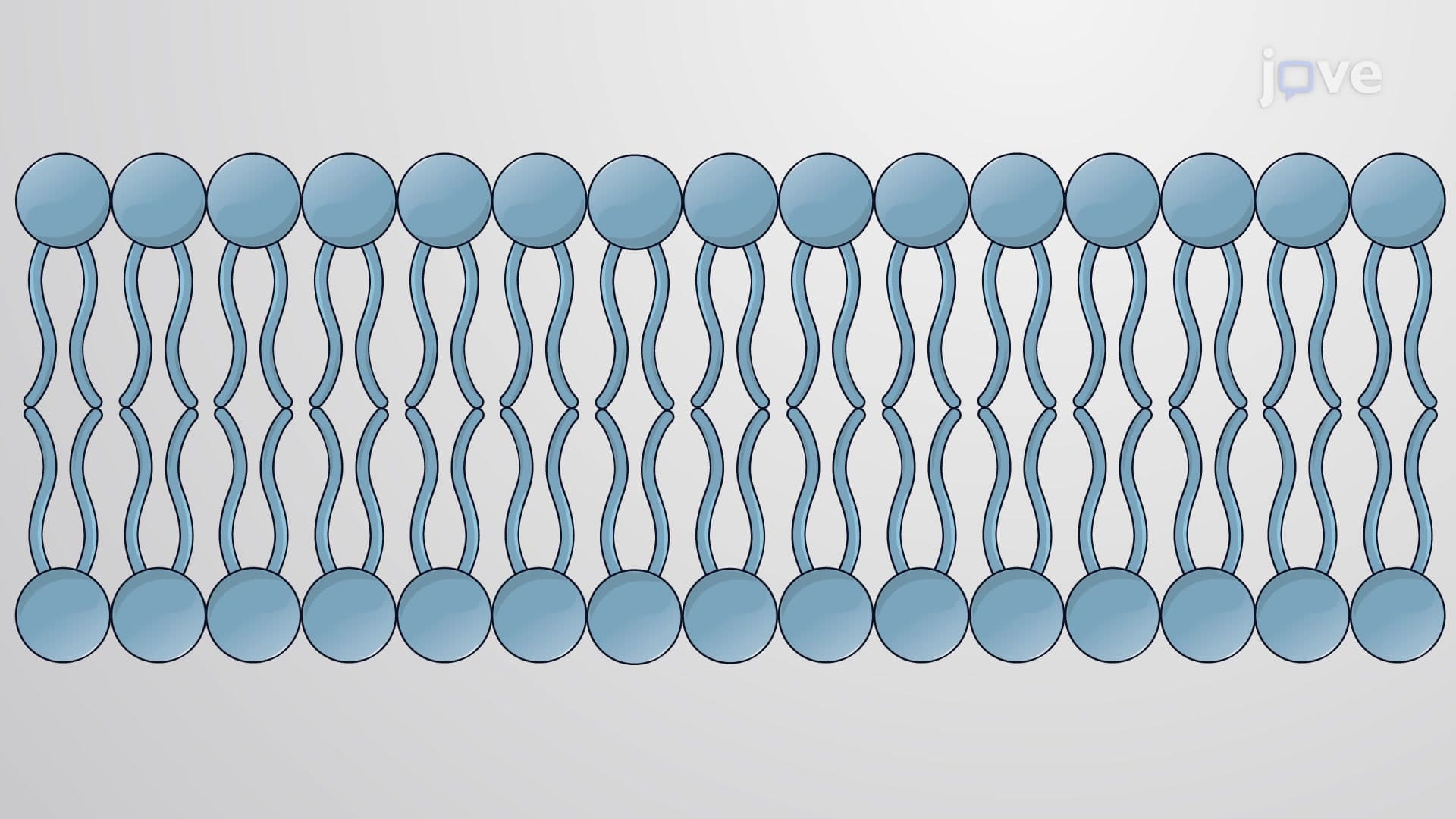
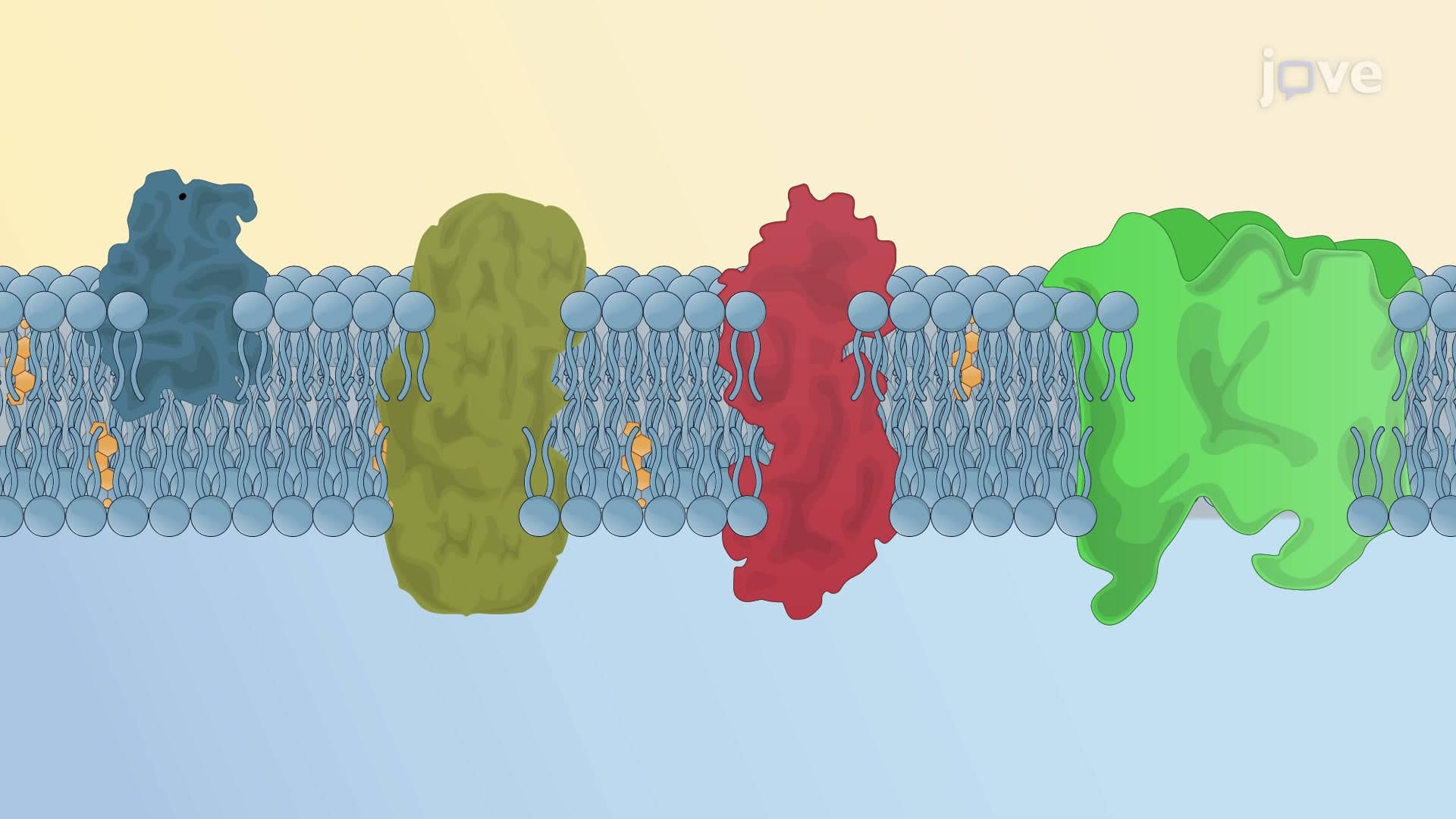
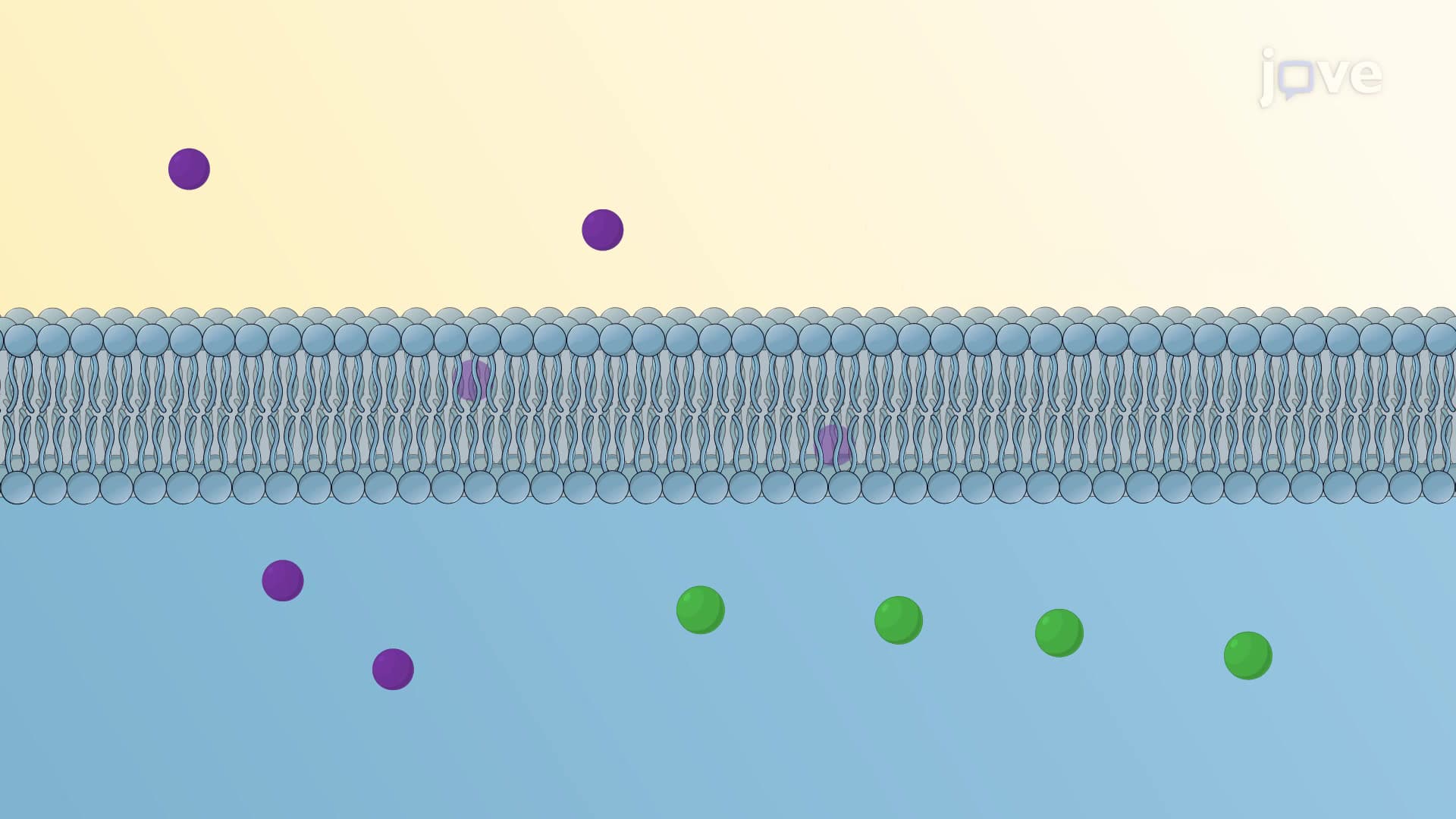
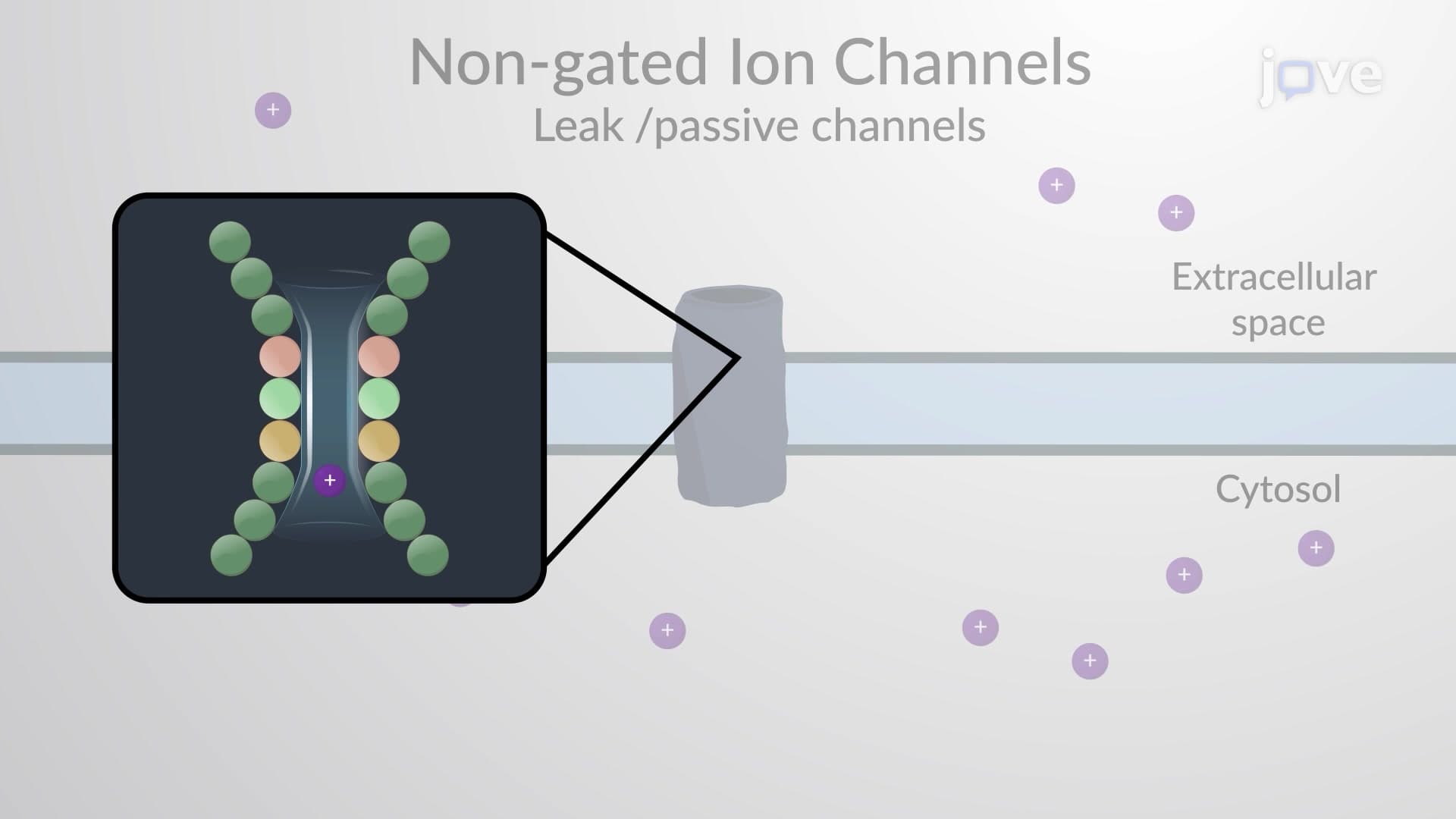
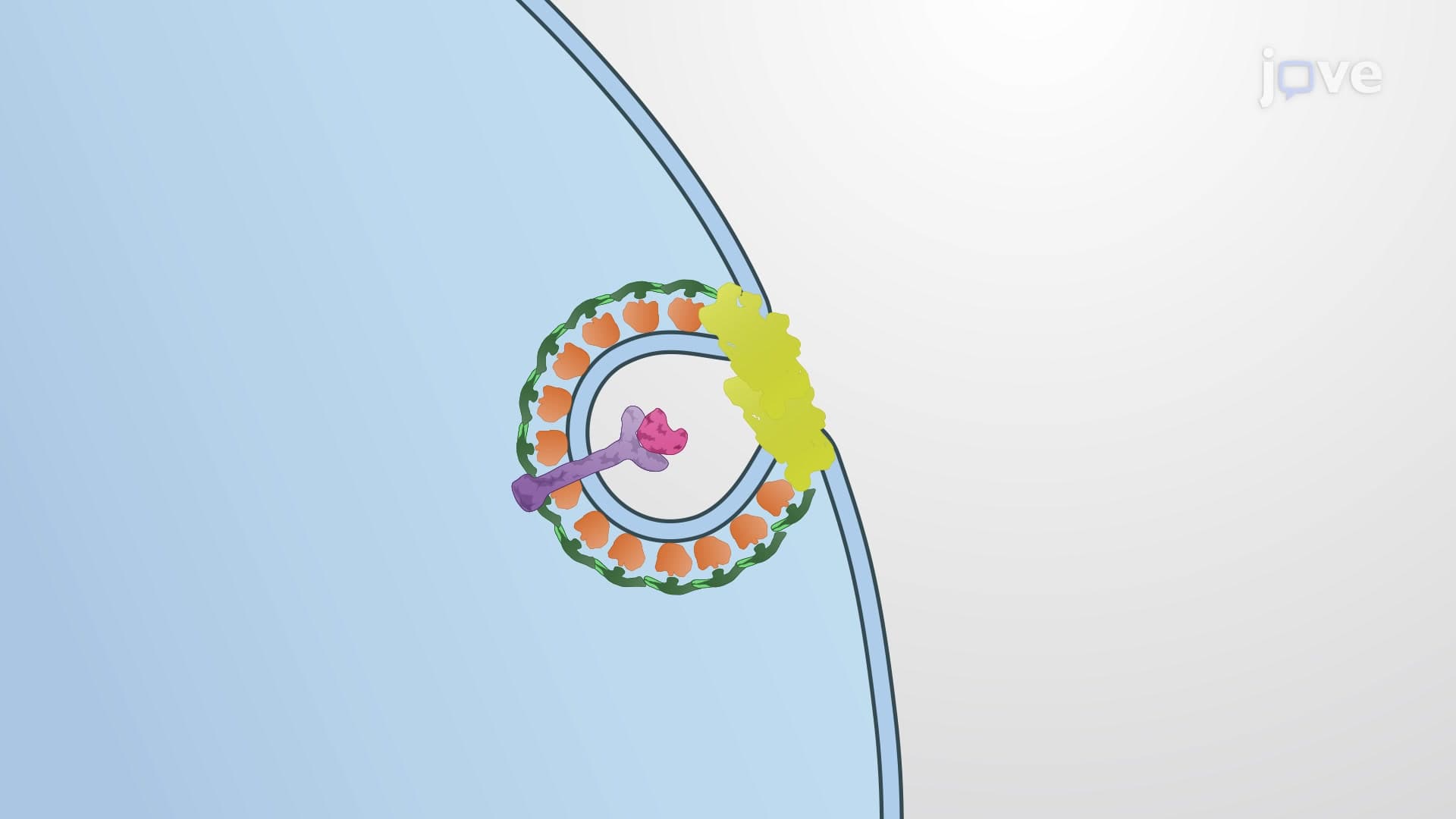
Semipermeable membrane osmosis relies on selective barriers that permit water passage while blocking larger solute molecules. Cell membranes, composed of lipid bilayers, naturally restrict water movement osmosis due to their hydrophobic interior. However, specialized proteins called aquaporins create water-specific highways, accelerating osmotic transport up to 1000-fold compared to simple membrane diffusion. These channel proteins, discovered by American scientist Peter Agre (Nobel Prize winner), enable rapid cellular responses to osmotic challenges-critical for maintaining cell volume and preventing catastrophic swelling or shrinkage.
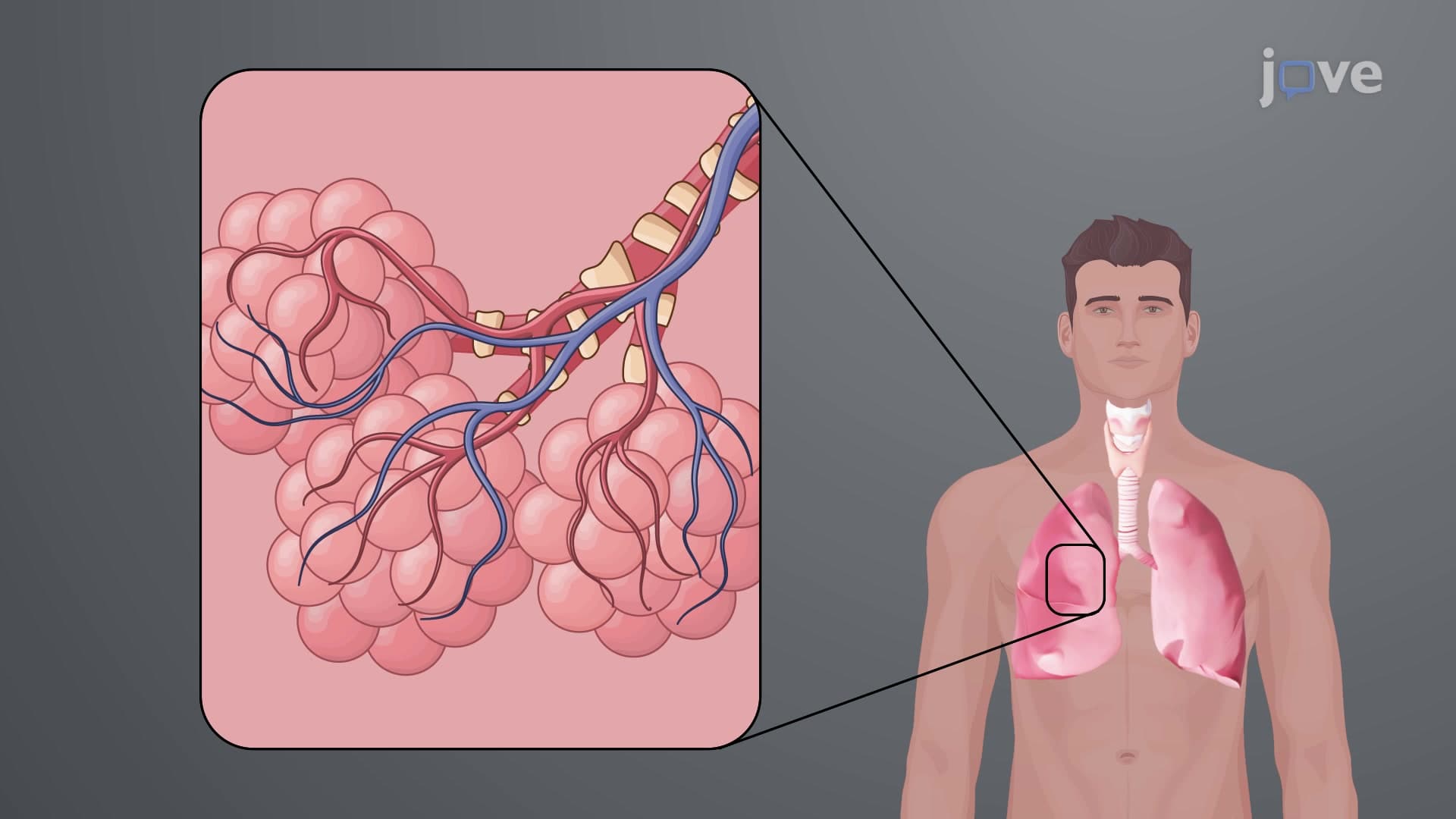
Tonicity osmosis principles govern kidney function, where renal tubules must precisely control water reabsorption to maintain blood volume and concentration. American nephrology departments utilize osmotic understanding to treat patients with kidney disease, carefully managing fluid balance through dialysis treatments that mimic natural osmotic processes. AP Biology students often encounter kidney osmosis questions on college entrance exams, requiring them to trace water movement from blood filtrate through tubular cells back into circulation. This real-world application demonstrates how fundamental osmotic principles directly impact human health and medical treatment protocols.
Related Micro-courses