Loading subject page…

- Anatomy and Physiology
- Cell Membrane Structure and Functions
- Primary Active Transport
Micro-course: Cell Membrane Structure and Functions
84,109 views
Learn key concepts and earn your certificate.

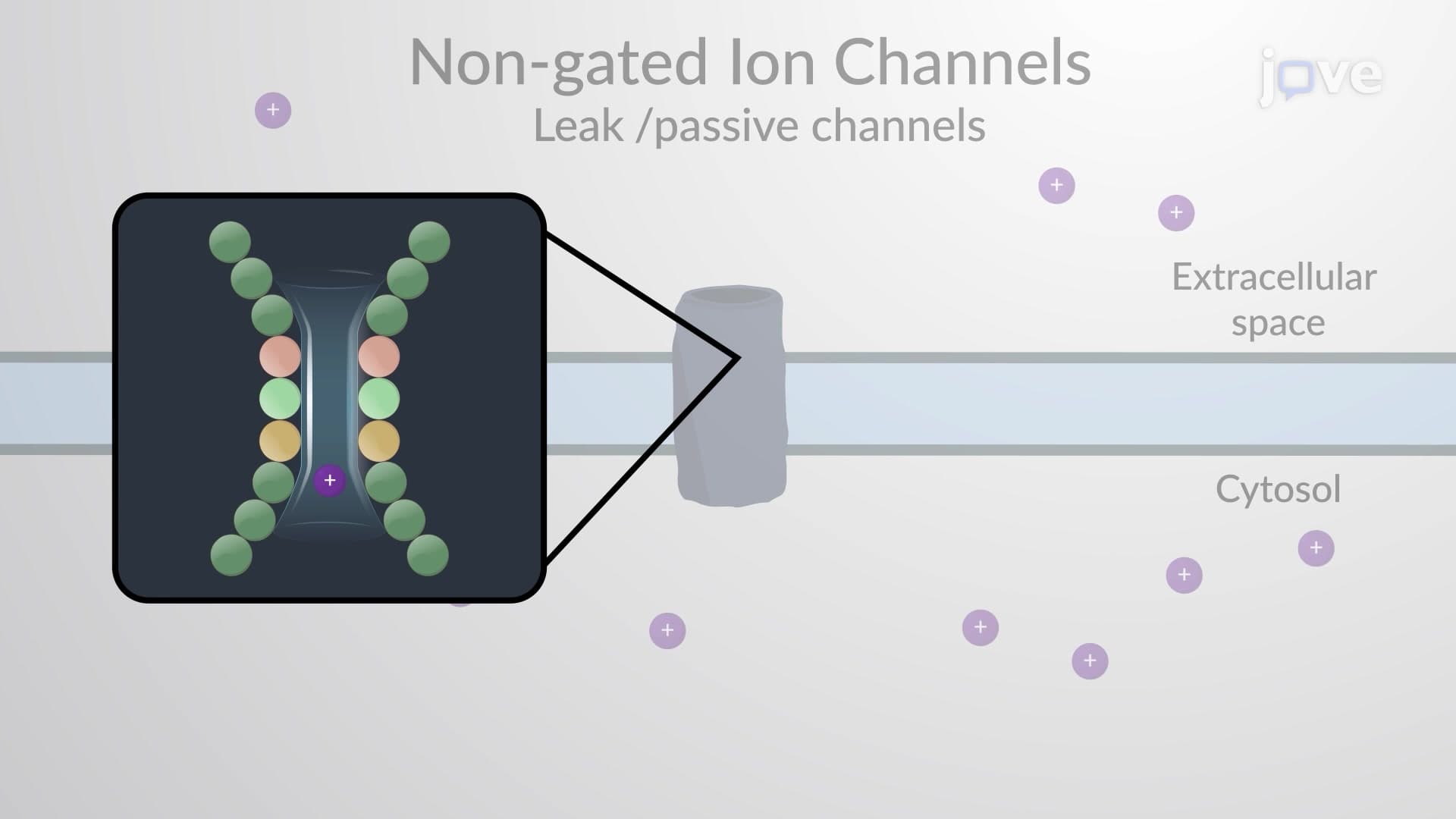
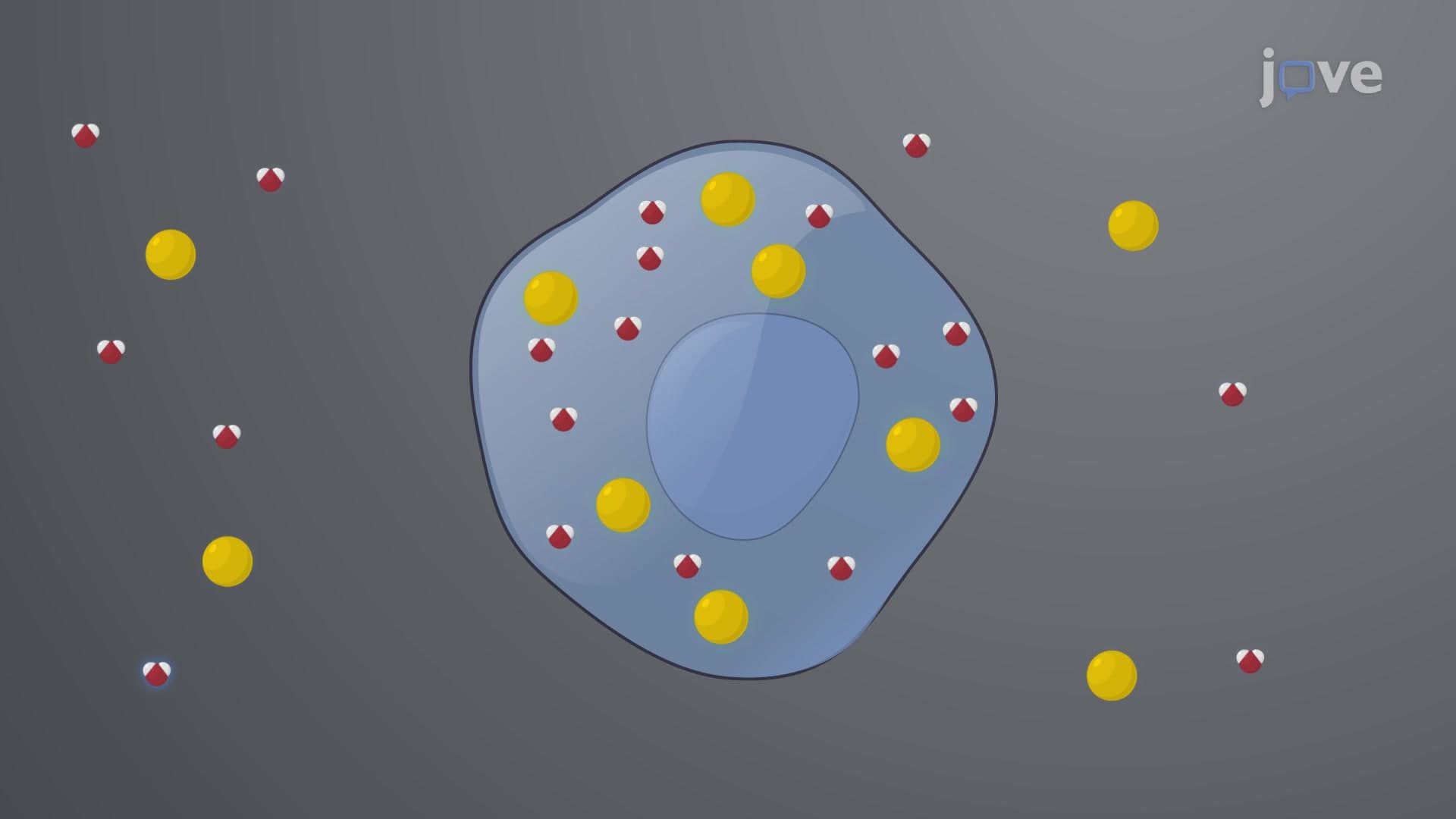
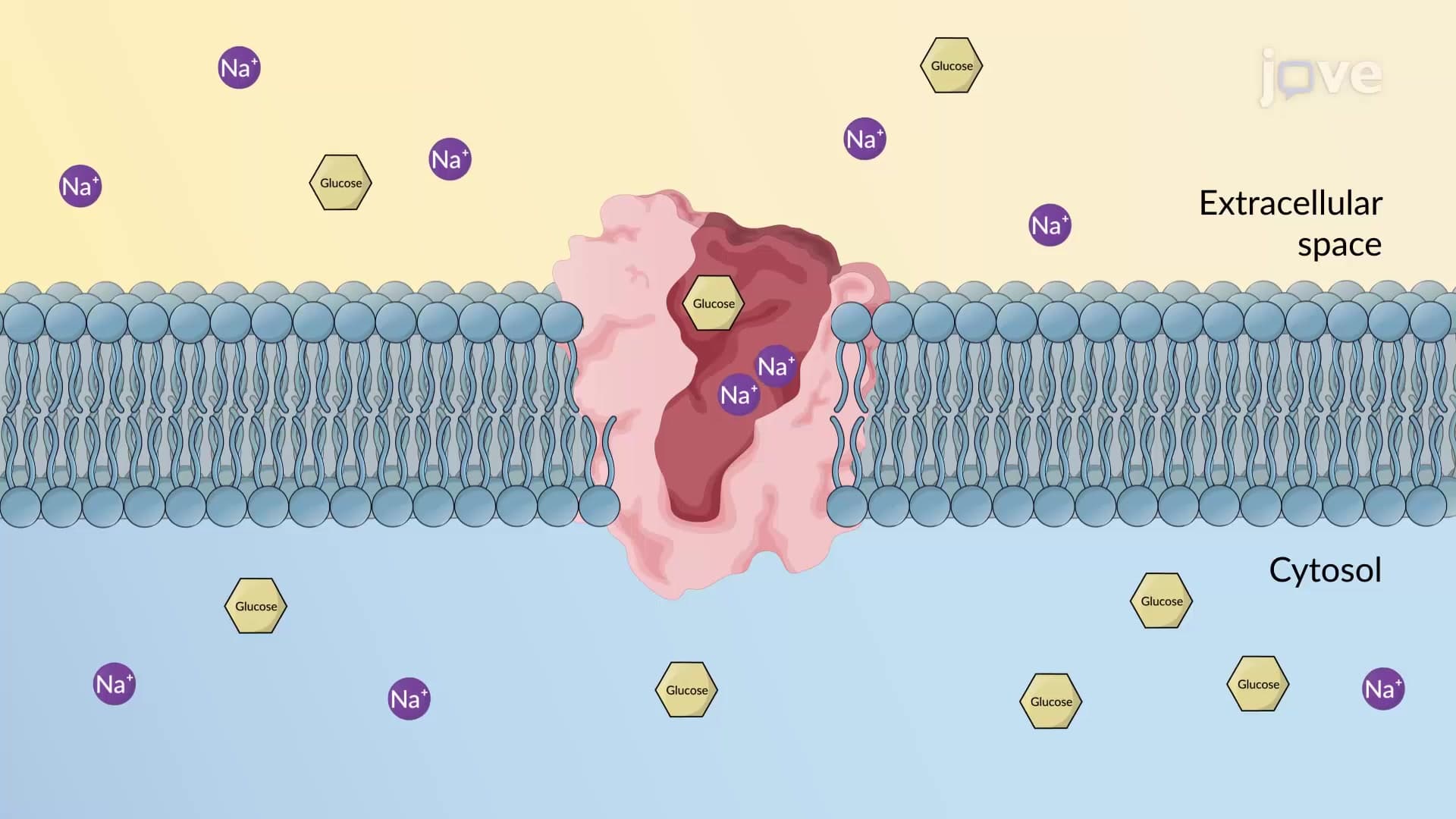
Primary Active Transport

00:00
01:29
Video Summary: What Is Primary Active Transport
Ever wondered how your heart keeps beating even when you're asleep? The answer lies in primary active transport explained through cellular pumps that work 24/7, moving essential ions like sodium and potassium against steep concentration gradients. This ATP-powered process is crucial for nerve function in conditions like epilepsy treatment at Mayo Clinic. What is Primary Active Transport reveals how cells use direct energy from ATP to maintain the ion imbalances necessary for life. Watch the full video on JoVE Coach to master this concept with expert-led visuals and step-by-step explanations.
- Understand what Primary Active Transport is and how it differs from passive transport mechanisms in cellular biology
- Identify the key components of ATP-driven pumps, including the Na+/K+ ATPase and calcium pumps found in muscle cells
- Analyze the coupling mechanism between ATP hydrolysis and conformational changes in transport proteins
- Compare primary active transport with secondary active transport and recognize their distinct energy requirements
- Evaluate the physiological importance of ion gradients in nerve transmission, muscle contraction, and cellular homeostasis
- Apply knowledge of pump kinetics to understand drug mechanisms and disease pathophysiology
- Recognize clinical relevance in conditions like cystic fibrosis, digitalis toxicity, and electrolyte imbalances
- Explore the historical significance of Jens Skou's Nobel Prize-winning discovery of the sodium-potassium pump
Understanding Primary Active Transport Mechanisms
Primary active transport biology represents one of the most energy-intensive cellular processes, directly consuming ATP to move substances against their electrochemical gradients. Unlike passive diffusion or facilitated transport, this mechanism requires immediate energy input from ATP hydrolysis, making it a fundamental process for maintaining cellular homeostasis. The concept becomes crucial for students preparing for the MCAT Biology section, where transport mechanisms frequently appear in passages about membrane physiology.
The Sodium-Potassium Pump: A Cellular Powerhouse
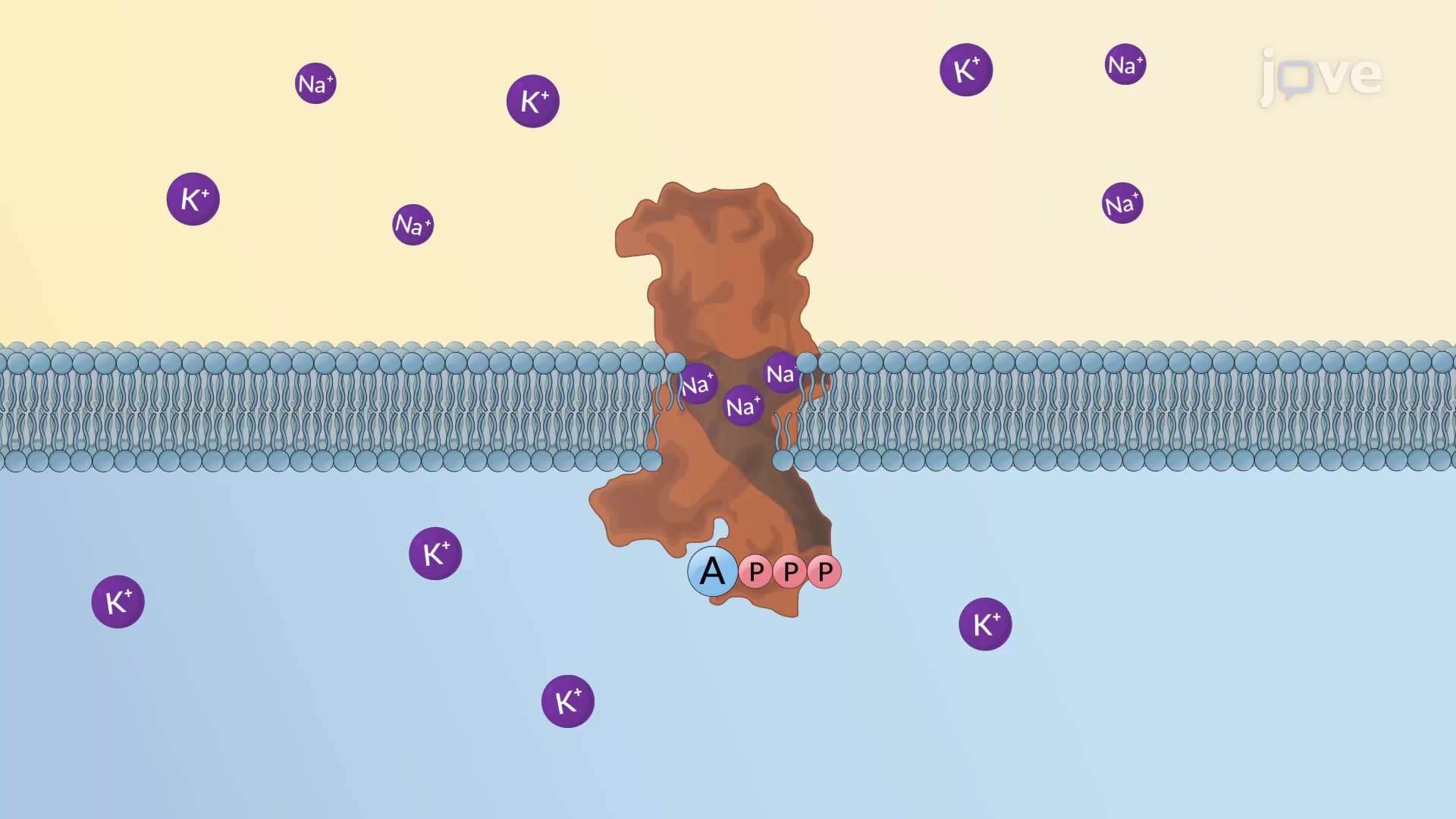
The Na K ATPase active transport system exemplifies how cells invest significant energy-up to 30% of total ATP production-to maintain ion gradients. This pump exchanges three sodium ions for two potassium ions per ATP molecule, creating the electrical foundation for nerve impulses. In US medical schools, students learn how digitalis drugs used for heart failure specifically inhibit this pump, demonstrating the clinical relevance of understanding transport mechanisms. The pump's conformational changes during its cycle illustrate the precision of ATP driven transport at the molecular level.
Diverse Primary Active Transport Systems
Beyond the famous sodium-potassium pump, cells employ various ion pump primary active transport systems. Calcium ATPase pumps in muscle cells rapidly remove calcium from the cytoplasm, enabling muscle relaxation-a process critical for understanding cardiac function in cardiology. Proton pumps in stomach cells create the acidic environment necessary for digestion, while similar pumps in kidney cells regulate blood pH. These examples help students connect cellular mechanisms to organ system physiology for comprehensive understanding.
Clinical Applications and Exam Relevance
What is primary active transport in cell biology becomes particularly relevant when studying genetic disorders like cystic fibrosis, where defective chloride channels disrupt normal transport processes. AP Biology students encounter these concepts in Unit 2 (Cell Structure and Function), while college physiology courses explore the quantitative aspects of pump kinetics and energetics. Understanding primary active transport mechanism principles helps explain pharmacological interventions, such as how loop diuretics affect sodium transport in kidney nephrons, making this concept essential for pre-med students preparing for healthcare careers.
Frequently Asked Questions
Primary active transport is a cellular mechanism that uses energy directly from ATP hydrolysis to move ions and molecules against their concentration gradients across cell membranes. The process involves specialized protein pumps that undergo conformational changes when ATP binds and releases its energy. These pumps couple the energy release from ATP breakdown to the movement of specific substances, creating and maintaining concentration differences essential for cell function, nerve transmission, and muscle contraction.
MCAT questions often present scenarios involving electrolyte imbalances or drug mechanisms affecting transport pumps, requiring students to predict physiological outcomes. AP Biology Exam questions typically focus on comparing transport types, analyzing experimental data about pump function, or explaining how ATP couples to ion movement. Students should practice identifying the energy source (direct ATP vs. gradients) and predicting effects of pump inhibitors on cellular function for optimal exam performance.
The Na+/K+ ATPase pump appears in virtually every physiology exam due to its role in nerve function and cellular volume regulation. Calcium pumps are crucial for understanding muscle physiology and cardiac function. Proton pumps become important when studying gastric acid production and kidney pH regulation. College students should master these three systems thoroughly, as they form the foundation for understanding more complex physiological processes in advanced courses.
Healthcare professionals regularly encounter primary active transport in clinical practice. Digitalis toxicity affects Na+/K+ pumps in heart patients at hospitals like Cleveland Clinic. Electrolyte replacement therapy relies on understanding how pumps maintain ion balance. Cystic fibrosis treatment involves managing defective chloride transport. This knowledge helps medical professionals predict drug interactions, understand disease mechanisms, and develop appropriate treatment plans for patients with transport-related disorders.
Not at all! While the molecular details require some chemistry background, the basic concept resembles a battery-powered pump moving water uphill. High school students can master the energy requirement (ATP), direction (against gradients), and major examples (Na+/K+ pump) without needing advanced biochemistry knowledge. Starting with analogies and progressing to cellular examples makes this concept accessible to students at all levels.
Focus on the "3-2-1" approach: 3 Na+ out, 2 K+ in, 1 ATP consumed per cycle for the main pump. Create concept maps linking ATP hydrolysis to conformational changes to ion movement. Practice drawing the pump cycle and explaining each step aloud. Use clinical examples like heart medication effects to connect molecular mechanisms to real-world applications, making the information more memorable and meaningful.
Students should progress to secondary active transport (symport/antiport mechanisms) and then explore how these create driving forces for glucose and amino acid uptake. The connection between transport and membrane potential leads naturally to action potential generation and nerve physiology. Understanding these transport principles also prepares students for studying kidney function, hormone signaling, and cellular energetics in advanced biology and physiology courses.
Related Micro-courses
16 Concepts
26 Concepts

18 Concepts