Loading subject page…


84,110 views


Video Summary: What Is Receptor Mediated Endocytosis
Ever wonder how your liver cells selectively grab cholesterol from your bloodstream while ignoring thousands of other molecules? Receptor mediated endocytosis enables this remarkable cellular selectivity, acting like a molecular bouncer that only allows specific substances inside. This process allows cells to internalize vital nutrients like LDL cholesterol through specialized clathrin-coated pits, maintaining precise control over what enters the cell. Watch the full video on JoVE Coach to master this concept with expert-led visuals and step-by-step explanations.
What is receptor mediated endocytosis represents one of the most sophisticated cellular transport mechanisms, allowing cells to selectively internalize specific molecules with remarkable precision. Unlike bulk endocytosis, this process relies on the specific binding between extracellular ligands and membrane-bound receptors, creating a highly regulated system for nutrient acquisition and cellular communication. This selectivity makes it essential for maintaining cellular homeostasis and responding to environmental changes.
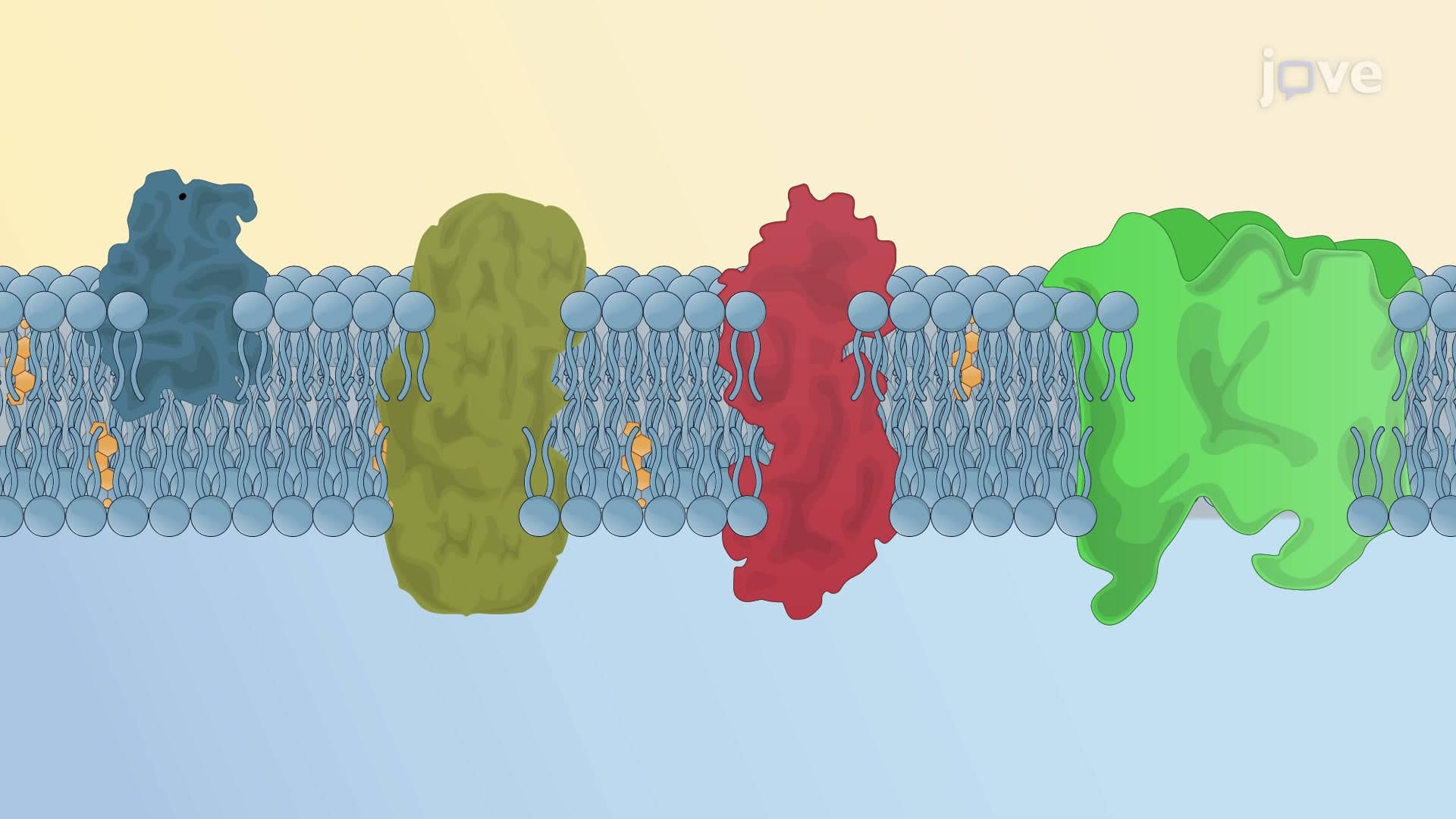
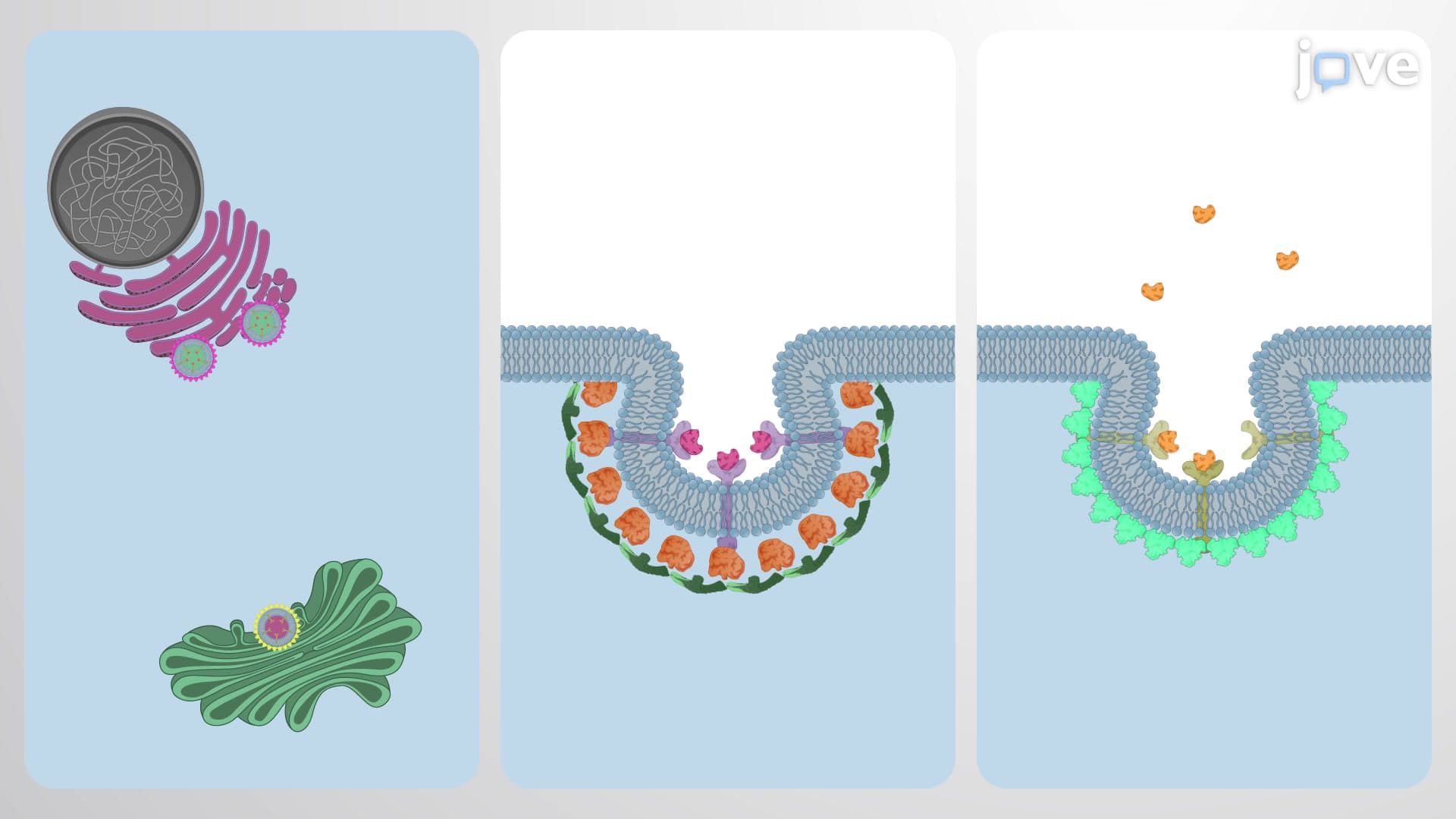
The process begins when specific ligands bind to their corresponding receptors on the plasma membrane. These receptor-ligand complexes then cluster together in specialized membrane regions called clathrin-coated pits. Clathrin proteins form a distinctive cage-like structure around these pits, providing the mechanical force needed for membrane invagination. This clathrin coated pit endocytosis mechanism ensures that only receptor-bound molecules are internalized, making it far more efficient than non-specific uptake methods.
One of the most clinically significant examples is LDL receptor endocytosis, which controls cholesterol levels in human cells. When LDL cholesterol particles bind to LDL receptors on liver cells, they trigger the formation of coated vesicles that transport cholesterol into the cell. Genetic defects in this pathway cause familial hypercholesterolemia, a condition affecting approximately 1 in 200-500 Americans and leading to premature cardiovascular disease. Understanding this process is crucial for AP Biology students and appears frequently on MCAT biochemistry sections.
Modern pharmaceutical research exploits receptor ligand endocytosis for targeted drug delivery. Companies like Genentech and Pfizer design therapeutic antibodies that bind to specific cell surface receptors, allowing drugs to be delivered precisely to diseased tissues while minimizing side effects. This approach has revolutionized cancer treatment and represents a growing field in biotechnology. For pre-med students, understanding these mechanisms provides insight into both normal physiology and disease pathogenesis.
After internalization, coated vesicle endocytosis leads to complex sorting processes within early endosomes. Some receptors are recycled back to the cell surface to maintain cellular responsiveness, while others are degraded to downregulate signaling pathways. This dynamic regulation allows cells to fine-tune their sensitivity to hormones, growth factors, and nutrients based on physiological needs.
Related Micro-courses