Loading subject page…


84,109 views

Video Summary: What Is Secondary Active Transport
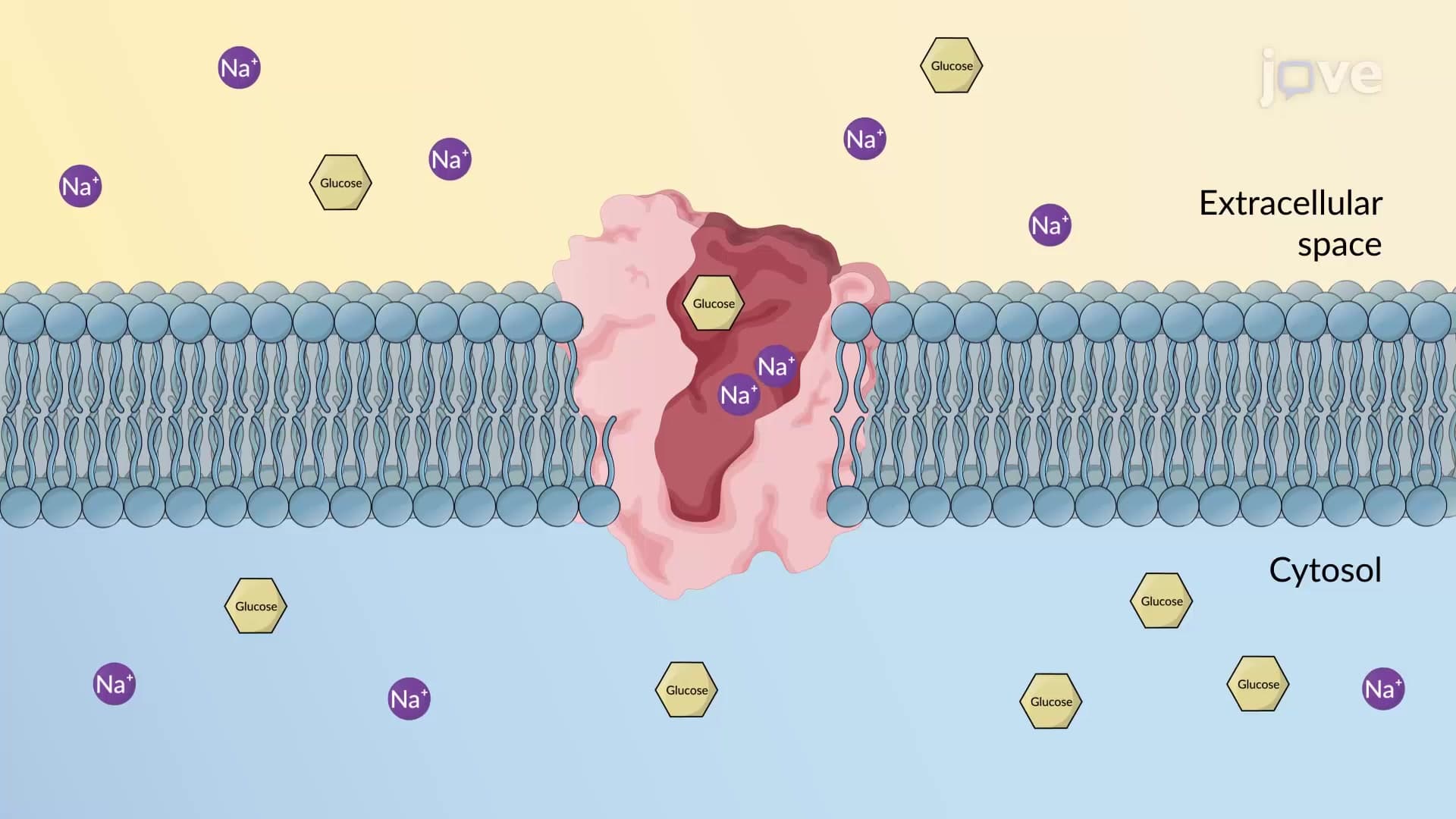
Ever wonder how your intestines absorb nutrients even when their concentrations are higher inside your cells than in your food? Secondary active transport explained reveals this cellular "hitchhiking" strategy where one molecule rides the energy wave created by another molecule's movement. The sodium-glucose cotransporter in your small intestine exemplifies what is secondary active transport in cell biology-using sodium's downhill rush to pull glucose uphill against its gradient. Watch the full video on JoVE Coach to master this concept with expert-led visuals and step-by-step explanations.
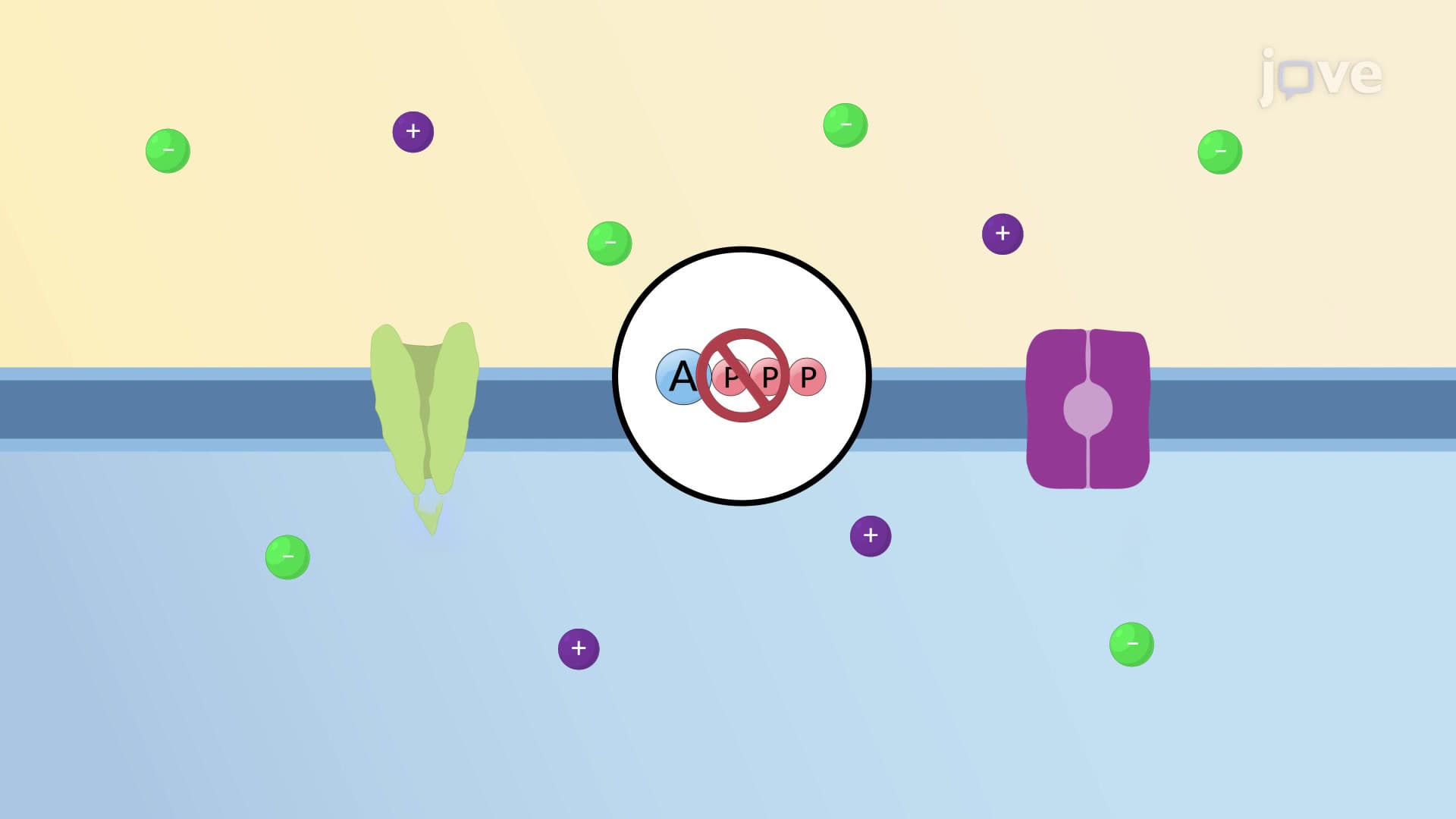
What is secondary active transport represents a sophisticated cellular energy-saving strategy that harnesses existing concentration gradients to move molecules against their natural flow. Unlike primary active transport, which directly consumes ATP, secondary active transport biology operates as an indirect energy system-think of it as cellular "carpooling" where one molecule's downhill journey provides the driving force for another molecule's uphill climb.
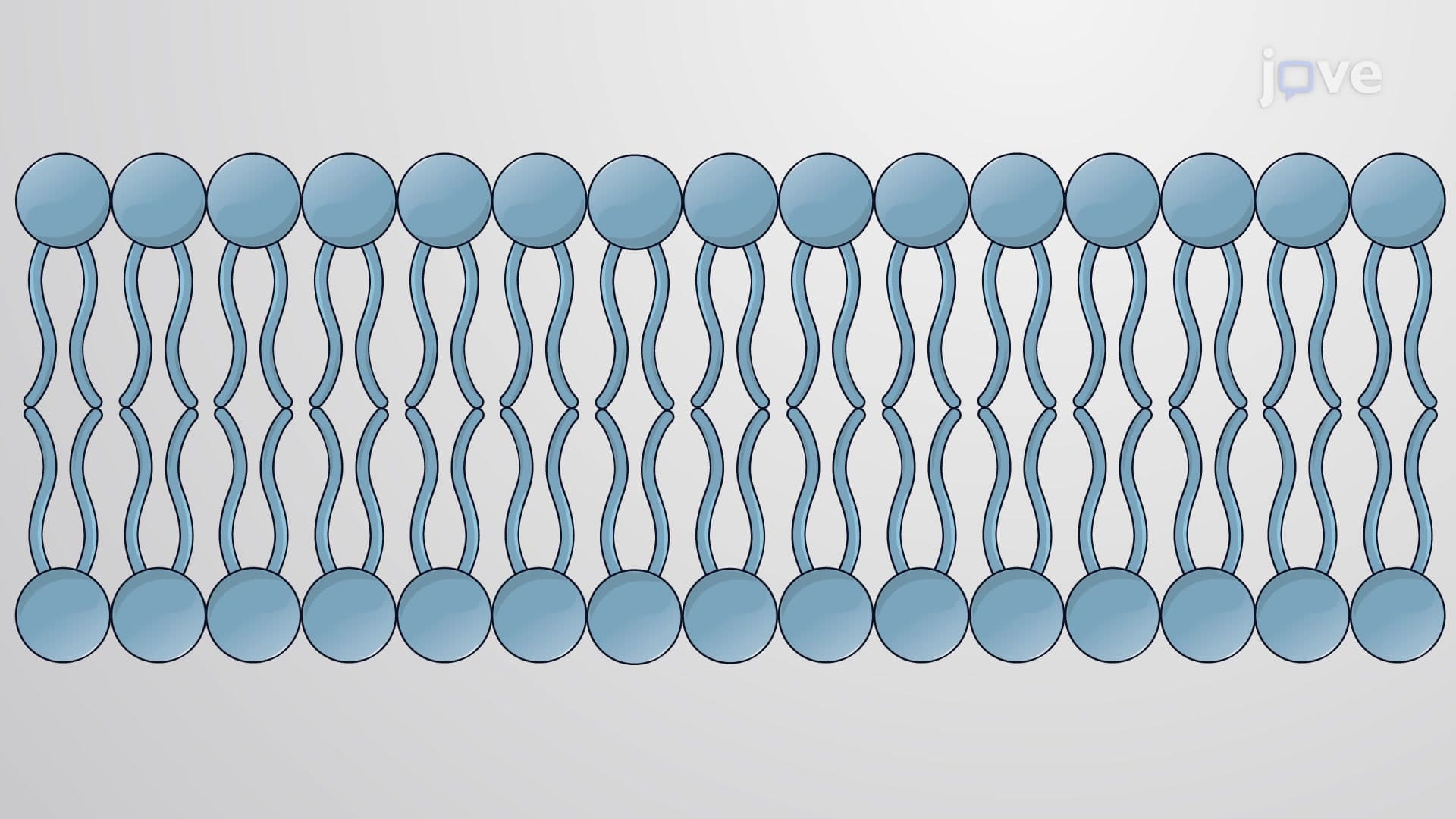
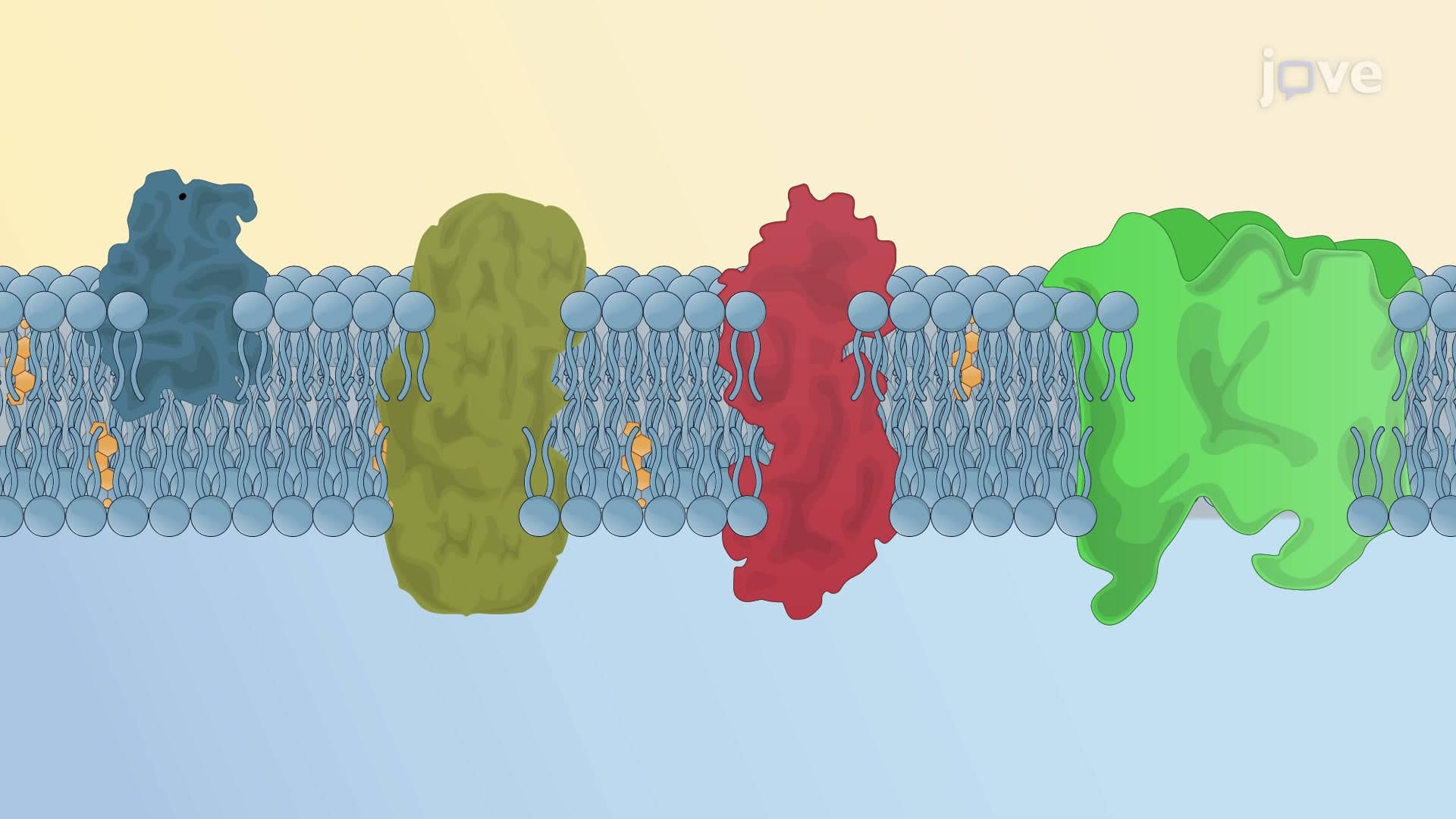
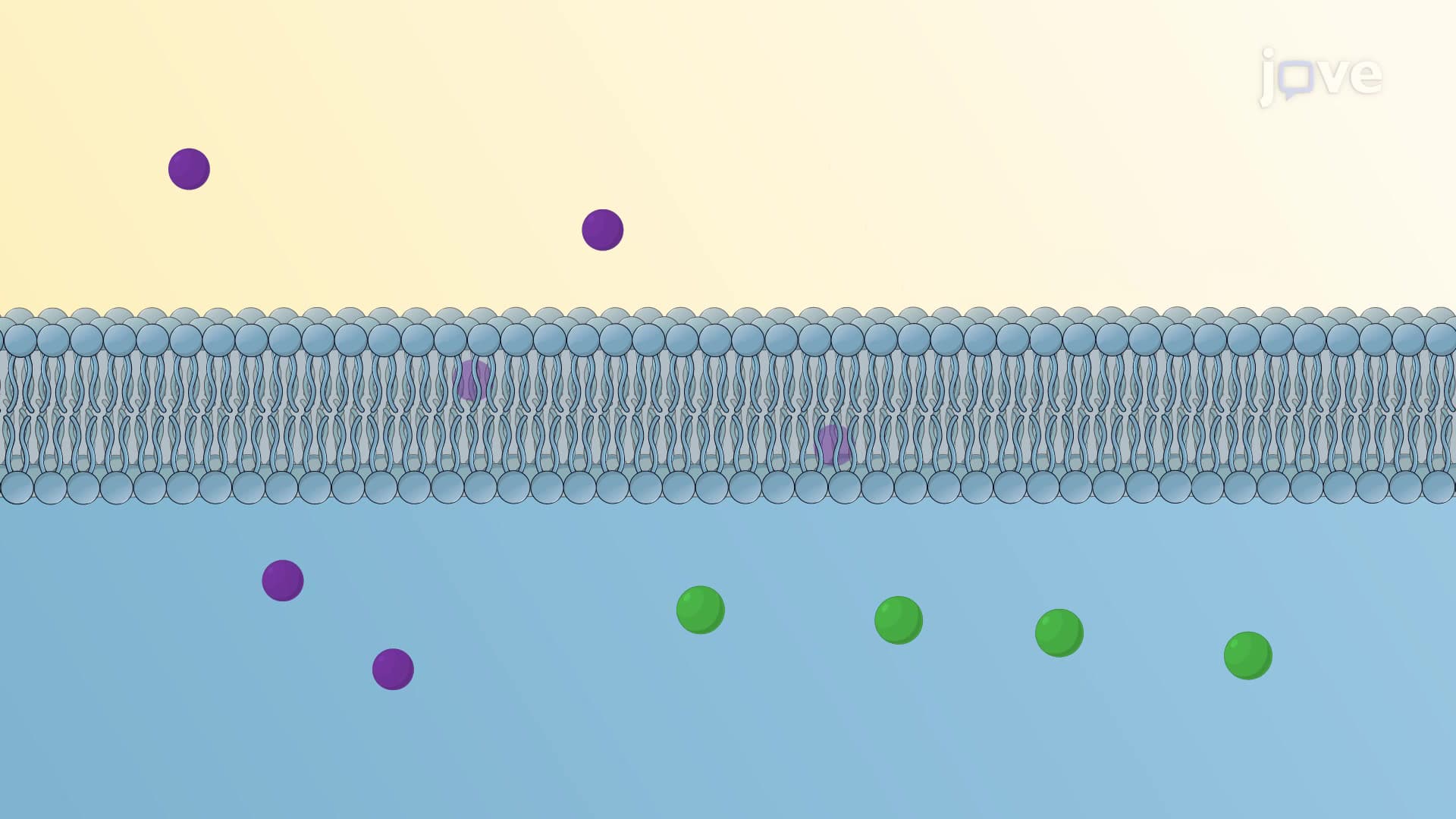
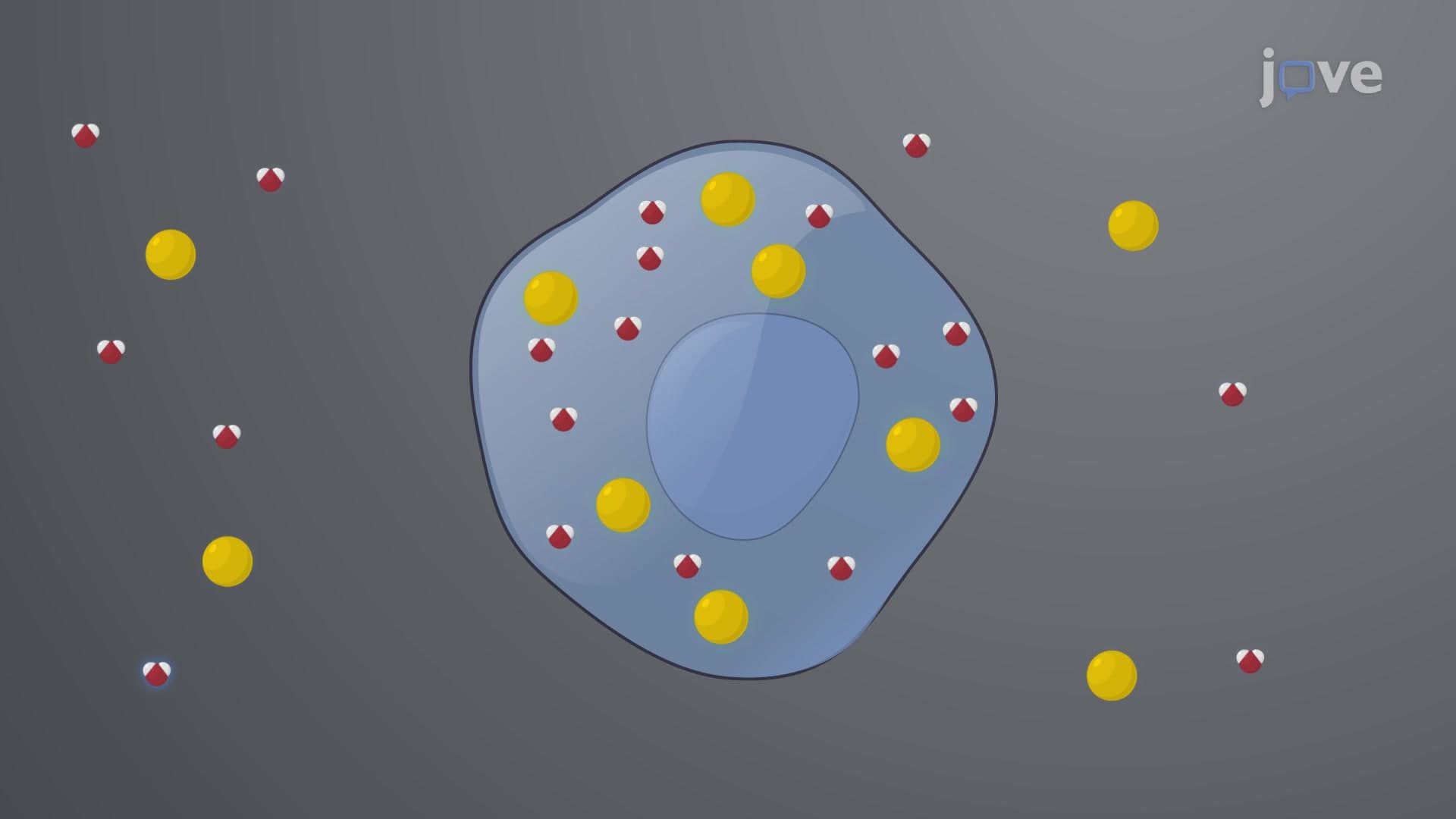
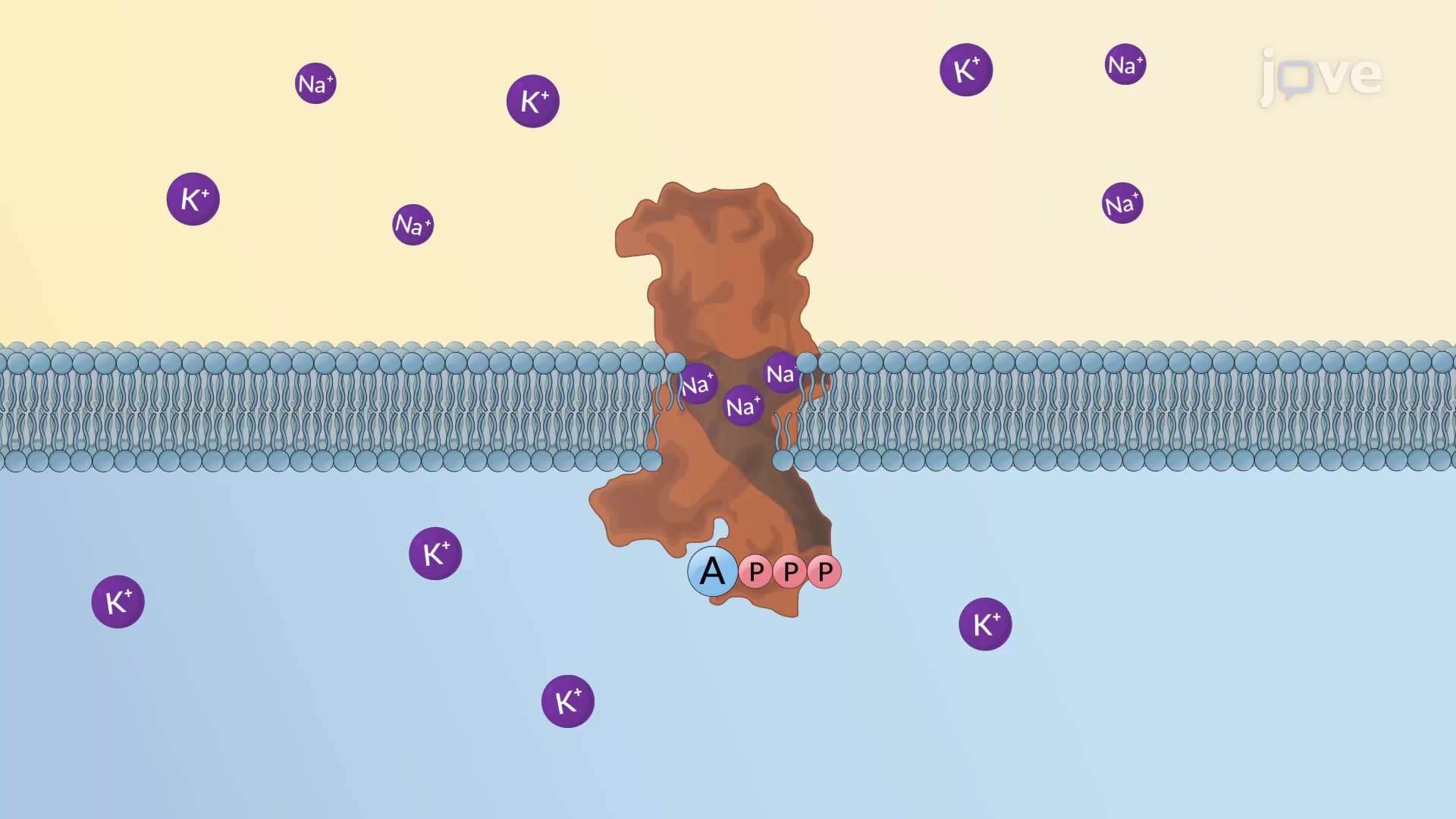
The process relies entirely on electrochemical gradients established by primary active transport pumps, particularly the sodium-potassium ATPase. This pump creates a steep sodium gradient across cell membranes, with high sodium concentrations outside cells and low concentrations inside. Secondary transporters exploit this gradient differential, coupling sodium's natural tendency to flow inward with the forced movement of other substances.
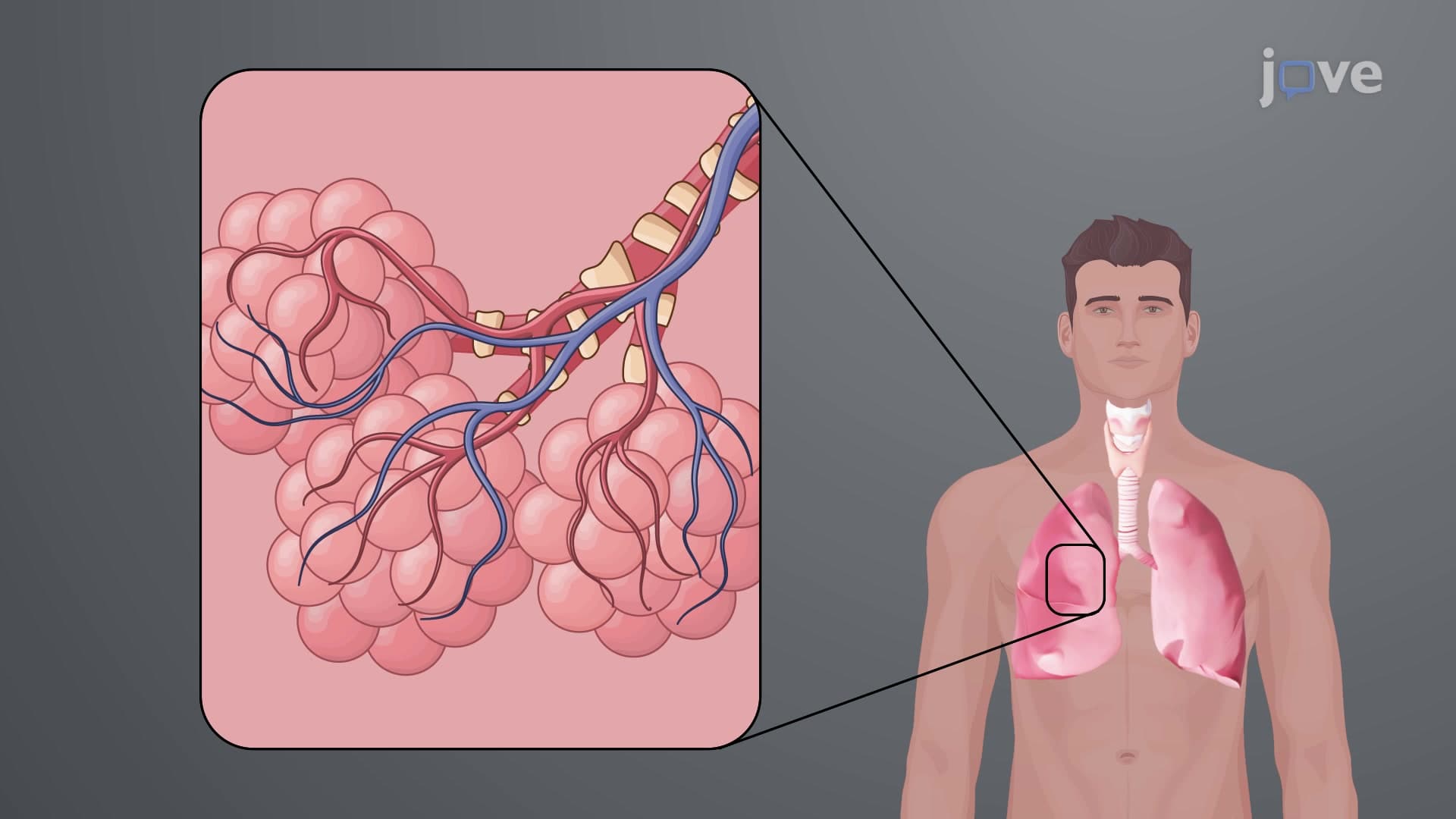
Secondary active transport operates through two distinct mechanisms based on directional coupling. Symporters (also called cotransporters) move both molecules in the same direction across the membrane. The classic example is the sodium glucose cotransporter (SGLT) found in kidney proximal tubules and intestinal epithelium. As sodium rushes down its concentration gradient into the cell, it drags glucose along, enabling glucose absorption even when intracellular glucose concentrations exceed those in the intestinal lumen.
Antiporters (exchangers) work oppositely, moving coupled molecules in opposite directions. The sodium-calcium exchanger in cardiac muscle exemplifies this mechanism, extruding calcium from heart cells while allowing sodium entry. This antiport system proves crucial for cardiac muscle relaxation-a concept frequently tested on the MCAT and in college physiology courses.
Understanding cotransport secondary active mechanisms has revolutionized medical treatment approaches. Diabetes medications like SGLT2 inhibitors (including Jardiance and Invokana) specifically target sodium glucose cotransporters in kidneys, forcing glucose excretion through urine to lower blood sugar levels. These drugs demonstrate how manipulating secondary transport can treat metabolic disorders.
The electrochemical gradient secondary transport concept also explains why certain genetic mutations cause severe diseases. Familial hemiplegic migraine results from mutations in sodium-potassium ATPase, disrupting the primary gradients that power secondary transport systems in brain cells. Students preparing for AP Biology or college entrance exams should recognize how primary pump failures cascade into secondary transport dysfunction.
Related Micro-courses