Loading subject page…


84,109 views

Video Summary: What Is Tonicity in Animals
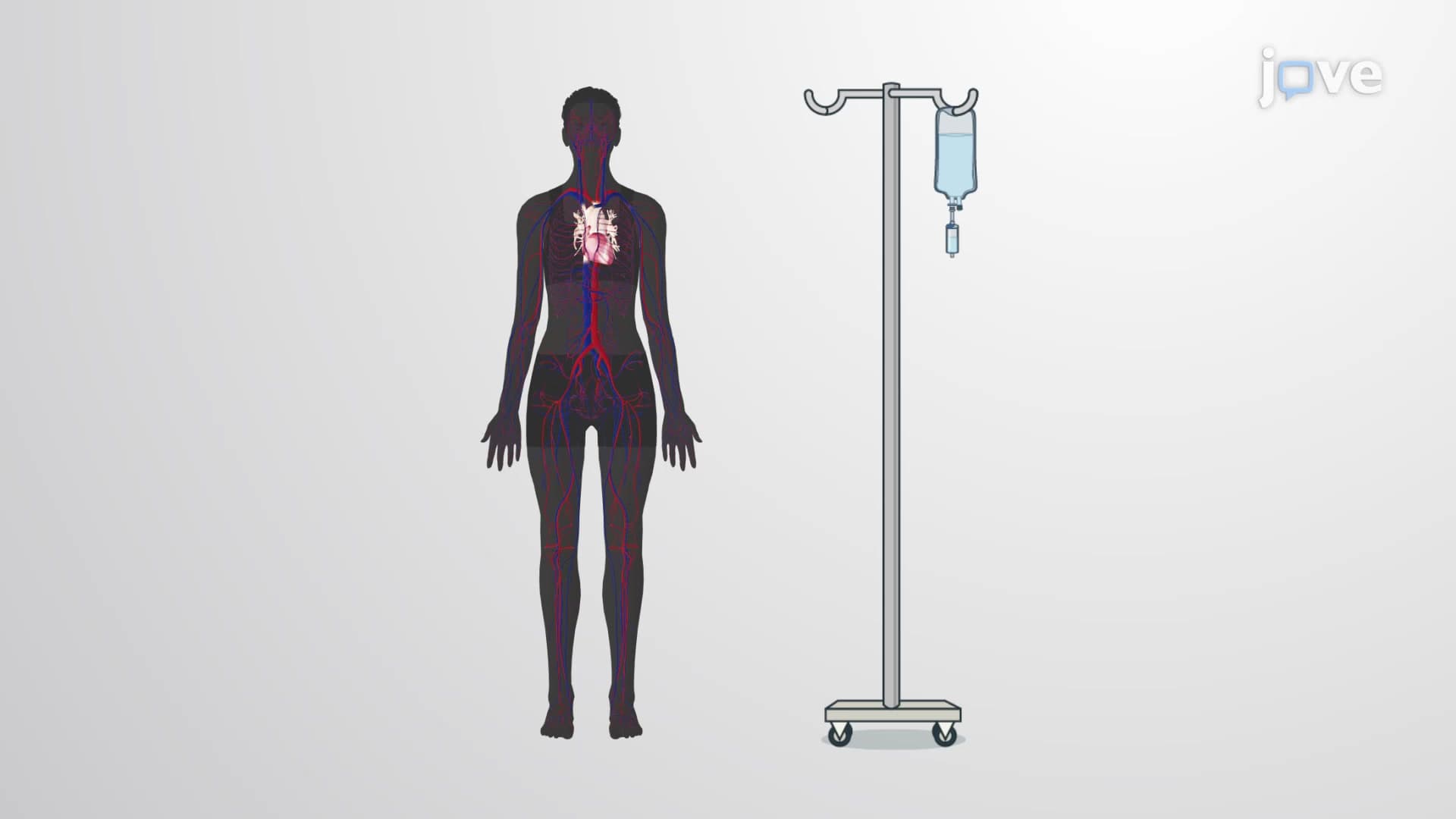
Ever wondered why emergency rooms use specific IV fluids to save lives? Tonicity in animals explained reveals how cells maintain their shape and function by controlling water movement across membranes. In US hospitals, paramedics and nurses carefully select isotonic saline solutions to prevent red blood cells from shrinking or bursting when treating dehydrated patients. Understanding what is tonicity in animals helps explain everything from why drinking seawater is dangerous to how kidney dialysis works. Watch the full video on JoVE Coach to master this concept with expert-led visuals and step-by-step explanations.
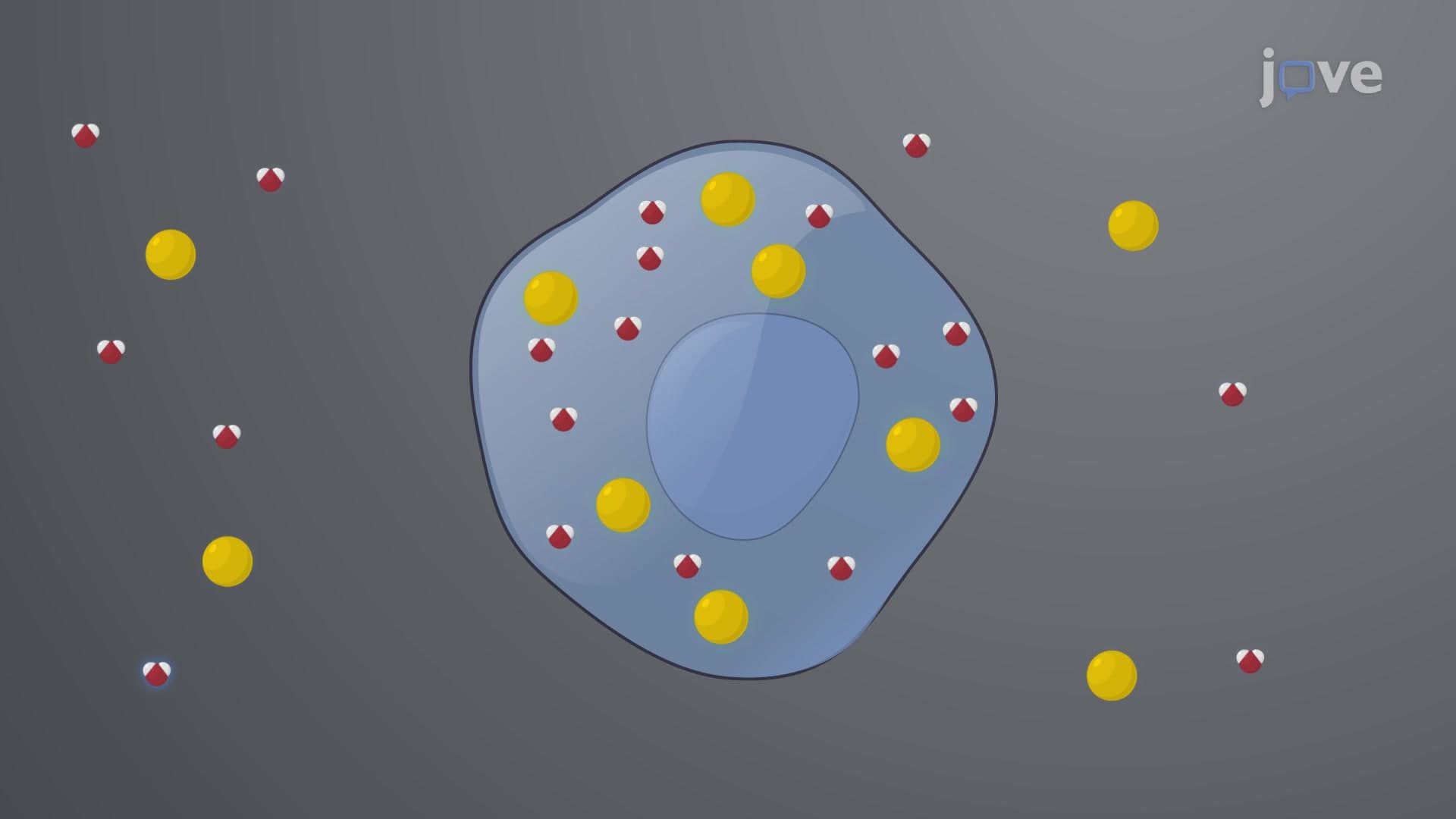
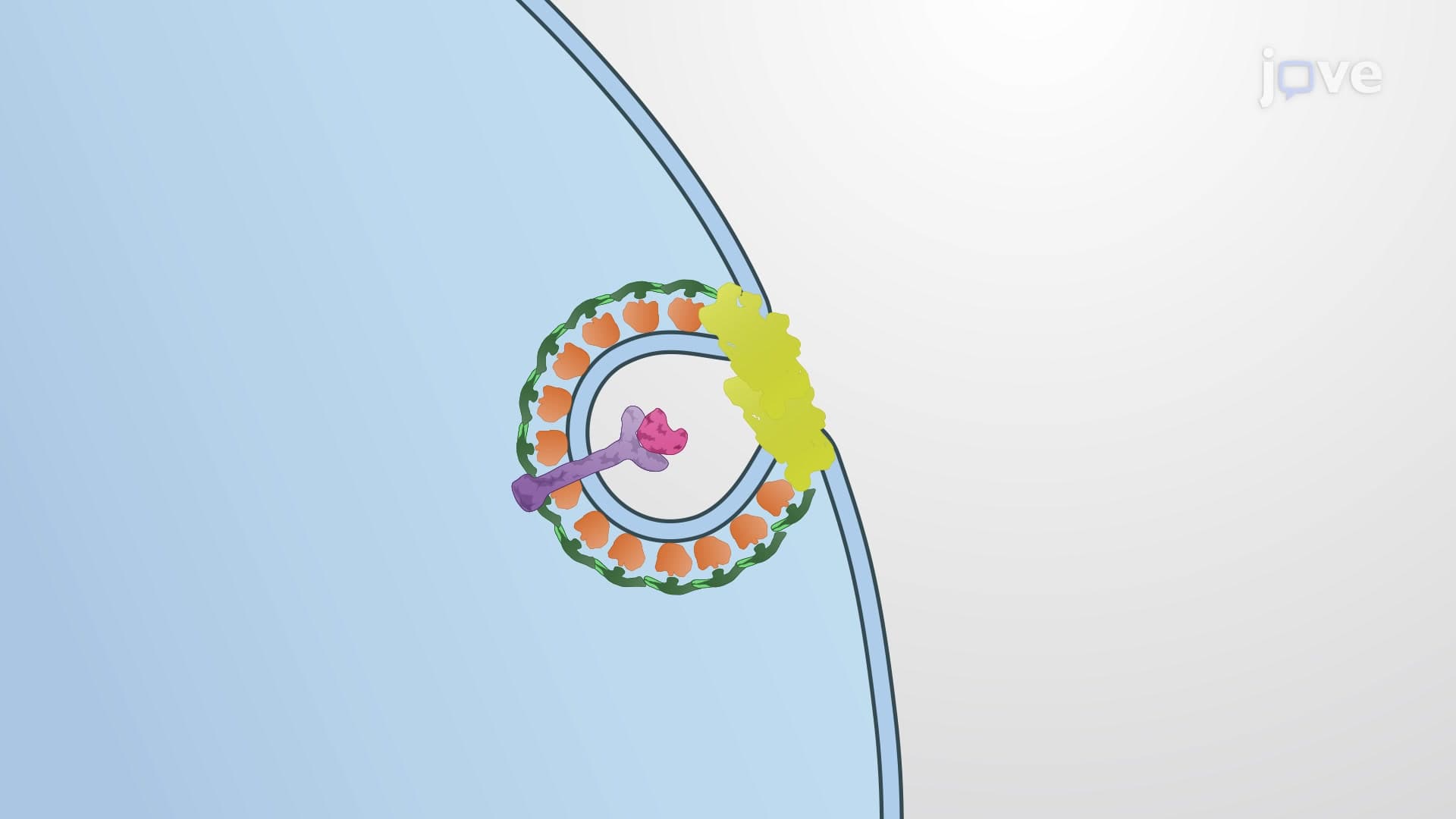
Animal cell tonicity biology represents one of the most critical concepts in cellular physiology. Unlike plant cells with rigid cell walls, animal cells rely entirely on tonicity regulation to maintain their structural integrity. Tonicity describes how the concentration of non-penetrating solutes in the extracellular environment affects cell volume and shape through water movement.
This concept frequently appears on AP Biology exams, MCAT questions, and college-level physiology courses. Students often confuse tonicity with osmolarity, but tonicity specifically refers to solutions that cannot cross the cell membrane, making it particularly relevant for medical applications.
Isotonic conditions occur when solute concentrations inside and outside the cell are equal. In this state, water moves equally in both directions, maintaining cell volume. The standard 0.9% sodium chloride solution used in US hospitals exemplifies isotonic conditions, allowing safe blood transfusions and IV therapy without damaging red blood cells.
Hypertonic environments contain higher solute concentrations outside the cell than inside. Water exits the cell, causing shrinkage or crenation. This principle explains why saltwater drowning victims experience cellular dehydration. Emergency medical technicians recognize these effects when treating patients with severe dehydration or electrolyte imbalances.
Hypotonic conditions feature lower external solute concentrations, driving water into cells. Animal cells swell and may undergo hemolysis (bursting). This occurs when patients receive pure water intravenously or when freshwater drowning victims' cells absorb excess water.
Red blood cell tonicity serves as the primary model for understanding cellular responses. In US medical facilities, blood banks store red blood cells in carefully controlled isotonic solutions to prevent damage. Dialysis centers use tonicity principles to remove excess water and solutes from kidney failure patients.
Animal tonicity regulation involves sophisticated feedback mechanisms. The kidneys adjust urine concentration, while hormones like ADH (antidiuretic hormone) fine-tune water retention. These systems prevent dangerous fluctuations in blood tonicity that could damage vital organs.
Understanding osmotic pressure tonicity relationships helps explain why certain medications must be administered in specific concentrations and why oral rehydration solutions contain precise salt-to-water ratios for treating dehydration in emergency medicine.
Related Micro-courses