Loading subject page…


317,335 views

Video Summary: Homeostasis Definition
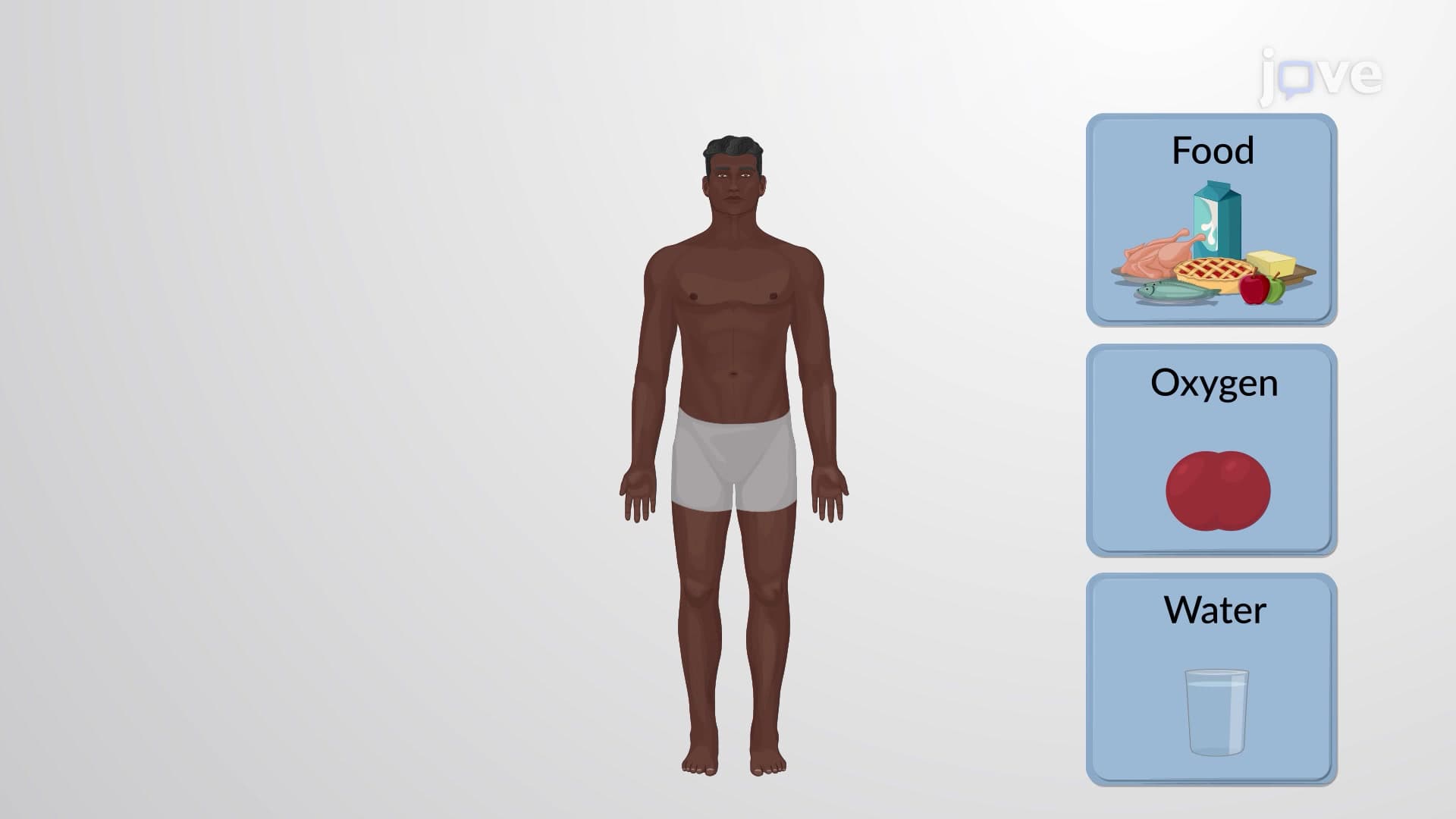
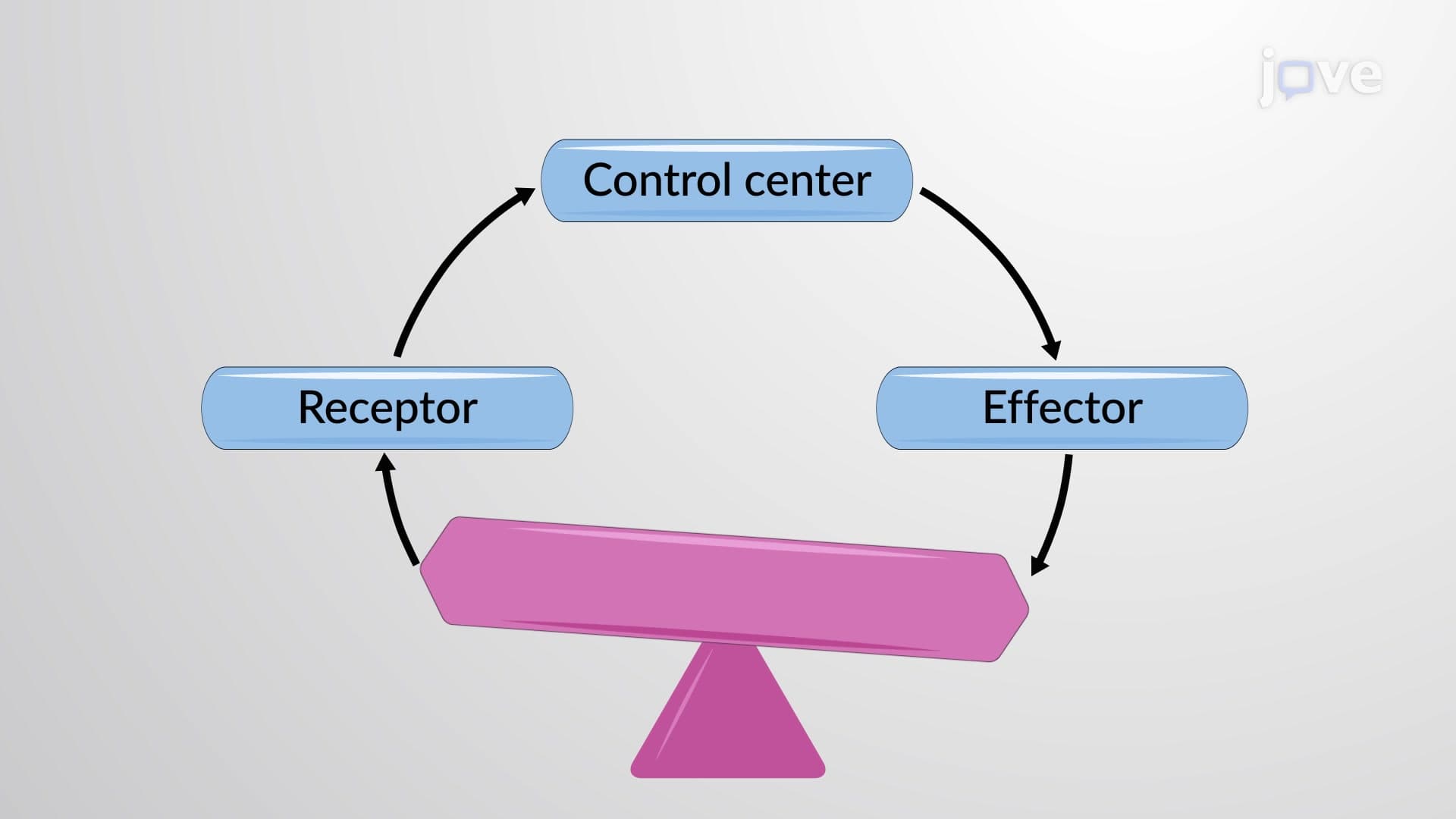
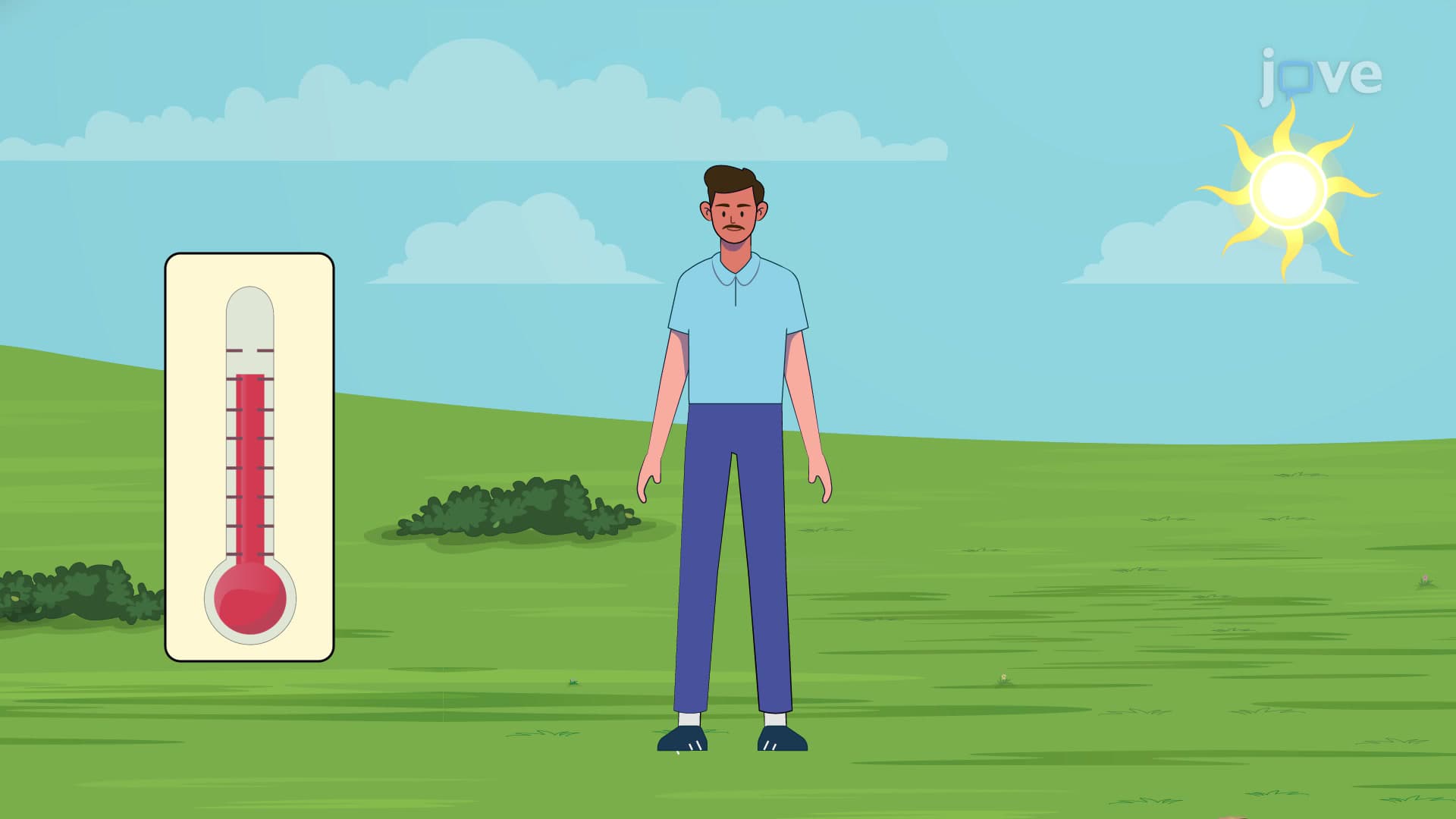
Ever wonder why your body temperature stays around 98.6°F whether you're in a Minnesota winter or Arizona summer? The homeostasis definition biology reveals how your body maintains this incredible internal balance despite external changes. When hiking in Death Valley National Park, your body automatically activates cooling mechanisms like sweating to prevent dangerous overheating. This process, called homeostasis definition, involves three key components working together: receptors that detect changes, control centers that process information, and effectors that make adjustments. Watch the full video on JoVE Coach to master this concept with expert-led visuals and step-by-step explanations.
The homeostasis definition biology encompasses the fundamental principle that keeps all living organisms alive and functioning optimally. This critical biological concept explains how your body maintains internal stability-from keeping your blood glucose levels steady during a basketball game at Duke University to regulating your heart rate during a stressful college exam.
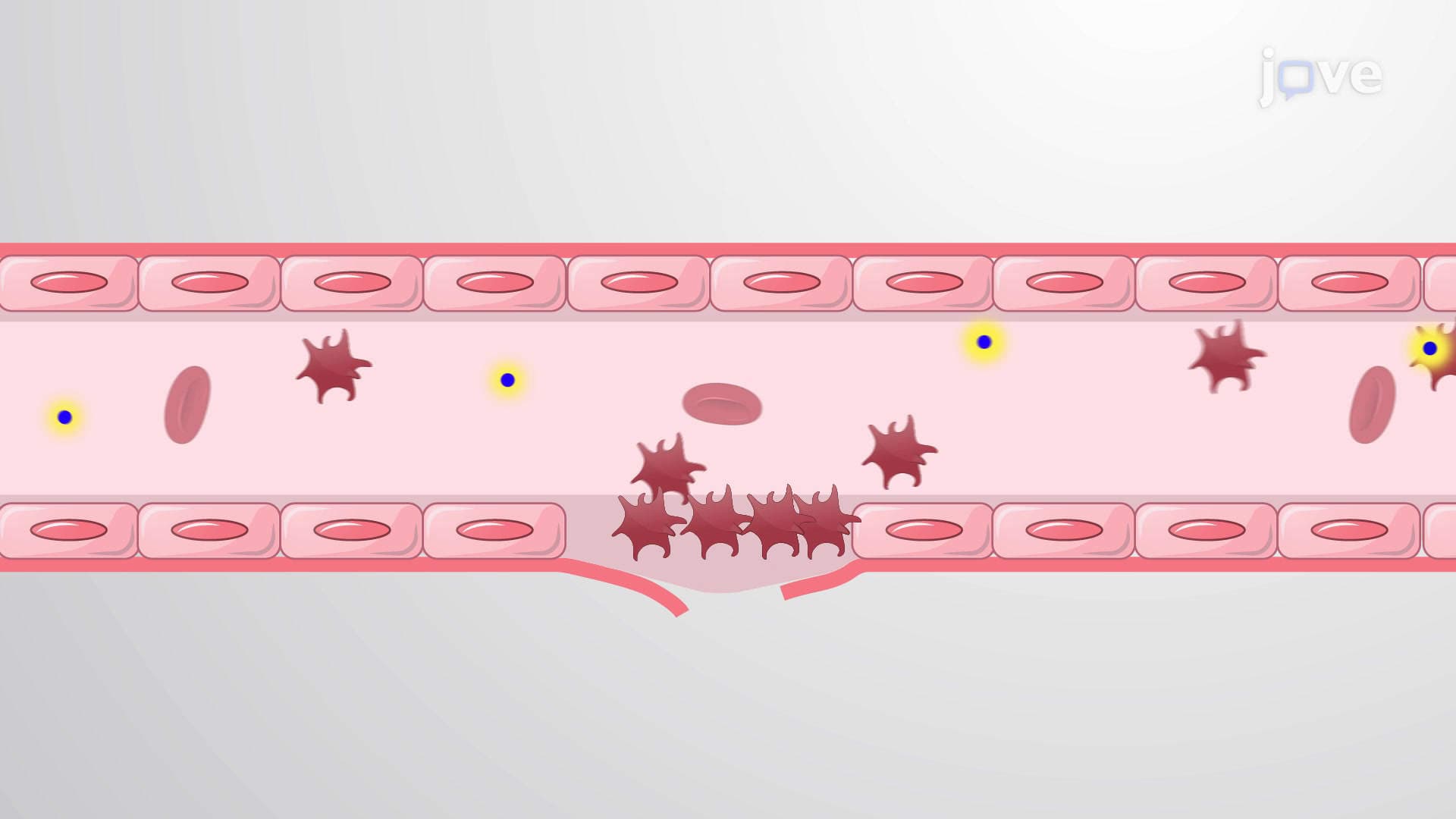
Homeostasis explained simply involves three interconnected elements working in perfect coordination. Receptors act as biological sensors, constantly monitoring internal conditions like temperature, blood pressure, and chemical concentrations. These specialized cells, such as thermoreceptors in your skin or chemoreceptors in your blood vessels, detect even minor deviations from normal ranges.
Control centers, primarily located in your brain and endocrine glands, serve as the command headquarters. The hypothalamus, often called the body's thermostat, processes incoming information and determines whether corrective action is needed. When your homeostasis body temperature rises above the set point of approximately 98.6°F (37°C), the hypothalamus initiates cooling responses.
Effectors are the muscles, glands, and organs that execute corrective actions. During heat stress at a Florida beach, your sweat glands activate to cool your body through evaporation, while blood vessels near your skin surface dilate to release heat.
Physiological homeostasis relies primarily on negative feedback mechanisms that work like a sophisticated biological thermostat. When your blood sugar drops during a long study session, pancreatic cells detect this change and release glucagon, which signals your liver to convert stored glycogen into glucose. As blood sugar returns to normal, glucagon production decreases-a perfect example of self-regulating control.
Understanding homeostasis examples body systems is crucial for AP Biology success and college-level physiology courses. The MCAT frequently tests homeostatic principles through scenarios involving diabetes (blood glucose regulation), hypertension (blood pressure control), and respiratory alkalosis (pH balance). Medical students studying for the USMLE must master how homeostatic failures contribute to diseases like diabetes mellitus, where insulin resistance disrupts glucose homeostasis.
What is homeostasis in biology definition becomes particularly relevant when examining common health conditions treated in US hospitals. Heat exhaustion during summer sports in Texas demonstrates failed temperature homeostasis, while high-altitude sickness in Colorado shows how the body struggles to maintain oxygen homeostasis at reduced atmospheric pressure.
Related Micro-courses