Loading video…


 14 Concepts
 317.3K views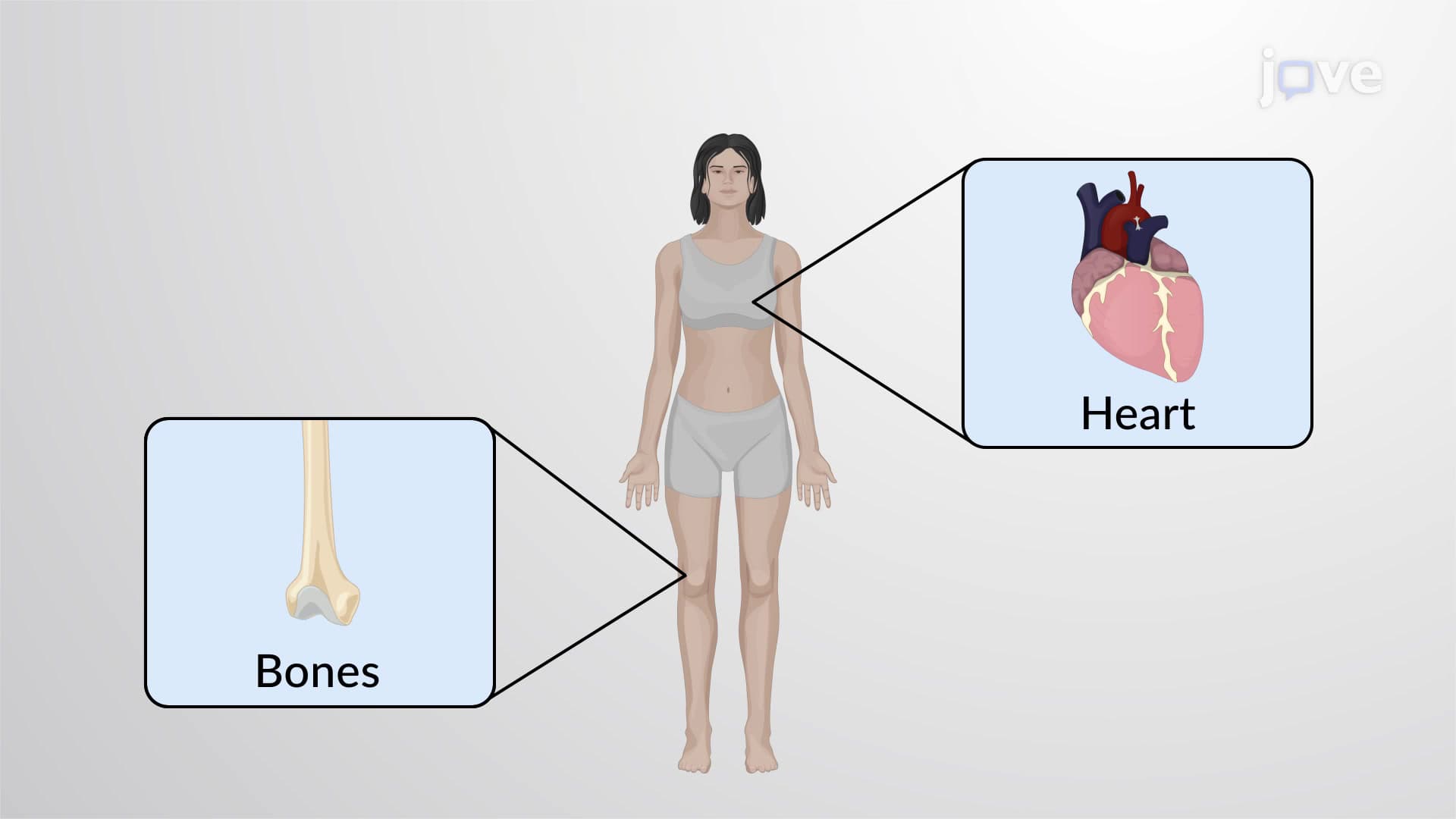

Video Summary: Overview of Anatomy and Physiology Explained
Ever wonder why your heart never gets tired despite beating over 100,000 times daily? This anatomy physiology overview reveals how structure and function work together in perfect harmony throughout the human body. From gross anatomy's examination of organs like those studied at Johns Hopkins Medical School to microscopic cellular processes, this introduction to anatomy and physiology demonstrates why these interconnected sciences form the foundation of all medical knowledge. Watch the full video on JoVE Coach to master this concept with expert-led visuals and step-by-step explanations.
The study of human biology fundamentally divides into two complementary disciplines that together provide a complete picture of how we function as living organisms. This comprehensive approach forms the backbone of medical education at institutions like Harvard Medical School and serves as the foundation for healthcare professionals nationwide.
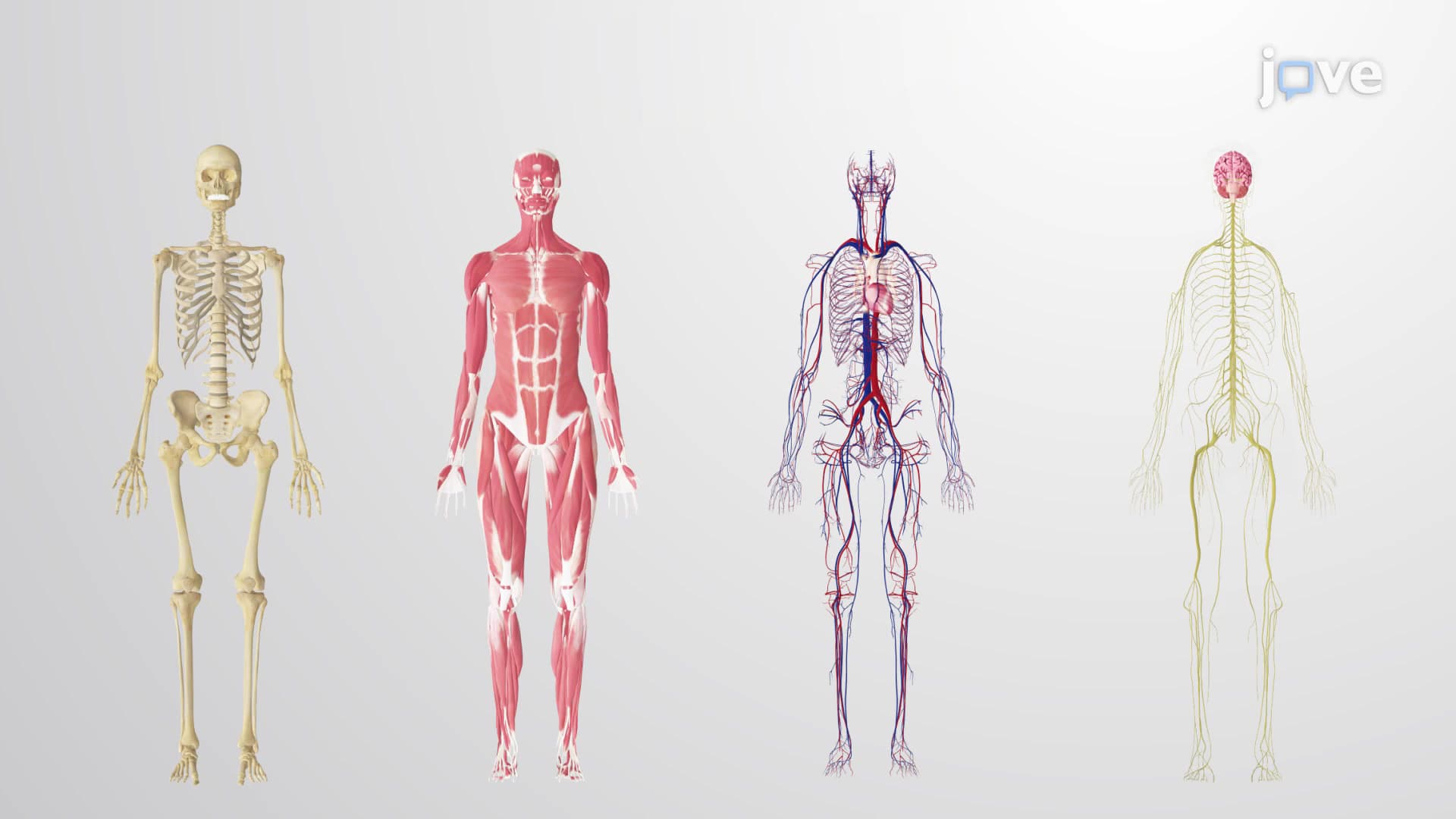
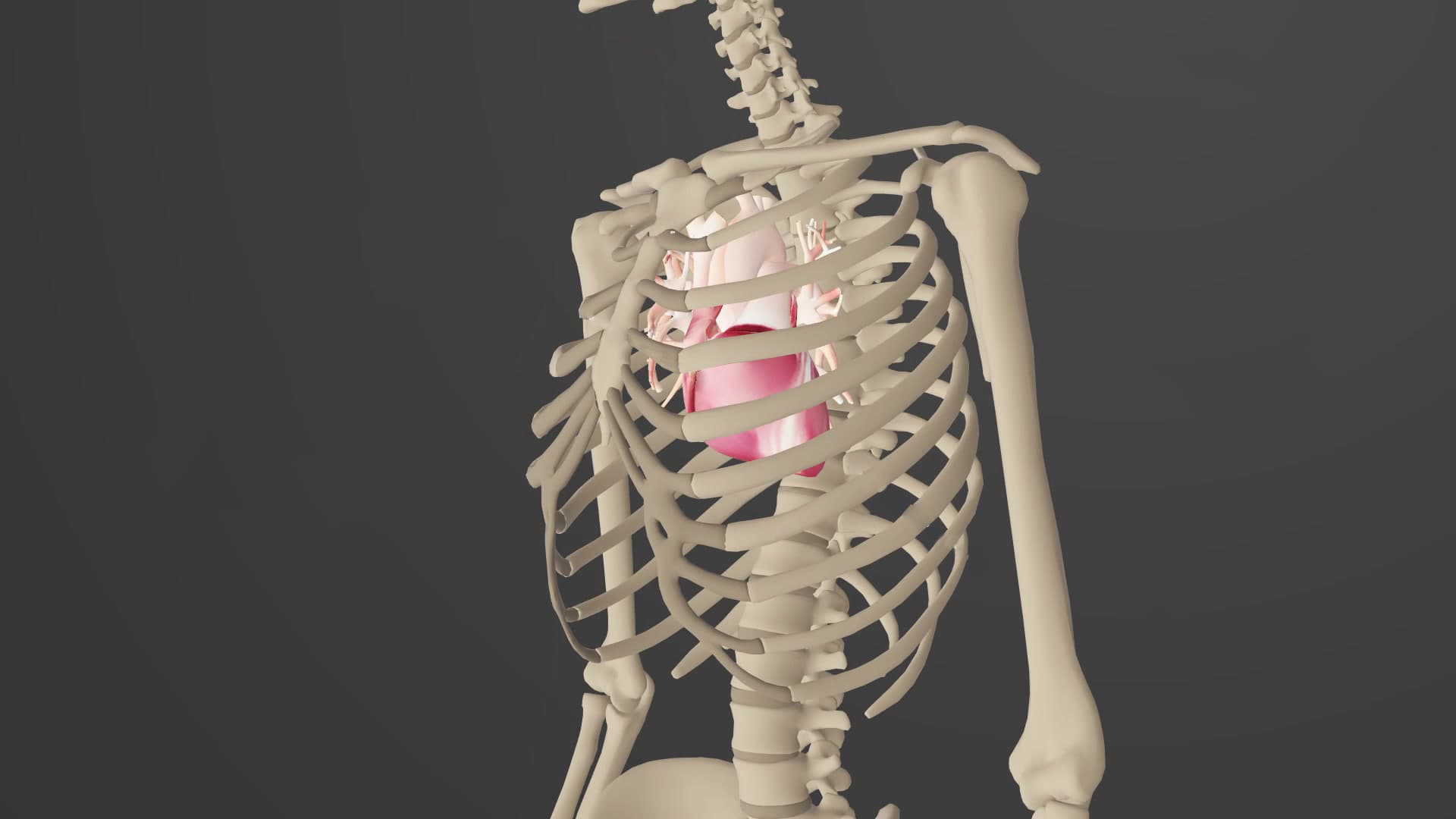
Anatomy's systematic approach to understanding body structure operates at multiple scales of organization. Gross anatomy, practiced in medical schools across the United States, involves dissection and examination of organs, bones, and major body systems visible to the naked eye. Students at institutions like the University of California, San Francisco, spend countless hours in cadaver labs learning how the heart's four-chambered structure enables efficient blood circulation, or how the brain's folded cortex maximizes surface area within the skull's confines.
Microscopic anatomy takes this exploration to the cellular and tissue level, revealing how individual muscle fibers contain contractile proteins that generate movement, or how kidney nephrons filter blood through specialized membrane structures. This detailed structural knowledge proves essential for understanding disease processes and treatment approaches.
Physiology examines the dynamic processes that sustain life, from molecular interactions within cells to complex regulatory systems spanning multiple organs. Cardiovascular physiology studies how the heart's electrical conduction system coordinates muscle contractions, while neurophysiology explores how neurons transmit signals throughout the nervous system to control everything from reflexes to complex behaviors.
This systematic approach proves invaluable for students preparing for standardized exams like the MCAT, where understanding physiological processes helps explain clinical scenarios and predict outcomes of medical interventions.
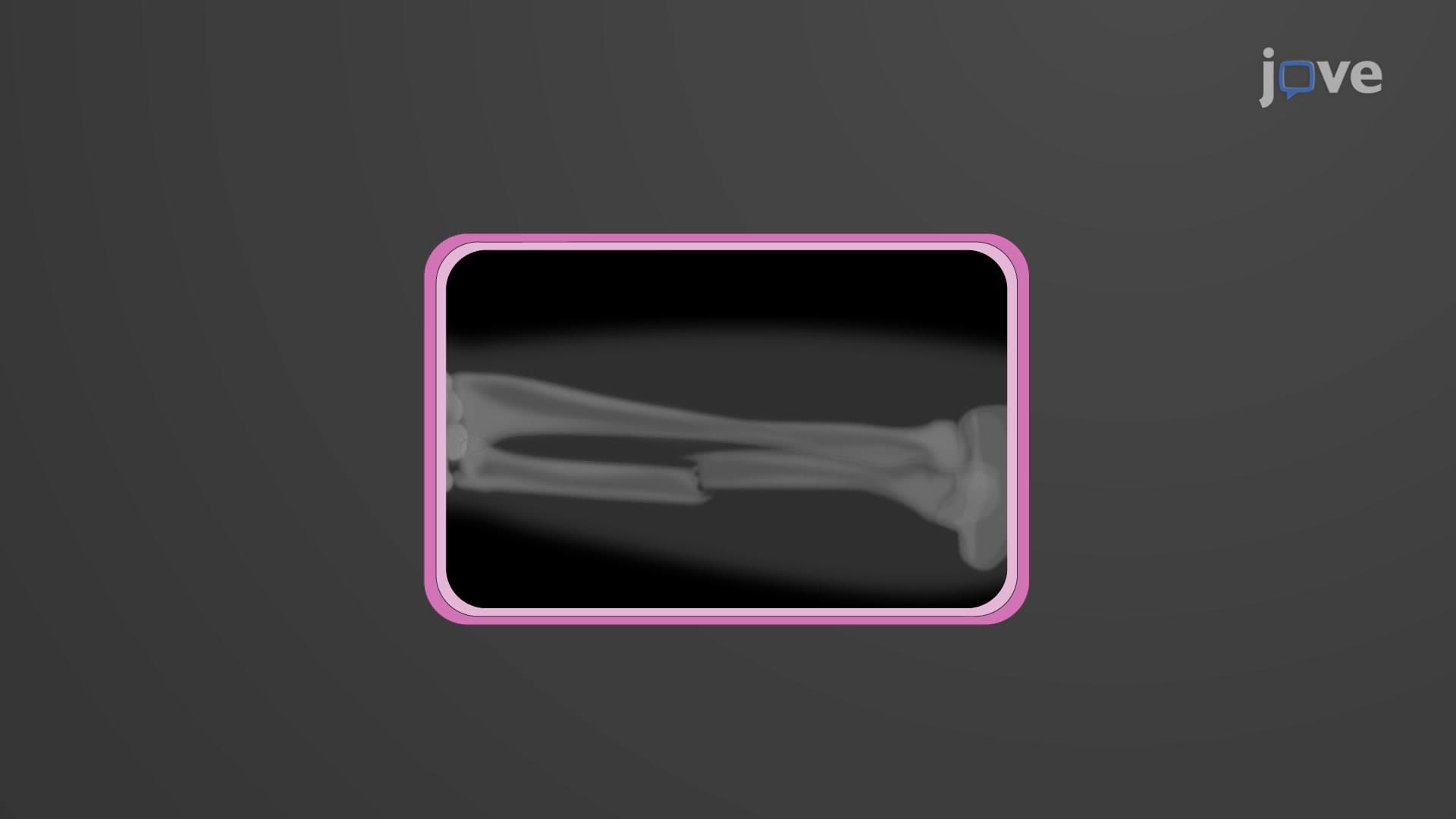
The relationship between structure and function becomes evident in everyday examples throughout the human body. Lung alveoli's thin walls and extensive surface area facilitate gas exchange, while bone tissue's mineral composition provides strength for weight-bearing. This principle guides medical professionals at institutions like Mayo Clinic in diagnosing conditions where structural abnormalities lead to functional problems, such as heart valve defects causing circulation issues.
Related Micro-courses