Loading subject page…

- Anatomy and Physiology
- Introduction to the Human Body
- Structural Organization of the Human Body: An Overview
Micro-course: Introduction to the Human Body
317,323 views
Learn key concepts and earn your certificate.




Structural Organization of the Human Body: An Overview


00:00
01:18
Video Summary: Structural Organization Human Body an Explained
Did you know that your body contains approximately 37 trillion cells, all organized into a precise hierarchy that makes complex life possible? The structural organization human body follows six distinct levels, from atoms forming molecules to complete organ systems like the cardiovascular network that pumps 2,000 gallons of blood daily through an average American adult. Understanding this organizational framework reveals how simple chemical components build into the sophisticated biological machine that is the human body. Watch the full video on JoVE Coach to master this concept with expert-led visuals and step-by-step explanations.
- Understand the complete hierarchy of Structural Organization Human Body An Explained, from chemical level through organism level
- Identify the six levels of organization: chemical, cellular, tissue, organ, organ system, and organism
- Analyze how atoms and molecules form the foundation for all biological structures in the human body
- Compare different tissue types and their specialized functions within organ systems
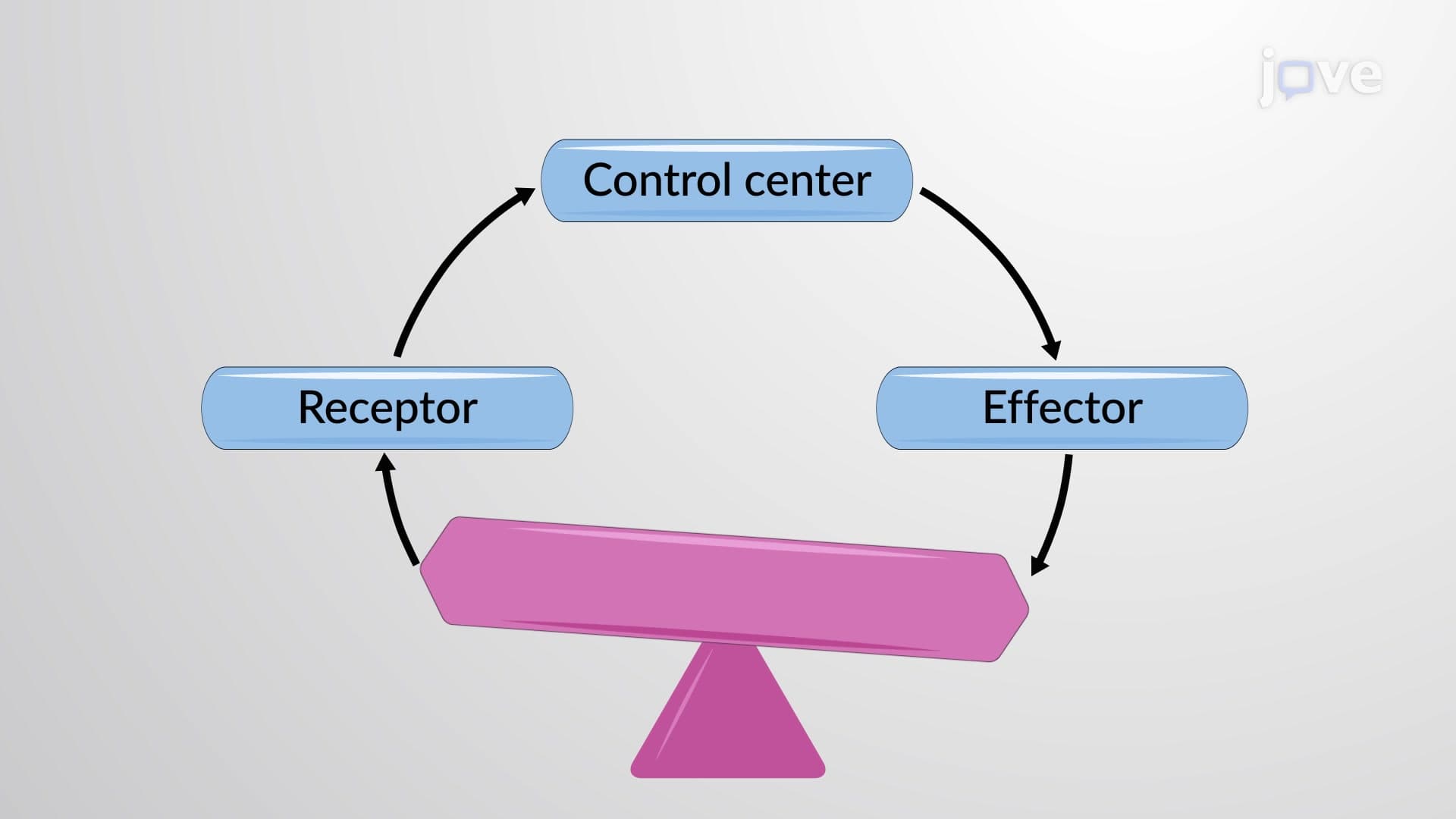
- Evaluate the relationships between cells, tissues, organs, and organ systems in maintaining homeostasis
- Apply knowledge of structural organization to explain how complex physiological processes occur
- Recognize examples of each organizational level using real anatomical structures
- Explore connections between structural organization and disease processes or medical interventions
Understanding Structural Organization Human Body An Explained
The human body represents one of nature's most sophisticated examples of hierarchical organization. This systematic arrangement allows billions of individual components to work together seamlessly, creating the complex organism capable of thought, movement, and reproduction. Medical schools across the United States, from Harvard to UCLA, begin anatomy courses with this fundamental concept because it provides the essential framework for understanding all physiological processes.
Chemical and Cellular Foundations
At the most basic level, the human body consists of chemical elements-primarily carbon, hydrogen, oxygen, and nitrogen-that combine to form essential biomolecules. Proteins like hemoglobin, lipids forming cell membranes, and carbohydrates providing cellular energy represent the molecular building blocks of life. These molecules organize into cellular structures, with specialized organelles performing specific functions. For example, mitochondria in heart muscle cells generate the ATP needed for continuous cardiac contractions, while ribosomes in liver cells synthesize critical proteins like albumin and clotting factors.
The cellular level represents the smallest functional unit of life, with approximately 200 different cell types in the human body. Red blood cells transport oxygen, neurons transmit electrical signals, and osteoblasts build bone matrix. Each cell type exhibits specific structural adaptations that enable its unique function, demonstrating how form follows function throughout biological systems.
Tissue Organization and Organ Formation
Tissues emerge when similar cells group together to perform coordinated functions. The four primary tissue types-epithelial, connective, muscle, and nervous-each serve distinct roles. Epithelial tissues form protective barriers and secretory surfaces, like the skin protecting against pathogens or the intestinal lining absorbing nutrients. Connective tissues, including bone, blood, and cartilage, provide structural support and transport. Muscle tissues enable movement through contraction, while nervous tissues coordinate body functions through electrical signaling.
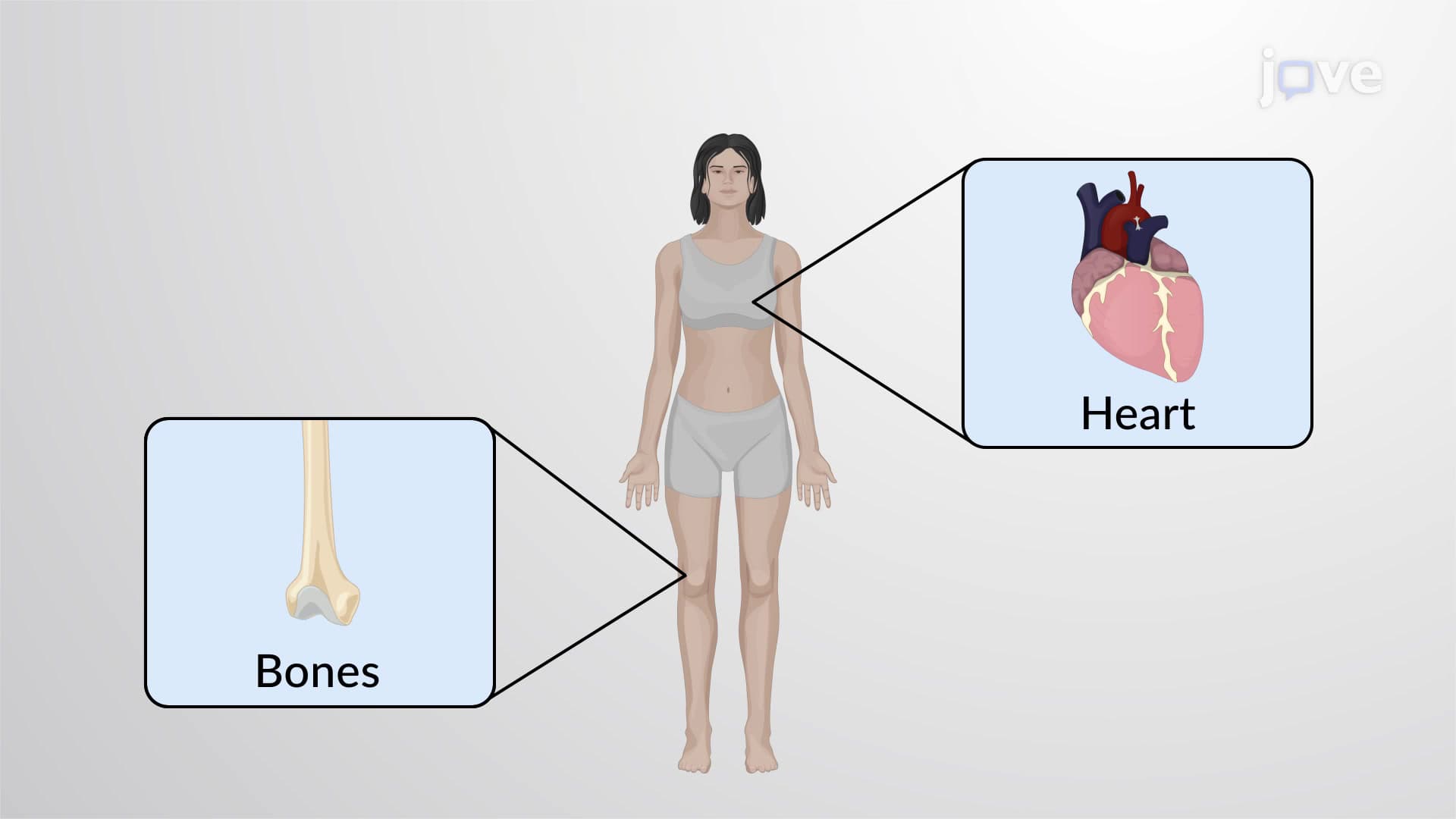
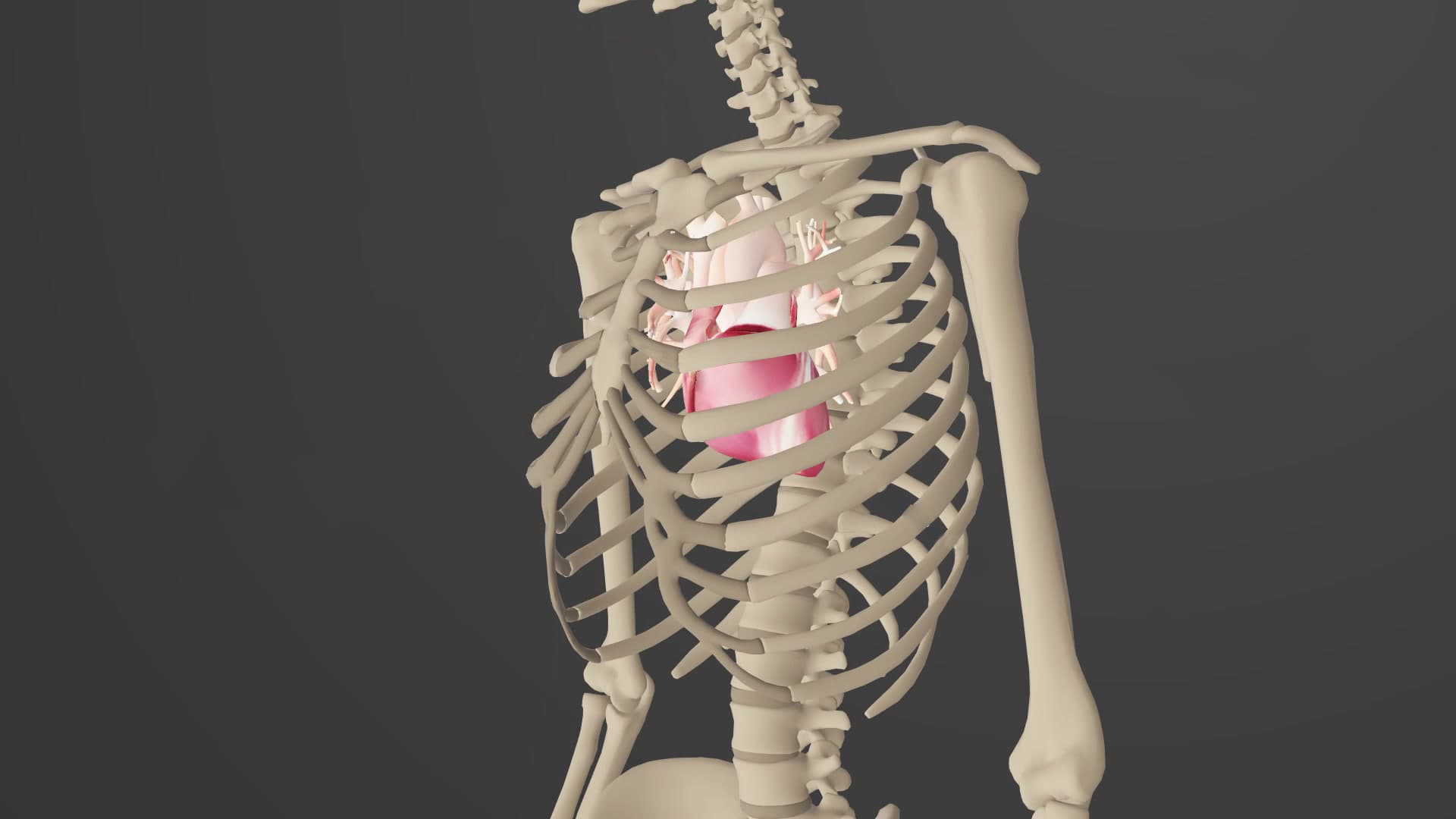
Organs represent the next organizational level, combining multiple tissue types to accomplish complex tasks. The heart exemplifies this integration: cardiac muscle tissue provides contractile force, nervous tissue regulates rhythm, connective tissue forms supporting structures, and epithelial tissue lines blood vessels. This multi-tissue collaboration enables the heart to pump effectively throughout a lifetime.
Organ Systems and Organism Integration
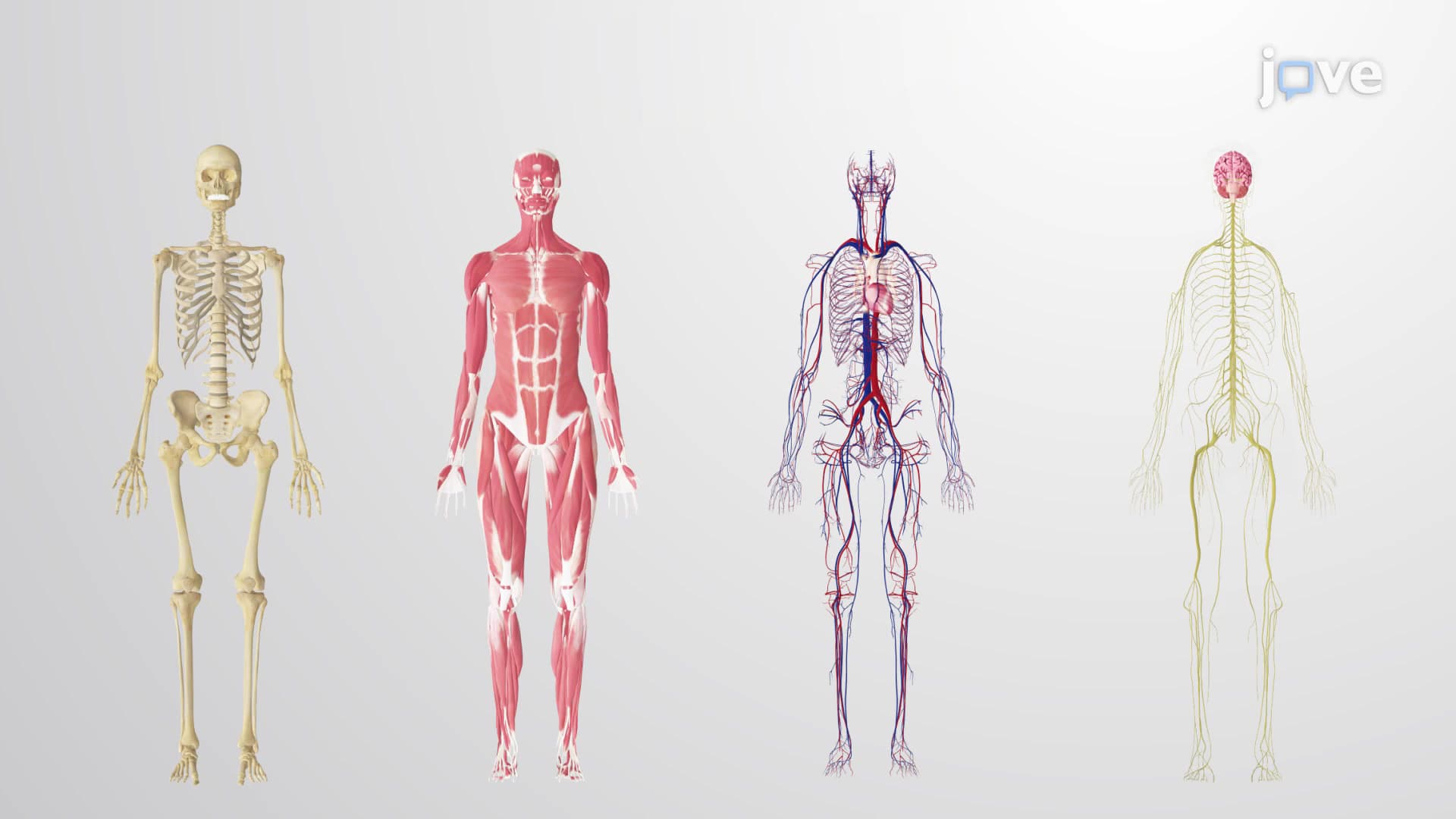
Organ systems represent collections of organs working toward common goals. The respiratory system, including lungs, trachea, and diaphragm, facilitates gas exchange. The digestive system processes nutrients from ingestion through elimination. The nervous system integrates information and coordinates responses. These systems interconnect extensively-the cardiovascular system delivers oxygen from the respiratory system while removing metabolic wastes processed by the urinary system.
Understanding this organizational hierarchy proves essential for success in advanced placement biology exams, MCAT preparation, and college-level anatomy courses. Students who master these relationships perform better on practical examinations and develop stronger foundations for healthcare careers.
Frequently Asked Questions
The structural organization of the human body refers to the hierarchical arrangement from atoms to organism level, progressing through chemical, cellular, tissue, organ, organ system, and complete organism levels. This organization matters because it explains how simple components build into complex biological functions, providing the foundation for understanding physiology, disease processes, and medical treatments.
The MCAT frequently tests structural organization through questions about cellular organelles, tissue types, and organ system interactions. Students encounter passages describing disease processes that disrupt normal organization, requiring analysis of how cellular damage affects tissue function and ultimately organ system performance.
AP Biology exams commonly include questions about levels of organization, asking students to identify examples at each level or explain how disruptions at one level affect higher levels. Free response questions often require students to trace a biological process through multiple organizational levels, such as how genetic mutations affect protein structure, cellular function, and ultimately organism health.
HESI A2 and similar nursing entrance exams test organizational concepts through anatomy and physiology questions. Understanding how cells form tissues, tissues form organs, and organs form systems helps answer questions about disease processes, medication effects, and patient assessment strategies that nurses encounter in clinical practice.
When treating heart attacks at US hospitals like Mayo Clinic, cardiologists understand that coronary artery blockages (organ level) prevent oxygen delivery to cardiac muscle cells (cellular level), disrupting ATP production (chemical level) and causing tissue death, ultimately affecting the entire cardiovascular system's ability to maintain circulation throughout the organism.
Structural organization concepts are highly accessible to high school students because they follow logical, hierarchical patterns similar to organizational charts in businesses or government. Starting with familiar examples like how individual players form teams, teams form leagues, and leagues form professional sports organizations helps students grasp biological hierarchy principles.
Create concept maps connecting each organizational level with specific examples, then practice tracing processes across levels. For instance, follow how eating an apple involves chemical digestion (molecular level), nutrient absorption (cellular level), intestinal processing (tissue level), stomach function (organ level), and complete digestive system coordination (system level).
After understanding structural organization, explore homeostasis mechanisms that maintain stable conditions across all organizational levels. This leads naturally into studying specific organ systems in detail, disease pathology, and how medical interventions target specific organizational levels to restore normal function.
Related Micro-courses
6 Concepts
21 Concepts
23 Concepts