Loading video…


 14 Concepts
 317.3K views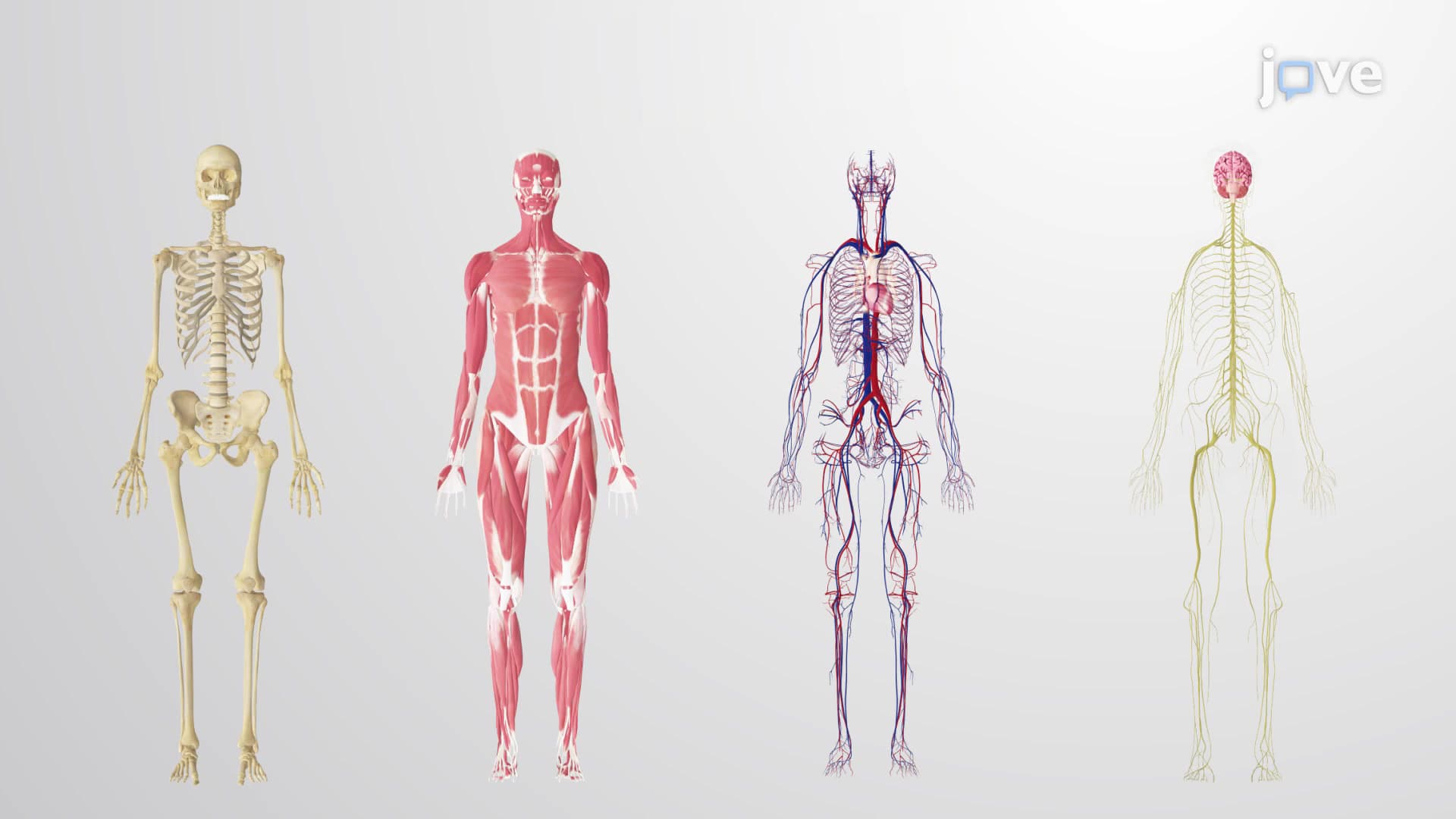

Video Summary: What are Functions of Life
Every second, your heart beats 70 times while your kidneys filter 120 milliliters of blood-but what makes these processes essential functions of life biology? From a marathon runner's coordinated muscle contractions to a diabetic patient's insulin regulation, What are Functions of Life encompasses the critical biological processes that keep organisms alive and thriving. These fundamental systems work together like a perfectly orchestrated symphony, enabling protection, movement, metabolism, and reproduction in every living being. Watch the full video on JoVE Coach to master this concept with expert-led visuals and step-by-step explanations.
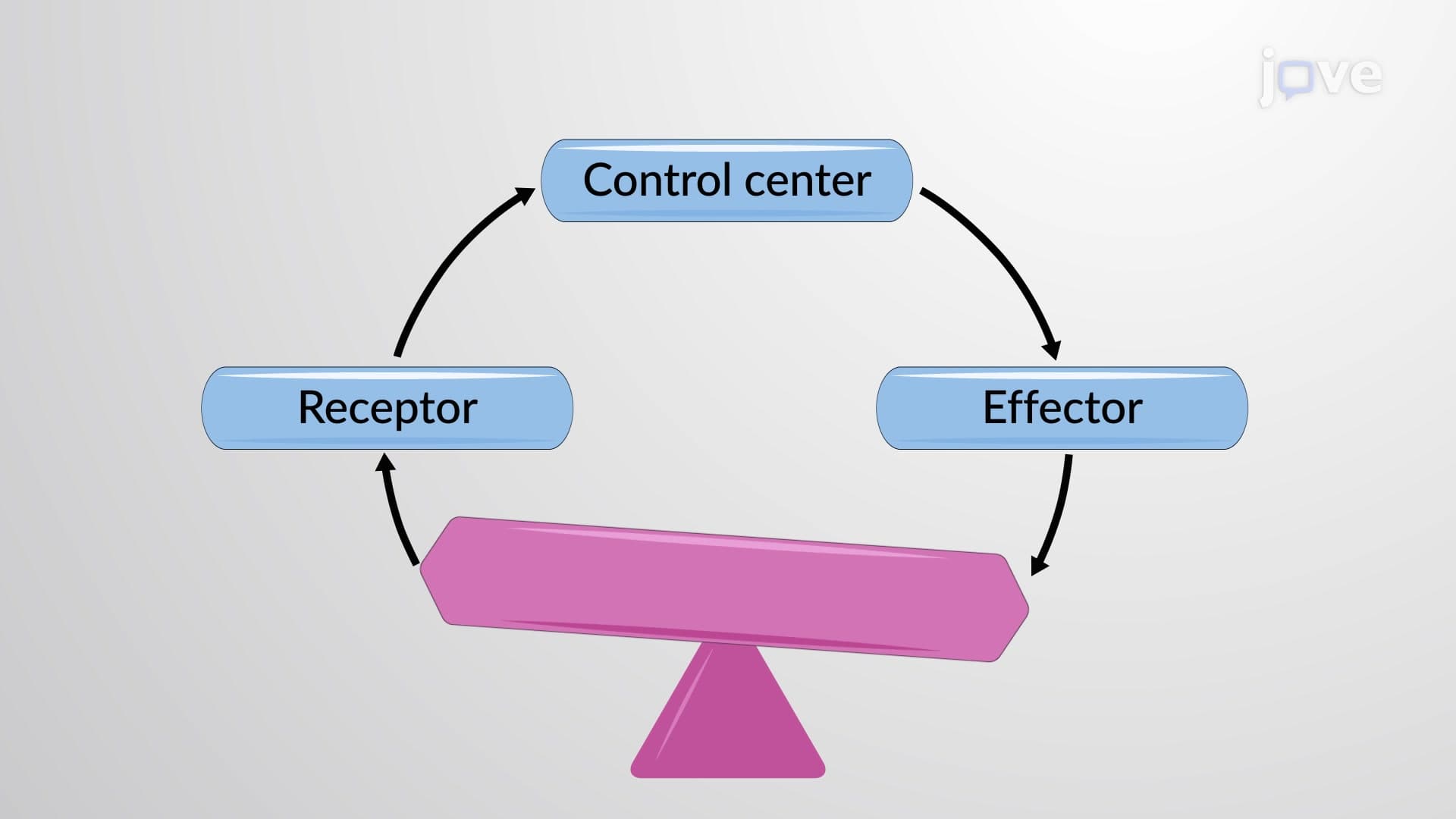
The functions of life biology represent the fundamental processes that distinguish living organisms from non-living matter. These essential life functions work synergistically to maintain homeostasis, enable growth and development, and ensure species survival. Understanding these processes is crucial for success in AP Biology, college-level biology courses, and pre-health professional programs like pre-med tracks.
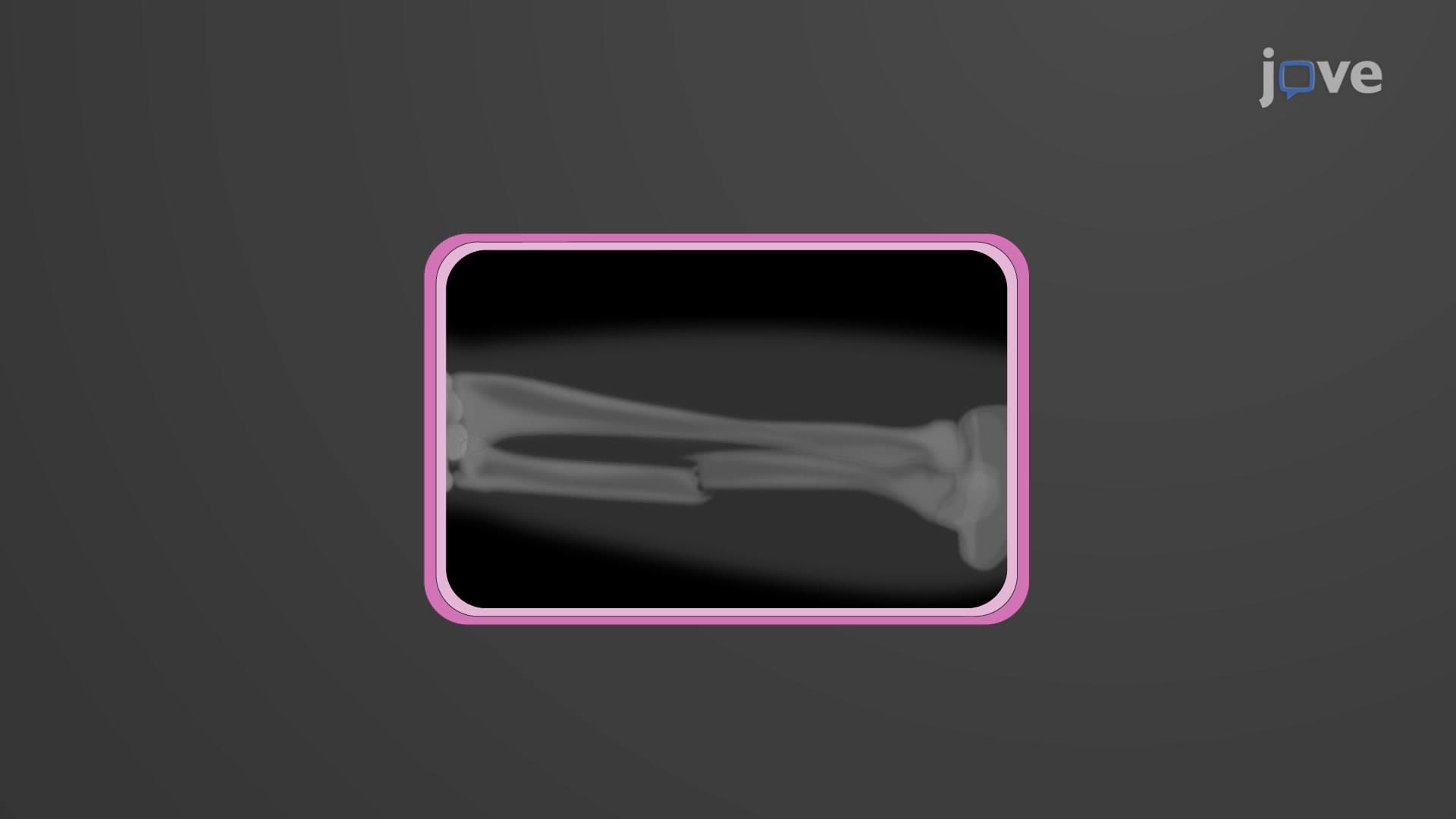
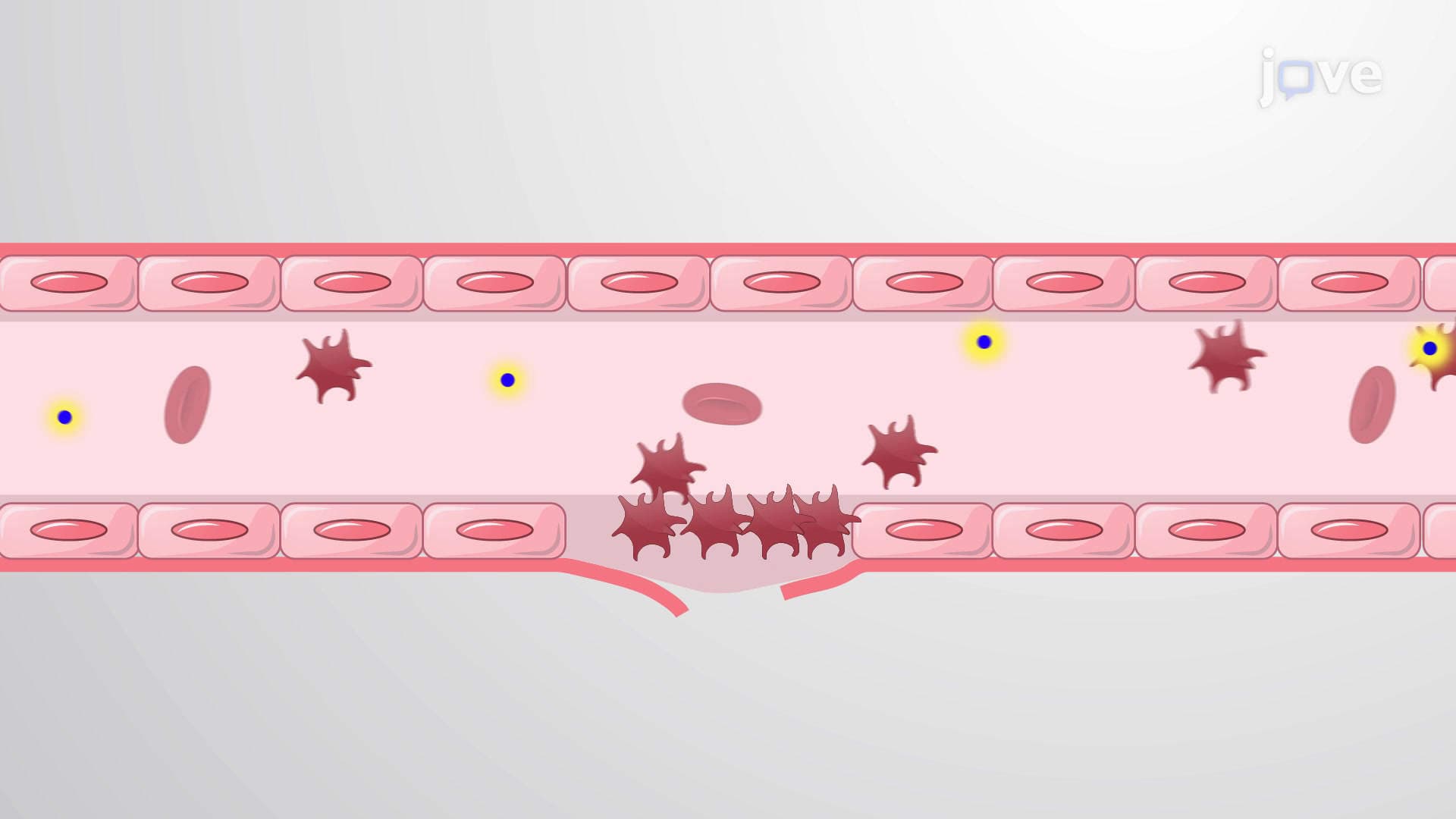
Protective mechanisms serve as the first line of defense in life functions explained biology. The integumentary system-comprising skin, hair, and nails-forms a physical barrier against pathogens, UV radiation, and mechanical injury. Consider how burn victims at major trauma centers like Johns Hopkins Hospital require immediate skin grafts because compromised protective barriers can lead to life-threatening infections. The immune system provides additional protection through specialized cells that identify and eliminate foreign invaders, while the nervous system rapidly detects environmental threats and initiates protective responses.
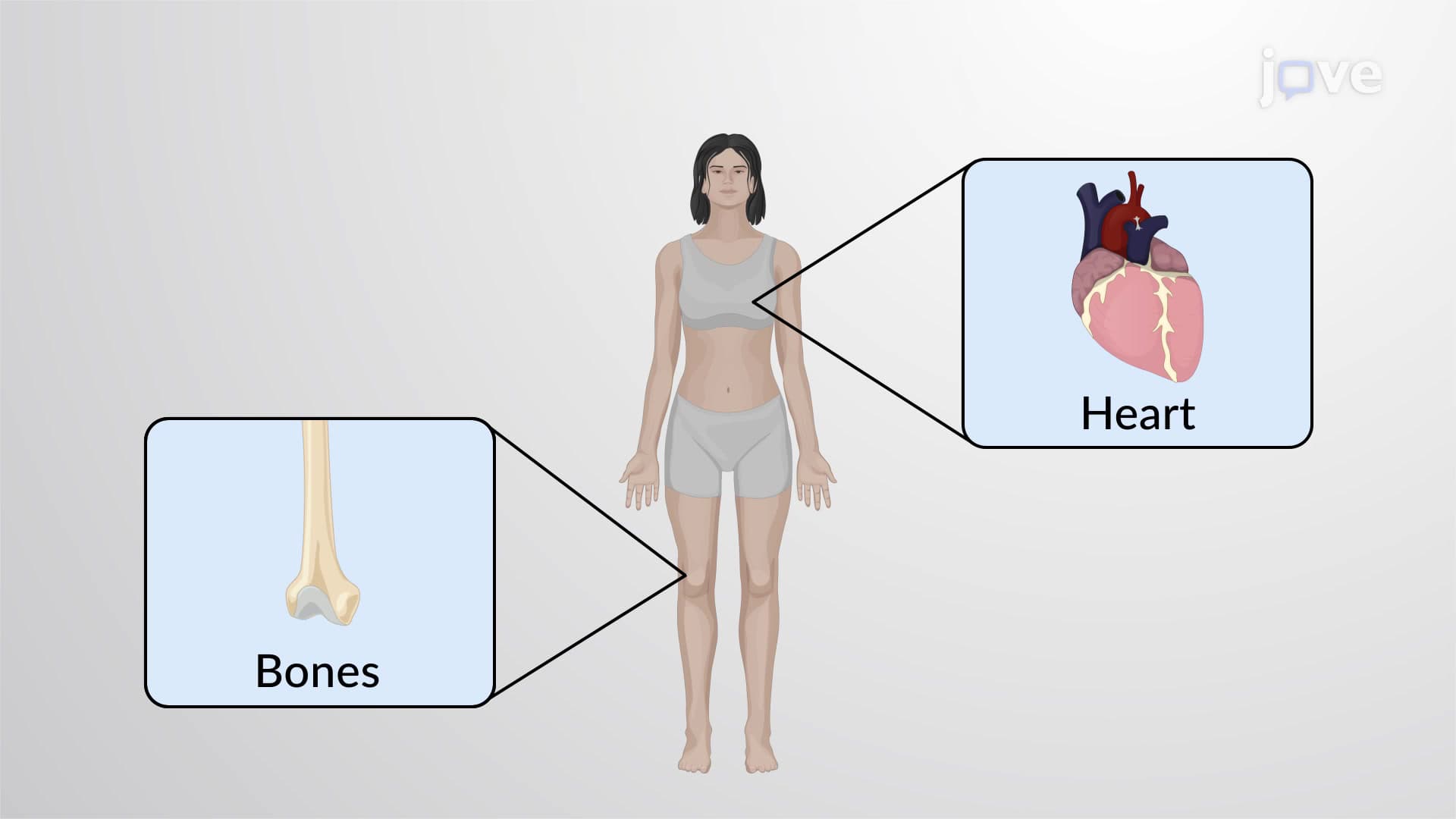
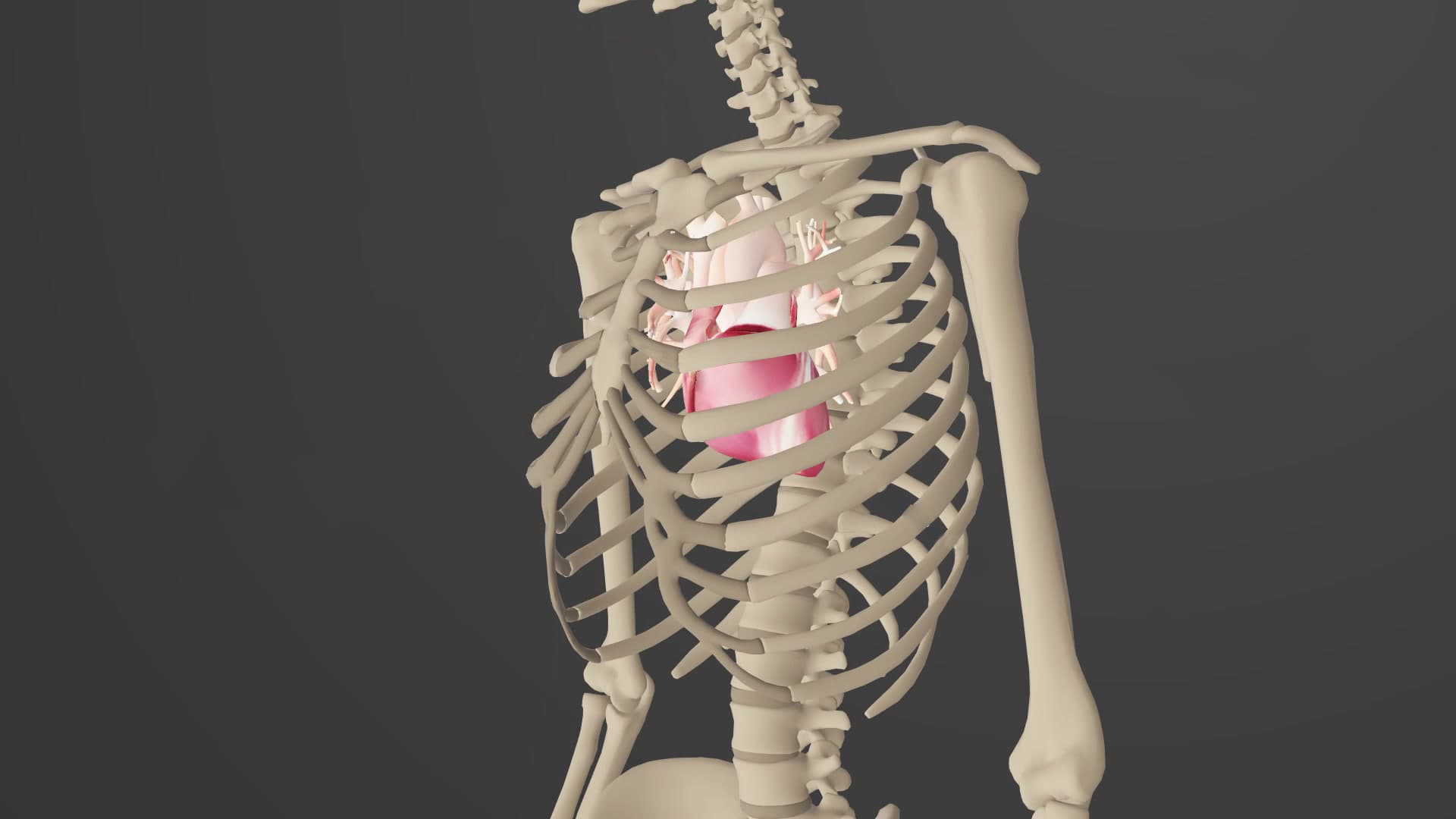
Movement represents one of the most visible characteristics of living things. The musculoskeletal system enables locomotion through coordinated contractions of over 600 muscles working with 206 bones. However, life processes biology also encompasses internal movement-cardiac muscle pumping 5 liters of blood per minute, smooth muscle propelling food through the digestive tract, and ciliary action clearing respiratory passages. This concept frequently appears on MCAT passages examining cardiovascular physiology and muscle mechanics.
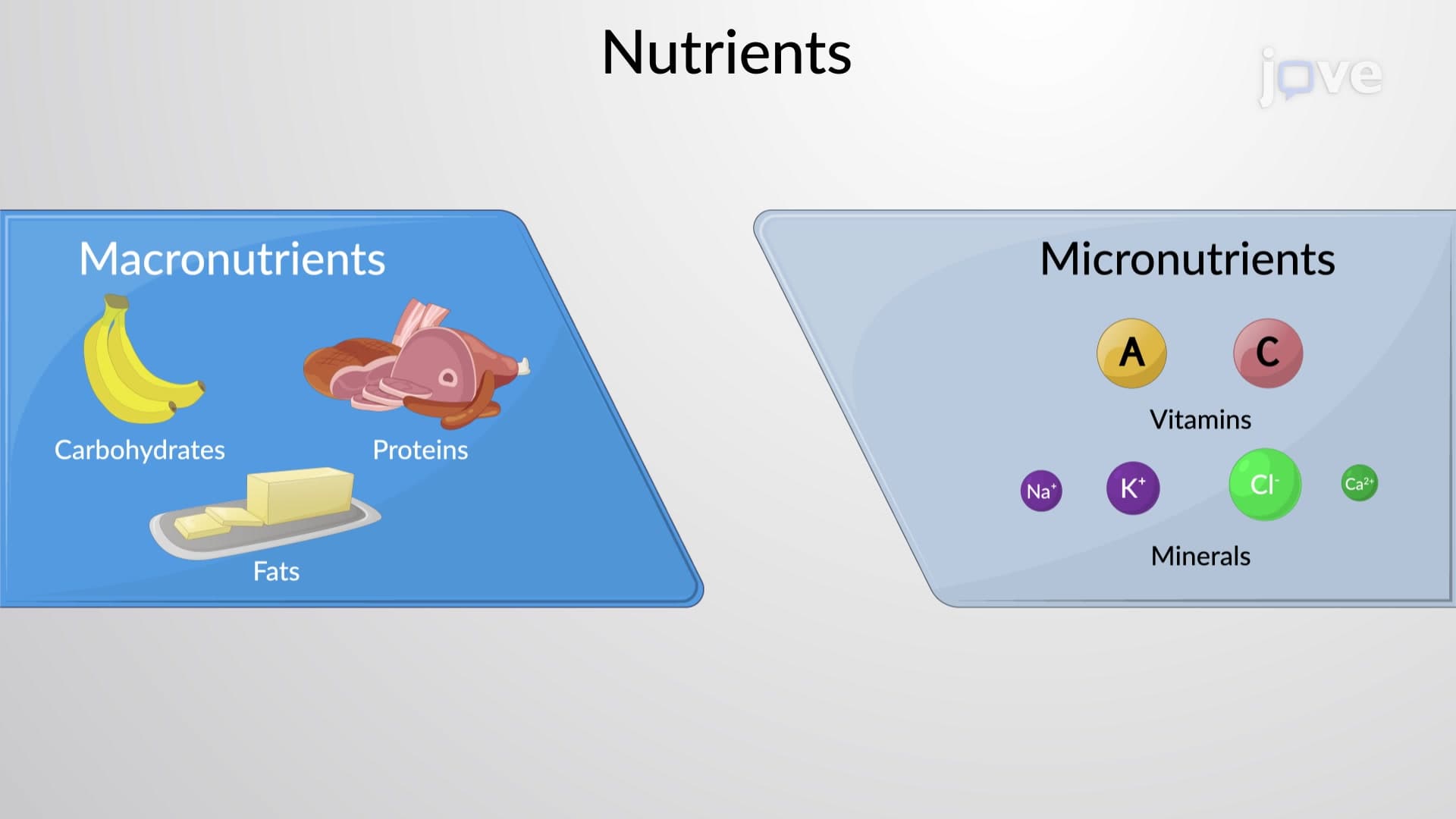
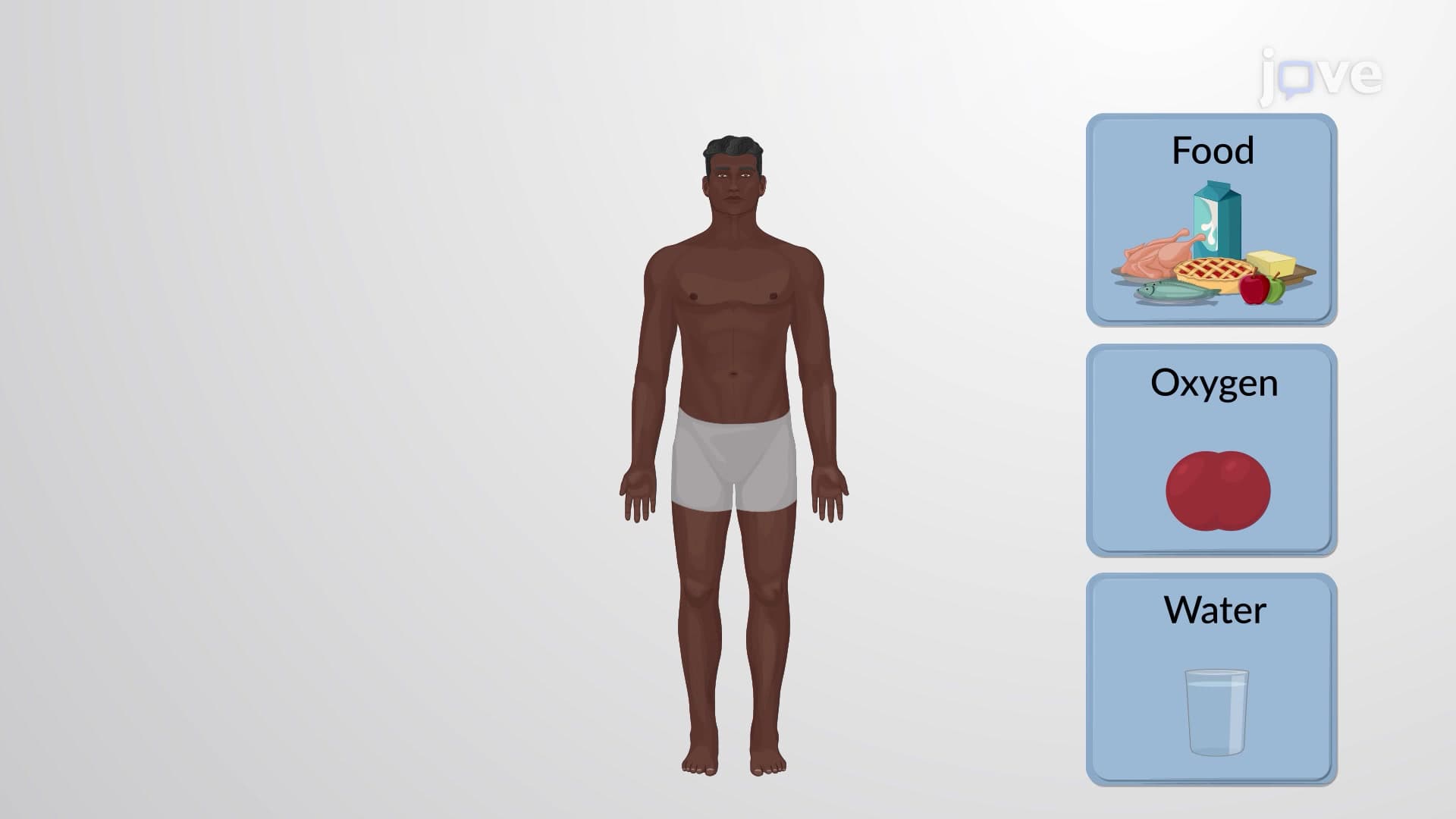
Metabolism reproduction life processes center on the body's ability to transform energy and materials. Catabolism breaks down complex molecules like glucose during cellular respiration, releasing ATP for cellular work. Meanwhile, anabolism synthesizes complex molecules-protein synthesis from amino acids, DNA replication, and glycogen formation for energy storage. Students studying for the USMLE Step 1 must master these pathways, as metabolic disorders like diabetes mellitus affect millions of Americans and represent critical clinical knowledge.
Excretion removes metabolic waste products that could otherwise prove toxic. The kidneys filter 180 liters of blood daily, the liver detoxifies harmful substances, and the lungs eliminate carbon dioxide. Understanding these processes helps explain conditions like chronic kidney disease, which affects 37 million Americans.
Reproductive functions ensure genetic material passes to subsequent generations. Gametogenesis produces specialized reproductive cells-sperm in males and eggs in females-each carrying half the genetic information needed for offspring development. Fertilization creates a zygote with complete genetic instructions, beginning embryonic development. This topic connects to genetics units in AP Biology and forms the foundation for understanding developmental biology in advanced coursework.
Related Micro-courses