Loading subject page…


317,343 views

Video Summary: What Is Anatomical Terminology
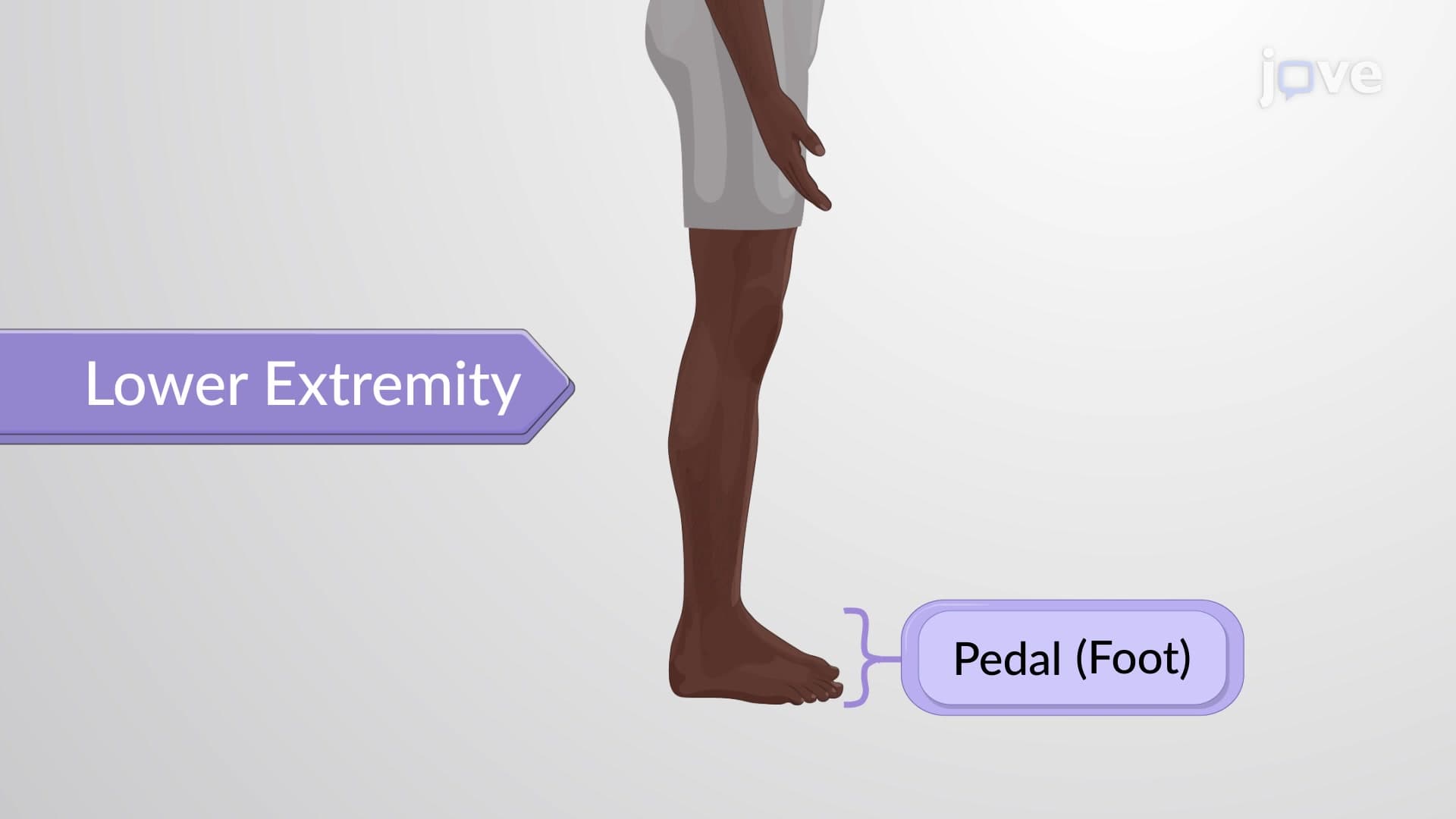
When a paramedic in Chicago describes a patient's injury as "anterior thoracic trauma," they're using anatomical terminology basics that every healthcare professional must know. Understanding anatomical terminology basics creates a universal language that allows medical professionals worldwide to communicate precisely about the human body's structure and function. These standardized terms, rooted in Greek and Latin origins, eliminate confusion in critical situations like emergency rooms at Johns Hopkins Hospital or research labs at the Mayo Clinic. Watch the full video on JoVE Coach to master this concept with expert-led visuals and step-by-step explanations.
Anatomical terminology basics form the cornerstone of medical communication, serving as a precise, universal language that healthcare professionals use globally. This standardized system eliminates ambiguity in medical documentation, research publications, and clinical practice. When a radiologist at Cleveland Clinic reads an MRI scan, they use the same anatomical terms that a surgeon at Massachusetts General Hospital would recognize instantly, ensuring patient safety and effective treatment coordination.
The anatomy terminology explained through its etymology reveals why medical terms often seem complex to beginners. Most anatomical terms derive from ancient Greek and Latin because these languages were the scholarly languages when anatomy was first systematically studied. The root "cardi-" comes from the Greek "kardia" (heart), while "hepat-" derives from Greek "hepar" (liver). Understanding these patterns helps students decode unfamiliar terms. For instance, knowing that "-ology" means "study of" immediately clarifies that "cardiology" is the study of the heart, while "hepatology" focuses on liver diseases.
Mastering anatomical term definitions requires understanding how word parts combine systematically. The prefix "epi-" means "above" or "upon," so "epidermis" refers to the skin layer above the dermis. Similarly, "hypo-" means "below," making "hypogastric" the region below the stomach. Suffixes provide crucial meaning: "-itis" indicates inflammation (arthritis, bronchitis), "-ectomy" means surgical removal (appendectomy), and "-osis" suggests a condition or disease state (osteoporosis). Students preparing for the MCAT or AP Biology exams benefit greatly from memorizing these common components.
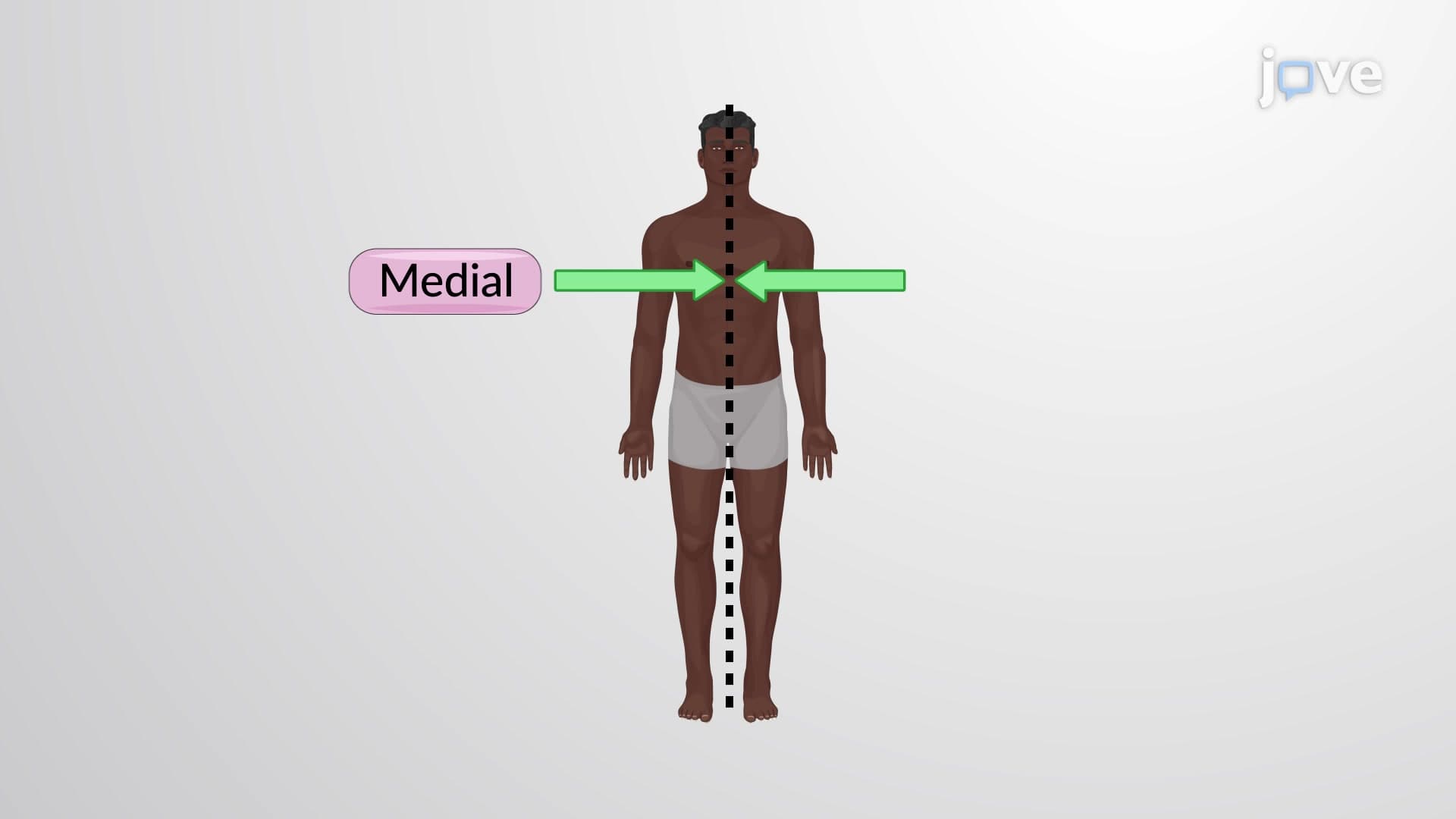
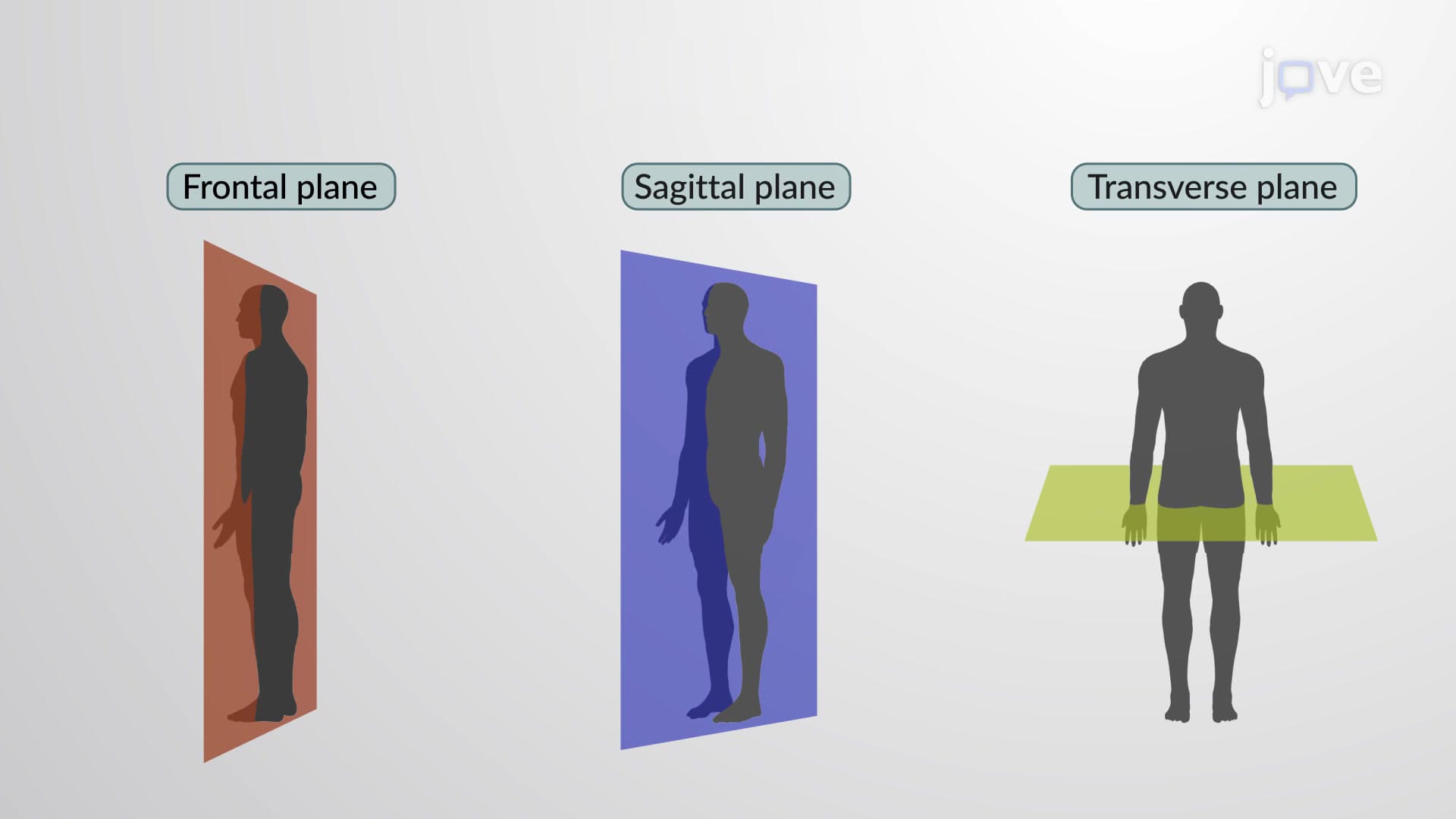
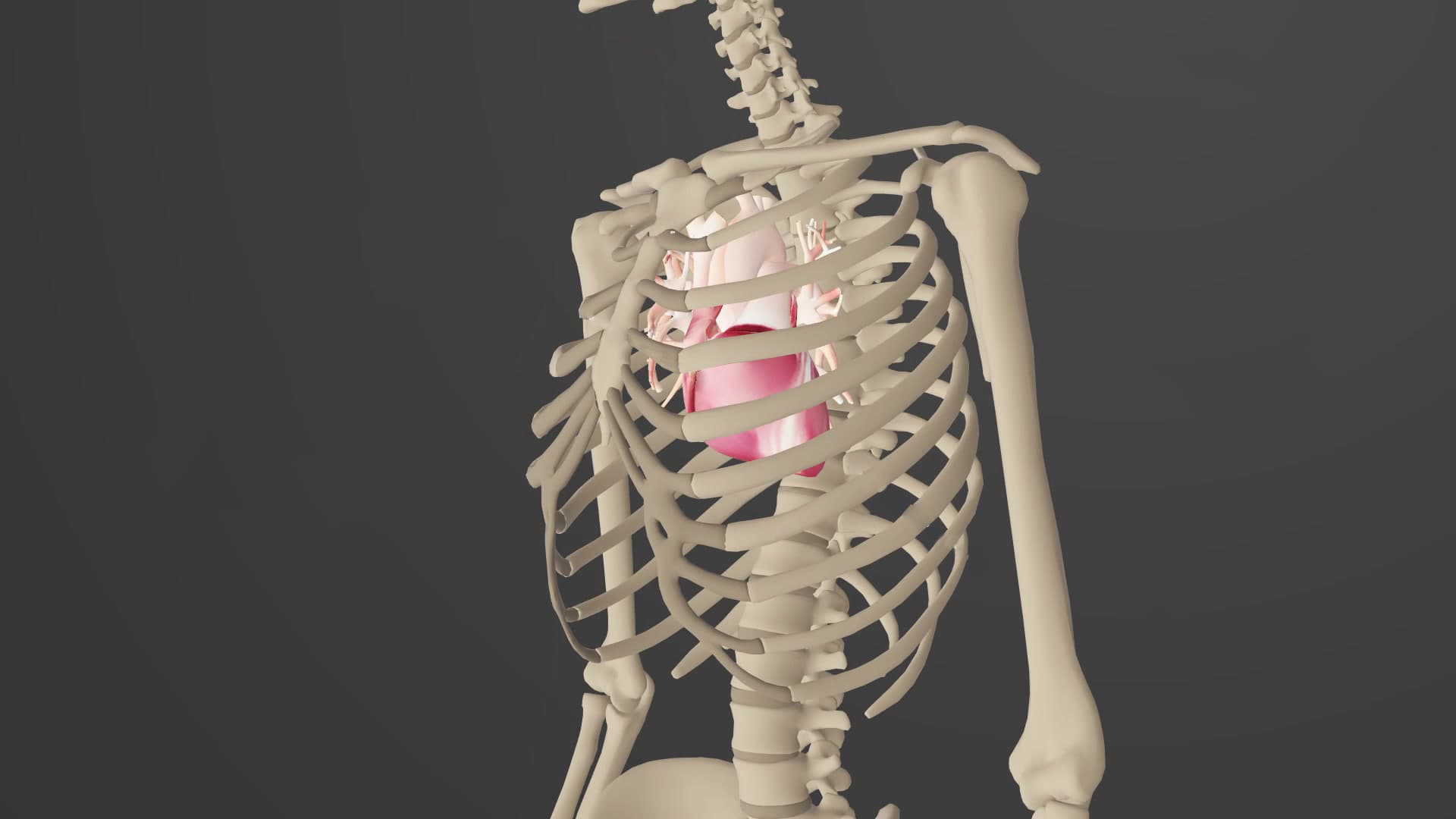
Body position terminology centers on the standard anatomical position: standing upright, facing forward, arms at sides with palms forward, and feet parallel. This reference point ensures consistency when describing anatomical terms of location. The heart lies anterior (front) to the vertebral column but posterior (back) to the sternum. Anatomy directional terms like superior (above), inferior (below), medial (toward midline), and lateral (away from midline) become essential for nursing students taking the NCLEX exam or pre-med students in human anatomy courses at universities like Duke or Stanford.
Related Micro-courses